What Hydrangeas In Georgia Need In March For Colorful Showy Blooms
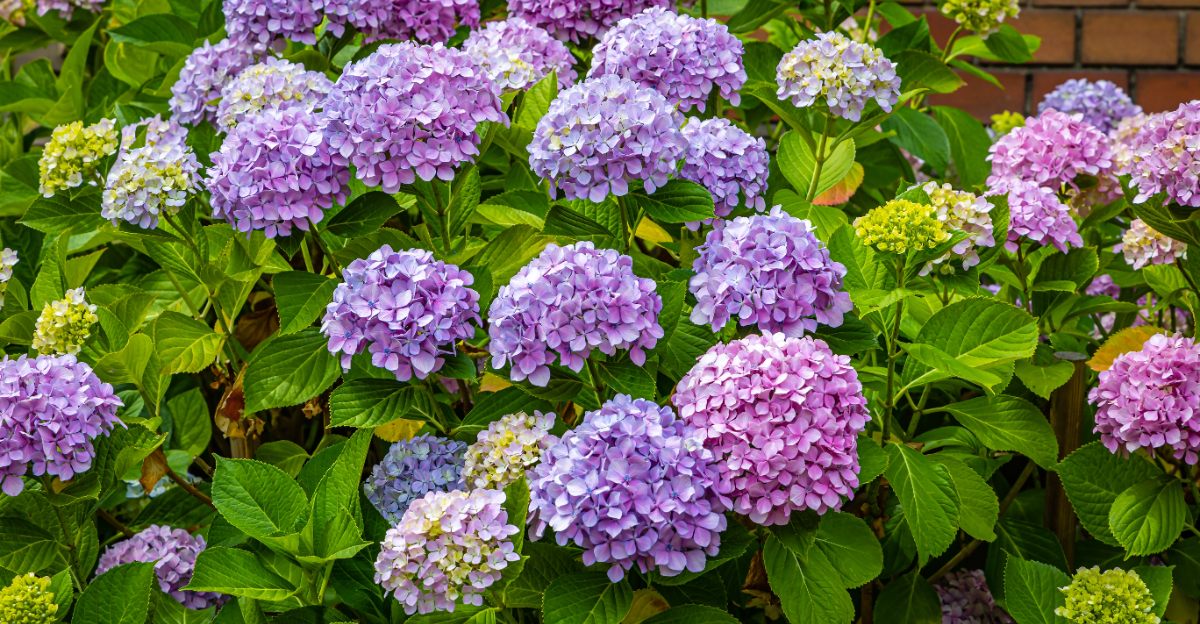
Hydrangeas can either put on a stunning show or leave you wondering what went wrong, and a lot of that comes down to what happens in March. In Georgia, this is the window where a few simple steps can shape the entire bloom season ahead.
Some hydrangeas are already setting buds, while others are just starting to push new growth, so timing matters more than most people think.
The right cut, the right feeding, and even small soil adjustments can make the difference between weak flowers and those big, full blooms everyone hopes for.
It’s not about doing more work, it’s about doing the right things at the right time. Once temperatures start rising, hydrangeas respond quickly, and what you do now shows up fast.
Get March right, and those colorful, showy blooms won’t be a surprise later, they’ll feel expected.
1. Clean Up Old Wood And Winter Damage Early
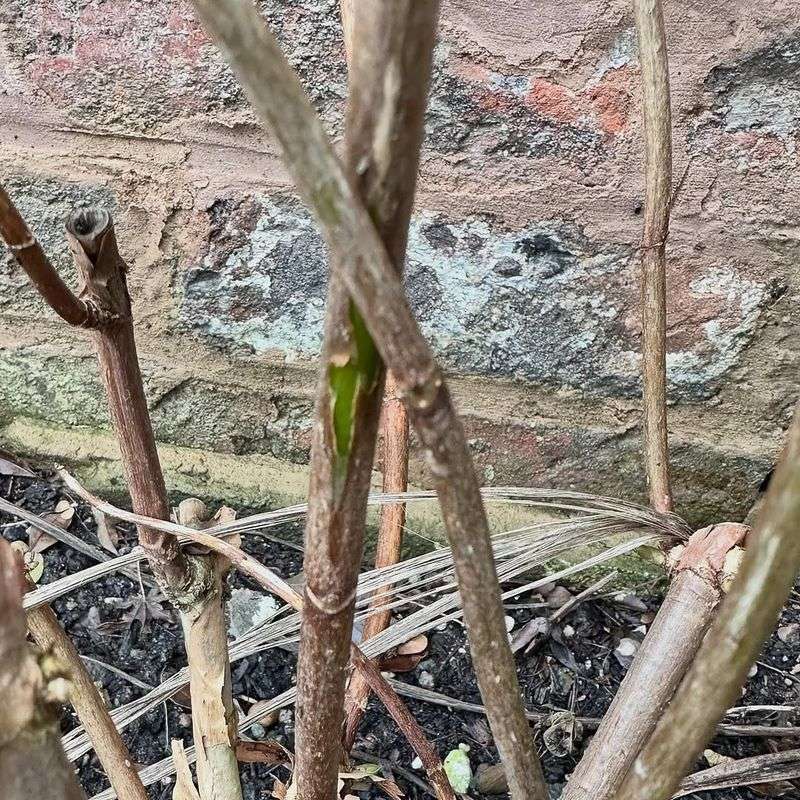
Grab your pruners and take a close look at your hydrangeas before anything else this March. Winter in Georgia is mild compared to northern states, but even here, stems can get hit hard by cold nights, ice, or just plain old age.
Old, unproductive wood sitting on the plant does not help anything it blocks airflow, invites fungal problems, and makes it harder to see what is actually alive.
Run your fingernail along a stem. If the inside is green and slightly moist, that stem is alive.
If it snaps dry and shows brown or hollow inside, cut it back to where you see healthy tissue. Do not be shy about removing the bad stuff early.
A cleaner plant in March means better energy going to the buds that actually matter.
Look also for stems that are crossing or rubbing against each other. Those create wounds that pests and disease love to move into.
Pull out any leaves or debris sitting at the base of the plant too. Old leaf litter around the crown holds moisture in ways that invite root problems over time.
In Georgia, March temperatures can swing fast. Getting this cleanup done in the first two weeks of the month, before warm spells push new growth out, gives you the clearest picture of what you are working with.
You will spot bud damage more easily on bare stems, and you will be ready to make smart pruning decisions based on what is actually alive rather than guessing.
2. Protect Flower Buds From Late Cold Snaps
A single late freeze in March can wipe out an entire season of blooms on old-wood hydrangeas. Bigleaf varieties especially carry their buds through winter on last year’s stems, and those buds are fragile.
Temperatures dropping below 28 degrees Fahrenheit for even a few hours can turn plump, promising buds into brown, soft mush by morning.
Keep an eye on the forecast every week through March. Georgia weather does not follow a straight line from cold to warm.
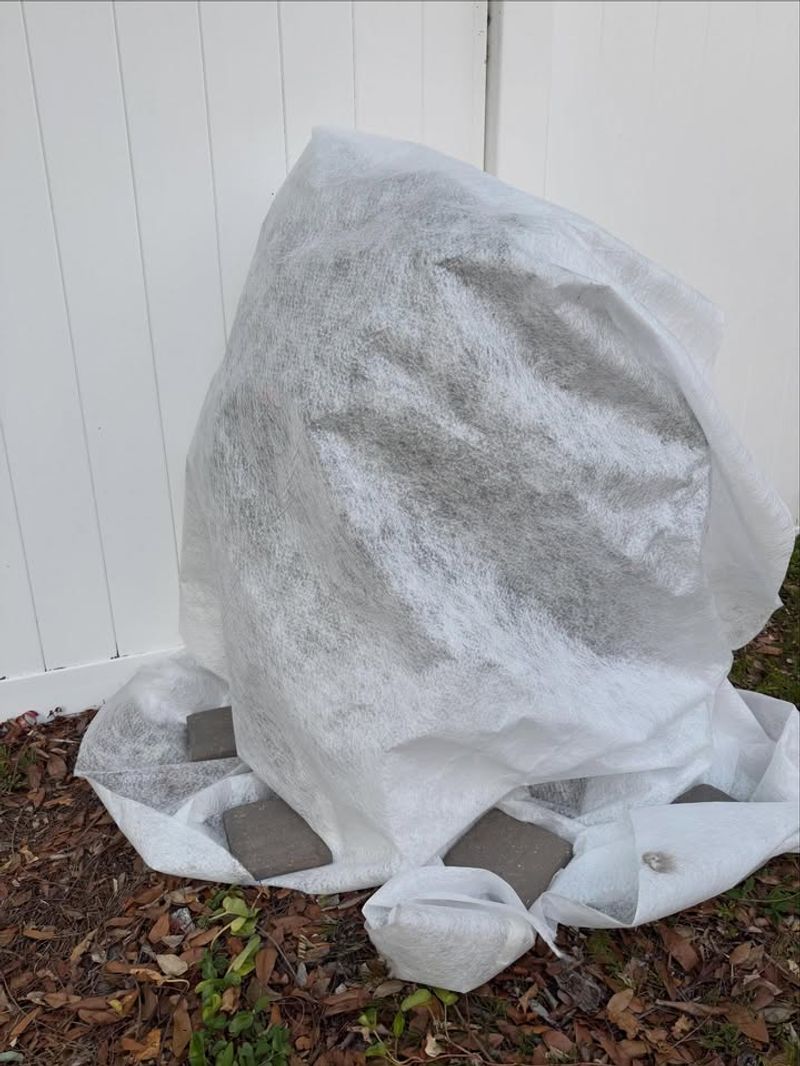
There are years when a hard freeze rolls through in the third week of March, right when buds are swelling and looking hopeful. When a cold night is coming, covering your plants with frost cloth is the most reliable protection you have.
Drape the cloth all the way to the ground and anchor the edges with rocks or bricks. Trapping ground heat under the cover makes a real difference.
Do not use plastic sheeting — it does not breathe and can actually cause more damage by concentrating cold moisture against the stems. Frost cloth, old bedsheets, or even burlap work far better.
Remove the covering the next morning once temperatures climb back above freezing. Leaving fabric on during a warm sunny day will heat up the plant too fast and stress the new growth.
If you have hydrangeas planted in a low-lying area of your Georgia yard where cold air settles, those plants need extra attention. Cold air pools in low spots, and your buds there face a higher risk than plants on slightly elevated ground.
3. Prune Only The Right Types At The Right Time
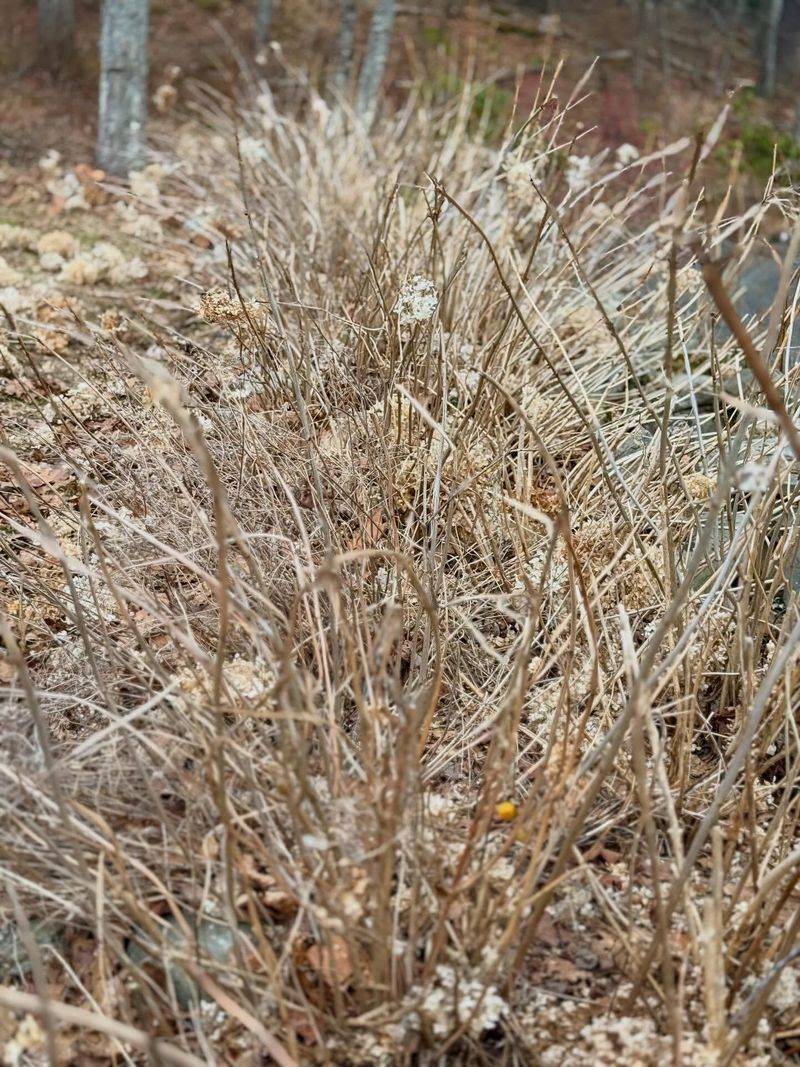
Pruning hydrangeas the wrong way in March is one of the fastest routes to a bloomless summer. Not every type gets pruned at the same time, and getting this wrong by even a few weeks can cost you months of flowers.
Knowing what you have planted is the first step before any blade touches a stem.
Panicle and smooth hydrangeas bloom on new wood — growth that pushes out this spring. Cutting those back hard in late February through early March actually helps them.
Trim stems down to about 12 to 18 inches from the ground. New shoots will push out fast, and the blooms that follow on fresh growth tend to be fuller and larger than on older, woodier stems.
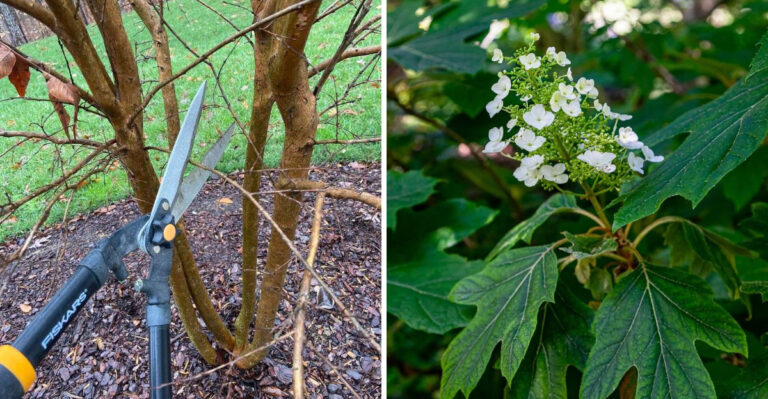
Bigleaf, mountain, and oakleaf hydrangeas are a completely different story. Those varieties carry their flower buds on wood that grew last year.
Cutting those stems in March means cutting off your blooms before they ever open. Leave those plants alone right now.
Any cleanup pruning for old-wood bloomers should wait until after they finish flowering, typically late June or early July in Georgia.
If you are not sure which type you have, look at last summer’s growth. Panicle hydrangeas have cone-shaped flower clusters that often turn papery and tan by fall.
Bigleaf types have round, mophead or lacecap blooms. When in doubt, skip pruning entirely for March and observe the plant through spring.
You can always cut later — you cannot put buds back once they are gone.
4. Refresh Soil With Organic Matter For Strong Growth
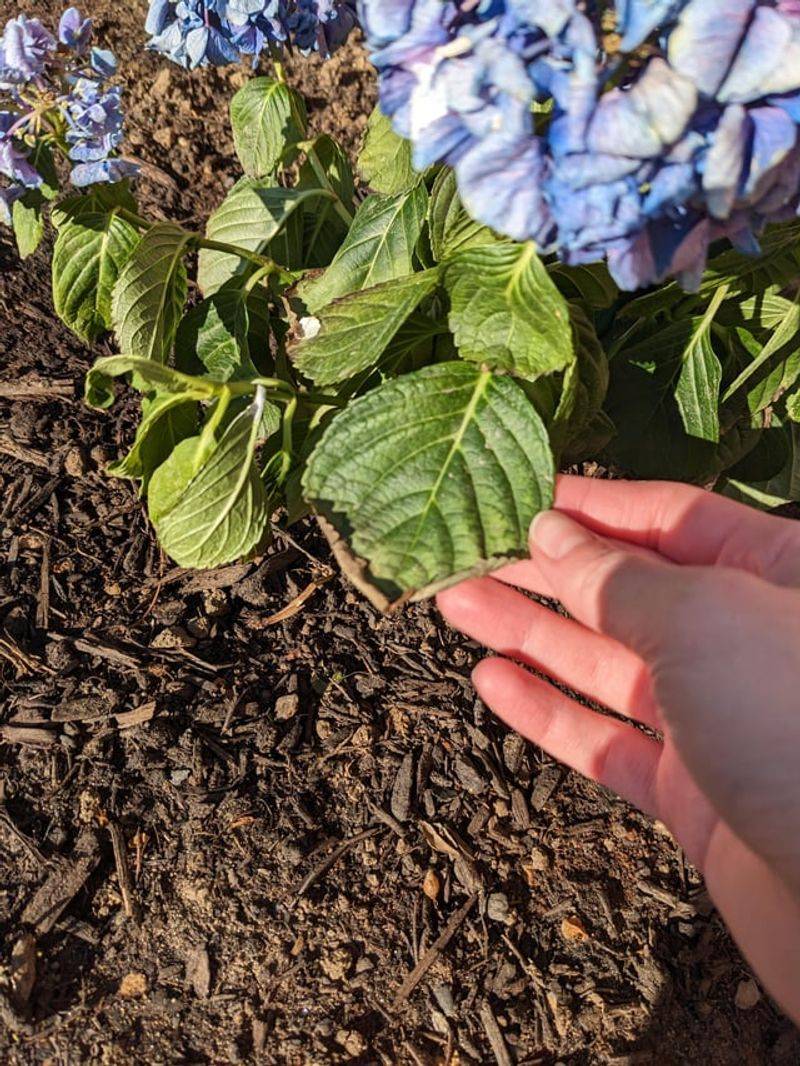
Hydrangeas are not particularly fussy plants, but they do respond noticeably to good soil. Georgia soil varies a lot depending on where you live — red clay in the Piedmont region, sandier soil along the coast, and everything in between.
Clay holds water but drains poorly. Sandy soil drains fast but dries out quickly.
Either extreme causes stress that shows up in smaller, fewer blooms.
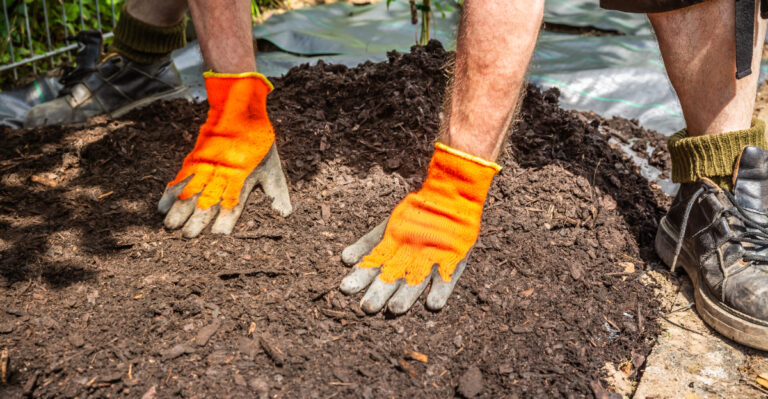
March is a great time to work organic matter into the top few inches around your plants. A two to three inch layer of finished compost spread from the base of the stem out to the drip line gives the soil a real boost.
As it breaks down, it improves drainage in clay soils and helps sandy soils hold moisture longer. Both problems get better with the same solution.
Do not dig deep when adding amendments near hydrangeas. Their roots sit close to the surface, and aggressive digging can snap them and set the plant back.
A light rake to mix compost into the top inch or two is all you need. Let earthworms and natural soil activity pull the nutrients deeper over time.
Pine bark mulch is another solid option for Georgia gardeners. It breaks down slowly, keeps roots cooler through warm spells, and adds a small amount of acidity to the soil over time — which is actually a bonus for blue-blooming bigleaf varieties.
Keep mulch a few inches away from the main stem to avoid trapping moisture directly against the crown where it should not be.
5. Apply A Balanced Fertilizer As Growth Begins
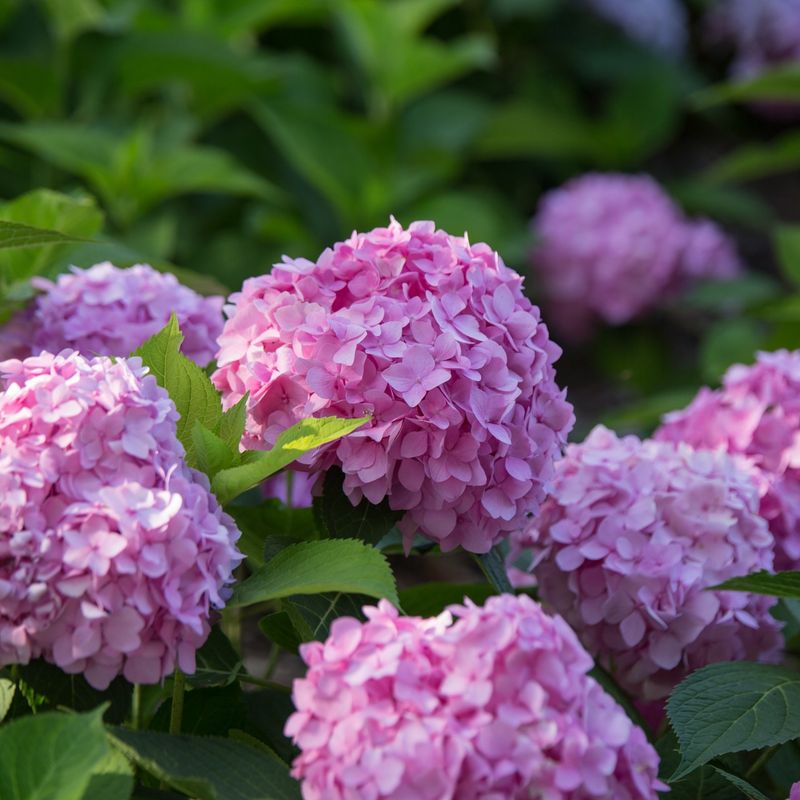
Right when you start seeing those first little leaf buds swelling and opening, that is your signal to feed. Early March in Georgia can bring those first signs of growth pretty quickly, especially in the southern part of the state.
Timing the fertilizer to match that moment gives the plant nutrients exactly when it needs them most — not before, not weeks after.
A balanced granular fertilizer with equal parts nitrogen, phosphorus, and potassium works well here. Something labeled 10-10-10 is a straightforward choice that is easy to find at any garden center in Georgia.
Scatter it evenly around the base of the plant, following the package rate, and water it in well. Granular slow-release formulas are especially useful because they feed gradually rather than dumping everything at once.
Skip anything with very high nitrogen numbers at this point. A fertilizer heavy in nitrogen pushes lots of lush green leaf growth, which sounds nice but actually comes at the expense of blooms.
Big leafy plants with few flowers are often the result of too much nitrogen early in the season. Phosphorus is what supports root development and flower production, so a balanced ratio keeps things on track.
One application in early spring is usually enough to get the season started. Some gardeners in Georgia add a second light feeding in May or early June, but avoid fertilizing after July.
Late feeding encourages soft new growth that does not have time to harden before cooler fall temperatures arrive, leaving stems more vulnerable to cold damage heading into winter.
6. Keep Moisture Steady As Temperatures Start Rising
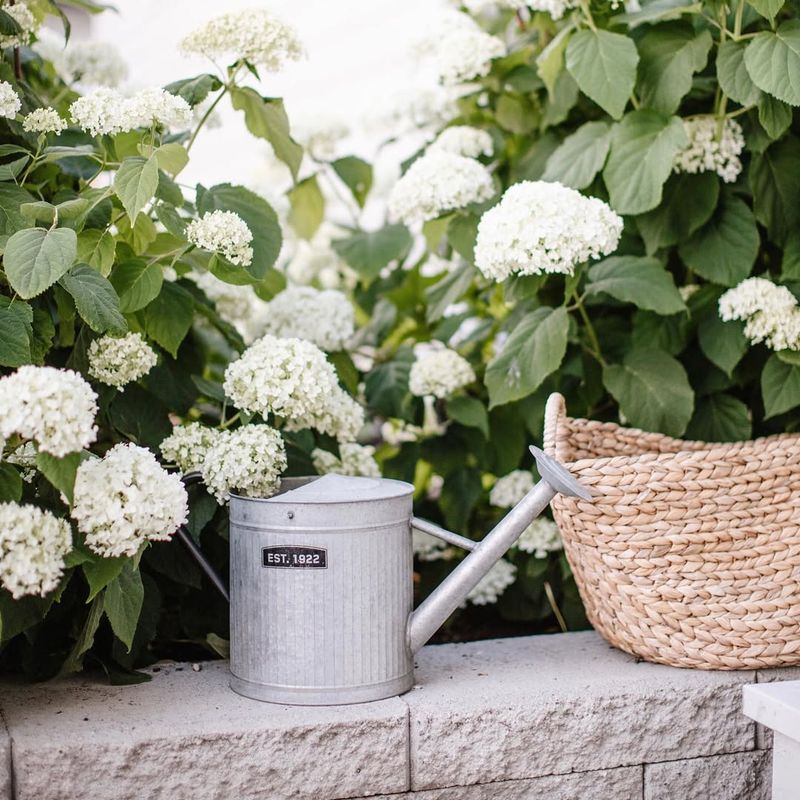
Hydrangeas are not drought-tolerant shrubs, and March in Georgia can be deceptively dry between rain events. The temperatures feel mild, so it is easy to assume the plants are fine without extra water.
But as soon as new leaves start pushing out, the plant’s water demand goes up fast. Shallow roots mean the top few inches of soil dry out quicker than you might expect.
Watering deeply once every seven to ten days is a reasonable starting point if rain has been scarce. The goal is to get water down several inches into the root zone, not just wet the surface.
A slow, steady soak at the base of the plant is more useful than a quick spray over the foliage. Wet leaves sitting through cooler nights can encourage fungal spots, which are already a common issue on bigleaf hydrangeas in humid Georgia conditions.
Checking soil moisture before watering saves you from overdoing it. Push a finger two inches into the soil near the base of the plant.
If it feels damp, wait a few more days. If it feels dry and crumbly, water now.
Overwatering is just as problematic as underwatering — waterlogged roots in heavy clay soil are a real concern in the Georgia Piedmont.
A layer of mulch around the base of the plant helps stretch the time between waterings by slowing evaporation. Pine straw or shredded hardwood mulch both work well.
Keeping that layer refreshed in March, before the heat of late spring arrives, pays off significantly when temperatures climb into the 80s and 90s later in the season.
7. Adjust Soil pH Now To Influence Bloom Color
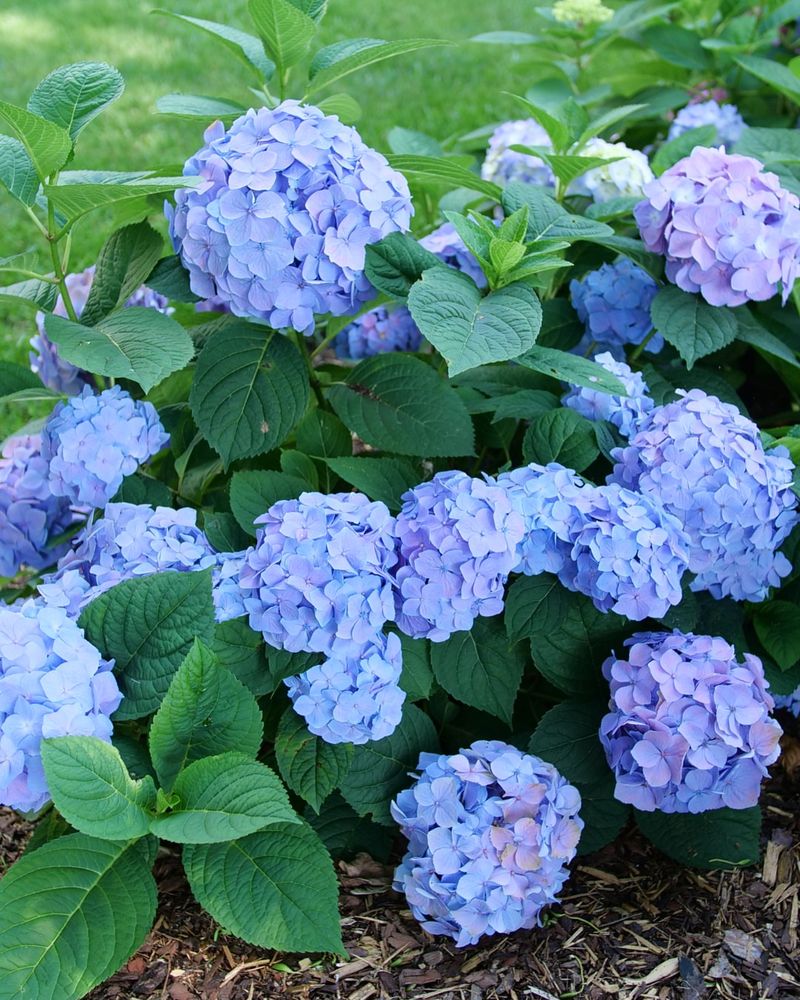
Here is something that surprises a lot of first-time hydrangea growers: the color of your blooms is not fully locked in by the plant itself. For bigleaf hydrangeas especially, bloom color shifts based on how acidic or alkaline your soil is.
Georgia soil tends to run on the acidic side naturally, which is why blue hydrangeas do so well across the state without much intervention.
Acidic soil with a pH below 6.0 makes aluminum more available to the plant, and that aluminum is what drives blue pigment in the flowers. Raise the pH above 7.0 and the same plant will push out pink blooms instead.
It is a chemistry shift happening right in your garden bed. If you want to push toward deeper blues, aluminum sulfate worked into the soil in late February or early March gives the adjustment time to take effect before blooms develop.
For pink blooms, garden lime raises soil pH gradually. Spread it around the base of the plant and water it in well.
Results are not instant — pH changes take several weeks to fully show up in the flowers, which is exactly why March is the right window to act. Waiting until April or May is usually too late to see a noticeable color shift that season.
Get a basic soil test done before adding anything. Most Georgia county extension offices offer inexpensive soil testing, and knowing your starting pH keeps you from overshooting in either direction.
Swinging pH too far in either direction stresses the plant and can interfere with nutrient uptake, so small, measured adjustments are always smarter than large ones.