What Hydrangeas In North Carolina Need In Early Spring
Early spring in North Carolina is the ultimate make or break moment for hydrangeas.
From the misty Asheville mountains to the humid Wilmington coast, your plants are tracking every temperature swing as they prepare to wake up.
What you do before those first buds pop open will decide if you get a spectacular show of blooms or a summer of leafy disappointment.
North Carolina gardeners who master a few early tasks like pruning and feeding are rewarded with stronger stems and much fuller flower heads.
This guide breaks down nine essential steps to transform your hydrangeas before the heat arrives.
Taking these small actions now ensures your plants can handle whatever wild weather the season throws at them.
1. Trim Last Year’s Stems To Encourage Fresh Growth
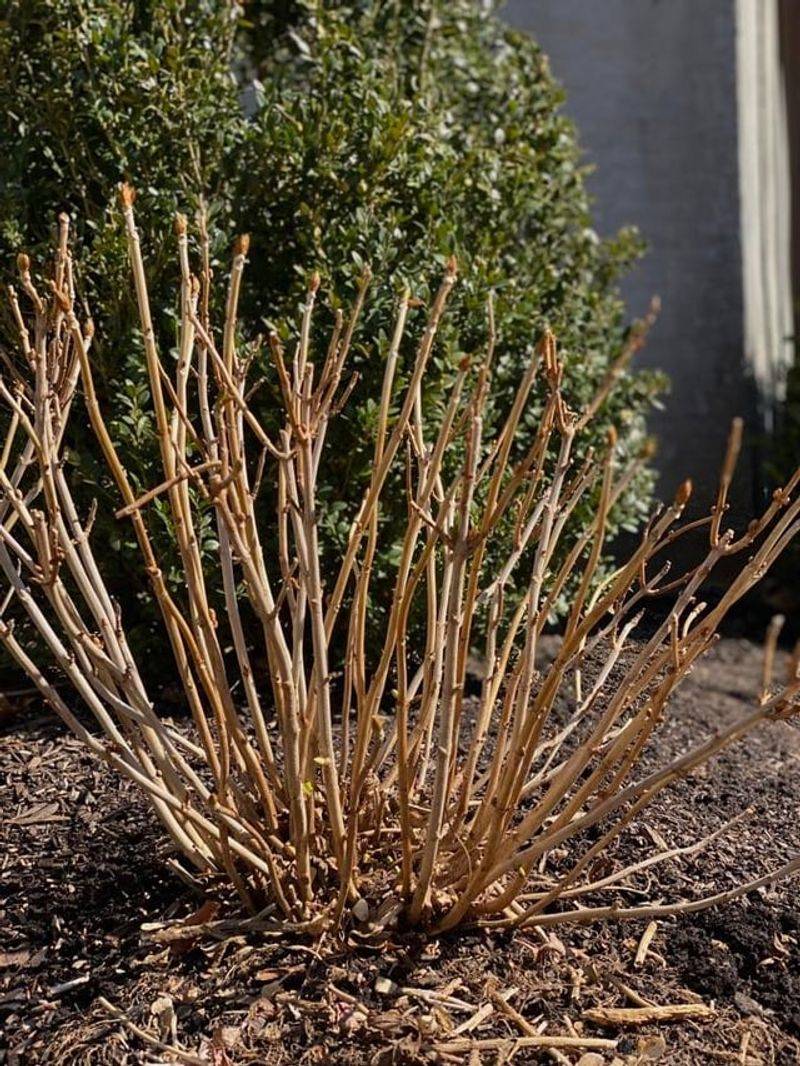
Knowing which stems to cut and which to leave alone is one of the most valuable skills a North Carolina hydrangea grower can develop.
Smooth hydrangeas and panicle types bloom on new wood, meaning stems that grow fresh this season will carry the flowers.
These can be pruned back in late winter or very early spring, cutting stems down to about 12 to 18 inches from the ground to encourage vigorous new shoots and fuller flower clusters.
Bigleaf and oakleaf hydrangeas bloom on old wood, so those stems should not be cut back hard in spring. Instead, focus on removing only dead or clearly damaged wood, cutting just above a healthy bud node.
Look for stems that feel hollow or show dark discoloration inside, as these are unlikely to produce blooms.
In North Carolina’s Piedmont and mountain regions, late frosts can cause stem dieback even after buds form, so wait until you can clearly see which stems survived winter before cutting.
A careful, selective approach to pruning rewards you with a plant that puts its energy into producing strong new growth and a generous flush of blooms rather than struggling to recover from overly aggressive cutting.
2. Apply Mulch To Keep Soil Moist And Cool
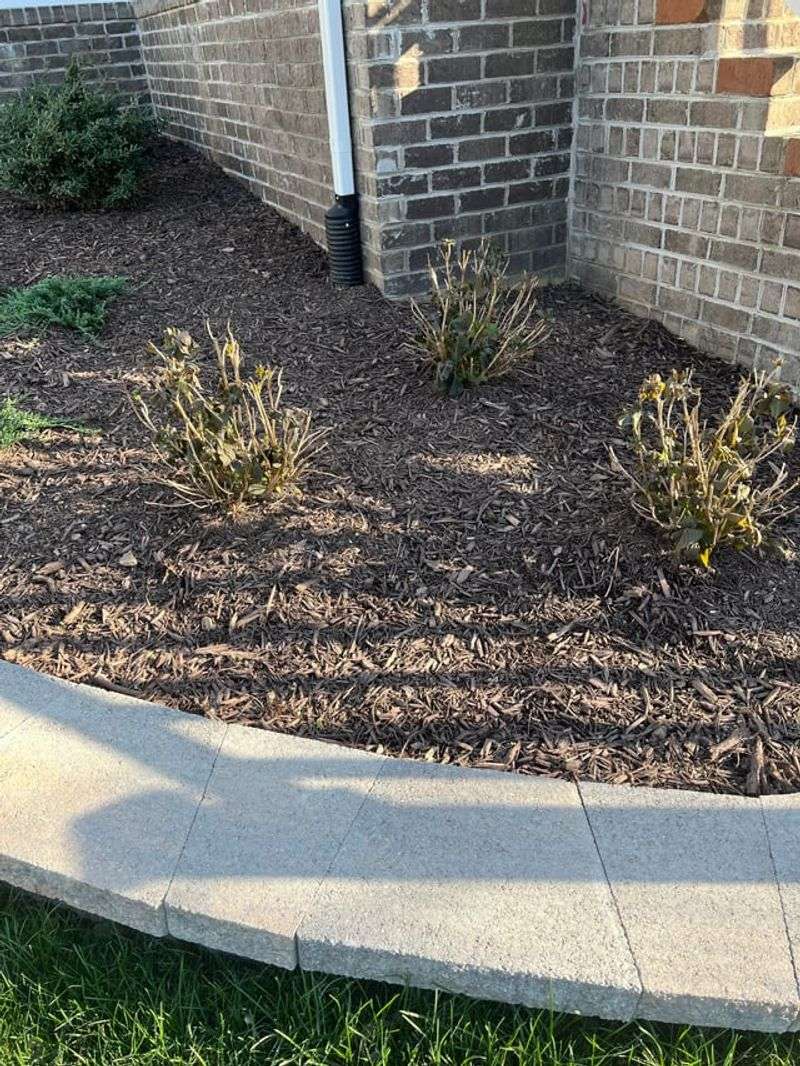
A fresh layer of mulch around your hydrangeas in early spring does more work than most gardeners realize.
Organic mulches like shredded bark, pine straw, or compost create a buffer between the soil and the air, slowing evaporation and keeping root zones cooler as North Carolina temperatures begin their unpredictable spring climb.
This moisture retention means your plants stay hydrated even during dry spells that commonly hit the Piedmont and coastal plain in March and April.
Aim for a two-to-three-inch layer spread evenly around the base of each plant, extending out to the drip line if possible.
Keep mulch pulled back a few inches from the main stem to prevent moisture from sitting against the woody base, which can create conditions for fungal problems over time.
Pine straw is a popular choice across North Carolina because it breaks down slowly, stays in place during rain, and adds a slight acidity to the soil as it decomposes, which many hydrangea varieties genuinely appreciate.
Refreshing your mulch each spring also suppresses early weed growth, reducing competition for nutrients and water.
It is a low-effort task that delivers high-impact results throughout the entire growing season.
3. Test Soil Texture And Nutrients Before Planting
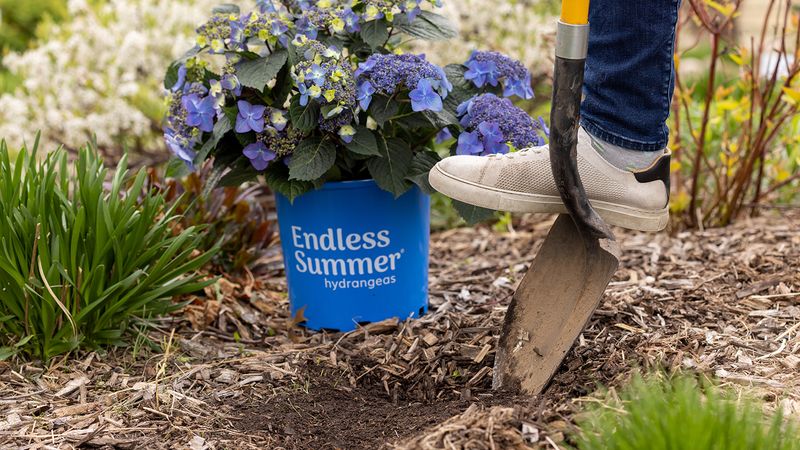
Soil in North Carolina varies dramatically depending on where you garden.
The red clay of the Piedmont holds moisture but can compact and restrict root growth, while the sandy soils along the coastal plain drain so quickly that nutrients wash through before roots can absorb them.
Getting a soil test done in early spring gives you a clear picture of what your hydrangeas are actually working with before the season gets going.
Most hydrangeas prefer a slightly acidic soil in the range of 5.5 to 6.5 pH. For bigleaf varieties, soil pH also directly affects bloom color, with more acidic conditions producing blue flowers and more alkaline conditions shifting blooms toward pink.
Knowing your baseline pH lets you make targeted adjustments rather than guessing.
Beyond pH, a soil test reveals nutrient levels including nitrogen, phosphorus, and potassium, helping you avoid over-fertilizing or missing a key deficiency.
North Carolina’s cooperative extension offices offer affordable soil testing services that provide specific amendment recommendations.
Adding compost or aged organic matter in early spring improves both clay and sandy soils by building structure, supporting microbial activity, and creating a root-friendly environment that sets hydrangeas up for strong, steady growth.
4. Fertilize Carefully To Support Strong Buds
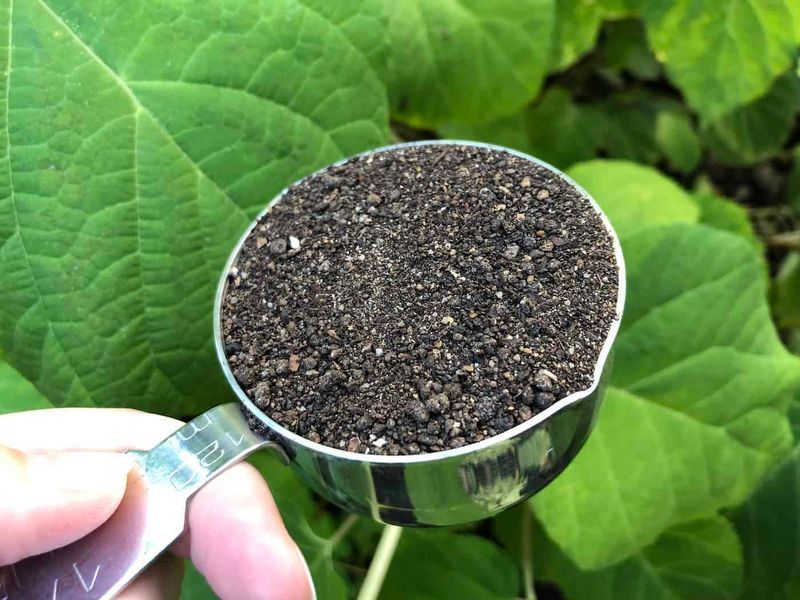
Feeding hydrangeas in early spring can feel tempting to rush, but timing and product choice matter more than enthusiasm.
A balanced, slow-release granular fertilizer with an equal ratio of nitrogen, phosphorus, and potassium is a solid starting point for most hydrangea types.
Applied once in early spring just as growth begins, it delivers a steady supply of nutrients over several weeks without pushing the plant into rapid, weak leafy growth that can reduce flowering.
Too much nitrogen is one of the most common fertilizing mistakes North Carolina gardeners make with hydrangeas.
Excess nitrogen encourages lush green foliage at the expense of flower buds, leaving you with a full, leafy plant that produces disappointing blooms.
Following soil test recommendations rather than defaulting to heavy applications helps you give plants exactly what they need.
Scatter granules evenly around the drip line rather than piling fertilizer against the stem, then water thoroughly to help nutrients move into the root zone.
Avoid fertilizing after midsummer, as late feeding can stimulate new growth that does not have time to harden before North Carolina’s cooler fall temperatures arrive.
One well-timed, appropriately dosed spring feeding supports robust bud development and a rewarding flowering display without stressing the plant.
5. Water Consistently To Encourage Early Growth
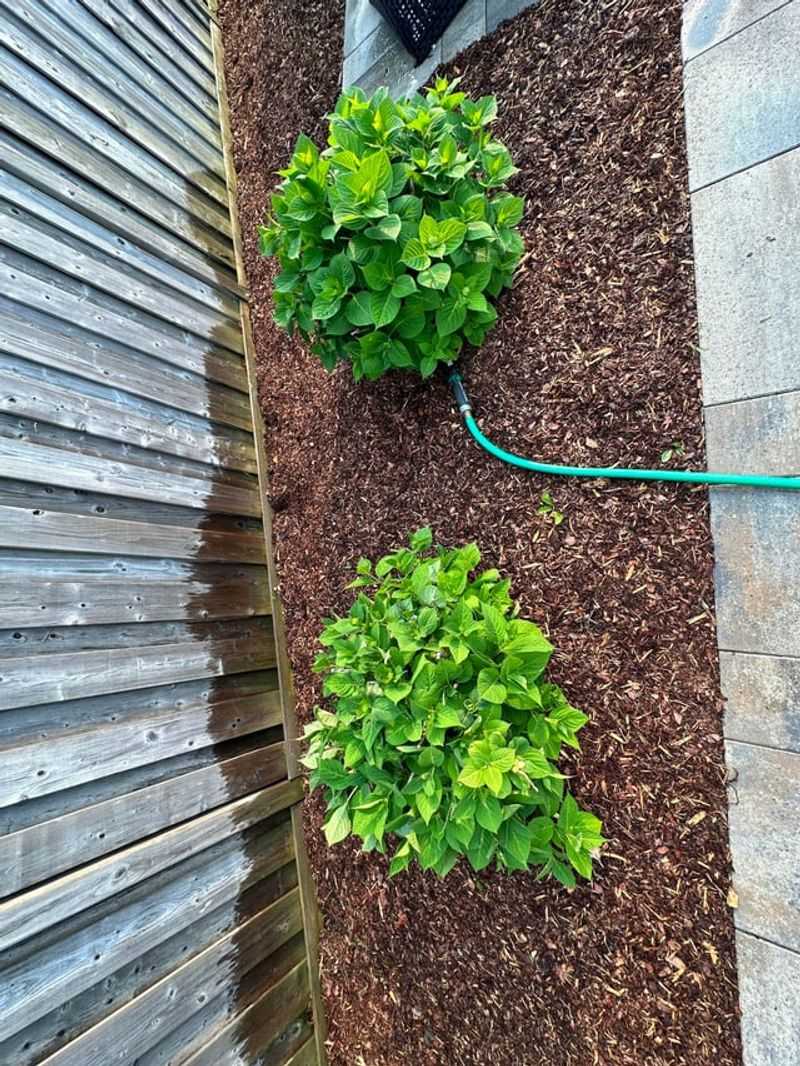
Hydrangeas are famously thirsty plants, and early spring is when building a consistent watering routine really pays off.
As soil temperatures rise across North Carolina and new growth begins pushing out from stems, roots need reliable moisture to support that energy.
Aim for about one inch of water per week, delivered slowly and deeply so it soaks down to the root zone rather than running off the surface.
Early morning watering is the most effective approach because it gives foliage time to dry before evening, reducing the likelihood of fungal issues like powdery mildew, which can be a real problem in North Carolina’s humid spring conditions.
Drip irrigation or soaker hoses placed at the base of plants are ideal because they deliver moisture directly to the root zone without wetting leaves at all.
During dry stretches in March and April, which are more common in the Piedmont and mountain regions than many gardeners expect, check soil moisture by pressing a finger about two inches into the ground near the plant.
If it feels dry at that depth, it is time to water.
Consistent moisture in early spring supports strong root development, healthy bud formation, and a plant that enters the heat of a North Carolina summer in genuinely good condition.
6. Inspect For Pests And Disease Before Bud Break
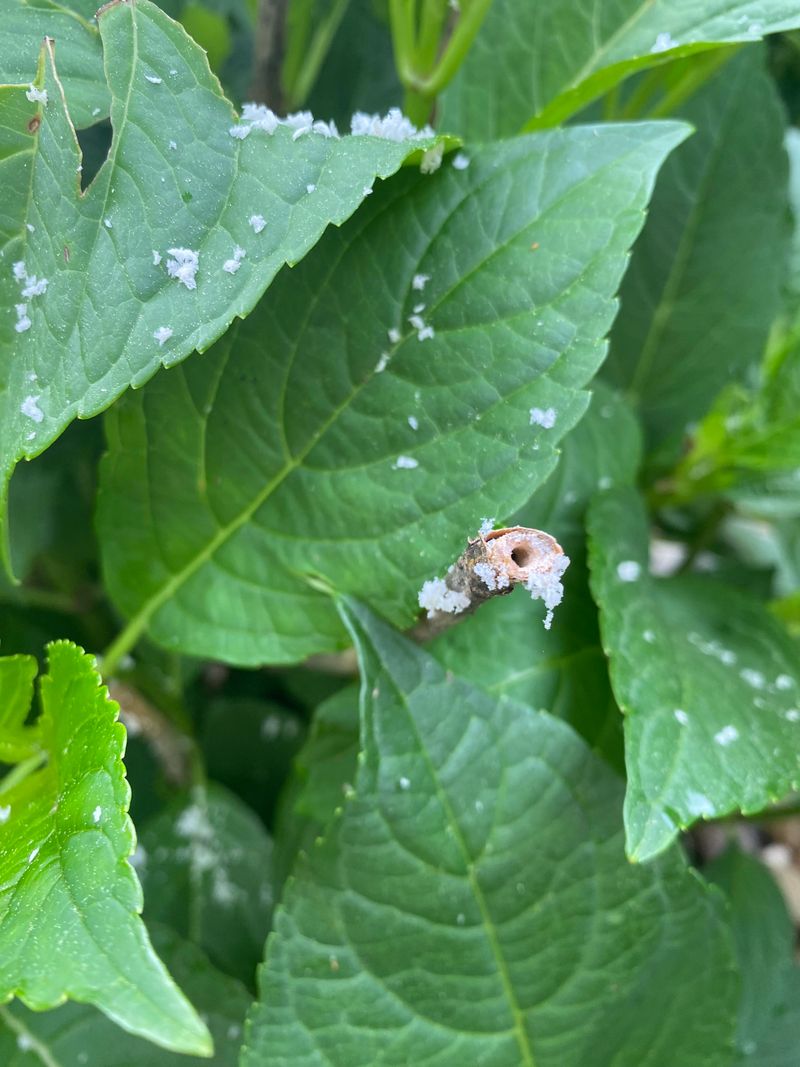
Early spring is the best time to get ahead of pest and disease problems before they gain a foothold on your hydrangeas.
As temperatures climb through March in North Carolina, aphids and spider mites begin to emerge and gravitate toward the tender new growth that hydrangeas produce.
Catching these pests early, when populations are still small, makes management far simpler than trying to address a full infestation once the season is underway.
Walk through your garden on a dry morning and look carefully at stem joints, the undersides of any emerging leaves, and the base of new buds. Aphids often cluster in groups and can be dislodged with a firm spray of water.
Spider mites leave a fine webbing and cause stippled discoloration on leaves. Both respond well to early intervention with insecticidal soap when populations are caught before they spread.
Fungal diseases like powdery mildew and leaf spot thrive in North Carolina’s humid spring air, especially in gardens with limited air circulation.
Pruning out crowded stems improves airflow around the plant, making conditions less favorable for fungal spores to take hold.
Removing any old fallen leaves from around the base of the plant also clears away overwintering disease material, giving your hydrangeas a much cleaner start to the season.
7. Provide Support For Tall Stems And Heavy Blooms

Few things are more frustrating than watching a hydrangea loaded with gorgeous blooms flop over after a summer thunderstorm.
North Carolina’s late spring and summer rain events can be intense, and without structural support, tall-stemmed varieties like smooth hydrangeas and large bigleaf types often bend under the weight of their flower heads.
Installing supports in early spring, before stems get tall and tangled, is far easier than trying to prop up a plant mid-season.
Circular peony cages work well for clump-forming hydrangeas because stems grow up through the grid and find support naturally as the season progresses.
For larger specimens, individual bamboo stakes tied loosely with soft garden twine give extra reinforcement to particularly heavy canes.
The key is placing supports while stems are still short so they integrate into the plant’s structure rather than looking like an afterthought.
In North Carolina’s mountain region, late spring wind events can also be surprisingly strong, making support even more valuable for exposed garden locations.
Beyond storm protection, keeping stems upright improves air circulation throughout the plant, which helps reduce fungal disease pressure.
A well-supported hydrangea also simply looks more attractive in the landscape, presenting its blooms at an ideal height for both visual impact and easy enjoyment throughout the growing season.
8. Protect New Buds From Late Winter Frosts
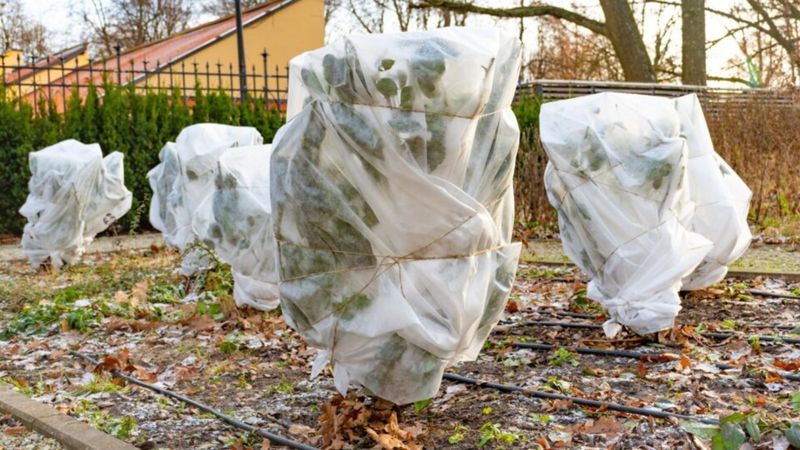
Spring in North Carolina is notoriously unpredictable, and a warm week in late February or early March can lull both gardeners and plants into thinking winter is over.
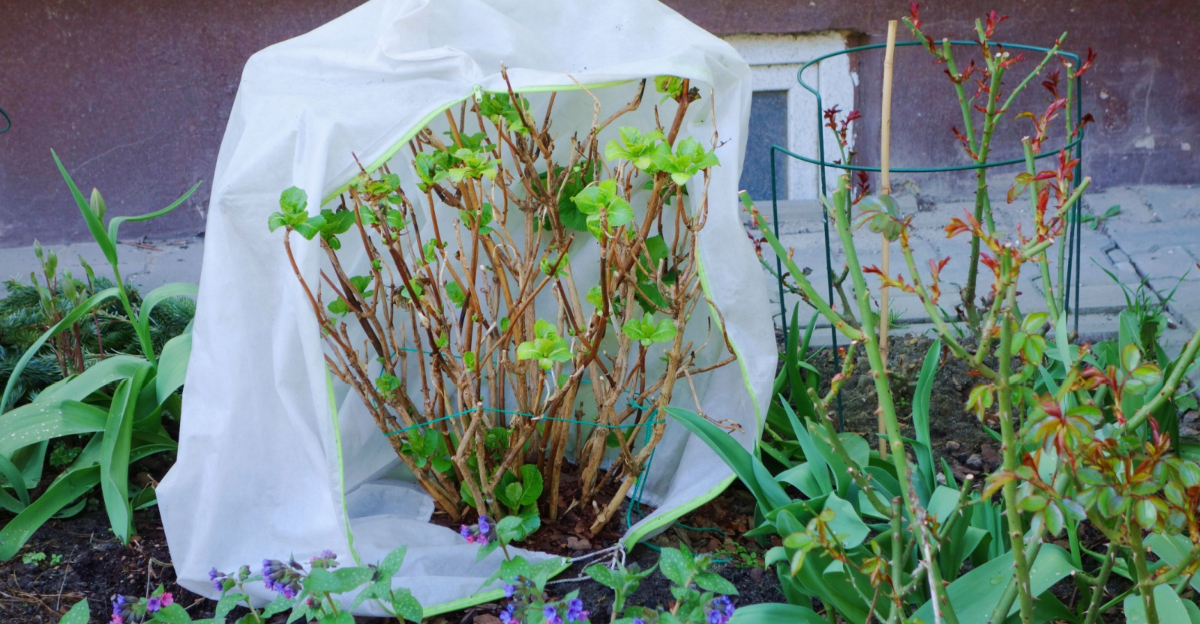
Then a hard frost rolls in from the mountains, and tender new hydrangea buds that emerged too early can sustain serious damage.
This pattern is especially common in the North Carolina Piedmont and foothills, where cold air drainage from higher elevations can drop overnight temperatures well below freezing even in mid-March.
Keeping frost cloth or old bed sheets on hand during early spring gives you a quick way to protect plants when forecasts turn cold. Drape the covering loosely over the plant in the evening and remove it the next morning once temperatures rise above freezing.
Avoid using plastic sheeting directly on foliage because it can trap cold against the plant rather than insulating it.
Mulching heavily around the base also helps protect root zones and lower stem tissue during brief cold snaps.
For bigleaf hydrangeas, which are particularly sensitive to late frost damage because their buds form on old wood, this protection is especially worth the small effort it requires.
Losing even one season’s worth of flower buds to an avoidable late frost is genuinely discouraging, and a little preparation goes a long way toward preventing it.
9. Keep Tools Clean And Sharp For Healthy Cuts

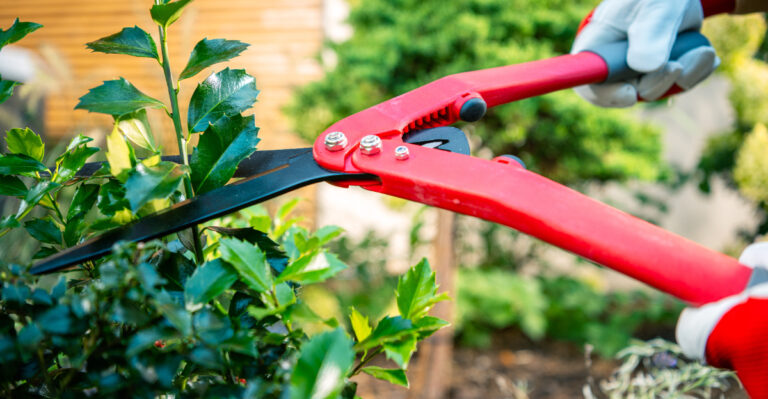
The condition of your pruning tools matters more than most gardeners think about, especially in early spring when you are making cuts on woody hydrangea stems that need to heal cleanly.
A dull blade crushes and tears stem tissue instead of slicing through it, leaving ragged edges that take longer to seal and create entry points for fungal pathogens.
Sharp, clean tools make a genuine difference in how quickly cuts close and how healthy the plant stays throughout the season.
Before you start any early spring pruning, wipe down blade surfaces with a cloth dampened with rubbing alcohol or a diluted bleach solution. This simple step eliminates any pathogens left on the blades from last season’s work.
If you are moving between plants, a quick wipe between cuts helps prevent accidentally spreading disease from one hydrangea to another.
Sharpening bypass pruners with a small whetstone takes only a few minutes and immediately improves cutting performance.
For thicker old stems, a pruning saw with sharp teeth gives a cleaner result than forcing a pruner through wood it was not designed to handle.
Investing a small amount of time in tool maintenance at the start of each season is one of the easiest ways to support plant health across your entire North Carolina garden, not just for hydrangeas but for every woody shrub you tend.