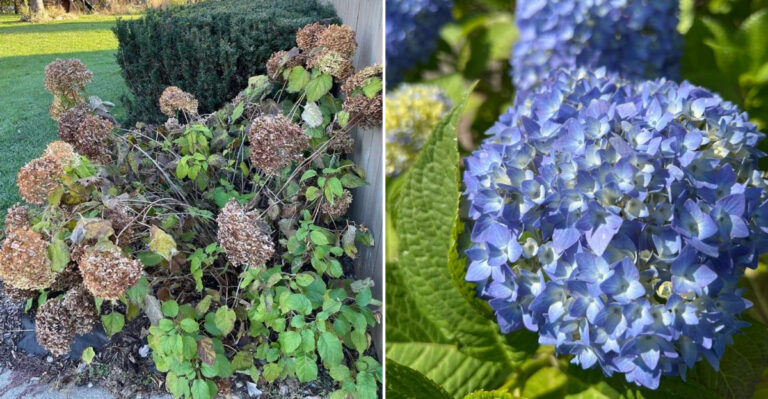
What Hydrangeas Need During April In Oregon For Better Blooms
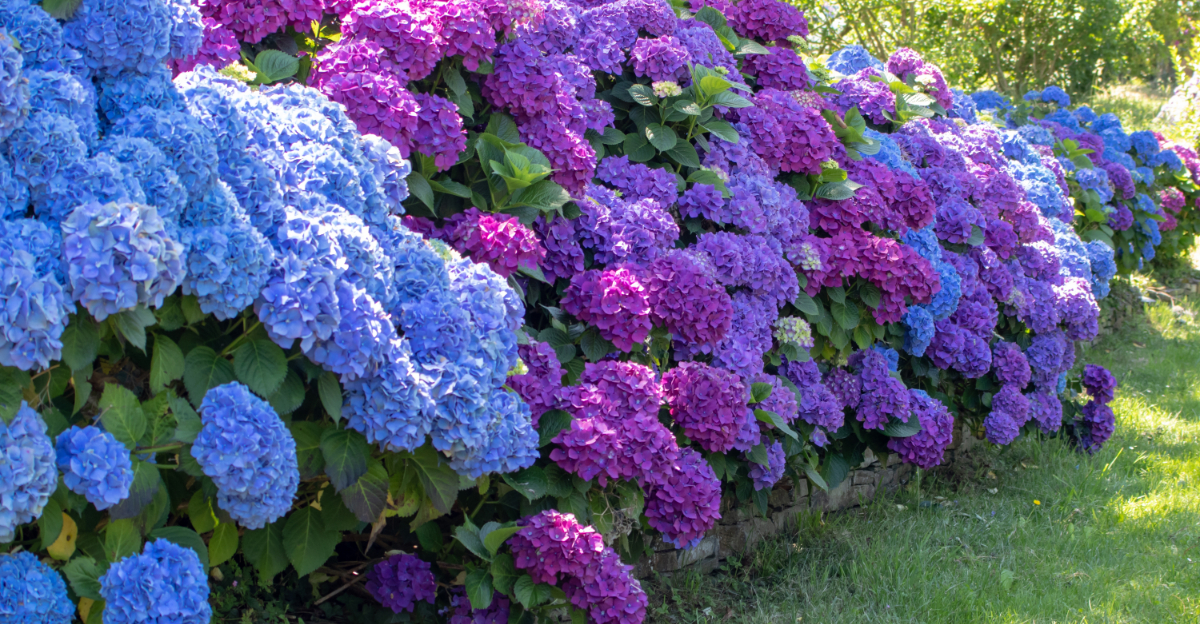
April in Oregon has that mix of cool mornings, soft rain, and longer afternoons that finally pull the garden out of its winter slump.
Hydrangeas are right in the middle of that shift, slowly waking up and getting ready for their main show later in the season.
At this stage, they don’t need anything complicated, but they do respond well to a little attention. Skipping the basics now can mean fewer blooms or weaker growth once summer rolls in.
It’s easy to assume they’ll handle everything on their own, especially if they’ve been in the ground for years. Still, a few small steps during this window can help set the tone for how full and healthy they look when they finally flower.
This is the moment where quiet effort starts to pay off.
1. Mostly Shade With Sun Matched To The Variety
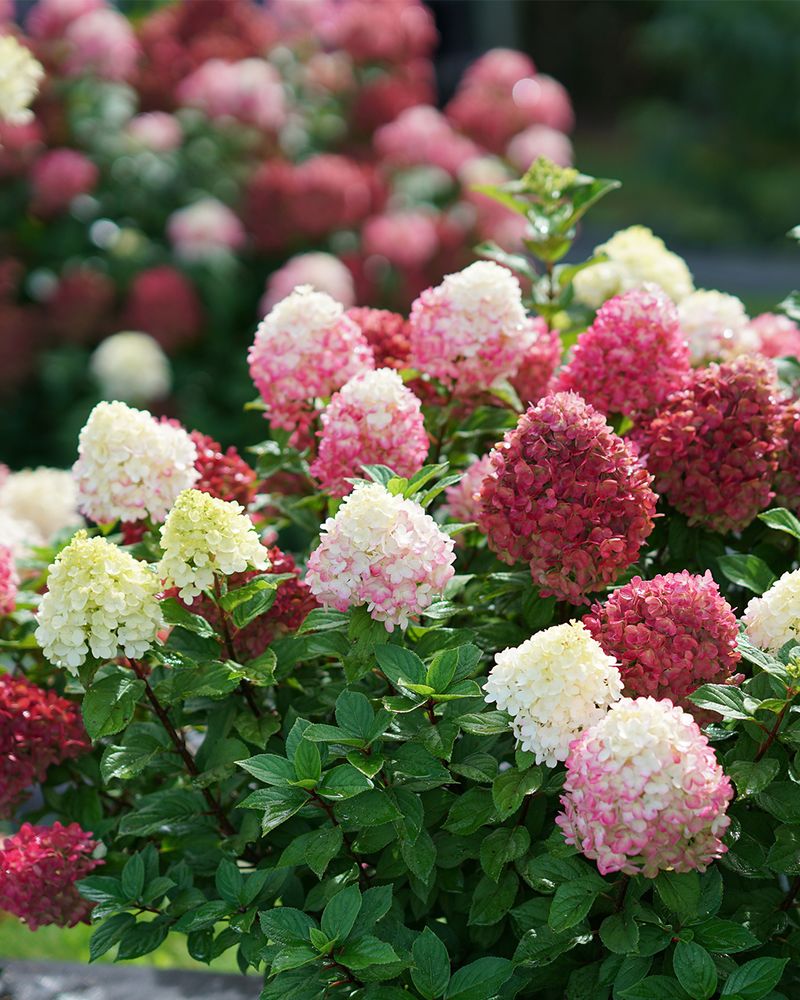
Finding the right light balance for hydrangeas in Oregon is almost like solving a fun puzzle. These plants are not one-size-fits-all when it comes to sunlight, and getting it wrong can lead to wilted leaves or flowers that never quite open properly.
The good news is that Oregon’s naturally filtered, cloudy spring light is actually a great starting point for most varieties.
Bigleaf hydrangeas, which are extremely popular in western Oregon gardens, prefer morning sun with afternoon shade. Too much direct afternoon sun in the Willamette Valley can scorch their leaves and stress the plant before summer even arrives.
Oakleaf hydrangeas are a bit tougher and can handle more sun, but they still appreciate some protection during the hottest parts of the day.
Panicle hydrangeas are the most sun-tolerant of the bunch and can handle up to six hours of direct light, making them a solid choice for sunnier Oregon spots. Smooth hydrangeas fall somewhere in the middle, doing well in partial shade settings.
April is a smart time to observe where shadows fall in your yard throughout the day and consider whether your hydrangeas are in the best possible spot. If a plant has been struggling, early spring is a reasonable window to relocate it before the heat of summer sets in.
Matching light conditions to the specific variety you are growing is one of the simplest and most effective ways to encourage healthier, more abundant blooms across your Oregon garden this season.
2. More Water As Spring Growth Speeds Up
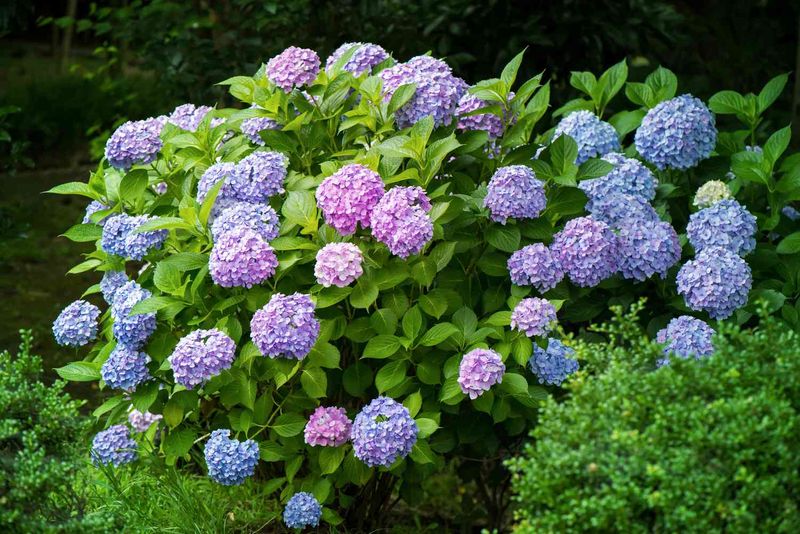
Hydrangeas are thirsty plants, and April is when that thirst really starts to kick in. As temperatures slowly climb and daylight hours stretch longer across Oregon, these shrubs begin pushing out new leaves and stems at a noticeable pace.
All that new growth requires a steady and reliable water supply to develop properly.
During early spring, Oregon’s natural rainfall often does a decent job of keeping soil moist. However, rainfall can be unpredictable, and there will be dry stretches even in the wettest parts of the state.
Checking the soil around your hydrangeas every few days is a smart habit to build in April. Stick your finger about two inches into the ground near the root zone.
If it feels dry at that depth, it is time to water.
Deep, infrequent watering is far better than shallow, frequent sprinkles. Watering deeply encourages roots to grow downward, which makes plants more stable and drought-resistant as summer approaches.
Aim to water at the base of the plant rather than overhead to reduce the chance of fungal issues on the leaves, which can be a concern in Oregon’s cool, humid spring air. Early morning is the best time to water so leaves can dry out during the day.
Adding a two to three inch layer of organic mulch around the base of each plant will also help lock in soil moisture between watering sessions, giving your hydrangeas a consistent supply of water as their spring growth accelerates through the month.
3. Well-Drained Soil Rich In Organic Matter

Soil quality might just be the most underrated factor in growing spectacular hydrangeas. Many gardeners focus on water and fertilizer but overlook what is happening beneath the surface.
In Oregon, where soils can range from heavy clay in the Willamette Valley to sandier mixes in other regions, getting the soil right for hydrangeas takes a little attention and sometimes a little effort.
Hydrangeas love soil that holds moisture without becoming waterlogged. Rich, loamy soil packed with organic matter is the ideal environment for these plants to thrive.
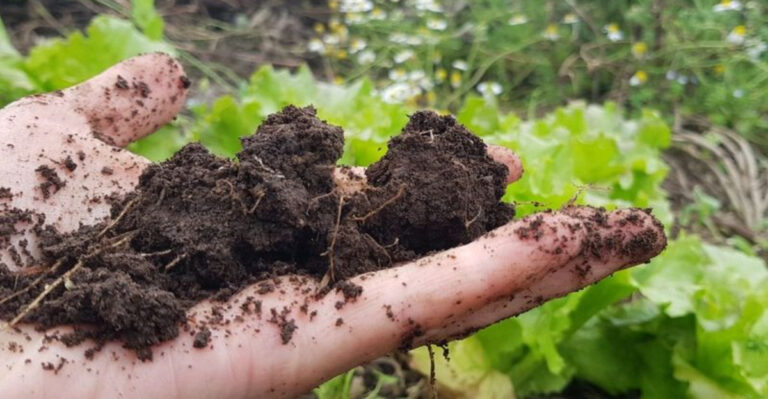
Organic matter like compost, aged bark, or leaf mold improves soil structure, adds nutrients, and encourages beneficial microbes that support root health. Working a generous layer of compost into the planting area each spring is one of the best investments you can make for your Oregon hydrangeas.
If your soil feels dense and sticky after rain, that is a sign that drainage needs improvement. Compacted clay soil can suffocate roots and prevent the kind of healthy growth that leads to big, beautiful blooms.
Mixing in compost or perlite helps open up the soil structure and allows water to move through more freely. Raised beds are another excellent option for Oregon gardeners dealing with naturally heavy soils.
April is a great time to amend your garden beds before the main growing season kicks into high gear. Healthy, well-structured soil gives hydrangea roots the room and resources they need to support a truly impressive floral display later in the season.
4. Better Drainage If Spring Soil Stays Too Wet
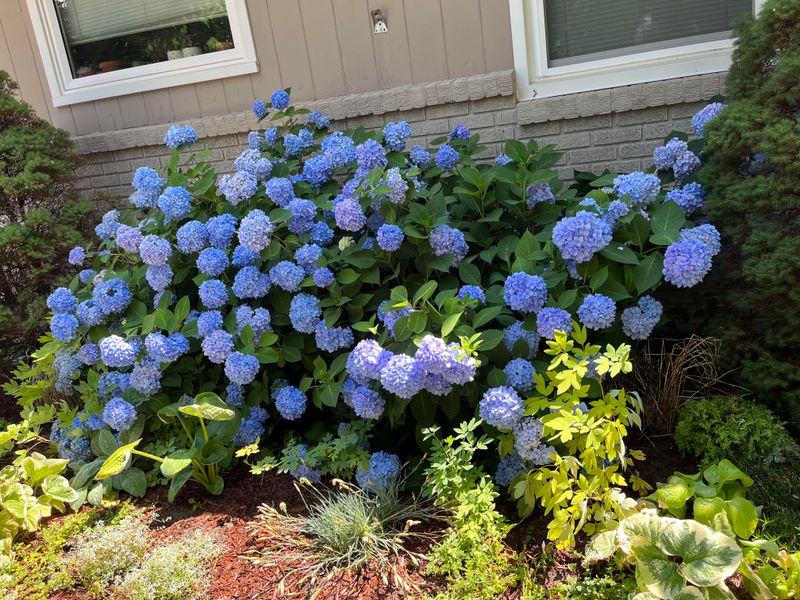
Oregon springs are famously rainy, and while hydrangeas love moisture, there is such a thing as too much of a good thing. Soil that stays soggy for extended periods can cause serious problems for hydrangea roots.
Roots sitting in standing water are unable to absorb oxygen, which weakens the entire plant and can bring on root rot, a condition that is very difficult to reverse once it takes hold.
Spotting drainage problems is usually straightforward. After a heavy rain, check whether water pools around your hydrangeas and how long it takes to soak in.
If puddles sit for more than an hour, your drainage situation needs attention before summer arrives. One practical fix is to create a slightly raised mound or berm when planting or replanting hydrangeas.
Elevating the root zone even a few inches above the surrounding soil level can make a big difference in how quickly excess water drains away.
For existing plants in problem spots, working compost or other organic matter into the surrounding soil can help improve drainage over time. Installing French drains or redirecting downspouts away from garden beds are other solutions worth considering for gardens in wetter parts of Oregon, like the coast or the foothills of the Cascades.
Choosing planting locations near slopes or areas with natural water movement is another way to stay ahead of drainage issues. Getting this right in April sets your hydrangeas up for a healthier root system and a much more rewarding bloom season throughout the warmer months ahead.
5. A Balanced Slow-Release Fertilizer In Spring
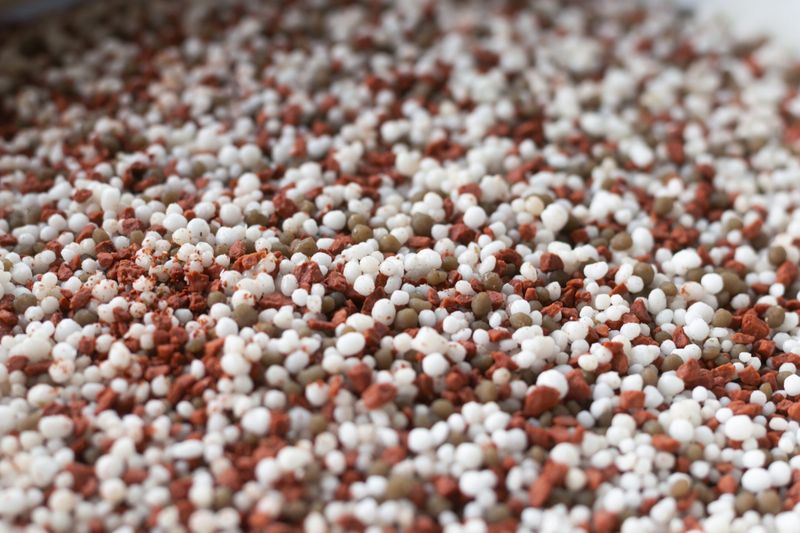
Feeding hydrangeas at the right time and with the right product can genuinely transform how they perform through the blooming season. April is the sweet spot for fertilizing in Oregon because plants are actively waking up and can make excellent use of the nutrients you provide.
Starting them off with a solid nutritional foundation in spring sets the tone for everything that follows.
A balanced slow-release fertilizer, such as a 10-10-10 formula, is a reliable choice for most hydrangea varieties. Slow-release products break down gradually over several weeks, feeding the plant steadily rather than dumping a large dose of nutrients all at once.
This approach reduces the risk of over-fertilizing, which can actually push plants to produce lots of leafy green growth at the expense of flowers. Sprinkle the granules evenly around the root zone, keeping them a few inches away from the main stem, and then water thoroughly to help the fertilizer begin breaking down into the soil.
Avoid fertilizing too late in the season. Feeding hydrangeas after midsummer can encourage soft new growth that is more vulnerable to cold damage when Oregon’s fall temperatures arrive.
Sticking to a spring application gives plants the energy boost they need early on without pushing vulnerable new growth late in the year. Organic options like fish emulsion or composted chicken manure are also worth considering for gardeners who prefer a more natural approach.
Either way, a thoughtful spring feeding routine in April will reward you with stronger stems, larger flower heads, and a more colorful display all season long.
6. Low-Phosphate Feeding If You Want Bluer Blooms
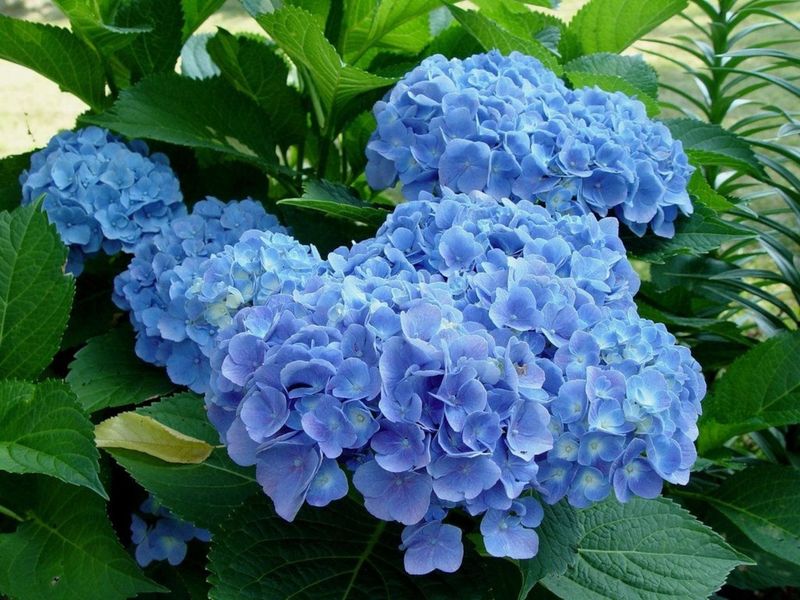
One of the most fascinating things about certain hydrangea varieties is that you can actually influence the color of their flowers based on what you put in the soil. Bigleaf hydrangeas, in particular, shift between pink and blue depending on soil chemistry.
If you are dreaming of those rich, deep blue blooms that look stunning against Oregon’s lush green landscapes, the secret lies in soil acidity and aluminum availability.
Blue blooms happen when the soil is acidic enough for plants to absorb aluminum. To encourage this, gardeners can apply aluminum sulfate to the soil around their plants in early spring.
Oregon’s naturally acidic soils in many regions already give hydrangeas a head start, but adding aluminum sulfate helps ensure the plant has enough aluminum to shift blooms toward the blue end of the spectrum. When it comes to fertilizer, choosing a low-phosphate formula is key because high phosphorus levels actually block aluminum absorption, which can push flowers toward pink even in acidic soil.
Look for fertilizers labeled for acid-loving plants, like azalea or rhododendron formulas, which tend to be lower in phosphate and better suited to encouraging blue tones. A soil pH between 5.0 and 5.5 is considered ideal for blue hydrangea blooms.
You can test your soil pH with an inexpensive kit available at most Oregon garden centers. Adjusting soil chemistry takes some patience since color changes do not always happen overnight, but with consistent care through April and into summer, you can shift your blooms toward that gorgeous, sought-after blue.
7. Pruning Based On Whether Your Hydrangea Blooms On Old Or New Wood
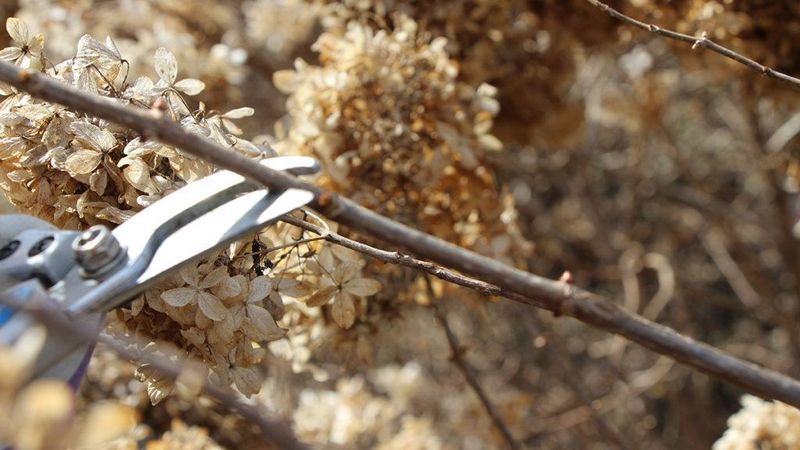
Pruning hydrangeas is one of those topics that trips up even experienced gardeners, and getting it wrong is one of the most common reasons plants fail to bloom. The most important thing to understand is that different hydrangea types bloom on different types of wood, and that single fact should drive every pruning decision you make in April.
Bigleaf and oakleaf hydrangeas bloom on old wood, meaning the flower buds were formed on last year’s stems. If you cut those stems back hard in spring, you are removing the very buds that would have become flowers.
For these varieties, limit pruning in April to removing only clearly damaged or crossed stems. Do your major shaping immediately after they finish blooming in summer instead.
Panicle and smooth hydrangeas, on the other hand, bloom on new wood that grows in the current season. These types actually benefit from a more significant spring pruning, which encourages vigorous new growth and larger flower clusters.
Oregon State University Extension recommends understanding your specific variety before picking up your pruning shears, and that advice is worth following closely. If you are unsure what type you have, err on the side of caution and remove as little as possible this April.
Deadheading spent blooms from last year is always safe for any variety and helps the plant put its energy into new growth rather than old flower heads. Sharp, clean pruning tools also matter because ragged cuts invite disease into the plant.
Taking a few minutes to get this step right pays off in a noticeably better bloom display all season long.
8. Frost Protection For Tender Spring Buds
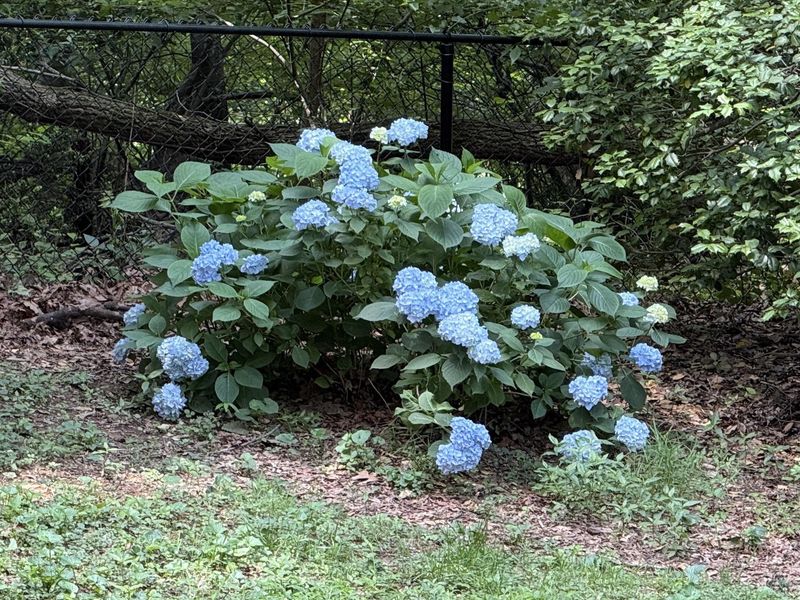
April in Oregon can be a bit of a weather wild card. While the days are getting longer and warmer on average, late frosts are absolutely still possible, especially in inland valleys, higher elevations, and areas east of the Cascades.
A single overnight freeze hitting tender new hydrangea buds can set your bloom season back significantly, so keeping an eye on the forecast becomes a regular task for Oregon gardeners this time of year.
New growth that emerges in early spring is particularly soft and vulnerable. Flower buds are especially sensitive because even a light frost can damage the delicate tissue inside, preventing flowers from forming properly later in the season.
When temperatures are expected to drop below 32 degrees Fahrenheit overnight, covering your hydrangeas with a breathable frost cloth or even a few layers of old bed sheets can make a meaningful difference. Avoid using plastic sheeting directly on the plant since it can trap cold air against the leaves and cause more harm than good.
Remove the covers during the day so plants can breathe and absorb sunlight. Potted hydrangeas have an advantage here because you can simply move them into a garage or shed on cold nights.
For in-ground plants, mulching around the base also helps by insulating the root zone and keeping soil temperatures a little more stable during temperature swings. Staying proactive about frost protection in April, rather than reactive after damage has already occurred, is one of the smartest habits any Oregon hydrangea grower can develop for a consistently rewarding bloom season.