What Hydrangeas Need From North Carolina Soil In April For Better Blooms
Hydrangeas can put on a stunning show in North Carolina, but better blooms often start below the surface. In April, roots begin working harder, new growth picks up speed, and the soil around the plant starts playing a much bigger role than many gardeners realize.
If the soil drains poorly, dries out too fast, or lacks the right balance, hydrangeas may still grow but they will not perform at their best. This is the month when the plant needs a strong foundation for the season ahead.
Moisture, texture, and soil condition all matter if you want fuller growth and better flowers later on. In North Carolina, spring weather can shift quickly, so getting the soil right early makes a real difference.
Healthy soil in April helps hydrangeas build strength, handle stress better, and put more energy into the blooms gardeners wait all year to see.
1. Well-Drained Soil Is Critical In Spring
Soggy roots are a hydrangea’s worst enemy, and April in North Carolina brings plenty of rain to test your soil. Both Hydrangea macrophylla (Bigleaf Hydrangea) and Hydrangea paniculata (Panicle Hydrangea) struggle when water sits around their roots for too long.
Poor drainage during spring rains can weaken the plant and reduce your chances of seeing vibrant summer blooms.
North Carolina’s spring weather can deliver heavy downpours that saturate garden beds quickly. If your soil holds water like a sponge, your hydrangeas will feel the stress almost immediately.
Roots need oxygen just as much as they need moisture, and waterlogged soil cuts off that oxygen supply fast.
One of the best fixes is working organic compost into your planting area before April showers arrive. Compost loosens dense soils and creates tiny air pockets that allow excess water to drain away naturally.
A few inches of compost mixed into the top layer of your garden bed can completely change how your soil behaves after a rainstorm.
Raised planting beds are another smart option for North Carolina gardeners dealing with heavy clay. Elevating your hydrangeas even a few inches above ground level gives roots a safer, drier environment to grow in.
Healthy drainage in April sets the foundation for stronger stems, fuller flower heads, and a truly rewarding blooming season ahead.
2. Soil pH Directly Affects Flower Color In Bigleaf Types
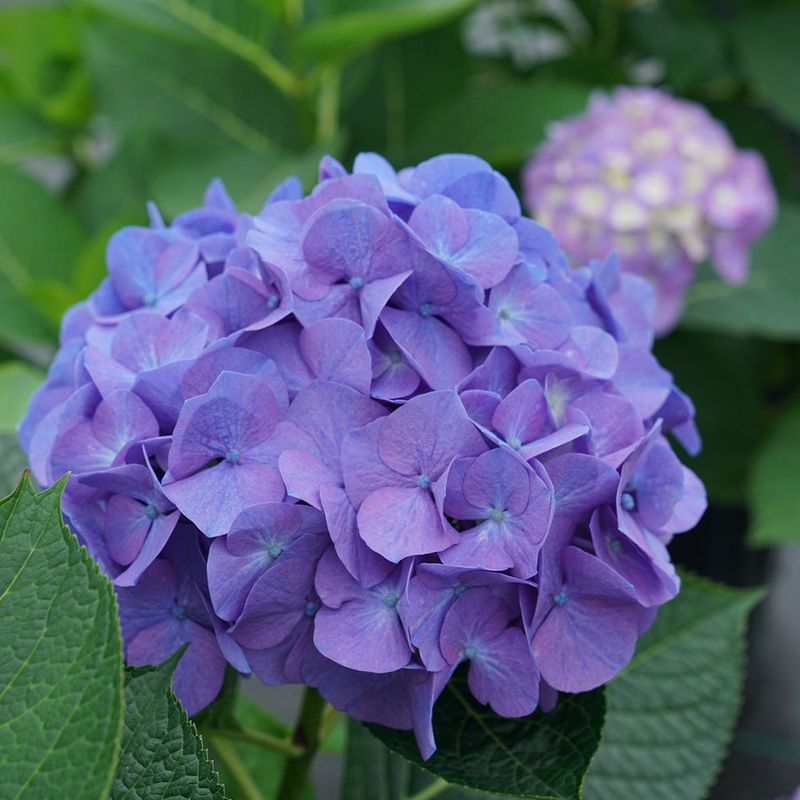
Here is something most beginning gardeners find completely surprising: the color of your hydrangea blooms is largely controlled by your soil. For Hydrangea macrophylla, also called Bigleaf Hydrangea, soil pH acts like a natural color dial you can actually adjust.
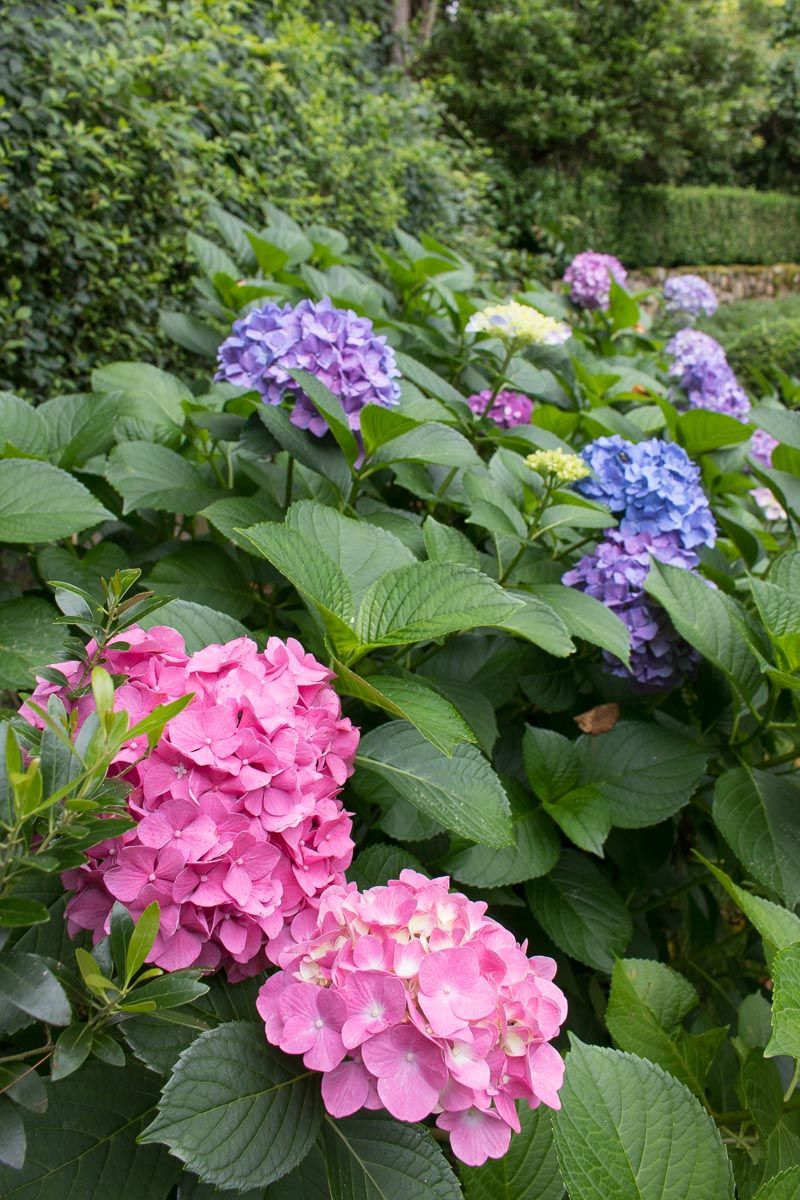
Acidic soil with a pH below 6.0 tends to produce beautiful blue flowers, while neutral to slightly alkaline soil pushes blooms toward pink and rosy tones.
North Carolina is naturally lucky in this regard, because many soils across the state lean acidic. This means a lot of NC gardeners already have conditions that favor those beloved blue hydrangea blooms without doing much extra work.
Still, soil pH can vary a lot depending on your specific county, neighborhood, or even just your backyard’s history.
Testing your soil in April before adding any amendments is always a smart move. Simple soil test kits are available at most garden centers, and NC State Extension offices offer affordable professional testing too.
Knowing your starting point prevents you from accidentally pushing your pH in the wrong direction.
If you want to lower pH for bluer blooms, aluminum sulfate is a commonly used amendment that works relatively quickly. To push toward pink, adding garden lime will raise your pH over time.
Making small, gradual adjustments is far better than overcorrecting, so patience really pays off when managing soil pH for gorgeous color results.
3. April Is The Right Time For Light Feeding
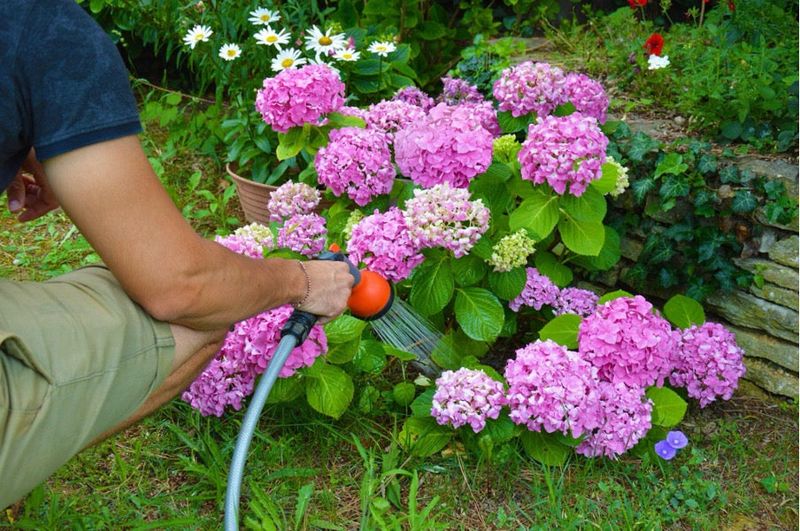
Timing your fertilizer application is just as important as choosing the right product, and April is genuinely one of the best windows in the entire gardening calendar.
Early to mid-April in North Carolina is when hydrangeas kick into active growth mode, pushing out new leaves and beginning to form the buds that will become your summer flowers.
Feeding them at this exact stage gives the plant fuel right when it needs it most.
A balanced, slow-release fertilizer works beautifully at this time of year. Look for products labeled with roughly equal numbers, like a 10-10-10 or similar balanced formula, which provides nitrogen, phosphorus, and potassium in steady amounts over several weeks.
Slow-release options are especially forgiving because they reduce the risk of accidentally overfeeding your plants all at once.
Stronger stems and larger bloom clusters are two of the most noticeable rewards of well-timed spring feeding. Phosphorus in particular supports root health and flower development, making it a key nutrient during bud formation in April.
Without enough nutrients at this stage, hydrangeas may produce smaller flowers or fewer blooms overall by midsummer.
Scatter the fertilizer evenly around the drip line of each plant rather than piling it near the base. Watering the area after application helps the nutrients move down into the root zone where they can actually be absorbed.
Starting the season with smart, light feeding in North Carolina sets your hydrangeas on a strong path toward spectacular summer color.
4. Organic Matter Improves Soil Structure And Moisture
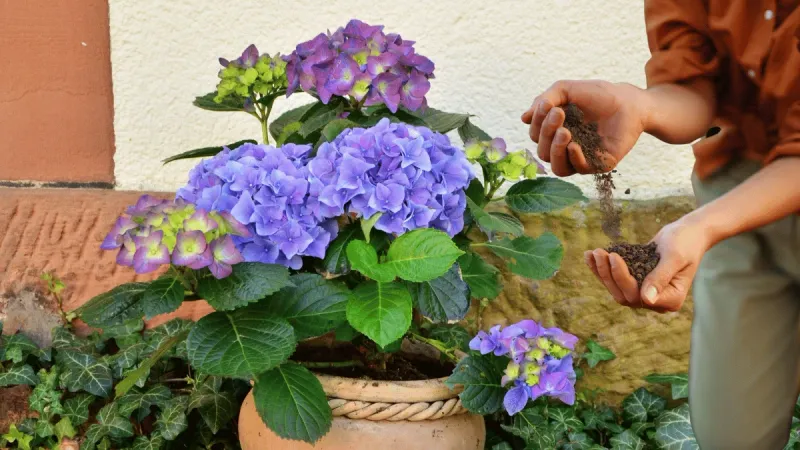
North Carolina has a wonderfully diverse landscape, but that also means its soils vary dramatically from region to region. In the Piedmont and eastern parts of the state, heavy clay soils are common, while the coastal plain often features sandy, fast-draining ground.
Both soil types present challenges for hydrangeas, but organic matter is the one ingredient that improves both of them at the same time.
Compost is the most accessible and affordable form of organic matter most gardeners can get their hands on. Working two to three inches of finished compost into your garden bed each spring builds the kind of rich, crumbly soil texture that hydrangeas genuinely love.
Compost adds beneficial microbes, improves air circulation around roots, and slowly releases nutrients as it breaks down through the season.
Leaf mold is another excellent option that many North Carolina gardeners overlook. Made from decomposed leaves, it is incredibly lightweight, moisture-retentive, and easy to produce right in your own backyard.
Mixing it into sandy soils helps hold water near the roots long enough for plants to absorb it properly.
The long-term payoff of adding organic matter every spring is a garden bed that becomes easier to manage with each passing year. Soil that started out sticky and heavy gradually becomes more workable, and sandy patches become more moisture-stable.
Consistently improving your soil with organic additions gives your North Carolina hydrangeas a growing environment that supports bigger, longer-lasting blooms season after season.
5. Consistent Moisture Supports Bud Development
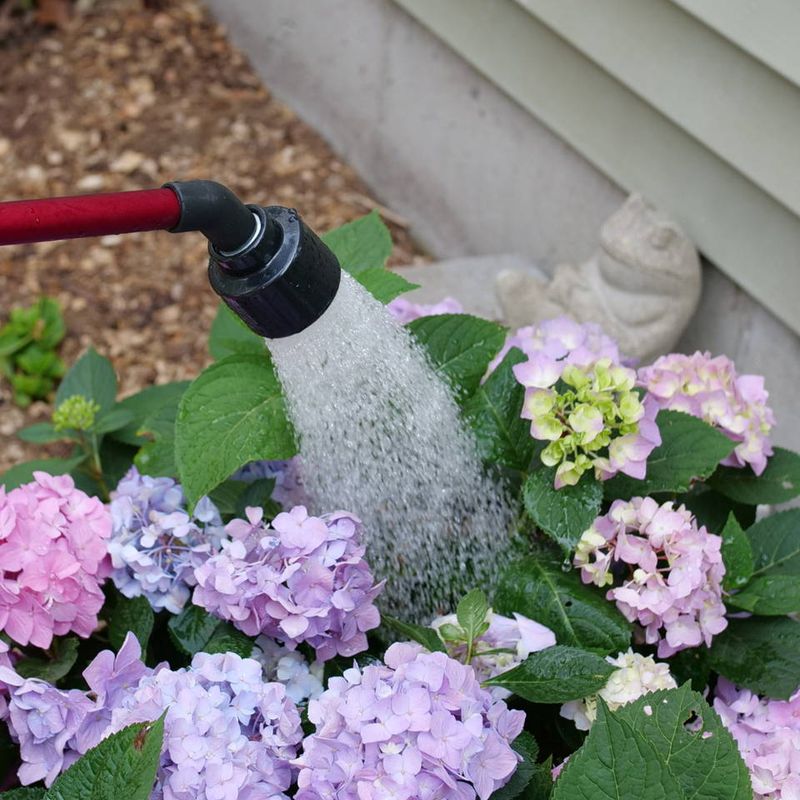
April weather in North Carolina can be beautifully unpredictable, swinging from warm sunny stretches to cool rainy days within the same week.
While that variety is part of what makes spring so charming, hydrangeas forming buds during this time need something more reliable: consistent soil moisture.
Uneven watering, or soil that flip-flops between soaking wet and bone dry, puts real stress on plants during a critical growth window.
Bud development is one of the most energy-intensive phases a hydrangea goes through each year. The plant is essentially building the architecture of every flower cluster it will produce all summer long.
If moisture levels drop significantly during this process, the plant may reduce the number of buds it sets, leading to fewer and smaller blooms when summer arrives.
Aiming for about one inch of water per week through either rainfall or supplemental watering is a solid target for April in North Carolina. Checking soil moisture by pressing a finger two inches into the ground gives you a quick and reliable reading.
If the soil feels dry at that depth, it is time to water slowly and deeply rather than just wetting the surface.
Morning watering is always the best approach because it gives foliage time to dry before evening, reducing the chance of fungal issues. Drip irrigation or a soaker hose placed at the base of the plant delivers moisture directly to the root zone without splashing leaves.
Keeping your watering schedule steady through April pays off with fuller, more vibrant hydrangea blooms come June and July.
6. Mulch Helps Stabilize Soil Conditions
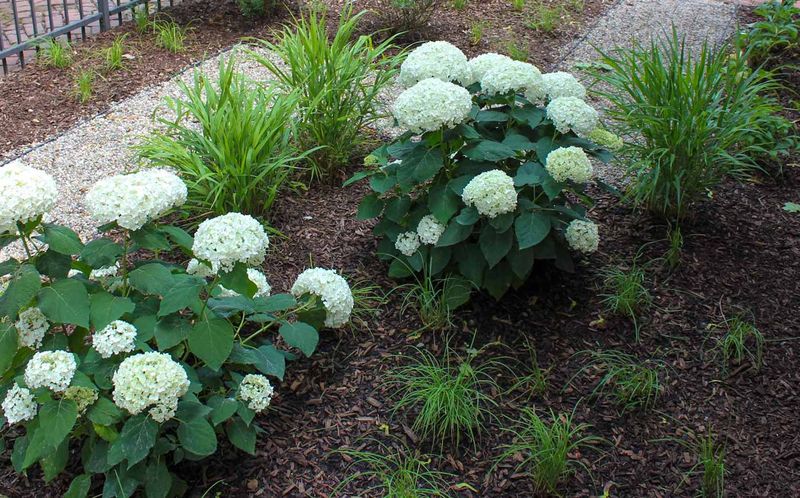
Mulch might be one of the simplest tools in a gardener’s toolkit, but its impact on hydrangea health in April is genuinely impressive. Spreading two to three inches of organic mulch around your plants creates a protective layer that works quietly all season long.
Pine bark, shredded leaves, and pine straw are all excellent choices that are widely available across North Carolina.
Soil temperature can fluctuate quite a bit during April in the Carolinas, especially when late cool snaps follow warm weeks. These temperature swings stress roots that are in the middle of active spring growth.
A good mulch layer acts like insulation, keeping soil temperatures more stable and giving roots a more predictable environment to grow in.
Moisture retention is another powerful benefit that mulch delivers. Even when dry spells hit between April rainstorms, mulched soil stays moist much longer than bare ground.
That steady moisture buffer is especially valuable for hydrangeas because their large leaves and developing blooms demand a reliable water supply from the roots below.
Weeds are also a real problem in spring garden beds, and mulch does an excellent job of suppressing them without chemicals. Fewer weeds mean less competition for water and nutrients, which translates directly into stronger hydrangea growth.
Just be sure to keep the mulch a few inches away from the main stem to prevent moisture buildup against the bark. A well-mulched bed in April is one of the easiest investments you can make for a stunning North Carolina hydrangea display.
7. Avoid Heavy Nitrogen In Early Spring
Walk through any garden center in April and you will find shelves full of fertilizers promising lush, fast growth. For hydrangeas, though, reaching for a high-nitrogen product this time of year can actually backfire in a frustrating way.
Nitrogen is the nutrient most responsible for leafy green growth, and too much of it in early spring sends the plant a message to grow foliage instead of flowers.
Hydrangea macrophylla types are especially sensitive to nitrogen imbalance during the spring growth surge. These plants are already working hard to develop flower buds, and excess nitrogen essentially redirects that energy into producing bigger leaves and longer stems instead.
The result is a plant that looks impressively green and full but produces far fewer blooms than it should by summer.
Balanced fertilizers, where nitrogen, phosphorus, and potassium are present in roughly equal amounts, are a much better choice for April feeding in North Carolina.
Products with a higher middle number, representing phosphorus, can even give flower development an extra boost during bud formation. Reading fertilizer labels carefully before purchasing makes a real difference in your results.
Organic fertilizers like compost or fish emulsion release nitrogen slowly and in smaller amounts, making them naturally safer options for spring application. They feed the plant gently over weeks rather than flooding the soil all at once.
Skipping the high-nitrogen shortcuts in April and choosing a balanced approach instead rewards North Carolina gardeners with fuller flower clusters and a more satisfying bloom season from start to finish.