What Indiana Law Says About Leaves Falling From A Neighbors Maple Tree
Leaves drifting from a neighbor’s maple tree may look charming in the fall, yet they often stir up tension once they land on the wrong side of the fence.
One homeowner admires the fiery red canopy, while the other faces a yard blanketed in chores they never signed up for.
As rakes come out and frustrations rise, the age-old question surfaces: who shoulders the responsibility?
Indiana law steps into the mix with firm guidelines that catch many residents off guard, drawing a sharp line between natural tree behavior and true negligence.
Before tempers flare or accusations start to pile up like autumn debris, a clear look at the legal landscape turns confusion into clarity and keeps neighborly relations from blowing away in the breeze.
Property Owners Must Maintain Their Own Land
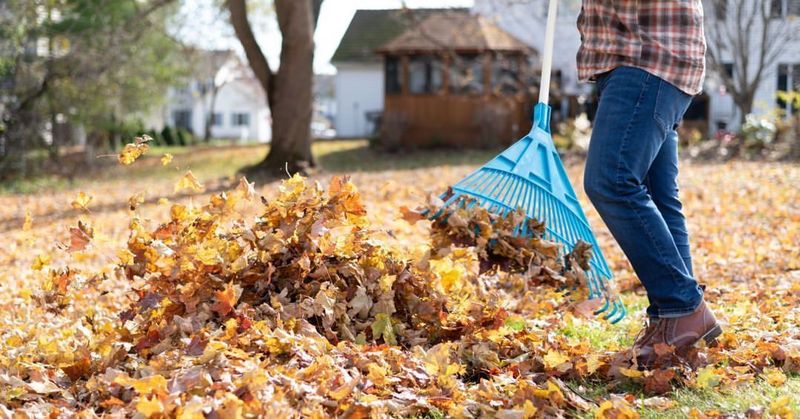
Indiana follows a traditional property law principle that says you’re responsible for maintaining your own land, regardless of where debris comes from.
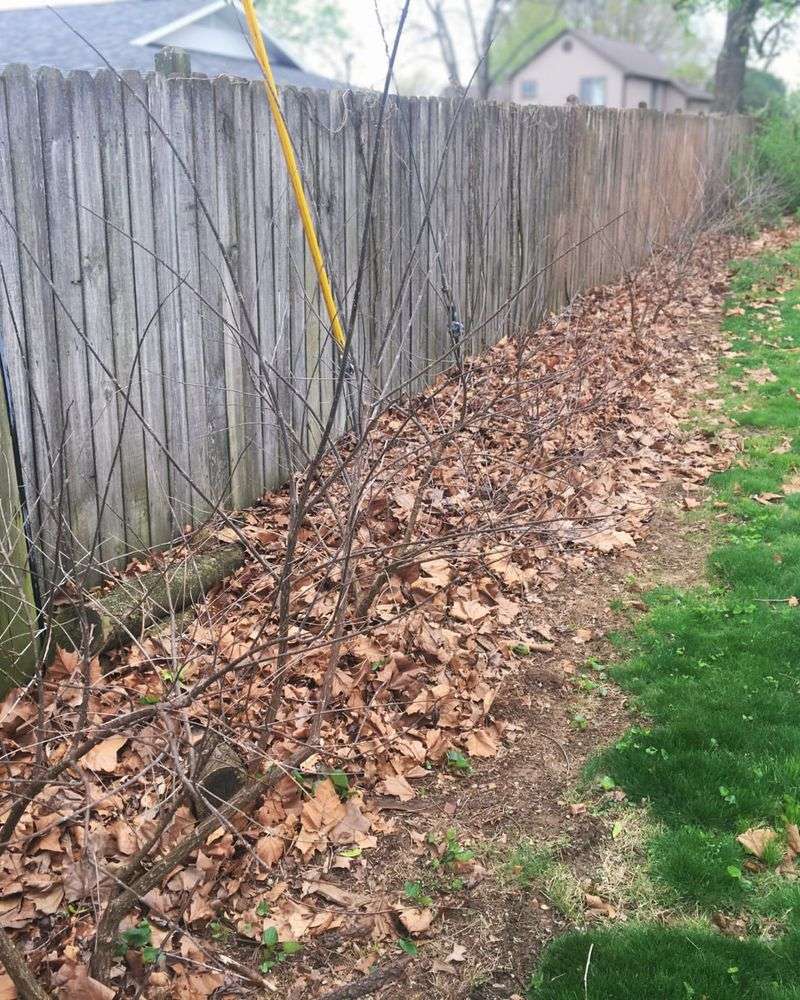
When leaves from your neighbor’s maple tree blow onto your lawn, the law generally considers them your responsibility to clean up.
This might seem unfair at first, but the reasoning makes sense when you think about wind, rain, and other natural forces that constantly move things between properties.
Courts in Indiana have consistently ruled that property owners cannot force their neighbors to prevent natural occurrences like falling leaves.
Your neighbor isn’t doing anything wrong by having a maple tree, and they can’t control where the wind carries the leaves once they fall.
This means you’ll need to budget time and energy for leaf cleanup during fall months, even if most leaves originate from next door.
Many homeowners find that investing in a good leaf blower or mulching mower makes this seasonal chore much easier.
Some neighborhoods develop informal arrangements where neighbors help each other with yard work, which can build community spirit while getting the job done faster.
Understanding this basic principle helps set realistic expectations about autumn maintenance responsibilities.
Trees On Property Lines Create Shared Responsibility
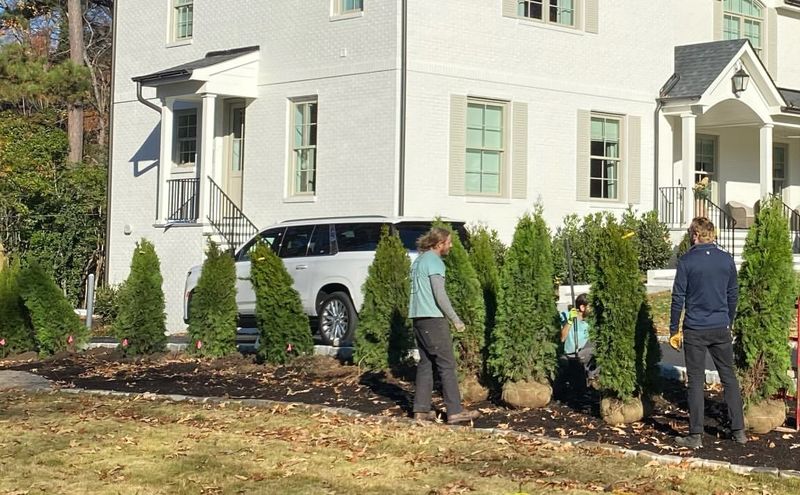
Things get more interesting when a maple tree actually grows right on the boundary line between two properties.
Indiana law treats these boundary trees as shared property, meaning both neighbors have equal ownership rights and responsibilities.
If the trunk straddles the property line, you and your neighbor both benefit from the shade and must share decisions about the tree’s care.
Neither person can remove or significantly trim a boundary tree without the other’s permission, which protects both parties from unilateral actions.
This shared ownership also means both neighbors should contribute to maintenance costs like professional pruning or treatment for diseases.
When leaves fall from a boundary maple, the cleanup responsibility still falls to whoever’s property they land on, following the general rule.
However, if the tree becomes hazardous or diseased, both property owners must work together to address the problem.
Documentation becomes important with boundary trees, so consider having a surveyor confirm exactly where your property line runs.
Good communication with your neighbor about a shared tree prevents misunderstandings and helps maintain a positive relationship.
Many Indiana residents find that boundary trees actually strengthen neighborhood bonds when handled cooperatively.
Branches Overhanging Your Property Can Be Trimmed
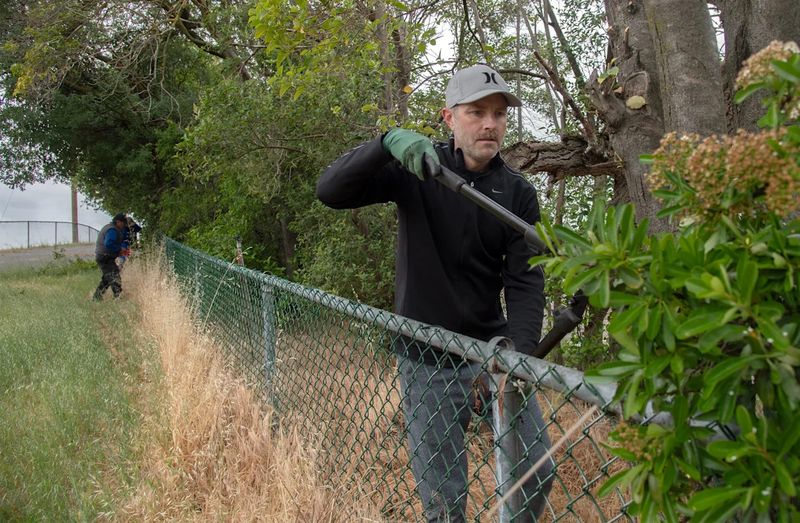
While you can’t make your neighbor remove their maple tree, Indiana law does give you the right to trim branches that cross onto your property.
This ancient legal principle, called the “right of abatement,” allows you to cut back overhanging branches up to the property line.
However, you must exercise this right carefully and reasonably to avoid damaging the overall health of the tree.
Cutting branches improperly or excessively could make you liable for harm to your neighbor’s tree, which might result in financial consequences.
Most experts recommend hiring a professional arborist who understands proper pruning techniques and can trim branches without endangering the tree.
You should also notify your neighbor before trimming, even though you’re legally allowed to do so without permission.
This courtesy helps maintain good neighborly relations and might even result in your neighbor offering to share the cost or handle the trimming themselves.
Remember that you cannot go onto your neighbor’s property to perform the trimming unless they give you permission.
Any branches you remove become your property, meaning you’re responsible for disposing of them properly.
Thoughtful trimming can reduce the number of leaves falling onto your property each autumn while respecting your neighbor’s rights.
Nuisance Claims Rarely Succeed For Falling Leaves
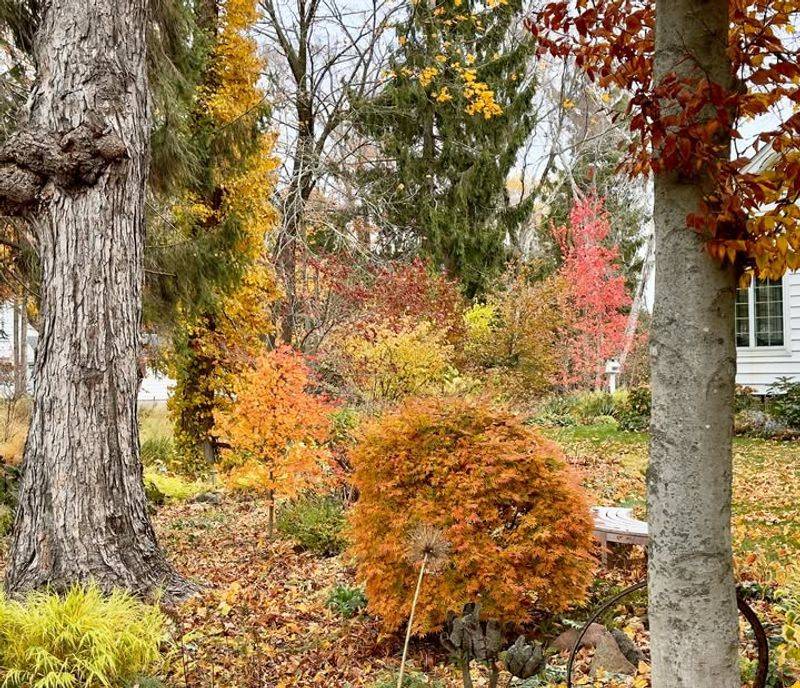
Some frustrated homeowners wonder if they can sue their neighbor for creating a nuisance with excessive leaves from their maple tree.
Indiana courts have generally rejected these claims, viewing falling leaves as a natural and expected part of property ownership.
For something to qualify as a legal nuisance, it must be unreasonable and substantially interfere with your use and enjoyment of your property.
Judges recognize that trees provide environmental benefits and that seasonal leaf drop is a normal occurrence throughout the state.
Unless the situation is truly extreme—like dozens of neglected trees dumping leaves that create actual property damage—courts won’t intervene.
The law expects neighbors to tolerate minor inconveniences that come with living in residential areas with vegetation.
Even if leaf accumulation requires several hours of raking each fall, this typically doesn’t meet the legal threshold for a nuisance.
Your time and effort, while annoying, don’t constitute the kind of substantial harm that courts will remedy.
Documented evidence of property damage caused by leaf accumulation, such as clogged gutters leading to water damage, might strengthen a claim.
However, most attorneys will advise that pursuing legal action over leaves is expensive, time-consuming, and unlikely to succeed in Indiana courts.
Municipalities May Have Additional Leaf Regulations
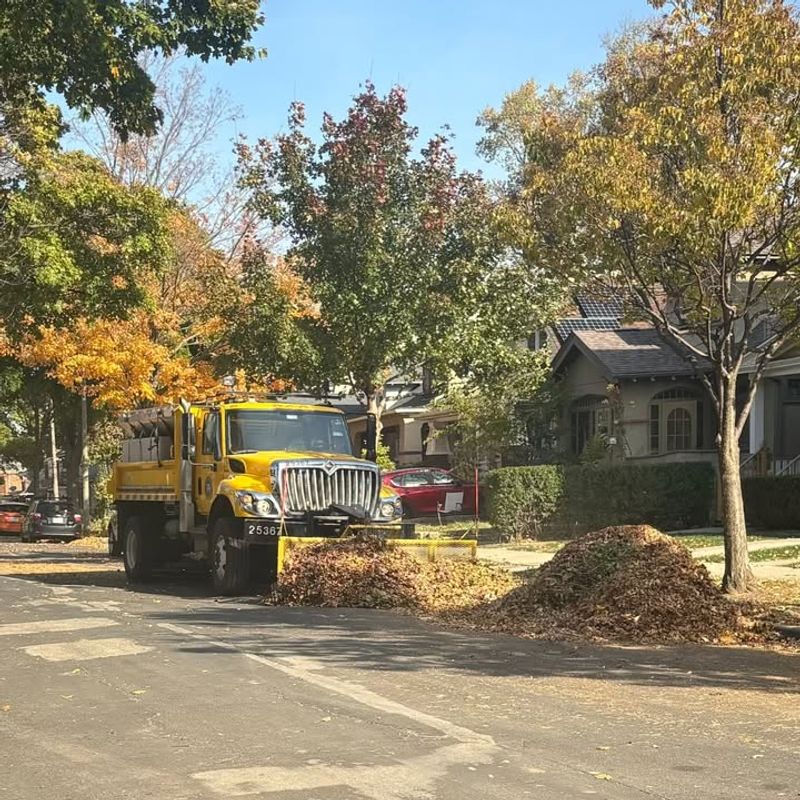
Beyond state law, your local city or town might have ordinances that affect how you handle leaves from your neighbor’s maple tree.
Many Indiana municipalities offer seasonal leaf collection services and require residents to prepare leaves in specific ways.
Some communities require leaves to be bagged, while others prefer them raked to the curb in loose piles on designated collection days.
Your local government might also have rules about blowing or raking leaves into streets, which can create drainage problems and safety hazards.
Violating these municipal ordinances could result in fines, even if the leaves originally came from someone else’s property.
Check your city or town’s website or contact local officials to understand the specific regulations in your area.
Some progressive communities have implemented composting programs that turn collected leaves into mulch available for residents.
These programs benefit everyone by reducing waste and providing free soil amendments for gardens.
If your neighbor’s maple creates an enormous leaf problem, your municipality might have mediation services to help neighbors reach agreements.
Local ordinances sometimes address overgrown vegetation that creates genuine problems, which could apply if your neighbor neglects their property entirely.
Staying informed about local rules helps you remain compliant while managing the seasonal leaf situation effectively.
Homeowner Associations Can Establish Stricter Standards
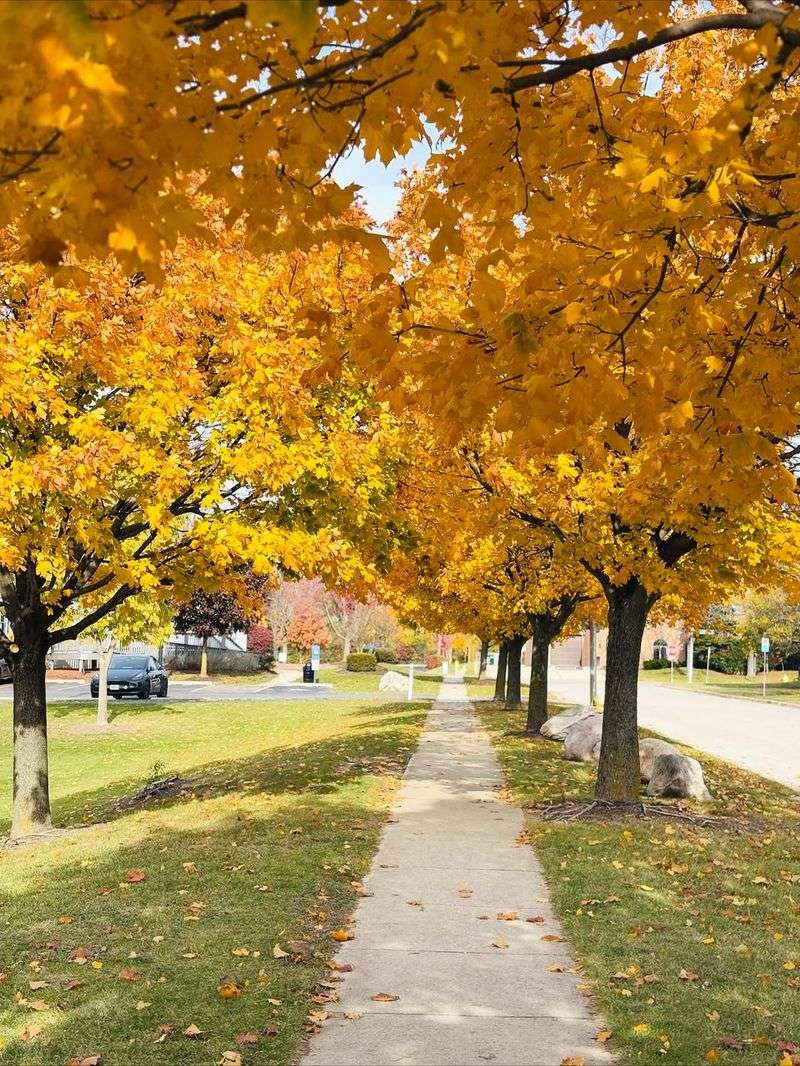
If you live in a community governed by a homeowner association, additional rules might apply beyond Indiana state law.
HOAs can create and enforce standards for property maintenance, including requirements about leaf removal and yard appearance.
Your neighbor might be required to keep their maple tree properly trimmed or to help with leaf cleanup under HOA covenants.
These private agreements, which you accepted when purchasing your home, can be more restrictive than general state law.
Review your HOA’s governing documents, including the declaration of covenants, conditions, and restrictions, to understand what rules apply.
If your neighbor’s maple tree violates HOA standards, you can file a complaint with the association’s board rather than pursuing legal action yourself.
The HOA has enforcement mechanisms like fines or liens that can motivate compliance without damaging your personal relationship with your neighbor.
However, HOAs must follow their own procedures and cannot enforce rules arbitrarily or discriminatorily.
Some associations organize community cleanup days where neighbors work together on common areas and help each other with yard maintenance.
Before purchasing a home in an HOA community, carefully read all rules about trees and landscaping to avoid surprises.
These private governance structures can provide solutions to neighbor disputes that state law doesn’t address.
Communication And Compromise Prevent Most Conflicts
Legal rights matter, but practical solutions often come from simple conversations rather than courtroom battles.
Most neighbor disputes about falling maple leaves can be resolved through friendly discussion and reasonable compromise.
Your neighbor might not realize their tree drops so many leaves on your property or that the situation bothers you.
Approaching them politely and explaining your concern often leads to cooperative solutions that benefit everyone.
Perhaps they’ll agree to trim lower branches, help with occasional raking, or split the cost of a lawn service during peak leaf season.
Some neighbors arrange to share yard equipment or take turns handling cleanup tasks that benefit both properties.
Offering to help your neighbor with a task they find challenging can create goodwill that makes them more receptive to your concerns.
Remember that you might need their cooperation someday for a different issue, so maintaining a positive relationship has long-term value.
If direct conversation feels uncomfortable, a friendly note or email can open the door to productive discussion.
Community mediation services, available in many Indiana counties, provide neutral facilitators who help neighbors reach agreements.
Most people want to be good neighbors and will work with you when approached respectfully rather than confrontationally.