What Is Drawing Blue Jays Into Indiana Yards This December
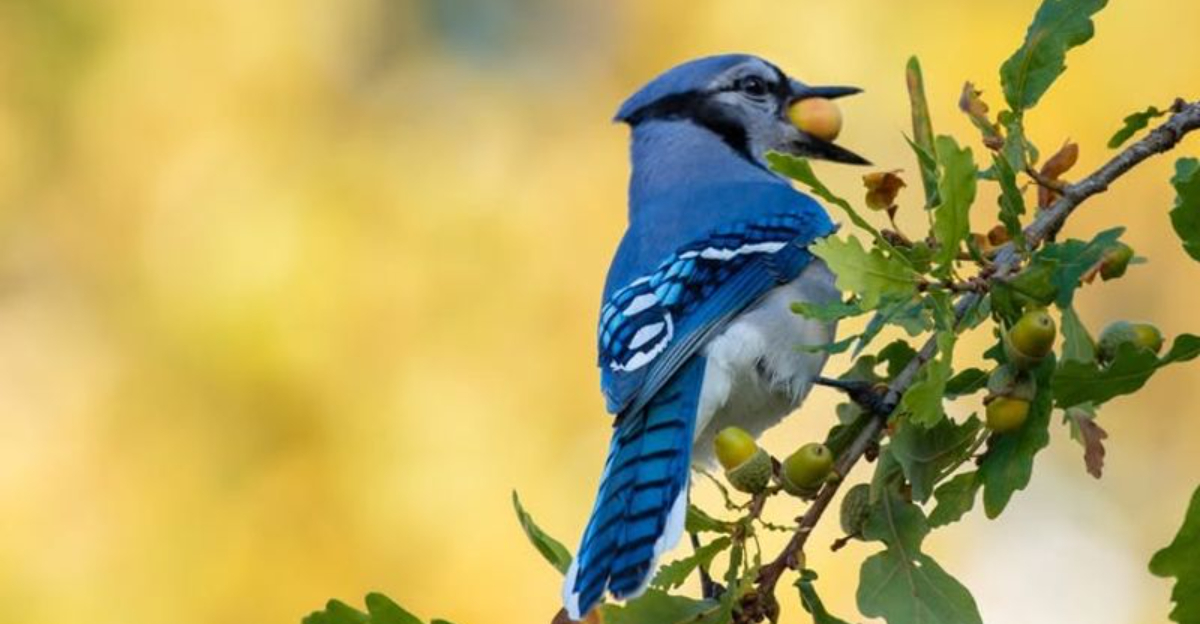
December in Indiana has a way of changing the backyard scene, and blue jays are suddenly stealing the spotlight.
One day your yard feels quiet, and the next it is buzzing with flashes of blue and loud calls that sound like they own the place.
This shift is no accident.
When winter starts knocking on the door, blue jays go into full preparation mode, and Indiana yards offer exactly what they need.
As natural food sources thin out, these sharp minded birds follow the path of least resistance.
Feeders, mature trees, and sheltered spaces turn into prime real estate.
Blue jays are known for playing the long game, storing food and guarding it like money in the bank.
Cold snaps and shorter days push them to spend more time close to reliable resources, and suburban yards fit the bill nicely.
Weather patterns also play a role.
Early cold fronts and patchy snow cover can send blue jays scrambling for dependable spots before winter fully settles in.
Like clockwork, they show up where conditions feel just right.
For Indiana homeowners, these December visitors are a clear sign that winter survival is in full swing, and the backyard has become part of their game plan.
1. Peanuts In The Shell
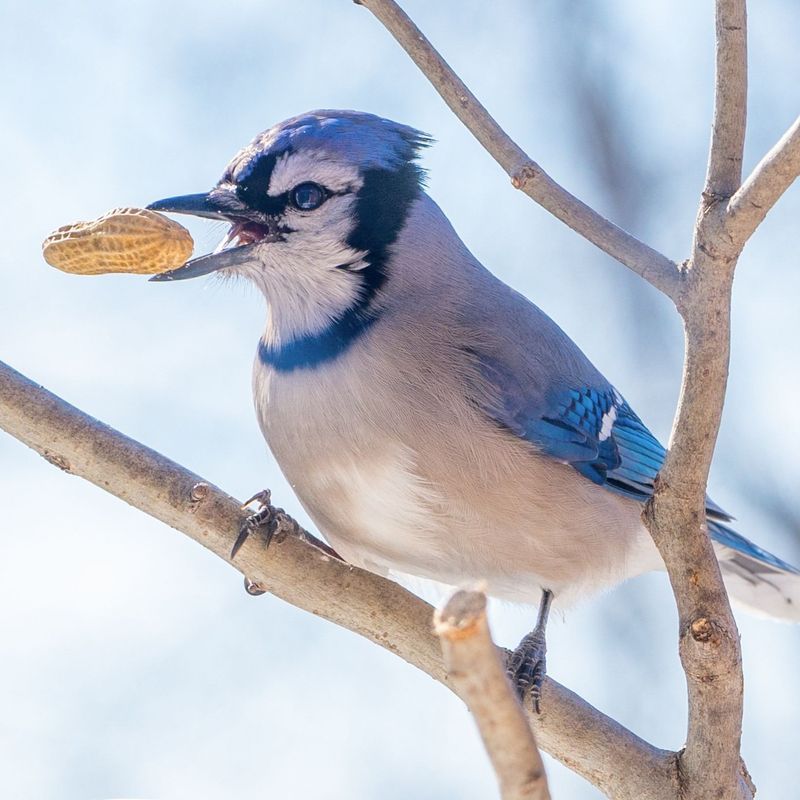
Whole peanuts represent the ultimate treat for blue jays visiting Indiana yards this winter season.
These intelligent birds can crack open the shells with their strong beaks, and they absolutely love the challenge and reward.
Offering peanuts in the shell gives blue jays something to work for, which keeps them engaged and coming back to your feeding station.
Blue jays have a fascinating habit of storing food for later use, and peanuts are perfect for this behavior.
They will grab a peanut, fly off to hide it somewhere safe, then return for another one.
This caching behavior becomes especially important during December when natural food sources become scarce across Indiana.
You can place peanuts in platform feeders, tray feeders, or simply scatter them on the ground in your yard.
Blue jays prefer feeders that give them plenty of space to land and feel secure while eating.
A single blue jay can carry off several peanuts in one trip by stuffing them into a special pouch in its throat.
Raw, unsalted peanuts work best for these birds, as salt can be harmful to their health.
Many Indiana residents notice an immediate increase in blue jay visits once they start offering peanuts regularly.
The investment in quality peanuts pays off when you see these gorgeous birds become daily visitors to your outdoor space throughout the winter months.
2. Reliable Water Sources
Finding liquid water becomes a real challenge for birds when temperatures drop below freezing across Indiana.
Blue jays need water for drinking and bathing even during the coldest December days.
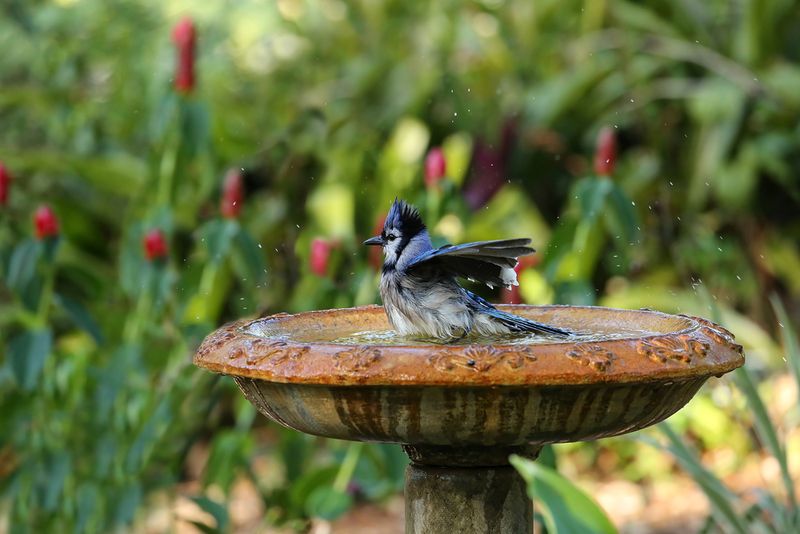
A heated birdbath can transform your yard into an oasis that attracts blue jays and many other bird species throughout winter.
Bathing might seem unusual for winter, but birds need to keep their feathers clean and properly aligned for insulation.
Clean feathers trap air more effectively, which helps blue jays stay warm during frigid Indiana nights.
Regular bathing removes dirt and parasites that can damage feather structure and reduce their insulating properties.
Heated birdbaths come in various styles, from ground-level basins to pedestal models that keep water accessible when snow piles up.
The heater prevents ice from forming while using minimal electricity throughout the season.
Position your birdbath in a spot where birds can see approaching predators, preferably near some shrubs or trees for quick escape routes.
Change the water every few days to keep it fresh and prevent algae growth even in winter.
Blue jays often visit water sources early in the morning and late in the afternoon when they need to rehydrate.
Adding a few stones or branches to the bath gives birds better footing and prevents them from getting too wet in cold weather.
Your neighbors might wonder why blue jays always seem to gather at your Indiana property.
3. Oak Trees With Acorns
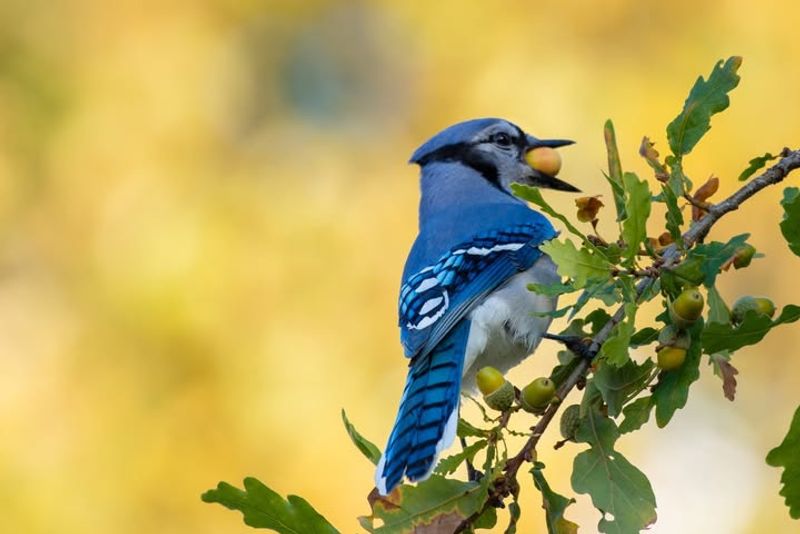
Oak trees serve as natural magnets for blue jays throughout Indiana, especially when acorns remain available in December.
These nutritious nuts provide essential fats and proteins that help blue jays survive harsh winter conditions.
A mature oak tree in your yard essentially acts as a natural restaurant that keeps blue jays returning day after day.
Blue jays play an important role in oak forest regeneration by carrying acorns away and burying them for future meals.
Many of these buried acorns get forgotten and eventually sprout into new oak trees.
Scientists believe blue jays have helped oak forests spread across North America over thousands of years through this planting behavior.
Different oak species produce acorns at varying times, but many Indiana oaks drop their nuts in fall, leaving plenty available through December.
White oak acorns tend to be less bitter than red oak varieties, making them a preferred food source.
Blue jays can carry multiple acorns at once in their expandable throat pouch, sometimes traveling over a mile to find the perfect hiding spot.
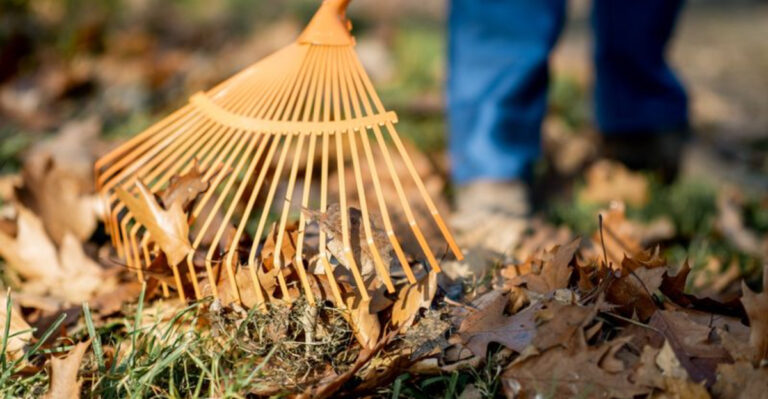
If you have oak trees on your property, leave fallen acorns on the ground rather than raking them all away.
This natural food source costs you nothing and provides exactly what blue jays need during winter.
Even young oak trees will eventually mature and produce acorns that benefit wildlife for decades to come in your Indiana neighborhood.
4. Black Oil Sunflower Seeds
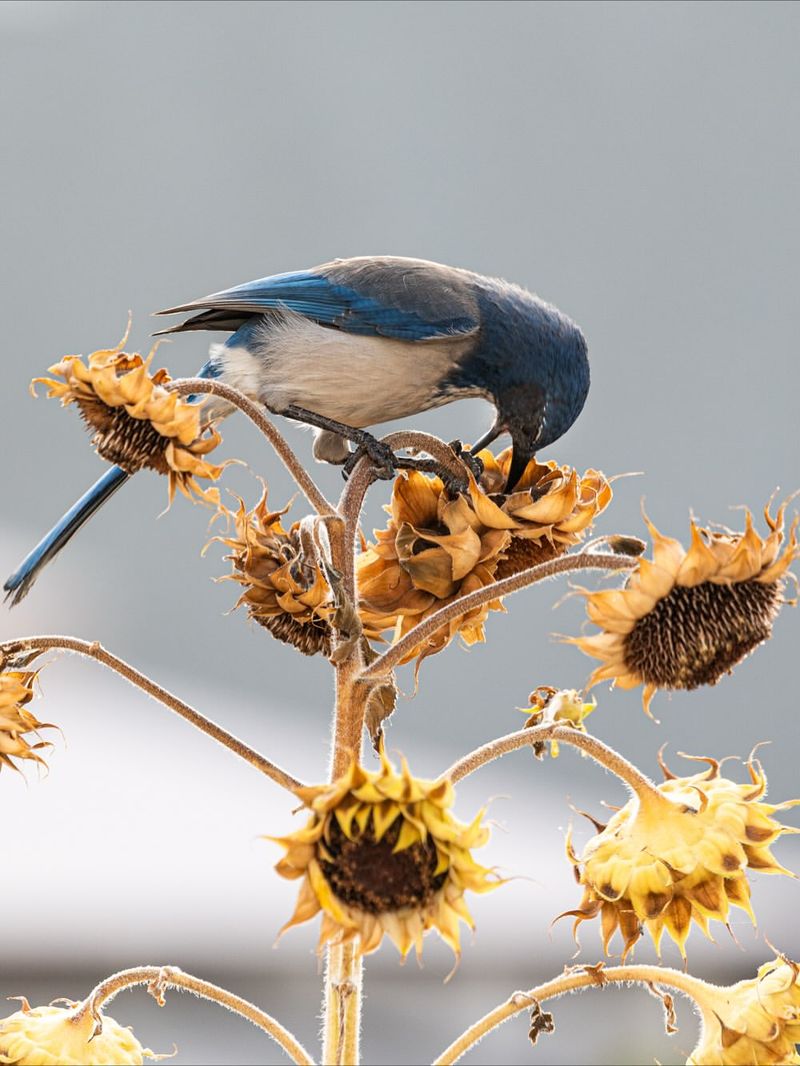
Black oil sunflower seeds rank among the most popular bird foods across Indiana for good reason.
These small black seeds pack more oil and calories than striped sunflower varieties, giving blue jays the energy they need during cold December weather.
The thin shells make them easier to crack compared to other seed types, which blue jays appreciate when temperatures drop.
You can offer these seeds in almost any type of feeder, from tube feeders to hopper designs and platform styles.
Blue jays typically prefer feeders where they can perch comfortably while eating rather than having to hover or cling.
Large platform feeders work especially well because blue jays like having space to move around and assess their surroundings for potential threats.
Fresh black oil sunflower seeds have shiny black shells without any musty smell or visible mold.
Store your seed supply in a cool, dry location inside sealed containers to prevent moisture damage and keep rodents out.
Poor quality or old seeds can develop harmful mold that makes birds sick, so buying from reputable suppliers makes a difference.
A single blue jay can eat dozens of sunflower seeds during one feeding session.
They often grab a seed, fly to a nearby branch, hold it with their feet, and crack it open with their powerful beak.
Some Indiana homeowners report going through several pounds of sunflower seeds each week once blue jays discover their feeders and spread the word to their family groups.
5. Suet Cakes With Nuts
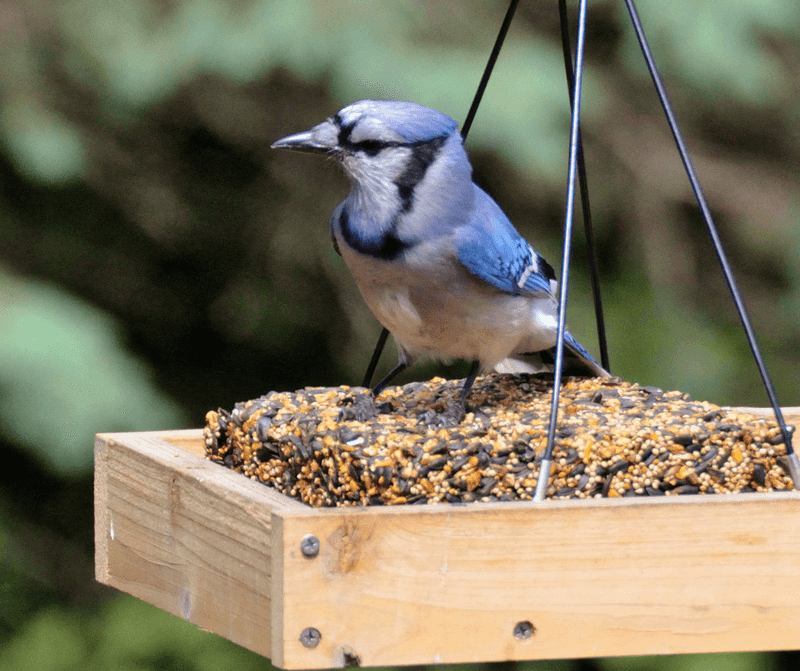
High-energy suet provides exactly what blue jays need to maintain their body temperature during freezing Indiana nights.
Suet cakes made with added nuts, peanuts, or seeds offer even more nutrition and taste appeal.
These compact blocks of fat and protein help birds survive when insects and other natural foods become impossible to find.
Commercial suet cakes come in wire cage feeders that attach easily to tree trunks, fence posts, or hanging hooks.
Blue jays can cling to these feeders while pecking away at the suet, though they sometimes prefer when you place suet in platform feeders instead.
The rendered animal fat in quality suet remains solid even on warmer December days, preventing messy melting.
Look for suet cakes that list beef fat as the primary ingredient rather than cheaper fillers.
Some varieties include dried fruit, mealworms, or extra seeds that make them even more attractive to blue jays.
Avoid suet products with artificial colors or excessive salt content, as these additives provide no nutritional benefit and might harm birds.
Place suet feeders in shaded locations to prevent the fat from becoming rancid in occasional winter sunshine.
Blue jays often visit suet feeders multiple times throughout the day, taking quick breaks between their other activities.
Many Indiana bird watchers notice that offering suet brings in blue jays that might otherwise skip their yards entirely.
The combination of fat and protein keeps these beautiful birds fueled through the toughest winter conditions.
6. Dense Evergreen Trees
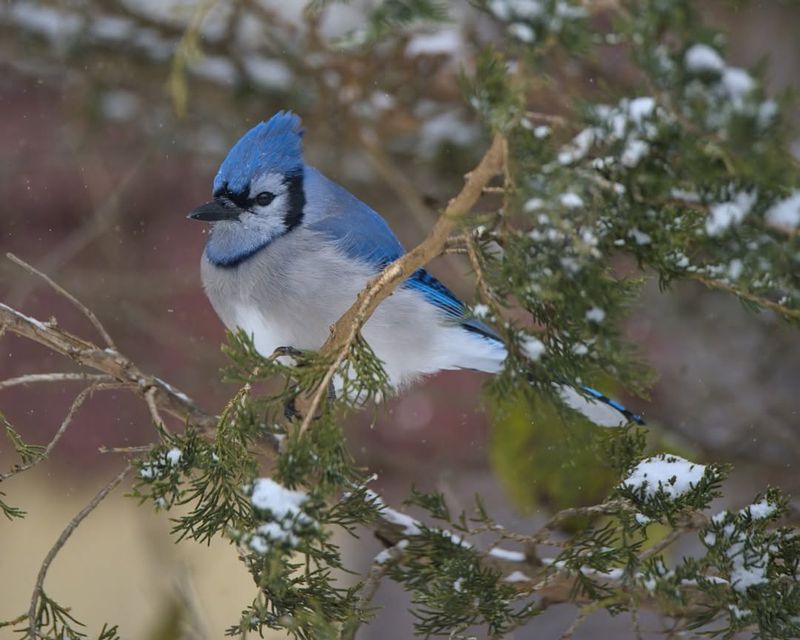
Evergreen trees like pines, spruces, and firs provide critical shelter for blue jays during December storms and bitter cold nights.
The dense branch structure blocks wind and snow while retaining heat that radiates from birds roosting inside.
Blue jays often seek out these protective trees when weather conditions become dangerous across Indiana.
Mature evergreens create natural windbreaks that make entire yards more comfortable for wildlife.
The needles remain on the branches year-round, unlike deciduous trees that lose their leaves and offer no winter protection.
Multiple blue jays might roost together in the same evergreen during extremely cold nights, sharing body heat to survive until morning.
Planting evergreens on the north and west sides of your property blocks prevailing winter winds most effectively.
Choose native species like white pine or eastern red cedar that thrive in Indiana conditions without requiring special care.
Young evergreens need several years to develop dense branch structure, but the wildlife benefits last for decades once they mature.
The lower branches of evergreens also provide safe spots where blue jays can rest between feeding sessions throughout the day.
Birds feel more secure when they can quickly escape into dense cover if a hawk or other predator appears.
If you already have evergreen trees on your property, avoid trimming the lower branches that provide the most valuable shelter.
Your Indiana yard becomes much more attractive to blue jays when they know safe refuge exists nearby whenever they need it during harsh December weather.
7. Corn On The Cob
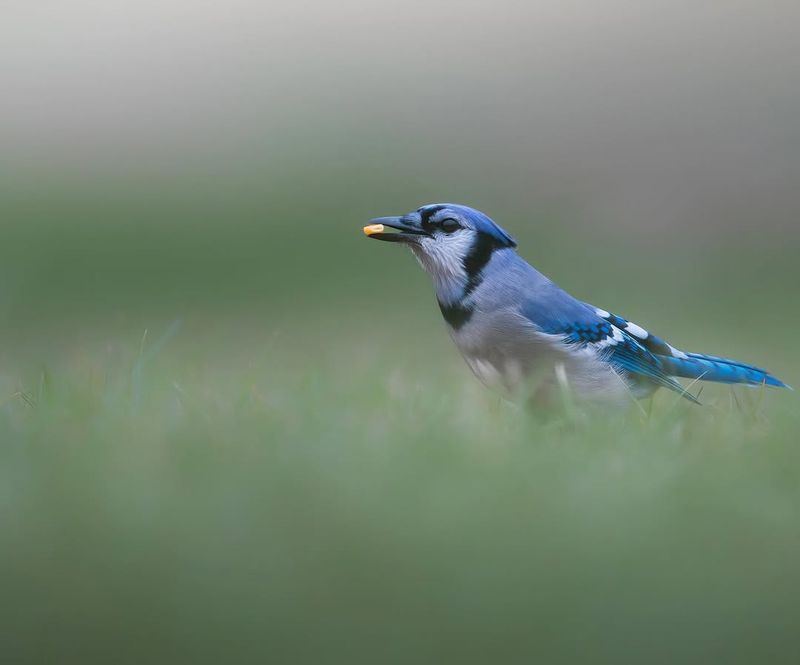
Dried corn on the cob offers an entertaining and nutritious food source that blue jays find irresistible during winter months.
You can purchase special corn cob feeders or simply spike whole dried corn ears onto nails or screws attached to fence posts.
Blue jays land on the cob and peck away at the kernels, often spending extended periods working on a single ear.
Cracked corn scattered on platform feeders or the ground also attracts blue jays throughout December in Indiana.
The yellow kernels stand out against snow, making them easy for birds to spot from a distance.
Corn provides carbohydrates that convert quickly into energy, helping blue jays stay active even when temperatures plunge below freezing.
Squirrel-resistant corn feeders keep larger animals from stealing all the food before birds get their share.
Some designs feature wire cages that allow birds to access the corn while blocking squirrels.
Position corn feeders away from jumping distance of trees and structures to reduce squirrel raiding.
Whole corn cobs stay fresh longer than cracked corn, which can absorb moisture and develop mold in wet weather.
Check your corn supply regularly and remove any kernels that show signs of mold or smell musty.
Blue jays have excellent memories and will remember yards that consistently offer quality food sources like corn.
Many Indiana residents enjoy watching blue jays figure out how to balance on spinning corn cob feeders, demonstrating their problem-solving abilities and determination to reach favorite foods.
8. Brush Piles And Natural Cover
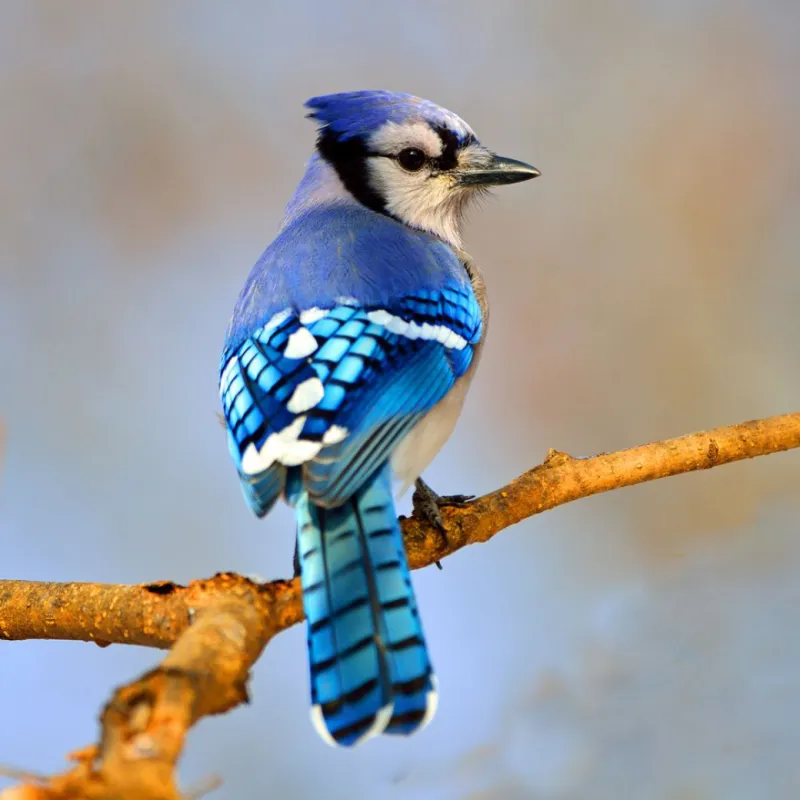
Creating brush piles from fallen branches and trimmed vegetation gives blue jays safe places to escape predators quickly.
These natural structures also block wind and provide spots where blue jays can rest while staying hidden from hawks and cats.
A well-constructed brush pile becomes a valuable asset that attracts blue jays and many other bird species to Indiana yards throughout winter.
Start your brush pile by laying larger branches on the bottom to create a sturdy foundation with air spaces underneath.
Add progressively smaller branches and twigs as you build upward, creating a loose structure that birds can fly into easily.
Position brush piles near feeding stations so blue jays have immediate cover when they feel threatened while eating.
Natural cover also includes areas of your yard where you leave leaf litter, standing dry plant stems, and ornamental grasses uncut.
These spaces harbor insects and spiders that blue jays hunt for supplemental protein during winter.
Messy corners of your property that might seem unattractive to humans often provide the most valuable wildlife habitat.
Brush piles settle and decompose over time, so add fresh material each year to maintain their structure and usefulness.
The decaying wood at the bottom creates habitat for insects and other invertebrates that feed birds.
Blue jays appreciate yards that offer multiple types of cover at different heights, from ground-level brush piles to mid-story shrubs and tall trees.
Your Indiana property becomes a blue jay sanctuary when you balance food sources with protective shelter throughout the landscape.