What Is Still Safe To Prune In January For North Carolina Gardens
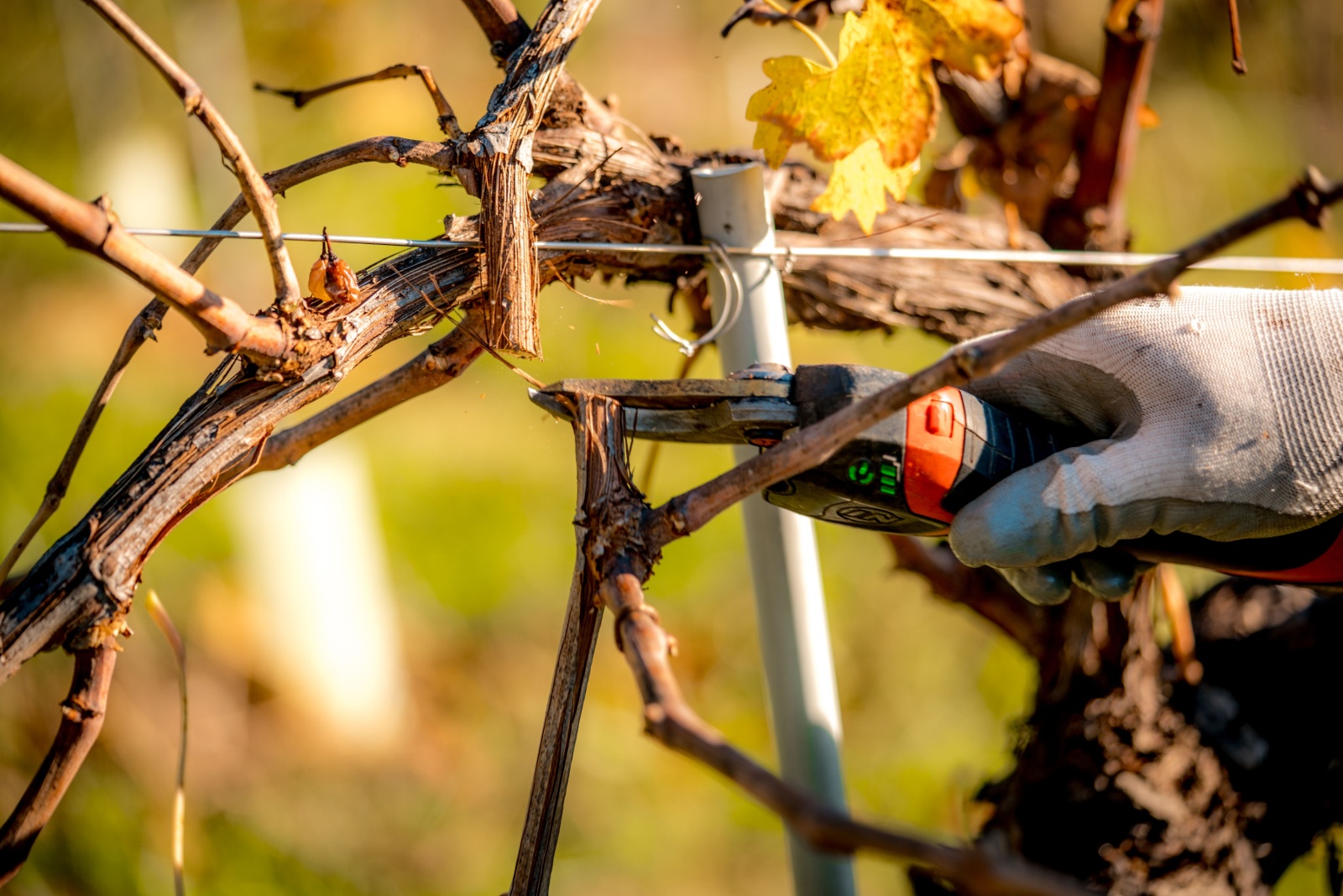
January may look quiet in North Carolina gardens, but don’t let bare branches fool you—this is prime pruning season for the right plants.
While winter naps on the surface, smart gardeners are already shaping spring’s success.
The trick? Knowing what’s safe to cut now and what should absolutely be left alone.
One wrong snip can mean fewer blooms, weaker growth, or a very grumpy shrub come springtime.
But prune wisely, and you’ll boost airflow, encourage healthier growth, and give your garden a head start before warmer days roll in.
From dormant trees to well-behaved shrubs, this guide breaks down what January pruning helps—and what it hurts—so you can trim with confidence, not crossed fingers.
1. Crape Myrtles

Crape myrtles stand as one of the South’s most beloved flowering trees, and January offers an ideal window for shaping their elegant structure.
Gardeners across North Carolina appreciate how these trees respond beautifully to careful trimming when temperatures drop and leaves have completely fallen off the branches.
Focus your efforts on removing suckers that grow from the base, along with any crossing branches that create crowding within the canopy structure.
Many experts recommend avoiding severe topping, sometimes called crape murder, which weakens the tree and produces unsightly knobby growth over time instead of graceful form.
Light shaping encourages better air circulation through the canopy, reducing disease pressure when humid summer weather arrives with its typical North Carolina intensity.
Select branches that are damaged, diseased, or growing inward toward the center, and remove them cleanly at their point of origin near larger limbs.
This pruning approach maintains the natural vase shape that makes crape myrtles so stunning while promoting abundant blooms on new wood come summertime warmth.
January’s cool temperatures mean less sap flow, making cuts cleaner and reducing stress on trees that would otherwise struggle with major trimming efforts.
2. Roses
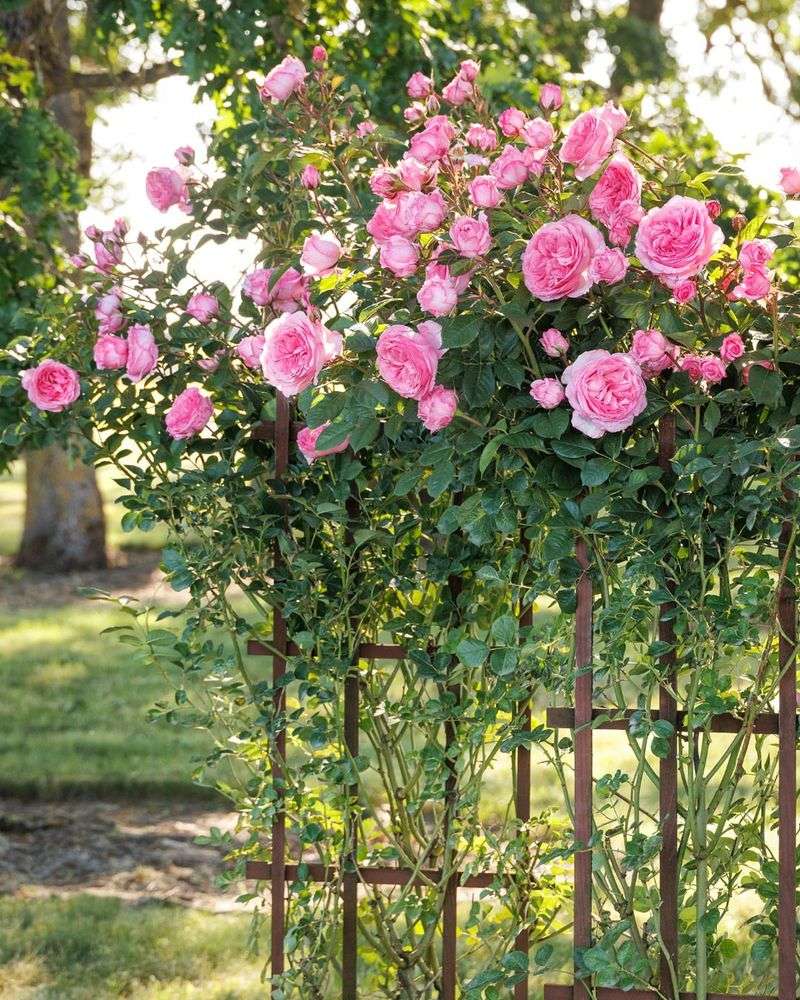
Roses benefit tremendously from January pruning in North Carolina, as dormancy allows gardeners to reshape bushes without disrupting active growth or bloom production cycles.
Hybrid teas, floribundas, and grandifloras all respond wonderfully to trimming during this quiet month, emerging stronger and more vigorous when spring warmth returns.
Begin your work by removing any canes that appear brown, shriveled, or damaged by winter weather, as these sections will not recover or produce flowers.
Cut healthy canes back to about eighteen to twenty-four inches, making angled cuts just above outward-facing buds to encourage open, attractive bush shapes.
Opening up the center of each rose bush improves air movement, which helps prevent fungal diseases that thrive in North Carolina’s humid spring conditions.
Clean, sharp tools make all the difference when working with roses, as ragged cuts invite disease and create entry points for pests later in the season.
Climbing roses require lighter trimming in January, focusing mainly on removing spent canes and shaping the overall framework rather than heavy reduction of healthy growth.
This strategic winter pruning sets the stage for spectacular blooms throughout the growing season, rewarding your January efforts with abundant color and delightful fragrance.
3. Butterfly Bushes
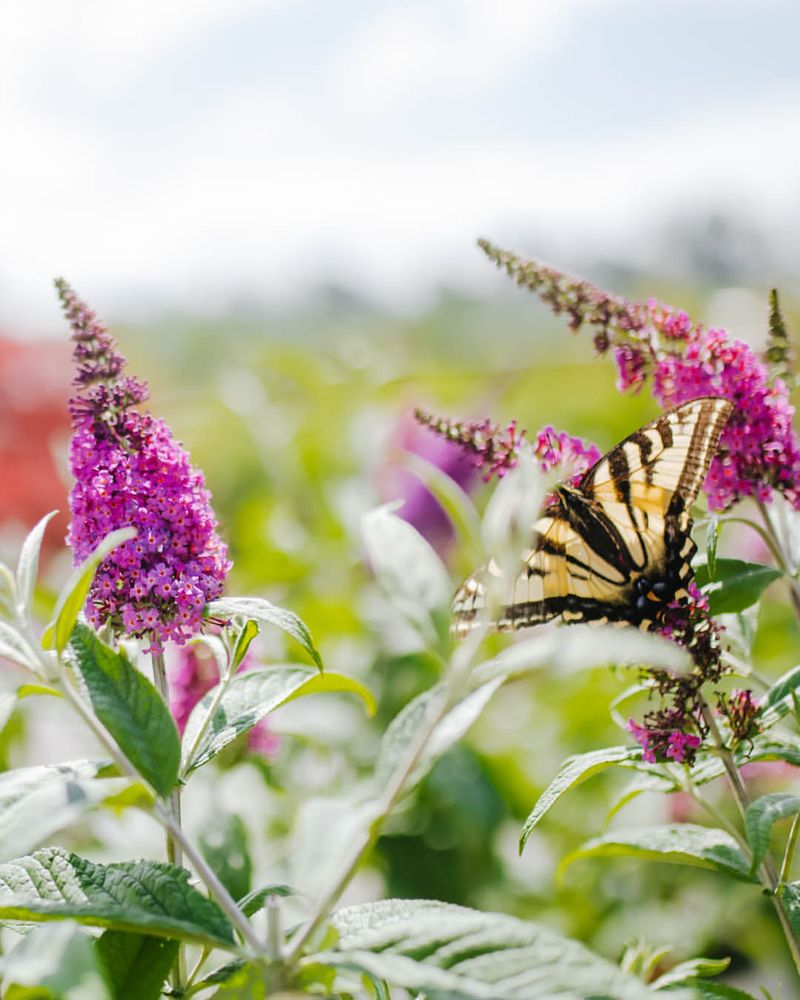
Butterfly bushes tolerate aggressive pruning remarkably well, making January an excellent time to cut these pollinator magnets back to manageable sizes for upcoming growth.
North Carolina gardeners often find butterfly bushes growing quite large by season’s end, and winter trimming helps control their enthusiastic spreading habit effectively.
Cutting stems down to about twelve to eighteen inches from the ground might seem drastic, but these resilient shrubs bounce back vigorously come spring.
This hard pruning approach encourages fresh, vigorous shoots that produce more flowers than older, woody stems that have been left untrimmed for years.
Removing old growth also eliminates overwintering pest eggs and disease spores that might otherwise cause problems when temperatures warm and new leaves begin emerging.
Many varieties classified as invasive in some regions benefit from this severe trimming, as it prevents excessive seed production that contributes to unwanted spreading.
January’s dormant period means butterfly bushes experience minimal stress from even the most aggressive pruning, allowing them to redirect energy into root development.
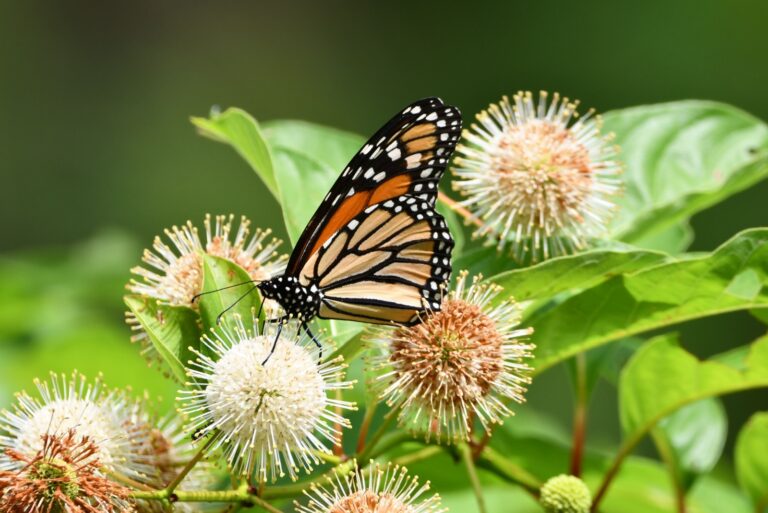
Come summer, your newly trimmed butterfly bush will burst forth with fresh foliage and countless flower spikes that attract monarchs, swallowtails, and other beautiful visitors.
4. Hydrangeas That Bloom On New Wood

Certain hydrangea varieties bloom on new wood, making them perfect candidates for January pruning in North Carolina without sacrificing summer flower displays ahead.
Smooth hydrangeas like Annabelle and panicle types such as Limelight develop flowers on current season’s growth, so winter trimming actually enhances bloom production.
Bigleaf hydrangeas that bloom on old wood should be avoided during January pruning, as cutting them now removes next summer’s flower buds entirely.
Identifying which type of hydrangea grows in your garden prevents disappointment and ensures you only trim varieties that benefit from winter cutting sessions.
For smooth hydrangeas, cutting stems back to about twelve to eighteen inches encourages compact growth and prevents the floppy habit that develops without pruning.
Panicle hydrangeas tolerate shaping cuts that remove up to one-third of their height, creating more manageable shrubs that produce sturdy stems supporting heavy flower clusters.
January pruning also offers an opportunity to remove any branches damaged by ice storms or heavy snow that occasionally visit North Carolina during winter months.
This strategic timing ensures hydrangeas that bloom on new wood produce maximum flower power while maintaining attractive shapes that complement your landscape design beautifully.
5. Fruit Trees While Dormant
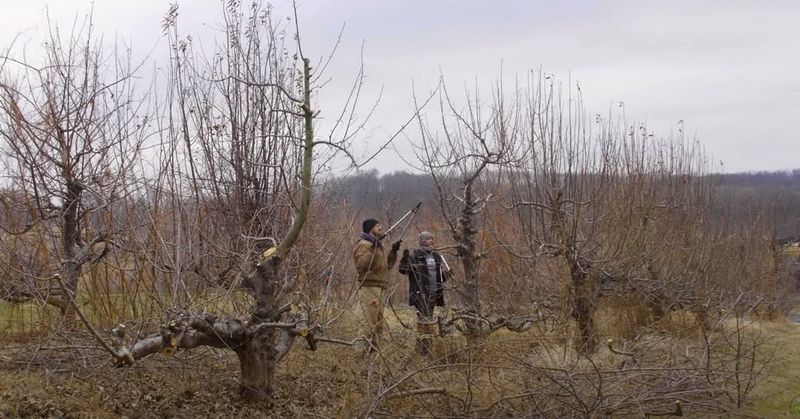
Fruit trees throughout North Carolina orchards and home gardens benefit enormously from careful pruning during January’s dormant period before sap begins flowing again.
Apples, peaches, pears, and plums all respond positively to winter shaping that removes crossing branches, water sprouts, and congested growth within the canopy.
Dormant pruning allows you to see the tree’s structure clearly without leaves obscuring your view, making it easier to identify problems and plan cuts.
Opening up the center of fruit trees improves sunlight penetration and air circulation, both critical factors for producing high-quality fruit and preventing disease outbreaks.
Remove any branches growing straight up or straight down, as these rarely produce fruit and instead drain energy from more productive parts of the tree.
Peach trees particularly benefit from aggressive January pruning, as they fruit on previous year’s growth and respond well to annual shaping that encourages new shoots.
Apple and pear trees require lighter trimming that focuses on maintaining an open, vase-like shape while preserving fruiting spurs that develop along older branches.
January’s cool weather means trees experience minimal stress from pruning wounds, and cuts heal quickly when spring growth resumes, protecting against infection and pest invasion.
6. Grapevines
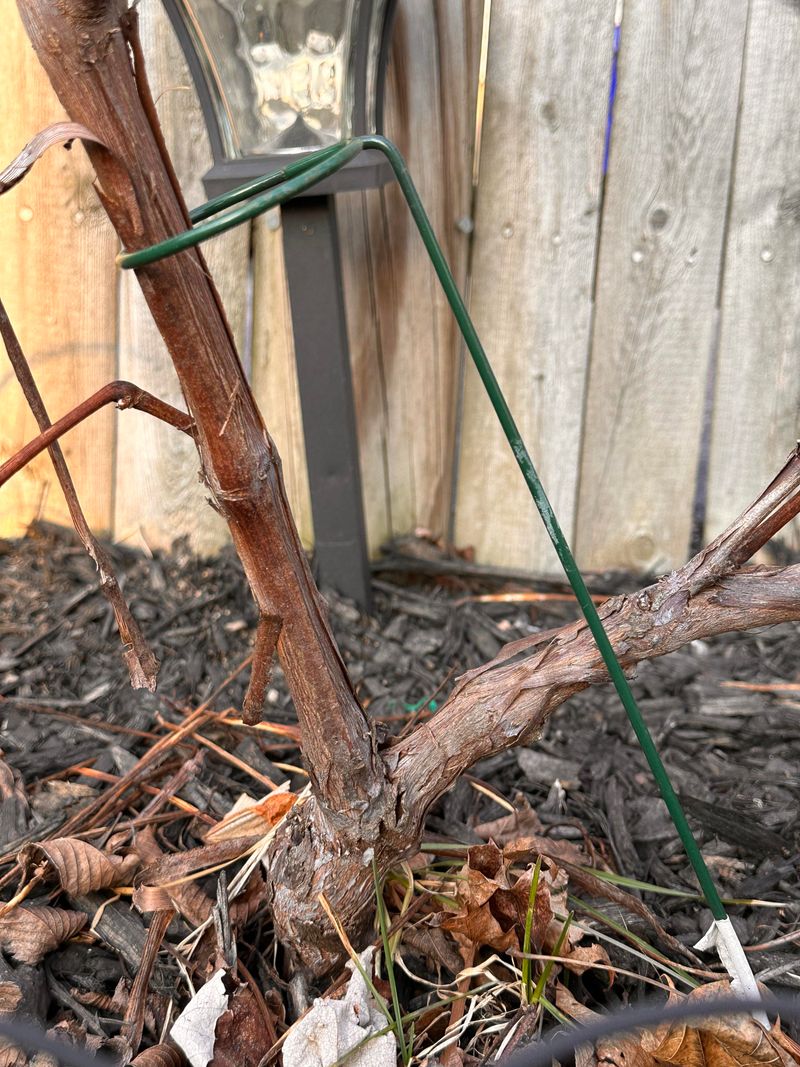
Grapevines require substantial pruning each winter to maintain productivity, and January provides the perfect timing for this essential task in North Carolina vineyards and backyards.
Without annual trimming, grapevines quickly become tangled, overgrown messes that produce more leaves than fruit, disappointing gardeners who expect abundant harvests each season.
Muscadine grapes, popular throughout the South, benefit from removing up to ninety percent of previous season’s growth, leaving only a few buds on each spur.
Bunch grapes like Concord varieties require similarly aggressive pruning, as they produce fruit on current year’s shoots that emerge from buds on last year’s canes.
Select four to six strong canes from last season’s growth, cutting each back to about ten to fifteen buds, and remove all other growth completely.
This dramatic reduction might seem extreme, but grapevines respond with vigorous new shoots that produce generous clusters of delicious fruit come harvest time in late summer.
January pruning also makes it easier to train vines along trellises, arbors, or fences, creating attractive landscape features that serve both ornamental and productive purposes.
Proper winter pruning prevents disease problems by improving air circulation and reducing the dense canopy that traps moisture and encourages fungal infections during humid Carolina summers.
7. Deciduous Shade Trees
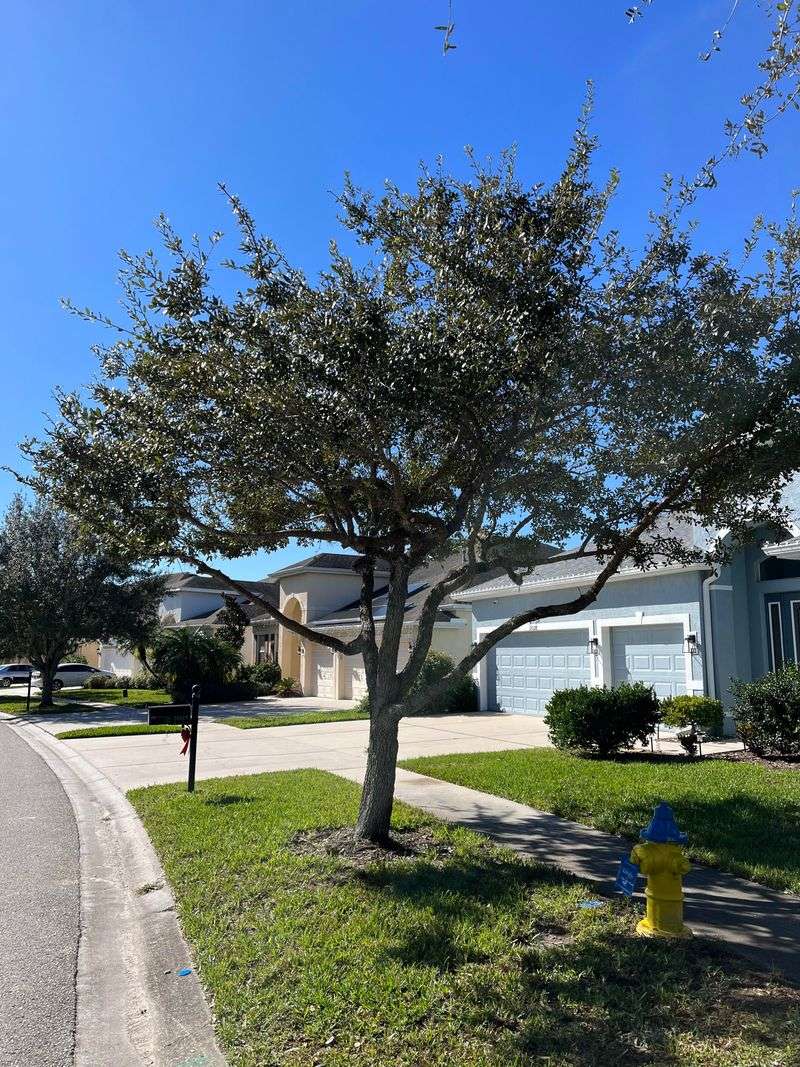
Large shade trees like oaks, maples, and hickories benefit from careful pruning during January when their bare branches reveal structural problems hidden during leafy months.
Dormant season trimming reduces stress on trees that would otherwise lose significant sap and stored energy if pruned during active growth periods later.
Focus your attention on removing branches that rub against each other, as this friction creates wounds that invite disease organisms and wood-boring insects into healthy tissue.
Eliminate any limbs growing at narrow angles from the trunk, as these weak attachments often fail during storms, causing property damage and creating dangerous situations.
Major structural pruning should be left to certified arborists who possess proper equipment and training for working safely in large trees at considerable heights.
Homeowners can safely remove small branches and suckers growing from the trunk or near the base without requiring professional assistance or specialized climbing equipment.
January’s leafless condition also makes it easier to spot nests, which should be left undisturbed if present, as many bird species return to previous nesting sites.
Proper shade tree pruning during dormancy promotes strong, attractive growth that enhances property values while providing cooling shade and wildlife habitat for decades to come.
8. Evergreen Shrubs for Light Shaping
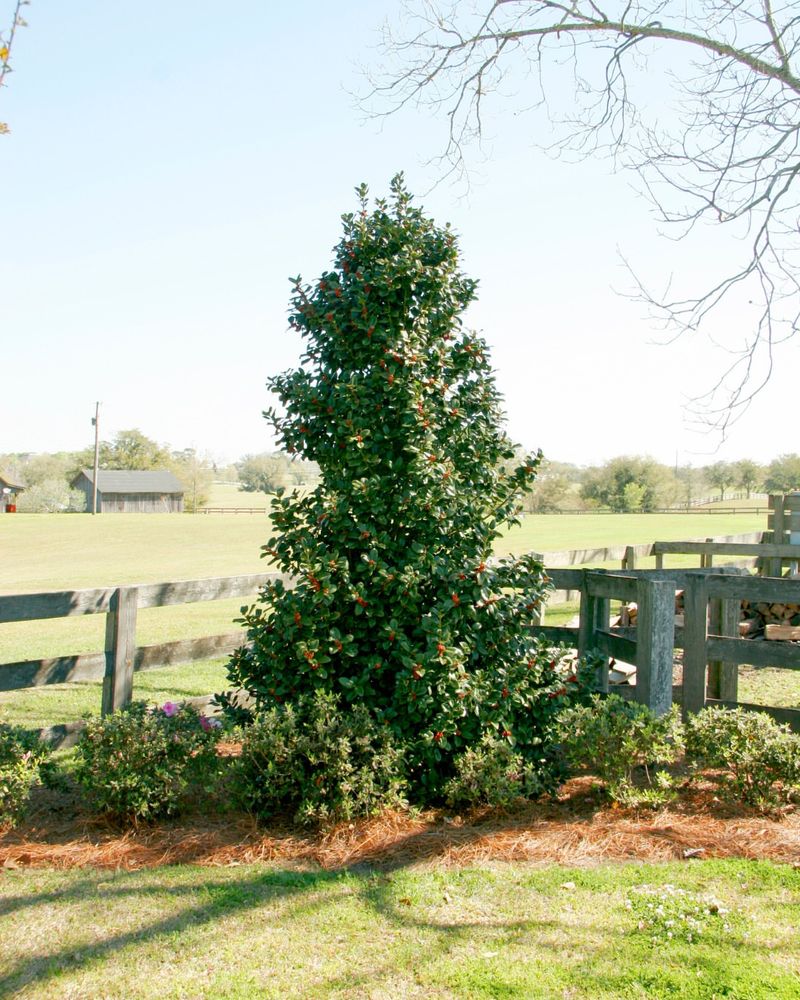
Evergreen shrubs including boxwoods, hollies, and junipers tolerate light shaping during January, though heavy pruning should wait until spring when growth resumes actively.
North Carolina landscapes rely heavily on evergreens for year-round structure and color, making proper maintenance crucial for keeping these plants looking their absolute best.
Light trimming during winter focuses on removing wayward branches that disrupt the shrub’s overall shape or extend beyond desired boundaries in your landscape design.
Avoid cutting back into old wood on most evergreens, as many species struggle to produce new growth from bare, leafless sections of older branches.
Hollies respond particularly well to January shaping, and you can use pruned branches laden with bright berries for indoor arrangements that brighten winter homes.
Boxwoods benefit from removing any branches damaged by winter weather or showing signs of disease, helping prevent problems from spreading throughout the entire planting.
Junipers tolerate selective thinning that removes entire branches back to the trunk, improving air circulation while maintaining their natural, informal appearance rather than sheared formality.
Remember that major shaping of evergreens works best in early spring just before new growth begins, allowing plants to quickly cover cuts with fresh foliage.
9. Wisteria
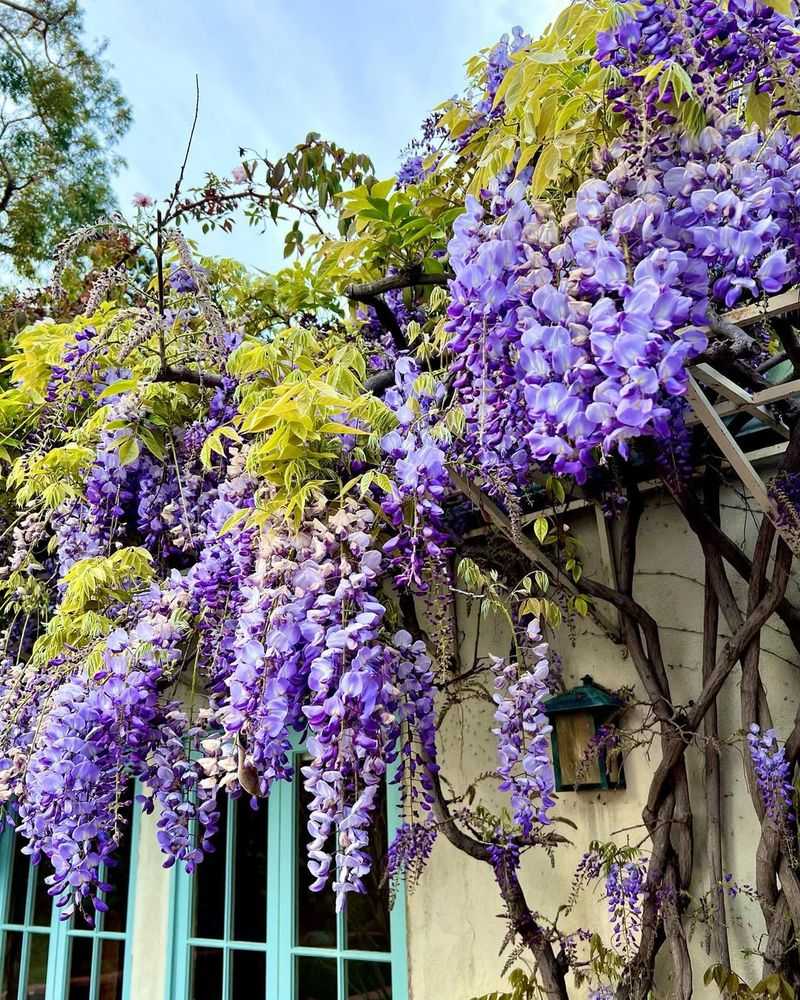
Wisteria vines require disciplined pruning twice yearly to control their aggressive growth and maximize the spectacular flower displays that make them beloved throughout the South.
January represents the second pruning session for wisteria, following summer trimming that shortened long shoots after flowering finished and new growth became rampant.
During winter pruning, cut back the shoots you trimmed in summer to just two or three buds from the main framework of permanent branches.
This severe reduction concentrates the vine’s energy into producing flower buds rather than excessive vegetative growth that creates tangled, overwhelming masses of foliage.
Wisteria blooms on short spurs that develop along older wood, so maintaining a clear framework of permanent branches ensures consistent flowering year after year reliably.
Remove any shoots growing from the base or along the trunk, as these suckers drain energy without contributing to the flowering display you desire from wisteria.
January’s dormant period makes it easy to see the vine’s structure and identify which shoots need trimming without leaves obscuring your view of the framework.
Proper winter pruning transforms potentially invasive wisteria into well-behaved garden features that reward your efforts with cascading clusters of fragrant flowers each spring throughout North Carolina.
10. Withered or Damaged Branches On Any Plant

Every plant in your North Carolina garden benefits from having withered, diseased, or damaged branches removed promptly, regardless of the season or typical pruning schedules.
January provides an excellent opportunity to walk through your landscape and assess plants for winter damage caused by ice, wind, or unusual cold snaps.
Withered wood serves no purpose and actually drains resources from healthy parts of plants while providing hiding places for pests and disease organisms seeking shelter.
Removing damaged branches prevents further injury to plants, as torn or broken sections create entry points for infections that spread into otherwise healthy tissue unnecessarily.
Cut withered branches back to living wood, making clean cuts just beyond the branch collar where the limb joins a larger branch or trunk structure.
Diseased branches should be removed several inches below visible symptoms, and tools should be disinfected between cuts to prevent spreading pathogens throughout your garden landscape.
This maintenance pruning applies to every plant type, from perennials to trees, and should be performed whenever problems are noticed rather than waiting for scheduled times.
January’s quiet pace gives gardeners time to carefully inspect plants and address issues before spring growth begins, setting the stage for healthy, vigorous gardens ahead.
11. Summer Blooming Shrubs
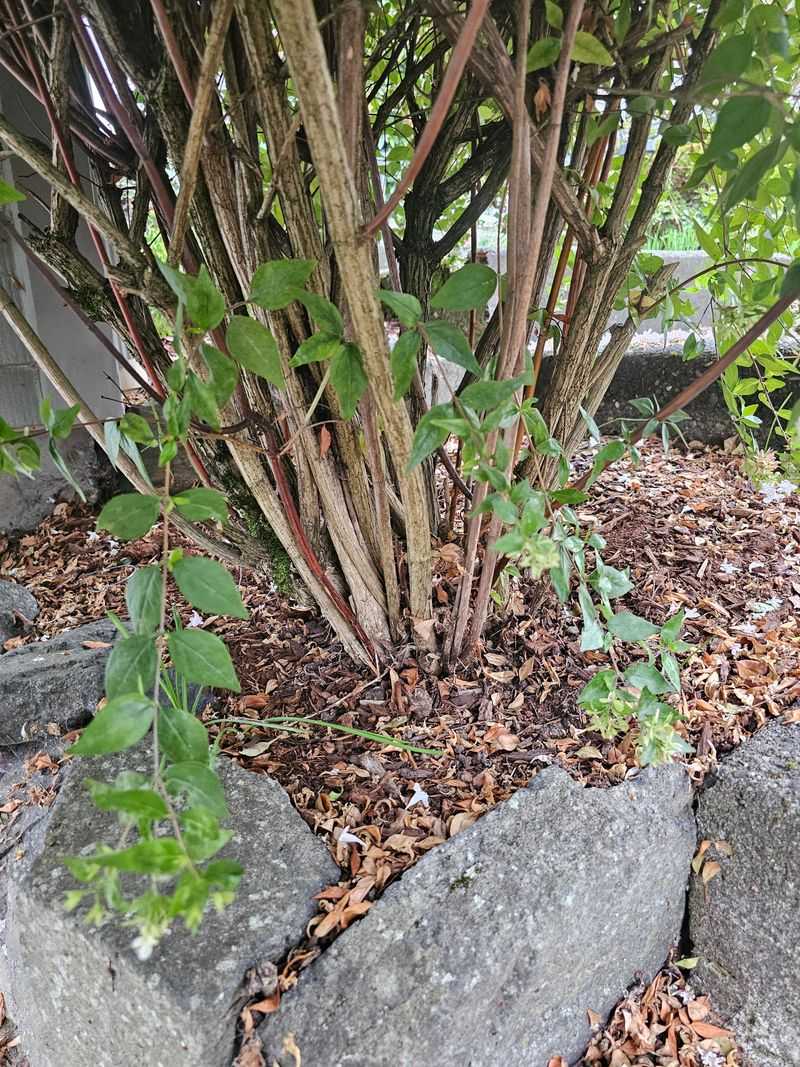
Shrubs that flower during summer months produce blooms on new wood, making January an ideal time for pruning without sacrificing the upcoming season’s floral display.
Vitex, abelia, and beautyberry all fall into this category, responding beautifully to winter trimming that encourages fresh, vigorous growth when temperatures warm considerably.
These plants develop flower buds on current season’s shoots, so pruning during dormancy simply means more new growth and consequently more flowers come summer.
Shape these shrubs by removing up to one-third of their height, focusing on creating attractive, balanced forms that complement your landscape design and architectural features.
Thin out crowded centers by removing entire branches back to the main stem, improving air circulation that helps prevent fungal diseases during North Carolina’s humid months.
Beautyberry benefits particularly from hard pruning, as cutting stems back to twelve inches produces a flush of new growth that bears heavy clusters of purple berries.
Vitex tolerates aggressive trimming and can even be cut back to a low framework, responding with tall, vigorous shoots topped with fragrant purple flower spikes.
January pruning of summer bloomers gives plants maximum time to develop strong new growth before flowering begins, ensuring spectacular displays that last throughout the warmest months.
12. Ornamental Grasses
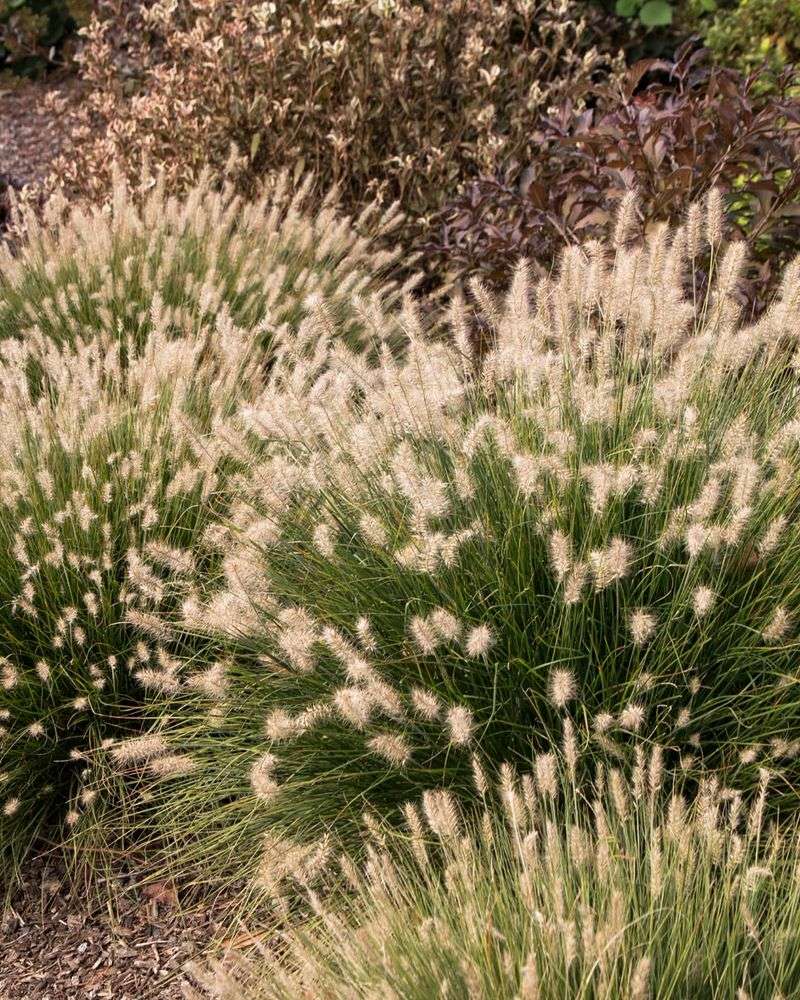
Ornamental grasses add texture and movement to North Carolina landscapes, and January offers the perfect timing for cutting back last season’s dried foliage completely.
Many gardeners leave ornamental grasses standing through winter for visual interest and to provide seed heads for hungry birds seeking food during cold months.
By January, most seeds have been consumed or scattered, and dried foliage begins looking ragged rather than attractive, making it time for annual trimming.
Cut grasses down to about four to six inches from the ground, removing all of last year’s growth before new shoots begin emerging in spring.
This timing prevents accidentally damaging tender new growth that appears surprisingly early on some species when temperatures rise even briefly during late winter warm spells.
Bundle dried stems together before cutting to make cleanup easier, as loose grass blades scatter everywhere and create more work than necessary for tidy gardeners.
Some grasses like maiden grass and switchgrass grow quite tall, so using sharp hedge trimmers or even a chainsaw makes the job faster and less tiring.
Fresh growth emerges quickly once spring arrives, and your newly trimmed grasses will produce lush, attractive clumps that enhance your landscape throughout the coming growing season.
13. Blueberry Bushes
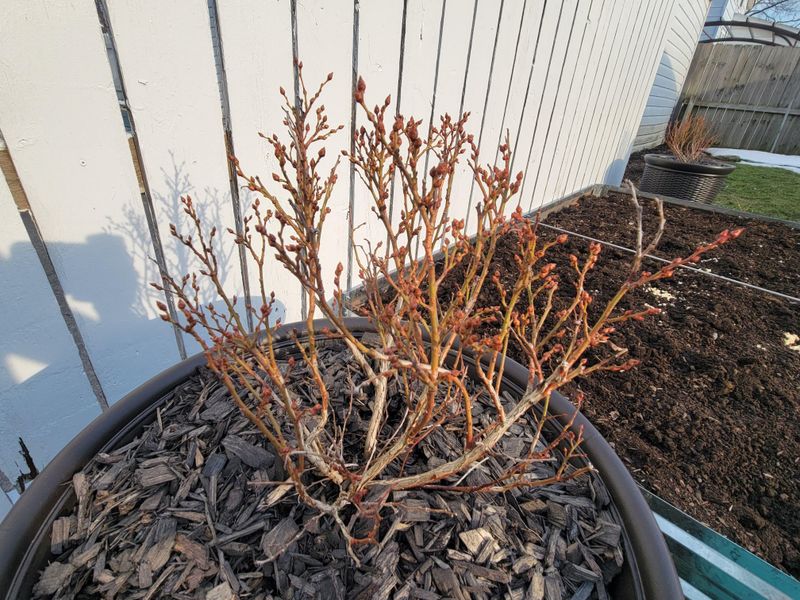
Blueberry bushes produce better fruit when pruned annually during dormancy, and January provides ideal conditions for this important maintenance task in North Carolina gardens and farms.
Rabbiteye and southern highbush varieties both thrive throughout North Carolina, and both types benefit from careful winter trimming that improves fruit quality and plant health.
Begin by removing any canes older than six years, as these produce smaller berries and less fruit than younger, more vigorous stems growing from the base.
Cut out low-growing branches that will touch the ground when laden with fruit, as this contact promotes disease and makes berries susceptible to soil-borne problems.
Thin crowded centers to improve air circulation, which helps prevent fungal diseases that thrive in the humid conditions common during North Carolina’s spring and summer seasons.
Remove weak, twiggy growth that produces tiny berries of poor quality, focusing the plant’s energy on fewer, more productive canes that yield superior fruit instead.
Blueberries fruit on previous year’s growth, so avoid removing too many young canes, or you will significantly reduce your harvest despite good intentions with pruning.
Proper January pruning balances vegetative growth with fruit production, resulting in bushes that yield abundant, large berries that ripen evenly throughout the harvest season each summer.
14. Forsythia
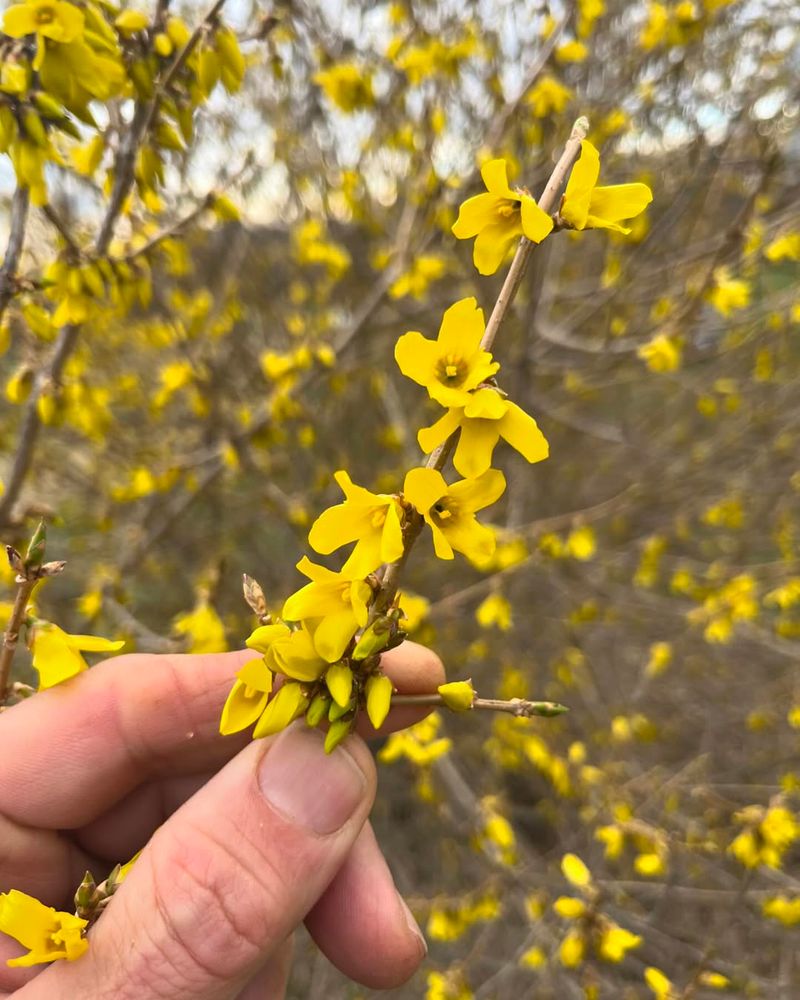
Forsythia presents a special case for January pruning in North Carolina, as these early bloomers develop flower buds during the previous growing season on existing wood.
Light shaping and removal of damaged branches works fine during January, but heavy pruning should wait until immediately after flowering finishes in early spring.
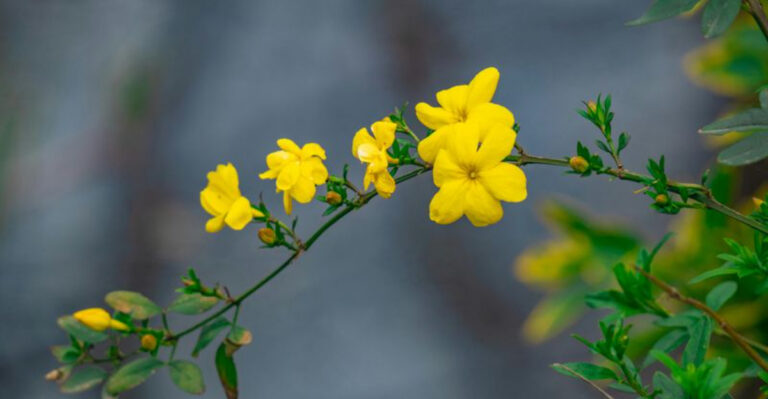
January represents the last opportunity to shape forsythia before buds begin swelling and preparing to burst into the brilliant yellow blooms that announce spring’s arrival.
Remove any branches damaged by winter weather, as these will not recover or produce flowers, and they detract from the shrub’s overall appearance unnecessarily.
Thin out the oldest, thickest canes by cutting them completely to the ground, which encourages fresh growth from the base that will flower next year.
Forsythia tolerates hard renewal pruning where one-third of the oldest stems are removed each year, gradually rejuvenating overgrown shrubs over a three-year period successfully.
Avoid shearing forsythia into formal shapes, as this destroys the graceful, arching habit that makes these shrubs so attractive when covered with bright yellow flowers.
If you prune heavily in January, you will sacrifice this year’s bloom display, so save major shaping for right after flowering when cuts won’t affect performance.
15. Bramble Fruits
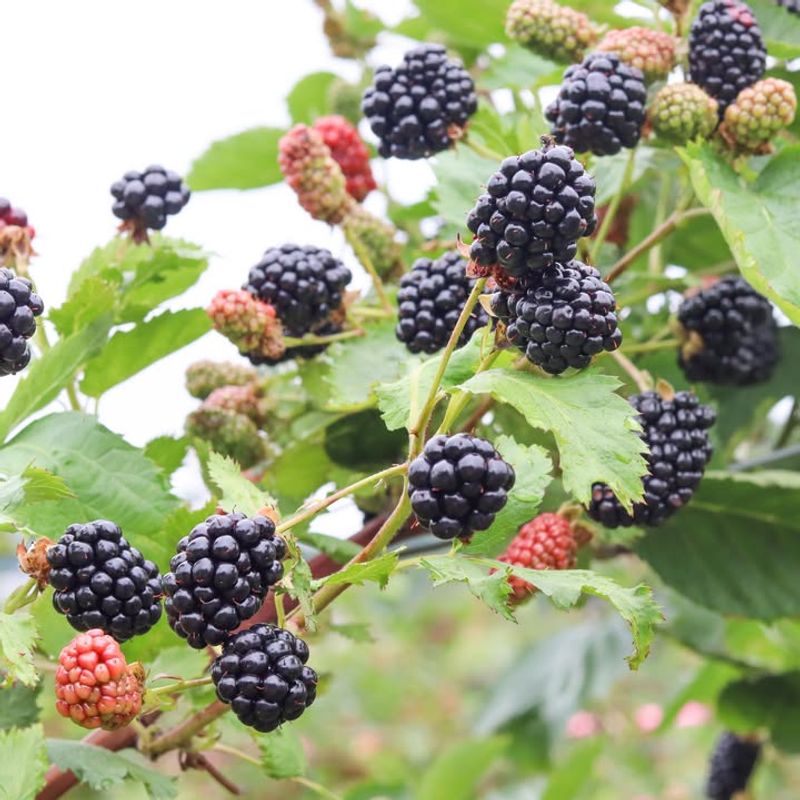
Raspberries and blackberries require specific pruning during January to maintain productivity and prevent the tangled messes that develop when brambles are neglected for seasons.
Summer-bearing varieties produce fruit on second-year canes, so identifying which canes fruited last season and removing them completely prevents confusion and maintains proper production cycles.
Canes that produced fruit last summer will not bear again and should be cut completely to the ground, eliminating them entirely from your berry patch.
First-year canes that grew last season but did not produce fruit should be thinned to the strongest four or five per foot of row width.
Tip these remaining canes back to about five feet tall, which encourages lateral branching that produces more fruiting sites when summer arrives and berries begin forming.
Everbearing raspberries can be mowed completely to the ground in January if you prefer one large fall crop rather than smaller summer and fall harvests.
Remove all pruned canes from the garden and dispose of them, as leaving debris provides shelter for pests and diseases that will attack new growth come spring.
Proper January pruning of brambles results in manageable plants that produce abundant, easy-to-pick fruit without the frustration of navigating through thorny, overgrown tangles during harvest time.