What It Means If A Strange Planthopper Appears On Your Georgia Hydrangeas
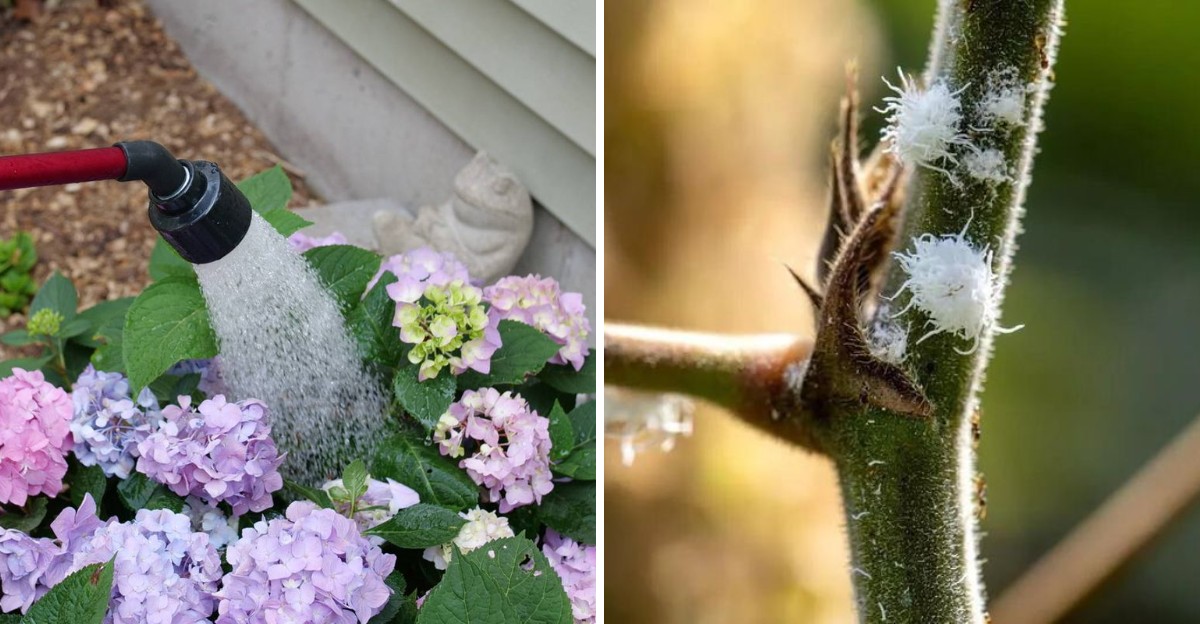
Tiny insects that hop away the moment a hydrangea leaf moves can be hard to see clearly. Some leave behind small tufts of white, cottony fluff on the stems, which often draws attention before the insects do.
These are planthoppers, a group of sap-feeding insects with several species that turn up in home landscapes.
Their young often cover themselves in waxy threads, making them look more like lint than insects. Adults tend to sit still along stems with their wings folded close against their bodies.
Many species found on Georgia hydrangeas cause little lasting harm to an established shrub.
Some newer arrivals are worth identifying correctly before you decide whether to do anything.
Snap a clear photo of the adults the next time you spot them, since their wing shape and color offer the best clues.
1. Those Wedge-Shaped Bugs On The Stems Are Mostly A Curiosity
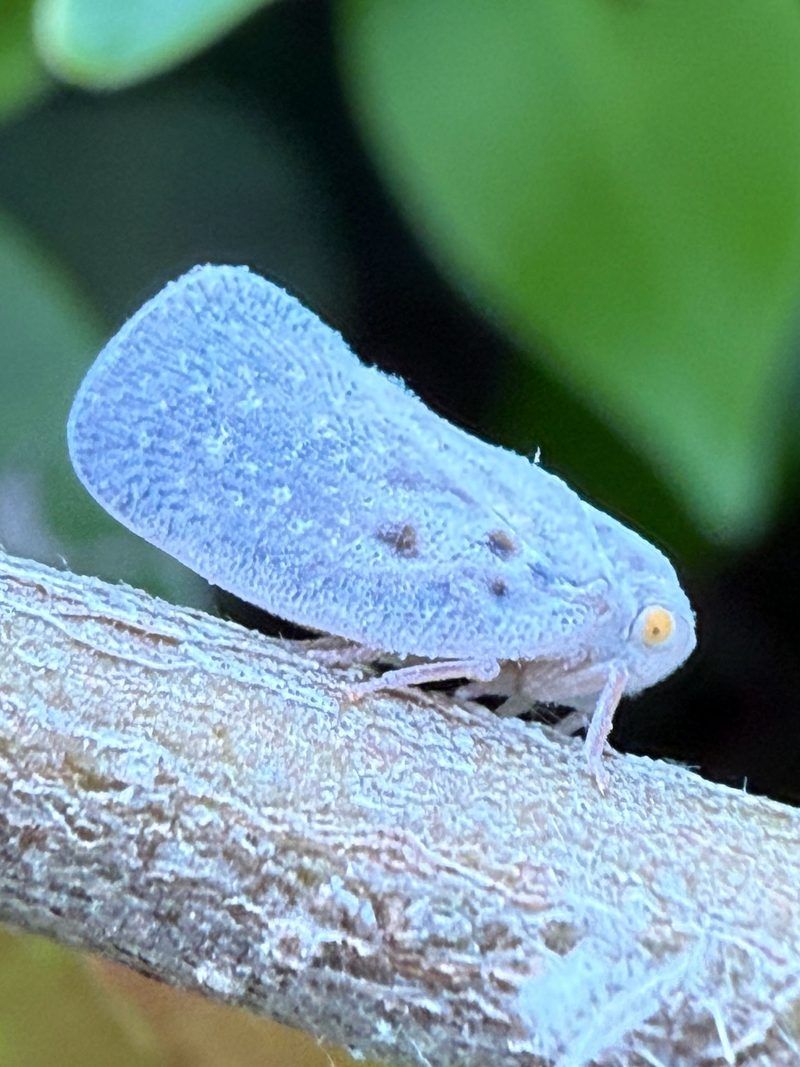
Spot a tiny gray triangle perched on a hydrangea stem, and you might do a double take. Look closer, and it may hop away before you can blink.
Odds are good you have met the citrus flatid planthopper, known to scientists as Metcalfa pruinosa.
Adults measure roughly a quarter inch long and hold their wings tent-style, which gives them that wedge shape. Their color runs from gray to brownish, often with a dusty white coating.
Gardeners across Georgia tend to notice them in summer, lined up along stems like little rows of shingles.
Despite the odd look, these insects are usually more interesting than alarming. They feed on plant sap, but healthy shrubs typically shrug off a modest crowd.
Before doing anything, take a minute to watch how they behave on your plants.
A few planthoppers that jump when disturbed are a normal part of a backyard garden. A sudden heavy buildup, sticky leaves, or a black coating on foliage is worth a closer look.
Snapping a clear photo on your phone helps if you want a second opinion from someone local.
Your county Extension office can confirm the identity, which matters because a few look-alike insects call for a different response. In most home landscapes, a handful of these bugs simply means your yard is part of the local food web.
2. This Native Sap Feeder Visits A Wide Range Of Shrubs
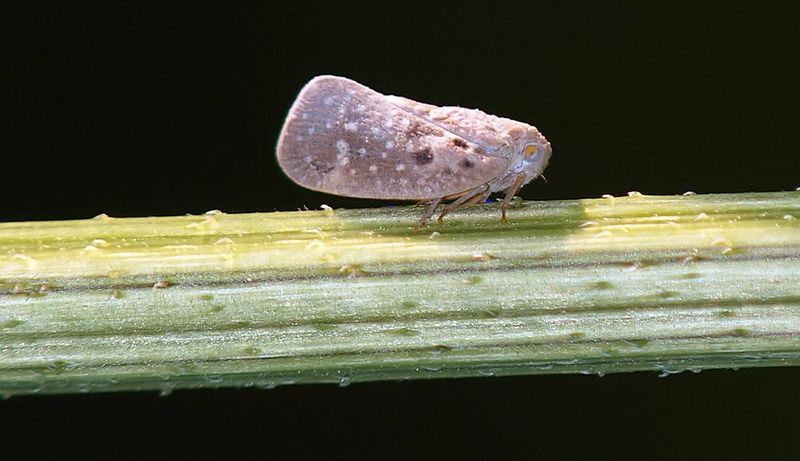
Hydrangeas are hardly the only stop on this insect’s menu.
Metcalfa pruinosa is native to eastern North America, so it has lived alongside Southern plants for a very long time. It feeds on a remarkably broad list of woody and herbaceous plants, with hundreds of hosts recorded.
Around a typical yard, you might find it on holly, viburnum, azalea, maple, dogwood, or even weedy vines along the fence.
That wide appetite explains why the bugs can seem to show up out of nowhere. Nymphs and adults move between nearby plants, so a hedge or wooded edge can act as a steady source.
Being native also means local predators already know what to do with it.
Spiders, lacewings, lady beetles, and small birds will snack on planthoppers. Certain tiny parasitic wasps also attack them, and these natural enemies often help keep numbers in check.
Your Georgia Garden Changes Every Week. Your Plan Should Too.
Gardening in Georgia changes quickly throughout the season. Every Friday you’ll receive a simple weekly plan showing exactly what to plant, prune, fertilize, harvest, and protect so you never miss the right timing.
Here in Georgia, a yard with plenty of plant variety usually supports a healthy mix of these helpers.
Going easy on broad-spectrum insecticides gives beneficial insects a better chance to do their job. Spraying a whole shrub border to chase a few planthoppers can wipe out the predators that were quietly working in your favor.
So if you see them on several shrubs at once, take it as a sign of a widespread native visitor rather than a targeted attack on your hydrangeas.
3. White Fluffy Wax On Stems Comes From The Young Nymphs
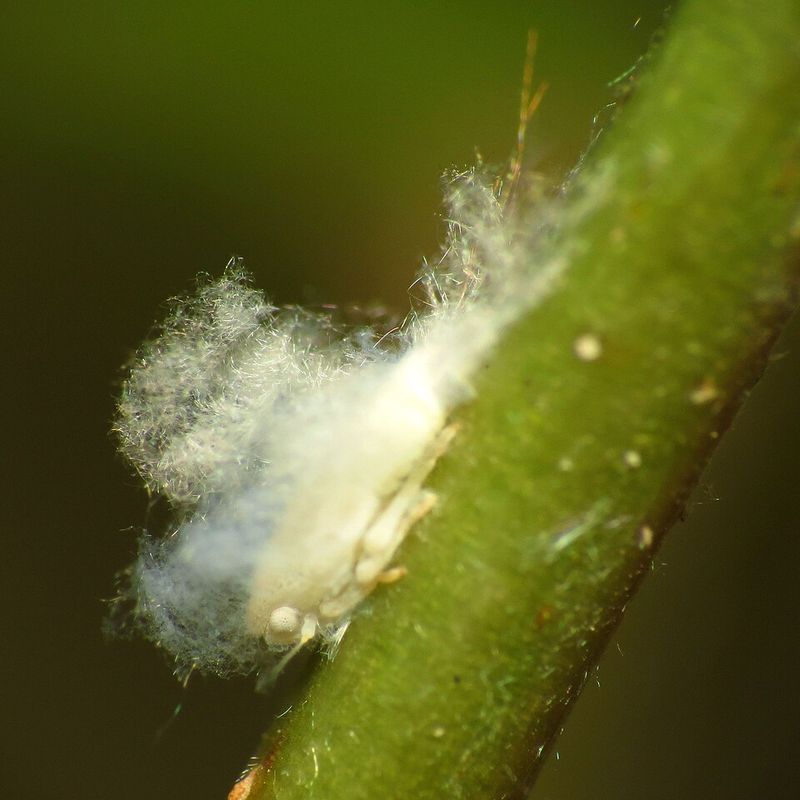
Cottony fluff on a hydrangea stem looks a lot like mealybugs or a fungus at first glance.
Gently brush it with a fingertip, and small white insects may scatter or hop. Those are young planthoppers, called nymphs, and the fuzzy strands are wax they produce themselves.
Experts think the wax helps protect the nymphs from drying out and from some predators.
Eggs spend the winter tucked into bark crevices on woody stems. Nymphs hatch in late spring to early summer, depending on the weather, and that is when the white fluff tends to appear.
In most of Georgia, the fluffy stage usually gives way to winged adults as summer moves along.
Wax also collects on leaves and stems where the nymphs have been feeding. It can look messy, yet it rarely harms the plant on its own.
Telling it apart from look-alikes gets easier once you know the clues.
Mealybugs tend to stay put and cluster in leaf joints, while planthopper nymphs jump when disturbed. Fungal growth will not move at all, and it usually looks flat or powdery rather than stringy.
If you are unsure, a hand lens and a quick photo sent to your county Extension agent can settle the question.
4. Feeding Rarely Causes Serious Harm To Healthy Hydrangeas
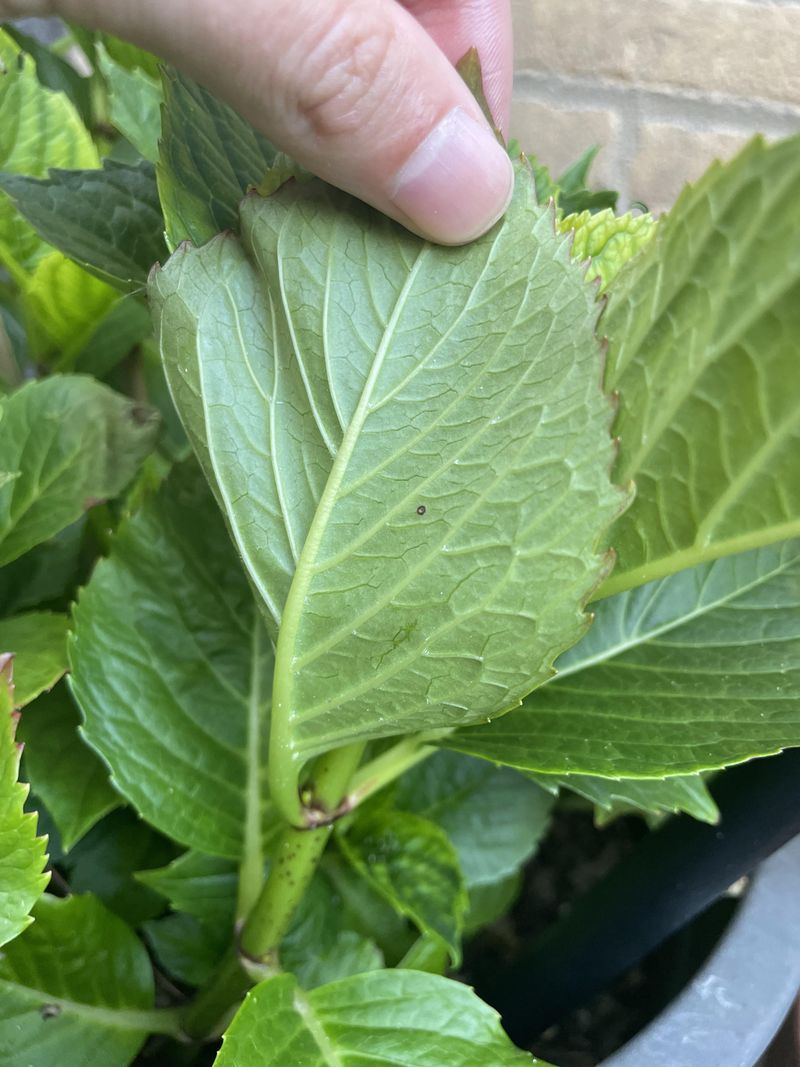
Good news comes first here. Most hydrangeas handle planthopper feeding with little trouble.
Both nymphs and adults pierce stems with needle-like mouthparts and draw out sap. In typical home gardens, the amount they take is small compared to what a vigorous shrub produces.
Heavy populations are a different story, though they are not common in most yards.
When numbers build up a lot, you might notice slower growth or leaves that look a bit tired. Young plants and shrubs already stressed by drought may show these signs sooner than established ones.
Stress is the real factor to watch in Georgia gardens, where long summer heat can wear plants down.
Keeping hydrangeas well watered during dry spells helps them tolerate minor feeding. A layer of mulch over the root zone holds moisture and keeps soil temperatures more even.
Avoid heavy doses of nitrogen fertilizer in an effort to push extra new growth.
Soft, lush growth can attract more sap-feeding insects in general. A balanced plan based on a soil test, available through your local Extension office, is a smarter choice.
If your shrub still blooms and leafs out normally, the planthoppers are likely just passing guests rather than a real threat.
5. Sticky Honeydew Can Lead To Black Sooty Mold On Leaves
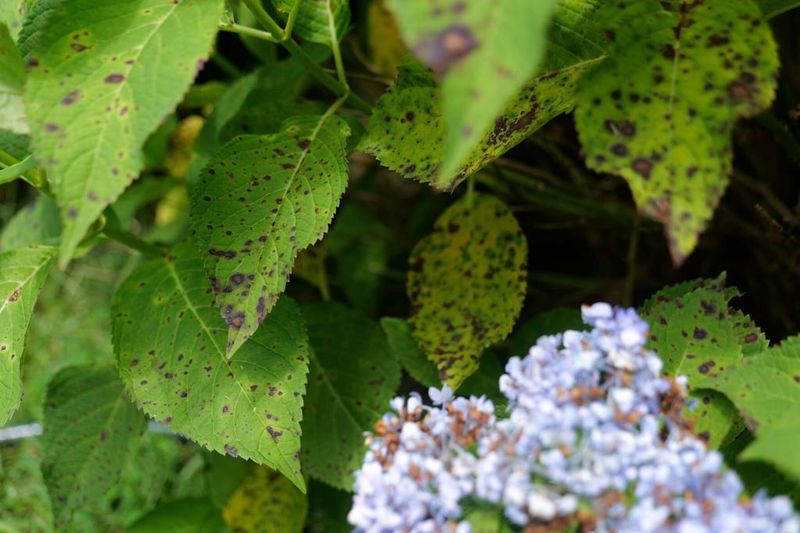
Sticky leaves are often the first clue that sap feeders have been busy.
Planthoppers take in more sugary sap than they can use, and they release the extra as a clear liquid called honeydew. It drips onto leaves, stems, and anything sitting below, including patio furniture.
Over time, a black coating may form on top of that sticky film.
Sooty mold is a group of fungi that grow on honeydew rather than on the plant tissue itself. It does not infect the leaf, but a thick layer can block some sunlight and reduce how well leaves make food.
Warm, humid Georgia summers can give these fungi plenty of chances to grow.
Wiping a leaf with a damp cloth is a quick test. If the black film rubs off, you are most likely looking at sooty mold rather than a leaf disease.
Fixing the problem starts with the insects, not the fungus.
Once honeydew stops piling up, rain and a rinse from the hose tend to wear the mold away over several weeks. Fungicide is not usually needed, since these fungi depend on the sugary residue.
Keep in mind that aphids, scale, and whiteflies also produce honeydew, so check leaf undersides before blaming planthoppers alone.
6. A Strong Spray Of Water Often Handles Light Infestations
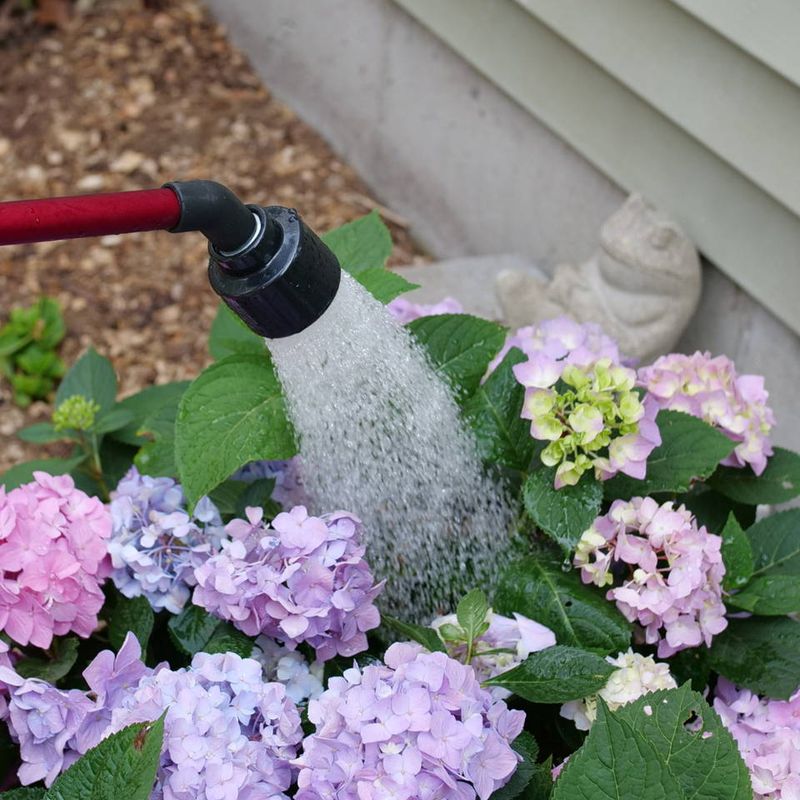
Sometimes the simplest tool in the shed works best, and a garden hose fits that description.
A firm spray of water knocks nymphs and adults off stems and rinses away wax and honeydew at the same time. Some of the dislodged insects may struggle to find their way back.
Aim for early morning so leaves have time to dry before evening.
Foliage that stays damp overnight can encourage leaf spot diseases on hydrangeas. Morning work also spares you from the worst of the afternoon heat.
Use enough pressure to move the insects, but not so much that you tear tender leaves or blooms.
Repeating the rinse every few days may be needed while nymphs are active in late spring and early summer. Pay attention to the undersides of leaves and the inner stems where bugs like to hide.
If water alone does not keep up, insecticidal soap is a milder next step.
It works only on contact, so thorough coverage matters, and it should be applied according to the label. Skip spraying in the heat of a Georgia afternoon, since soaps can burn leaves when temperatures run high.
Pruning out a few heavily coated stems is another option, as long as you consider your hydrangea type and its bloom timing first.
7. When Planthoppers Become A Problem Worth Addressing
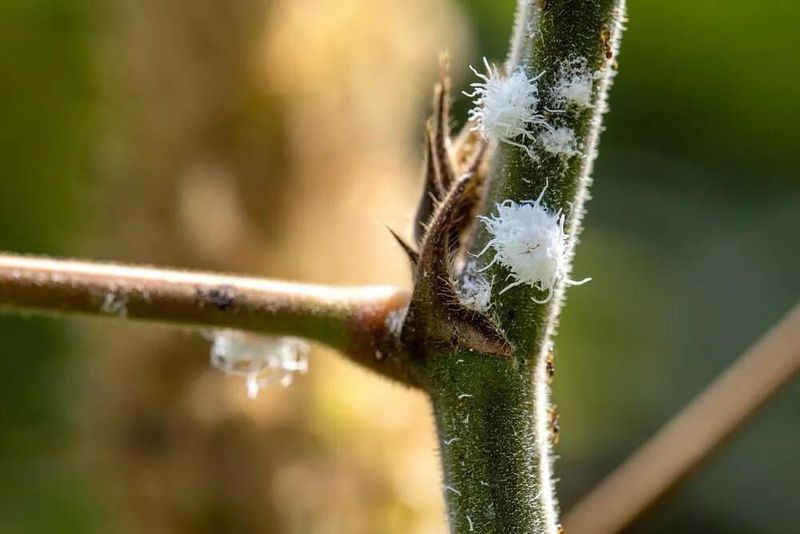
A few citrus flatid planthoppers on your hydrangeas are rarely a reason to worry. Larger populations, however, deserve a closer look.
Start by checking the stems and undersides of leaves. Clusters of insects, heavy wax buildup, and sticky honeydew can indicate that their numbers are increasing.
Black sooty mold may also appear where honeydew collects. Although the mold grows on the sugary residue rather than infecting the plant itself, thick coatings can interfere with photosynthesis.
Young hydrangeas and shrubs already struggling with heat or drought may be less tolerant of heavy feeding.
Before reaching for an insecticide, consider how much damage is actually occurring. If the plant continues growing and flowering normally, treatment may not be necessary.
For larger infestations, remove heavily affected stems when appropriate or rinse the insects away with a gentle stream of water.
If the problem persists, insecticidal soap labeled for the plant and pest may help control exposed insects. Follow the product instructions carefully and avoid applications during extreme heat.
Georgia gardeners can also contact their local UGA Extension office for help identifying unusual insects or deciding whether treatment is justified.
The goal is not to eliminate every planthopper from your garden. It is to recognize when their numbers begin affecting plant health and respond without unnecessarily disturbing beneficial insects.