What It Means When Pennsylvania Citrus Leaves Start Curling In Early Fall
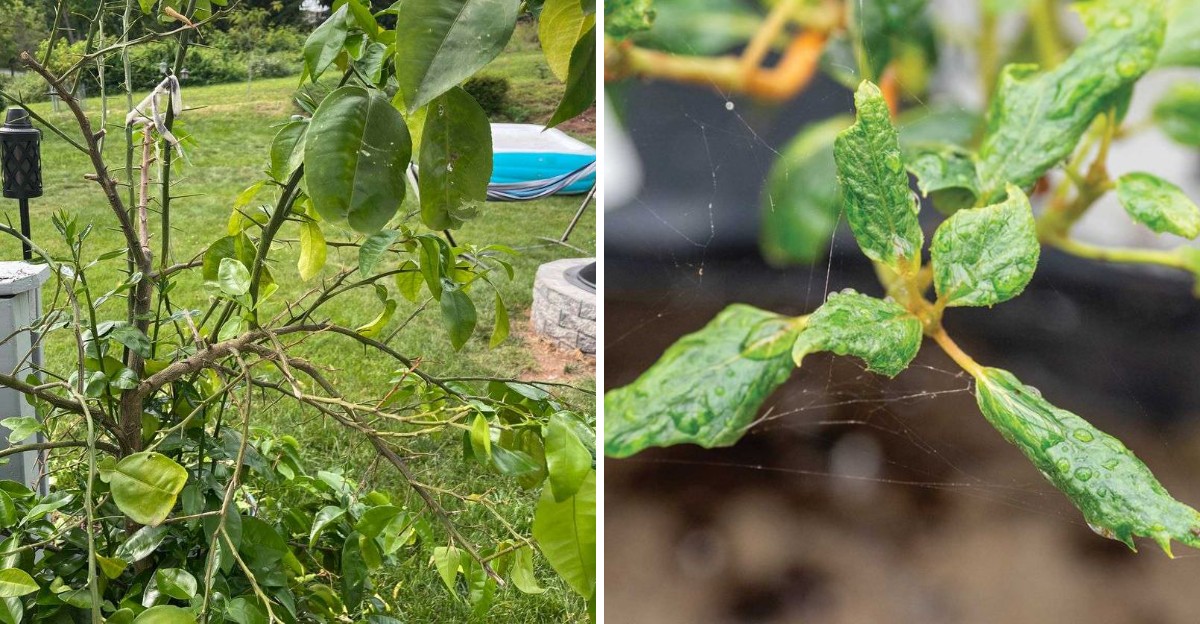
Your citrus tree can’t talk, but it has its own way of telling you something’s wrong. Right now, it might be sending you a message through its leaves.
Growing lemons, limes, or oranges in Pennsylvania takes a little extra love. These sun-loving trees spend summer soaking up warmth on the patio.
Then fall shows up with chilly nights, shorter days, and big temperature swings. It’s a lot for a tree that would rather be in Florida.
Curling leaves are one of the first signs of stress. Sometimes it’s a quick fix, like adjusting how often you water. Other times, it points to hungry pests, dry indoor air, or cold damage that needs attention fast.
The key is figuring out the cause before the problem spreads. Let’s decode what those curled leaves are trying to say, and how to get your citrus tree back on track.
1. Your Tree Is Asking For A Drink
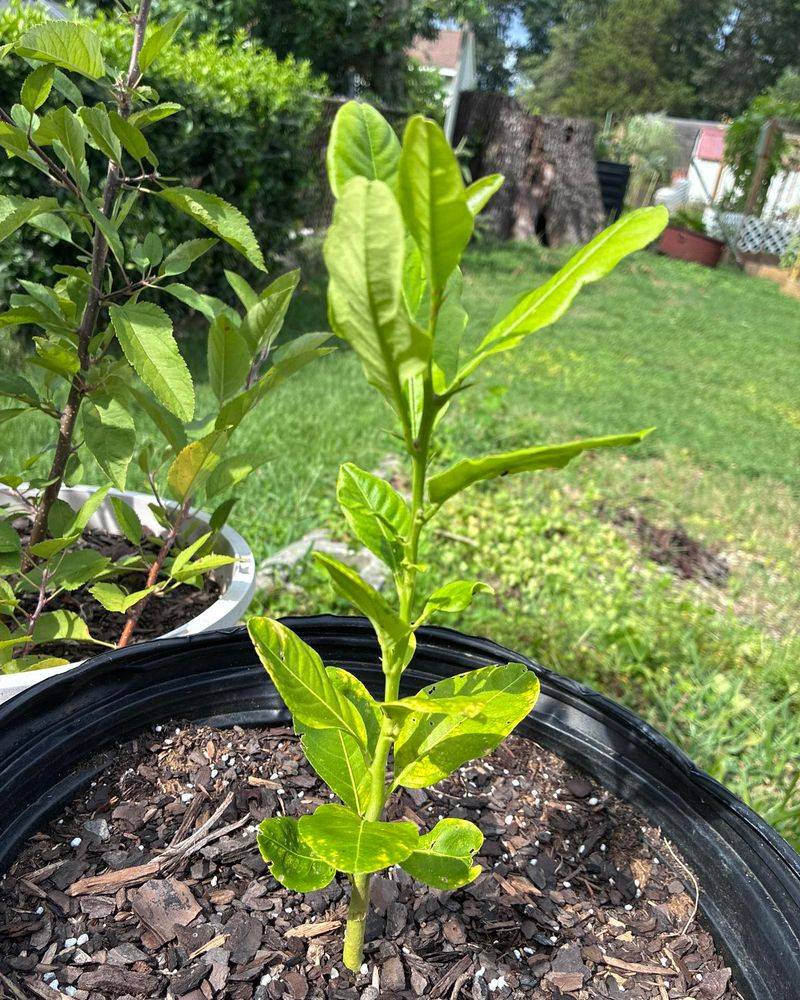
Thirsty citrus has a clever trick up its sleeve. When water runs low, the leaves fold inward along the center vein, called the midrib. Curling shrinks the surface area, so less moisture escapes into the air.
Early fall in Pennsylvania can fool you. The air feels cool, so you might think your plant needs less water.
Yet sunny afternoons and breezy days can pull moisture from a pot faster than you expect. Clay pots dry out even quicker because the walls breathe and let water escape.
Checking the soil is the best way to know for sure. Push your finger into the dirt about one or two inches deep.
If it feels dry at that level, your tree is ready for a drink. If it still feels damp, wait another day and check again.
Watering deeply matters more than watering often. Pour slowly until water flows out of the drainage holes at the bottom.
A deep soak reaches the lower roots, where most of the thirsty work happens. Small sips only wet the top layer and leave deeper roots dry.
A few extra tips can make life easier. Water in the morning so the plant has moisture during the warmest part of the day.
Group potted plants together on windy days to help block drying breezes. A layer of mulch on top of the soil can also slow evaporation.
Fun fact: citrus leaves have a waxy coating that helps them hold water, much like a raincoat in reverse.
Even so, that coating cannot protect them forever. Once you water properly, thirsty leaves often uncurl within a day or two, which is a very satisfying sight.
2. Soggy Soil Is Smothering The Roots
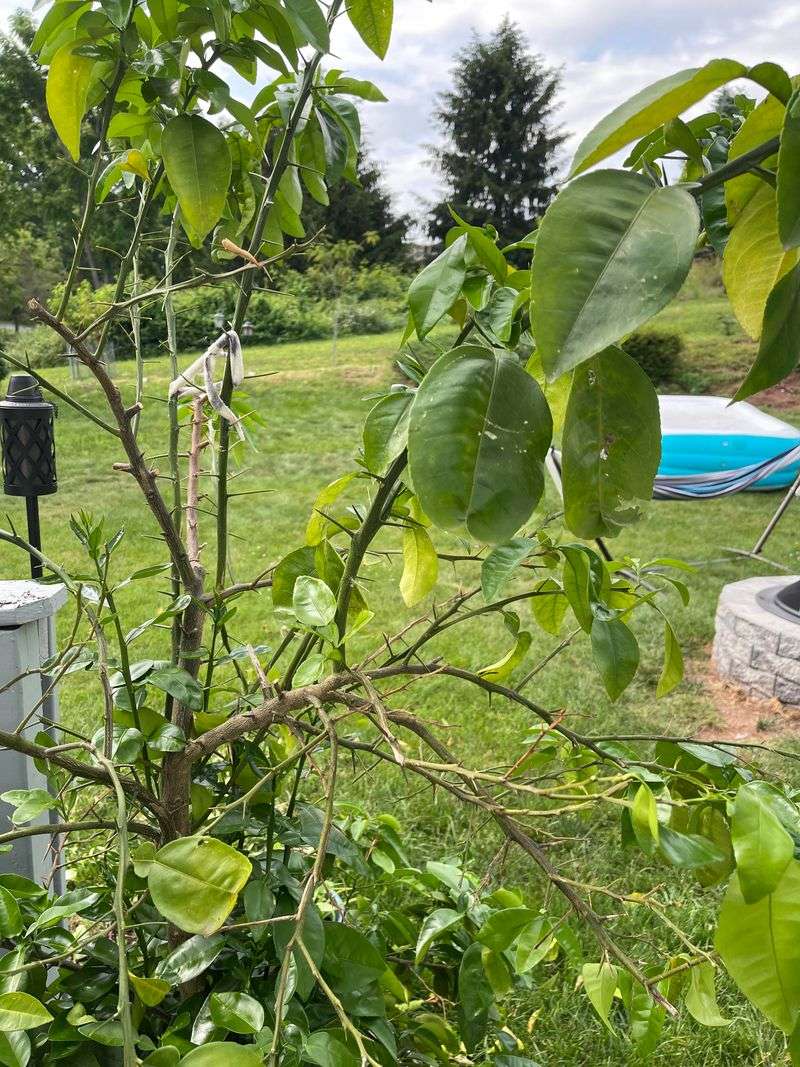
Oddly enough, too much water can look almost exactly like too little. Both problems make citrus leaves curl, droop, and sometimes turn yellow.
Many gardeners add more water when they see curling, which only makes a soggy situation worse.
Roots need air just as much as they need moisture. Healthy soil has tiny pockets that hold oxygen. When soil stays wet for days, water fills those pockets and the roots start to suffocate.
Your Pennsylvania Garden Changes Every Week. Your Plan Should Too.
Gardening in Pennsylvania changes quickly throughout the season. Every Friday you’ll receive a simple weekly plan showing exactly what to plant, prune, fertilize, harvest, and protect so you never miss the right timing.
Over time, weak roots can develop root rot, a fungal problem that turns them brown and mushy.
Cooler fall weather makes overwatering more likely. As temperatures drop, your tree grows more slowly and drinks less.
A watering schedule that worked perfectly in July may be far too much in September. Rainy Pennsylvania weeks add even more moisture to outdoor pots.
So how can you tell which problem you have? Feel the soil first. If it is wet and heavy, or smells sour, the roots are likely drowning.
Healthy roots are firm and white or tan, while rotting roots look dark and feel squishy. Fixing soggy soil starts with drainage.
Make sure your pot has holes in the bottom, and never let it sit in a saucer full of water. Raising the pot on small feet or bricks helps extra water escape. Let the top couple of inches dry out before watering again.
If the problem seems serious, you may need to repot. Use a fast-draining mix made for citrus or cactus plants.
Trim away any mushy roots with clean scissors. With patience and lighter watering, your tree can bounce back.
3. Chilly Nights Are Sending A Warning
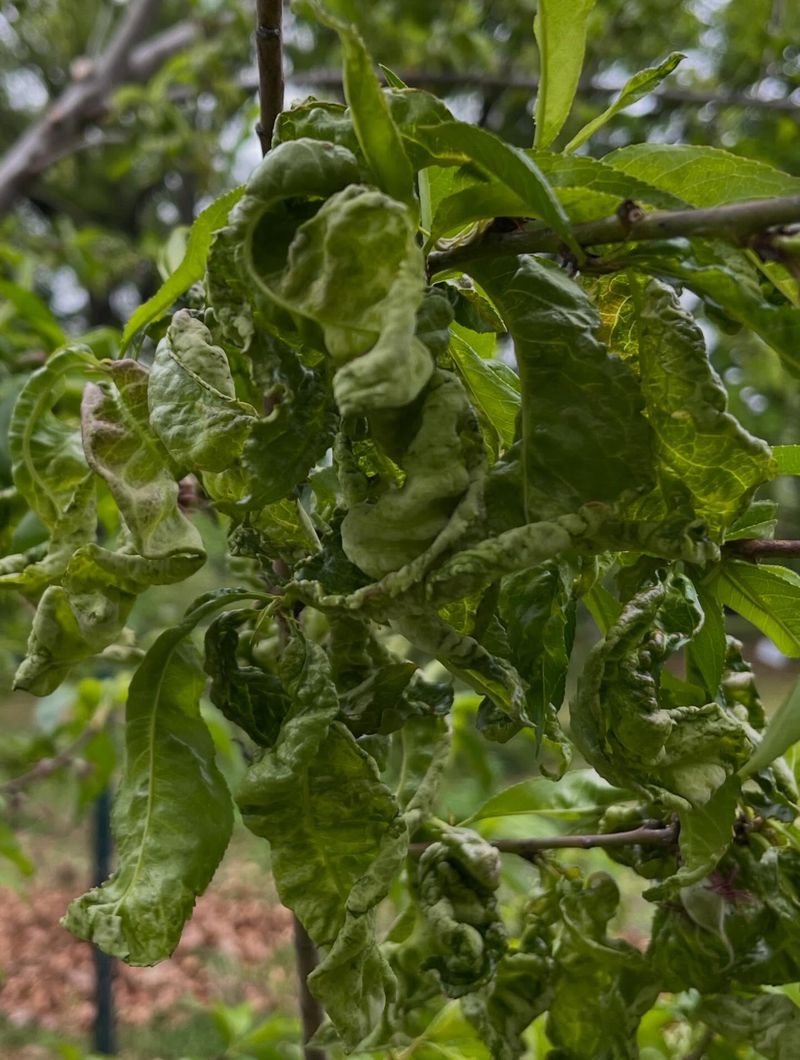
Citrus trees grew up in places like Southeast Asia, where cold snaps are rare. Pennsylvania is a different story.
By late September, many parts of the state see nights dipping into the 40s, and that is when citrus starts to feel uneasy.
Curled leaves are often the first clue that temperatures are too low. Cold air slows the plant’s ability to move water and nutrients.
The leaves respond by tightening up, almost like you pulling your arms close when a chilly wind blows. Leaves may also look dull or develop dark spots.
Frost is the real danger. A single frosty night can badly damage leaves, twigs, and even the trunk of a young tree.
Lemons and limes are especially sensitive, while kumquats and satsumas handle cold a little better. Still, none of them enjoy freezing weather.
Keeping an eye on the forecast is your best defense. Once nights regularly fall below 50 degrees, start planning your tree’s winter home.
A covered porch or spot near a warm brick wall can buy you some time on borderline nights. If frost is predicted, act fast. Bring the plant inside for the night or wrap it with frost cloth.
Avoid plastic sheeting touching the leaves, since it can trap cold and cause damage. Old bedsheets work well in a pinch.
Many experienced growers in the state use a simple rule. When the maple trees start turning red, it is time to think about moving citrus indoors.
Paying attention to nature’s calendar keeps your tree safe and its leaves flat and happy.
4. Moving Inside Takes Some Getting Used To
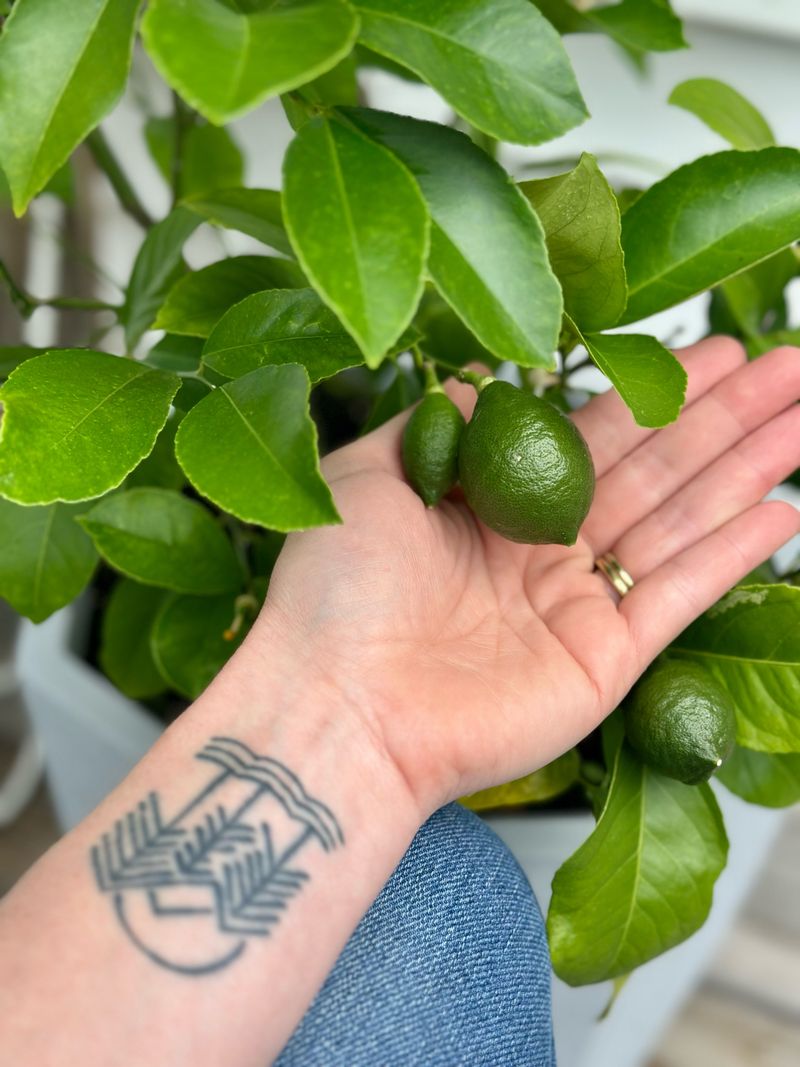
Moving day is stressful for everyone, and your citrus tree is no exception. Outside, it soaked up hours of bright sunshine.
Indoors, even a sunny window offers only a fraction of that light, and the plant notices right away.
Leaf curling, yellowing, and dropping are all common reactions to the switch. Your tree is basically saying it needs time to adjust. Some leaf loss is normal during the first few weeks, so try not to panic if a handful fall to the floor.
Light is the biggest factor. A south-facing window is the best choice in most Pennsylvania homes because it gets the most sun during short fall and winter days.
West-facing windows are a good second option. North windows usually do not give citrus enough brightness.
Adding a grow light can make a huge difference. Modern LED grow lights are affordable and use little electricity.
Hang the light about a foot above the plant and run it for 10 to 12 hours a day. A simple outlet timer takes the guesswork out of switching it on and off.
Making the move gradual also helps. About two weeks before bringing the tree in, place it in partial shade outdoors.
That small step helps it get used to lower light before the big change. Gardeners call this process acclimating.
Once inside, turn the pot a quarter turn every week so all sides get light. Hold off on fertilizer until the plant settles in. With a bright spot and a little patience, fresh new leaves should appear by midwinter.
5. Heated Air Leaves Things Crispy
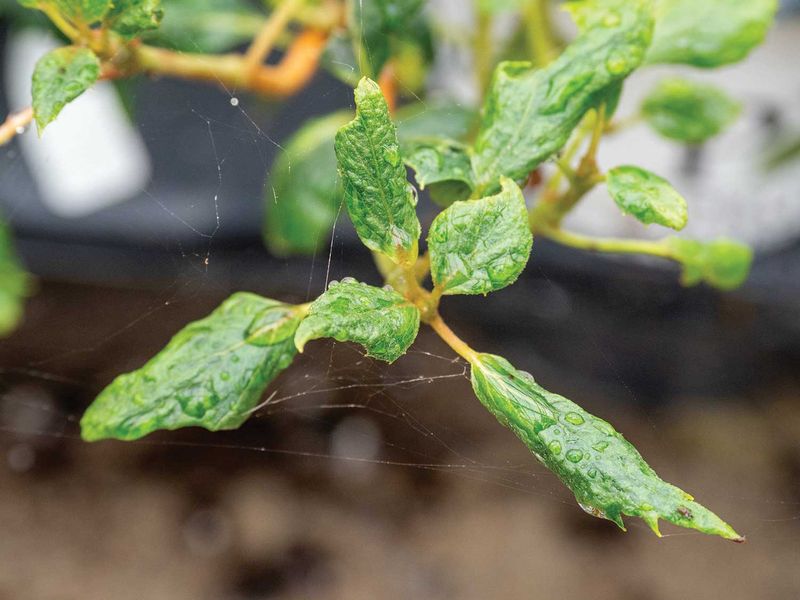
Ever notice how your lips get chapped once the furnace kicks on? Your citrus tree feels the same dryness.
When Pennsylvania homes start heating in October, indoor humidity can drop to 20 percent or even lower. That is drier than many deserts.
Citrus trees prefer humidity around 50 percent. In very dry air, leaves lose moisture faster than roots can replace it.
The result is curling, along with brown, crunchy edges and tips. Blossoms and tiny fruits may also fall off early.
Location matters a lot here. Heat vents, radiators, and wood stoves blast hot, dry air right at nearby plants.
Even a spot that seems perfect for sunlight can be a problem if a vent sits below it. Move the tree at least a few feet away from any heat source.
Raising humidity is easier than you might think. A pebble tray is a simple fix. Fill a shallow tray with pebbles, add water just below the top of the stones, and set the pot on top.
As the water evaporates, it adds moisture around the leaves. A small room humidifier works even better, especially during the coldest months.
Grouping several houseplants together also helps, since plants release moisture into the air as they breathe. Some people mist leaves, but the effect only lasts a few minutes.
A cheap digital humidity gauge, called a hygrometer, lets you track conditions easily. Bonus: raising humidity helps your skin and sinuses too. Your tree and your family will both breathe a little easier all winter long.
6. Tiny Bugs Could Be Hiding Underneath
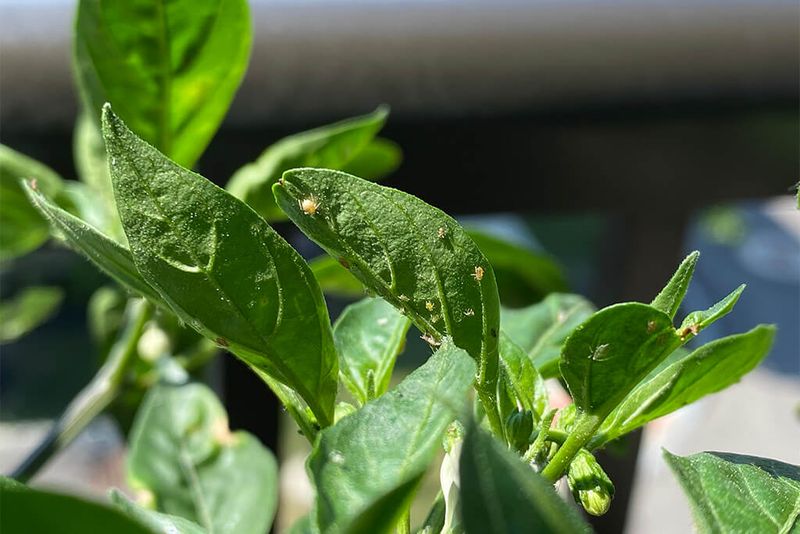
Sometimes the culprit is small enough to fit on the head of a pin. Aphids and spider mites love citrus trees, and they feed by sucking sap right out of the leaves. As they feed, new growth often twists, puckers, and curls into strange shapes.
Aphids are soft, pear-shaped insects that can be green, black, or yellow. They cluster on tender new shoots and the undersides of leaves.
They also leave behind sticky droppings called honeydew, which can attract ants and grow a black, sooty mold.
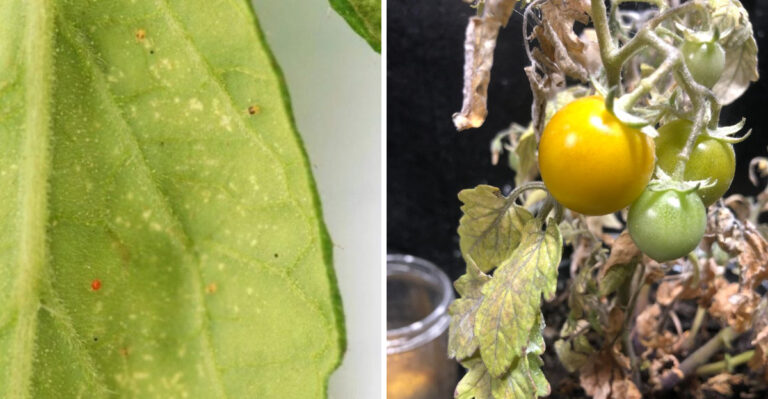
Spider mites are even trickier to spot. They look like tiny moving dots, and they spin fine webbing between leaves and stems. Leaves may also show speckled, pale spots.
These pests absolutely love dry indoor air, so problems often explode after a plant comes inside.
Grab a magnifying glass and check your tree once a week. Flip over several leaves and look closely near the veins.
A handy trick is to hold white paper under a branch and tap it. If tiny specks fall and start crawling, you have mites.
Treatment can start simple. A strong spray of water from a hose knocks many pests off. For bigger problems, use insecticidal soap or horticultural oil, making sure to coat the undersides of leaves.
Repeat every five to seven days until the bugs are gone. Timing is everything. Treat your tree outdoors before bringing it inside so pests do not spread to other houseplants.
Did you know? A single female spider mite can lay about 100 eggs, so catching them early saves you a lot of trouble.