What Late April Frost Really Does To Bigleaf Hydrangeas In Michigan
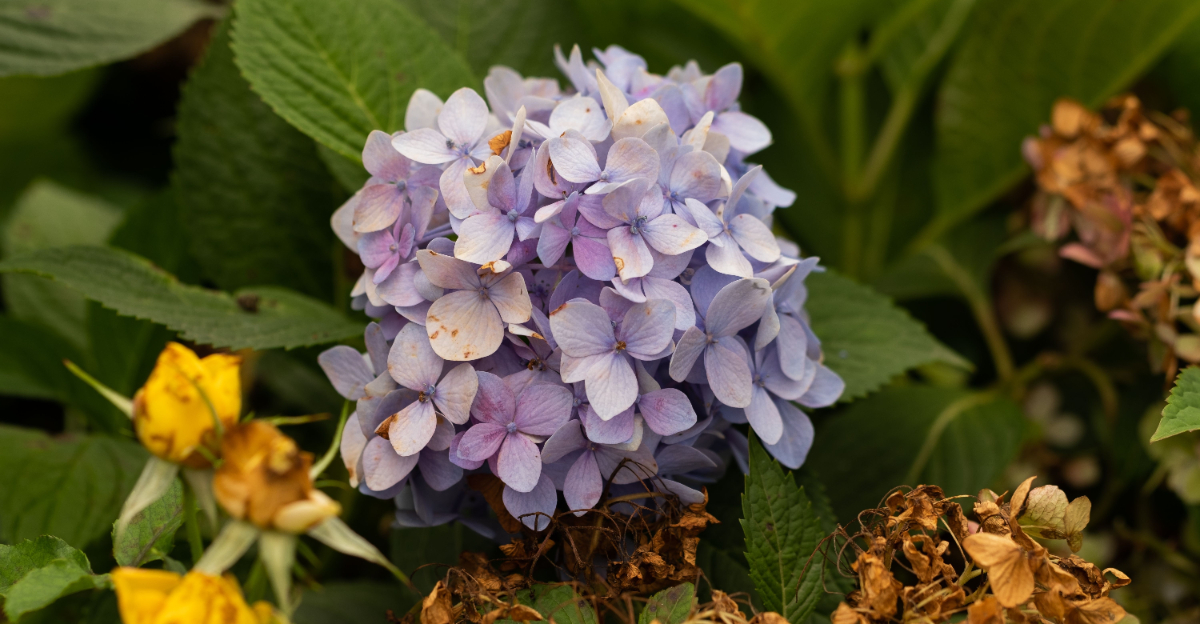
Late April can feel like spring is in full swing across Michigan, but a sudden frost can quickly change that, especially for bigleaf hydrangeas. These popular shrubs often start forming buds early, which makes them vulnerable when temperatures dip unexpectedly.
While the plant itself may survive, those tender buds can take a hit, leading to fewer blooms or none at all for the season. It can be frustrating to see healthy green growth one day and damaged leaves the next.
Michigan’s shifting spring weather makes this a common challenge for gardeners who love these showy flowers. Understanding how frost affects bigleaf hydrangeas can help you manage expectations and take simple steps to protect future blooms.
A closer look at what really happens during these cold snaps can make all the difference in your garden’s summer display.
1. Flower Buds Are The Most Vulnerable Part
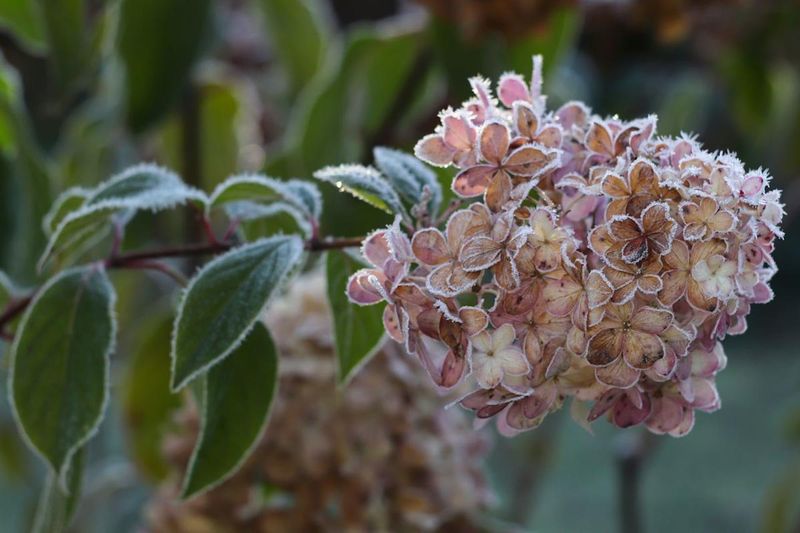
Picture this: tiny, tightly packed buds sitting on last year’s woody stems, quietly holding everything your hydrangea has planned for summer. Those buds on your bigleaf hydrangea are not just any buds.
They carry the full blueprint for every bloom you are hoping to see from June through August.
Bigleaf hydrangeas, known scientifically as Hydrangea macrophylla, form their flower buds on old wood during the previous growing season. So by the time late April rolls around in Michigan, those buds have already been developing for months.
A single frosty night can damage the delicate tissue inside before you even realize what happened.
Temperatures dropping below 28 degrees Fahrenheit are especially harmful once buds have begun to swell. The water inside the bud cells expands as it freezes, breaking down the cell walls and stopping bloom development completely.
Gardeners in Michigan often walk out after a cold night expecting to see progress, only to find the buds have turned soft and brown.
Protecting these buds before a frost hits is the smartest move you can make. Draping a breathable frost cloth over your plants the evening before a freeze can make a real difference.
Even old bedsheets work in a pinch, as long as they do not press directly against the buds themselves.
2. Swollen Buds Are Way More Sensitive Than Dormant Ones
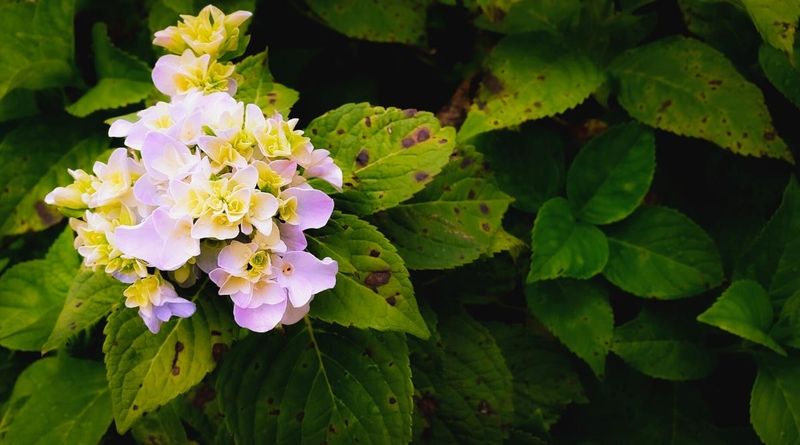
Not all buds face the same risk when frost arrives. A tight, dormant bud still tucked in for winter can handle colder temperatures far better than one that has already started to swell and open.
That difference in bud stage is everything when a late April freeze sweeps through Michigan.
Here is why this matters so much. Warm days in early to mid-April often trick bigleaf hydrangeas into waking up faster than they should.
Once those buds swell and begin to show color or green growth, they become extremely fragile. The plant has essentially lowered its guard, and then a cold night catches it completely off balance.
Michigan’s spring weather is notorious for this exact pattern. A stretch of 60-degree days followed by a hard frost at the end of April is not unusual at all, especially in regions like the Thumb or the western Lower Peninsula near Lake Michigan.
Gardeners there often see the most dramatic swings.
Checking your local forecast daily during April is a simple habit that pays off big. If buds on your bigleaf hydrangea are visibly swollen or just beginning to open, treat any upcoming frost warning seriously.
Covering plants even for one night can save an entire season of blooms and spare you a lot of summer disappointment.
3. Leaves May Blacken Or Wilt After A Frost Event
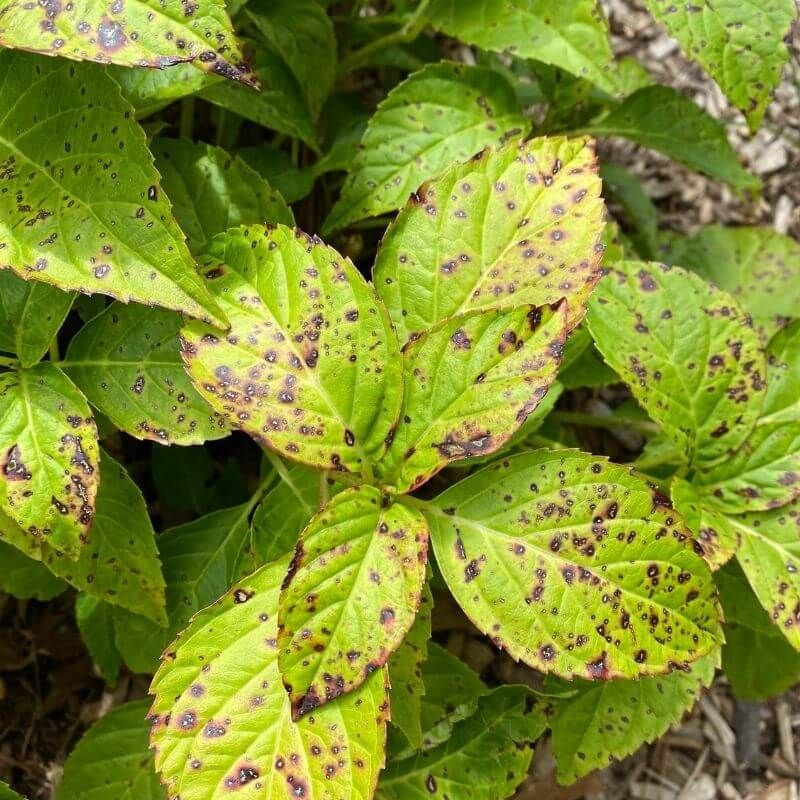
One of the first things you will notice after a frost hits your bigleaf hydrangea is the leaves. Soft, newly emerged leaves are just as vulnerable as the buds, and cold temperatures can turn them from bright green to dark, limp, and almost translucent overnight.
It is a jarring sight for any Michigan gardener who was just celebrating new spring growth.
When temperatures drop below freezing after a stretch of warm April days, the water inside young leaf cells freezes and expands.
That process ruptures the cell walls, and by morning the leaves look collapsed, darkened, and sometimes almost black around the edges.
This is a textbook sign of frost injury, and it can happen even when overnight lows only dip a few degrees below 32.
The good news is that blackened leaves do not always mean the plant is in serious trouble overall. The shrub itself is usually still healthy below the surface, and new leaves can often push out from lower nodes within a few weeks.
Patience is key here because cutting back too aggressively too soon can stress the plant unnecessarily.
Wait at least two to three weeks before trimming away any frost-affected growth. Give the plant time to show you where new life is emerging.
In Michigan’s unpredictable spring climate, a little patience after a frost event goes a long way toward a healthier recovery.
4. Plants Often Push New Growth From Lower Nodes
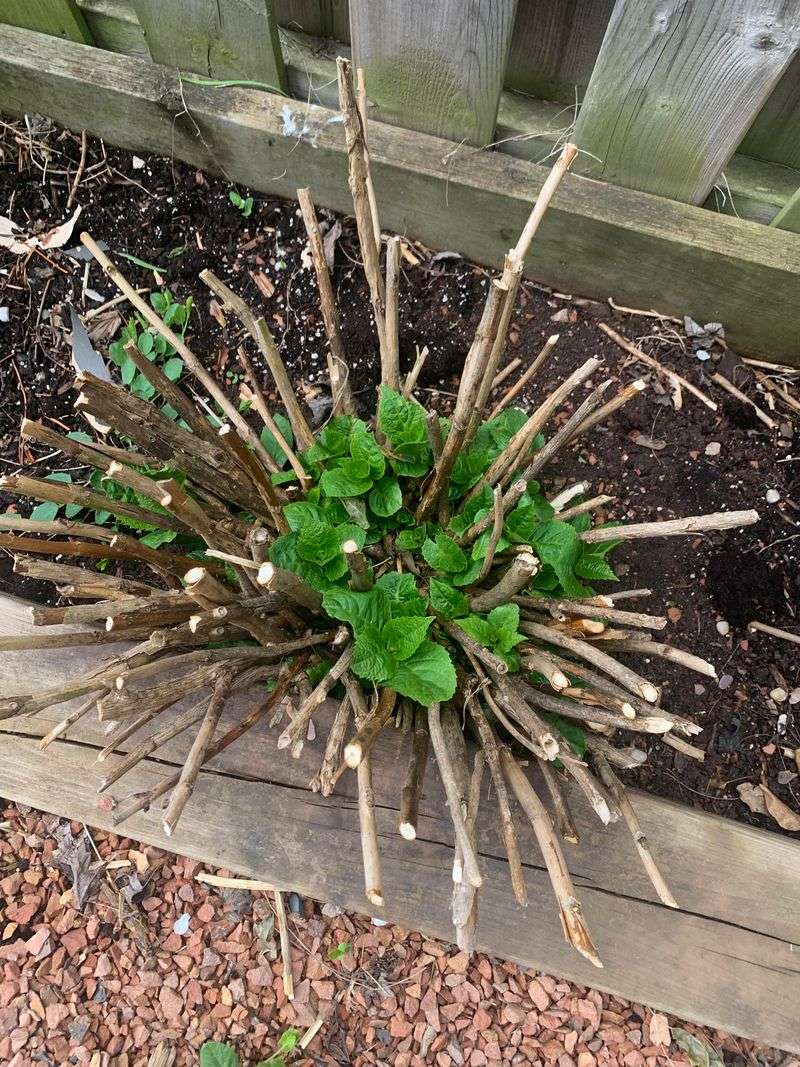
Bigleaf hydrangeas are tougher than they look, and one of the most reassuring things to know is that even after a rough frost, they often bounce back from the bottom up.
When upper buds and stems take a hit from cold temperatures, the plant redirects its energy downward and pushes out fresh growth from lower nodes along the main stems.
This kind of regrowth is common across Michigan gardens every spring, especially in years when late April frosts arrive after an unusually warm stretch.
Gardeners who have been through a few of these cycles know to look closely at the base of each stem around two or three weeks after the freeze.
Tiny green shoots often appear right where the stem meets the older, woodier part of the plant.
The important thing to remember is that this new growth will not carry flower buds for the current season. Since bigleaf hydrangeas bloom on old wood, any new stems produced after frost damage will not bloom until the following year.
So while the plant recovers beautifully in terms of leafy growth, the summer flower display may still be limited or absent this year.
Giving the plant a little extra care during recovery helps a lot. A light application of balanced fertilizer in late spring encourages strong new growth.
Water consistently, especially during dry spells, and avoid heavy pruning until you can clearly see which stems are still viable and which ones are not.
5. That Year’s Blooms Are Often Reduced Or Completely Absent
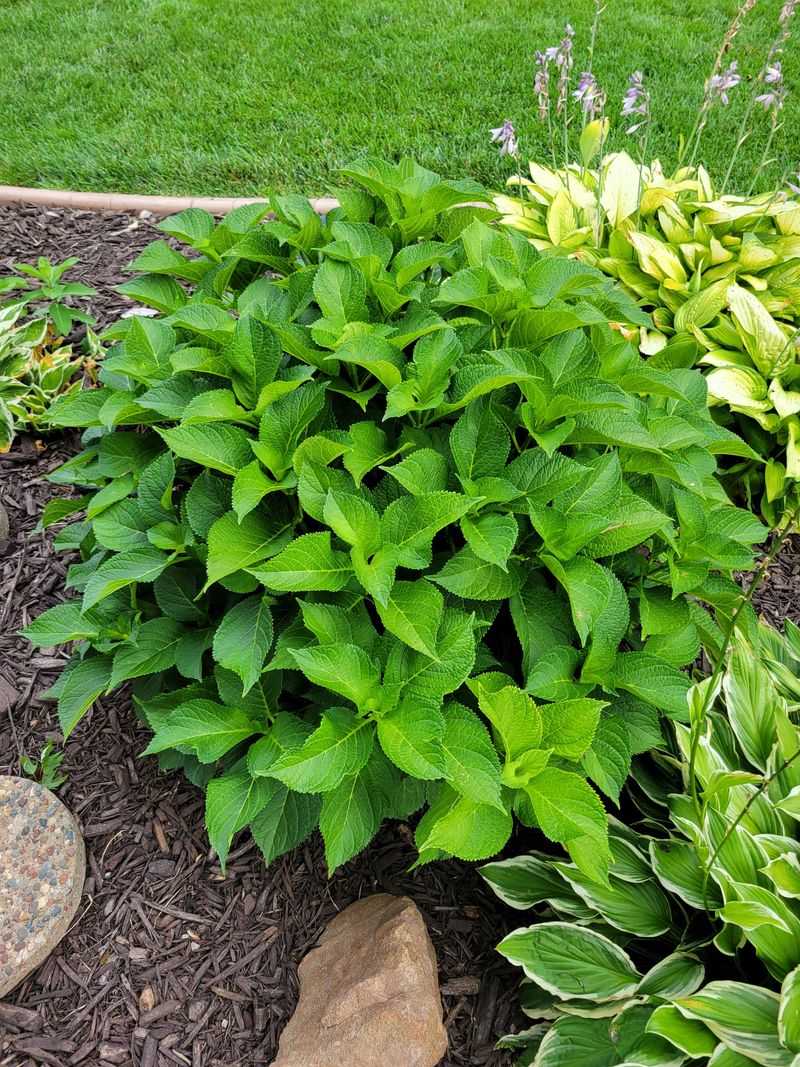
For many Michigan gardeners, the most heartbreaking outcome of a late April frost is walking outside in July and seeing a full, leafy hydrangea with absolutely no blooms. The plant looks healthy, the leaves are green and full, but the flowers just never came.
That is exactly what happens when frost takes out the old wood buds before they ever get the chance to develop.
Bigleaf hydrangeas rely entirely on buds formed during the previous growing season to produce flowers.
Unlike some other shrubs that can bloom on new growth produced in the same year, these plants do not have that backup option unless you specifically choose a reblooming variety.
A single hard frost in late April can wipe out the entire bloom potential for the whole summer ahead.
Across Michigan, this scenario plays out more often than most people expect. Regions like mid-Michigan and the Upper Peninsula are especially prone to these late cold snaps that catch plants mid-awakening.
Even gardeners in warmer spots along the Lake Michigan shoreline are not completely safe from a surprise frost in the last week of April.
Choosing reblooming varieties like Endless Summer or Bloomstruck can offer some insurance against this exact problem.
These cultivars produce buds on both old and new wood, so even if frost takes out the old wood buds, there is still a chance for flowers later in the season from fresh growth.
6. Repeated Frost Nights Stack Up The Damage Fast
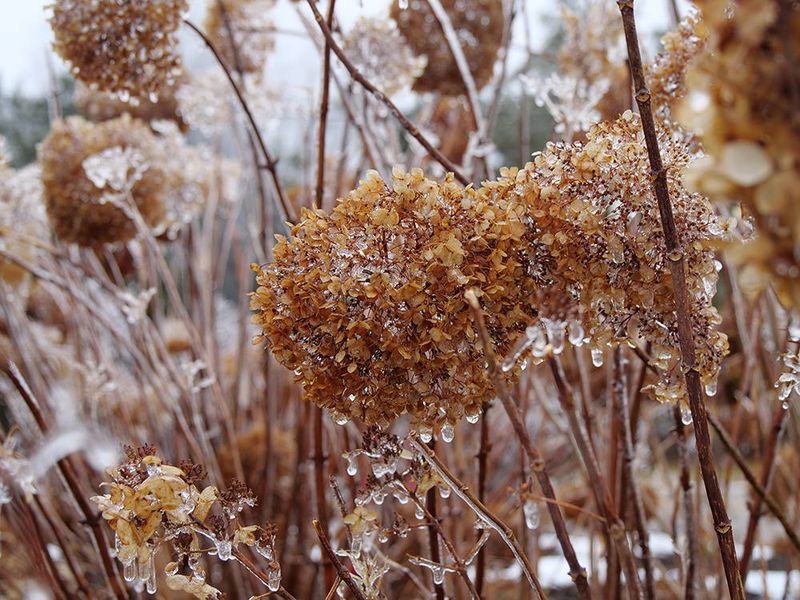
One frosty night is bad enough, but Michigan springs sometimes serve up several cold nights in a row, and that repeated exposure can really compound the damage on bigleaf hydrangeas.
Even buds that survived the first freeze with only minor injury can be pushed over the edge by a second or third night of cold temperatures. Think of it like sunburn. One mild sunburn stings but heals.
A second burn on already sensitive skin causes much more damage. Frost works similarly on plant tissue that has already been stressed.
Buds that were partially affected after the first cold night become even more fragile, and the next freeze finishes what the first one started.
Michigan’s spring climate across both peninsulas is known for exactly this kind of pattern. A gardener in Traverse City or Marquette might experience three or four frost events within a single week during late April.
Each night chips away at whatever bud potential remained after the previous freeze, leaving very little chance for summer blooms.
Staying ahead of the forecast is your best defense during these stretches. Keep frost cloth or breathable garden covers handy from mid-April through early May in Michigan.
Covering your bigleaf hydrangeas consistently across multiple cold nights, rather than just once, gives the buds the best possible chance of making it through the season intact and blooming beautifully come summer.
7. Location And Microclimate Make A Surprisingly Big Difference
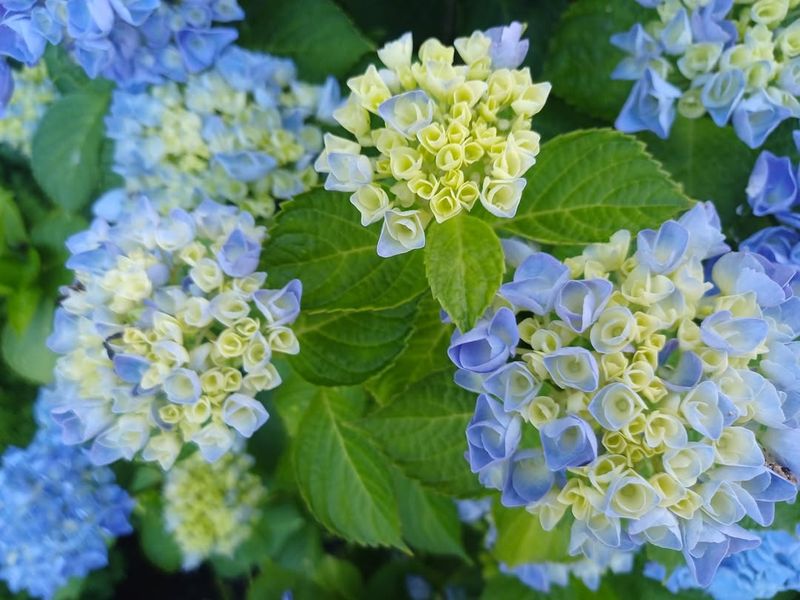
Where you plant your bigleaf hydrangea in Michigan matters far more than most gardeners realize. Cold air is heavier than warm air, so it naturally flows downhill and settles into low-lying areas, hollows, and open spots in the yard.
A plant sitting at the bottom of a gentle slope can experience temperatures several degrees colder than one planted just a few feet higher up or near a structure.
Buildings, fences, and even dense hedges create what gardeners call microclimates, pockets of slightly warmer air that can protect vulnerable buds during a late April frost.
Hydrangeas planted on the south or east side of a house benefit from radiant heat stored in the walls and some protection from cold north and west winds.
That extra warmth can be the difference between a full bloom season and none at all.
Gardeners across Michigan who have planted bigleaf hydrangeas in sheltered spots near their homes consistently report better blooming results compared to those growing in wide-open areas of the yard.
It is a simple observation with real impact, and it costs nothing to factor in when choosing a planting location.
If your hydrangea is already in a low or exposed spot, you can create a temporary windbreak using burlap staked around the plant each spring.
Mulching heavily around the base also helps insulate the root zone and retain soil warmth overnight, giving your Michigan garden hydrangeas a fighting chance against those sneaky late-season cold snaps.