What Late April Frost Really Does To Cherry Blossoms In Michigan
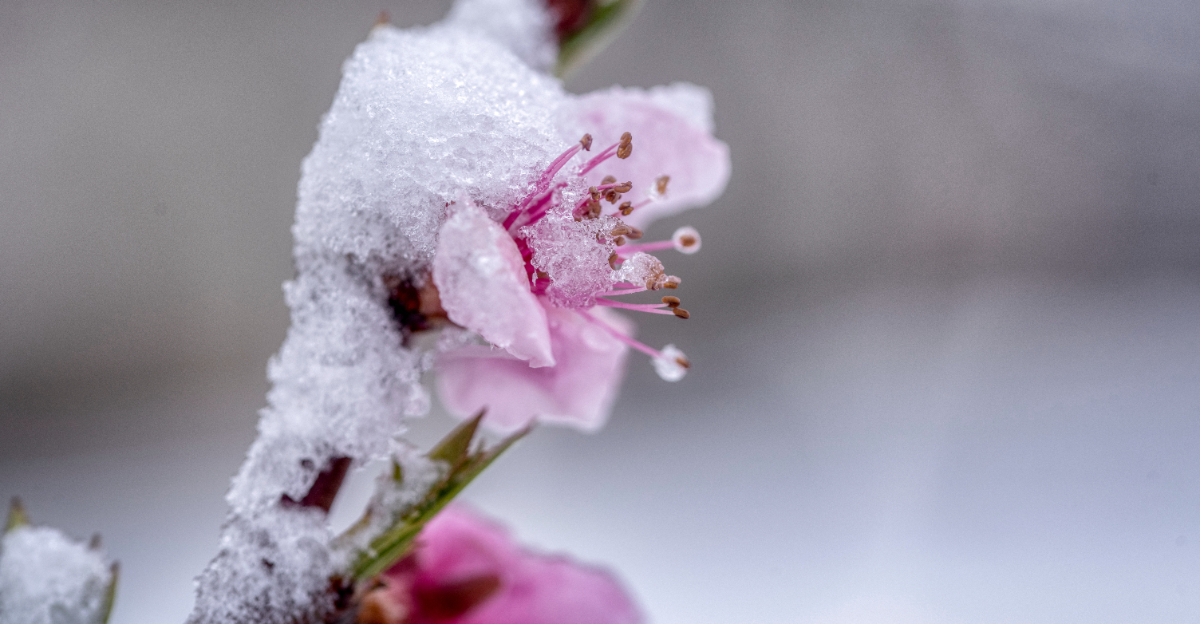
Late April in Michigan often feels like peak spring, especially when cherry trees burst into soft pink and white blooms. Then a sudden frost rolls in and changes everything overnight.
These blossoms may look delicate, and in many ways they are, especially when temperatures drop at the wrong moment.
A late frost can damage open flowers or buds that are close to blooming, which may lead to fewer blossoms and less fruit later in the season.
It can be disappointing to watch petals turn dull or fall early after such a beautiful start. Still, not every frost causes lasting harm, and some trees bounce back better than expected.
Michigan gardeners and growers deal with this risk almost every year. Understanding how frost affects cherry blossoms can help you know what to expect and how to respond as spring continues.
1. Open Blossoms Are Extremely Frost-Sensitive
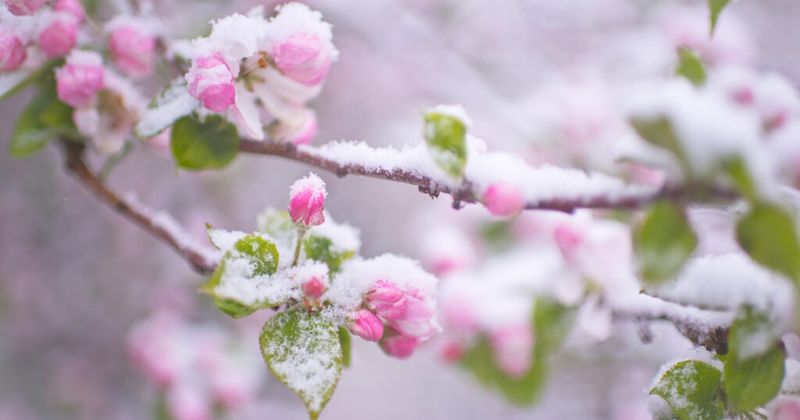
When cherry blossoms fully open, they become some of the most fragile things in a Michigan orchard. A temperature drop to just 28 degrees Fahrenheit can cause serious damage to open flowers.
At that point, the blossom has almost no defense against the cold.
Sweet cherry (Prunus avium) and tart cherry (Prunus cerasus) both reach peak vulnerability right when they are in full bloom.
The cells inside each flower petal hold water, and when temperatures fall fast, that water freezes and breaks the delicate tissue inside.
Even a frost that lasts only a few hours can wipe out a large portion of the blooms on a single tree.
In Michigan, late April temperatures can swing wildly. A warm week in mid-April often pulls blossoms open early, leaving them fully exposed right before a cold snap arrives.
Growers in Northwest Michigan, near Traverse City, know this pattern well and watch forecasts constantly during bloom season. The tricky part is that even a single night below 28 degrees can affect a surprisingly large share of the crop.
Protecting open blossoms is much harder than protecting tight buds, which is why timing matters so much for Michigan cherry farmers every single spring.
2. Blossoms Turn Brown And Collapse After A Frost
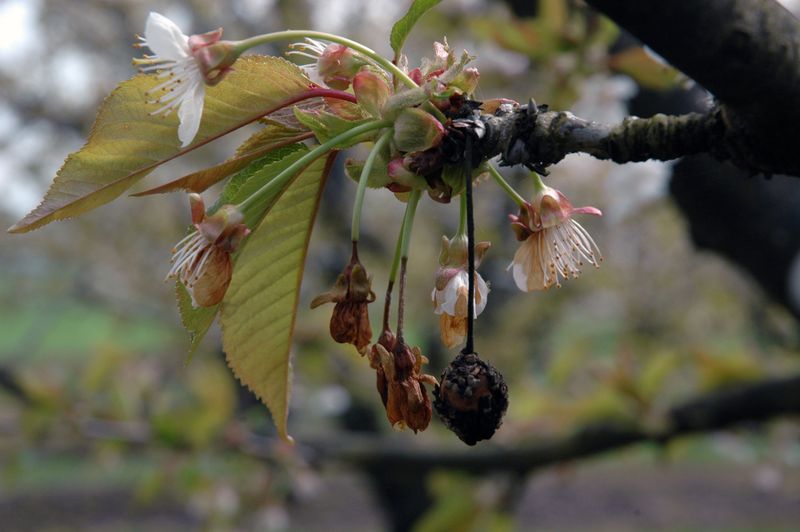
One of the clearest signs of frost damage is a blossom that looks water-soaked and limp the morning after a cold night. Within hours, those same flowers turn brown and begin to shrivel.
It is a fast and unmistakable change that Michigan growers recognize immediately.
What happens inside the flower is pretty straightforward. The freezing temperatures rupture the cells that make up the petals and the reproductive parts of the blossom.
Once those cells are broken, the flower cannot recover, and it will never develop into fruit. The browning spreads from the center of the flower outward, often starting with the pistil, which is the part that would eventually become a cherry.
In Michigan, this damage can show up within just a few hours after a frosty night, making early morning orchard checks a critical routine for growers.
A walk through the rows at sunrise can tell you almost everything you need to know about what the frost did overnight.
Regions like the Leelanau Peninsula and Old Mission Peninsula, both major cherry-growing areas, see this pattern regularly during unpredictable late April weather. The collapsed, brown blossoms are not just sad to look at.
They are a clear signal that the harvest potential for that section of the orchard has already been reduced for the entire season.
3. Bud Stage Determines How Much Survives
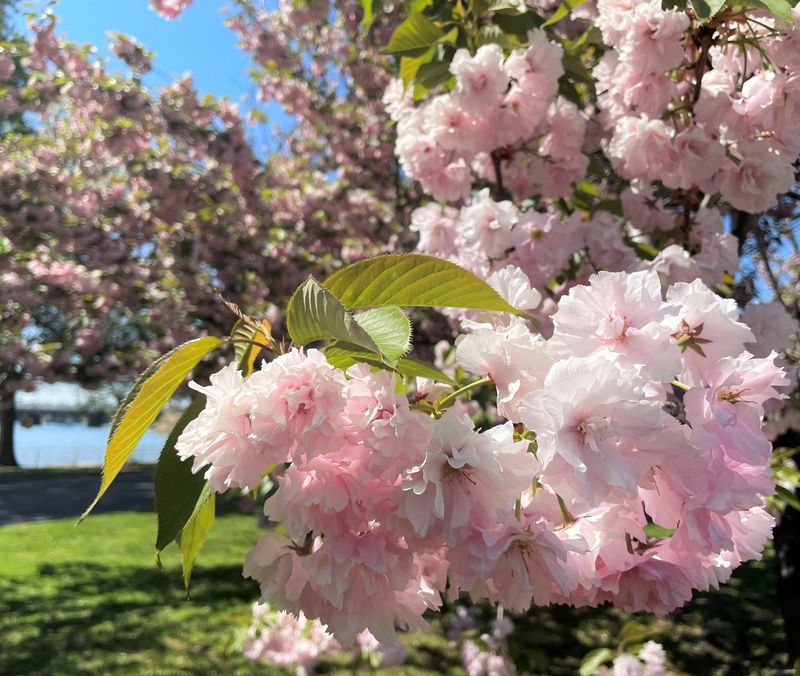
Not every blossom on a cherry tree opens at the same time, and that uneven timing can actually save a portion of the crop during a late April frost. Tight buds that have not yet opened can tolerate colder temperatures than flowers already in full bloom.
A bud still sealed up can sometimes survive temperatures several degrees lower than an open blossom can handle.
Michigan State University extension specialists often point out that the bud stage at the time of a frost is one of the most important factors in predicting crop loss.
Growers who have trees at mixed bloom stages going into a cold night may still come out with a partial harvest.
Trees that bloomed early due to a warm spell are at the highest risk, while trees that are slower to open may come through with much less damage.
Across Michigan, bloom timing can vary by location, elevation, and even the specific variety of cherry tree. In the Upper Peninsula, cooler baseline temperatures often delay bloom, which can actually reduce frost risk in some years.
In the Lower Peninsula, warmer springs pull trees into bloom faster, increasing the chance of frost overlap.
Watching the bud stage carefully in the days leading up to a cold snap gives growers in Michigan their best chance to predict outcomes and plan protective steps before temperatures fall overnight.
4. Fruit Set Takes A Direct Hit From Frost
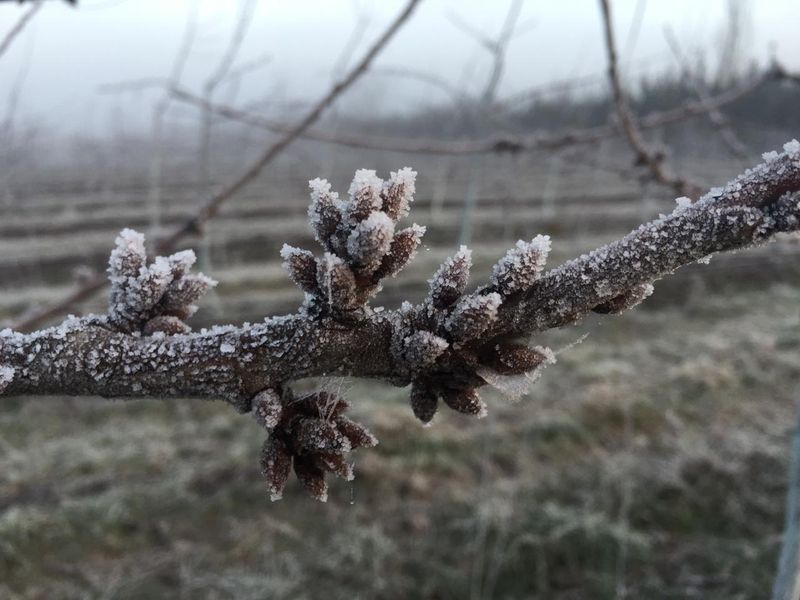
A frost-damaged blossom simply cannot turn into fruit. The connection between bloom health and harvest size is direct and unforgiving in the cherry world.
When a large share of blossoms are affected during a late April cold snap, Michigan growers know the harvest numbers will be lower months before picking season even begins.
Cherries rely entirely on successful pollination during bloom. Bees and other pollinators need to visit each flower while it is open and healthy.
When frost affects blossoms early in that window, the reproductive parts of the flower are often the first to go. The pistil, which is the central female part of the flower, is especially sensitive and can be affected even when the petals still look okay from the outside.
Michigan is one of the top cherry-producing states in the country, and late frost is consistently one of the leading causes of reduced or inconsistent harvests.
In some years, a single frost event has cut expected yields by a significant margin across Northwest Michigan.
The 2012 spring freeze is still talked about as one of the most damaging in recent memory, with a hard freeze wiping out a major portion of the state’s crop.
For both sweet and tart cherry growers, protecting the blossom is really the same thing as protecting the fruit that would have grown from it.
5. Repeated Frost Nights Stack Up The Losses
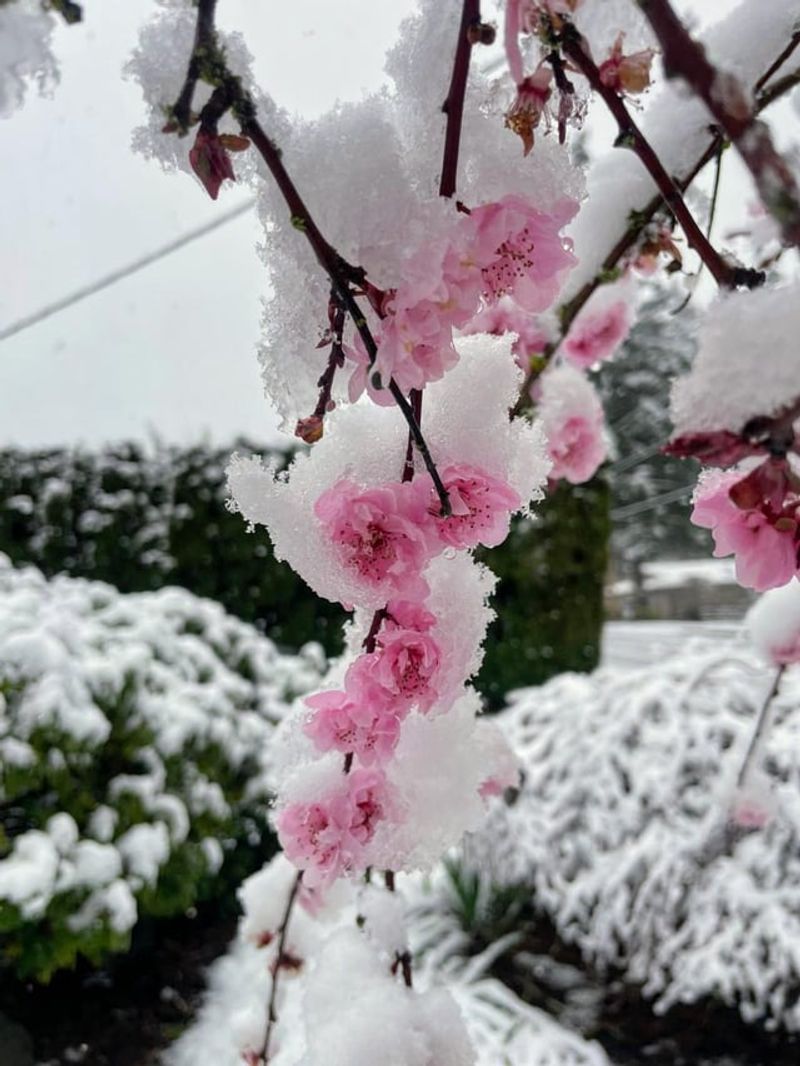
One frosty night is bad enough, but a stretch of cold nights in a row creates a compounding problem for Michigan cherry growers. Each additional frost event has the chance to affect buds that survived the first round.
Buds that were still tight enough to make it through night one may have opened slightly by night two, making them far more vulnerable the second time around.
Michigan’s spring weather is famously unpredictable, and multi-night frost events are not unusual in late April.
A warm front can push temperatures into the 60s during the day, pulling more buds into bloom, and then a cold front sweeps in at night and catches those newly opened flowers completely off guard.
This cycle can repeat several times in a single week, each pass affecting a new wave of blossoms.
Growers in Michigan often describe this pattern as the most stressful part of the growing season. There is little you can do to stop nature, but understanding the risk helps farmers plan ahead.
Some use frost fans, which are large propeller-style machines that circulate warmer air from above down to the tree level, helping to keep temperatures from dropping too low overnight.
Others use irrigation systems that coat the blossoms in a thin layer of water that actually insulates the flower as it freezes around it.
Both strategies are common across Michigan’s major cherry-growing regions.
6. The Trees Themselves Usually Stay Healthy
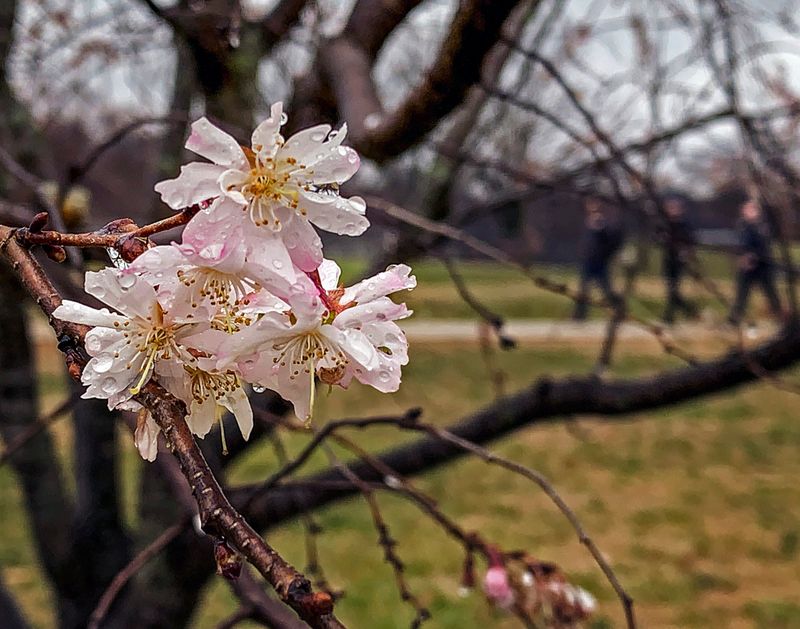
Here is something that surprises a lot of people who are new to cherry growing: a frost that wipes out the blossoms often leaves the tree itself completely unharmed.
The branches, bark, and root system of a mature cherry tree are far more cold-tolerant than the flowers that grow on them.
After a damaging frost, a Michigan orchard can look surprisingly green and healthy just a week or two later.
Leaves push out right after bloom, and they are generally tough enough to handle the kinds of temperatures that hit Michigan in late April.
The structural parts of the tree, the trunk, main branches, and smaller limbs, are built to survive full winters, so a spring frost poses very little threat to them.
What you lose is the fruit potential for that season, not the long-term health of the tree itself.
This is actually good news for Michigan growers who are thinking long-term. A year with frost damage is a tough economic year, but it does not set the orchard back permanently.
Trees that lose their blossoms to frost in April will bloom again the following spring with the same potential as before. Growers in established Michigan orchards often say that the trees are remarkably resilient, even when the season’s harvest is disappointing.
The orchard bounces back, and hope for a better year next spring stays very much alive.
7. Location Within Michigan Strongly Influences Frost Damage
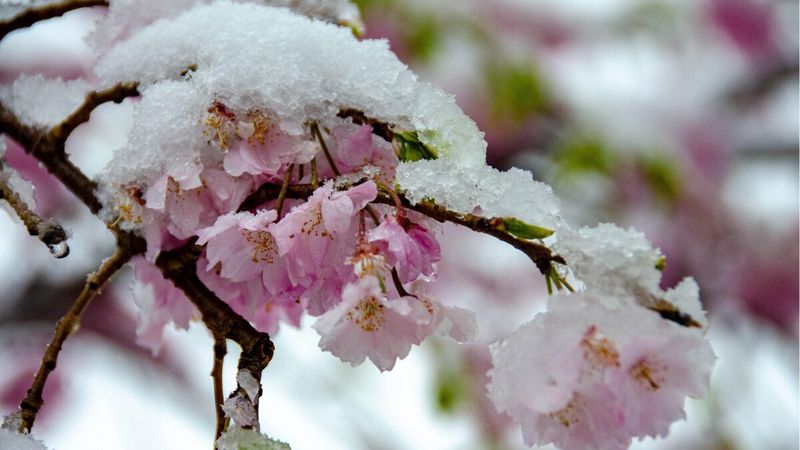
Where a cherry tree is planted in Michigan can make a surprisingly big difference when frost rolls in. Cold air is heavier than warm air, so it flows downhill and settles into low spots, valleys, and flat areas near the ground.
Trees planted in these lower zones face much colder temperatures on a frosty night than trees on higher ground just a short distance away.
This is why many of Michigan’s most successful cherry orchards are planted on hillsides and elevated ridges. The Leelanau Peninsula and Old Mission Peninsula, both major cherry-growing regions near Traverse City, have rolling terrain that naturally helps cold air drain away from the trees.
Growers in these areas have long understood that elevation is one of the best natural defenses against frost damage during the critical bloom window.
In contrast, orchards planted in flat or low-lying areas of Michigan face a higher risk every spring. Even a difference of 20 or 30 feet in elevation can translate to several degrees of temperature difference on a calm, clear night when frost is most likely to form.
For anyone planting new cherry trees in Michigan, site selection is one of the most important decisions you will make. Choosing a location with good cold air drainage is not just a nice bonus.
It is a practical strategy that can protect your blossoms and your harvest year after year across the state.
8. The Great Lakes Create A Complicated Frost Picture
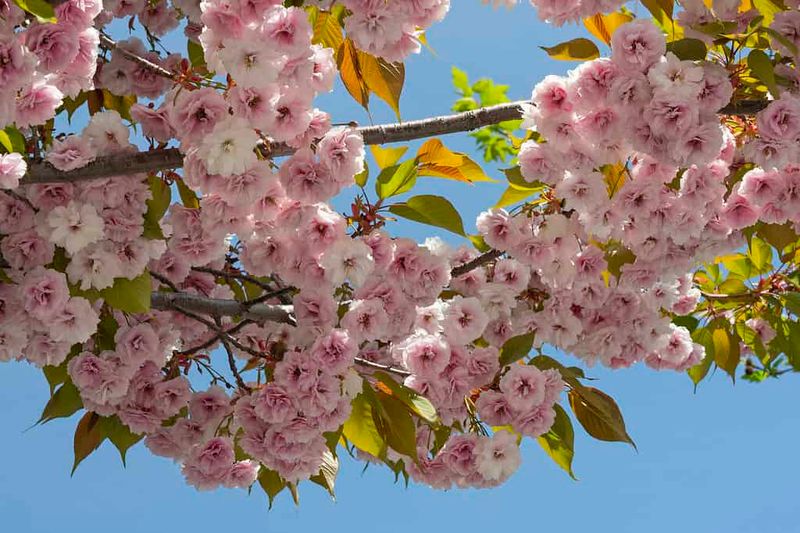
Lake Michigan is one of the most powerful weather influences in the entire state, and its effect on cherry blossoms is genuinely fascinating.
The lake stores heat from summer and releases it slowly through fall and early spring, which keeps nearby shoreline areas warmer than inland locations during cold snaps.
Orchards close to the lake often experience slightly milder temperatures on frosty nights, which can make a real difference for open blossoms.
However, the Great Lakes do not always work in the growers’ favor. The same moderating effect that softens winter cold also delays the arrival of spring warmth in some years.
This can push bloom timing later into April and even into early May, which sometimes moves the bloom window right into a period of renewed frost risk rather than away from it.
The relationship between the lake and bloom timing is something Michigan growers and researchers track closely every single season.
Areas farther from Lake Michigan, including parts of the Lower Peninsula away from the shoreline and much of the Upper Peninsula, do not benefit from the same temperature buffer.
Those regions can experience sharper temperature swings in late April, making frost events both more frequent and more intense.
Michigan State University researchers continue to study how changing lake temperatures and shifting spring weather patterns interact with cherry bloom timing across the state, since the answer has real consequences for one of Michigan’s most valuable agricultural crops.