What Late April Frost Really Does To Hydrangea Buds In Michigan
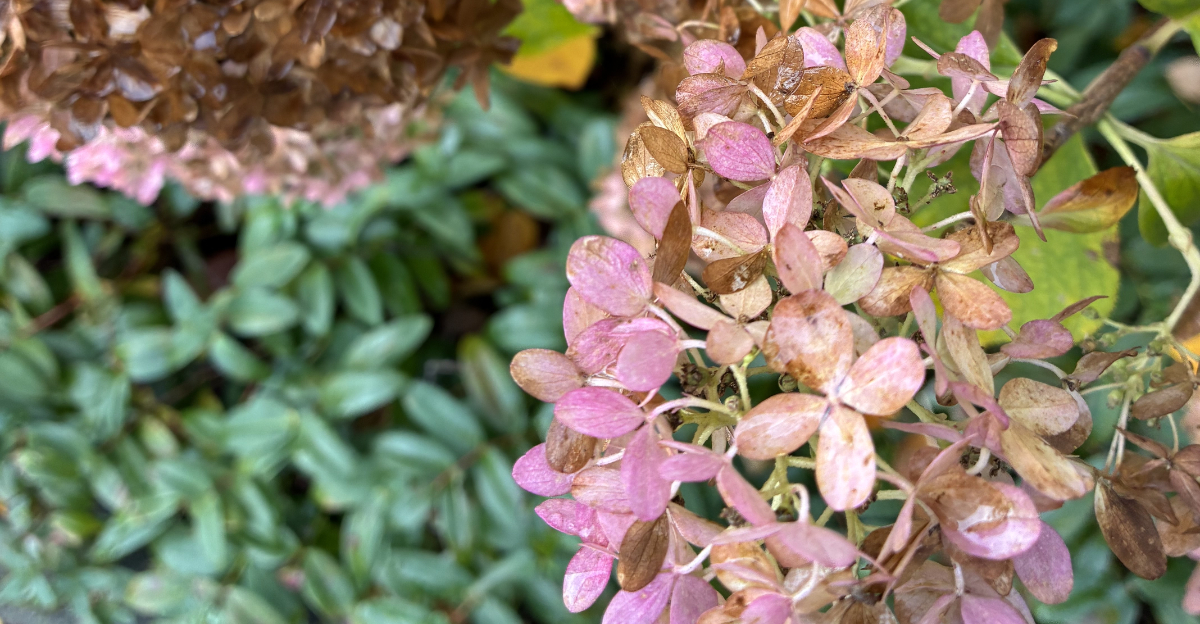
Late April in Michigan can feel like spring is finally here, with hydrangeas starting to leaf out and form early buds. Everything may look right on track, which makes it even more frustrating when a sudden cold night changes things overnight.
One unexpected frost can leave gardeners wondering what just happened to plants that seemed perfectly healthy. What many do not realize is how sensitive those early buds can be.
Even a brief drop in temperature can affect their development, sometimes without obvious signs at first. The leaves may recover, but the buds that were set for blooming can be impacted in ways that show up later in the season.
In Michigan’s unpredictable spring weather, this is a common setback. Once you understand what late April frost really does to hydrangea buds, it becomes easier to protect your plants and plan for better blooms in the future.
1. Buds Can Be Damaged While Leaves Stay Healthy
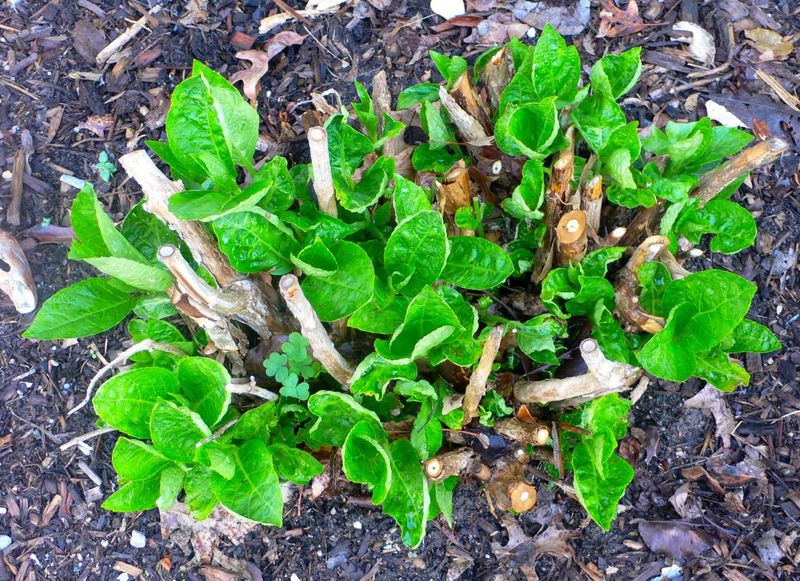
Most gardeners assume that if a plant looks green and leafy after a frost, everything is fine. That assumption, unfortunately, is not always correct when it comes to hydrangeas in Michigan.
Bud tissue is actually far more sensitive to cold than leaf tissue, which means the leaves can sail through a frosty night while the buds quietly suffer underneath the surface.
Flower buds contain the most tender and active growing cells on the plant. When temperatures drop below freezing, those delicate internal tissues freeze and break down, even if the outside of the bud still looks perfectly normal.
You might not notice anything wrong for days, and then summer arrives with full green foliage but absolutely zero flowers.
This scenario plays out across Michigan every spring, especially when warm spells in early April trick buds into swelling early. The bud starts growing, its cold tolerance drops, and then a late frost hits at exactly the wrong moment.
Gardeners in the Lower Peninsula are especially familiar with this frustrating pattern. Checking buds by gently slicing one open can reveal whether the inside is still a healthy green or has turned brown and dry from frost exposure.
2. Old Wood Hydrangeas Lose An Entire Season Of Blooms
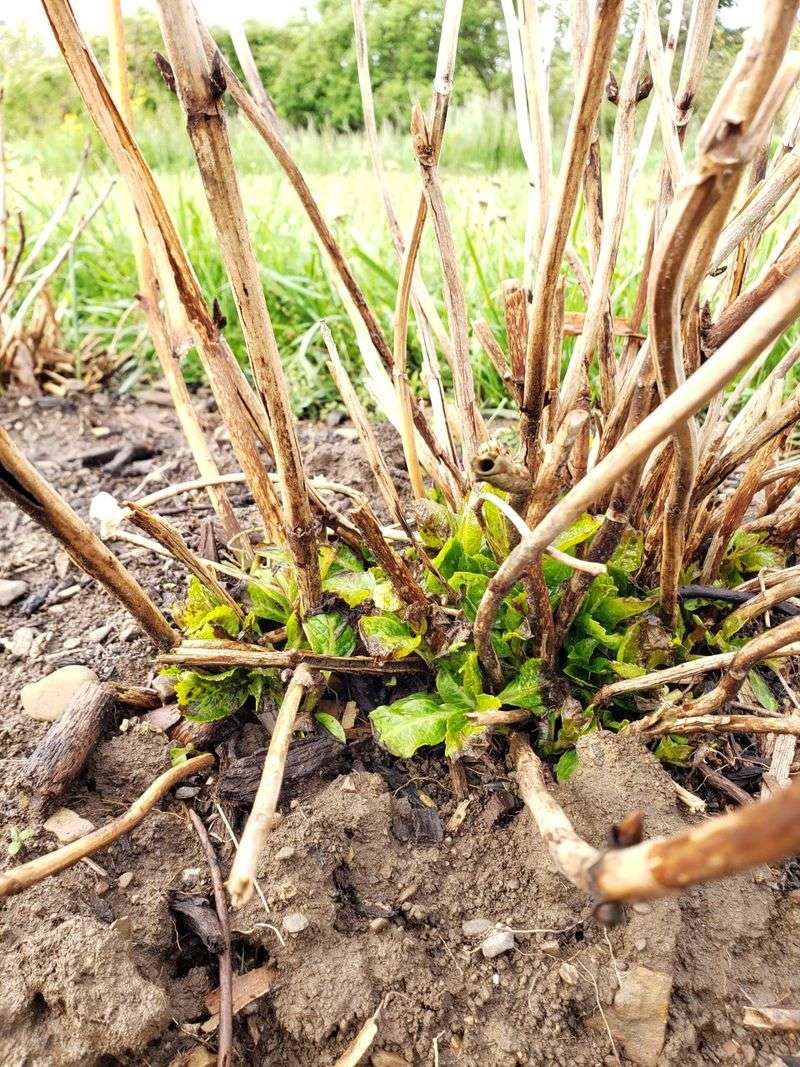
Hydrangea macrophylla, commonly called Bigleaf hydrangea, is one of the most popular varieties planted across Michigan. What makes it so special is also what makes it so vulnerable.
This variety forms its flower buds on old wood, meaning the stems from last year carry the buds that will bloom this coming season.
When a late April frost rolls through Michigan and damages those buds, there is simply no backup plan. The plant cannot generate new flower buds from fresh growth to replace what was lost.
The result is a full, leafy shrub that looks completely healthy all summer long but never produces a single bloom. For gardeners who planted these beautiful shrubs expecting big colorful flowers, that can be genuinely disappointing.
Colder areas of Michigan, like the northern Lower Peninsula, experience this pattern more frequently because late frosts arrive harder and stay longer.
Even in southern Michigan, a single sharp cold snap in late April can wipe out an entire season of flowering on old wood varieties. Oakleaf hydrangeas, Hydrangea quercifolia, face the same challenge.
Choosing frost-resistant planting spots, adding protective coverings before cold nights, and understanding your specific variety can make a huge difference in whether your Michigan garden blooms beautifully or sits quietly flowerless all season.
3. Bud Damage Happens During The Early Swelling Stage
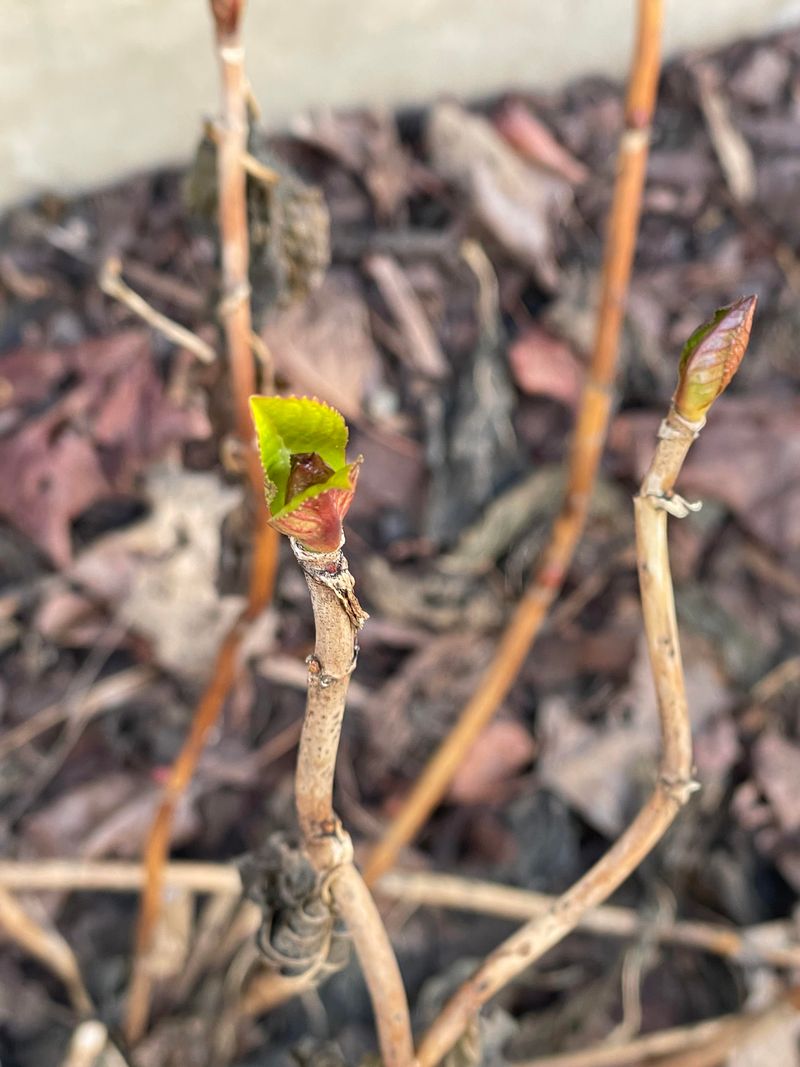
Timing matters enormously when it comes to frost and hydrangea buds. A bud that is still tightly closed and dormant can handle colder temperatures much better than one that has already started to swell and push outward.
Once swelling begins, the bud enters a stage where its cold tolerance drops significantly, making it far more vulnerable to even a moderate freeze.
April in Michigan is notorious for this exact scenario. A stretch of warm days in early to mid-April encourages buds to wake up and begin growing.
Then, almost predictably, a cold front sweeps through and temperatures plunge below freezing for one or several nights. The buds that were just starting to open take the hardest hit because their tissues are actively growing and full of moisture that freezes quickly.
What makes this stage so tricky is that the damage is not always visible right away. The bud might still look intact and normal from the outside for several days.
Gardeners in Michigan often do not realize what happened until late May or June, when every other plant is blooming and their hydrangeas are sitting there in full leaf with nothing to show.
Watching local frost forecasts closely in April and covering buds before cold nights can protect plants during this critical window and save the entire blooming season.
4. Repeated Freeze-Thaw Cycles Increase The Damage
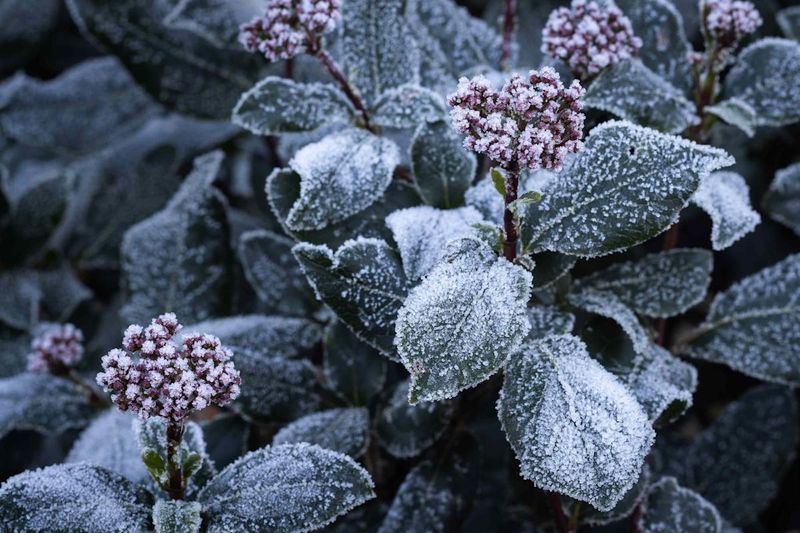
One cold night is tough enough for hydrangea buds, but Michigan gardeners often face something even harder.
Spring in the Lower Peninsula frequently brings multiple freeze-thaw cycles, where temperatures rise above freezing during the day and drop back below freezing at night.
This back-and-forth pattern creates a kind of slow, cumulative stress that weakens buds over time.
Each time a bud freezes, the water inside its cells expands and pushes against the cell walls. When it thaws, that water contracts again.
Repeat this process several nights in a row and the internal tissue eventually breaks down, even if no single frost was severe enough to cause obvious damage on its own.
Gardeners sometimes feel relieved after a mild frost, only to find that three or four similar nights across a week have quietly ruined the entire bud structure.
Michigan’s lake-influenced weather patterns make this especially common near the Great Lakes shoreline, where temperatures can swing dramatically from afternoon to overnight.
Inland areas of the Lower Peninsula also experience this pattern regularly throughout April. The best defense is consistency.
Check the forecast every evening, cover plants with frost cloth whenever overnight temperatures are expected to drop near or below freezing, and remove the covering each morning so buds get full airflow and warmth during the day to recover between cold spells.
5. Location In Your Yard Greatly Affects Frost Risk
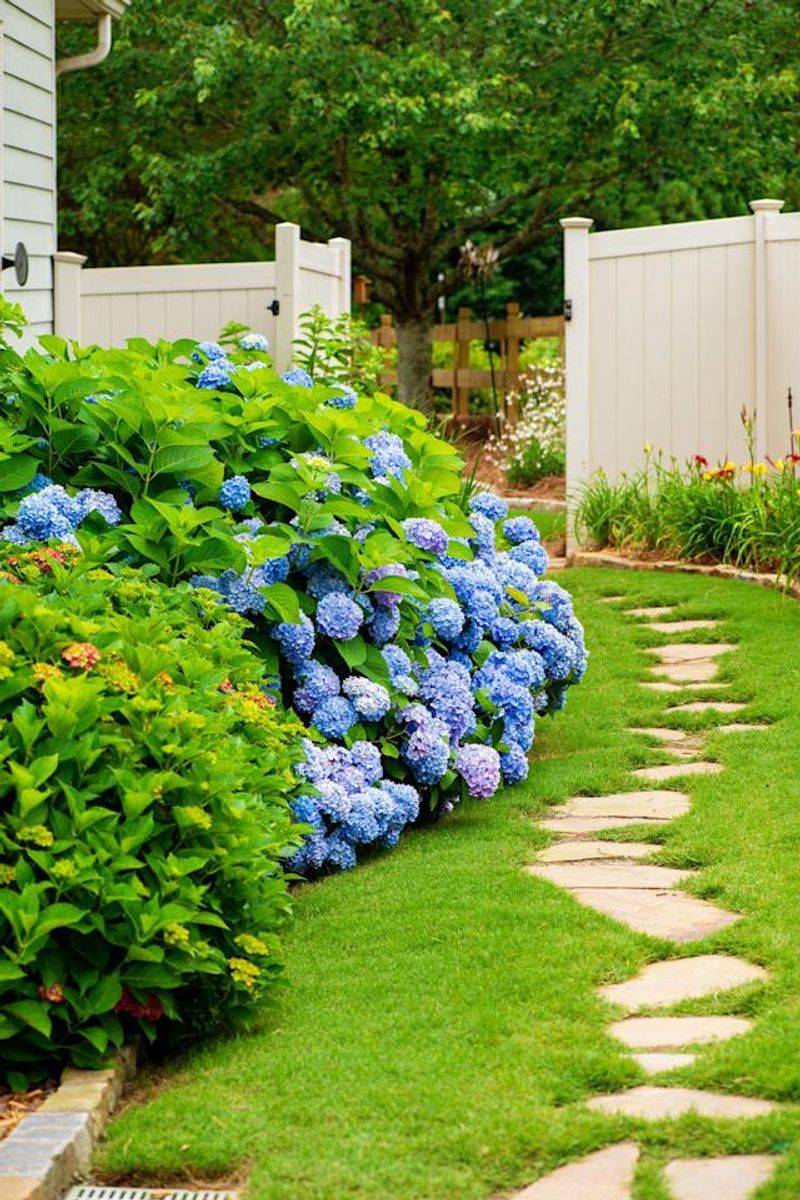
Where you plant a hydrangea in your Michigan yard can make just as much difference as which variety you choose. Plants sitting out in the open, away from any structures or windbreaks, lose heat much faster once the sun goes down.
On a still, clear April night, exposed spots can be several degrees colder than sheltered areas just a few feet away.
Microclimates are real, and they matter enormously in Michigan gardens. A hydrangea planted along the south side of a house or near a brick wall benefits from the heat those surfaces absorb during the day and slowly release overnight.
That small buffer of warmth can keep bud temperatures just above freezing when an exposed plant across the yard is getting hit hard by the cold. Trees overhead also help trap warmth and slow the rate of heat loss from plants below.
Low-lying spots in your yard are actually some of the most dangerous places for hydrangeas because cold air sinks and collects in depressions. Planting on a slight slope or near a structure gives your plants a real advantage during late April frosts.
Michigan gardeners who take the time to observe where frost settles hardest in their own yards, often visible as patches of white on the grass in the morning, can use that information to choose smarter planting spots and protect their hydrangeas season after season.
6. Snow Can Sometimes Protect Buds From The Cold

Snow in late April might feel like bad news for your garden, but for hydrangea buds in Michigan, it can actually work in their favor under the right conditions.
A layer of snow acts as natural insulation, trapping ground heat and slowing the rate at which air temperatures affect the plant tissues beneath it.
This is the same principle that keeps animals warm in dens and keeps soil from freezing solid in winter.
The key is understanding the difference between a wet, heavy snowfall and a dry, hard freeze. A wet spring snow settling over hydrangea buds can hold temperatures around the bud at or slightly above freezing, even when the air above is colder.
In contrast, a clear, dry night with no snow cover allows heat to radiate away from the plant freely, leading to sharper, more damaging temperature drops right at the bud level.
Michigan gardeners have noticed this effect for years, sometimes finding that plants that got snowed on fared better than those that experienced a dry frost on a clear night.
Of course, very heavy snow can physically weigh down and snap branches, so it is not a perfect solution.
Still, a moderate late-April snowfall in Michigan is not always something to panic about. Monitoring temperatures alongside snow conditions gives you a clearer picture of whether your hydrangea buds are truly at risk on any given night.
7. New Wood Hydrangeas Are Far Less Affected By Late Frost
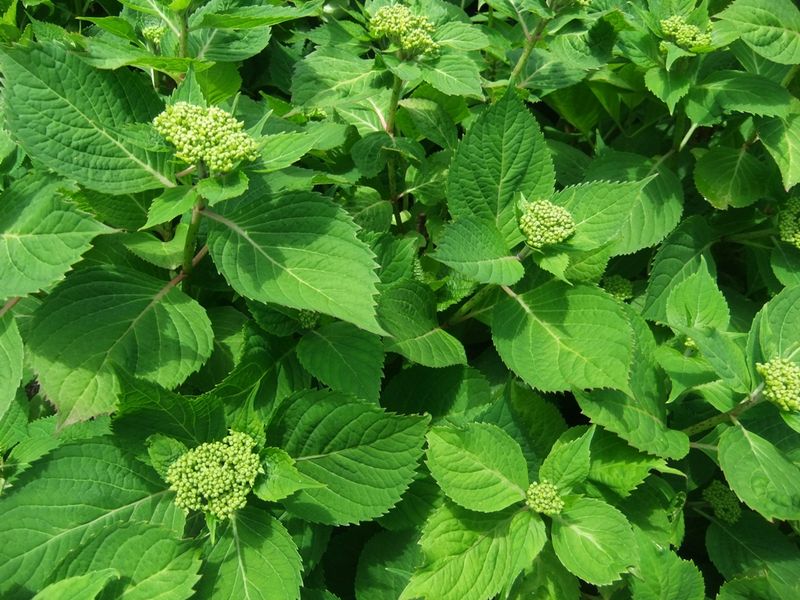
Not every hydrangea variety spends spring holding its breath waiting for a frost to pass. Hydrangea paniculata, known as Panicle hydrangea, and Hydrangea arborescens, often called Smooth hydrangea, bloom on new wood that grows fresh each season.
That single difference changes everything about how these plants handle a late April frost in Michigan.
Even if a cold snap wipes out early growth on a new wood hydrangea, the plant simply pushes out fresh stems and buds as the season warms up. It does not lose its entire blooming potential the way an old wood variety does.
This is why varieties like Limelight, Incrediball, and Annabelle have become so popular among Michigan gardeners who want reliable blooms without the annual anxiety of frost protection.
Switching to or adding new wood varieties is one of the smartest moves a Michigan gardener can make if late April frosts are a regular problem in their area. That does not mean old wood varieties are not worth growing.
They produce some of the most stunning blooms in any garden. But pairing them with a few dependable new wood varieties ensures that even in a rough frost year, your yard still puts on a beautiful show.
Michigan’s growing season is relatively short, so having plants that can recover and bloom reliably is a real advantage worth considering when planning your garden.
8. Frost-Damaged Buds Turn Brown And Dry On The Inside
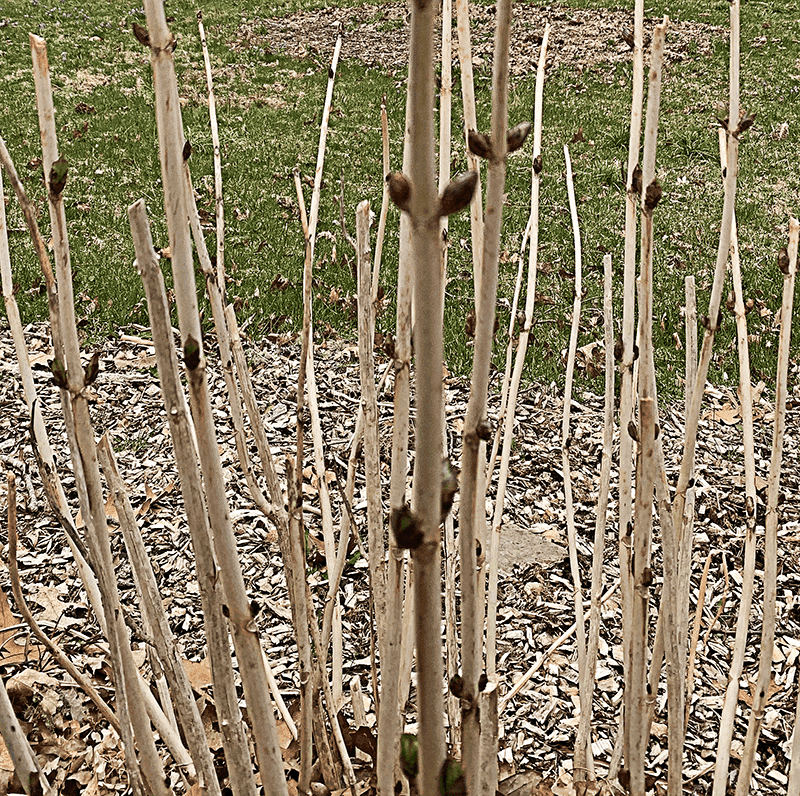
After a late April frost passes through Michigan, many gardeners are left wondering whether their hydrangea buds actually suffered any damage. From the outside, a frost-damaged bud often looks completely normal.
The outer scales stay intact, the color looks fine, and nothing about the appearance suggests a problem. The real story is hiding inside.
Slicing a bud open lengthwise with a clean, sharp knife reveals the truth quickly. A healthy bud has bright green interior tissue that looks fresh and full of life.
A frost-damaged bud, on the other hand, shows brown, tan, or dried-out tissue where that green should be. The internal cells have been broken down by freezing temperatures, and the bud is no longer capable of developing into a flower.
It may stay attached to the stem for weeks, looking perfectly normal from a distance, while the season for blooming quietly passes.
Checking a few buds this way in early May is one of the most useful things a Michigan hydrangea grower can do after a cold spring. Knowing early whether your old wood variety has viable buds or not helps you plan the season realistically.
If most buds test brown inside, you can focus your energy on caring for the plant’s overall health, preparing better frost protection for next year, or enjoying the new wood varieties that are already pushing out fresh green growth and heading toward a full, beautiful bloom.