What Late April Frost Really Does To Peonies In Michigan
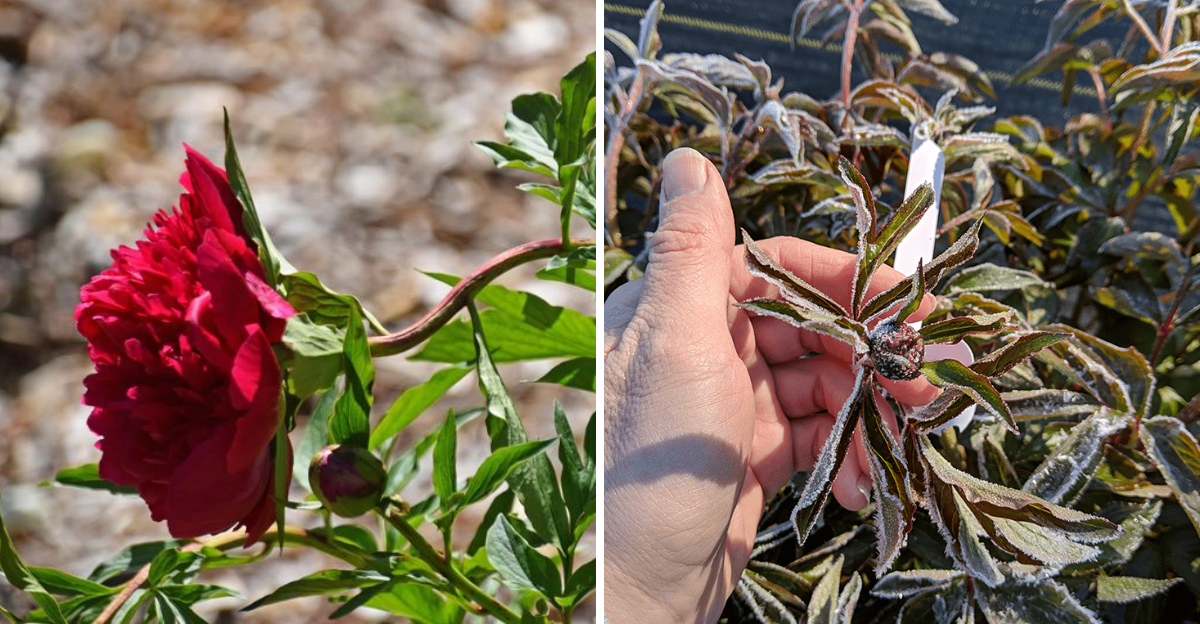
Late April in Michigan often brings a mix of warm days and sudden cold snaps, and that shift can catch peonies at a sensitive stage. As these plants push up new shoots and form early buds, they look strong, but they are more vulnerable than they seem.
A late frost rarely harms the roots or the long term health of the plant, yet it can damage tender growth above the soil. You might notice darkened stems, drooping buds, or leaves that look slightly burned after a cold night.
In many cases, the plant will recover and keep growing, though blooms may be delayed or slightly reduced. Michigan gardeners see this pattern often, especially in years with unpredictable spring weather.
Understanding how peonies respond to these cold snaps can help you stay calm and know what to expect as the season moves forward.
1. Emerging Shoots Can Be Affected Early
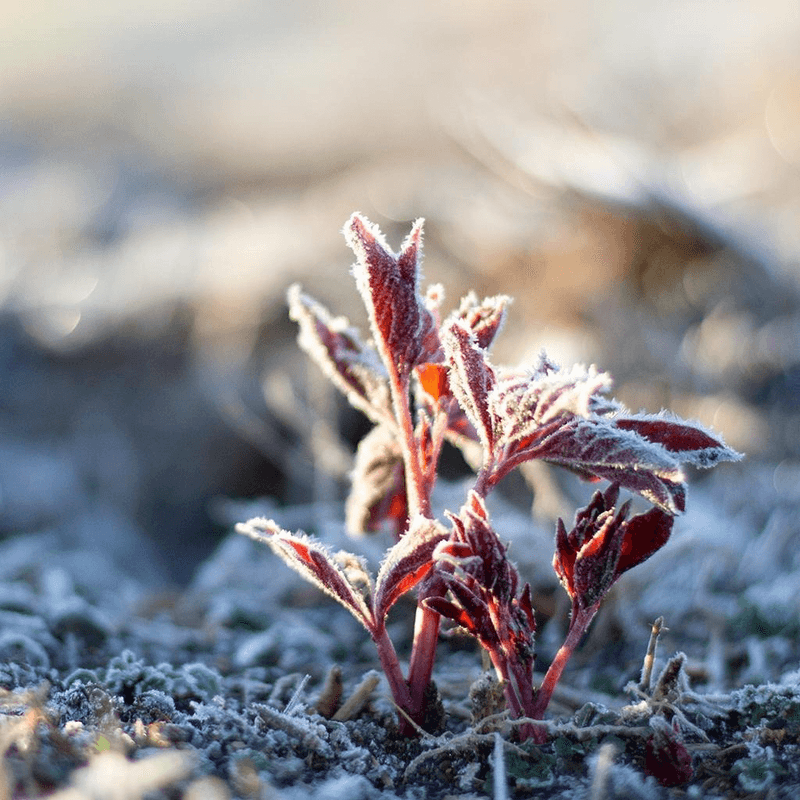
Those bright red peony shoots poking up through the Michigan soil in April look tough, but looks can be deceiving. New growth is soft, full of water, and completely exposed to whatever the weather decides to throw at it.
When temperatures dip below freezing overnight, that moisture inside the tissue freezes, causing the cells to break down.
The result is usually shoots that look mushy, darkened, or bent over by morning. It can feel alarming when you walk out and see your garden looking like that.
Most Michigan gardeners in the Lower Peninsula experience this at least once, especially during those warm weeks that suddenly flip back to freezing nights.
The good news is that catching it early gives you options. Covering your plants before a forecasted frost with old bedsheets, burlap, or even cardboard can make a real difference.
Lightweight frost cloth from any garden center works great and lets some light through during the day.
Watching your local Michigan weather forecast closely from mid-April through early May is one of the smartest habits you can build as a peony grower. A little preparation goes a long way when those surprise cold nights roll in.
2. Bud Stage Determines How Much Impact Occurs
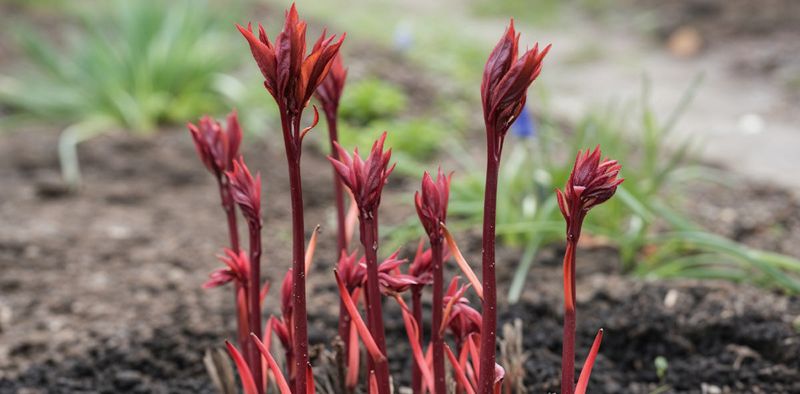
Not all peony buds react to frost the same way, and the stage your plant is at when the cold hits makes a huge difference. Tight, compact buds sitting close to the stems are actually more cold-tolerant than buds that have started to swell and expand.
Think of it like a sleeping bag versus a thin blanket. The tighter the bud, the more protection it naturally has.
Once a bud begins to grow larger and the petals start separating, that bud becomes noticeably more sensitive to freezing temperatures. In Michigan, late April is exactly when many peony varieties hit this more vulnerable swelling stage.
A cold snap during that window can mean the difference between a full, gorgeous bloom and a sad, shriveled one.
Paying attention to where your plants are in their bud development is genuinely useful. If you notice buds starting to swell and your Michigan weather app is showing overnight lows near freezing, act fast.
Even a simple covering of frost cloth draped loosely over the plant can protect those precious buds.
Gardeners who track bud stages alongside weather patterns tend to have much better bloom seasons than those who just hope for the best. Being proactive here is one of the most effective things you can do.
3. Flowers Can Be Reduced Or Distorted That Season
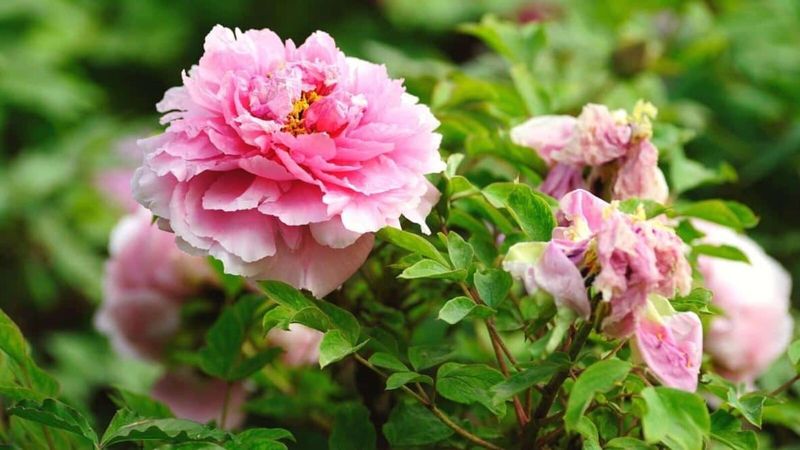
Peonies bloom only once per year, which makes every single blossom feel like a special event. When late April frost hits Michigan gardens during bud development, that one annual show can take a real hit.
Buds that were damaged by cold may open unevenly, stay smaller than normal, or fail to fully open at all.
The outer petals on an expanding bud are the first to experience frost injury. They can turn brown and papery, which sometimes locks the remaining petals inside and prevents the bloom from opening properly.
Even buds that do open may look distorted or lack the full, lush appearance that makes peonies so popular across Michigan landscapes.
It can feel frustrating to wait all year for those blooms and then watch them underperform because of one cold night. The most helpful mindset shift is understanding that frost impact on flowers is usually a one-season situation, not a permanent problem.
Your plant is not losing its ability to bloom beautifully. Future seasons can absolutely bring full, stunning flowers again.
In the meantime, removing any buds that are clearly too damaged to open properly can actually redirect the plant’s energy toward any remaining healthy buds.
That small step can improve the overall appearance of your Michigan peony garden even after a late frost rolls through.
4. Foliage May Darken Or Collapse After Frost
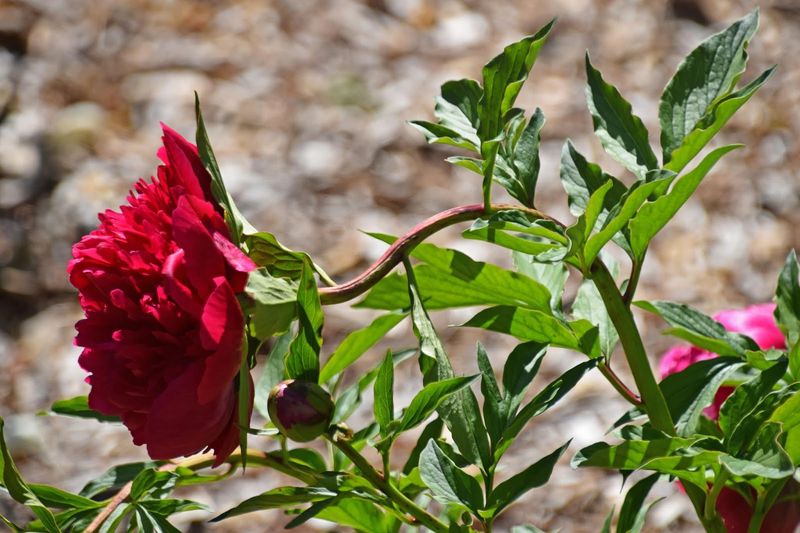
One of the most dramatic and unsettling sights in a Michigan spring garden is waking up to peony foliage that looks completely collapsed. Frost-affected leaves turn dark green, then almost black, and take on a water-soaked, limp appearance.
It looks much worse than it usually is, but it can still set your plant back for the season. What actually happens is that the water inside the leaf cells freezes overnight, then thaws as the sun rises.
That freeze-thaw cycle ruptures the cell walls, leaving the tissue unable to hold its shape. The leaves essentially lose their structure. In Michigan, where spring temperatures can swing from 65 degrees to below freezing within a week, this kind of damage is not unusual at all.
The important thing to know is that darkened foliage does not always mean the whole plant is struggling. If the crown and root system underground stayed protected, the plant has a solid chance of sending up new growth.
Removing the damaged foliage carefully and keeping the area clean helps reduce the chance of fungal issues, like Botrytis blight, which loves wet, damaged plant tissue.
Staying on top of cleanup after a frost event in Michigan can really help your peonies bounce back stronger and healthier as the season moves forward.
5. Plants Usually Regrow From The Crown After Frost
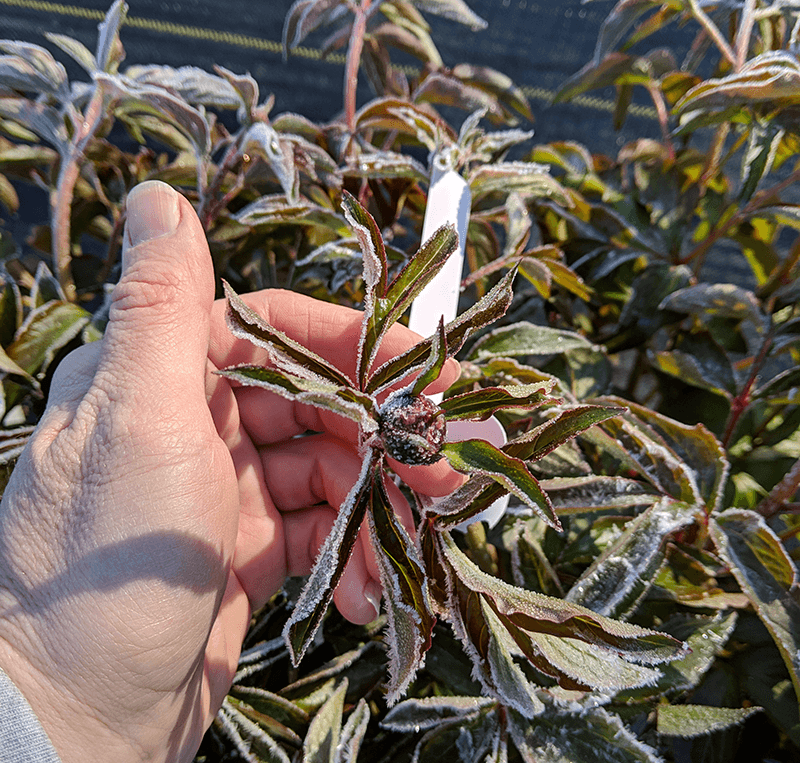
Here is something genuinely encouraging about peonies that every Michigan gardener should know. Even when the visible above-ground growth gets hit hard by a late frost, the plant itself is far from finished.
The crown, which is the thick cluster of buds and roots sitting just below the soil surface, is usually well insulated and protected from air temperature drops.
When the top growth gets affected, the crown often still has the energy and health to send up fresh new shoots. This regrowth typically begins once temperatures stabilize and nighttime lows stop threatening freezing conditions.
Watching new red shoots push up from a plant you thought was struggling is one of the most satisfying experiences in Michigan spring gardening.
Regrowth shoots may not have enough time in the season to develop full blooms, especially if the frost happened late in April and the plant lost significant growth. However, the plant is actively rebuilding itself, storing energy for next year, and staying strong underground.
Supporting that recovery is simple. Keep the soil evenly moist, avoid heavy fertilizing right after frost damage, and give the plant time.
Michigan peonies are genuinely tough plants with deep root systems that have seen many rough springs. Trusting that toughness while giving a little extra care goes a long way toward a healthy, happy garden.
6. Established Plants Are More Resilient Than New Plantings
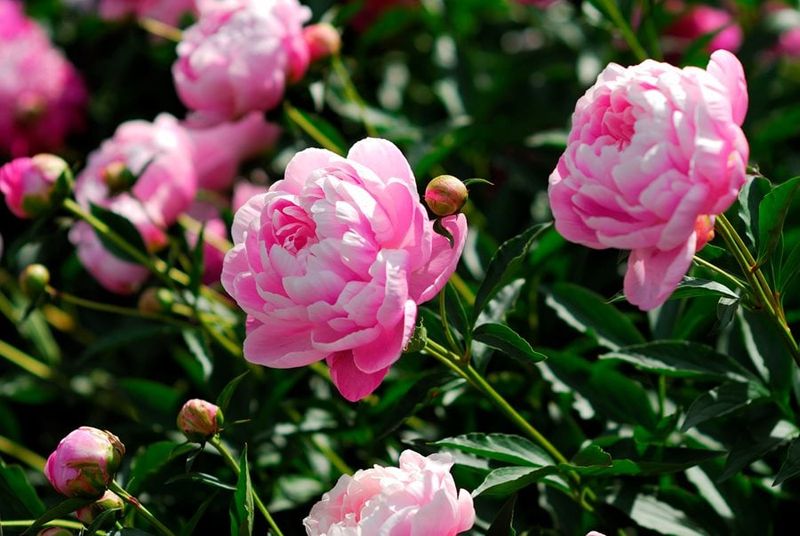
Age really matters when it comes to how peonies handle a late frost in Michigan. A peony that has been in the ground for five or more years has had time to develop a deep, energy-rich root system.
That stored energy acts like a backup battery, giving the plant the resources it needs to recover from frost setbacks relatively quickly.
Newly planted peonies are in a completely different situation. Their root systems are still small and shallow, which means they have less stored energy to draw from after a frost event.
Recovery tends to be slower, and in some cases, a newly planted peony may not bloom at all in its first year even without frost damage, since it is still getting established.
If you planted new peonies in Michigan last fall or earlier this spring, giving them extra protection during late April cold snaps is especially worthwhile.
A thick layer of mulch around the base of young plants helps insulate the soil and keeps the crown a little warmer during overnight freezes.
Frost cloth or even an upside-down bucket placed over a small new plant on a cold night can protect it significantly.
Giving your new plantings that extra attention during their first couple of Michigan springs sets them up to become those strong, resilient, long-lived plants that bloom reliably for decades.
7. Frost Rarely Affects Long-Term Plant Health In Michigan
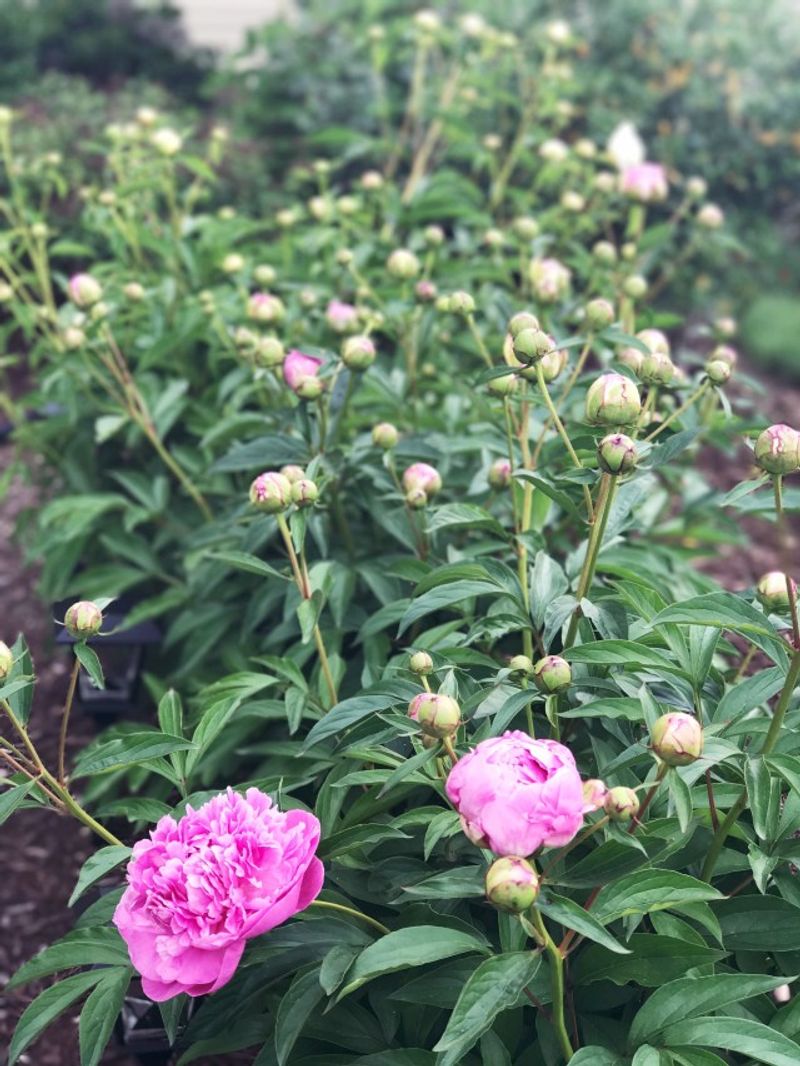
One late April frost in Michigan might make your peonies look rough for a few weeks, but here is the bigger picture. Peonies are genuinely one of the most long-lived perennials you can grow, with well-established plants thriving for 50 years or more in the right conditions.
A single frost event, even a damaging one, is just a small chapter in a very long story. The underground root system, which is where all the real action happens, stays protected by the soil even when surface temperatures drop sharply.
As long as the crown is not repeatedly exposed to extreme cold due to frost heaving or poor planting depth, the plant stays healthy and ready to grow again the following spring. Michigan peonies are built for this kind of climate.
What truly matters for long-term plant health is consistent care over the seasons. Good drainage, proper planting depth with the eyes no more than one to two inches below the soil surface, and avoiding heavy mulching in winter all contribute to a thriving plant.
One bad frost year does not erase years of healthy growth. Michigan gardeners who stick with their peonies through the unpredictable spring weather almost always get rewarded with spectacular blooms in the seasons that follow.
Patience and consistency are the real secrets to success with these beautiful, resilient plants.