What Late Frost Really Does To Grapevines In Michigan
As spring settles into Michigan, grapevines begin to wake up, sending out tender new shoots that signal the start of the growing season. It is an exciting stage, especially for gardeners hoping for a strong harvest later on.
But this early growth also comes with a risk that can change everything in a single night. A late frost can hit just as these young shoots are developing, and they are not built to handle sudden drops in temperature.
The effects may not always be obvious right away, which can make it hard to know how much impact there will be. What looks like minor damage at first can influence how the vine grows and produces throughout the season.
In Michigan, where spring weather can shift quickly, this is a common concern. Once you understand what late frost really does to grapevines, you can take steps to protect them and keep your plants on track.
1. New Shoots Are Extremely Sensitive To Freezing
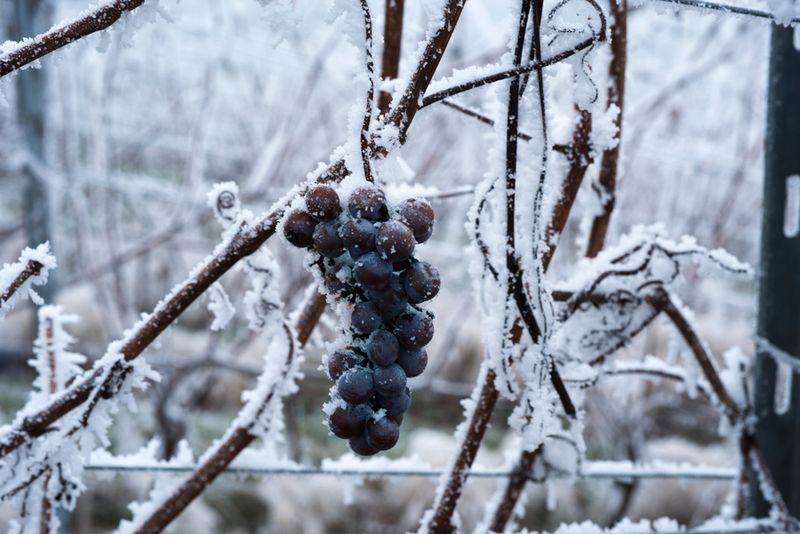
Young grapevine shoots are surprisingly fragile, and Michigan growers know this feeling all too well. Once buds break open and those bright green shoots begin pushing out, temperatures as low as 30 to 32 degrees Fahrenheit can cause real problems.
These tiny shoots hold everything the vine needs for the season ahead, including future leaves and grape clusters that will eventually become wine.
What makes this so tricky is how fast it happens. A warm week in April across the Southwest Michigan wine region can push vines into active growth, and then a single cold night rolls in and changes everything.
Growers in the Leelanau Peninsula often monitor forecasts obsessively during this window because even a few hours below freezing can impact tender tissue that took weeks to develop.
The damage is not always obvious right away. Shoots may look fine in the morning but show signs of stress within 24 hours as cells that were frozen begin to break down.
Early detection matters because growers can then decide how to manage the vine going forward.
Protecting shoots during this vulnerable stage, whether through frost fans, heaters, or sprinkler systems, is one of the most important investments a Michigan vineyard can make each spring season.
2. Primary Buds Can Be Lost Completely
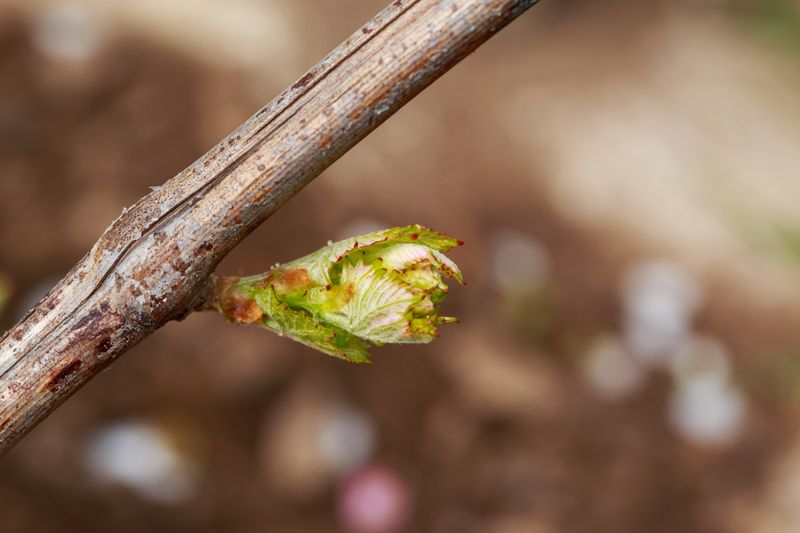
Every grapevine carries a built-in plan for the growing season, and primary buds are the star of that plan. These buds develop during the previous summer and carry the genetic instructions for producing the main fruit crop.
When a late frost hits Michigan vineyards after these buds have already started growing, the loss can be dramatic and immediate.
Primary buds are the most productive part of the vine. They typically carry two to three grape clusters each, meaning a single damaged bud represents a significant chunk of potential harvest.
In major growing areas like the Southwest Michigan wine region, losing a high percentage of primary buds across an entire block can slash expected yields by more than half in one cold event.
Growers cross-section buds after a frost to check for browning inside, which signals that the bud is no longer viable. This simple test tells them quickly how bad the damage is.
What is frustrating about primary bud loss is that there is no way to get that crop back during the same season. The vine will push secondary buds as a backup system, but those rarely match the output of primary buds.
Michigan viticulture programs often teach growers to leave extra buds at pruning time as insurance against exactly this kind of unpredictable spring weather.
3. Secondary Buds May Still Grow But Produce Less Fruit
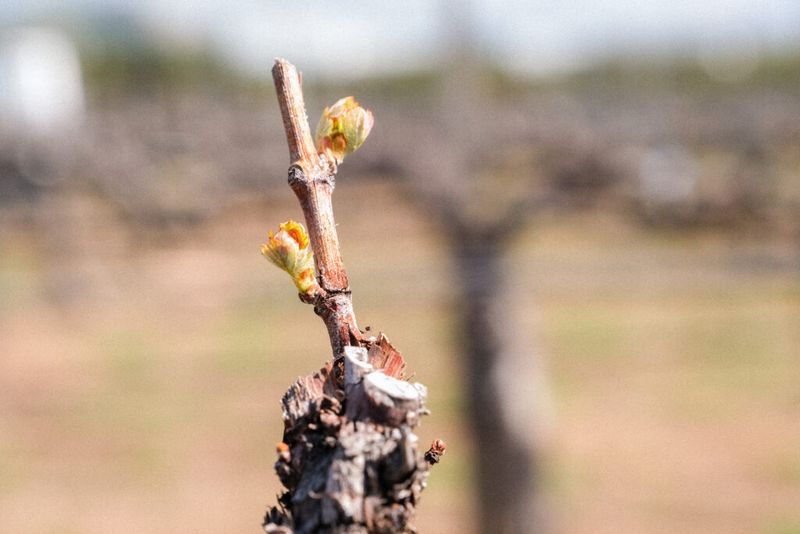
Nature gives grapevines a backup plan, and it comes in the form of secondary buds. When primary buds are affected by frost, the vine does not simply give up.
Secondary buds, which sit right next to primary ones, begin pushing growth as a survival response. Across Michigan vineyards, this recovery process is both encouraging and bittersweet at the same time.
Secondary buds can absolutely produce shoots and leaves, keeping the vine healthy and photosynthesizing through the season. The catch is that these buds carry far fewer grape clusters than primary ones.
Depending on the variety, secondary buds might produce only one cluster per shoot, or sometimes none at all.
For wine grape varieties like Riesling or Pinot Noir grown on the Leelanau Peninsula, this can mean a noticeably lighter harvest even when the vineyard looks visually green and full.
Experienced growers in Michigan understand that a vine pushing secondary growth is still a vine worth managing carefully.
Canopy management, fertilization, and water management all help support secondary shoots so they can at least contribute to vine health for the following season.
The vine stores energy in its roots and trunk, and keeping foliage growing through summer helps replenish those reserves. A lighter crop year is far better than a stressed vine that struggles to recover heading into the next growing season across Michigan wine country.
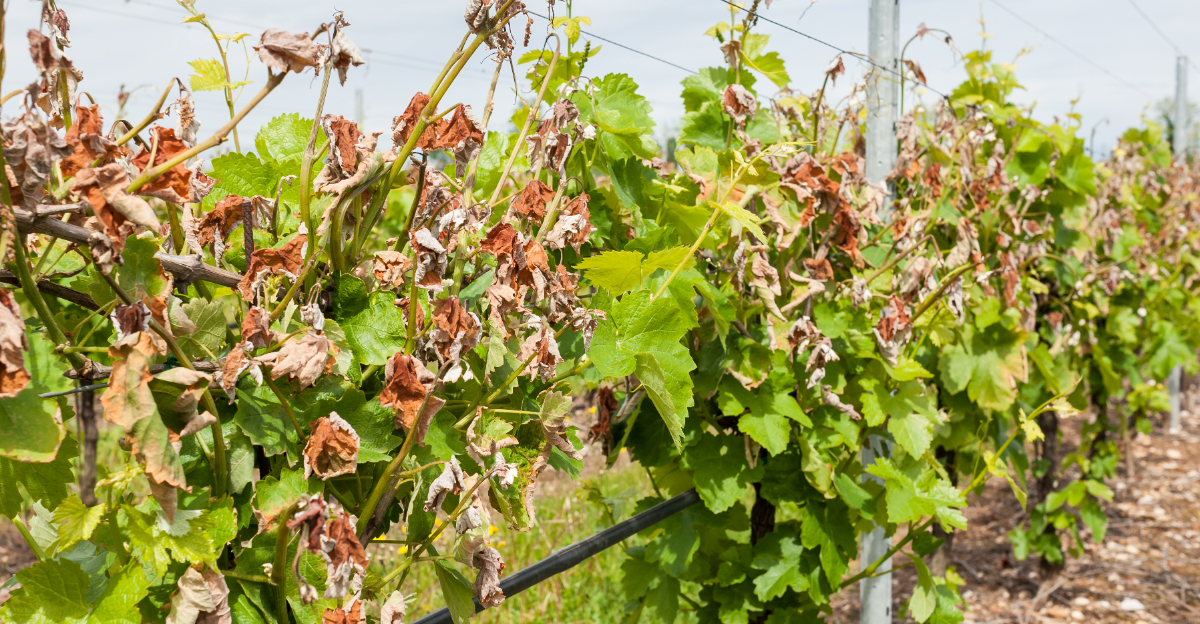
4. Damaged Shoots Turn Dark And Wilt Quickly
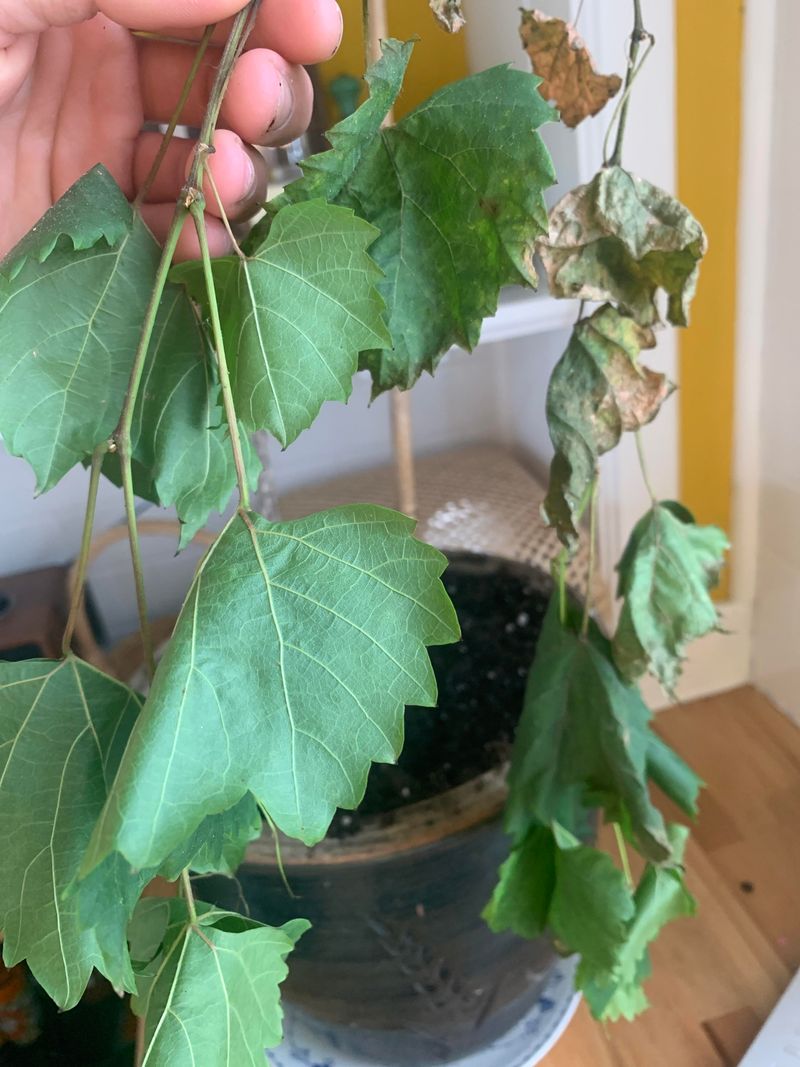
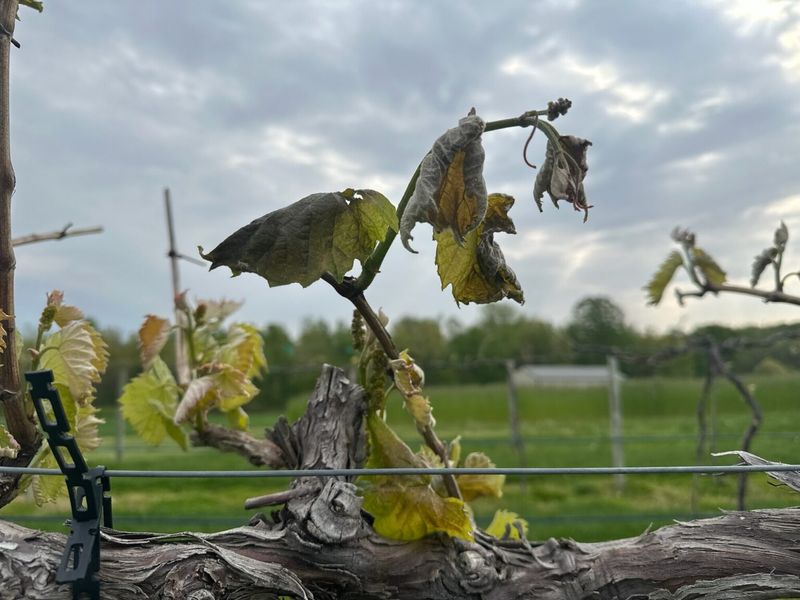
One of the most striking things about frost damage on grapevines is how visible it becomes within just a day or two. Right after a cold night, affected shoots may look perfectly normal, almost teasing growers into thinking everything survived.
Then, within 24 to 48 hours, the tissue begins showing the truth. Shoots turn from bright green to a water-soaked, dark brown color, and they collapse quickly.
Michigan growers often walk their rows the morning after a frost event, looking for this exact pattern. The wilting happens because frost causes ice crystals to form inside plant cells, rupturing their walls.
Once those cells break down, the shoot can no longer hold water or structural support, and it droops and darkens fast.
In the Leelanau Peninsula and Southwest Michigan growing regions, this visual assessment is one of the first steps in understanding how much of the crop was affected.
Knowing how to read this damage accurately helps growers make smart decisions quickly. Not every darkened tip means total loss, and experienced eyes can tell the difference between mild tip burn and more serious shoot collapse.
Taking notes on which rows, varieties, or low spots showed the worst damage helps build a clearer picture of frost patterns across the vineyard.
That information becomes incredibly valuable for planning frost protection strategies in future seasons throughout Michigan wine country.
5. Uneven Damage Across The Same Vineyard
Walk through a Michigan vineyard after a late frost and something surprising stands out. One row looks perfectly fine, green and full of growth, while just a few feet away another row looks completely wiped out.
Frost damage is rarely uniform, and the reasons behind this uneven pattern come down to simple physics and landscape features that growers learn to read over time.
Cold air is heavier than warm air, so it flows downhill and settles into low spots just like water filling a bowl. In vineyards with uneven terrain, frost pockets form in valleys or depressions while the slopes above stay several degrees warmer.
This is why vineyards planted on gentle slopes near the Great Lakes, like many across the Leelanau Peninsula, often fare better than flat or low-lying inland sites during the same frost event.
Proximity to water also plays a huge role in Michigan. The thermal mass of Lake Michigan and other large lakes releases stored heat overnight, keeping nearby air temperatures just warm enough to avoid freezing.
Vineyards within a mile or two of a large body of water can sometimes escape a frost that flattens an inland vineyard just a short drive away.
Smart site selection has always been one of the most important factors in Michigan viticulture, and late frost patterns are a big reason why growers pay such close attention to elevation, slope, and water proximity when planting new blocks.
6. Delayed Growth After Frost Sets In
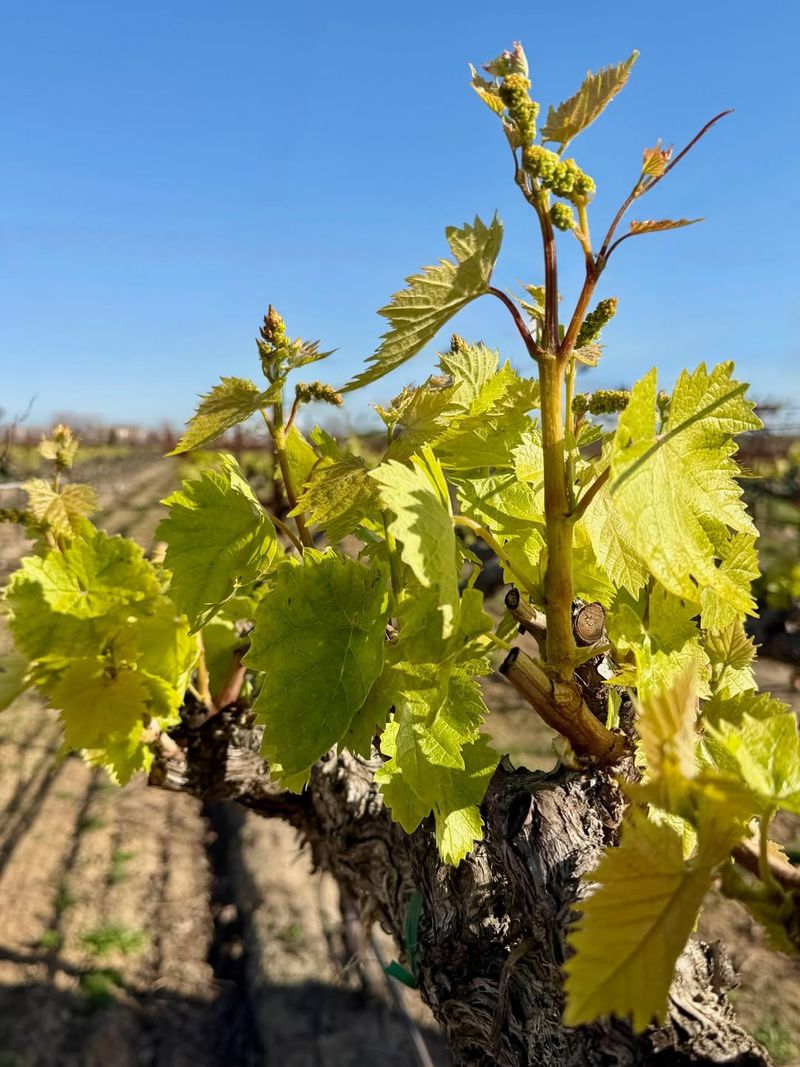
Even when a grapevine manages to push through a frost event without losing everything, the season does not simply continue as planned.
Growth slows down noticeably after cold damage, and the vine spends precious energy redirecting resources to recover rather than developing at a normal pace.
For Michigan growers already working within a relatively short growing season, this delay creates a ripple effect that lasts all the way to harvest.
When primary buds are affected and secondary buds take over, the timeline shifts. Secondary shoots emerge later and develop more slowly, pushing fruit ripening further into fall.
In a state where early October frosts are not uncommon, especially inland, a delayed harvest can mean grapes that never fully ripen before cold returns.
Varieties like Cabernet Franc or Gewurztraminer require enough heat accumulation to develop proper sugar levels, and a late frost in spring can eat directly into that window.
Growers in the Southwest Michigan wine region and other parts of the state sometimes respond to frost-delayed growth by adjusting canopy management to maximize sun exposure.
Removing extra leaves around fruit zones, positioning shoots carefully on the trellis, and monitoring vine health closely all help push ripening along.
The goal is to make the most of every remaining warm day before fall arrives. Michigan viticulture demands flexibility, and adapting the management plan mid-season after a frost is a skill that experienced growers develop over many years of working the land.
7. Repeated Frost Events Compound The Damage
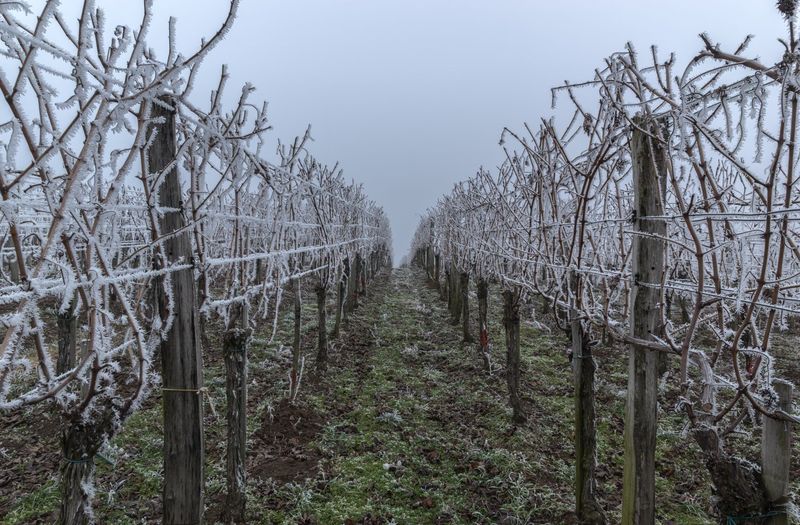
A single frost night is tough enough, but Michigan springs sometimes deliver two, three, or even more cold events within a short stretch of time.
Each additional frost hits vines that are already trying to recover, and the combined impact is far worse than any single event alone.
Secondary buds that pushed after the first frost can be affected by the second, leaving vines with very little left to work with for the season.
Michigan has a variable spring climate shaped by the Great Lakes, and that variability cuts both ways. The lake effect can moderate temperatures and delay frost in some years, but in others it can produce late cold snaps well into May.
Growers who thought the season was safe after a mid-April frost sometimes get surprised again.
The Leelanau Peninsula and other northern Michigan growing regions are particularly familiar with this pattern, where the season feels like it starts and stops multiple times before finally settling into summer warmth.
Managing vines through repeated frost events requires patience and careful observation. Growers track bud development closely and adjust frost protection measures accordingly.
Overhead sprinkler systems, wind machines, and smudge pots all have their place in the toolkit, but none of them are perfect in every situation.
The most effective defense is a combination of good site selection, proper variety choice, and staying alert to forecasts throughout the unpredictable Michigan spring season every single year.
8. Established Vines Bounce Back In Future Seasons
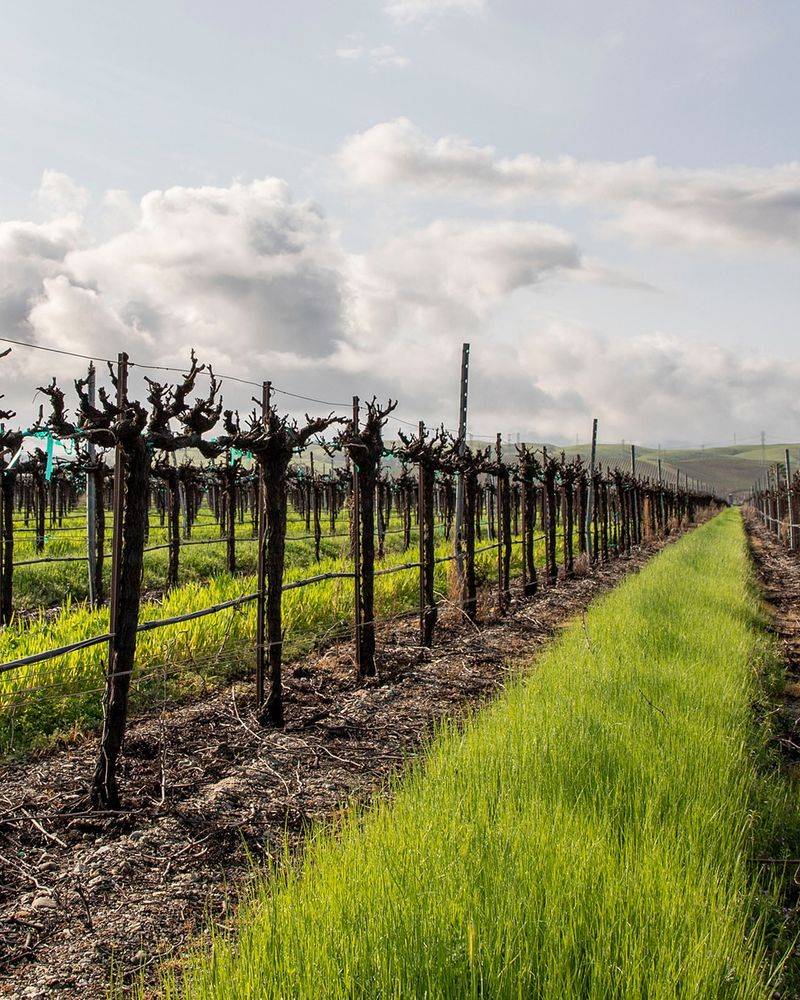
Here is the part that gives Michigan grape growers real hope after a rough spring: mature grapevines are incredibly resilient.
While a late frost can seriously impact the current season’s crop and shoot development, the vine itself typically comes back strong the following year.
The root system, trunk, and cordons of an established vine store large amounts of energy that keep the plant alive and ready to grow again when conditions improve.
This resilience is one of the reasons why Michigan vineyards continue to thrive despite the state’s challenging spring climate. A vine that has been in the ground for ten or fifteen years has built up significant reserves.
Even after losing most of its primary buds and experiencing delayed growth through a difficult season, that vine can produce a strong crop the very next year if managed well.
Growers on the Leelanau Peninsula and in the Southwest Michigan wine region count on this recovery ability when planning their long-term vineyard economics.
The key is keeping the vine as healthy as possible through the damaged season. Maintaining good nutrition, managing disease pressure, and supporting whatever canopy does develop all help the vine store energy for the future.
Younger vines take longer to recover because their reserves are smaller, which is why protecting new plantings during frost events is especially important.
With the right care and attention, Michigan vineyards have shown time and again that one hard frost season does not define the long-term story of a great vineyard.