What Late Frost Really Does To Magnolia Trees In Michigan
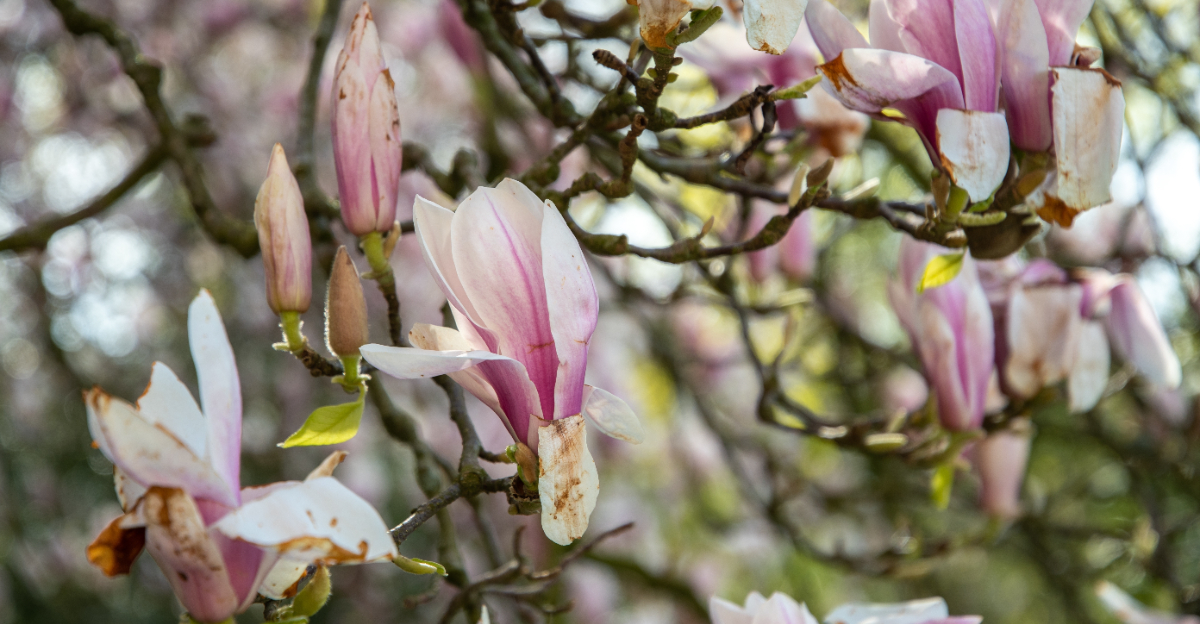
Magnolia trees put on one of the most beautiful early spring displays, and in Michigan, their blooms often feel like the first real sign that warmer days are on the way.
Those soft pink and white flowers can cover the branches almost overnight, turning any yard into a standout. But just as quickly as they appear, a sudden late frost can change everything.
Many gardeners are caught off guard when temperatures dip again after a stretch of mild weather, leaving them wondering what kind of damage their trees might face.
In Michigan, late frosts are not unusual, and they tend to arrive right when magnolias are at their most vulnerable stage.
The timing can affect whether buds open fully, turn brown, or drop early, which impacts how long the display lasts.
Understanding what is actually happening to the tree during these cold snaps can help you know what to expect and how to respond.
1. Open Flowers Are Highly Sensitive To Cold
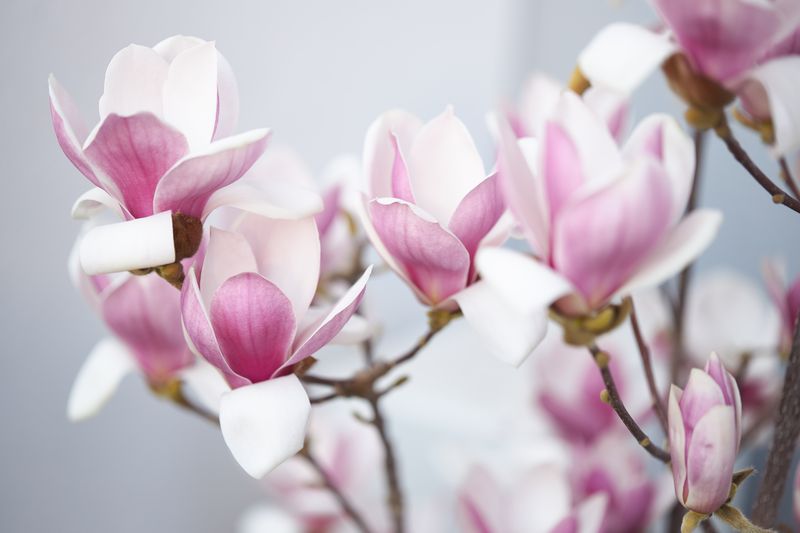
Imagine your magnolia tree finally bursts into full bloom after a long Michigan winter, and then overnight temperatures crash below freezing.
Once magnolia flowers open completely, they lose nearly all their natural cold tolerance. Temperatures around 28°F or lower can affect open blooms within just a few hours.
Saucer magnolias like Magnolia x soulangeana are especially vulnerable because they bloom so early, often in April across Michigan’s Lower Peninsula.
The petals are soft and full of water, which makes them react quickly to freezing air. A single cold night is genuinely enough to affect an entire season’s worth of blooms on a mature tree.
Gardeners sometimes cover smaller trees with frost cloth or old bedsheets when a cold snap is forecast. This simple trick traps warmth near the flowers and can make a real difference.
Watching the forecast closely during bloom time in Michigan is one of the smartest habits any magnolia grower can develop.
Even a one or two degree difference in overnight temperature can determine whether your tree puts on a spectacular show or a disappointing one that season.
2. Petals Turn Brown And Collapse Quickly
There is something genuinely heartbreaking about walking outside after a cold Michigan night to find your magnolia’s flowers hanging limp and brown.
Frost-damaged petals first appear water-soaked, almost translucent, before they quickly shift to a rusty brown color.
The collapse usually happens fast, sometimes within just a few hours of sunrise. This browning is actually caused by ice crystals forming inside the flower’s cells.
When water inside the petals freezes, it expands and ruptures the cell walls. Once those cells break down, the flower has no way to recover, and the damage becomes permanent almost immediately.
Many Michigan gardeners mistake this browning for a disease or pest problem at first glance.
Knowing that frost is the real cause saves a lot of unnecessary worry and keeps you from reaching for treatments that will not help.
The good news is that the brown petals will eventually fall off naturally, and the tree itself stays healthy throughout this whole process.
Raking up the fallen petals keeps your yard looking tidy while you wait for the tree to move into its leafing-out phase, which usually follows bloom time by just a week or two across most of Michigan.
3. Bud Stage Determines Survival
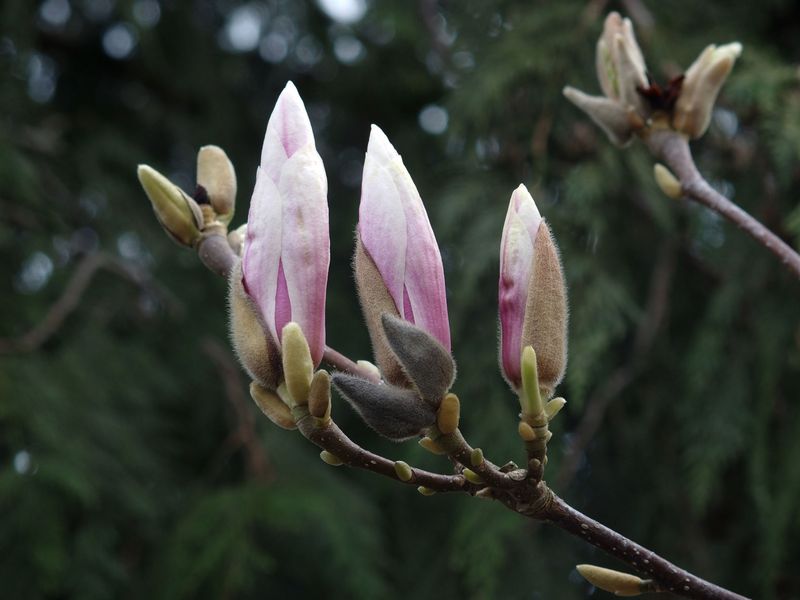
Not every bud on your magnolia tree is equally at risk when a cold night hits. Tightly closed buds can survive temperatures several degrees lower than fully open flowers can handle.
This is why you sometimes see a single tree with some fresh blooms still intact while other flowers nearby have already turned brown.
Michigan’s unpredictable spring weather often creates exactly this mixed result. Warm days encourage some buds to open early while others stay closed a little longer, and then a frost comes through and affects only the open ones.
The closed buds often survive and open later, giving the tree a second wave of color that gardeners really appreciate after a rough cold snap.
Understanding bud stages helps you predict which trees on your property might fare better after a frost.
A tree that was just starting to show color when the freeze hit will likely look much better than one that was already in full bloom.
Paying attention to bud development each spring in Michigan turns you into a better observer of your garden.
Over time, you start to recognize which trees tend to open first and which ones hold back a little longer, giving you a clearer picture of what to expect after any late-season cold event.
4. Trees Leaf Out Normally Despite Flower Loss
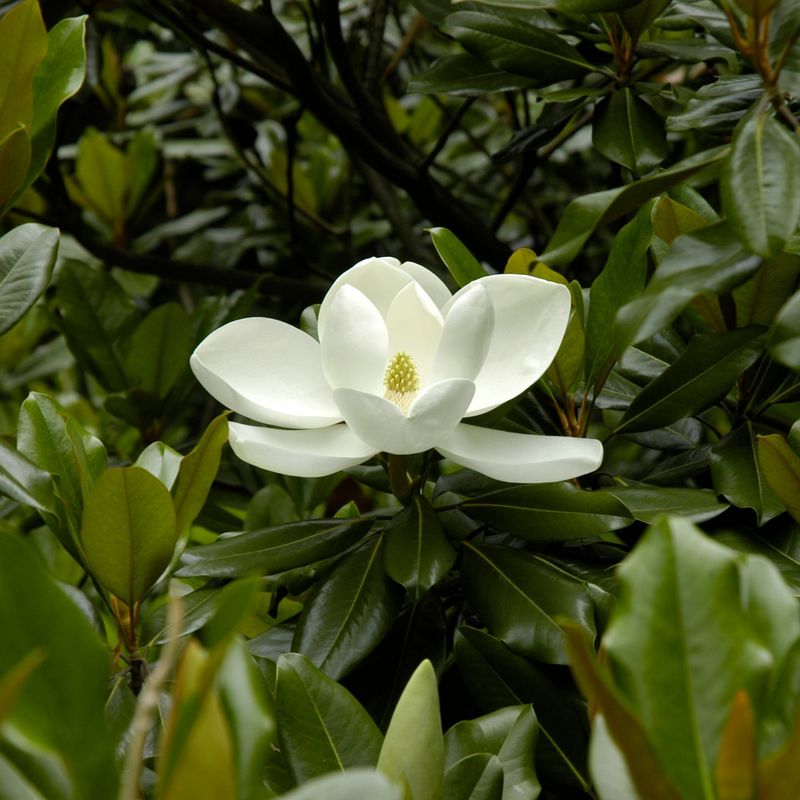
One of the most reassuring things about magnolia trees in Michigan is how well they bounce back after a frost hits their flowers.
Even when every single bloom turns brown and falls off, the tree keeps growing like nothing happened.
Leaves push out, branches extend, and the whole tree looks lush and green within a few weeks.
Frost damage to magnolia flowers is mostly a cosmetic problem, not a health problem. The roots, branches, and leaf buds are far more cold-hardy than the delicate flower petals.
Michigan gardeners who see frost-damaged blooms sometimes panic, thinking their tree is struggling, but the leafing-out process tells a completely different story.
Watching a magnolia fill in with fresh green leaves after losing its flowers is actually a good reminder of how tough these trees really are.
They have been growing in challenging climates for millions of years and are genuinely built to recover.
The energy the tree would have put into developing seeds from those flowers simply gets redirected into healthy leaf and branch growth instead.
By midsummer, a frost-affected magnolia in Michigan looks completely indistinguishable from one that had a perfect bloom season, which is a comforting fact for any gardener feeling disappointed after a late cold snap.
5. Early Blooming Types Are Most At Risk
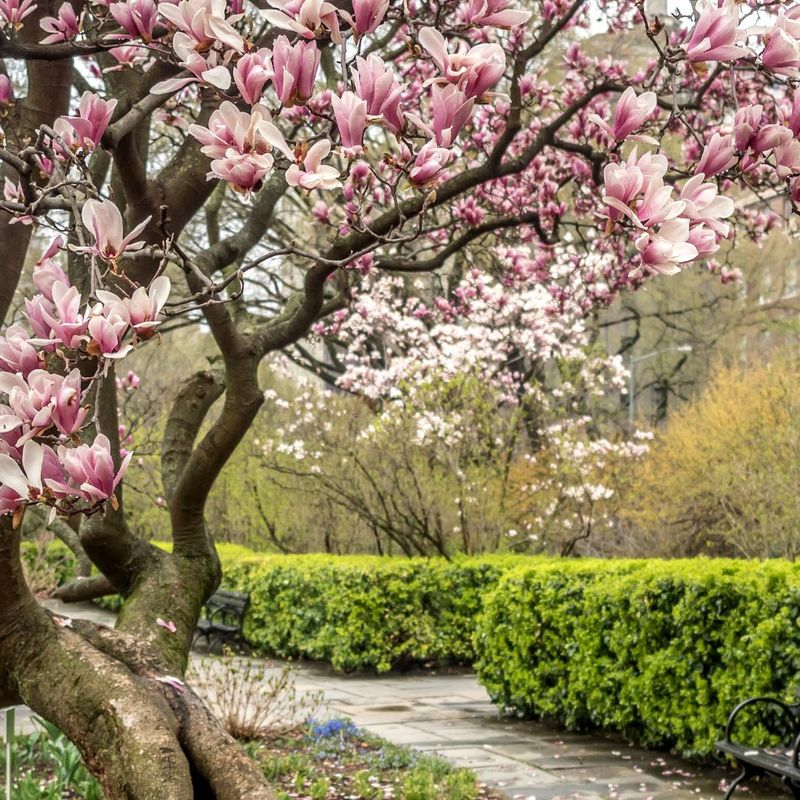
Timing is everything when it comes to frost risk for magnolias in Michigan. Saucer magnolias, known by their scientific name Magnolia x soulangeana, are among the earliest bloomers in the state.
They often open their flowers in April across the Lower Peninsula, which is right in the window when late frosts are still very possible.
Later-blooming magnolia varieties like Magnolia virginiana or some of the newer hybrid cultivars open their flowers several weeks after saucer magnolias do.
By the time those later types bloom, Michigan temperatures have usually stabilized enough that frost is much less likely.
Choosing a later-blooming variety is one of the best practical decisions a Michigan gardener can make if frost damage has been a recurring frustration.
Did you know that breeders have specifically developed magnolia cultivars with later bloom times to address this exact problem?
Varieties like ‘Yellow Bird’ and ‘Butterflies’ bloom later in the season and have shown much better frost resilience in Michigan landscapes.
Talking to a local nursery professional about which cultivars perform best in your specific part of Michigan is genuinely worth the conversation.
The right variety planted in the right spot can give you a reliable bloom display year after year, even in areas where late April frosts show up regularly.
6. Repeated Frost Events Increase Damage
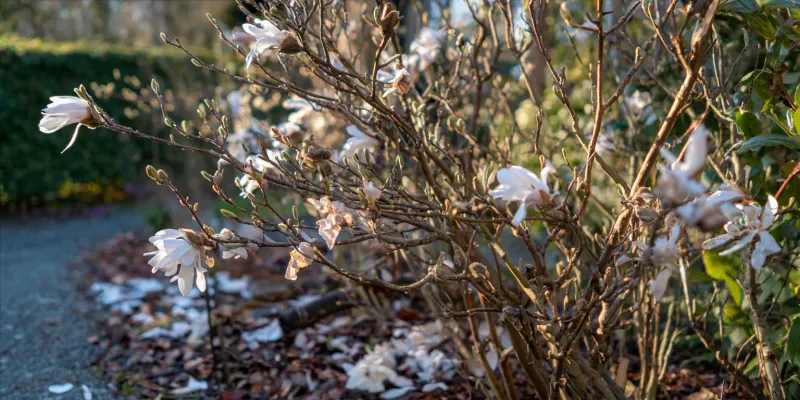
A single frosty night is tough on magnolia blooms, but a stretch of repeated cold nights during bloom season is a whole different challenge.
Each additional frost event affects more flowers, including buds that were just beginning to crack open when the first freeze hit.
Over several cold nights, even buds that initially survived can eventually get affected. Michigan’s spring weather is famous for these kinds of back-to-back temperature swings.
A warm week can pull flowers wide open, and then a cold front rolls through for several nights in a row before temperatures finally stabilize.
This pattern is especially common in late April and early May, which lines up almost perfectly with peak bloom time for early magnolia varieties across much of the state.
Gardeners dealing with repeated frost events can try covering their trees on the coldest nights, but this becomes harder to manage as temperatures fluctuate unpredictably.
Mulching around the base of the tree helps retain soil warmth, which offers at least some indirect benefit during cold snaps.
Staying connected to local Michigan weather forecasts during bloom season makes a real difference in how prepared you can be.
Apps that show hourly overnight temperatures are especially useful for planning when to add protection and when the risk has finally passed for the season.
7. Location Strongly Affects Outcomes
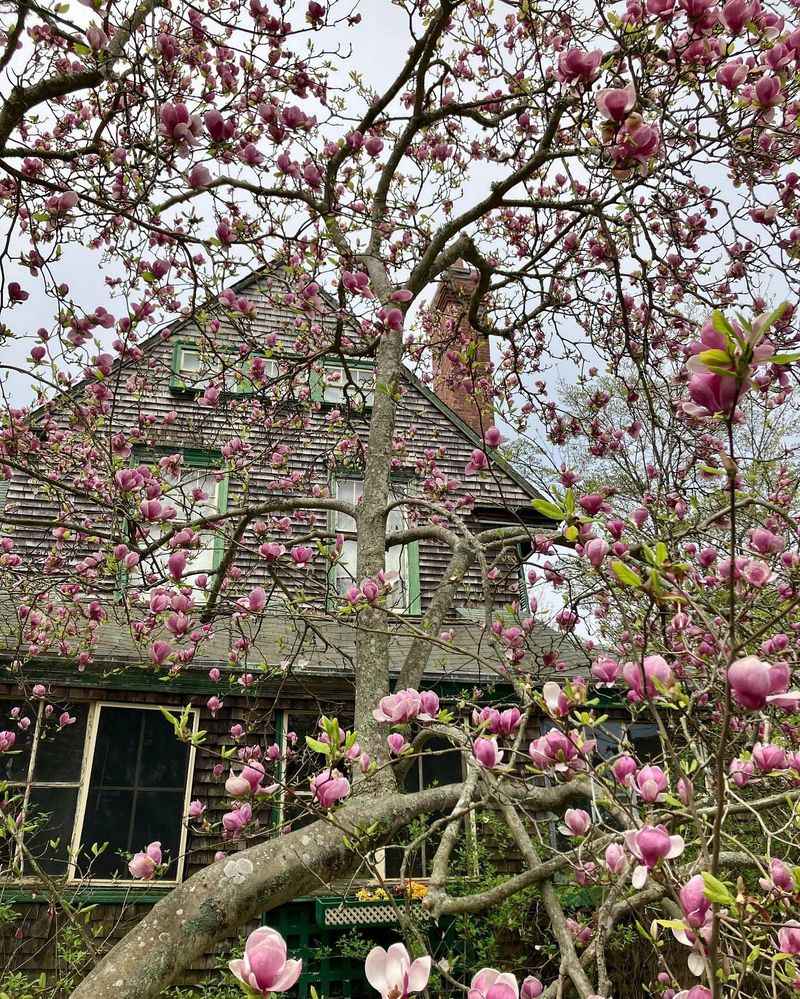
Where you plant your magnolia in Michigan matters more than most people realize. Cold air is heavier than warm air, and it naturally flows downhill and collects in low-lying areas like valleys, drainage swales, and open flat spots.
A magnolia planted in one of these frost pockets faces a noticeably higher chance of bloom damage than one planted on a gentle slope or near a structure.
Trees planted close to south or west-facing walls benefit from the heat that brick and stone absorb during the day.
That stored warmth radiates back out overnight, keeping the air around the tree a few degrees warmer than open areas nearby.
In Michigan, a few degrees can absolutely be the difference between a full bloom display and a frost-affected one.
Urban areas across Michigan, including neighborhoods in Grand Rapids, Lansing, and Ann Arbor, often experience slightly warmer overnight temperatures than rural areas do, which gives city gardeners a small advantage.
Thinking carefully about microclimate when you choose a planting spot for a new magnolia is one of the most valuable things you can do before ever digging a hole.
Elevated sites, spots near heated structures, and areas with good air drainage consistently produce better bloom outcomes for magnolias during Michigan’s unpredictable spring season than exposed or low-lying planting locations do.
8. No Impact On Next Year’s Bud Formation
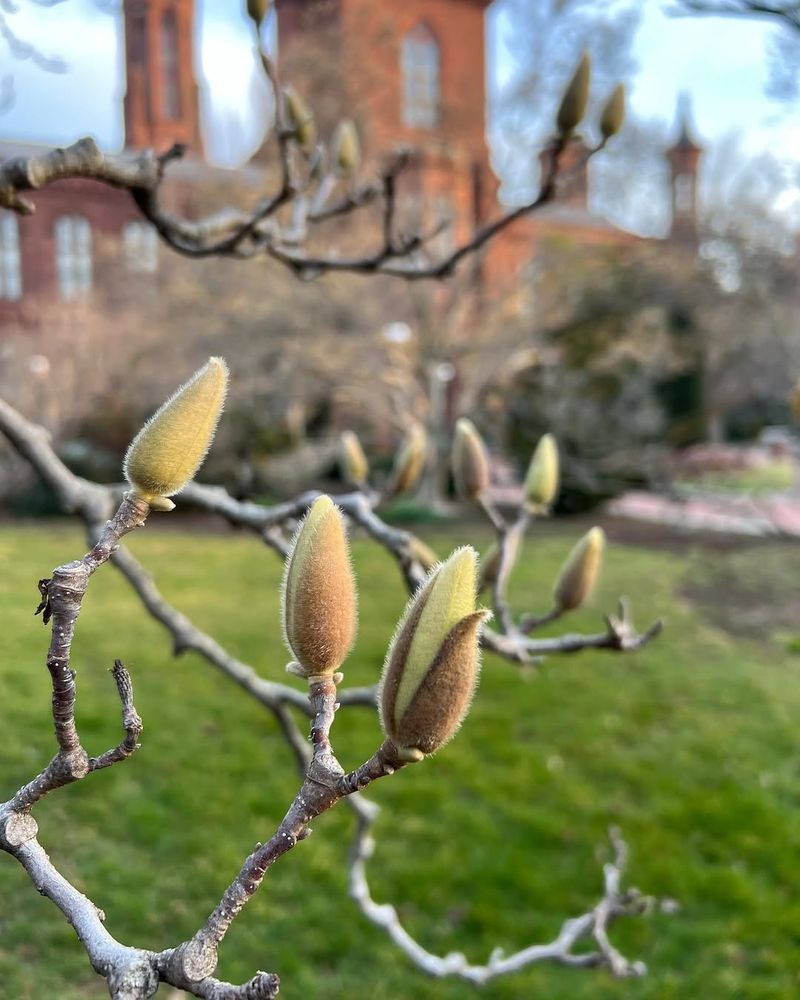
Here is some genuinely good news for Michigan gardeners who feel let down after a frost ruins their magnolia’s bloom season.
The buds that will produce next year’s flowers do not even begin forming until later in the summer, well after the frost damage has come and gone.
A bad bloom year caused by late frost has absolutely zero effect on what your tree will do the following spring.
Magnolias set their next season’s flower buds during the summer and early fall months. By the time those buds are developing, Michigan temperatures are warm and stable, giving the process plenty of time to complete without any cold interference.
The tree essentially resets itself and prepares a fresh round of blooms for the next year entirely on its own schedule.
Many Michigan gardeners who experience a frost-damaged bloom year are pleasantly surprised when their magnolia comes back the following spring looking absolutely stunning.
The tree has had a full growing season to build energy reserves and develop strong, healthy buds.
Keeping your magnolia well-watered during dry stretches in summer and lightly fertilized in early spring helps it stay vigorous and productive.
A tree in good overall health bounces back from a poor bloom season faster and produces more impressive flowers the next time around, which makes consistent basic care one of the best investments you can make.