What Late Frost Really Does To Peach Trees In Michigan
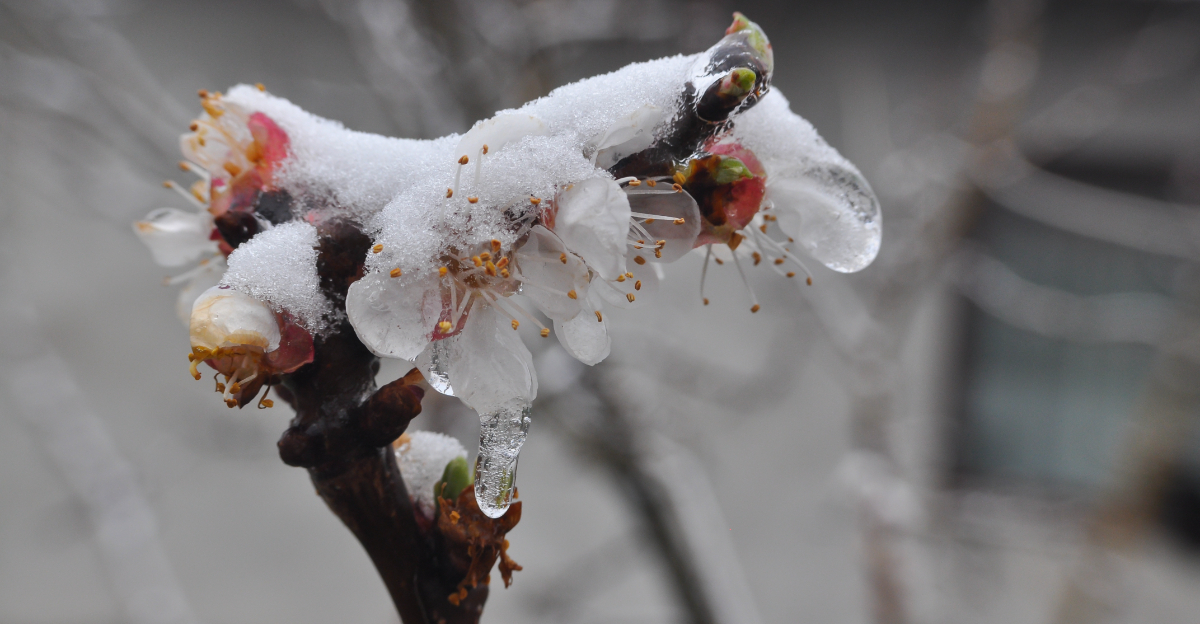
Just when spring seems to be settling in across Michigan, peach trees begin to bloom, filling the air with soft color and the promise of fruit. It is an exciting time for gardeners, but it also comes with a hidden risk.
A sudden late frost can arrive when everything looks perfectly on track, catching those delicate blossoms at the worst possible moment. Peach trees are especially sensitive during this stage, and even a short dip in temperature can affect how the flowers develop.
The impact is not always obvious right away, which can make it confusing to know what to expect later in the season. What looks like a healthy tree in April may produce fewer peaches than expected.
In a state known for unpredictable spring weather, this is a challenge many gardeners face. Once you understand what late frost really does to peach trees, you can better prepare and protect your harvest.
1. Open Blossoms Are Extremely Vulnerable
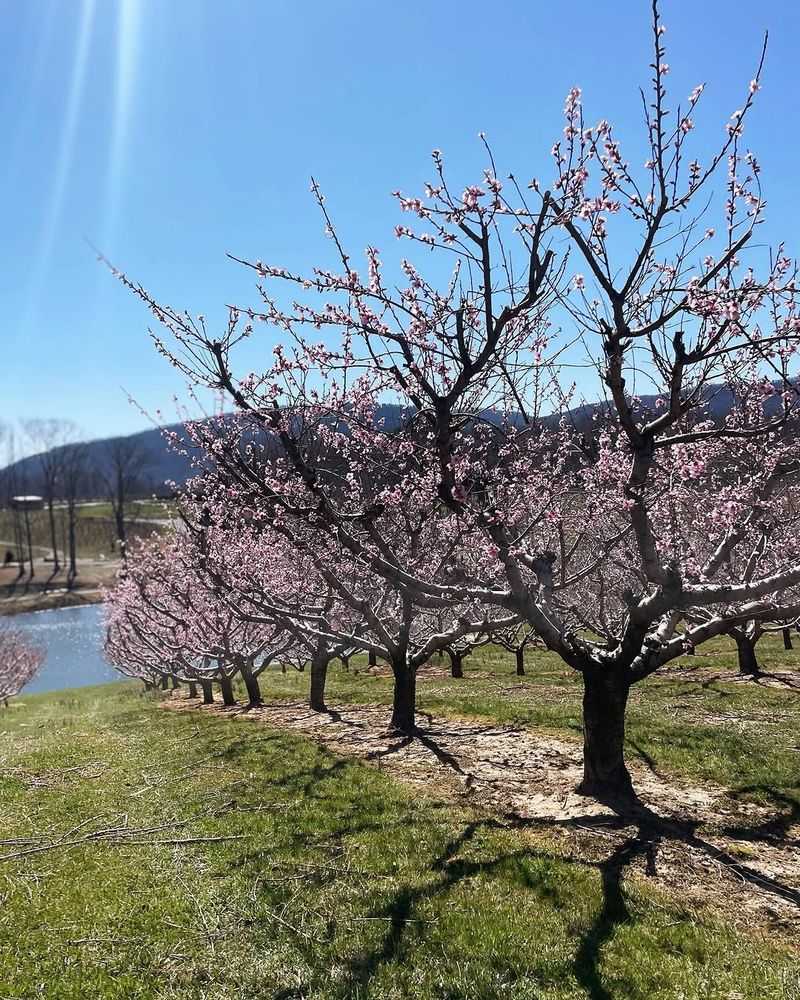
There is a narrow, fragile window in spring when peach blossoms are fully open and completely exposed to whatever the weather throws at them.
Once those flowers open up, temperatures dropping below 28°F can cause serious damage to the reproductive parts inside.
Michigan’s April nights are notorious for dropping fast after a warm afternoon, catching growers off guard.
When a peach blossom is fully open, the pistil and stamens inside are soft and unprotected. Even just a few hours below freezing at this stage can prevent pollination from happening at all.
The rest of the tree may look perfectly fine the next morning, but the damage is already done inside those tiny flowers.
Growers across Michigan’s Lower Peninsula watch the forecast obsessively during bloom season for exactly this reason. A warm week in early April can push trees into full bloom fast, and then a cold front rolls in and undoes weeks of progress.
Covering smaller trees or running wind machines overnight can make a real difference when temperatures are predicted to dip into dangerous territory. Every open blossom counts when you are hoping for a full crop.
2. Bud Stage Determines Level Of Damage
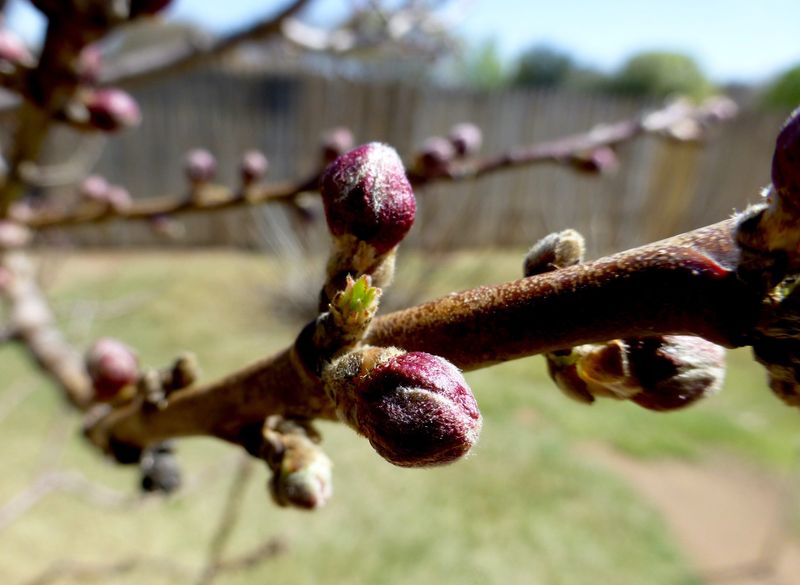
Not every bud on a peach tree faces the same level of risk from a cold snap. The developmental stage of each bud at the time of a frost event makes a huge difference in whether it survives or struggles.
Tight, closed buds can handle colder temperatures, sometimes surviving down to 21°F or lower without major issues.
As buds progress through stages like pink tip, half-inch green, and full bloom, their cold tolerance drops significantly. A bud at full bloom can be damaged at just 28°F, while a bud still in the early pink stage might handle 25°F without major losses.
Michigan growers use these thresholds as guidelines when deciding whether to take protective action on a cold night.
What makes Michigan orchards especially tricky is that one tree can carry buds at several different stages at the same time. Uneven spring warming pushes some branches ahead of others, creating a patchwork of vulnerability across a single tree.
One side of an orchard might escape a frost with minimal losses while another section takes a harder hit. Knowing which stage your trees are in before a cold night gives you a real advantage in planning how to protect them.
3. Trees Can Leaf Out Normally With No Fruit
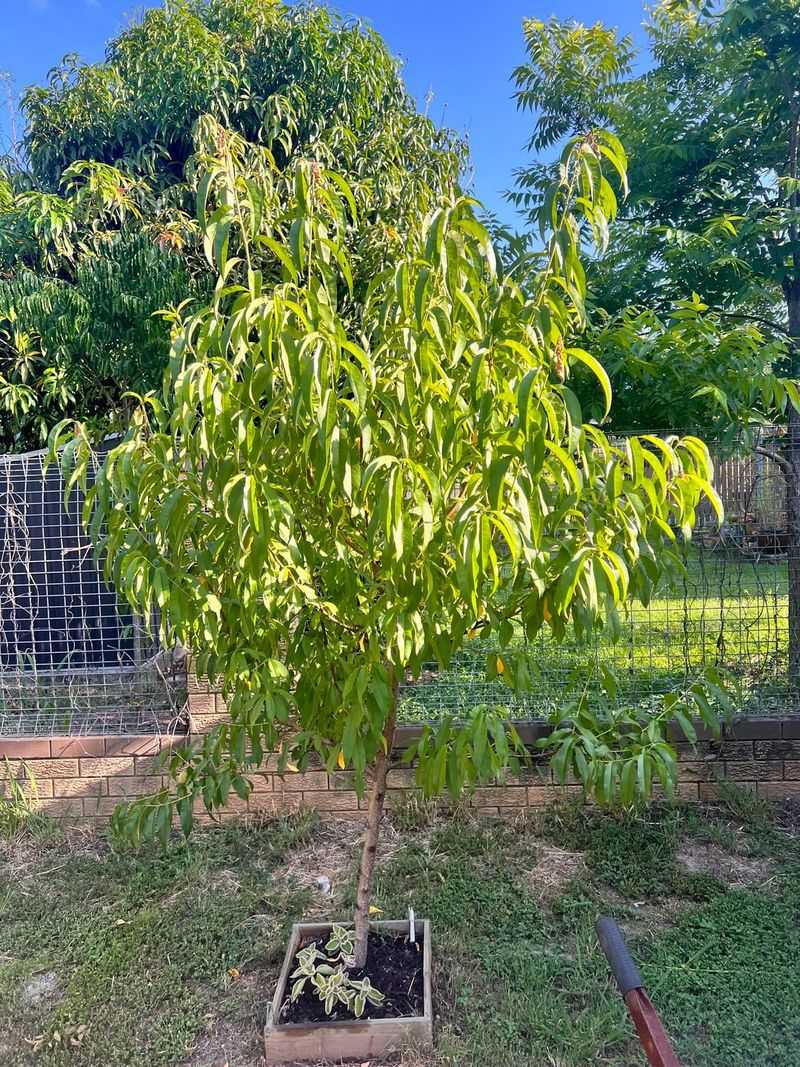
One of the most confusing things a grower can experience is watching a peach tree leaf out beautifully in May, only to realize weeks later that no fruit is forming anywhere on it. The tree looks strong and green, so it can feel like something mysterious is going on.
What actually happened was a late frost hit the flowers weeks earlier without leaving obvious damage on the leaves.
Frost damage in peach trees is selective. It targets the reproductive parts of the flower first, leaving the vegetative parts like leaves and branches untouched.
The ovule inside the flower gets damaged or destroyed, so no fruit can develop, even though the tree continues growing normally in every other way.
This situation happens regularly across Michigan after late April or early May frost events. Growers in southwestern Michigan, where most commercial peach production happens, sometimes describe seasons where the trees looked their best but produced almost nothing.
It is a frustrating reminder that a healthy-looking tree does not always mean a productive one. Monitoring bloom carefully and checking flowers after every cold night helps confirm whether fruit set is likely.
Early awareness gives growers time to adjust plans for the season ahead rather than being surprised come harvest time.
4. Damaged Flowers Turn Dark And Wilt
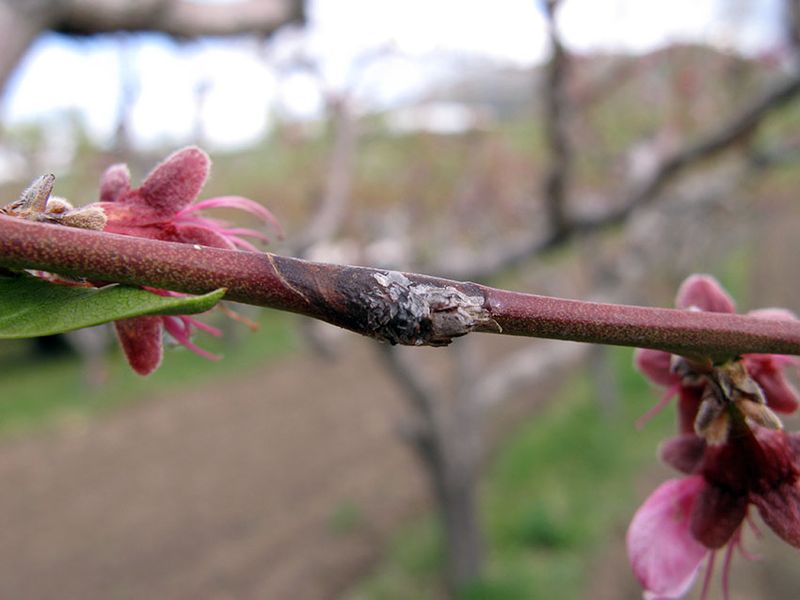
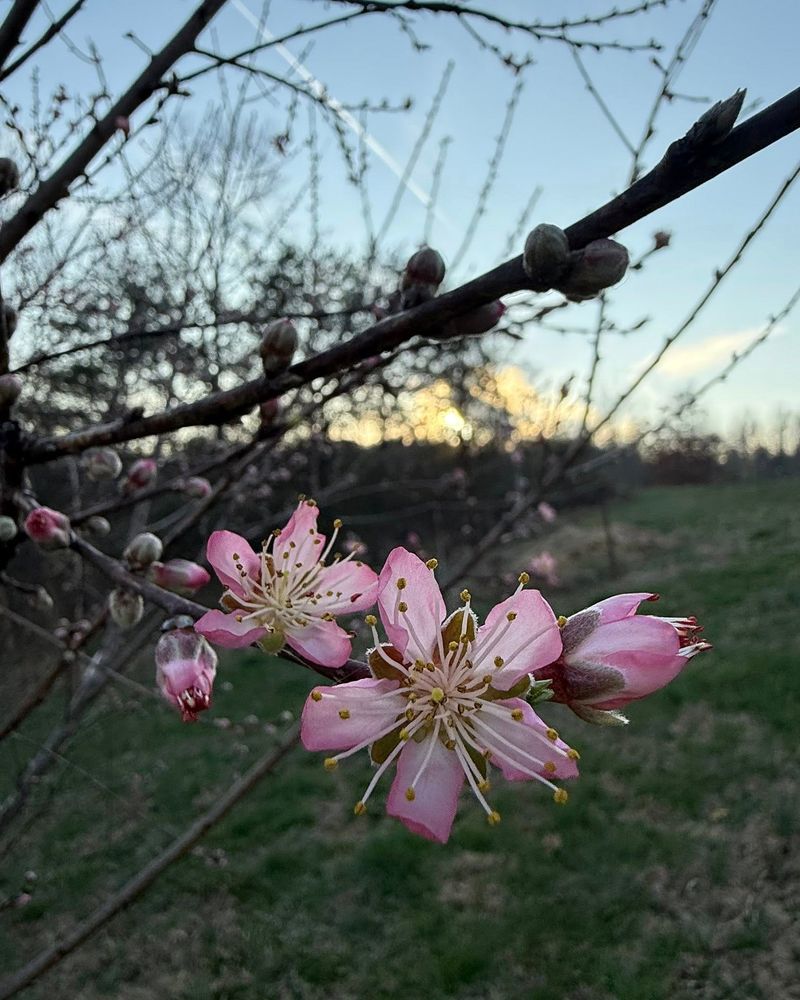
Right after a frost event, one of the first things a grower should do is walk the orchard and look closely at the blossoms. Frost-damaged peach flowers go through a recognizable set of changes that are easy to spot once you know what to look for.
Shortly after freezing temperatures, affected flowers often look water-soaked and slightly translucent, almost like they got wet.
Within a day or two, those same flowers darken and collapse. The center of the bloom, where the pistil sits, turns brown or black first.
That dark center is the clearest sign that the reproductive part of the flower was damaged and will not produce fruit. The petals may still look pink and intact on the outside, which is why checking the center matters more than just looking at the flower from a distance.
Michigan growers who check their trees within 24 to 48 hours of a freeze get a much better early read on how the season is shaping up. Catching this damage early helps with planning, thinning decisions, and even marketing adjustments for commercial operations.
For backyard growers, it simply explains why fruit did not appear later in summer. The good news is that not every flower on the tree necessarily gets hit the same way, so partial crops are still possible even after a rough frost night.
5. Partial Damage Leads To Reduced Yield
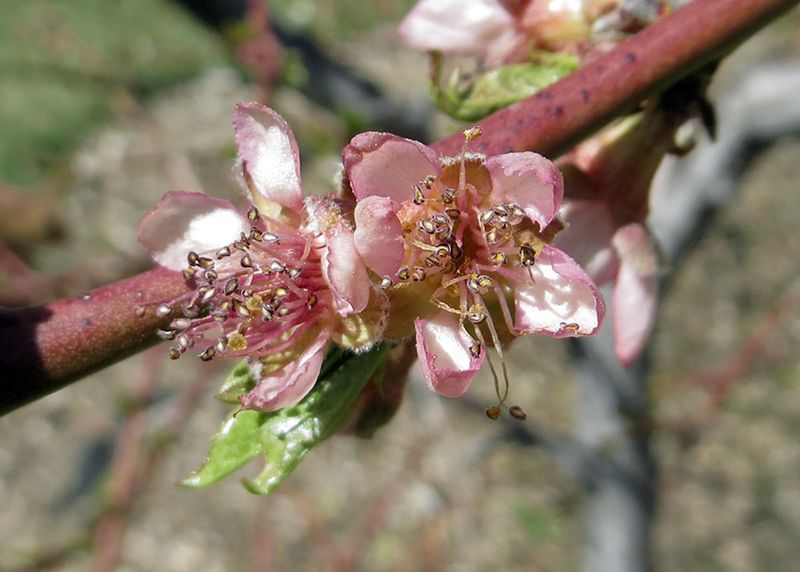
A late frost does not always wipe out an entire crop at once. Sometimes only a portion of the blossoms on a tree take a hit, and the rest survive well enough to set fruit.
This partial damage scenario is actually pretty common across Michigan, especially in orchards where trees are planted on slightly varied terrain or in areas with mixed air drainage.
When partial damage occurs, the surviving flowers can still produce peaches, but the total yield ends up much lower than a normal season. Growers might see clusters of fruit in some parts of the tree while other branches are completely bare.
The fruit that does develop often grows larger than usual because there is less competition for nutrients and water on the tree.
Microclimate differences within a single Michigan orchard can lead to wildly different outcomes from one row to the next. A slight rise in elevation or a windbreak nearby can protect one section while an exposed low spot takes heavier losses.
Experienced growers in the region pay close attention to these patterns over the years and use that knowledge to decide where to plant new trees.
Even a reduced crop can be worth protecting and managing carefully, since partial harvests still bring value and help maintain long-term orchard health.
6. Low-Lying Areas Experience More Damage
Cold air behaves a lot like water. It flows downhill and collects in the lowest points of a landscape, which is why frost tends to be much worse in valleys and low spots than on hillsides or elevated ground.
Michigan peach growers learned this lesson the hard way over generations of farming in the region.
Trees planted in low-lying areas can experience temperatures several degrees colder than trees just a short distance uphill on the same property. That difference of even two or three degrees can be the line between a good crop and no crop at all during a frost event.
Southwest Michigan’s rolling landscape actually gives growers some natural options for site selection that help reduce frost risk.
Choosing higher ground with good air drainage is one of the most practical long-term strategies for peach growing in Michigan. Cold air drains away from elevated spots and settles elsewhere, keeping temperatures slightly warmer right through the critical bloom period.
New orchards planted on well-chosen sites often outperform older ones in poor locations, even when the older trees are more mature and established.
If you are planning to add peach trees to a Michigan property, walking the land on a cold morning and noticing where frost lingers longest is one of the simplest and most useful things you can do before picking a planting spot.
7. Repeated Frost Events Increase Losses
One cold night is hard enough on a peach tree in bloom, but Michigan springs sometimes bring multiple frost events back to back. When temperatures dip below the danger threshold several nights in a row, the cumulative effect on the blossoms adds up fast.
Even flowers that survived the first frost with minor stress can be pushed past their limit by a second or third cold night.
Repeated frost exposure weakens the flower tissue progressively. A blossom that managed to hold on after 29°F one night may not survive another dip to 28°F two days later.
The internal structures of the flower become increasingly fragile after each cold event, making recovery less and less likely as the pattern continues.
Michigan’s variable spring weather makes this kind of repeated frost pattern a real concern, not just a rare possibility. The Great Lakes influence on regional weather can extend cold snaps well into late April and even early May in some years.
Growers who track weather data from previous seasons often notice that the worst crop years correlate with multiple frost nights during bloom rather than a single severe event.
Staying alert through the entire bloom window, not just the first cold night, is one of the most important habits a Michigan peach grower can develop for protecting a season’s worth of work.
8. Fruit May Form But Drop Early
Sometimes a late frost causes damage that is not immediately obvious from the outside. The flower may look fine, petals intact and color normal, but the internal structures were compromised just enough to prevent full development.
In these cases, small fruits actually begin to form, giving growers a brief moment of hope, only to drop from the tree weeks later before reaching any useful size.
This early fruit drop happens because the embryo inside the developing peach was damaged during the frost but not completely destroyed.
The tree begins the process of developing fruit, then at some point recognizes that the seed inside is not viable and sheds the fruit naturally. It is the tree’s own response to a problem that started weeks earlier during that cold night.
Michigan peach growers sometimes refer to seasons with heavy early drop as particularly frustrating because the damage was not visible right away.
Everything looked promising through late May, then the small fruits started falling in early June and the crop disappeared.
Watching for unusual early drop in June is a useful signal that a frost event in April or May caused more harm than it first appeared.
Keeping records of frost dates alongside crop outcomes each year helps build a picture of patterns specific to your Michigan orchard location and guides future protection decisions.