What Late Spring Frost Really Does To Michigan Gardens And What Survives
Michigan gardeners know this scenario well. You plant with confidence, warm sunshine fills the day, and it finally feels like the growing season has arrived.
Then, almost overnight, a late spring frost settles in and shifts the outlook for your entire garden. These sudden cold snaps have a way of catching even seasoned gardeners off guard, often striking when plants are tender and most vulnerable.
Leaves can darken, growth may slow, and the fear of losing young plants becomes very real. Yet not every plant responds to frost in the same way, and appearances can sometimes be misleading.
Understanding how frost affects different types of plants can help you stay calm and respond wisely instead of reacting out of worry. With the right knowledge, you can protect what is still healthy and avoid unnecessary losses.
This guide explains what truly happens when frost hits and reveals which plants have the strength to recover and thrive.
1. Frost Damages Tender Annuals First
Picture this: you just transplanted your tomatoes and peppers last weekend, and now the forecast shows 30 degrees overnight. Warm-season annuals like tomatoes, peppers, cucumbers, beans, and squash are among the most frost-sensitive plants you can grow in a Michigan garden.
Even a light frost dropping to 28 to 32 degrees Fahrenheit can cause serious harm to these plants in just a few hours.
The reason these plants struggle so much comes down to what happens inside their cells. When temperatures drop below freezing, water inside plant cells freezes and forms ice crystals.
Those crystals expand and puncture the cell walls, causing the tissue to collapse. Once that cellular damage happens, there is no real way to reverse it.
The next morning, affected leaves will look water-soaked, limp, and eventually turn dark or mushy as the tissue breaks down. Young transplants that have not yet established strong root systems are especially vulnerable because they have fewer energy reserves to draw from.
Gardeners in Michigan should always wait until after the last average frost date, which is typically mid-May, before setting out warm-season annuals.
Row covers or frost cloth can offer some protection during surprise cold snaps, but a hard freeze will likely overwhelm even covered tender plants. Knowing this risk helps you plan smarter planting dates.
2. Newly Emerged Perennials May Burn Back But Usually Survive
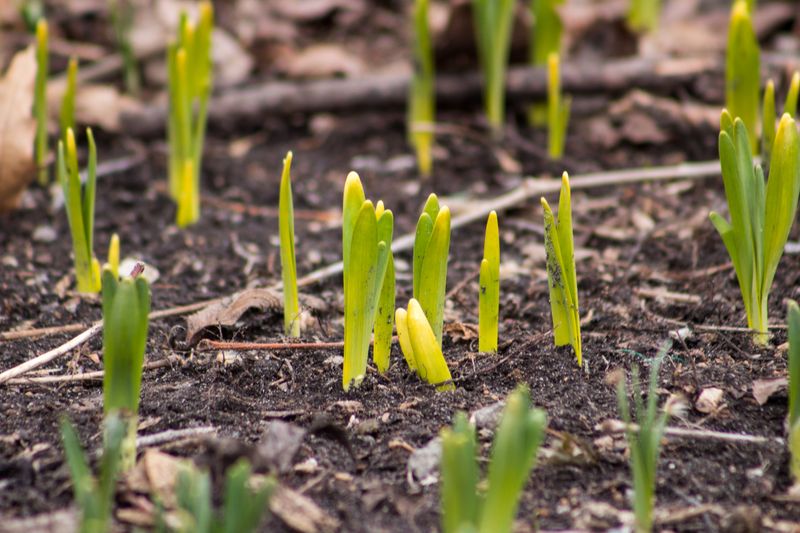
There is something almost dramatic about watching a hosta or daylily push up through the soil in April, only to get hit by a late frost a week later. The new growth looks burned, blackened, and completely finished.
For many gardeners, this is a panic-inducing sight, but the story does not end there. Hardy perennials like hostas, daylilies, and peonies store their real energy underground in their root systems.
Even when the above-ground growth takes a hit from frost, the roots stay protected beneath the soil where temperatures remain much warmer than the air above.
Those roots hold all the nutrients and energy the plant needs to push out fresh growth once warmer weather arrives.
Within a week or two after a frost event, most perennials will begin sending up new shoots. The burned leaves may look rough, but simply trimming away the damaged foliage encourages the plant to redirect its energy into producing healthy new growth.
Gardeners in Michigan have seen this cycle play out many times and have come to trust that perennials are remarkably resilient. The key takeaway here is that frost damage on perennials is usually cosmetic rather than permanent.
Patience is really the most useful tool you have after a late spring frost hits your established garden beds. These plants are tougher than they look.
3. Fruit Tree Blossoms Are Highly Frost Sensitive
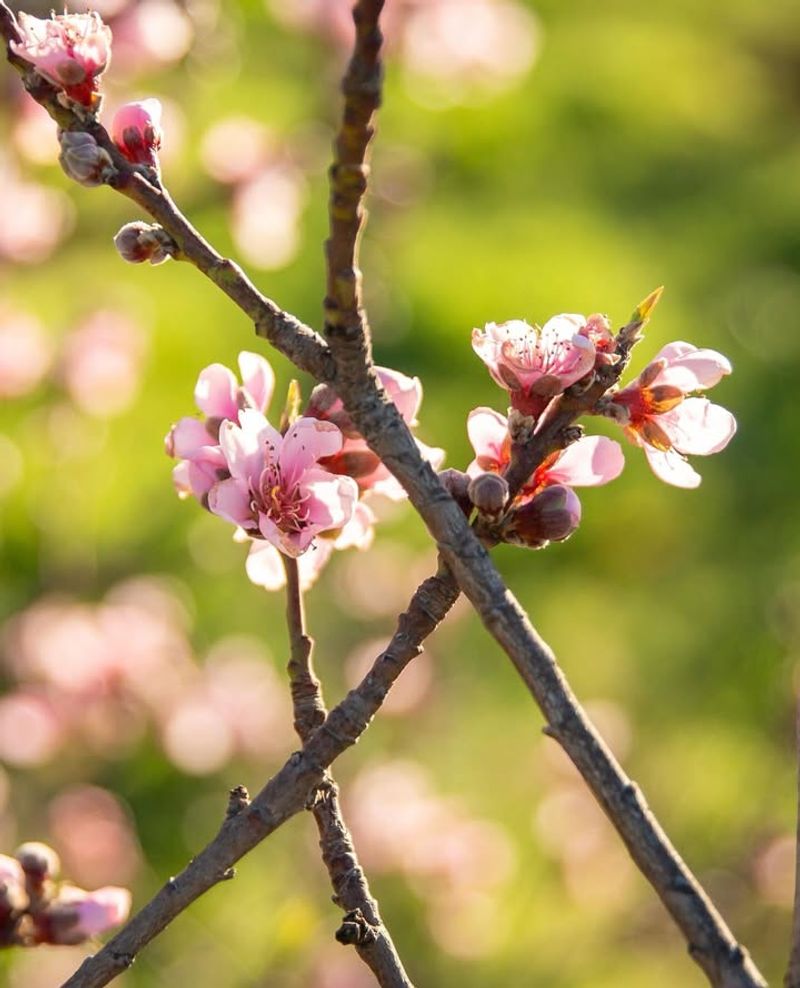
Few things in gardening are as heartbreaking as a fruit tree full of beautiful blossoms getting wiped out by a late frost.
Michigan is one of the top fruit-producing states in the country, and apple, cherry, peach, and plum growers watch spring temperatures obsessively for exactly this reason.
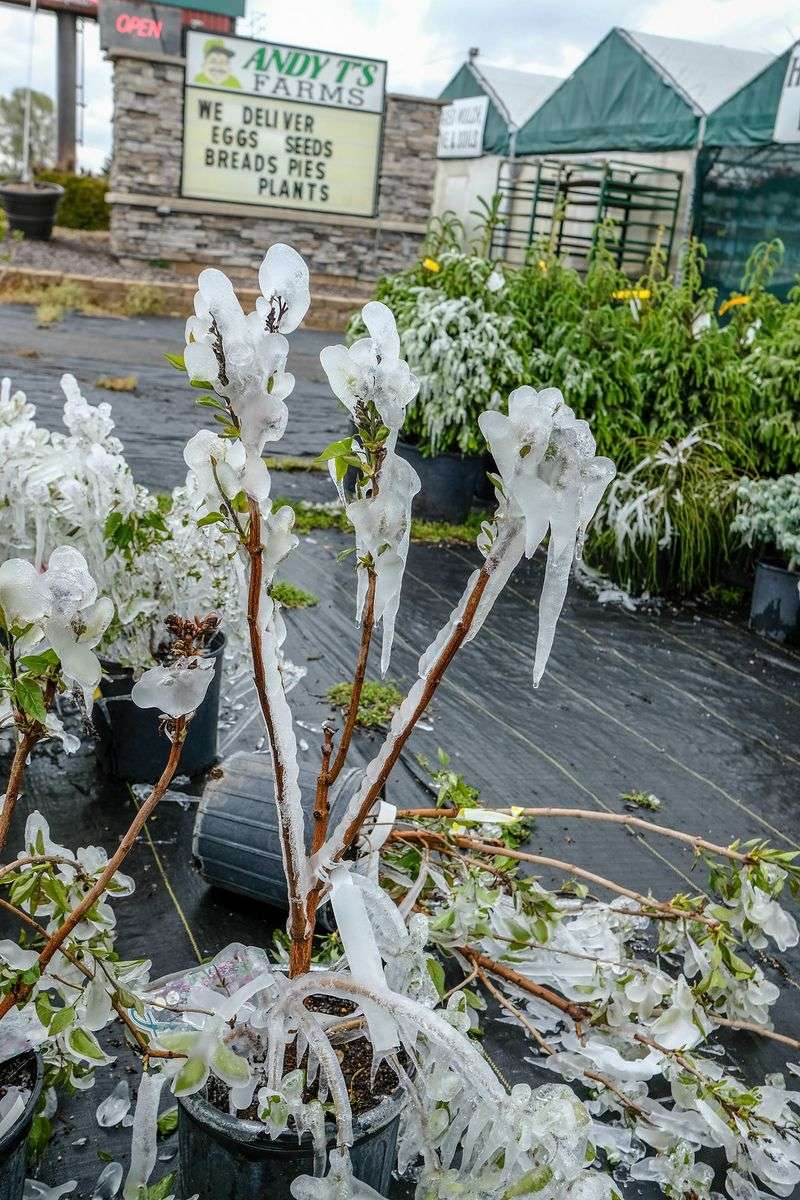
Fruit tree blossoms are incredibly tender and can suffer serious damage at temperatures as mild as 28 degrees Fahrenheit.
When a blossom freezes, the small reproductive structures inside the flower, including the pistil and ovary that eventually become the fruit, are the first to go. From the outside, the flower might still look mostly intact.
But if you slice open the blossom and see a dark center, that flower will not produce fruit. A single frost event during peak bloom can reduce a tree’s fruit yield dramatically for the entire season.
Michigan fruit growers sometimes use wind machines, overhead irrigation, or smudge pots to protect orchards during frost events.
Home gardeners can try covering small trees with frost cloth or running a sprinkler overnight, since water releases heat as it freezes and can protect blossoms within a certain temperature range.
Timing matters enormously here because trees that bloom earlier in spring carry a much higher frost risk. Choosing late-blooming fruit tree varieties is one of the smartest moves a Michigan gardener can make to protect their harvest.
4. Frost Can Collapse Early Vegetable Seedlings
Young vegetable seedlings are a little like newborns in the garden world: full of potential but completely unprepared for harsh conditions.
Beans, corn, and squash are warm-season crops that sprout quickly in warm soil and shoot upward fast, but that rapid growth comes at a cost.
Their stems and leaves are soft, thin, and packed with water, which makes them almost defenseless against freezing temperatures.
When frost hits a seedling that is only a few inches tall, the water inside those delicate tissues freezes almost immediately. The cell walls rupture just like in mature plants, but seedlings have far fewer resources to recover from the damage.
You will often find them lying flat on the soil the morning after a frost, stems looking translucent or mushy near the base. In most cases, these seedlings will not bounce back.
Michigan gardeners who direct-sow warm-season crops need to keep a close eye on the forecast from late April through mid-May. Planting too early might feel productive, but one cold night can mean starting all over again.
A good strategy is to start seeds indoors and wait until nighttime temperatures consistently stay above 50 degrees Fahrenheit before transplanting outdoors.
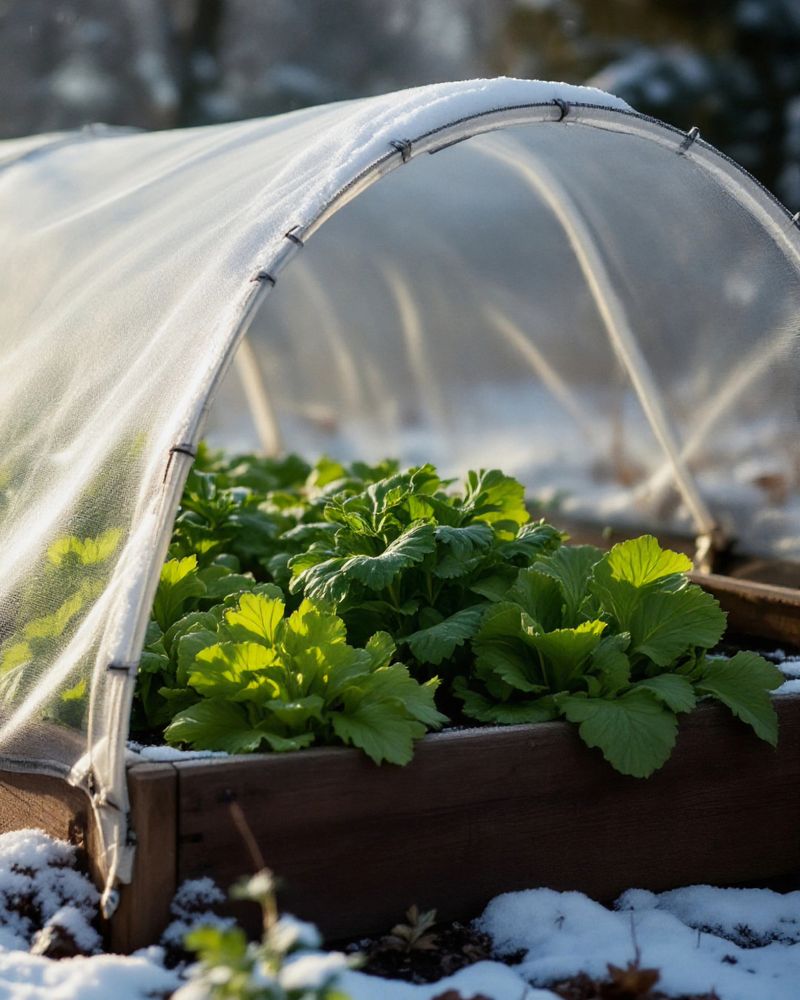
Using cold frames or cloches can extend your growing season safely without gambling on unpredictable spring weather. Protecting seedlings early pays off with a much stronger, more productive garden later in the season.
5. Cool-Season Crops Usually Survive Light Frost
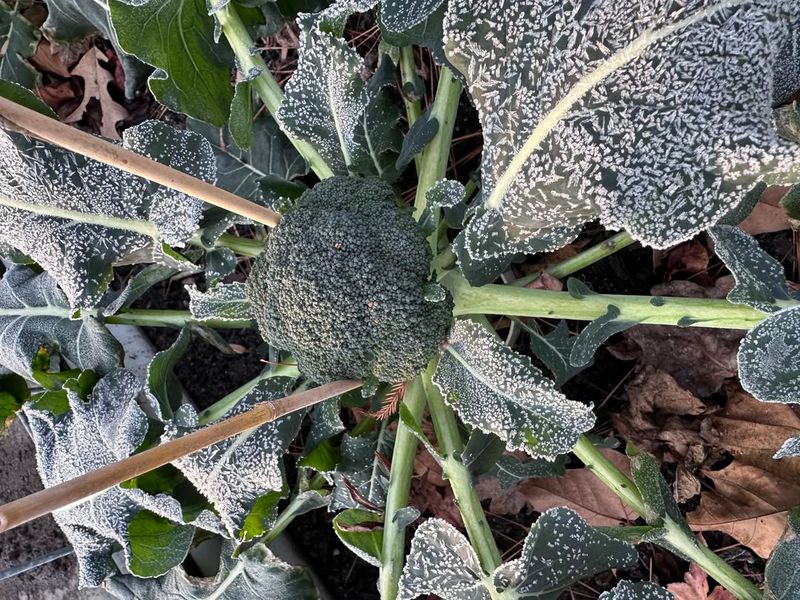
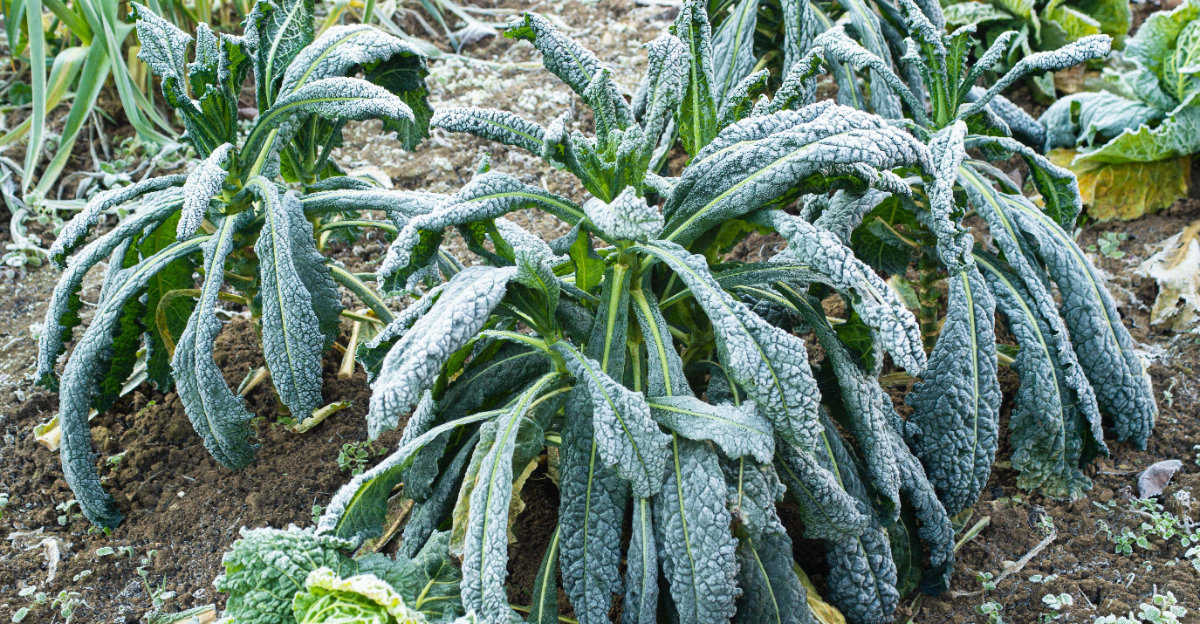
Not every plant in your garden trembles at the sight of a frost warning. Cool-season vegetables like lettuce, spinach, kale, peas, and carrots are actually built to handle cold, and a light frost rarely slows them down.
These crops evolved in cooler climates and developed some impressive biological tricks to stay alive when temperatures dip below freezing.
One of the most fascinating things about cold-hardy vegetables is a process called cold acclimation. As temperatures gradually drop, these plants produce higher concentrations of sugars and other compounds in their cells.
Those natural sugars act like antifreeze, lowering the freezing point inside the plant’s tissues so ice crystals are less likely to form. That is also why kale and carrots often taste sweeter after a frost, because those sugars are doing their protective work.
In Michigan, cool-season crops can often be planted four to six weeks before the last frost date, making them a smart choice for gardeners eager to get started in early spring.
Spinach and peas can even handle temperatures down to the mid-20s Fahrenheit with minimal damage.
Gardeners who focus on these crops early in the season can enjoy fresh harvests while their neighbors are still waiting to plant tomatoes.
Pairing cool-season crops with a layer of row cover during hard freezes adds an extra buffer and keeps production going strong even when late frost shows up unexpectedly.
6. Frost Damages Soft New Growth On Shrubs And Trees
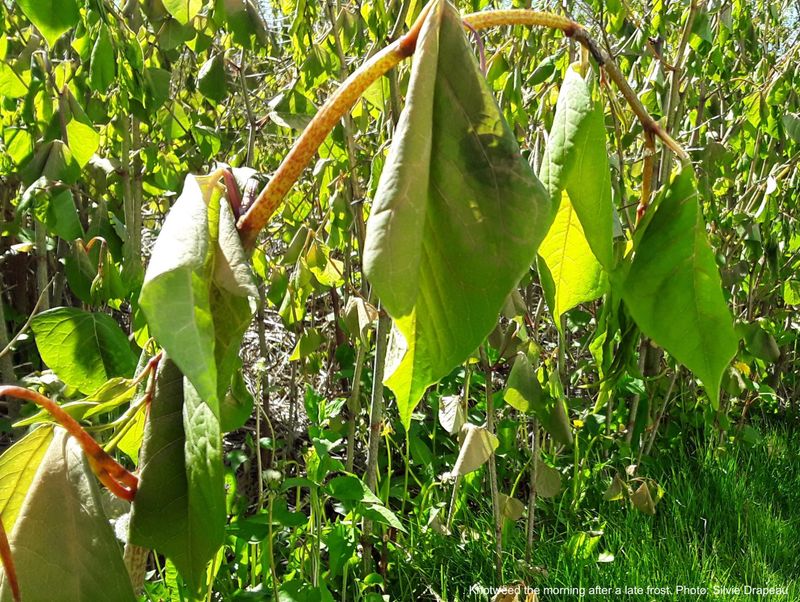
Spring is the time when shrubs and trees go all in on new growth. Fresh, bright green leaves push out from every branch tip, and the garden looks energized and alive.
But that soft new growth is also the most vulnerable part of any woody plant, and a late frost can turn those vibrant tips dark and crispy almost overnight.
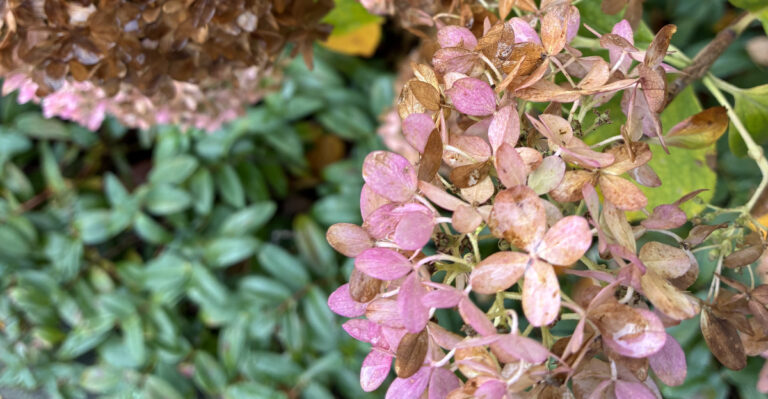
Hydrangeas are one of the most commonly affected shrubs in Michigan gardens. Their new growth is especially tender, and a frost in May can blacken the tips of stems and even eliminate the flower buds that were forming.
The same goes for roses, whose fresh red-tinted new leaves can get scorched by a hard frost. On maples and other trees, young leaves may shrivel and drop, which looks alarming but is rarely a long-term problem for an established tree.
What actually happens is that the frozen tissue at the branch tips stops functioning and eventually falls away. Gardeners call this tip dieback, and while it looks messy, the plant typically pushes out new growth from lower buds within a few weeks.
Pruning away the damaged tips after the last frost threat has passed encourages clean, healthy regrowth. For hydrangeas that bloom on old wood, like the classic mophead varieties, losing those spring buds to frost can mean no flowers that season.
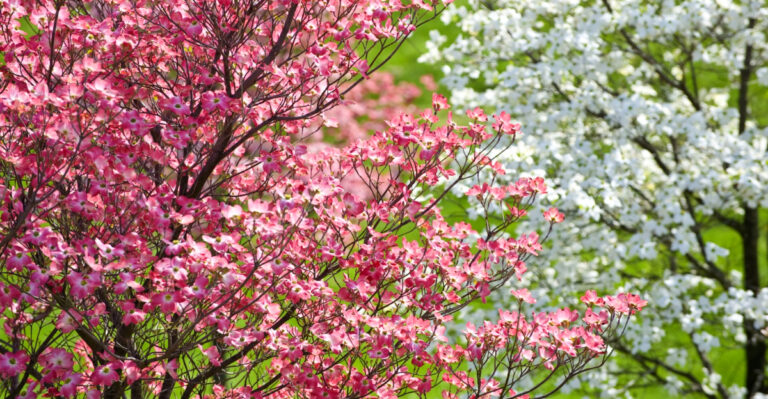
Choosing reblooming hydrangea varieties is a smart way to protect your display in frost-prone Michigan gardens.
7. Strawberries And Early Spring Flowers Feel The Frost Too
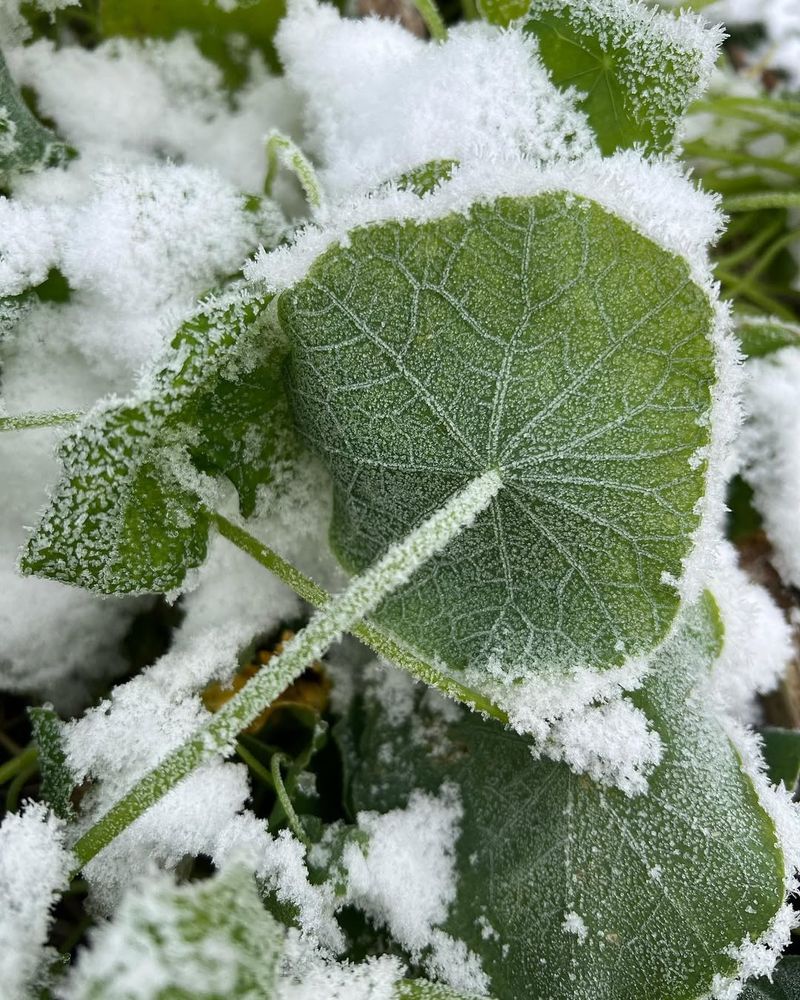
Strawberry season is one of the most anticipated times of year in Michigan, but late spring frost can put a real dent in that harvest before it even begins.
Strawberry blossoms are surprisingly fragile when it comes to cold, and temperatures dropping to just 30 degrees Fahrenheit during bloom can damage or completely ruin the flower’s ability to set fruit.
The center of a frost-damaged strawberry blossom turns black, which is a clear sign that no berry will form from that flower.
Early spring flowers face similar challenges. Tulips, daffodils, and magnolias often bloom right around the time late frosts are still possible in Michigan, making them frequent frost casualties.
Tulip petals may turn brown and mushy, while magnolia flowers, which are among the most frost-sensitive blooms around, can turn from creamy white to an unpleasant brown almost instantly after a cold night.
Daffodils tend to hold up a bit better, but their petals can still show damage after a hard freeze.
Protecting strawberry plants with floating row cover on nights when frost is expected can save a significant portion of the blossom crop.
For tulips and other spring bulb flowers, not much can be done once they are in bloom, but choosing later-blooming varieties can help reduce the risk in future seasons.
Michigan gardeners who grow strawberries seriously often keep row cover on hand throughout May as a standard part of their frost-response toolkit.
8. Frost Heaving Can Push Shallow-Rooted Plants Out Of The Soil
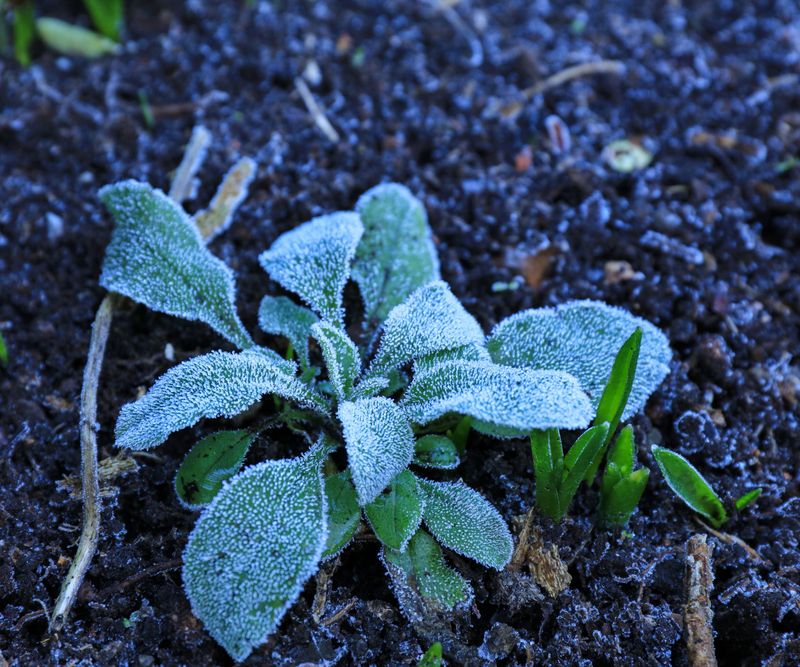
Most gardeners think of frost damage as something that happens to leaves and stems, but there is another kind of frost damage that targets plant roots directly.
Frost heaving is a process where repeated freeze-thaw cycles in the soil physically push plants upward, partially out of the ground.
It sounds almost impossible, but it happens regularly in Michigan gardens during late winter and early spring.
Here is how it works: when water in the soil freezes, it expands and pushes upward. As temperatures warm during the day and the ice melts, the soil settles back down.
But the plant does not always settle back to its original position. After several cycles of this freezing and thawing, a plant can end up with its crown or roots partially exposed above the soil surface.
Once roots are exposed to air and freezing temperatures, they become vulnerable to drying out and cold injury.
Shallow-rooted perennials, newly planted seedlings, and recently divided plants are most at risk for frost heaving. Gardeners can reduce the risk by applying a thick layer of mulch around plants in late fall to insulate the soil and reduce the severity of freeze-thaw cycles.
If you spot a heaved plant in spring, gently press it back into the soil and firm the ground around it. Acting quickly after you notice heaving gives the plant the best chance of settling back in and recovering without lasting root damage.
9. Lawns And Established Hardy Plants Hold Up Just Fine
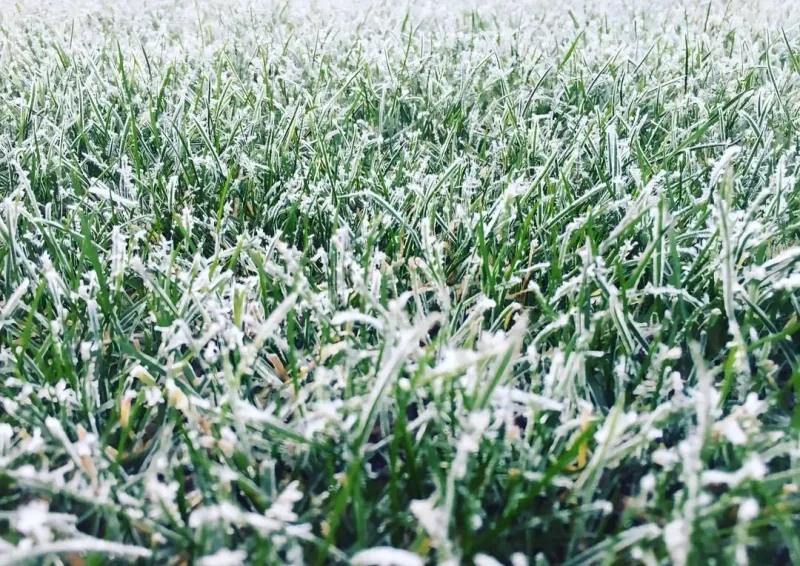
While tender annuals and fruit blossoms are scrambling to survive a late frost, your lawn is sitting there completely unbothered.
Turfgrass is remarkably frost-tolerant, especially the cool-season grass types like Kentucky bluegrass, fine fescue, and perennial ryegrass that are common in Michigan lawns.
A light frost might leave the grass blades looking white and crispy in the early morning, but once the sun comes up and temperatures rise, that lawn bounces back without missing a beat.
Established hardy perennials behave similarly. Plants that have been growing in the same spot for several years have developed deep, well-anchored root systems and have gone through the hardening-off process naturally over multiple seasons.
Their cells are better prepared for cold stress, and they carry enough stored energy to push through frost events without suffering lasting harm.
Shrubs like forsythia, lilac, and viburnum are classic examples of Michigan-tough plants that shrug off late frosts year after year.
The science behind this resilience comes down to cell membrane composition and the plant’s ability to move water out of sensitive tissues before freezing occurs. Hardy plants have had time to develop these protections, while newly planted or tender species have not.
This is one of the strongest arguments for building your Michigan garden around a backbone of established, cold-hardy plants. When late spring frost rolls in, those plants become the reliable anchors that keep your garden looking good while everything else recovers.
10. Soil Temperature Protects Roots Even When Air Freezes
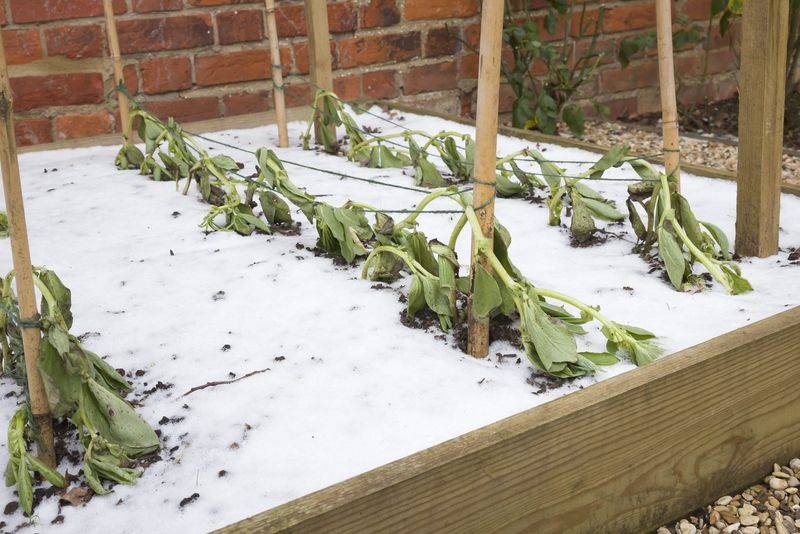
Here is something that surprises a lot of gardeners: even when the air temperature drops below freezing and frost forms on every surface in sight, the soil itself often stays several degrees warmer.
Soil has a much greater thermal mass than air, which means it absorbs heat during the day and releases it slowly overnight.
That stored warmth acts as a natural buffer, protecting plant roots from the freezing temperatures happening just inches above the surface.
For most hardy plants, root survival is the real measure of whether a plant makes it through a frost. Leaves and stems can be replaced, but if the root system stays intact and healthy, the plant has everything it needs to regenerate.
Soil temperatures in Michigan during late spring frosts typically hover well above the air temperature, often staying in the 40s Fahrenheit even when air temperatures dip into the upper 20s.
That difference is enough to keep the roots of most established plants completely safe. Gardeners can take advantage of this natural insulation by adding a layer of organic mulch around their plants.
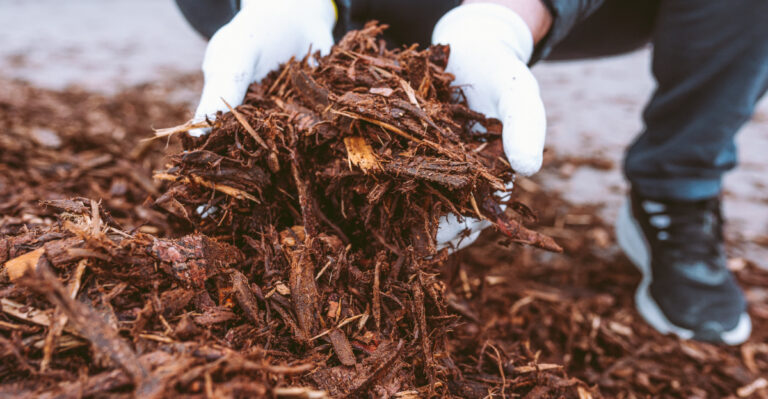
Mulch slows the transfer of cold air temperatures into the soil, keeping root zones even warmer during frost events. Compost, straw, shredded leaves, and wood chips all work well for this purpose.
Understanding that soil temperature and air temperature behave very differently during a frost helps gardeners make better decisions about which plants truly need protection and which ones can handle the cold night on their own.