What Late Winter Can Tell You About The Health Of Georgia Trees
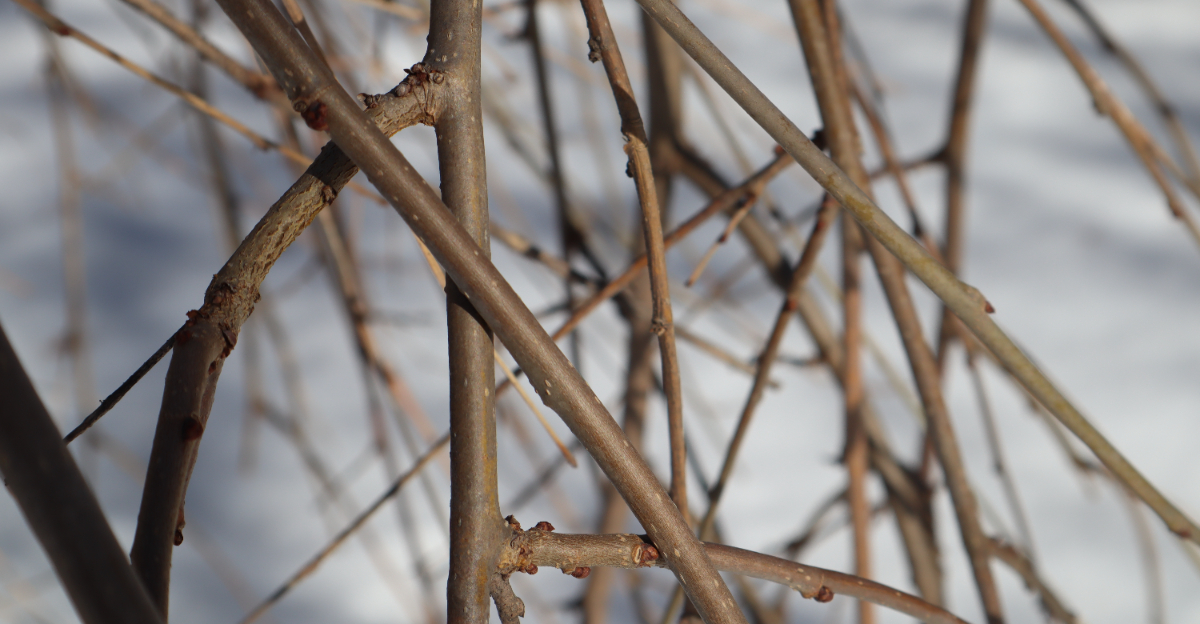
Late winter strips Georgia trees down to their basics, and that’s when they’re easiest to read.
Without leaves hiding problems, structure, growth patterns, and stress become more obvious.
Some signs are harmless and part of the season. Others quietly point to issues that started well before winter arrived.
Paying attention during this window can tell you far more about tree health than what you’ll notice once spring growth takes over.
1. Bud Formation Shows Whether Trees Stored Enough Energy
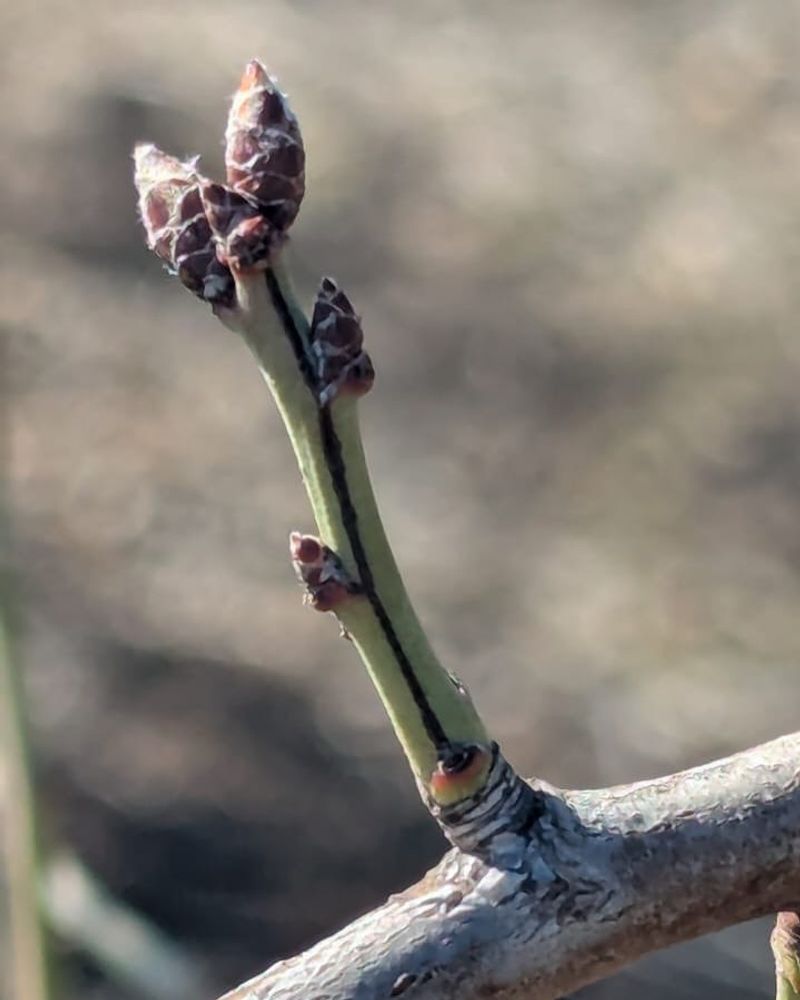
Strong buds mean your tree spent the previous year building up reserves. You can tell a lot by looking at the size and number of buds forming on branches.
Plump, well-formed buds signal that the tree gathered enough sunlight and nutrients during the growing season.
Georgia trees typically begin forming visible buds in late February or early March. Weak or sparse buds suggest the tree struggled last year.
Maybe it didn’t get enough water during summer droughts, or pests took their toll.
Examine buds on multiple branches throughout the canopy. Healthy trees produce buds consistently across most branches.
If you notice entire sections with few or no buds, that area may have underlying problems.
Different species develop buds at different rates across the state. Oaks tend to form buds later than maples or dogwoods.
Knowing your tree species helps you interpret what you’re seeing.
Small, shriveled buds often indicate stress from the previous season. The tree simply didn’t have enough energy left over to prepare for spring.
This happens when trees face multiple challenges like drought, disease, and poor soil conditions all at once.
Pay attention to bud color as well. Healthy buds usually appear green or reddish-brown depending on the species.
Brown, dry, or black buds may not open at all when warmer weather arrives in Georgia.
Touch a few buds gently to check their firmness. Buds should feel slightly plump and resilient.
Mushy or brittle buds won’t develop into healthy leaves or flowers.
2. Bark Texture Can Reveal Stress Or Past Damage
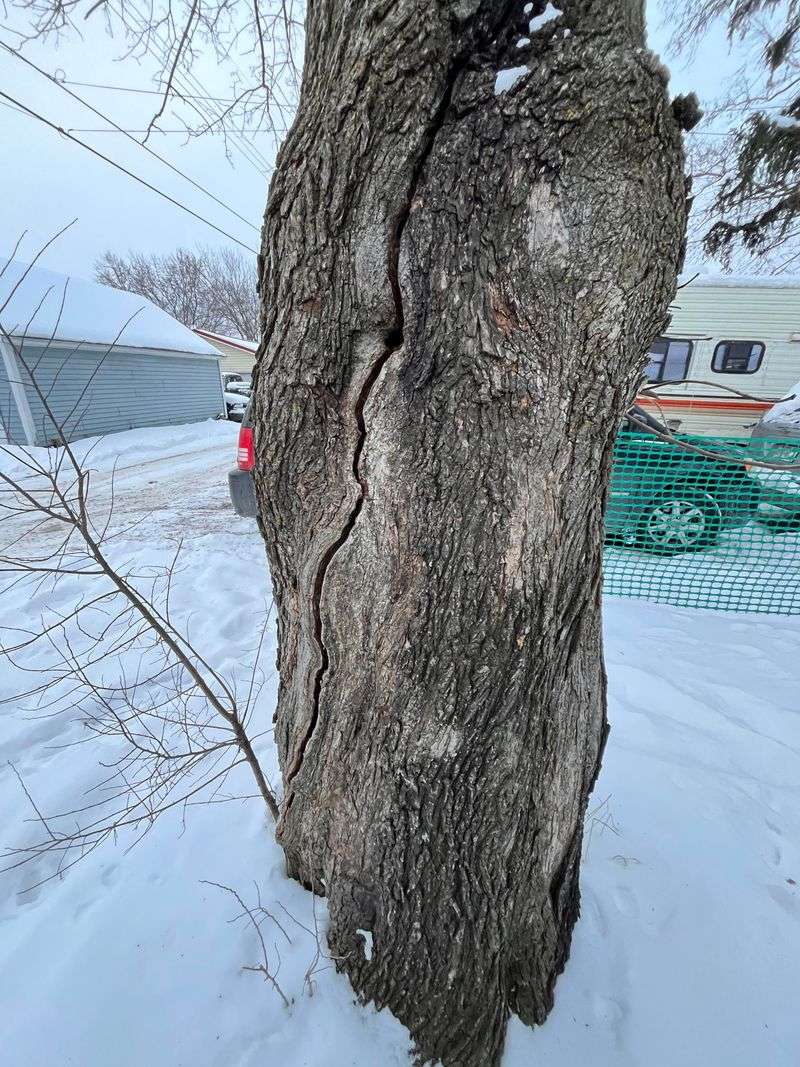
Your tree’s bark acts like a historical record of everything it has experienced. Smooth, intact bark with natural texture patterns indicates good health.
Unusual changes tell a different story about what the tree has endured.
Look for areas where bark appears sunken or discolored across Georgia trees. These spots often mark old wounds from lawn equipment, storm damage, or insect activity.
The tree may have sealed over the injury, but the scar remains visible.
Peeling or flaking bark isn’t always a problem. Some species like sycamores naturally shed bark as they grow.
However, bark that peels away to reveal soft, wet wood underneath signals decay that needs attention.
Vertical cracks running along the trunk can indicate rapid temperature changes. Georgia winters sometimes bring warm days followed by freezing nights.
This expansion and contraction stresses the bark layer.
Check for tiny holes in the bark surface. These openings often mark where boring insects have tunneled into the tree.
Fresh holes with sawdust nearby mean active infestation that requires treatment.
Bark that feels unusually soft when you press it suggests rot beneath the surface. Healthy bark should feel firm and solid.
Soft spots indicate fungal infections breaking down the wood inside.
Missing patches of bark expose vulnerable inner layers to further damage. Trees can’t regenerate bark over large wounds quickly.
These gaps create entry points for diseases and pests throughout the growing season.
Notice any strange growths or bumps on the bark. Burls and galls form when the tree responds to injury or infection.
While not always harmful, they indicate past stress events.
3. Branch Damage Becomes Easier To Spot Without Leaves
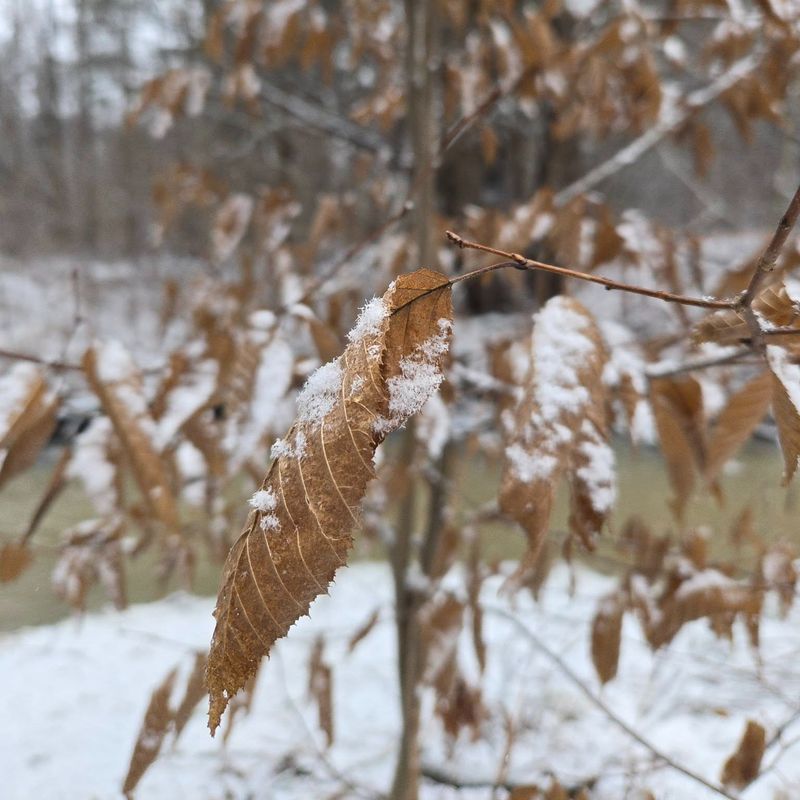
Bare branches make it simple to identify limbs that won’t leaf out come spring. Without foliage blocking your view, you can trace each branch from trunk to tip.
This visibility helps you spot problems that summer’s canopy would hide.
Branches that have stopped functioning look noticeably different from healthy ones. They appear brittle and dry, often with bark that flakes off easily.
The wood underneath typically looks grayish rather than the pale color of living wood.
Start your inspection at the outer edges of the canopy. Twigs should show some flexibility when you gently bend them.
Branches that snap cleanly without bending have lost their moisture and vitality.
Georgia trees naturally shed some small twigs each year. This normal process differs from larger branches losing function.
When limbs thicker than your thumb show decline, it signals a more serious issue.
Look at the pattern of affected branches throughout the tree. Random scattered branches suggest individual limb problems.
When all branches on one side show decline, the roots on that side may be compromised.
Scratch a small area of bark with your fingernail on questionable branches. Healthy wood beneath shows green or white tissue.
Brown or gray tissue means that section has stopped transporting water and nutrients.
Pay attention to where branches connect to the trunk. Weak attachment points or visible cracks at these junctions often lead to branch failure.
These spots become much more obvious in winter across the state.
Notice if affected branches occur mainly in the upper canopy or lower sections. Top-down decline often indicates root problems, while lower branch issues might stem from shade or competition for resources.
4. Cracks Or Splits May Point To Freeze Or Moisture Stress
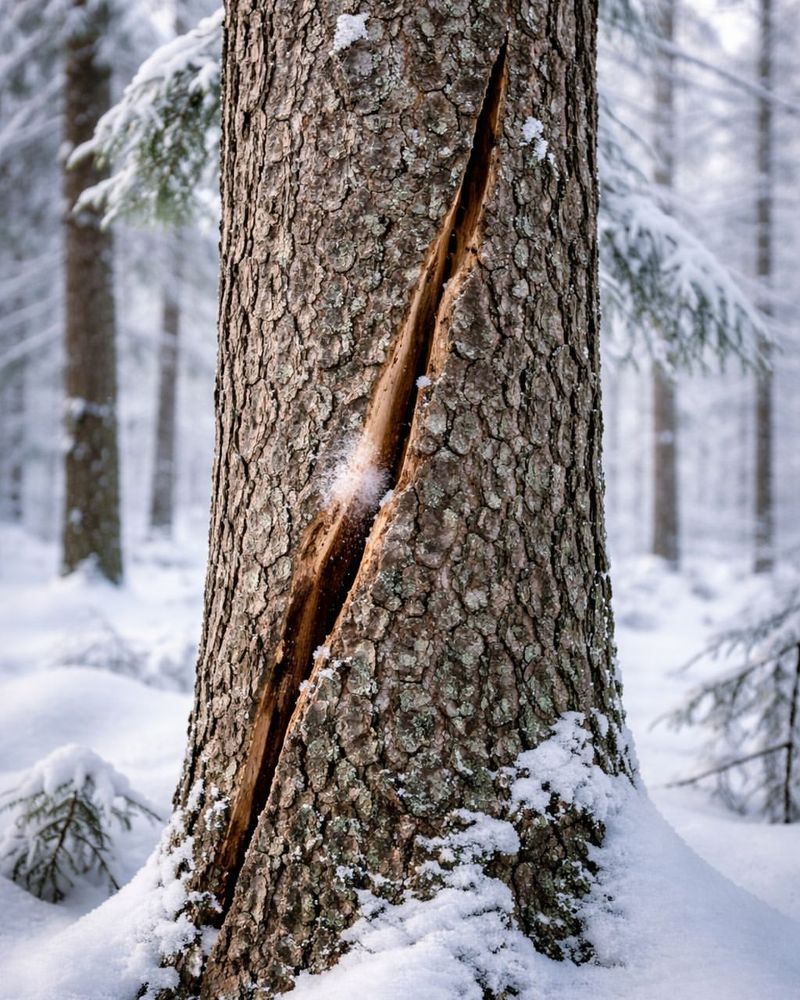
Temperature swings create physical stress that shows up as visible cracks in bark. When water inside the tree freezes and expands, it can force bark layers apart.
These frost cracks typically run vertically along the trunk or major limbs.
Georgia’s unpredictable winter weather makes frost cracks fairly common. A warm afternoon might be followed by temperatures dropping below freezing overnight.
This rapid change doesn’t give the tree time to adjust gradually.
Examine the south and southwest sides of trunks most carefully. These areas receive the most intense winter sun during the day, warming the bark significantly.
When temperatures plummet after sunset, the sudden cooling creates maximum stress.
Fresh cracks often expose lighter-colored inner wood. Over time, these wounds may darken as the tree attempts to seal them.
Wide cracks that don’t close indicate ongoing stress that prevents proper healing.
Not all cracks come from temperature changes. Moisture stress from drought or overwatering also causes bark to split.
When trees lose or gain water too quickly, the wood expands or contracts faster than the bark can accommodate.
Look for patterns in crack locations. Multiple parallel cracks suggest repeated stress from the same cause.
Single isolated cracks might indicate one-time events like lightning strikes or physical impacts.
Check whether cracks penetrate deeply into the wood. Surface cracks that affect only the outer bark layers are less concerning than splits reaching the heartwood.
Deep cracks create pathways for decay organisms to enter the tree.
5. Lingering Leaves Can Signal Stress Or Disease
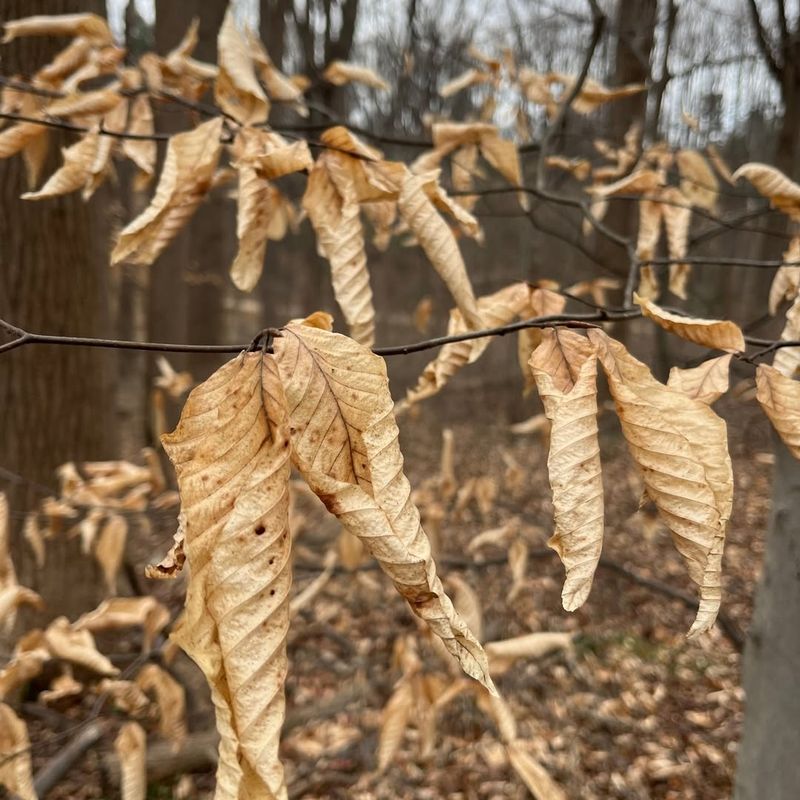
Most deciduous trees in Georgia should be completely bare by late winter. When you spot brown, dried leaves still hanging on, something disrupted the tree’s normal cycle.
Healthy trees form a separation layer that allows leaves to drop cleanly in fall.
This condition, called marcescence, sometimes occurs naturally in young oaks and beeches. The retained leaves usually fall as new growth pushes them off in spring.
However, extensive leaf retention in mature trees or other species indicates problems.
Trees under significant stress often fail to complete their fall shutdown process. The formation of the abscission layer gets interrupted, leaving leaves attached to twigs.
This incomplete dormancy suggests the tree struggled with disease, drought, or root damage.
Examine the retained leaves closely for spots, discoloration, or unusual textures. These clues help identify diseases that may have attacked late in the growing season.
Fungal infections frequently cause premature stress that prevents normal leaf drop.
Check whether leaves cling throughout the entire canopy or just in certain sections. Whole-tree leaf retention points to systemic stress affecting the entire plant.
Leaves remaining only on specific branches suggest localized damage to those limbs.
Late-season insect damage sometimes prevents proper leaf drop across Georgia trees. When pests attack in early fall, they can disrupt the chemical signals that trigger leaf separation.
The damaged leaves remain attached even after turning brown.
Notice the color and condition of retained leaves. Leaves that turned normal fall colors before sticking suggest the timing of abscission got disrupted.
Leaves that never changed color properly indicate more severe stress during the growing season.
Root problems frequently manifest as retained leaves. When roots can’t absorb enough water or nutrients, the entire dormancy process gets thrown off schedule.
The tree enters winter in a weakened state without completing normal preparations.
6. Moss Or Lichen Growth Reflects Airflow And Light Conditions
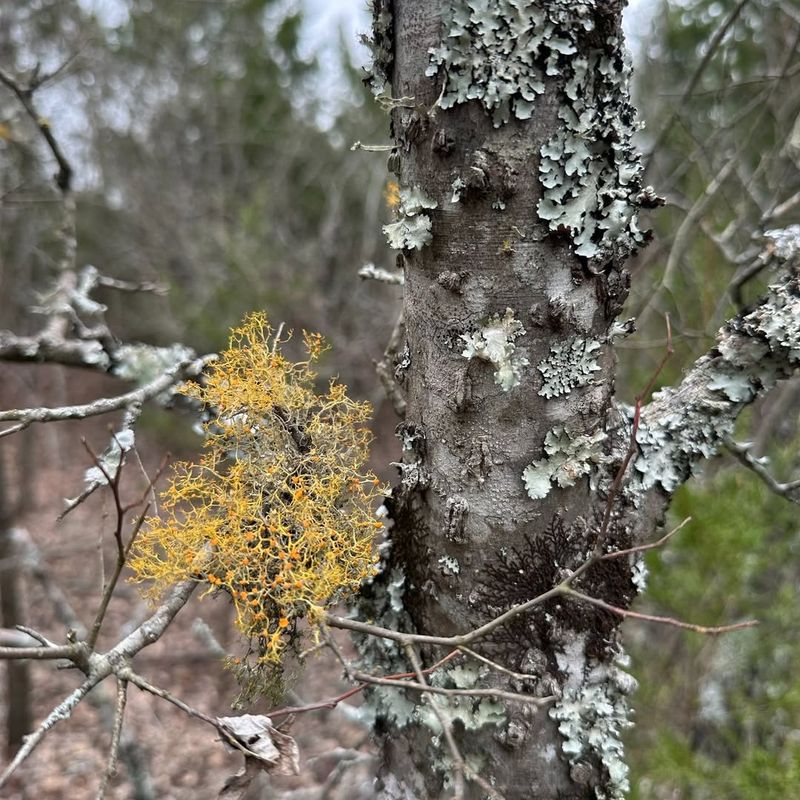
Moss and lichen covering your tree bark tells you about the environment around the tree. These organisms don’t harm the tree directly but reveal important conditions.
Their presence indicates moisture levels, air quality, and light exposure in that location.
Georgia’s humid climate creates ideal conditions for moss and lichen growth. You’ll typically find more coverage on the north side of trunks where moisture lingers longer.
Shaded areas also support heavier growth than sun-exposed bark.
Contrary to popular belief, moss and lichen don’t damage healthy bark. They simply use the surface as a growing platform.
However, their presence on previously clear bark might indicate the tree’s canopy has thinned, allowing more light to reach the trunk.
Heavy moss growth sometimes suggests poor air circulation around the tree. Crowded plantings or dense undergrowth can trap moisture against bark surfaces.
Improving airflow by pruning nearby vegetation helps bark dry more quickly between rain events.
Lichen comes in many colors and forms, from crusty patches to leafy structures. Certain lichen species only grow in areas with clean air.
Their presence actually indicates good environmental quality around your Georgia property.
Rapid increases in moss or lichen coverage might signal declining tree vigor. As trees weaken and their bark texture changes, these organisms find it easier to establish.
The coverage itself doesn’t cause the decline but makes it visible.
Check whether growth appears primarily on lower trunk sections or extends high into the canopy. Moss and lichen spreading unusually high up the trunk suggests the upper canopy has thinned significantly, allowing more light penetration.
Different tree species naturally support different amounts of growth. Rough-barked trees like oaks typically host more moss and lichen than smooth-barked species like maples.
Compare your tree to healthy specimens of the same species nearby.
7. Early Sap Flow Indicates Trees Are Waking Up Properly
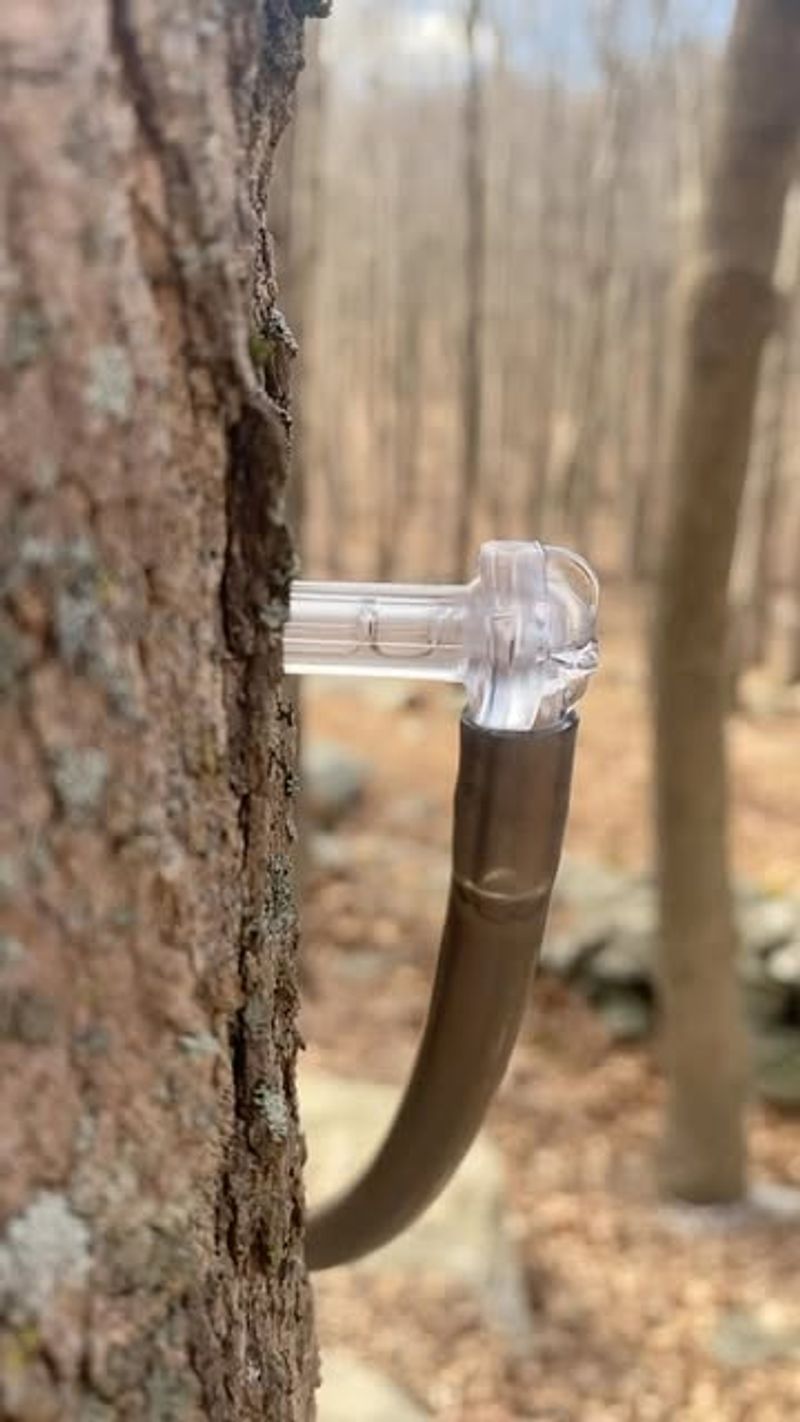
Sap movement signals the tree is transitioning from dormancy to active growth. As soil temperatures rise in late winter, roots begin absorbing water again.
This moisture moves upward through the trunk, preparing the tree for bud break.
You might notice sap dripping from pruning wounds or cracks in the bark. This flow shows the tree’s vascular system is functioning properly.
Maple trees are famous for their sap flow, but many Georgia species show similar activity as winter ends.
The timing of sap flow varies depending on weather patterns each year. Warm spells in February can trigger early movement, while cold snaps pause the process.
Consistent sap flow indicates the tree recognizes spring is approaching.
Observe the clarity and consistency of any visible sap. Healthy sap typically appears clear or slightly cloudy.
Dark, thick, or foul-smelling sap suggests infection or decay within the tree’s vascular system.
Trees that don’t show normal sap flow may have root problems. If roots are damaged or diseased, they can’t absorb water efficiently.
Without adequate water uptake, the vascular system remains inactive even when temperatures warm.
Check for sap flow on the south-facing side of trunks first. These areas warm up earliest in late winter across Georgia.
If you see flow there but not on the north side, the tree is responding normally to temperature differences.
Excessive sap flow from numerous points on the trunk isn’t normal. This condition, called slime flux, indicates bacterial infection.
The bacteria produce gas pressure that forces sap out through any available opening in the bark.
Notice whether sap flow occurs during day or night. Normal sap movement typically happens during daylight hours when temperatures rise.
Nighttime flow or constant dripping regardless of temperature suggests internal problems.