What Lavender In North Carolina Needs In Spring To Handle Heat And Humidity
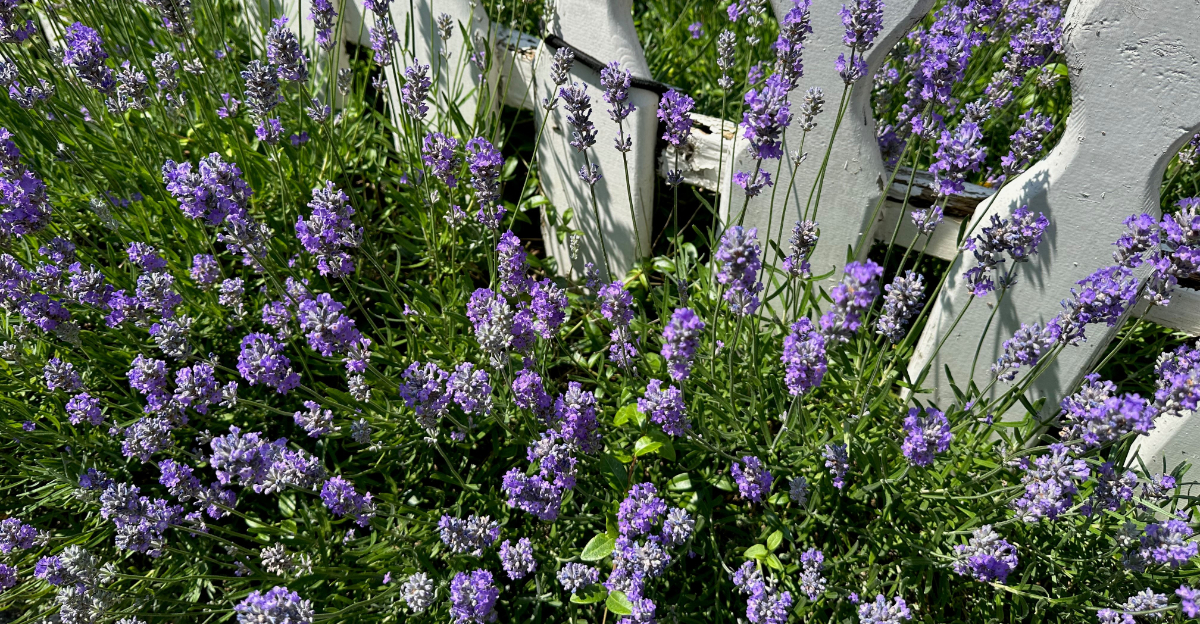
Lavender can be tricky in North Carolina, especially once summer heat and humidity settle in. It may look tough and easygoing, but this plant needs the right spring care if you want it to stay healthy through the harder months ahead.
What happens now can shape how well it handles wet air, strong sun, and the risk of rot later on. Fresh growth starts picking up in spring, which makes this the best time to check soil, improve drainage, and clean up the plant without pushing it too hard.
A good start can mean stronger roots, better shape, and more blooms when the weather turns harsh. Ignore those early needs, and lavender can struggle fast in a climate that does not always suit it.
For North Carolina gardeners, spring is the window that helps lavender survive, grow well, and look its best when summer becomes more challenging.
1. Plant In Extremely Well-Drained Soil
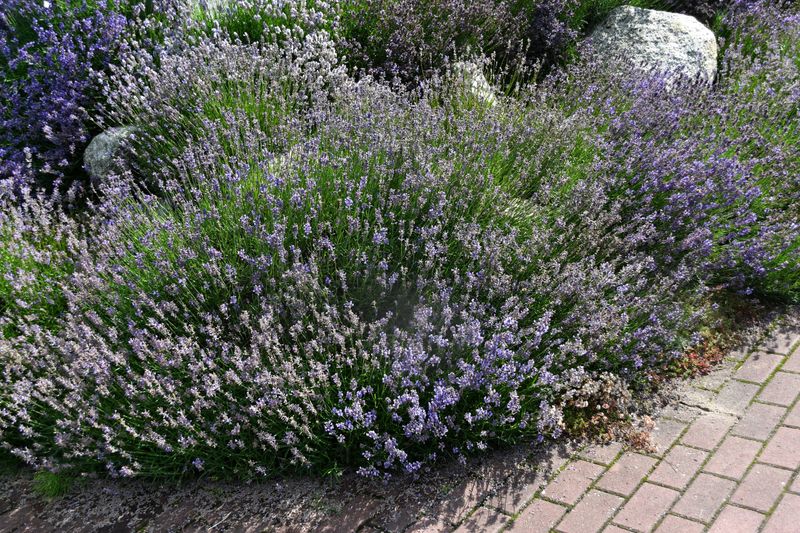
Soggy roots are the fastest way to lose a lavender plant in North Carolina. Lavender comes from the rocky, dry hillsides of the Mediterranean, so it simply cannot handle sitting in wet soil.
Clay-heavy ground, which is very common across much of North Carolina, holds water like a sponge and creates conditions lavender finds extremely difficult to survive in.
The fix is surprisingly straightforward. Build raised beds or plant on mounded soil to keep roots elevated above any standing water.
Mixing coarse sand, perlite, or small gravel directly into your planting area improves drainage dramatically and makes a huge difference in how your plants perform through spring and summer.
Even a modest raise of six to eight inches can completely change how your soil drains after heavy spring rains. Think of it as giving your lavender a dry, comfortable home that matches what it would naturally grow in.
Adding a layer of gravel beneath the planting hole also helps water move away from roots faster. Many successful North Carolina lavender growers swear by raised beds as the single most important thing they ever did for their plants.
Start with great drainage, and everything else becomes much easier to manage.
2. Choose The Right Variety For NC Conditions
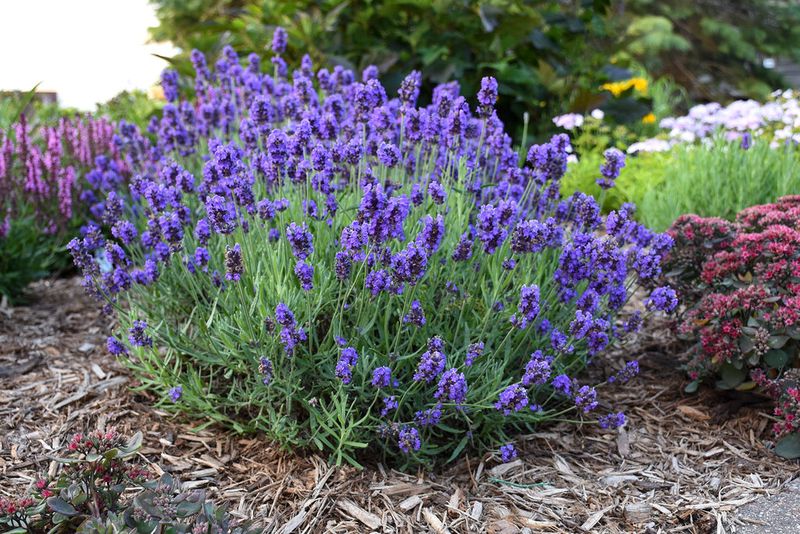
Not every lavender variety handles heat and humidity the same way, and that difference matters enormously in North Carolina. Standard English lavender (Lavandula angustifolia) can struggle once summer really cranks up.
Choosing a variety bred for tougher conditions gives your garden a serious head start before the hot months even arrive.
Lavandin hybrids, which are crosses between English lavender and spike lavender, are among the best performers for North Carolina gardeners.
The variety called Phenomenal has earned a strong reputation across the Southeast for holding up through sticky, sweltering summers that would stress lesser plants.
Grosso is another popular lavandin hybrid that produces big, fragrant flower spikes and handles warm, humid conditions quite well.
These hybrids tend to grow larger and more robust than traditional English types, which also means better airflow through the plant and less chance of moisture-related problems.
Visiting a local North Carolina nursery and asking specifically about heat-tolerant lavender varieties is always a smart move.
Knowledgeable staff can point you toward what actually thrives in your specific region of the state. Picking the right variety from day one saves you a lot of frustration and gives your lavender the strongest possible foundation for a long, productive life in your garden.
3. Give Full Sun All Day
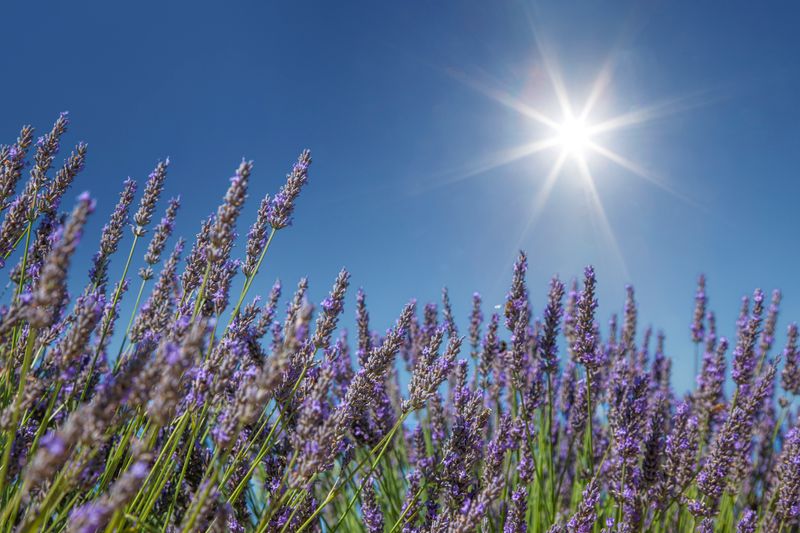
Lavender absolutely loves the sun, and in North Carolina, full sun exposure does more than just fuel growth. It actually helps protect the plant by drying out foliage quickly after rain or heavy morning dew.
In a humid climate like North Carolina’s, wet leaves sitting in shade for hours can lead to serious fungal problems that spread fast.
Aim for at least six to eight hours of direct sunlight every single day. Morning sun is especially valuable because it dries moisture off the leaves early, before the afternoon heat builds up.
Planting near walls, fences, or large shrubs that cast shade during key hours is something to avoid if you want your lavender to truly perform well.
Full sun also encourages the plant to produce more of the essential oils that give lavender its famous fragrance. The more sun the plant gets, the more aromatic and productive it becomes.
Spending a little time observing your garden before planting helps you identify which spots receive uninterrupted sunlight throughout the day.
Many North Carolina gardeners are surprised to discover that what looks like a sunny spot in early spring becomes partially shaded once nearby trees leaf out.
Scout your location carefully, choose the sunniest patch available, and your lavender will reward you with stronger growth and better blooms all season long.
4. Prune Lightly In Early Spring
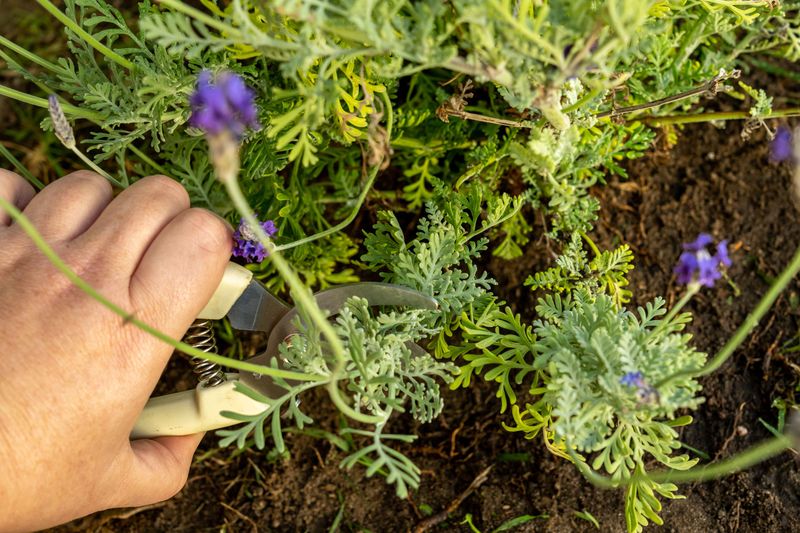
Early spring pruning is one of those simple tasks that pays off in a big way for North Carolina lavender growers. Once you start seeing fresh green growth emerging from the base of your plants, that is your signal to grab a clean pair of pruning shears and get to work.
Timing matters here, because pruning too early before growth appears can stress the plant unnecessarily.
The goal is to trim back roughly one-third of last year’s growth, cutting just above where you see new shoots forming. Avoid going too deep into the older, woody stems at the base.
Woody stems do not regenerate well, so cutting into them can leave you with a plant that struggles to bounce back properly through spring and summer.
Light pruning does two important things for your lavender. First, it encourages the plant to grow in a compact, tidy shape rather than flopping open and becoming leggy.
Second, it opens up the center of the plant and improves airflow, which is critical in North Carolina’s humid conditions. Better airflow means foliage dries faster after rain and morning moisture, reducing the risk of fungal issues significantly.
Think of spring pruning as giving your lavender a fresh haircut that sets it up for its best possible performance through the warm months ahead. It takes just a few minutes and makes a real difference.
5. Avoid Heavy Mulch Around The Base
Mulching is great advice for most garden plants, but lavender plays by different rules entirely.
In North Carolina, where humidity already keeps moisture levels high, piling traditional organic mulch like wood chips or shredded bark around lavender stems creates a warm, damp environment right at the base of the plant.
That is exactly the kind of condition that invites root rot and fungal trouble.
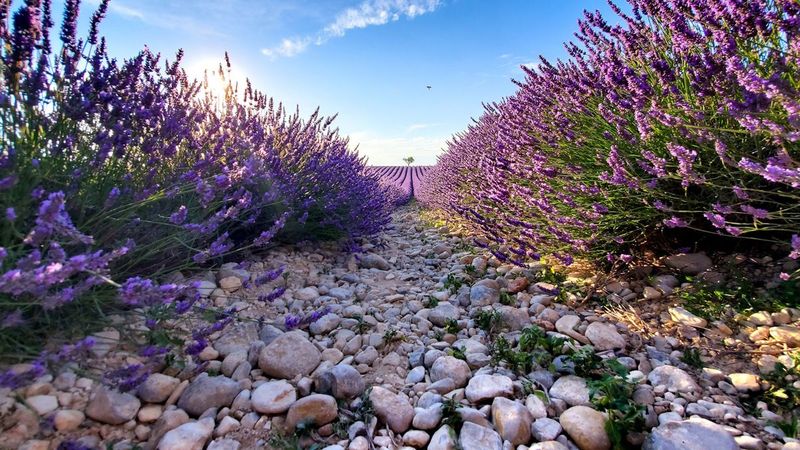
Gravel and small decorative stones make a much smarter choice for lavender. They allow water to drain away quickly, keep the soil surface dry between rains, and actually reflect heat back up toward the plant, which lavender genuinely enjoys.
A two to three inch layer of pea gravel or crushed stone around the base keeps things tidy while protecting the plant in a way that works with its natural preferences.
Keeping organic material away from the crown of the plant is especially important during North Carolina’s rainy spring season. Even a small amount of mulch pressed against the stems can trap enough moisture to cause problems over time.
Many experienced lavender growers across the state have switched entirely to stone mulch after struggling with plant health using traditional methods. The switch is simple, affordable, and genuinely effective.
Your lavender will stay drier, breathe better, and face far fewer issues heading into the heat and humidity of a typical North Carolina summer.
6. Space Plants For Strong Airflow
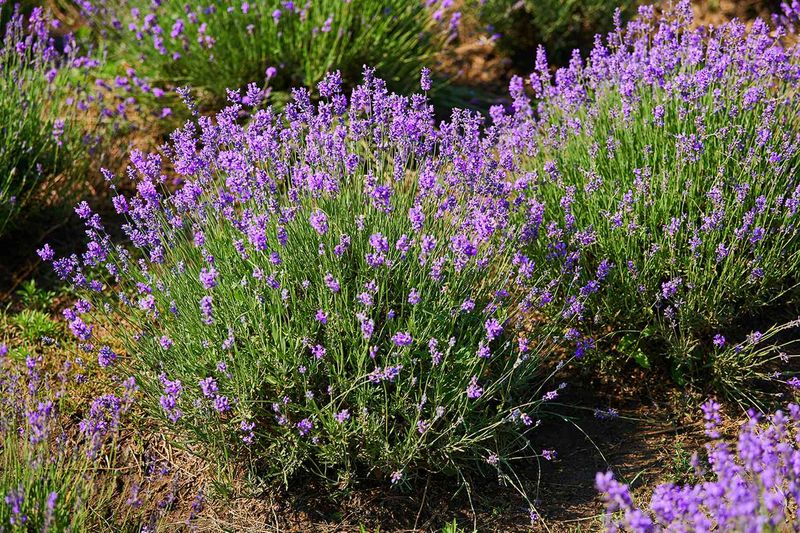
Crowding lavender plants together might seem like a way to create a fuller, more dramatic look in your garden, but in North Carolina it actually works against you. When plants grow too close together, air cannot move freely between them.
Trapped, stagnant air combined with the state’s naturally high humidity creates exactly the kind of environment where fungal diseases thrive and spread quickly.
Spacing lavender plants about two to three feet apart gives each one room to breathe and grow without competing for light and airflow.
That open space between plants might look a little sparse in early spring, but by midsummer your lavender will have filled out beautifully while still maintaining the circulation it needs to stay healthy.
It is one of those decisions that feels counterintuitive at first but makes complete sense once you understand how lavender works.
Proper spacing also makes pruning, harvesting, and general care much easier throughout the season. You can reach each plant without crushing its neighbors, and you can spot any early signs of trouble before problems have a chance to spread.
North Carolina summers bring plenty of warm, humid nights that challenge even well-established lavender plants. Giving your plants generous spacing is a simple, cost-free way to reduce that stress significantly.
Think of the space between your plants not as empty ground but as a built-in protection system working quietly all season long.
7. Water Only When Needed
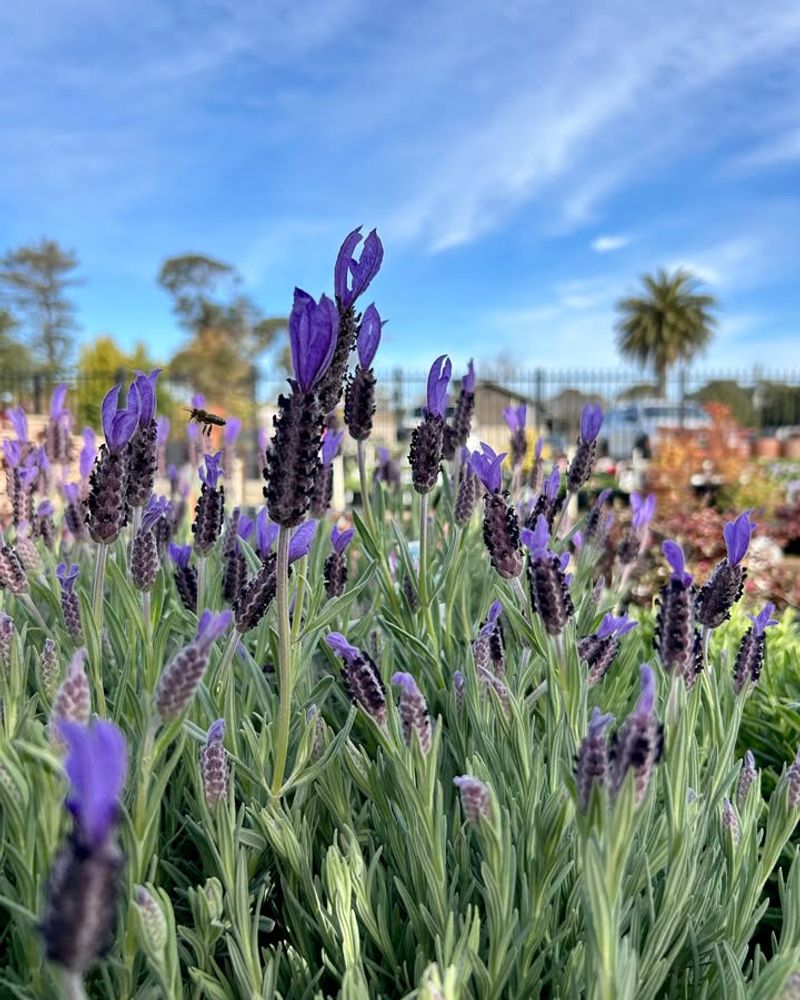
Lavender has a reputation for being tough, and a big part of that toughness comes from its preference for drier conditions. Once your plants are established in the ground, they genuinely do not need much supplemental water.
In North Carolina, spring rainfall is usually enough to keep established lavender perfectly happy without any help from a hose or irrigation system.
The rule of thumb is simple: check the soil before you water. Push your finger about two inches into the ground near the plant.
If the soil still feels even slightly moist, hold off and check again in a day or two. Lavender roots need a chance to dry out between waterings, and consistently wet soil is one of the most common reasons lavender struggles in North Carolina gardens.
Newly planted lavender does need more frequent watering during its first season while roots are getting established. But even then, the goal is to water deeply and infrequently rather than giving small amounts every day.
Deep watering encourages roots to grow downward in search of moisture, which makes the plant more self-sufficient and resilient over time. Morning is the best time to water because it gives foliage a chance to dry completely before nightfall.
Keeping moisture off the leaves during cooler evening hours reduces fungal risk considerably, which matters a lot in North Carolina’s humid spring and summer climate.
8. Avoid Rich Fertilizers
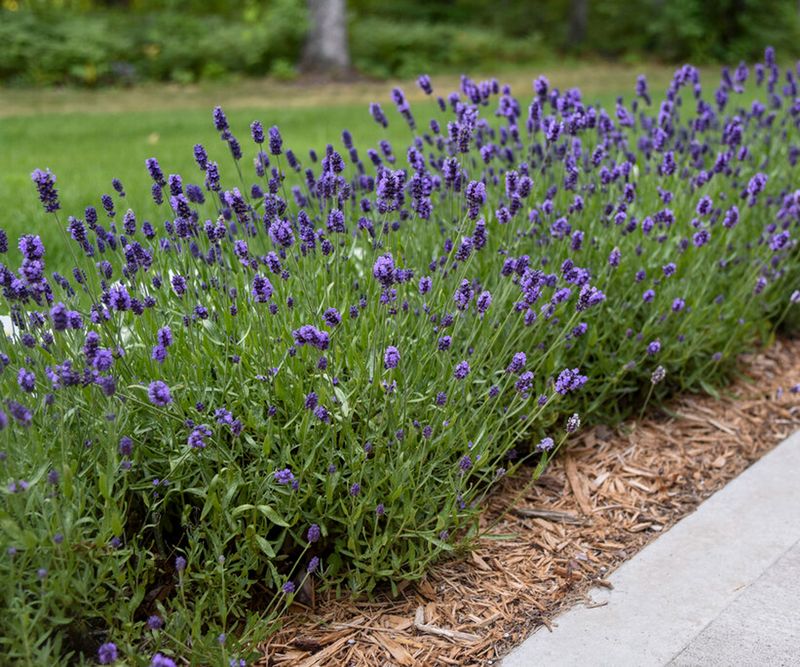
Lavender is one of those plants that actually performs better when you resist the urge to feed it heavily. Rich fertilizers, especially those high in nitrogen, push the plant to produce lots of lush, soft new growth very quickly.
That kind of soft, leafy growth sounds appealing, but it is exactly what struggles most in North Carolina’s combination of intense summer heat and sticky humidity.
Soft growth is more vulnerable to heat stress, wilts more easily during dry spells, and provides a more inviting target for pests and fungal issues.
Lavender naturally grows in poor, rocky Mediterranean soils with very little available nutrition, so feeding it like a vegetable garden works completely against its strengths.
Moderate to low fertility is what helps lavender produce the compact, sturdy growth that handles tough conditions well.
If you feel the need to fertilize at all, a light application of a low-nitrogen, slow-release fertilizer in early spring is more than enough. Some North Carolina growers skip fertilizing entirely and find their lavender thrives just fine without any supplemental feeding.
A small handful of bone meal or a bit of lime to adjust soil pH can be beneficial, but heavy feeding schedules do more harm than good.
Keep the soil lean, keep the drainage sharp, and your lavender will channel its energy into strong roots and beautiful blooms rather than weak, floppy stems.