What Makes The Alaska Botanical Garden One Of The Most Unique Plant Attractions In The U.S.

Tucked away in Anchorage, the Alaska Botanical Garden offers visitors a truly remarkable experience unlike any other plant attraction in the country.
This 110-acre living museum showcases the incredible resilience and beauty of northern flora, proving that stunning gardens can thrive even in challenging climates.
Visitors from around the world come to witness how plants adapt and flourish in Alaska’s unique environment.
The garden serves as both an educational resource and a peaceful retreat, featuring native Alaskan plants alongside carefully selected species from similar climates across the globe.
Families, nature enthusiasts, and botanists alike discover something special here, from vibrant wildflower meadows to serene woodland trails.
What makes this botanical garden stand out isn’t just its northern location but the creative ways it celebrates the relationship between plants and Alaska’s distinctive landscape.
Every corner reveals how life finds a way to bloom brilliantly, even where you might least expect it.
The Alaska Botanical Garden at 4601 Campbell Airstrip Road, Anchorage, AK 99507, invites everyone to explore nature’s toughest and most beautiful survivors.
Extreme Climate Growing Conditions

Located at 4601 Campbell Airstrip Road, Anchorage, AK 99507, this remarkable garden demonstrates how plants survive and flourish in one of America’s most challenging environments.
Alaska’s growing season lasts just three to four months, yet the garden bursts with color and life during summer.
Plants here must endure temperature swings from minus 20 degrees in winter to 70 degrees in summer, creating conditions that test even the hardiest species.
Gardeners have learned to work with nature rather than against it, selecting varieties that can handle extreme cold and take advantage of nearly 24 hours of daylight during peak season.
The extended daylight hours actually help plants grow faster and produce more vibrant blooms than in lower latitudes.
Permafrost lies just beneath the surface in many areas, requiring special planting techniques and raised beds to ensure proper drainage.
Visitors often express amazement at seeing lush gardens thriving where many assume nothing could grow.
The garden staff shares valuable knowledge about cold-climate gardening techniques that home gardeners across northern regions find incredibly useful.
Every plant here tells a story of adaptation and resilience that inspires anyone facing challenges in their own gardens.
Native Alaskan Plant Collections

Walking through the native plant sections feels like stepping into Alaska’s untouched wilderness without leaving the city.
The garden preserves and displays over 150 species of plants indigenous to Alaska, including fireweed, wild geranium, lupine, and chocolate lily.
These collections help visitors understand the incredible diversity of plant life that naturally occurs across Alaska’s varied ecosystems, from coastal rainforests to alpine tundra.
Many of these plants have been used for centuries by Alaska Native peoples for food, medicine, and materials.
Educational signage throughout the garden explains these traditional uses, connecting visitors to the deep cultural heritage of the region.
Conservation efforts here focus on protecting rare and endangered Alaskan species, with seed banking programs ensuring these plants survive for future generations.
Some varieties found here grow nowhere else on Earth, making this collection scientifically invaluable.
Children especially enjoy learning about plants like bog blueberry and nagoonberry that produce edible fruits.
The garden offers programs teaching families how to identify and sustainably harvest wild plants, skills that connect people more deeply to Alaska’s natural resources and traditional knowledge systems.
Midnight Sun Growing Advantage
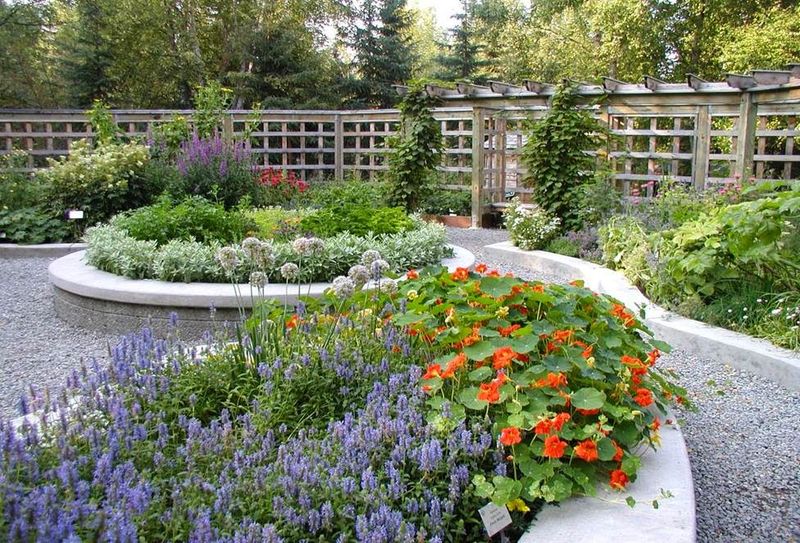
Summer visitors often find themselves wandering the garden paths at 10 or 11 pm, still bathed in bright sunshine.
Anchorage receives nearly 20 hours of daylight during the summer solstice, and this extended light creates phenomenal growing conditions.
Plants photosynthesize almost continuously, producing growth rates that would take twice as long in lower latitudes.
Vegetables grown in Alaska regularly reach enormous sizes, with cabbages weighing 90 pounds and sunflowers towering over 12 feet tall.
The garden showcases these giant specimens, demonstrating what happens when plants receive almost constant sunlight combined with cool temperatures that prevent stress.
Flowers here bloom with unusually intense colors because the extended light hours allow them to produce more pigments.
Lupines appear more vibrant purple, poppies glow brighter orange, and even foliage displays richer greens than the same species grown elsewhere.
The garden stays open late during summer months, allowing visitors to experience the surreal beauty of strolling through blooming gardens under the midnight sun.
This unique phenomenon creates unforgettable memories and photo opportunities impossible to find anywhere else in the country.
Herb Garden With Hardy Varieties

Fragrant herbs thrive surprisingly well in Alaska’s climate, challenging common assumptions about what can grow in northern gardens.
The herb garden features varieties specially selected for cold tolerance, including sage, thyme, oregano, chives, and several types of mint.
Many visitors are surprised to learn that numerous culinary herbs actually prefer cooler temperatures and can overwinter successfully with proper protection.
Raised beds help these plants drain properly while warming faster in spring, extending the already short growing season.
The garden demonstrates companion planting techniques that work especially well in northern climates.
Educational workshops teach visitors how to preserve herbs through drying, freezing, and making infused oils.
The herb collection includes several varieties developed specifically for Alaska’s conditions by local plant breeders.
Children enjoy the sensory experience of touching and smelling different herbs.
The herb garden proves that even in challenging climates, home cooks can grow fresh seasonings that enhance meals while connecting to centuries-old northern gardening traditions.
Perennial Borders Adapted To Cold
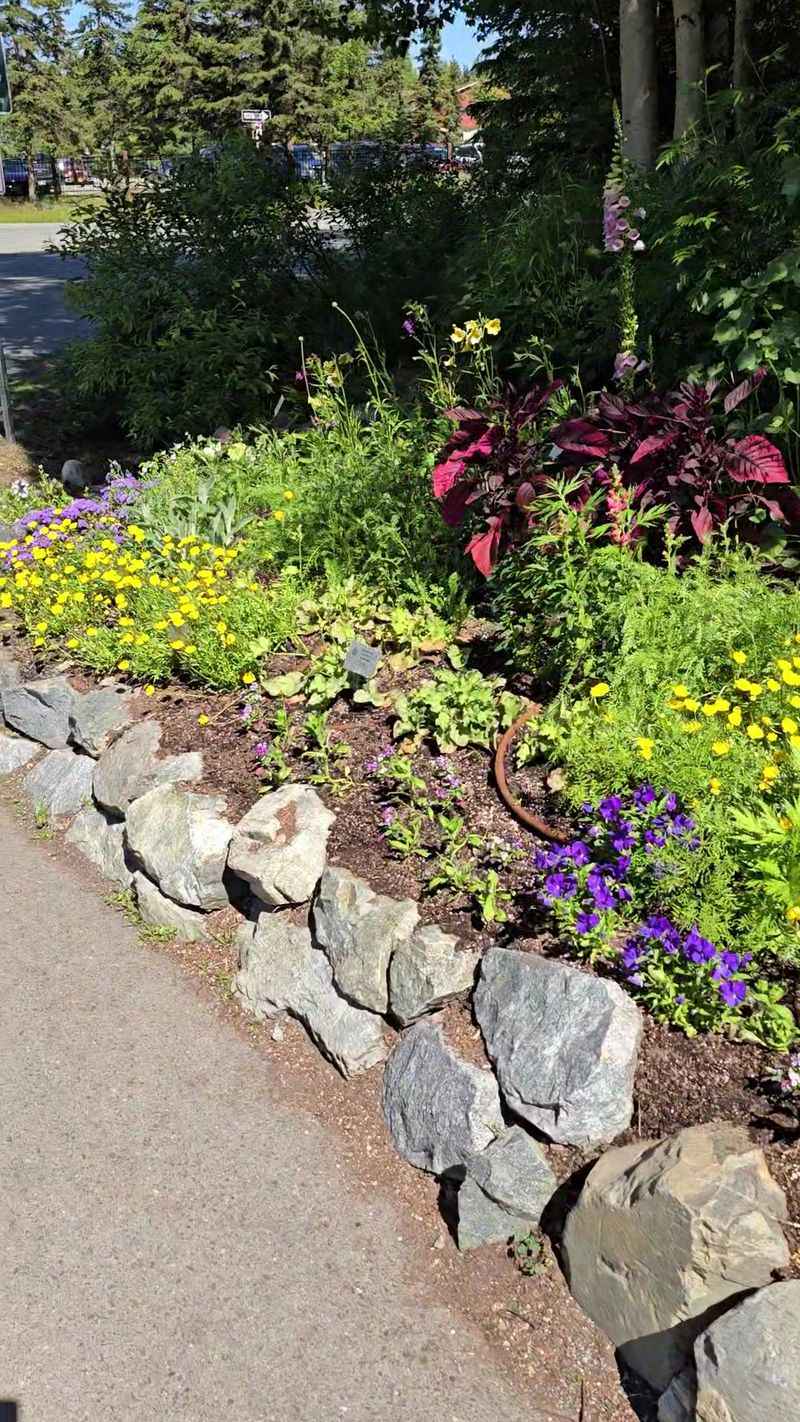
Brilliant color explodes throughout the perennial borders during Alaska’s brief but glorious summer season.
These carefully designed beds showcase perennials that not only survive but actually prefer Alaska’s cool nights and moderate summer temperatures.
Delphiniums reach spectacular heights here, peonies produce enormous blooms, and Siberian irises thrive in conditions similar to their native habitat.
The garden staff has tested hundreds of perennial varieties over decades, identifying which ones perform best in Anchorage’s specific climate zone.
This research saves home gardeners years of trial and error, providing reliable recommendations for creating beautiful landscapes.
Unlike perennial gardens in warmer climates that may bloom sporadically throughout a long season, Alaska’s perennials often bloom simultaneously in an overwhelming display of color.
This concentrated flowering creates breathtaking visual impact that draws photographers and artists from across the region.
Winter mulching techniques demonstrated here show visitors how to protect perennial roots from temperature fluctuations and frost heaving.
The borders also illustrate proper spacing for plants that may grow larger in Alaska’s long daylight hours than expected from seed packet descriptions written for temperate climates with shorter summer days.
Rock Garden Showcasing Alpine Plants
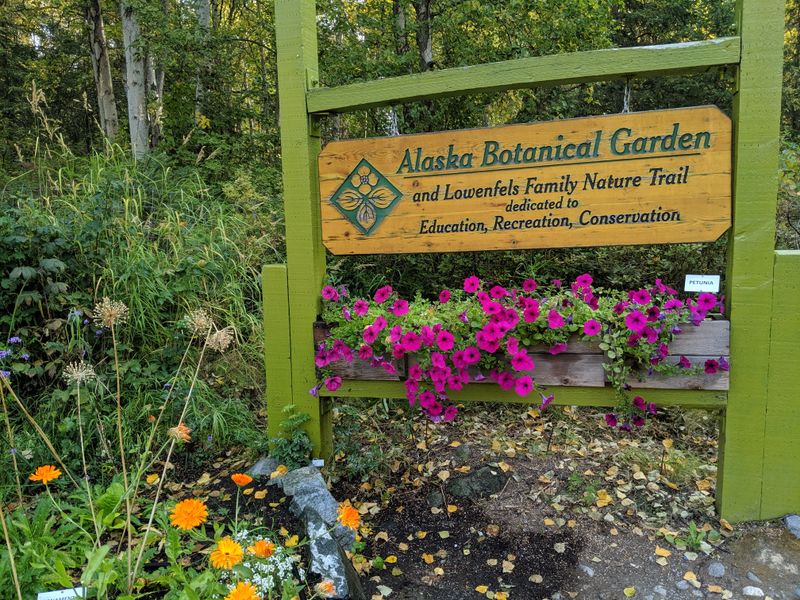
Miniature plants cling to rocky outcrops in the alpine garden, recreating the harsh beauty of Alaska’s mountain environments.
This specialized section features plants from tundra and alpine zones, where growing seasons last mere weeks and conditions test the limits of plant survival.
Tiny cushion plants, saxifrages, and dwarf willows demonstrate remarkable adaptations for extreme environments.
The rock garden’s design mimics natural alpine conditions with excellent drainage, protection from harsh winds, and strategic rock placement that creates microclimates.
Visitors learn how rocks absorb heat during the day and release it at night, protecting delicate plants from frost even during summer.
Many alpine plants featured here bloom with disproportionately large flowers compared to their tiny size, an adaptation that helps them attract pollinators during brief flowering windows.
The garden explains how these plants survive by growing extremely slowly, with some specimens being decades old despite appearing quite small.
Photographers particularly love this section for its intricate details and the challenge of capturing tiny blooms against dramatic rocky backdrops.
The alpine garden provides inspiration for home gardeners working with rocky soil or wanting to create low-maintenance landscapes using tough, beautiful plants perfectly suited to harsh northern conditions.
Woodland Trail Through Boreal Forest
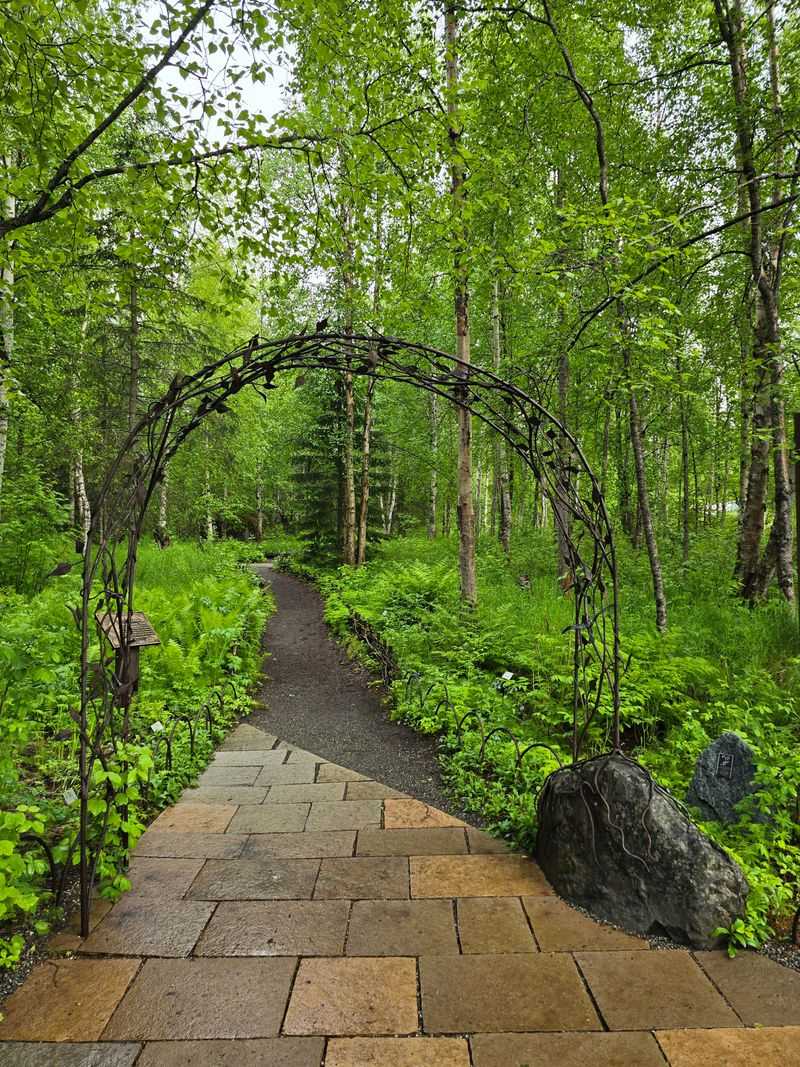
Towering spruce trees create a cathedral-like atmosphere along the woodland trail, offering peaceful shade and forest serenity.
This section preserves the natural boreal forest ecosystem that once covered the entire area before development.
White spruce, birch, and cottonwood trees provide habitat for birds and small mammals while demonstrating how native trees adapt to Alaska’s climate.
The forest floor showcases shade-loving plants like ferns, bunchberry, and various mosses that thrive beneath the canopy.
Interpretive signs explain the ecological relationships between trees, understory plants, fungi, and wildlife, creating a living classroom for understanding northern forest ecosystems.
Visitors often spot moose browsing near the trail edges, especially during early morning or evening hours.
The garden maintains the woodland trail as a natural area, allowing fallen trees to decompose and provide habitat while demonstrating sustainable forest management practices.
Cool, filtered light creates perfect conditions for photography and quiet contemplation.
The woodland trail offers respite from summer heat and shows how gardeners can work with existing trees rather than clearing them, incorporating native forest elements into landscaping plans that honor Alaska’s natural beauty while requiring minimal maintenance and supporting local wildlife populations.
Demonstration Gardens For Home Gardeners
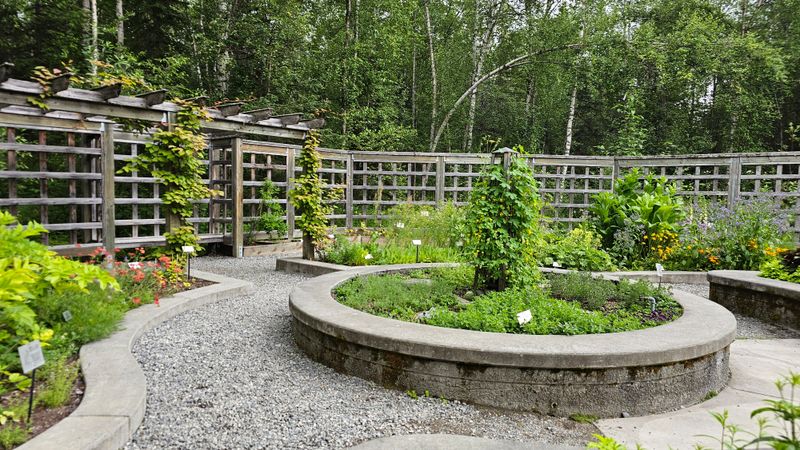
Practical garden beds display exactly what works for Alaska home gardeners facing similar growing challenges.
These demonstration areas test new varieties, compare growing techniques, and showcase creative solutions to common northern gardening problems.
Visitors see real examples of succession planting, companion planting, and season extension methods adapted specifically for Alaska’s short growing season.
Vegetable beds display cold-hardy varieties that mature quickly enough to produce food before frost arrives.
The garden trials different types of row covers, cold frames, and protective structures that help extend the season by weeks, significantly increasing harvest potential.
Signage throughout the demonstration gardens provides specific information about planting dates, spacing, and care requirements for Alaska conditions.
Garden staff members often work in these areas during visiting hours, answering questions and sharing tips based on years of northern gardening experience.
Companion planting demonstrations show which plants protect each other from pests common in Alaska, reducing the need for chemical interventions.
The demonstration gardens change seasonally, with spring displays focusing on starting seeds and early crops, while late summer showcases preservation techniques and preparing gardens for winter, providing year-round learning opportunities for committed northern gardeners.
Pollinator Garden Supporting Northern Species
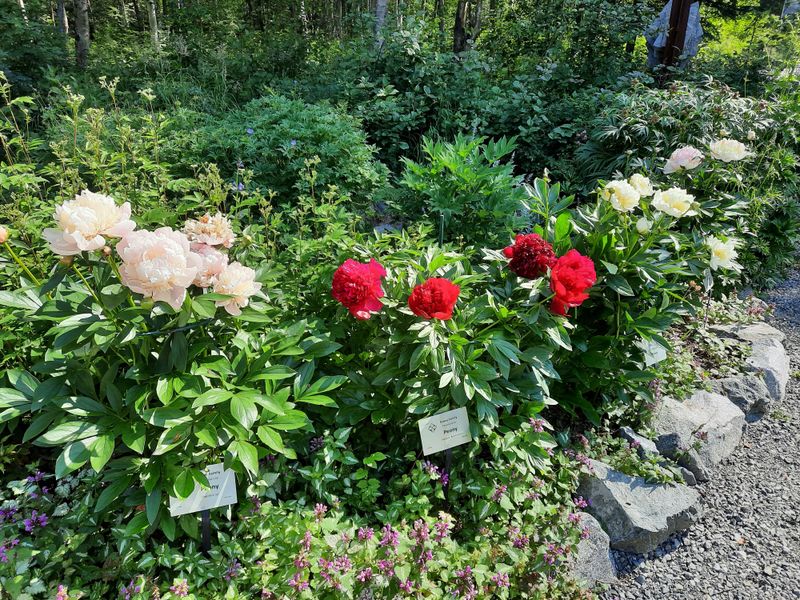
Buzzing bees and fluttering butterflies fill the pollinator garden with life during Alaska’s brief but intense flowering season.
This specialized area features plants specifically chosen to support native pollinators including bumblebees, solitary bees, butterflies, and hummingbirds.
Alaska hosts numerous bee species perfectly adapted to cold climates, including some that can fly in temperatures that would ground their southern cousins.
The garden demonstrates how choosing the right plants creates habitat that supports pollinators throughout their life cycles, not just during flowering periods.
Native willows provide early spring pollen when bees first emerge, while late-blooming asters offer nectar into autumn.
Educational displays explain the critical role pollinators play in Alaska’s ecosystems and food production, including commercial berry farms and home vegetable gardens.
Visitors learn to identify different bee species and understand their unique behaviors and habitat needs.
The garden avoids all pesticides in the pollinator area, demonstrating how healthy plant selection and natural pest management create thriving gardens without chemicals.
Children particularly enjoy watching bees work among flowers, learning about these essential creatures without fear, while families discover which plants they can add to home gardens to support struggling pollinator populations throughout Alaska.
Educational Programs Teaching Northern Gardening
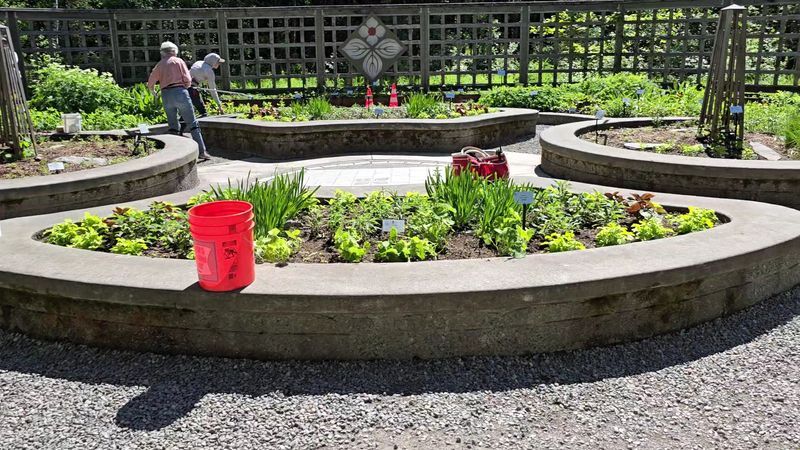
Expert instructors share decades of accumulated knowledge about successful gardening in Alaska’s challenging environment.
The garden offers workshops, classes, and guided tours covering topics from basic vegetable gardening to advanced propagation techniques for rare native plants.
These programs attract both beginners hoping to start their first Alaska garden and experienced gardeners seeking to expand their skills.
Children’s programs introduce young people to plant science, ecology, and the importance of conservation through hands-on activities.
Summer camps allow kids to plant seeds, observe insects, create nature art, and develop connections to the natural world that last throughout their lives.
Master Gardener courses certified through the University of Alaska Cooperative Extension Service use the garden as a living laboratory where students apply classroom learning to real growing conditions.
Volunteer opportunities allow community members to gain practical experience while contributing to the garden’s mission.
Seasonal workshops address timely topics like starting seeds indoors during dark winter months, hardening off transplants, managing pests organically, and preserving harvests.
The garden’s educational programs create a community of informed gardeners who share knowledge, support each other, and collectively improve Alaska’s gardening culture while promoting environmental stewardship and sustainable practices throughout the region.