What Makes The North Carolina Arboretum A Must-See Garden Attraction This Year
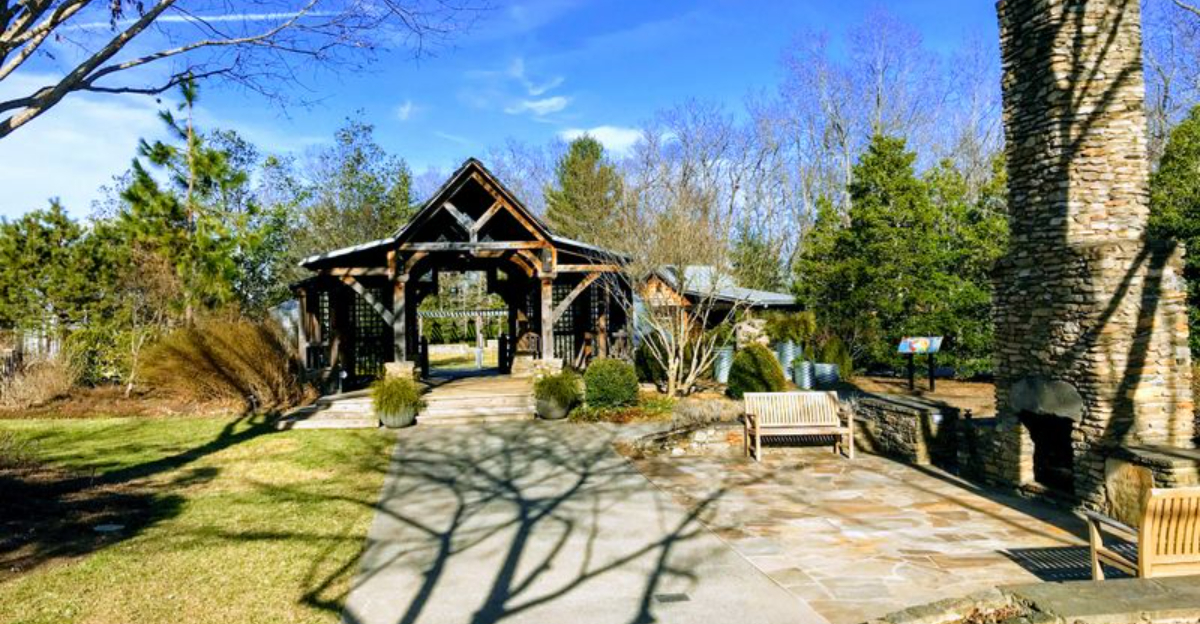
The North Carolina Arboretum stands as one of the most beautiful garden destinations in the southeastern United States, attracting visitors from across the country who seek natural beauty and peaceful surroundings.
Nestled in the stunning Blue Ridge Mountains near Asheville, this 434-acre public garden offers an incredible variety of plants, trails, and seasonal displays that change throughout the year.
Families, nature lovers, photographers, and anyone looking for a relaxing day outdoors will find something special waiting around every corner.
Whether you want to explore winding trails, admire colorful flowers, or simply enjoy mountain views, the Arboretum delivers an unforgettable experience that keeps people coming back season after season.
This year brings fresh reasons to visit, from updated exhibits to blooming gardens that showcase the region’s natural heritage.
Your adventure through carefully designed landscapes and native plant collections will leave you inspired and connected to the natural world in ways you never expected.
Stunning Bonsai Exhibition Collection
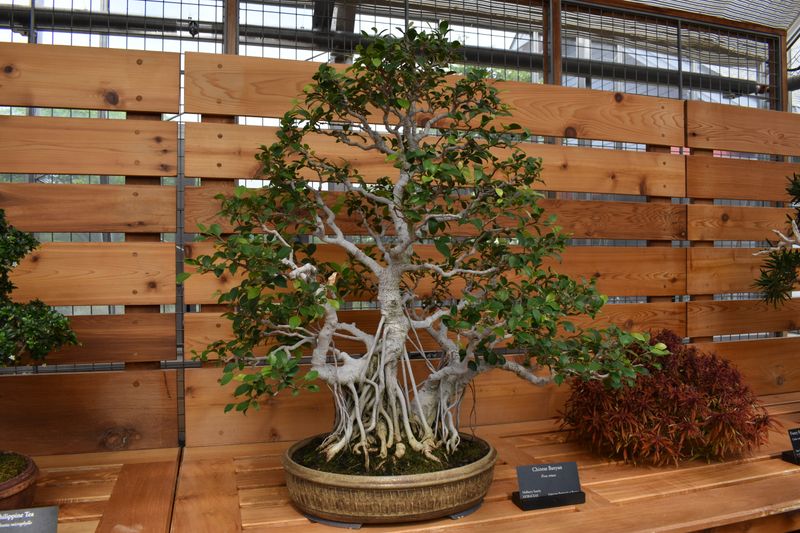
Visitors can admire one of the most impressive bonsai collections in the entire Southeast region when they step into this remarkable exhibition space.
The National Bonsai and Penjing Museum partnership brings world-class miniature trees that have been carefully shaped and nurtured for decades.
Each tiny tree tells a story through its twisted branches and carefully pruned leaves that demonstrate patience and artistic vision.
You will see species ranging from traditional Japanese maples to native North Carolina pines, all displayed at perfect eye level for close examination.
The exhibition rotates seasonally, which means returning visitors always discover new specimens and different arrangements throughout the year.
Educational signs explain the ancient techniques used to create these living sculptures, making the experience both beautiful and informative for all ages.
Photography enthusiasts find endless inspiration in the delicate forms and textures that make each bonsai a unique work of natural art.
Children especially enjoy seeing full-sized trees transformed into miniature versions that fit on tabletops yet look completely realistic.
Miles Of Scenic Hiking Trails
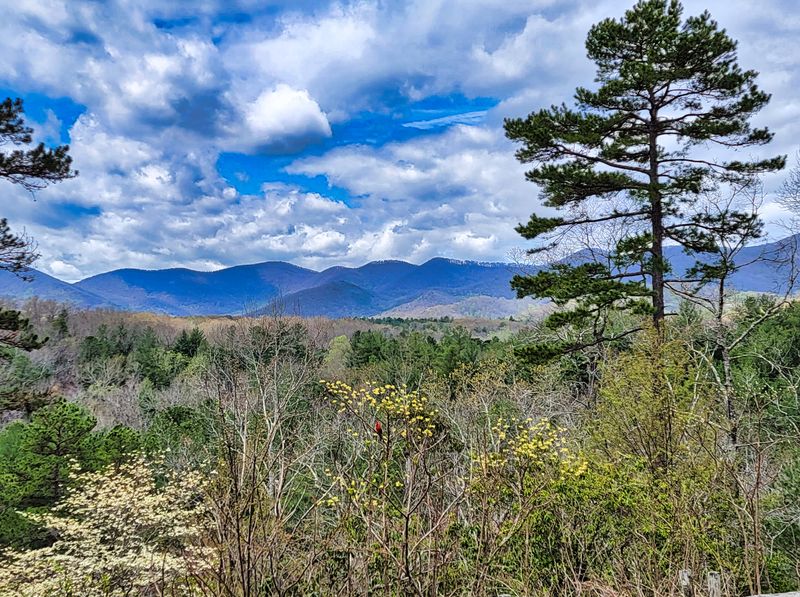
More than 10 miles of trails wind through diverse landscapes that showcase the natural beauty of the Blue Ridge Mountains in every season.
Families with young children appreciate the paved paths that make stroller navigation easy while still offering gorgeous forest views and garden access.
Adventurous hikers can tackle more challenging routes that climb hillsides and reveal stunning overlooks of the surrounding mountain ranges.
Each trail connects to different garden areas, creating opportunities to combine exercise with botanical exploration throughout your visit.
Spring brings wildflowers along the woodland paths, while autumn transforms the canopy into brilliant shades of red, orange, and gold.
Trail markers provide clear directions and distance information, helping visitors plan walks that match their fitness levels and available time.
Benches positioned at scenic spots invite you to pause, rest, and simply absorb the peaceful atmosphere that surrounds you.
Bird watchers bring binoculars to spot native species that call the Arboretum home, from colorful warblers to majestic hawks soaring overhead.
Quilt Garden’s Colorful Plant Patterns

Traditional Appalachian quilt patterns come to life through carefully arranged flowers and foliage in this uniquely designed garden space that celebrates regional heritage.
Horticulturists plant thousands of annuals each season to create intricate geometric designs that mirror classic quilting traditions passed down through generations.
Viewing platforms allow visitors to see the full patterns from above, revealing how individual plants work together to form stunning visual compositions.
The designs change annually, which means even frequent visitors encounter fresh patterns and color combinations that reflect different quilting styles.
Educational displays explain the history and cultural significance of quilting in mountain communities, connecting garden art to regional storytelling traditions.
Photographers love capturing the bold colors and precise arrangements that create picture-perfect compositions throughout the growing season.
Children enjoy identifying shapes and patterns while learning how plants can become artistic mediums beyond their natural beauty.
Peak viewing times occur from late spring through early fall when annuals reach their fullest bloom and colors appear most vibrant.
Education Center With Interactive Programs
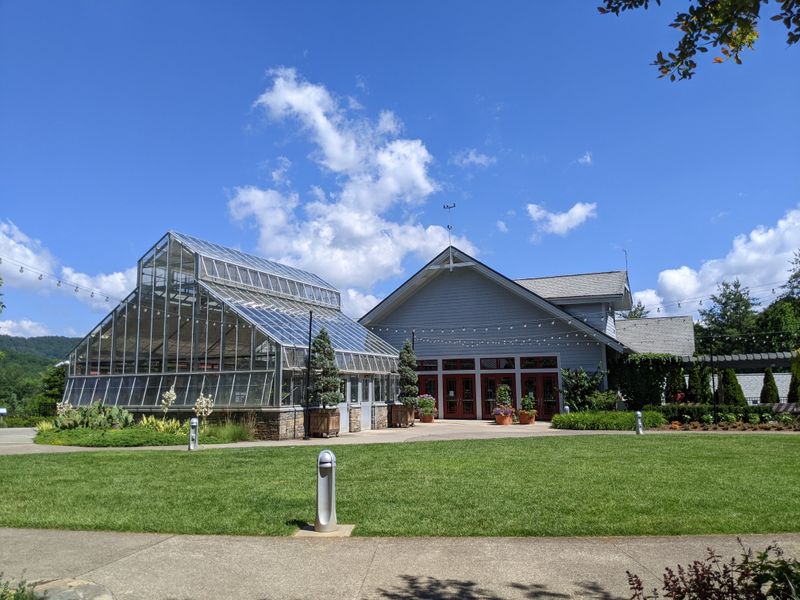
Hands-on learning opportunities await visitors of all ages at this state-of-the-art facility that makes botanical science accessible and engaging for everyone.
Classes range from gardening basics for beginners to advanced workshops on native plant propagation and sustainable landscaping techniques.
Children participate in special programs designed to spark curiosity about nature, including bug hunts, seed planting activities, and nature crafts.
Seasonal events bring the community together for festivals, plant sales, and demonstrations that showcase regional horticultural traditions and innovations.
Expert instructors share knowledge gained from years of experience working with plants native to the Appalachian region and beyond.
The center’s indoor spaces provide comfortable environments for learning regardless of weather conditions outside, ensuring programs run year-round.
Interactive exhibits allow visitors to touch, smell, and closely examine plant specimens while learning about their ecological roles and human uses.
Registration information for upcoming North Carolina Arboretum programs can be found online, with many free events available alongside ticketed workshops and classes.
Native Azalea Collection In Full Bloom

Few sights compare to the spectacular display when hundreds of native azalea shrubs burst into bloom across the North Carolina Arboretum grounds each spring.
These aren’t the common landscaping varieties found in suburban yards but rather wild species native to the southern Appalachian Mountains.
Colors range from soft pastels to brilliant oranges and deep reds, creating a natural rainbow that attracts both human admirers and pollinating insects.
Peak bloom typically occurs in late April and May, though exact timing varies with weather patterns and elevation within the garden.
The collection includes rare species that rarely appear in cultivation, giving visitors chances to see plants they might never encounter elsewhere.
Fragrance fills the air around these shrubs, with some species producing sweet scents that drift across paths and invite closer investigation.
Plant labels provide scientific names, native ranges, and interesting facts about each species’ ecological importance and conservation status.
Photographers arrive early in the morning to capture blooms backlit by sunrise, creating images that showcase the translucent beauty of azalea petals.
Stream Garden’s Peaceful Water Features
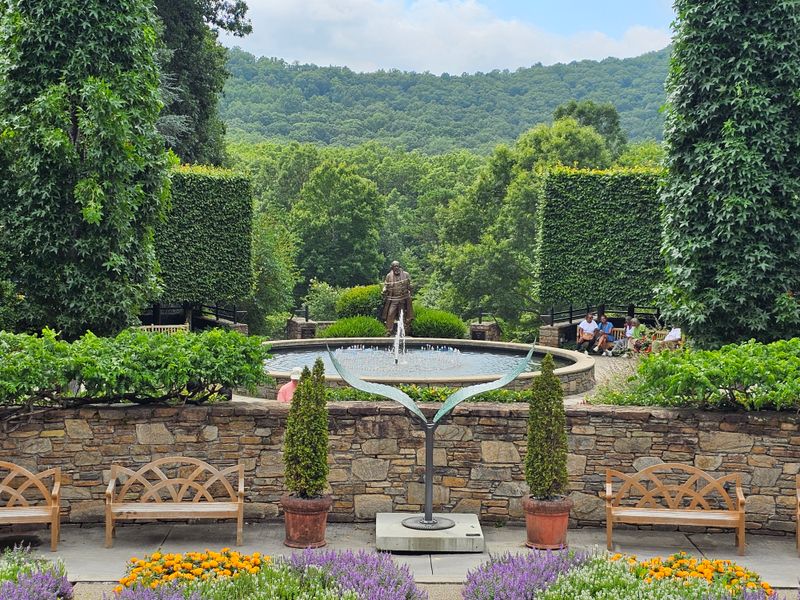
Water flows gently through this serene garden space, creating soothing sounds that immediately calm the mind and invite peaceful reflection.
Carefully selected moisture-loving plants line the stream banks, demonstrating how to create beautiful landscapes in wet areas that challenge many gardeners.
Stepping stones allow visitors to cross the water and explore both sides of the stream while getting close to aquatic and marginal plants.
The design showcases sustainable water management techniques that homeowners can adapt for their own properties, making beauty and function work together.
Native ferns unfurl their fronds along shaded sections, while sun-loving perennials bloom in brighter spots, illustrating how to match plants to conditions.
Benches positioned near the water provide perfect spots for meditation, sketching, or simply listening to the gentle babbling that soothes away stress.
Wildlife frequently visits this North Carolina Arboretum garden, with birds bathing in shallow pools and dragonflies darting above the water’s surface on warm afternoons.
Interpretive signs explain the ecological importance of riparian zones and how healthy stream corridors support diverse plant and animal communities.
Production Greenhouse Behind-The-Scenes Tours
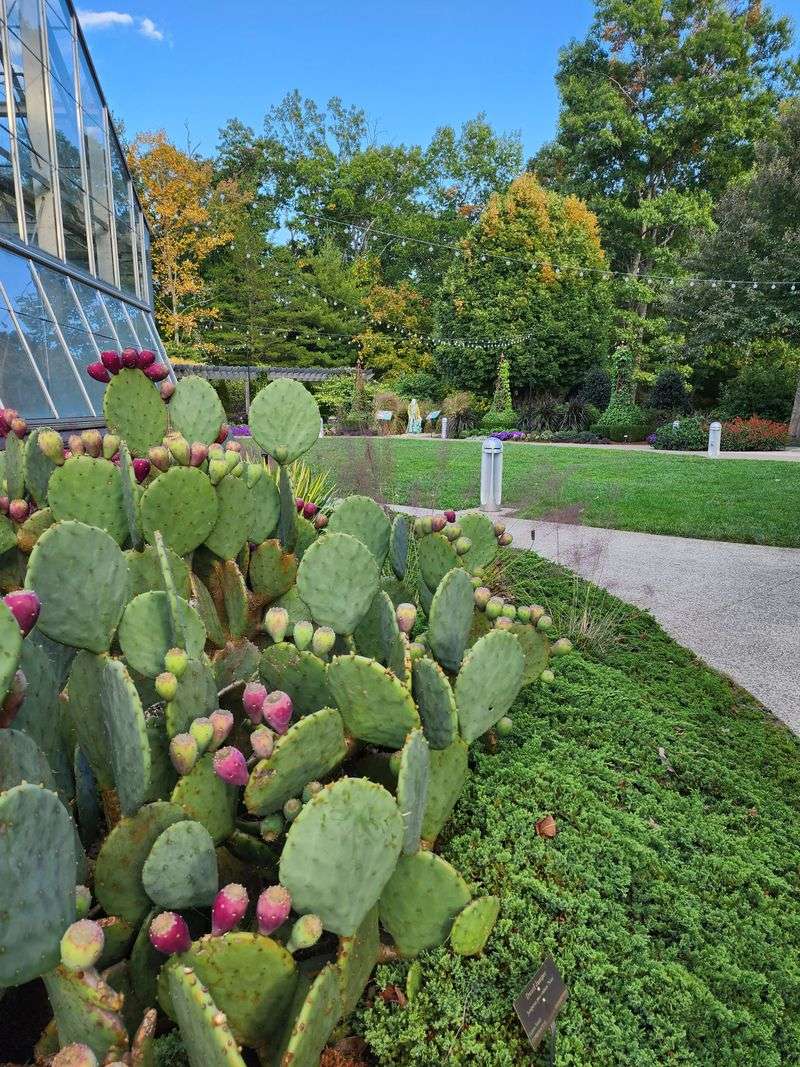
Ever wondered where all those beautiful plants come from before they appear in the North Carolina Arboretum’s stunning displays and garden beds?
Special tours take visitors into the working greenhouses where skilled horticulturists propagate, grow, and prepare plants for installation throughout the grounds.
Thousands of seedlings, cuttings, and young plants fill benches in climate-controlled environments that ensure optimal growth regardless of outdoor weather.
Tour guides explain propagation techniques, from seed starting to vegetative reproduction, revealing the science and skill behind successful plant production.
Visitors see firsthand how staff plan seasonal displays months in advance, timing plant growth to achieve peak beauty at specific times.
Questions are encouraged, and knowledgeable staff members share tips that home gardeners can apply to their own growing efforts.
The tours reveal the tremendous work happening behind the scenes to maintain the Arboretum’s high standards and constantly changing displays.
Advance registration is typically required as tour sizes remain limited to ensure everyone can see and hear clearly in the greenhouse environment.
Seasonal Events And Festival Calendar

Something special happens nearly every month at the North Carolina Arboretum, with festivals and events that celebrate plants, nature, and regional culture throughout the year.
Spring Plant Sales attract serious gardeners hunting for unusual varieties and native species that support local pollinators and wildlife.
Summer concerts fill warm evenings with music as families spread blankets on lawns and enjoy performances surrounded by blooming gardens.
Autumn brings harvest festivals, pumpkin displays, and celebrations of fall color that draw crowds eager to experience mountain beauty.
Winter events include holiday light displays and seasonal decorating workshops that help visitors bring natural beauty into their homes.
Many events feature local artisans, food vendors, and educational activities that connect visitors to regional traditions and sustainable practices.
Admission fees vary by event, with some included in regular garden admission and others requiring separate tickets purchased in advance.
Checking the online calendar before visiting ensures you don’t miss special programs that align with your interests and available dates.
Accessible Design For All Visitors
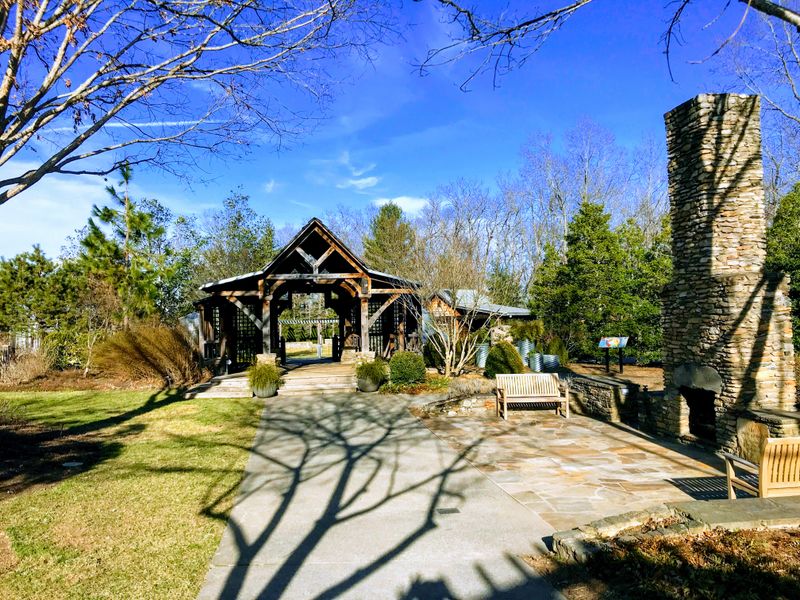
Everyone deserves to experience natural beauty, and thoughtful design ensures visitors with mobility challenges can fully enjoy the Arboretum’s offerings.
Paved paths with gentle grades make wheelchair navigation easy while providing smooth surfaces for walkers, strollers, and anyone who prefers stable footing.
Accessible parking spaces near the entrance minimize the distance visitors must travel before beginning their garden exploration.
Restroom facilities throughout the grounds meet ADA standards, ensuring comfort and convenience for all guests regardless of physical abilities.
Benches appear frequently along paths, offering rest spots for visitors who need to pace themselves while still enjoying the beautiful surroundings.
Raised garden beds bring plants to convenient viewing heights for wheelchair users and anyone who has difficulty bending or kneeling.
Sensory gardens include plants selected for texture, fragrance, and sound, creating rich experiences that don’t rely solely on visual appreciation.
Staff members receive training on assisting visitors with various needs, ensuring everyone feels welcomed and supported during their visit.
This commitment to accessibility at 100 Frederick Law Olmsted Way, Asheville, NC 28806 makes natural beauty available to the entire community without barriers or limitations.
Blue Ridge Mountain Views Throughout
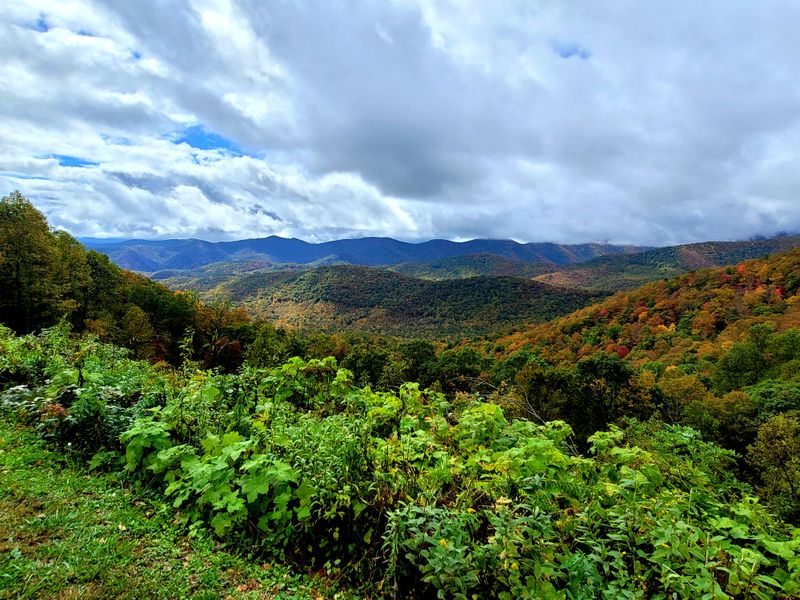
Spectacular mountain vistas serve as the ultimate backdrop for every garden and trail, reminding visitors they’re exploring nature in one of America’s most beautiful regions.
Multiple overlooks positioned strategically throughout the grounds offer unobstructed views of layered mountain ridges stretching to distant horizons.
Morning visits reward early risers with mist-filled valleys and soft light that gradually illuminates the landscape as the sun rises higher.
Afternoon brings brilliant clarity that makes distant peaks appear close enough to touch, with details visible across miles of forested slopes.
Sunset transforms the mountains into silhouettes against colorful skies, creating magical moments that visitors photograph and remember long after returning home.
Each season paints the mountains differently, from spring’s fresh green to autumn’s famous tapestry of reds, oranges, and golds.
Garden designers intentionally framed these views, positioning plants and structures to enhance rather than block the natural scenery beyond.
Visitors often comment that the mountain backdrop elevates their entire experience, making even simple garden walks feel like grand adventures.