What Maryland Homeowners Need To Know Before Dealing With Possums In The Yard
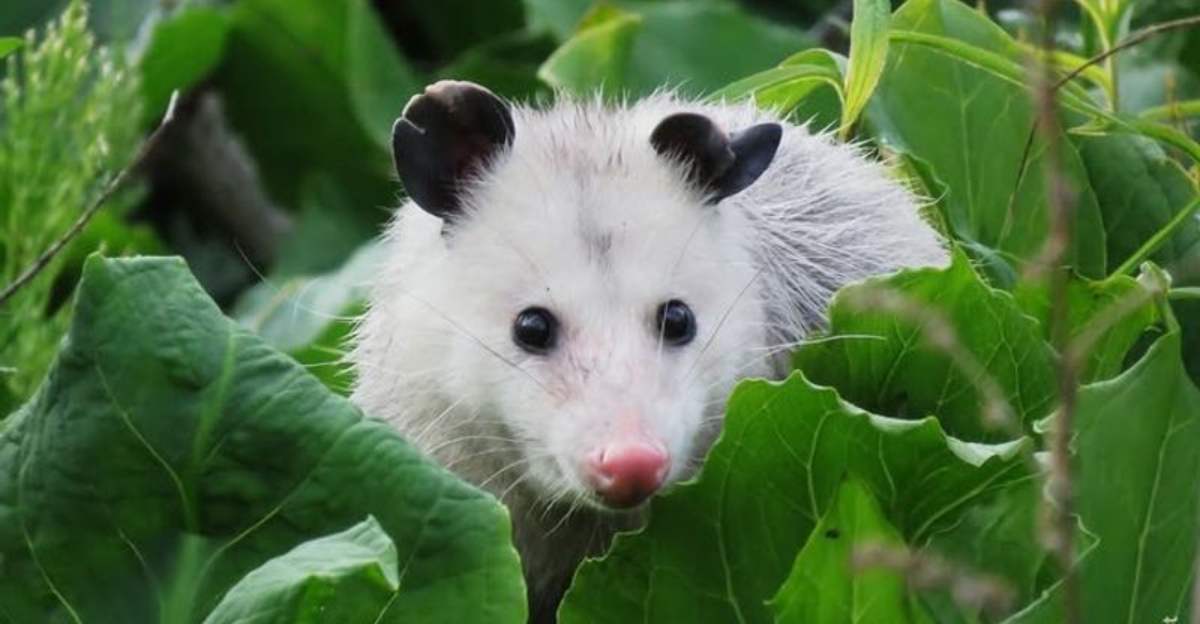
Possums are one of the most misunderstood animals Maryland homeowners encounter, and fear often leads to poor decisions.
Despite their unsettling appearance, possums are generally calm, non-aggressive creatures that wander into yards while searching for food or shelter.
In most cases, their presence is temporary and harmless.
Problems usually arise when homeowners attempt to chase, trap, or remove them without understanding their behavior or state wildlife laws.
Maryland homeowners should know that possums are protected wildlife, and improper handling can be dangerous and illegal.
Possums also provide benefits by eating insects, ticks, and other pests, helping maintain balance in local ecosystems.
Understanding what attracts them to yards, such as unsecured trash, pet food, or crawl-space access, is key to preventing repeat visits.
Learning when action is truly necessary and when it is best to leave the animal alone helps protect both people and wildlife.
An informed response reduces risk, avoids unnecessary harm, and ensures homeowners stay within legal and ethical guidelines.
Possums Are Maryland’s Only Native Marsupials
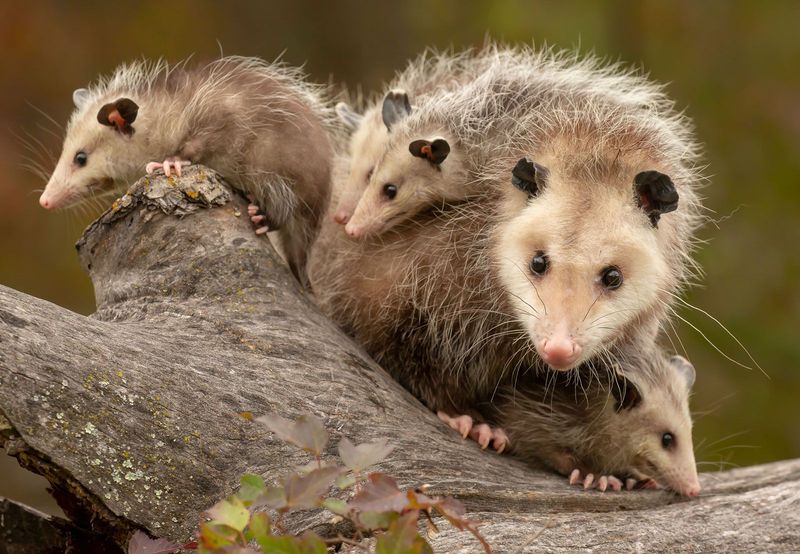
Maryland homeowners often don’t realize they’re hosting North America’s only marsupial when a possum visits their yard.
Virginia opossums carry their babies in pouches just like kangaroos do, making them truly unique among local wildlife.
These creatures have been around for millions of years, surviving even when dinosaurs couldn’t, which speaks to their remarkable adaptability.
Their ancient lineage means they’ve developed some pretty interesting survival strategies over time.
Possums have 50 teeth, more than any other North American land mammal, though they rarely use them aggressively.
Understanding that possums are marsupials helps explain some of their unusual behaviors and physical characteristics.
Baby possums, called joeys, are born incredibly tiny—about the size of a honeybee—and crawl into their mother’s pouch to continue developing.
This reproductive strategy is completely different from other backyard animals you might encounter.
Learning about their marsupial nature can help you appreciate why they behave differently than raccoons, squirrels, or other common yard visitors.
Recognizing possums as special native wildlife rather than nuisance pests changes how many homeowners view their presence in Maryland yards.
They’re Actually Helping Your Yard Stay Healthy
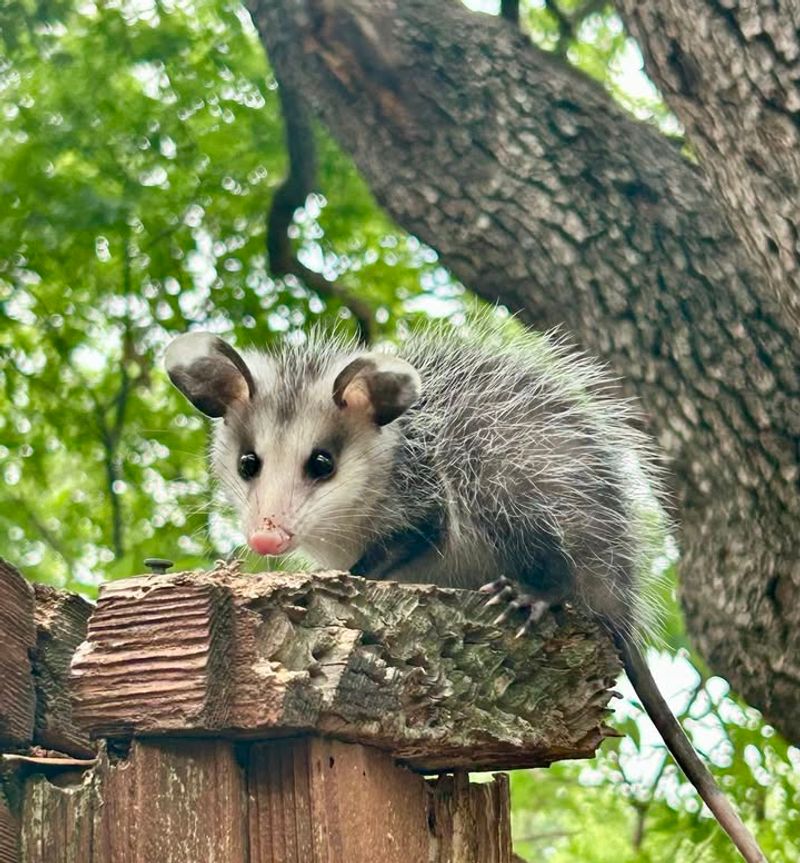
Before you chase that possum away, consider the valuable pest control services it provides completely free of charge.
Possums have enormous appetites for insects, including ticks, which carry Lyme disease and pose serious health risks in Maryland.
A single possum can consume thousands of ticks during one season, significantly reducing the tick population around your home.
They also munch on cockroaches, beetles, crickets, and other insects that many homeowners find bothersome.
Beyond bugs, possums help control rodent populations by eating mice and rats, preventing these pests from multiplying near your property.
Their diet includes snails and slugs too, protecting your garden plants from these slimy plant-eaters.
Possums even clean up fallen fruit and carrion, acting as nature’s cleanup crew and reducing odors and fly problems.
This sanitation service helps prevent bacteria and disease from spreading in your yard.
Rather than viewing possums as problems, Maryland homeowners might want to think of them as unpaid members of their property maintenance team.
The ecological benefits they provide often outweigh any minor inconveniences their presence might cause, making them surprisingly helpful neighbors to have around your property.
Possums Rarely Pose Any Real Danger To Humans
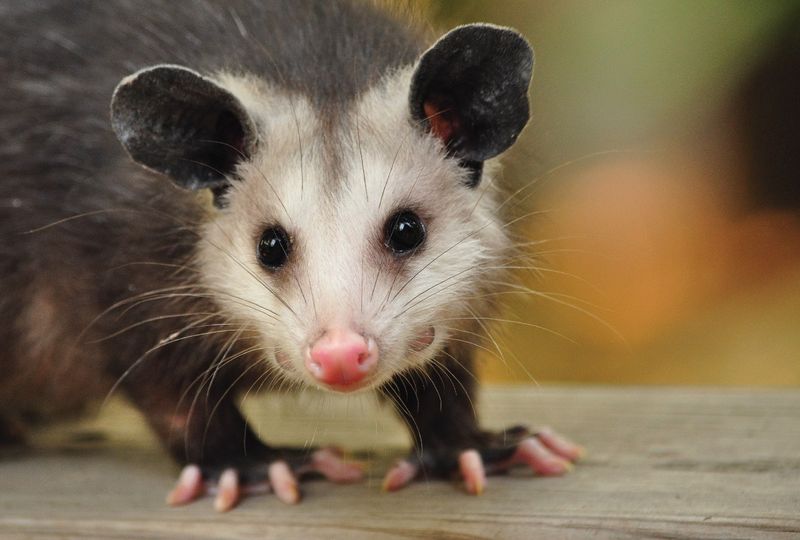
Despite their somewhat intimidating appearance with all those teeth, possums are actually quite timid and non-confrontational animals.
When threatened, their first instinct is always to flee rather than fight, and they’ll waddle away as quickly as their short legs allow.
If cornered and unable to escape, possums might hiss, drool, or bare their teeth in what looks like an aggressive display.
However, this is mostly bluffing—they’re hoping to scare you away without any actual contact.
Their famous “playing possum” response is an involuntary defense mechanism where they essentially faint from fear, lying motionless and appearing lifeless.
This catatonic state isn’t a choice but rather an automatic response to extreme stress that can last from minutes to hours.
Possums have extremely low body temperatures compared to other mammals, making them poor hosts for rabies.
While it’s technically possible for them to contract rabies, it’s extraordinarily rare in Maryland.
Their docile temperament means they’re far less likely to bite than dogs, cats, or even squirrels when handled.
Maryland homeowners should still avoid direct contact and never attempt to handle possums, but there’s little reason to fear them as dangerous creatures threatening your family’s safety.
Maryland Laws Protect Possums In Specific Ways
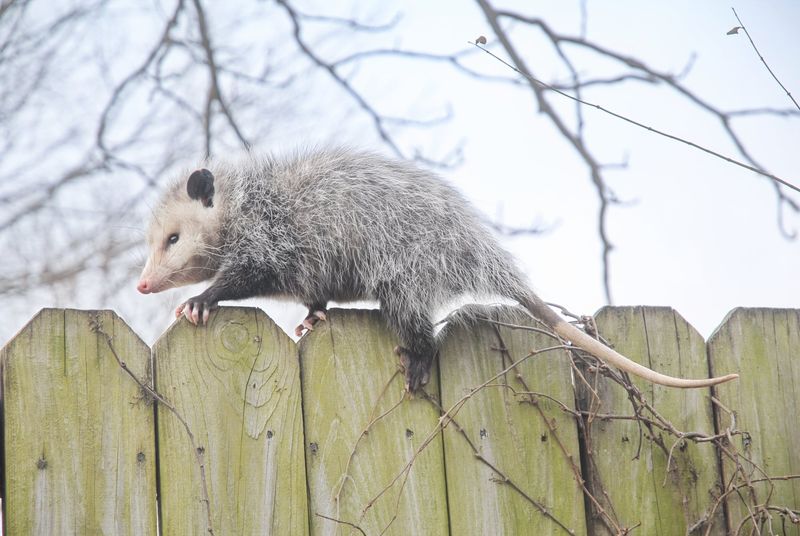
Maryland has specific wildlife regulations that govern how homeowners can interact with possums on their property.
According to state law, possums are classified as fur-bearing animals, which means certain rules apply to their removal and relocation.
Homeowners cannot simply trap and relocate possums anywhere they choose without considering legal restrictions and potential consequences.
Maryland Department of Natural Resources requires that any trapped wildlife be released on the same property where captured or humanely handled by licensed professionals.
Relocating possums to parks, forests, or other people’s property without permission is actually illegal and can result in fines.
This regulation exists because relocated animals often struggle to survive in unfamiliar territories without established food sources and shelter.
If you need to remove a possum from your property, you must contact a licensed wildlife removal specialist who understands Maryland’s regulations.
These professionals know proper handling techniques and legal relocation procedures that comply with state requirements.
Some situations may allow for humane exclusion methods that encourage possums to leave voluntarily without trapping.
Understanding these legal boundaries helps Maryland homeowners avoid unintentional violations while addressing wildlife concerns.
Before taking any action regarding possums in your yard, research current Maryland wildlife laws or consult with local animal control authorities for guidance.
Their Nighttime Activities Explain Most Encounters
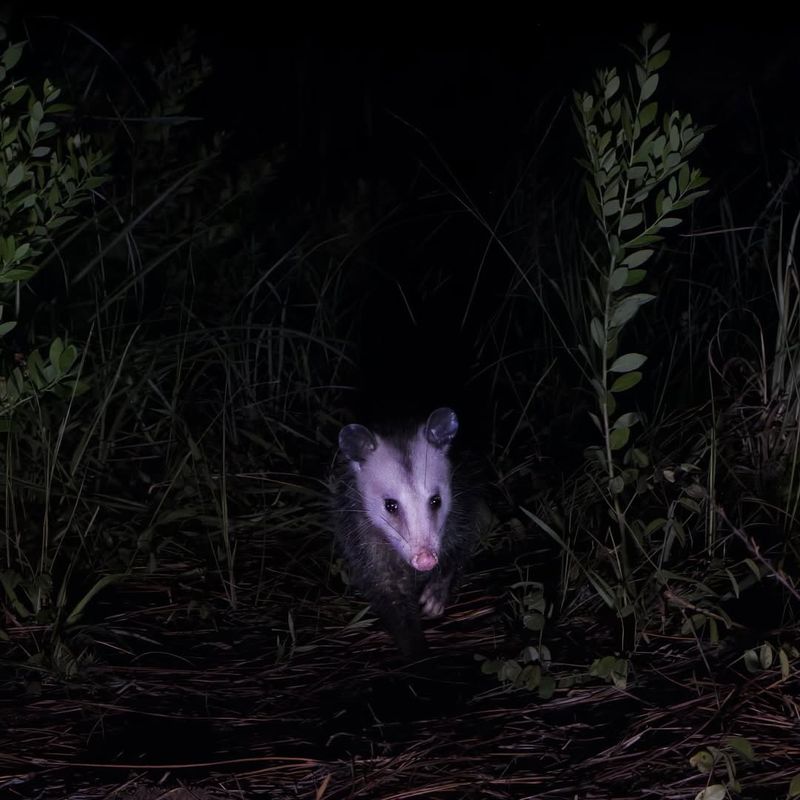
Possums are strictly nocturnal creatures, which means they’re most active after sunset and before sunrise when most people are indoors.
This nighttime schedule explains why many Maryland homeowners suddenly spot possums in their yards during evening hours or early morning.
Their excellent night vision and sensitive whiskers help them navigate safely through darkness while searching for food.
During daylight hours, possums typically sleep in dens, hollow trees, brush piles, or under structures like sheds and decks.
If you spot a possum during the day, it doesn’t necessarily mean something is wrong—they might have been disturbed from their sleeping spot.
However, repeated daytime sightings could indicate the animal is sick or injured and may need professional wildlife assistance.
Understanding their nocturnal nature helps homeowners adjust expectations about when and where they’ll encounter these animals.
Motion-activated lights can startle possums and encourage them to move along without causing harm.
Securing garbage cans before nightfall prevents possums from accessing easy food sources during their active hours.
Bringing pet food indoors at night eliminates another attractant that draws possums into residential yards.
By recognizing their nighttime habits, Maryland homeowners can coexist peacefully with possums without frequent unwanted encounters or conflicts over space and resources.
Food Sources Determine Whether Possums Stick Around
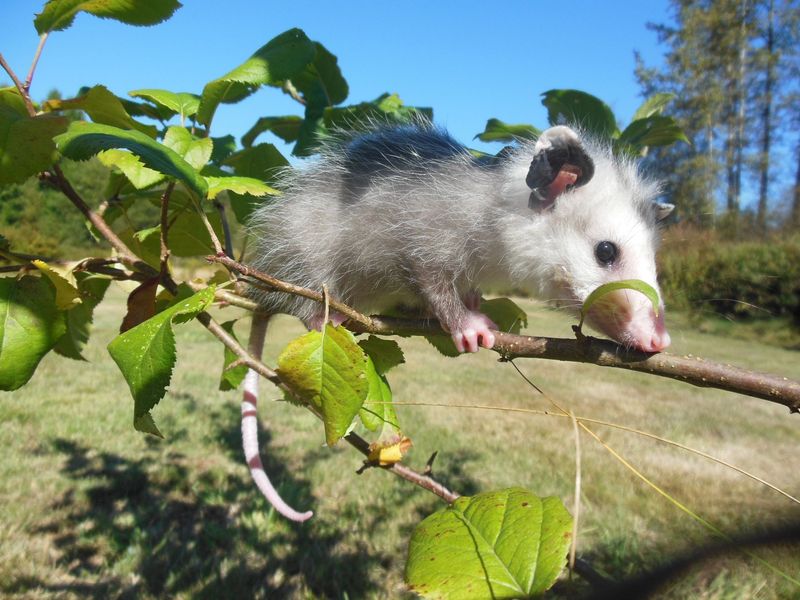
Possums don’t randomly choose yards to visit—they’re attracted by available food sources that make your property worth their time.
Pet food left outside overnight acts like an all-you-can-eat buffet for hungry possums searching for easy meals.
Unsecured garbage cans offer another tempting food source, especially when they contain food scraps and organic waste.
Fruit trees that drop apples, pears, or berries create natural feeding stations that possums will return to repeatedly.
Compost piles with food waste also attract possums, particularly if the compost isn’t properly managed or covered.
Bird feeders that spill seeds on the ground provide unexpected possum snacks during their nightly rounds.
Even grubs and insects in your lawn serve as protein-rich meals that keep possums interested in your yard.
Removing or securing these food sources is the most effective way to discourage possums from making your property their regular dining spot.
Bring pet bowls inside after feeding times and use garbage cans with tight-fitting, locking lids.
Harvest ripe fruit promptly and clean up any that falls to the ground beneath your trees.
When food becomes scarce or difficult to access, possums naturally move on to more productive hunting grounds.
This non-confrontational approach works better than trapping because it addresses the root cause of why possums visit in the first place.
Possums Don’t Actually Build Permanent Nests In Yards
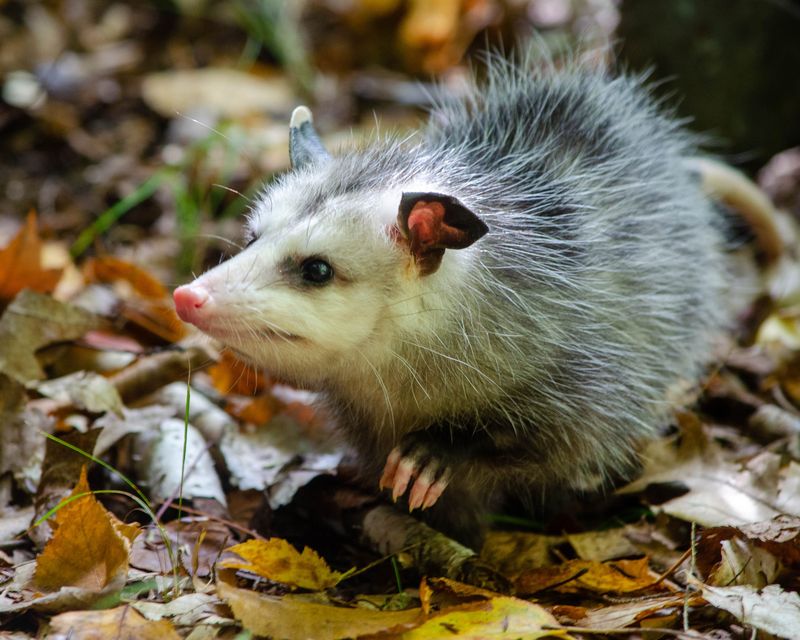
Unlike squirrels or birds that construct elaborate nests, possums are nomadic creatures that rarely stay in one location long.
They’re opportunistic when it comes to shelter, using whatever protected spaces they find for temporary rest between their nightly foraging trips.
Possums might spend a few nights under your deck, in a hollow log, or inside a brush pile before moving on.
This transient lifestyle means that possum “problems” often resolve themselves naturally without any intervention from homeowners.
Mother possums with babies might stay in one spot slightly longer, but even they typically relocate frequently for safety.
If you discover a possum sheltering somewhere on your property, patience often works better than immediate action.
Within a few days or weeks, the possum will likely move on to a different location as part of its normal behavior.
Maryland homeowners who seal potential den sites after possums leave can prevent future temporary residents from moving in.
Check under decks, sheds, and porches for gaps that allow access to sheltered spaces beneath structures.
Install hardware cloth or lattice barriers to close off these areas once you’re certain no animals are currently inside.
Understanding that possums are temporary visitors rather than permanent residents helps reduce unnecessary worry about long-term infestations or property damage from their presence.
Baby Possums Require Special Consideration From Homeowners
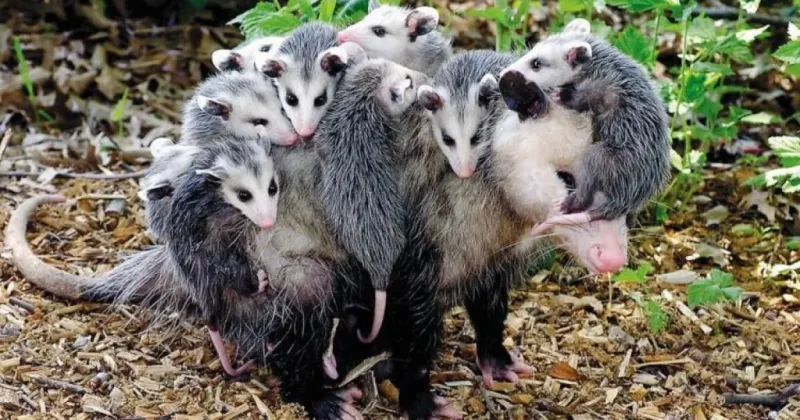
Spring and summer months bring baby possums into Maryland yards, sometimes creating situations that require thoughtful responses from homeowners.
Mother possums carry their young on their backs once the babies outgrow the pouch, creating an adorable but vulnerable family unit.
If you spot a mother with babies, it’s especially important to give them space and avoid interference.
Separating mothers from their young causes significant stress and reduces the babies’ chances of survival in the wild.
Sometimes young possums become separated from their mothers accidentally, leaving them wandering alone and confused.
A solitary baby possum that’s smaller than a football likely needs professional wildlife rehabilitation to survive.
Contact a Maryland licensed wildlife rehabilitator rather than attempting to care for orphaned possums yourself.
These specialists have the knowledge, permits, and resources to properly feed and raise baby possums until they’re ready for release.
Never give cow’s milk to baby possums—their digestive systems can’t process it properly.
If you find an injured or orphaned baby possum, keep it warm and quiet in a box while you contact professionals.
Maryland has several wildlife rehabilitation centers that accept possums and provide appropriate care.
Showing compassion for vulnerable baby possums reflects the best of human kindness while giving these native animals their best chance at survival and eventual independence in the wild.
Simple Exclusion Methods Work Better Than Trapping
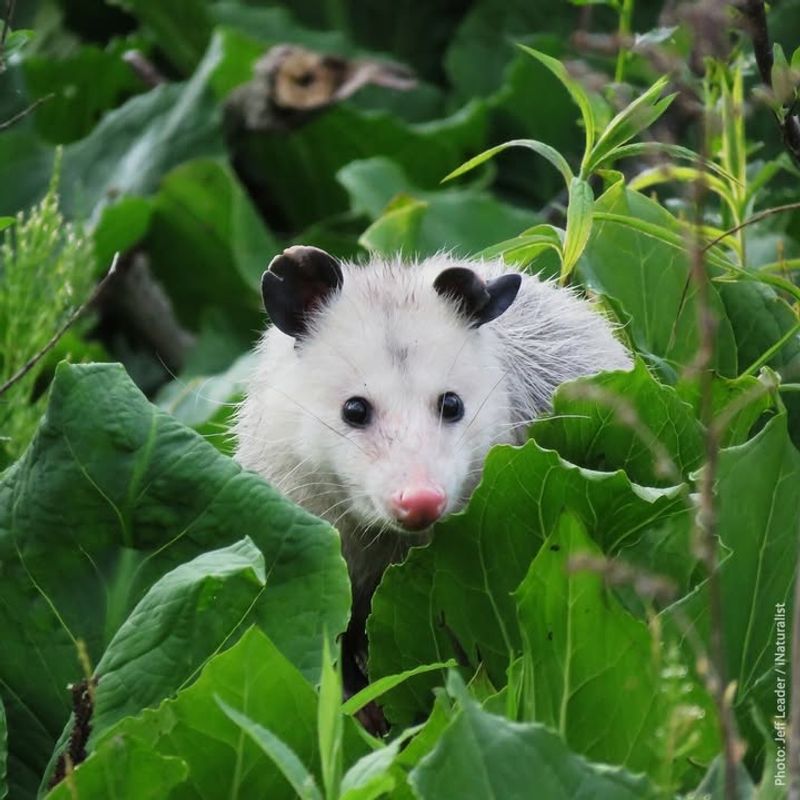
Maryland homeowners who want possums to leave their property should consider humane exclusion techniques rather than trapping.
Exclusion means making your yard less attractive or accessible to possums, encouraging them to relocate naturally without stress or harm.
Installing motion-activated sprinklers creates an unpleasant surprise that teaches possums to avoid certain areas without causing injury.
Ammonia-soaked rags placed near den sites create strong odors that possums find offensive, prompting them to seek shelter elsewhere.
Bright lights in areas where possums shelter can disrupt their preference for dark, quiet resting spots during daylight hours.
Sealing entry points to crawl spaces, attics, and under-structure areas prevents possums from accessing these attractive shelter locations.
One-way doors allow possums to exit enclosed spaces but prevent them from returning, solving problems without capturing animals.
These exclusion methods prove more effective long-term because they address why possums choose your property in the first place.
Trapping and relocating possums often fails because new animals simply move into the vacant territory if conditions remain favorable.
By changing your yard’s environment to make it less possum-friendly, you create lasting solutions rather than temporary fixes.
Exclusion techniques also avoid the stress and potential harm that trapping causes to animals.
This compassionate approach respects wildlife while protecting your property interests and peace of mind as a Maryland homeowner.
Coexistence Benefits Maryland’s Entire Ecosystem
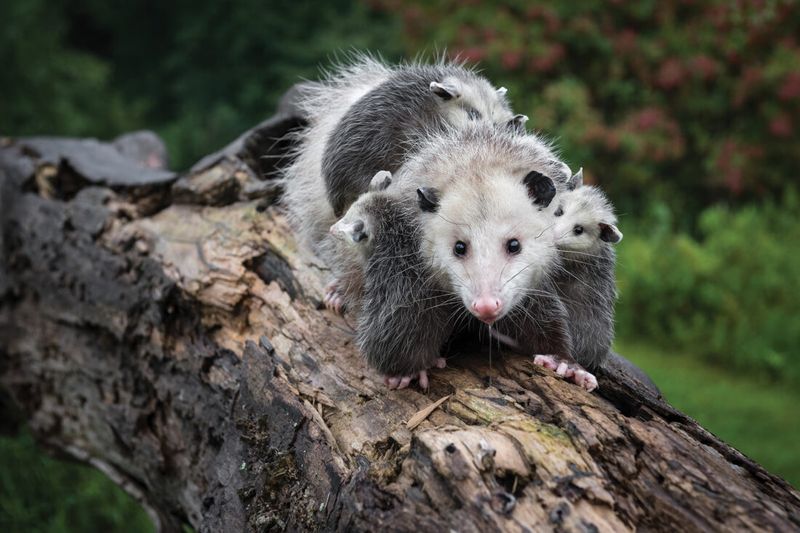
Learning to peacefully coexist with possums contributes to Maryland’s broader environmental health in ways many homeowners never consider.
Every animal plays a specific role in the ecosystem, and removing possums disrupts the natural balance that keeps environments healthy.
Possums help control insect and rodent populations, which in turn affects plant health, disease transmission, and overall biodiversity.
When homeowners tolerate possums in their yards, they’re supporting native wildlife and maintaining ecological connections that have existed for millennia.
Maryland’s suburban sprawl has already reduced natural habitats significantly, making residential yards increasingly important for wildlife survival.
Yards that welcome possums and other native animals become mini wildlife corridors that connect fragmented natural areas.
This connectivity helps genetic diversity and allows animals to move safely through developed landscapes.
Children who grow up observing possums and other wildlife develop greater environmental awareness and appreciation for nature’s complexity.
Educational opportunities arise when families watch possum behavior and learn about their ecological importance together.
Choosing coexistence over conflict reflects a conservation mindset that benefits future generations of both humans and animals.
Simple tolerance of possums requires no effort or expense while contributing positively to Maryland’s environmental future.
By embracing these misunderstood marsupials as neighbors rather than nuisances, homeowners become active participants in preserving Maryland’s natural heritage for years to come.