What Michigan Deer Actually Eat In May And June And How To Protect Your Garden Now
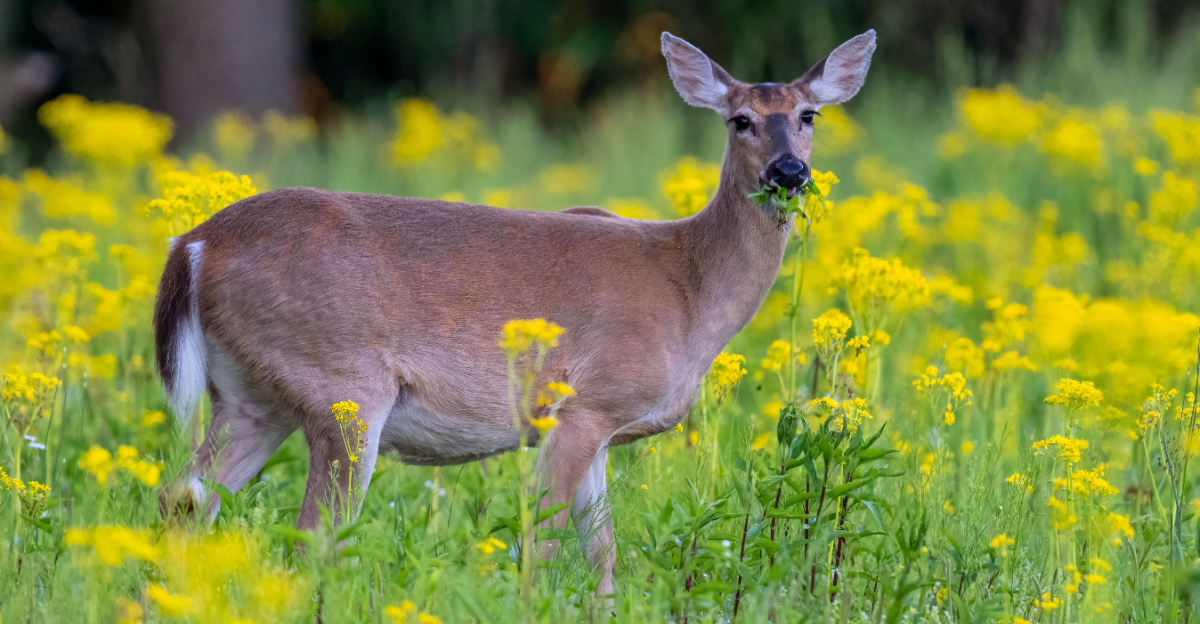
May and June are some of the most active months for deer in Michigan, and if you have a garden, you have probably already noticed the damage they can cause overnight. During these two months, deer are hungry and on the move.
Does are nursing fawns and need extra nutrition, while bucks are growing new antlers and burning through serious energy. That combination makes them bold, and they will walk right into your yard without hesitation.
What they target changes with the season too. Spring and early summer bring fresh, tender growth that deer find nearly impossible to resist, and your vegetable beds, flower borders, and young shrubs are basically an open invitation.
The good news is that understanding what they are actually looking for this time of year makes it a lot easier to protect what you have worked hard to grow. Here is what Michigan deer are eating right now and how to stop them before they clean out your garden.
1. Deer In Michigan Are At Their Hungriest In May And This Is Why
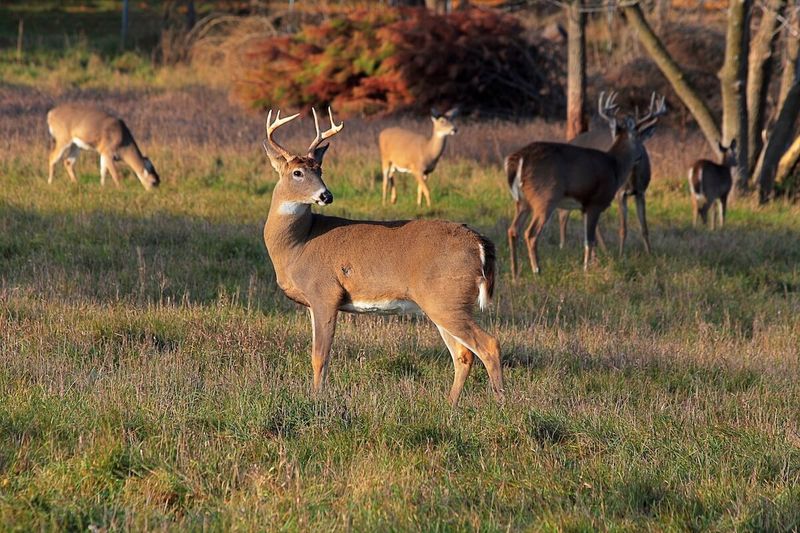
Coming out of a long Michigan winter, white-tailed deer are running on empty. Their fat reserves have been used up over months of cold, and the moment spring growth appears, they feed with serious intensity.
It is not casual grazing. It is urgent, aggressive eating that can strip a garden bed overnight without any warning at all.
By late May, does in Michigan are also nursing newborn fawns, which pushes their caloric needs even higher. A nursing doe needs significantly more food than she would during any other time of year.
That combination of post-winter hunger and nursing demand makes May and June the most damaging stretch for Michigan gardens, far more than summer or fall.
Many gardeners assume summer is when deer pressure peaks, but that assumption leads to late and costly action. Spring is when deer are most motivated, most mobile, and most likely to push into yards and neighborhoods in search of food.
Recognizing this timing is the first step toward protecting what you have planted. Michigan gardeners who act early, before damage begins, consistently have better results than those who wait and react after the browsing has already started.
2. The Garden Plants Michigan Deer Target First In May

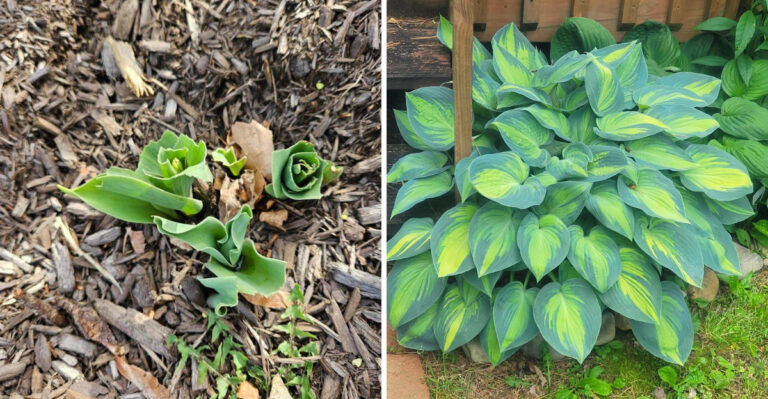
Hostas are practically a buffet for Michigan deer in May. Fresh, soft, and full of moisture, hosta leaves are among the very first things deer seek out when spring planting begins.
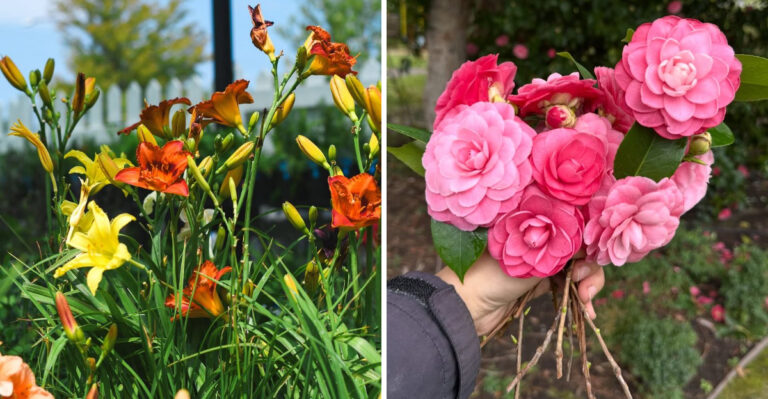
Tulips, daylilies, lettuce, peas, and newly set vegetable transplants all rank high on the early-season menu as well.
What makes this especially frustrating for gardeners is that deer do not browse randomly and move on. Once they find a reliable food source in your yard, they return to the exact same spot within one to three days.
A single overnight visit to an unprotected hosta bed often signals the beginning of repeated visits throughout the entire season.
Deer feeding in May is also happening at a time when plants are most vulnerable. Young growth is tender, not yet fibrous or tough, which makes it easy for deer to consume quickly and in large amounts.
Your Michigan Garden Changes Every Week. Your Plan Should Too.
Gardening in Michigan changes quickly throughout the season. Every Friday you’ll receive a simple weekly plan showing exactly what to plant, prune, fertilize, harvest, and protect so you never miss the right timing.
Protecting these plants before they become a known food source is far more effective than trying to deter deer after they have already established a feeding routine in your Michigan yard. Getting ahead of the pattern is the smartest move any gardener can make this time of year.
3. Arborvitae Is The Most Overbrowsed Shrub In Michigan Landscapes
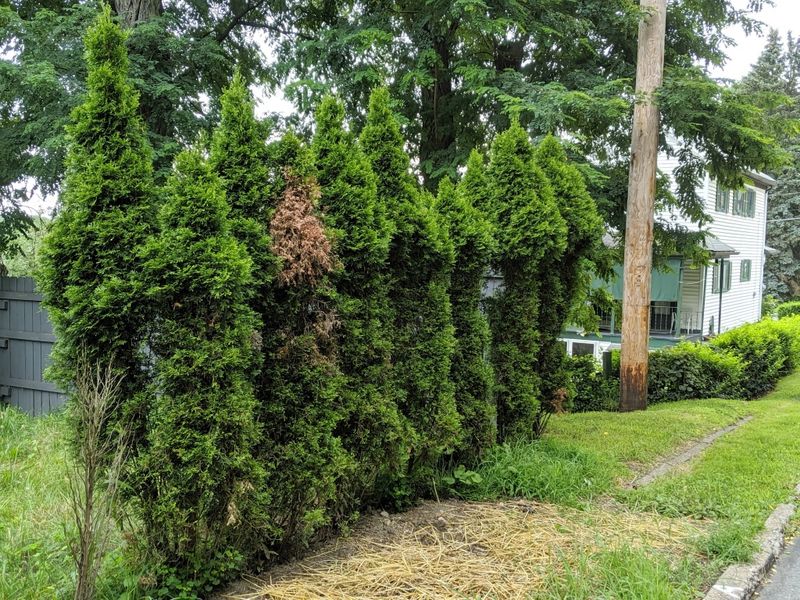
Walk through almost any Michigan suburb and you will see the same sad sight: arborvitae shrubs with their lower halves completely stripped bare.
Arborvitae is one of the most popular privacy plants in the state, and unfortunately, it is also one of the most preferred foods for white-tailed deer during late winter and spring.
The damage can be permanent and very expensive to fix. Deer strip the lower branches of arborvitae right down to bare wood, sometimes reaching five feet high when snow compacts and raises their effective browsing height.
A plant that took years to grow into a full privacy screen can be permanently disfigured in just a few nights. In many Michigan neighborhoods, this kind of damage is so common that homeowners simply accept it as normal.
It does not have to be that way. Wrapping arborvitae with burlap or wire mesh before spring feeding season begins provides real protection without harming the plant.
If you are planting new arborvitae in Michigan, installing a wire cage from day one is the practical move. The tree will grow through and around the cage over time, and you will avoid the heartbreak of watching years of growth disappear in a single hungry spring night.
4. Vegetable Gardens Face Their Biggest Risk The Moment Transplants Go In
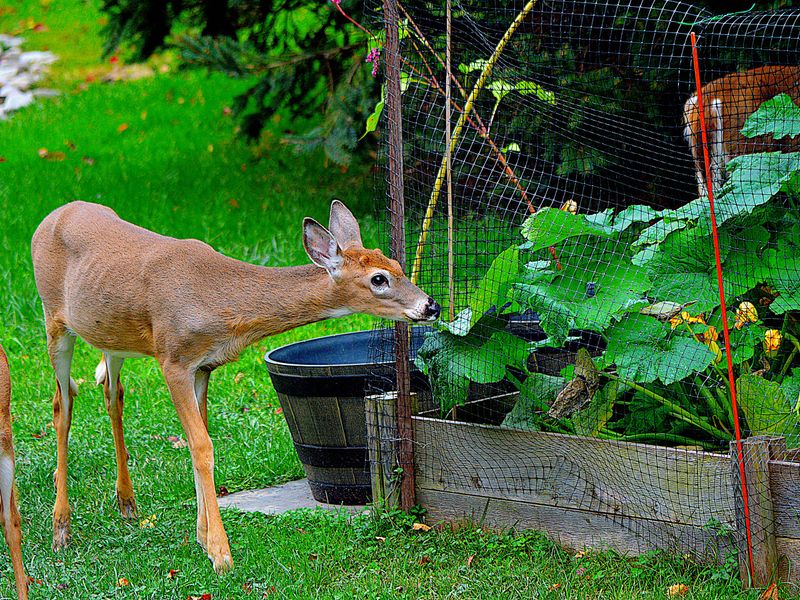
Memorial Day weekend is a huge moment for Michigan gardeners. Frost risk drops, the soil is warm, and everyone rushes to get tomatoes, peppers, beans, and squash into the ground.
What most people do not realize is that this exact timing lines up with peak deer feeding pressure across the state. The timing could not be worse from a garden protection standpoint.
A freshly planted vegetable garden is an open invitation. Tomato transplants, bean seedlings, and leafy greens are soft, nutrient-rich, and completely exposed.
Deer can clear an entire newly planted row overnight, leaving nothing but bare soil and stubby stems by morning. Many Michigan gardeners have experienced this firsthand and describe it as one of the most discouraging moments in a growing season.
The fix is straightforward but it needs to happen before the first seed goes in. Fencing, row covers, or individual plant cages should be in place on planting day, not installed after the first round of damage appears.
Waiting even a few days gives deer enough time to discover your garden and establish it as a regular feeding stop. Acting on planting day protects your investment and keeps the whole season on track from the very beginning.
5. A Physical Fence Is The Only Truly Reliable Protection
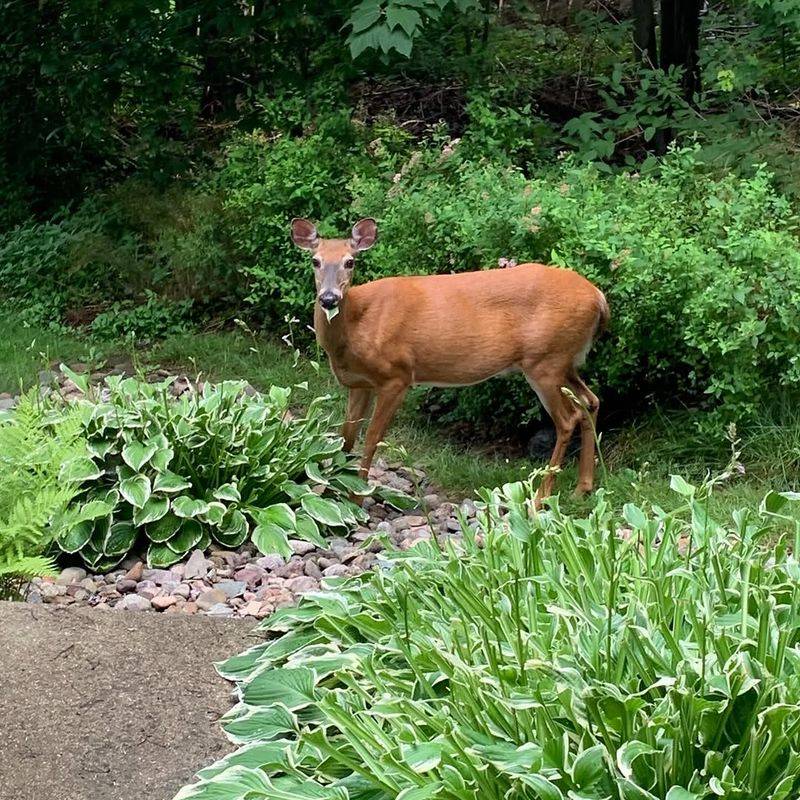
Sprays, lights, pinwheels, and garden ornaments all get marketed as deer deterrents, and gardeners across Michigan spend a lot of money on them every spring. The honest truth is that none of these options reliably stops a hungry deer during May and June.
When hunger is strong enough, deer push past almost every non-physical deterrent without hesitation.
Repellents made with putrescent egg solids, like Liquid Fence and Deer Out, are among the better spray options available and do reduce browsing pressure when applied consistently.
The problem is that Michigan springs are rainy, and heavy rain washes repellents away quickly. Reapplying every five to seven days is necessary to maintain any effectiveness, and even then, results during peak hunger season are inconsistent at best.
A physical fence changes the equation entirely. Deer cannot eat what they cannot reach, and a properly installed fence removes the guesswork from garden protection completely.
Wire mesh, welded wire panels, and polypropylene deer netting all work well when installed correctly.
The upfront effort of putting up a fence pays off every single season after that, making it the most cost-effective long-term solution for any Michigan gardener dealing with regular deer pressure in their yard.
6. Deer Can Clear A Six-Foot Fence, So Eight Feet Is The Real Standard
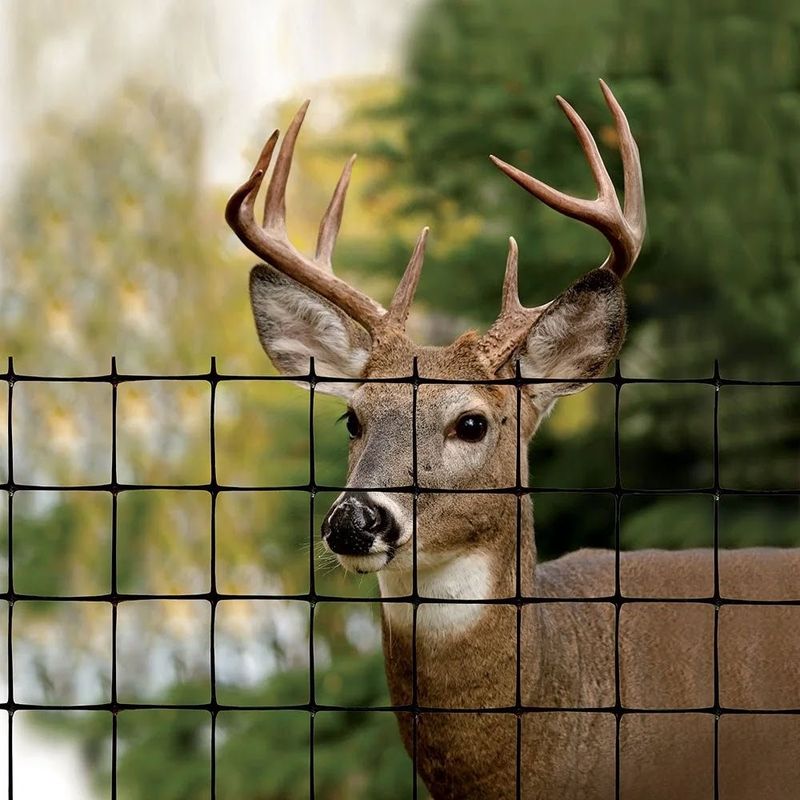
Many Michigan gardeners install a six-foot fence and feel confident their garden is protected. The hard reality is that a motivated white-tailed deer, especially one that is hungry and has spotted food on the other side, can clear a six-foot fence with surprising ease.
Height matters far more than most people expect when it comes to effective deer exclusion.
Michigan State University Extension recommends eight feet as the minimum height for reliable deer exclusion around high-value plantings. At that height, most deer will not attempt a jump because the risk of landing awkwardly outweighs the reward.
For large garden areas, an eight-foot perimeter fence is the gold standard and the setup that consistently protects Michigan gardens through the entire growing season.
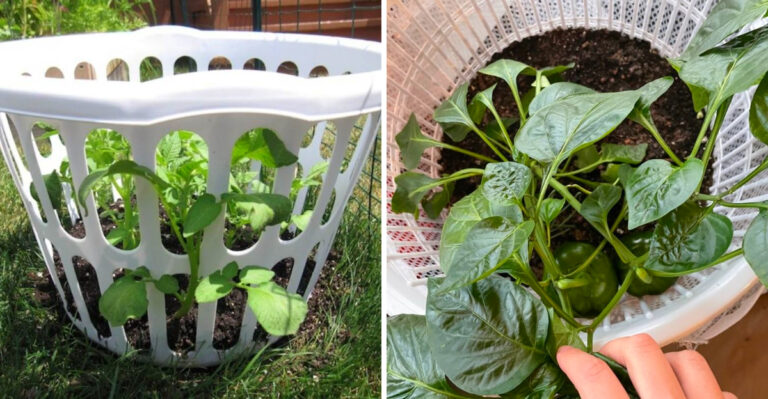
For smaller individual beds or newly planted perennials, a lower two to three foot wire cylinder placed directly around each plant creates enough physical interruption to deter casual browsing. Deer prefer easy access, and even a modest barrier changes their decision.
Combining individual plant cages with a taller perimeter fence gives you layered protection that handles both determined and opportunistic deer.
Stacking your defenses like this is a practical strategy that works well across all kinds of Michigan properties, from urban backyards to rural homesteads with heavy deer traffic.
7. Repellents Work Best As A Supplement, Not A Standalone Solution
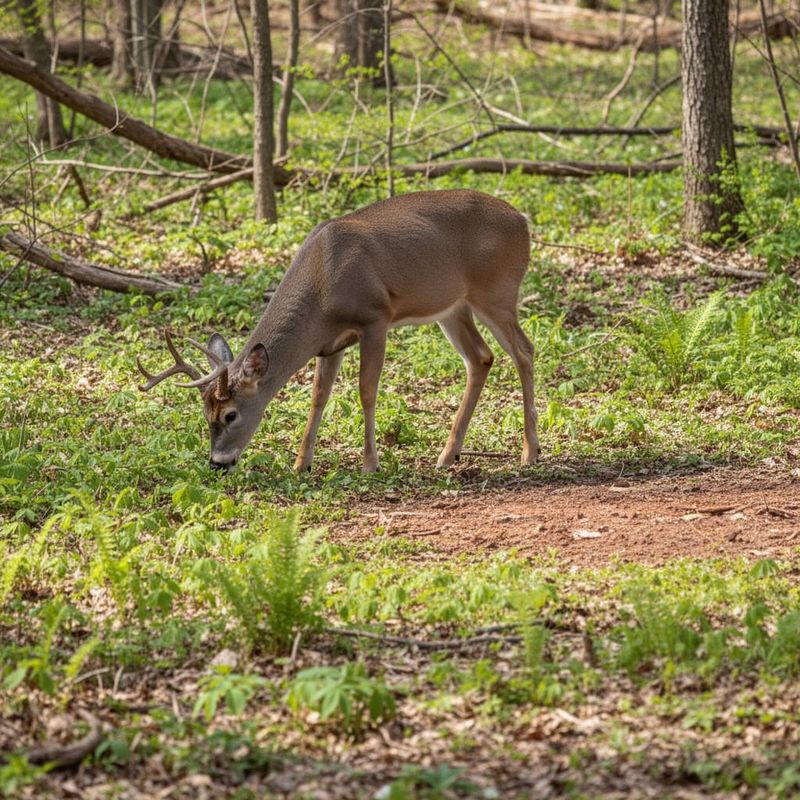
Deer repellents have a real place in a Michigan garden protection strategy, but only when used with the right expectations. Products containing putrescent egg solids work by making plants smell and taste unpleasant to deer.
When applied correctly and reapplied on schedule, they can meaningfully reduce browsing on ornamental beds where deer pressure is moderate throughout the spring season.
The catch is consistency. Michigan sees significant rainfall in May and June, and most liquid repellents wash off within a few days of a good rain.
That means reapplying every five to seven days is not optional if you want the product to actually work. Skipping a single application cycle after a rainy stretch can open a window for deer to move in and establish a feeding routine before you reapply.
Repellents are most effective on ornamental plantings like shrubs, perennials, and flower borders where deer pressure is moderate.
They are not a reliable option for vegetable gardens during peak hunger season, and you should never use them as the only line of defense for edible crops.
Think of repellents as one useful layer in a broader protection plan, not the whole plan. Pairing them with physical barriers gives Michigan gardeners a much stronger and more consistent result across the full growing season.
8. Plant Deer-Resistant Varieties Where Full Protection Is Not Possible
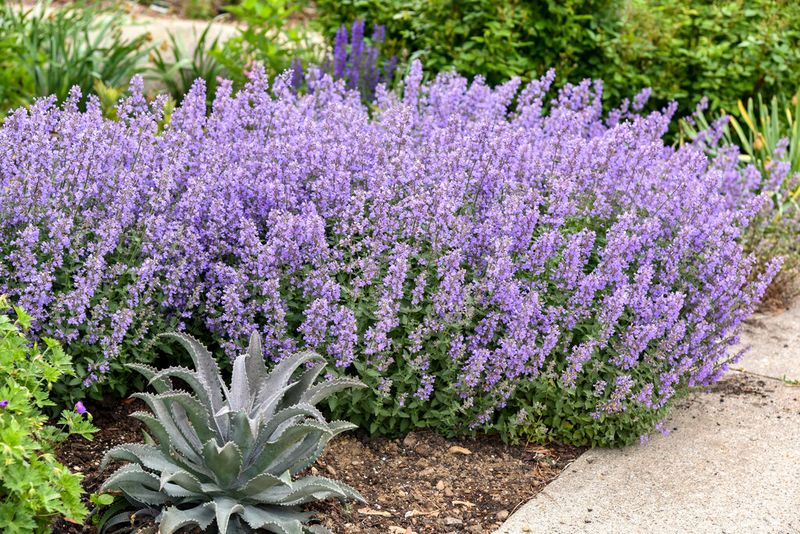
Not every corner of a Michigan yard can be fenced or sprayed on a regular schedule. In those spots, choosing plants that deer naturally avoid is one of the smartest design decisions a gardener can make.
Strongly aromatic plants are the best starting point because deer rely heavily on scent, and intense plant fragrance tends to push them toward easier options nearby.
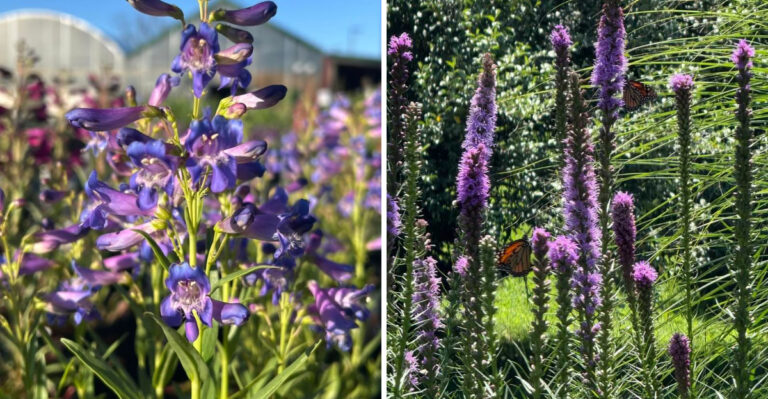
Catmint, Russian sage, lavender, and wild bergamot are all excellent choices for Michigan gardens where deer pressure is consistent. Native plants like prairie dropseed and wild ginger also hold up well under normal browsing conditions.
These plants are not just deer-resistant either. They are beautiful, pollinator-friendly, and well-suited to Michigan’s climate, making them smart additions regardless of deer activity in your area.
One important note: no plant is truly deer-proof during peak hunger season in May. A deer that is desperate enough will sample plants it normally avoids, including aromatic ones.
Resistant means far less preferred, not completely immune. Using deer-resistant plants as a strategic buffer around more vulnerable plants is a smart layering approach.
Placing lavender or catmint along the outer edges of a bed can help steer deer away from the hostas and daylilies growing deeper inside, giving your whole planting a better chance of surviving spring with minimal damage.
9. Protecting Young Trees In Michigan Is Urgent Starting In May
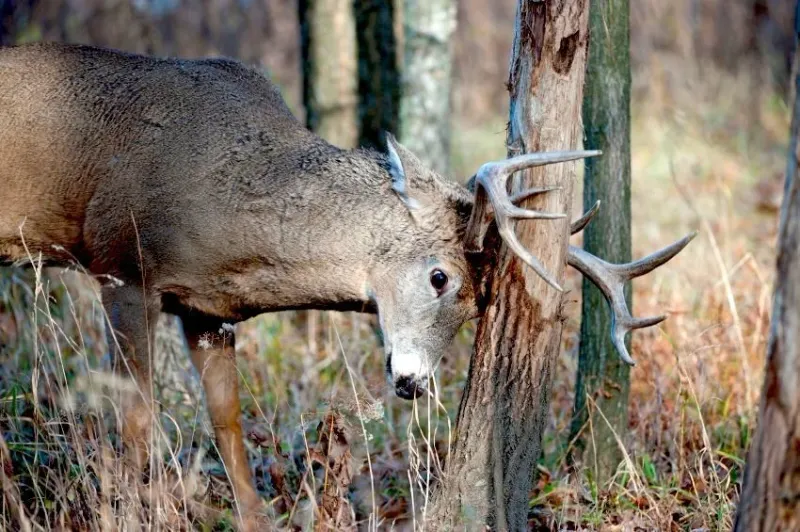
Young trees in Michigan face a double threat in late spring. Deer browse the fresh foliage heavily in May and June, but they also rub their antlers against young bark as velvet growth develops.
That rubbing can strip bark all the way around a trunk, cutting off the tree’s ability to move water and nutrients upward. A tree that loses bark in a complete ring around its trunk rarely recovers fully.
Fruit trees, ornamental trees, and young native trees with trunk diameters under four inches are all at serious risk.
A newly planted apple or cherry tree represents a significant investment of both money and time, and losing it to spring deer activity is entirely preventable with the right protection in place from the start.
Wire tree cages installed at planting are the most reliable solution available. Plastic trunk guards also work well and are easy to find at Michigan garden centers and hardware stores.
They wrap directly around the trunk and protect bark from rubbing damage without restricting growth. For foliage protection, a wire cage that extends a few feet above the highest branch tips keeps deer from browsing the new growth that drives the tree’s early development.
Making these protective steps part of every new tree planting in your Michigan yard is simply smart practice, especially in areas where deer activity is a regular part of life.