What Michigan Gardeners Can Plant In April Before The Last Frost
April in Michigan can be unpredictable, but that doesn’t mean gardening has to wait. Even before the last frost date, there are plenty of plants that can handle chilly nights and cool soil.
Getting an early start can lead to stronger roots, earlier harvests, and a garden that feels ahead of the season. The key is choosing plants that are tough enough to handle light frost and temperature swings.
Many cool season vegetables and hardy flowers actually prefer these conditions and grow better before the heat of summer arrives. While it’s important to keep an eye on the forecast, smart planting choices can help you make the most of this early window.
With the right approach, April becomes an exciting time to get your hands in the soil and set your garden up for success.
1. Spinach (Spinacia oleracea)
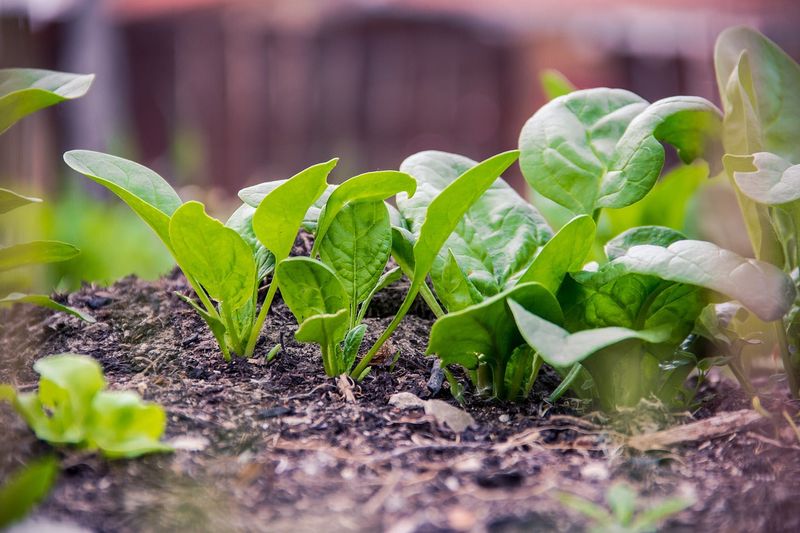
Few vegetables are as eager to grow in cold Michigan springs as spinach. This leafy green can sprout in soil temperatures as low as 40 degrees Fahrenheit, which means early April is practically its favorite time of year.
You do not need to wait for warm weather because spinach genuinely prefers the cool stuff.
Scatter seeds directly into a prepared garden bed in full sun or partial shade, and keep the soil evenly moist. Seedlings handle light frost without any trouble, so an unexpected chilly night will not set you back.
Thin the plants to about three inches apart so each one has enough room to grow full and lush.
In Michigan, the cool spring air keeps spinach leaves tender and mild-flavored. Once summer heat arrives, spinach tends to bolt quickly and turn bitter.
Planting in April gives you a generous harvest window of several weeks before temperatures climb. Raised beds in Michigan warm up slightly faster than ground beds, which helps germination happen even quicker.
Try planting a second batch two weeks after your first for a continuous supply of fresh leaves perfect for salads, smoothies, and stir-fries.
Spinach is packed with iron, magnesium, and vitamins A and C, making it one of the most nutritious early-spring crops you can grow right in your own backyard.
2. Peas (Pisum sativum)
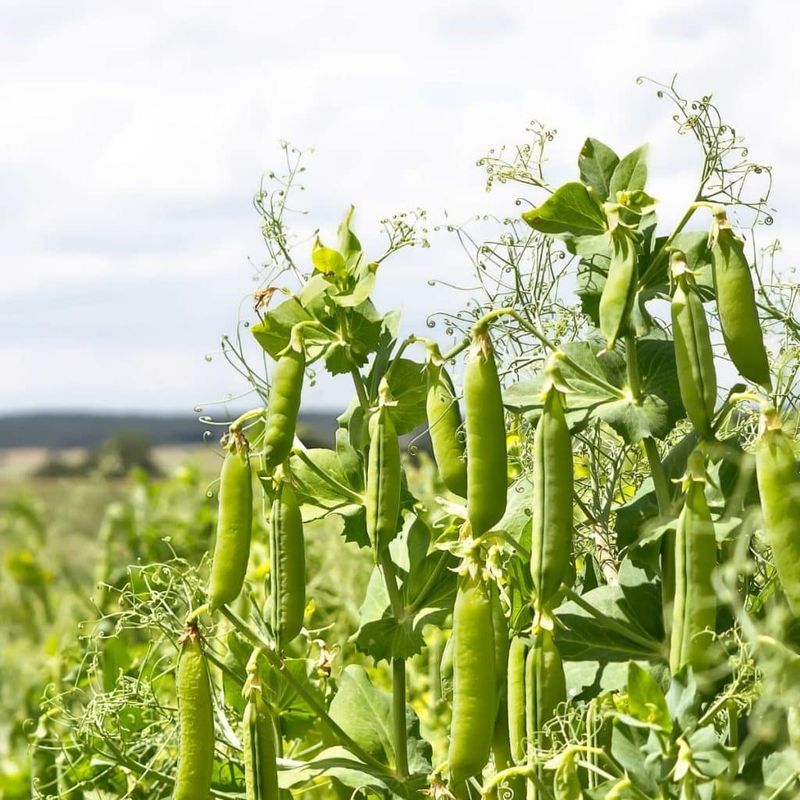
Gardeners in Michigan have a saying: plant your peas as soon as you can work the soil. Peas absolutely love cool weather and will actually struggle if you wait too long into the season.
April is their sweet spot, and getting them in the ground early pays off big when summer arrives.
Direct sow pea seeds about one inch deep and two inches apart in a sunny spot. Set up a trellis, fence, or bamboo sticks right away because these climbing plants will reach for support faster than you might expect.
Varieties like Sugar Snap and Little Marvel are popular choices across Michigan gardens for their sweet flavor and reliable production.
A light frost will not slow peas down at all during early growth. They actually need that cool period to develop strong roots before flowering begins.
Once temperatures stay consistently above 75 degrees, pea plants slow down significantly, which is why early April planting is so smart. Michigan gardeners who plant peas in April often enjoy their first harvest by late May or early June, well ahead of summer crops.
Did you know that peas fix nitrogen in the soil, naturally improving it for whatever you plant next? That makes them a fantastic choice not just for eating but for building a healthier, more productive Michigan garden long-term.
3. Radishes (Raphanus sativus)
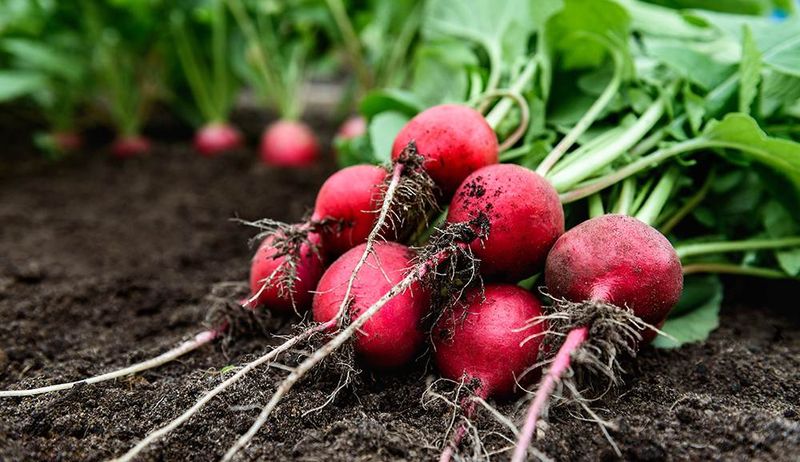
If you want the fastest reward in the spring garden, radishes are your answer. Some varieties are ready to harvest in just 22 to 30 days from planting, which means Michigan gardeners who sow seeds in early April could be pulling fresh radishes before the month is even over.
That kind of speed is genuinely exciting. Sow radish seeds directly into loose, well-draining soil about half an inch deep and one inch apart. Thin them to two inches once they sprout so the roots have room to swell properly.
Full sun works best, though they tolerate a bit of shade in Michigan gardens where spring light can be inconsistent.
Cool soil is actually what makes radishes taste their best. Warm temperatures cause them to become pithy and sharp, so April planting gives Michigan gardeners the perfect window for crisp, mildly spicy roots.
Cherry Belle, French Breakfast, and Easter Egg varieties are all excellent options for early spring sowing. Radishes also make fantastic companion plants because their fast growth marks garden rows while slower crops like carrots are still germinating.
Keep the soil consistently moist and avoid letting it dry out between waterings, as uneven moisture leads to cracked or tough roots.
With almost zero fuss required, radishes are a perfect first project for beginner Michigan gardeners ready to celebrate their earliest spring harvest.
4. Carrots (Daucus carota subsp. sativus)
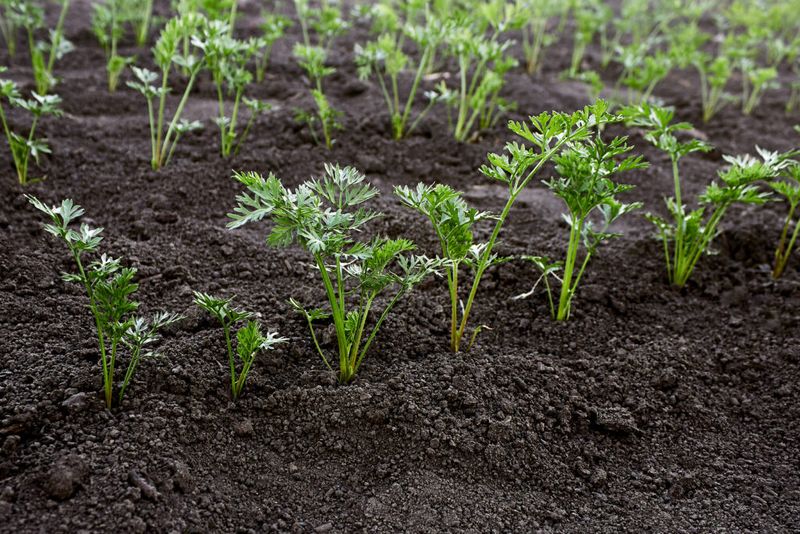
Carrots reward patient gardeners with something truly satisfying: sweet, crunchy roots pulled straight from the earth.
April is a great time to sow carrot seeds in Michigan because the soil is cool enough for germination and the long growing season ahead gives roots plenty of time to develop fully. Planting early means you could be harvesting by midsummer.
Carrot seeds need loose, stone-free soil to grow straight and strong. Work the bed deeply, at least ten to twelve inches down, and break up any clumps that could cause roots to fork or twist.
Sow seeds thinly about a quarter inch deep and keep the soil consistently moist until germination, which can take one to three weeks in cool April conditions.
Michigan gardeners should thin carrot seedlings to about two inches apart once they reach two inches tall. Crowded carrots produce small, stunted roots, so thinning is one step you really cannot skip.
Nantes, Danvers, and Chantenay are carrot varieties that perform especially well in Michigan soils. Light frosts after germination will not harm young carrot seedlings, making April planting completely safe even before the official last frost date.
Fun fact: carrots actually taste sweeter after exposure to light frost because the cold converts some of their starches into sugars. Starting carrots early in Michigan sets you up for a genuinely delicious summer harvest worth the wait.
5. Beets (Beta vulgaris)
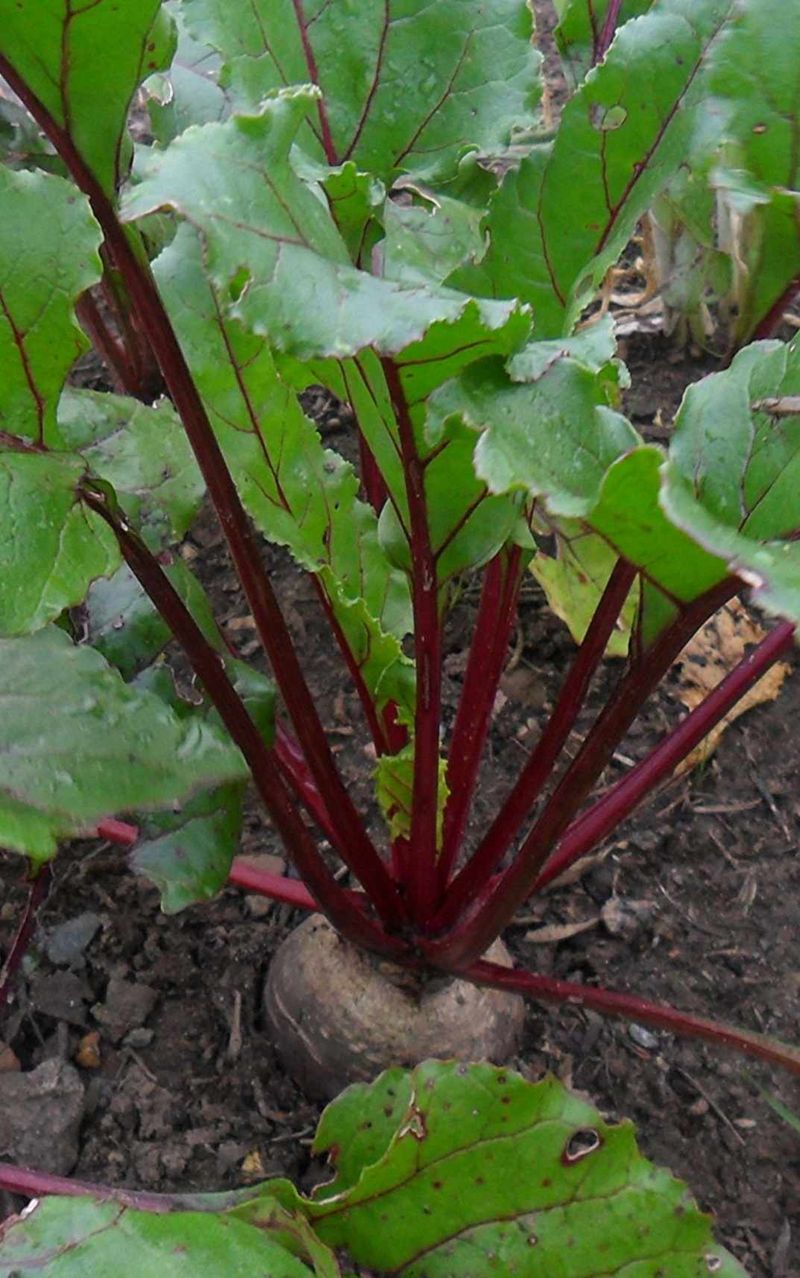
Beets might just be the most underrated vegetable in the Michigan spring garden. Not only do you get sweet, earthy roots by early summer, but the leafy green tops are completely edible too, giving you two harvests from one planting.
That kind of value is hard to beat when you are planning your April garden. Direct sow beet seeds about half an inch deep and one to two inches apart in well-prepared soil.
Beet seeds are actually clusters of multiple seeds, so expect several seedlings to emerge from each spot. Thin them to about three to four inches apart once they reach two inches tall so roots can expand without competition.
Beets germinate well in soil temperatures between 50 and 85 degrees Fahrenheit, and Michigan’s April soil usually falls right in that range.
Seedlings handle light frost without any trouble, which makes early April planting completely reliable across most parts of the state.
Detroit Dark Red and Red Ace are varieties that Michigan gardeners have trusted for decades because of their consistent performance and rich flavor. Keep the soil evenly moist during germination and growth, as dry spells slow root development significantly.
Beets grow well in raised beds too, where Michigan’s spring soil tends to warm up a little faster. Whether roasted, pickled, or tossed fresh into salads, homegrown beets from your Michigan garden taste far better than anything from a store shelf.
6. Kale (Brassica oleracea var. acephala)
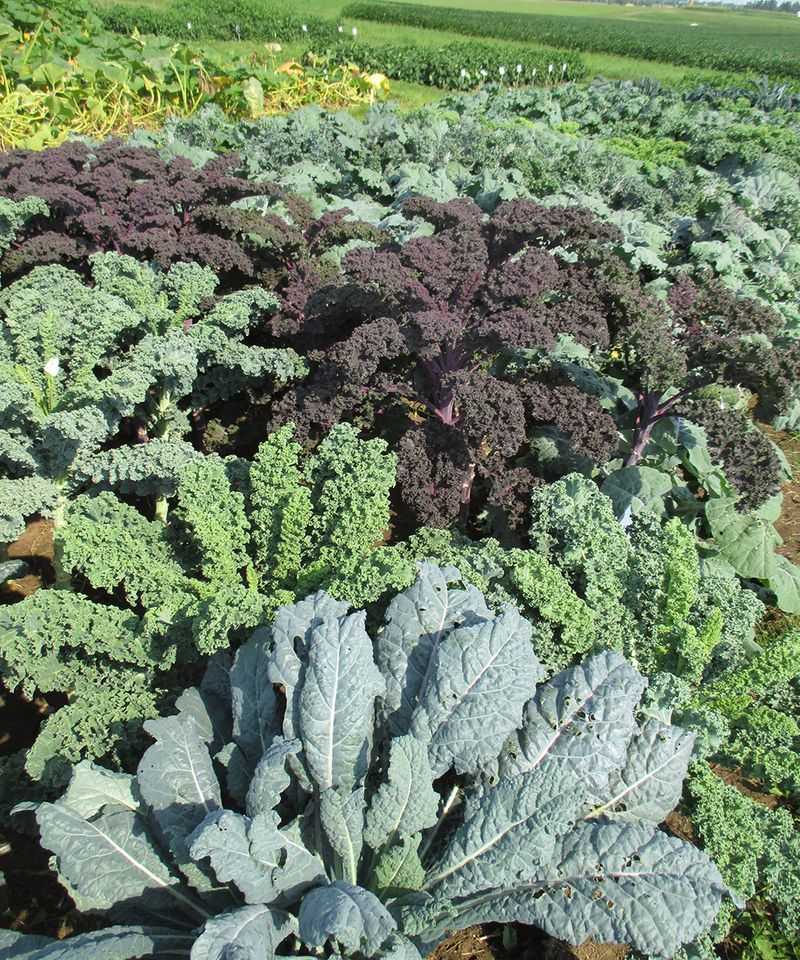
Kale has earned its reputation as one of the toughest vegetables you can grow, and Michigan gardeners have every reason to love it.
This leafy green actually improves in flavor after exposure to frost, developing a slightly sweeter, less bitter taste that makes it far more enjoyable to eat raw or cooked. April is absolutely the right time to get kale going in Michigan.
You can either direct sow kale seeds or transplant seedlings started indoors about four to six weeks earlier. Press seeds about a quarter inch into moist, fertile soil and thin plants to twelve to eighteen inches apart as they grow.
Full sun produces the strongest plants, though kale manages well in partial shade during Michigan’s cooler spring months.
Curly kale, Lacinato kale, and Red Russian kale are all excellent varieties for Michigan gardens. Red Russian is especially cold-tolerant and tends to thrive beautifully in early spring conditions across the state.
Kale plants started in April will be ready for their first harvest by late May or early June, and they keep producing new leaves all the way into fall if you harvest regularly from the outside of the plant.
Michigan State University Extension recommends kale as one of the best spring crops for home gardeners because it requires minimal care once established.
Rich in vitamins K, A, and C, kale is a nutritional powerhouse that earns every inch of garden space it takes up.
7. Swiss Chard (Beta vulgaris subsp. vulgaris)
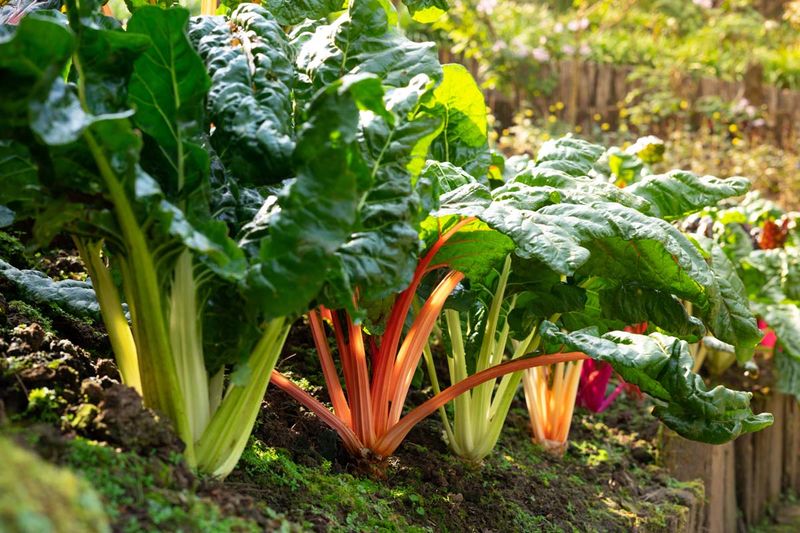
Walk past a row of Swiss chard in a Michigan spring garden and it is almost impossible not to stop and stare. The stems come in brilliant shades of red, yellow, orange, and white, making it one of the most visually stunning vegetables you can grow.
Beyond its good looks, Swiss chard is remarkably tough and productive, which is exactly what April gardeners in Michigan need.
Sow Swiss chard seeds directly into the garden about half an inch deep and two to three inches apart. Like beets, each seed cluster may produce more than one seedling, so thin plants to about six inches apart once they are a few inches tall.
Well-draining soil with plenty of organic matter gives chard the best start in Michigan spring beds.
Swiss chard tolerates light frost with ease, making it a dependable choice for planting before Michigan’s last frost date.
Once established, it keeps producing tender new leaves throughout the entire growing season, often lasting well into October in southern Michigan.
Bright Lights and Rainbow Chard are two popular varieties that combine beautiful color with outstanding flavor. Harvest outer leaves regularly to encourage continuous new growth from the center of each plant.
Chard works beautifully sauteed with garlic, layered into pasta dishes, or used as a sturdy wrap for fillings. Starting chard in April gives Michigan gardeners one of the longest and most rewarding harvest windows of any spring crop available.
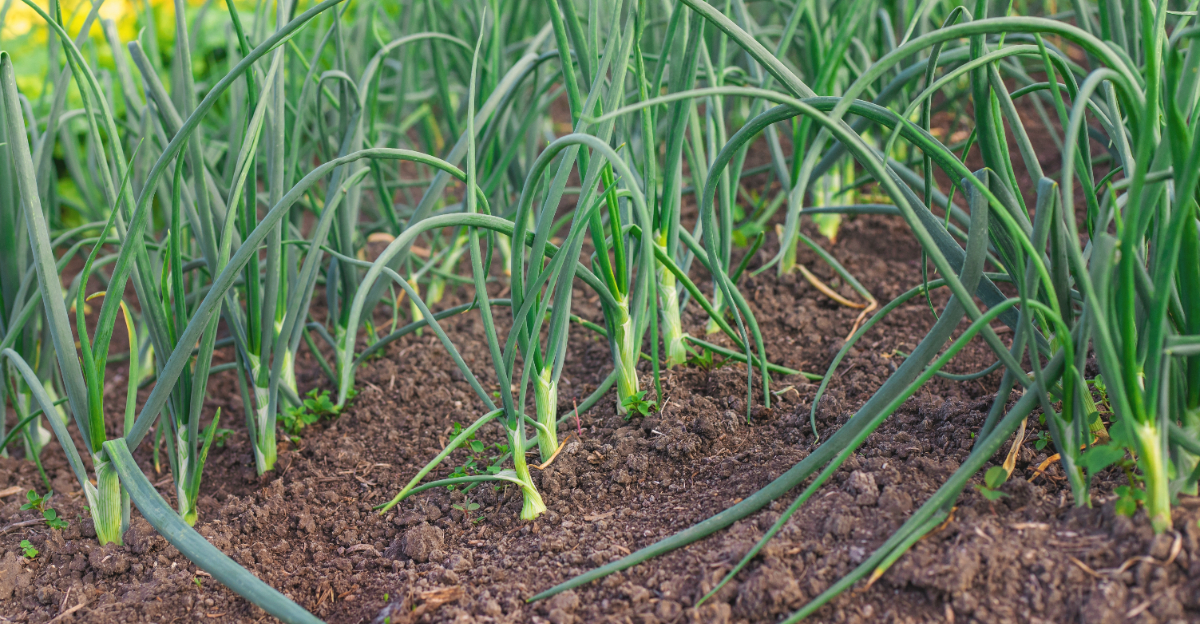
8. Green Onions (Allium fistulosum)
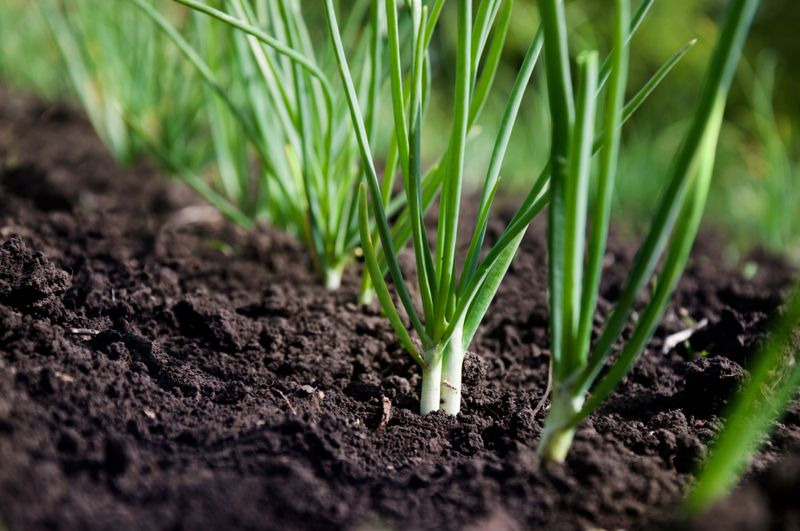
Green onions are one of those quiet garden overachievers that rarely get enough credit. They take up almost no space, grow quickly in cool conditions, and add fresh flavor to just about everything you cook.
Michigan gardeners who plant green onions in April will have a steady supply of crisp, flavorful shoots ready to snip within just a few weeks.
You can grow green onions from seeds or sets, which are small bulbs that establish even faster than seeds. Plant sets or seeds about a quarter to half an inch deep and one inch apart in rows.
They prefer well-draining soil with consistent moisture and perform well in both garden beds and containers, which is great for Michigan gardeners with limited space.
Green onions tolerate cold soil and light frost without any setback, so planting in early April across Michigan is completely safe and smart.
Evergreen Hardy White and Tokyo Long White are two reliable varieties that handle Michigan spring conditions especially well.
Unlike bulb onions that need months to mature, green onions are ready to harvest in about 60 to 80 days from seed, or even sooner from sets. Simply snip the tops as needed and the plant will regrow, giving you multiple harvests from a single planting.
They pair perfectly alongside radishes and spinach in a Michigan spring garden, making excellent use of small spaces while delivering big, fresh flavor all spring long.