What Michigan Gardeners In Zones 5 And 6 Should Do Differently This May
May is when Michigan gardens really start to take off, but what works in Zone 5 is not always the same for Zone 6.
While both zones share similar weather patterns, small differences in temperature and last frost timing can affect how plants grow and when certain tasks should be done.
Gardeners in Zone 6 often get a slight head start, while those in Zone 5 may need to wait just a bit longer before planting more tender crops. These differences can impact everything from planting schedules to watering and early season care.
Paying attention to your specific zone helps you avoid setbacks and gives your plants a stronger start. With a few simple adjustments, you can make the most of May and keep your garden moving in the right direction.
Knowing what to do differently in each zone can lead to healthier plants and better results all season long.
1. Plant Warm-Season Crops At The Right Time For Your Zone
Timing is everything when it comes to warm-season crops in Michigan. Zone 6 gardeners in southern Michigan can usually get tomatoes, peppers, and beans into the ground in early May without much worry.
The temperatures are mild enough, and the soil has had time to warm up after winter. Getting those transplants in early gives Zone 6 gardens a real head start on the season.
Zone 5 gardeners, however, need to pump the brakes just a little. Planting too early in Zone 5 can expose tender seedlings to a surprise cold snap that sets them back significantly.
Waiting until mid to late May gives the soil and air temperatures a chance to stabilize. Patience here truly pays off in the long run.
A good rule of thumb is to check your local Michigan extension office for specific last frost dates for your ZIP code. Even within Zone 5, there can be meaningful differences between inland areas and those near the Great Lakes.
Knowing your micro-climate helps you make smarter decisions. Warm-season crops planted at the right time grow faster, stronger, and produce more abundantly all summer long.
2. Know Your Last Frost Date And Plan Around It
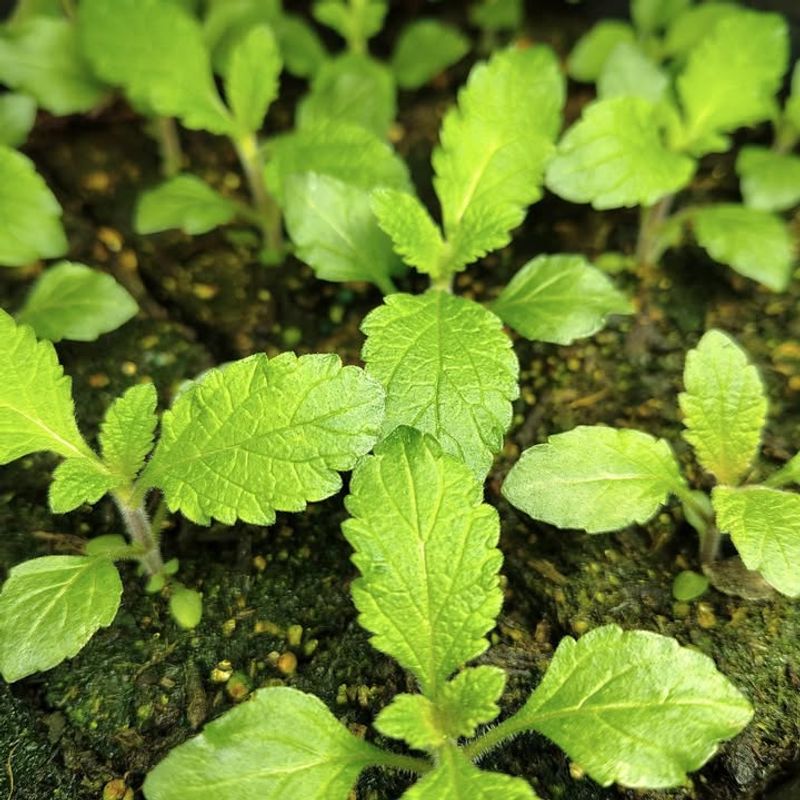
One of the biggest mistakes Michigan gardeners make is assuming their neighbor’s last frost date is the same as theirs. Zone 6 in southern Michigan typically sees its last frost somewhere around late April to early May.
That window opens up planting opportunities much sooner than most people realize, and it gives Zone 6 growers a genuine advantage heading into the growing season.
Zone 5 is a different story. Inland areas of Michigan in Zone 5 can see frost well into mid-May, and some years even later.
That extra two to three weeks of frost risk changes everything about how you plan your garden. Skipping this step and planting too early often means replanting, which wastes both time and money.
Checking the Old Farmer’s Almanac or the Michigan State University Extension frost date tool gives you a reliable starting point. Bookmark those resources and check them every spring rather than relying on memory from last year.
Your Michigan Garden Changes Every Week. Your Plan Should Too.
Gardening in Michigan changes quickly throughout the season. Every Friday you’ll receive a simple weekly plan showing exactly what to plant, prune, fertilize, harvest, and protect so you never miss the right timing.
Weather in Michigan is famously unpredictable, and a late frost can sneak in even after a warm stretch. Building your planting schedule around your actual frost date rather than the calendar is one of the smartest habits any Michigan gardener can develop this May.
3. Harden Off Seedlings Based On Your Specific Zone
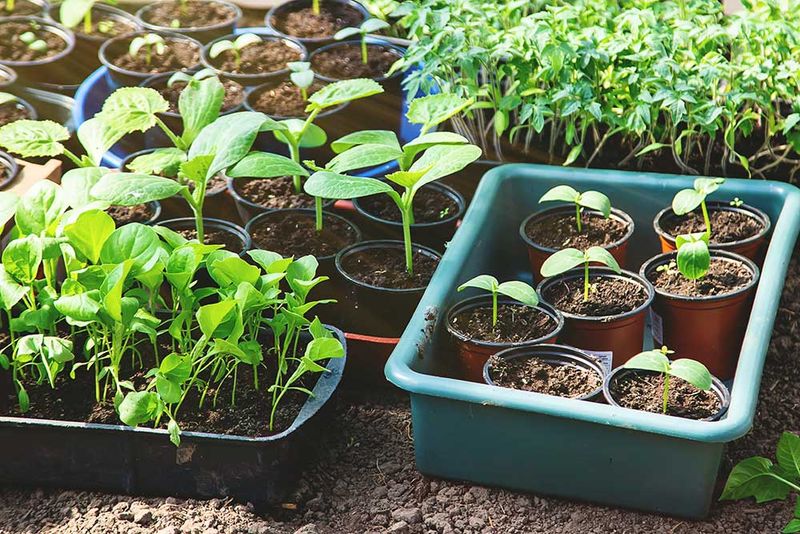
Hardening off is one of those steps that feels like extra work but makes a massive difference in how well your plants survive the transition from indoors to outside.
Zone 6 gardeners in southern Michigan can typically start this process in late April, taking advantage of the milder spring conditions.
A week or two of gradually increasing outdoor exposure gets those seedlings tough and ready for the garden.
Zone 5 gardeners should hold off until early to mid-May before starting the hardening off process. Rushing it when temperatures are still dipping low at night can stress your plants and slow their overall development.
Starting with just an hour or two of outdoor time each day and slowly building up over one to two weeks is the sweet spot for Michigan conditions.
Always bring seedlings back inside if a cold night is in the forecast, regardless of your zone. Michigan springs have a way of throwing curveballs when you least expect them.
A frost-damaged seedling that you spent weeks growing from seed is a tough setback. Taking the hardening off process seriously sets your plants up for a strong, confident start in the garden, and it is one of the easiest ways to improve your success rate this May.
4. Check Soil Temperature Before You Plant Anything
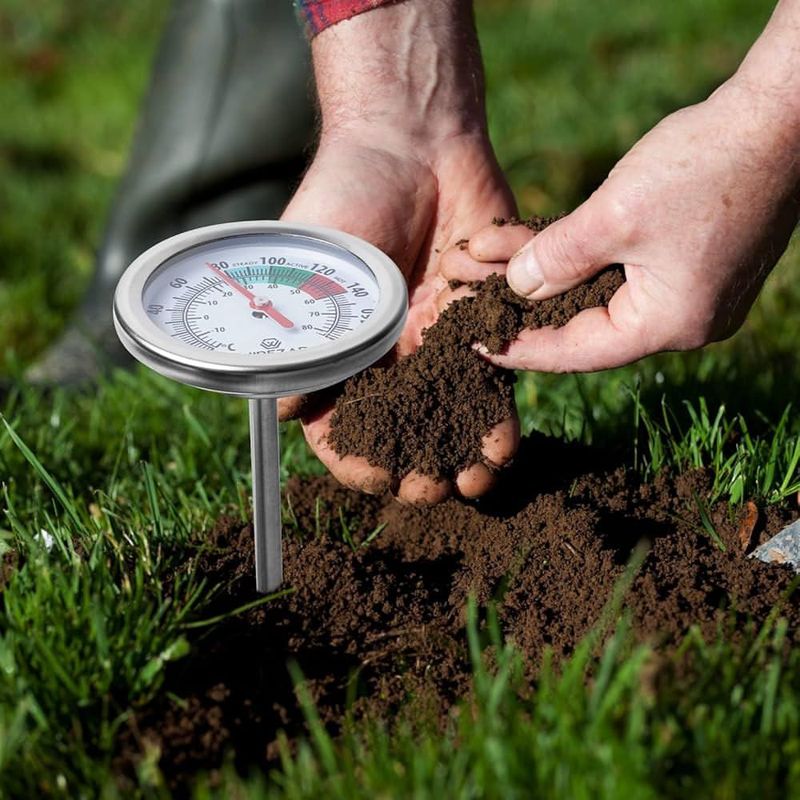
Soil temperature is something a lot of gardeners overlook, but it matters just as much as air temperature when deciding what to plant. In Zone 6 Michigan, the soil tends to warm up earlier in spring, often reaching the 60 degree Fahrenheit range by early May.
That warmth signals roots to grow actively, helping transplants establish quickly after going into the ground.
Zone 5 soil takes longer to shake off the cold. Even when daytime air temperatures feel pleasant, the ground itself may still be hovering in the low 50s or cooler.
Planting warm-season crops like tomatoes and peppers into cold soil stresses the roots and can actually slow growth for weeks. A cheap soil thermometer, available at most garden centers, removes all the guesswork.
Most warm-season vegetables prefer soil temperatures of at least 60 degrees Fahrenheit before transplanting, and some like peppers prefer closer to 65 degrees. Cool-season crops like peas and lettuce can handle soil temps in the mid to upper 40s just fine.
Checking soil temperature in Michigan is especially important in May because the surface can feel warm while deeper layers remain cold.
Getting this detail right means your plants hit the ground running instead of sitting still and struggling through their first few weeks in the garden.
5. Use Row Covers More Aggressively If You Garden In Zone 5
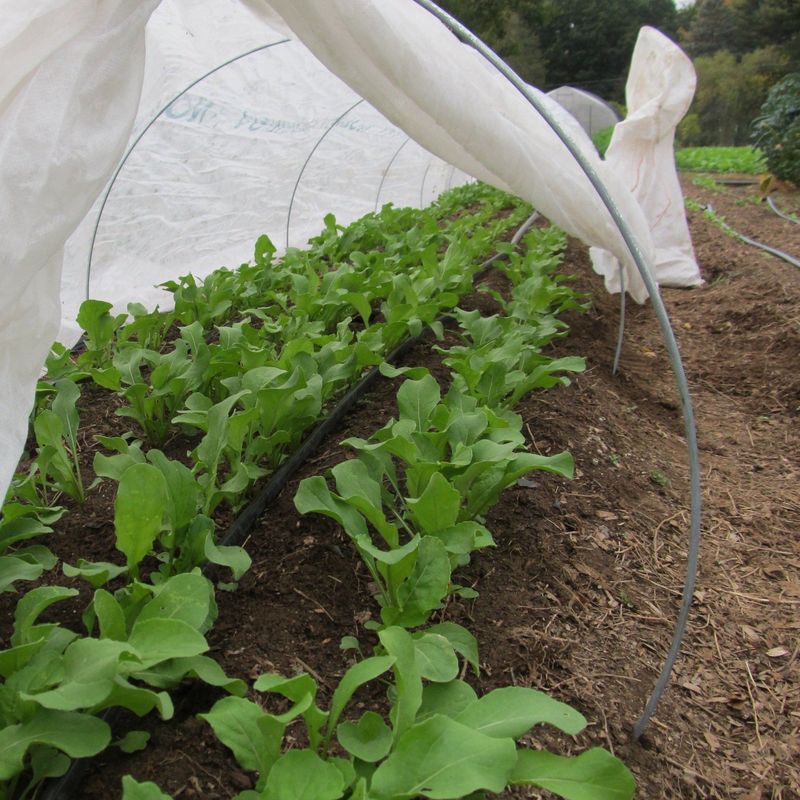
Row covers might just be the most underrated tool in a Zone 5 Michigan gardener’s shed. These lightweight fabric covers trap heat from the soil and protect plants from cold snaps without blocking light or water.
They are especially valuable in May when the weather in northern and inland Michigan can swing from warm afternoons to near-freezing nights within the same week.
Zone 6 gardeners can certainly use row covers too, but the urgency is lower because the frost risk fades earlier in the season. For Zone 5 gardeners, row covers can add several degrees of warmth and effectively extend the planting season by a couple of weeks.
That extra buffer lets you get plants in the ground sooner without gambling on a late frost ruining your hard work.
Floating row cover fabric, sometimes called Reemay or garden fleece, is widely available at Michigan garden centers and online. The lightweight versions allow good airflow and can stay on plants during the day without causing overheating.
Heavier versions offer more frost protection for particularly cold nights. Anchoring the edges with rocks, stakes, or soil keeps them from blowing off in Michigan’s spring winds.
Using row covers strategically this May gives Zone 5 gardeners a meaningful advantage that Zone 6 neighbors might not even need to think about.
6. Adjust When You Plant Perennials And Shrubs
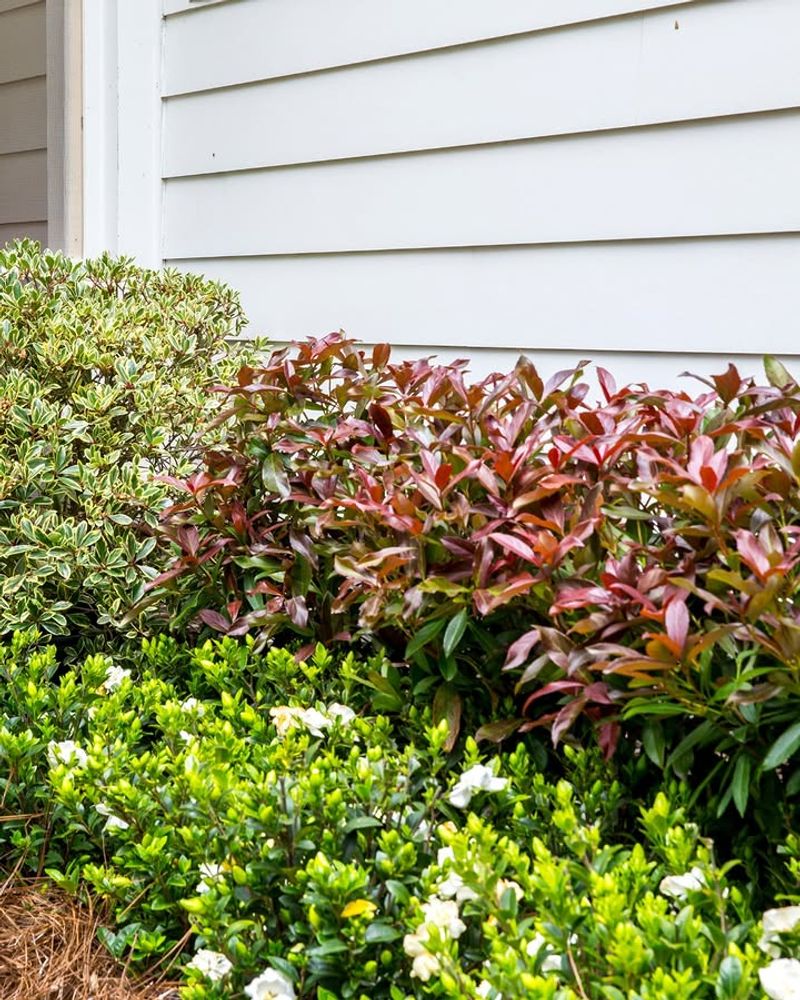
Perennials and shrubs are tough, but that does not mean timing does not matter when you put them in the ground.
Zone 6 gardeners across southern Michigan can safely plant most perennials and shrubs in early May when the soil is workable and temperatures are consistently mild.
Getting them established early gives roots weeks of growth before the heat of summer arrives.
Zone 5 gardeners should wait until the soil has warmed and dried out enough to work without compacting. Planting into cold, soggy soil can suffocate roots and lead to poor establishment.
Mid-May is usually a safer target for Zone 5, though a warm spring might allow for slightly earlier planting if the soil conditions feel right underfoot.
Native Michigan perennials like coneflowers, black-eyed Susans, and bee balm are excellent choices for both zones and tend to be forgiving once established. Shrubs like viburnum, spirea, and native serviceberry also do well across Michigan’s climate zones.
When planting, dig a hole twice as wide as the root ball but no deeper than the plant was growing in its container. Water thoroughly after planting and keep the soil consistently moist for the first few weeks.
Giving perennials and shrubs a well-timed start this May means less babysitting through the rest of the growing season.
7. Watch Weather Forecasts More Closely In Zone 5
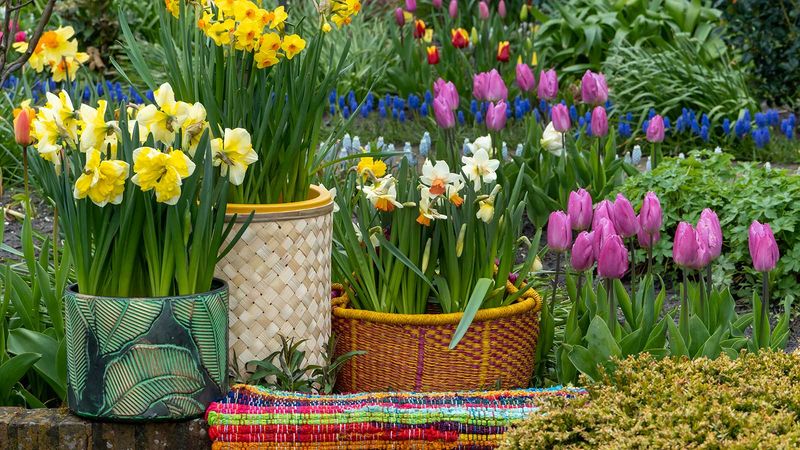
Zone 5 Michigan gardeners have to stay on their toes well into May because late frosts are a real possibility even after things seem to have warmed up.
A sunny 70-degree afternoon can be followed by a 34-degree night, and that kind of swing can seriously damage unprotected plants.
Building a habit of checking the forecast every evening during May is one of the smartest things a Zone 5 gardener can do.
Zone 6 gardeners in southern Michigan face less risk by mid-May, but it is still worth checking during the first half of the month.
Weather apps, local TV meteorologists, and the National Weather Service all provide frost alerts that can save your garden from an unexpected cold night.
Setting up weather notifications on your phone takes about two minutes and can save hours of replanting later.
When a frost warning does pop up, acting quickly makes all the difference. Covering plants with old bedsheets, row covers, or even cardboard boxes overnight provides enough insulation to protect most tender transplants.
Potted plants should be brought inside or moved to a sheltered spot like a garage or porch. Michigan gardeners in Zone 5 who stay plugged into the forecast during May consistently have better outcomes than those who assume the warm weather will just stick around.
A little vigilance goes a long way in protecting everything you have worked hard to grow.
8. Choose Faster-Maturing Crop Varieties In Zone 5
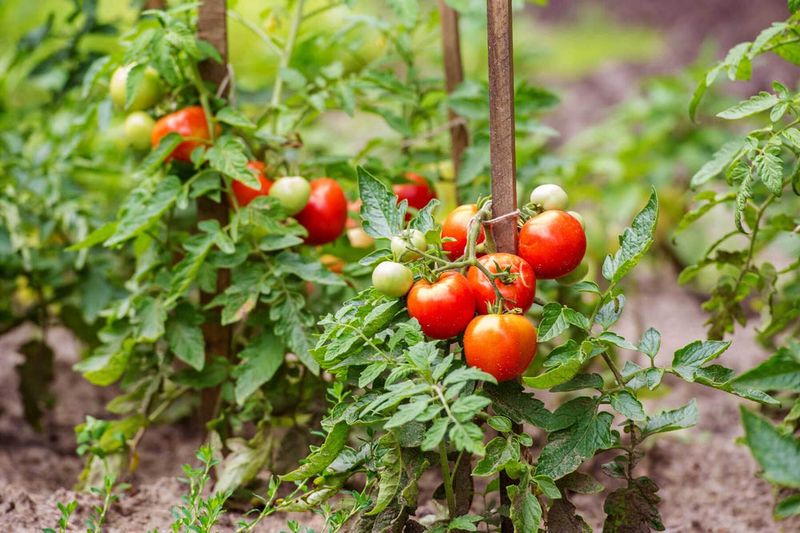
Growing a full season of vegetables in Zone 5 Michigan requires a bit of strategy because the growing window is shorter than in Zone 6. Choosing crop varieties that mature faster gives Zone 5 gardeners a real edge.
Look for tomato varieties labeled as early or short-season, such as Early Girl, Stupice, or Siletz, which can ripen in 55 to 65 days rather than the 80 or more days needed by some heirloom types.
Zone 6 gardeners have more flexibility and can grow longer-season crops with confidence because they get more frost-free days per year.
Varieties like Brandywine tomatoes or large heirloom peppers that need a long warm season have a much better chance of producing well in Zone 6 southern Michigan than up in Zone 5.
Knowing your zone helps you shop smarter at the garden center or seed catalog.
Peppers, melons, and sweet corn all benefit from choosing shorter-season varieties in Zone 5. Days to maturity listed on seed packets and plant tags are your best guide when shopping.
Shorter-season varieties are not inferior, they are just bred to perform well in climates with a tighter frost-free window. For Michigan gardeners in Zone 5, selecting the right variety before you plant is just as important as any other step in the process this May.
9. Time Your Mulching Differently Depending On Your Zone
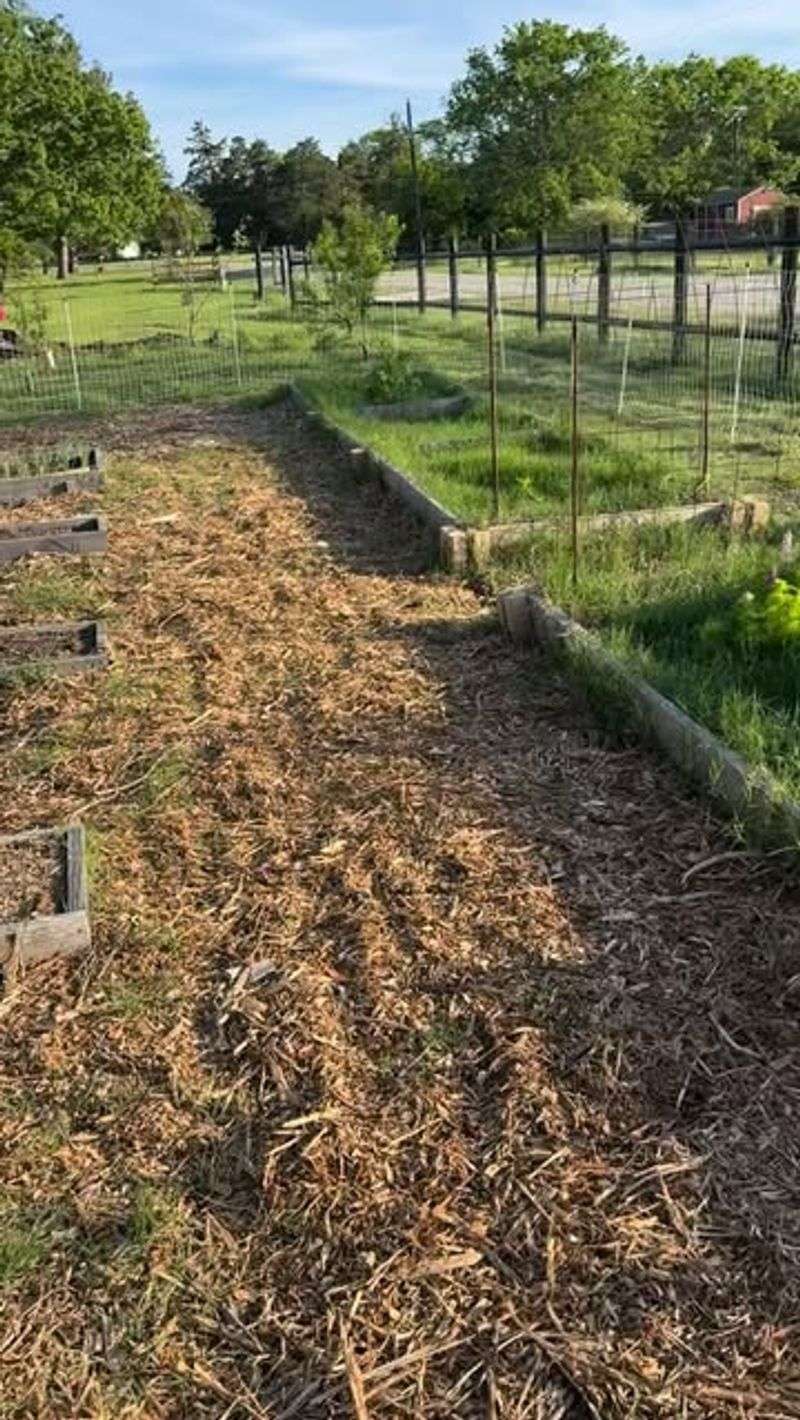
Mulching is one of those tasks that sounds simple but has a surprising amount of nuance when it comes to timing. Zone 6 gardeners in southern Michigan can start mulching their beds in early to mid-May once the soil has warmed up nicely.
Applying mulch at this point locks in moisture, suppresses weeds, and keeps soil temperatures more stable as summer approaches.
Zone 5 gardeners should wait a bit longer before laying down mulch. If you apply it too early when the soil is still cold, you actually insulate that cold soil and slow the warming process.
That delay can set back root development and overall plant growth for weeks. Waiting until late May, when Zone 5 soils have had a chance to warm up naturally, makes mulching much more effective.
Organic mulches like shredded wood, straw, or leaf compost are all great options for Michigan gardens. Apply a layer about two to three inches deep, keeping it a couple of inches away from plant stems to prevent moisture buildup and rot.
Mulch also plays a big role in reducing how often you need to water during dry summer stretches, which is a bonus for busy gardeners.
Getting the timing right for your specific Michigan zone turns mulching from a routine chore into a genuinely powerful tool for a healthier, lower-maintenance garden all season long.
10. Start Monitoring Pests Earlier If You Are In Zone 6
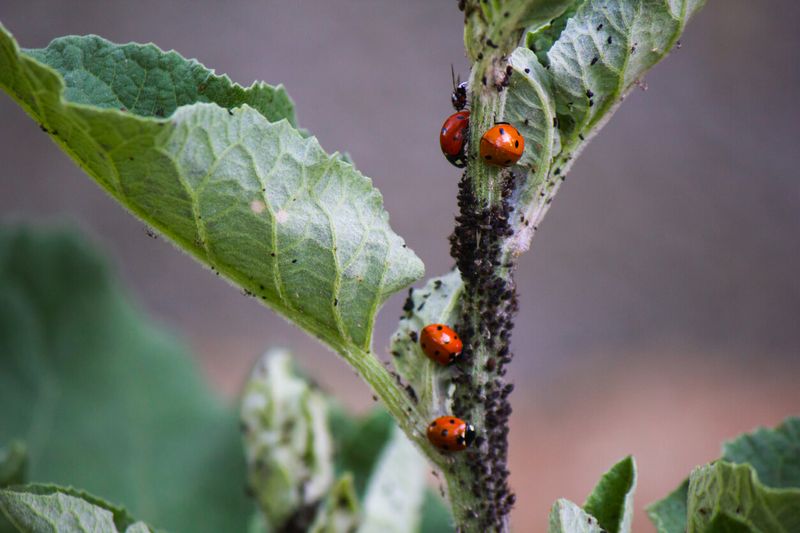
Warmer temperatures in Zone 6 southern Michigan mean that insects wake up and get active earlier in the season than they do in Zone 5.
Aphids, flea beetles, and squash bugs can all start showing up in Zone 6 gardens by early May, well before Zone 5 gardeners even need to think about them.
Catching pest pressure early makes management much easier and less stressful down the line. Zone 5 gardeners typically get a few extra weeks before insects become a serious concern, but that does not mean skipping inspections entirely.
Doing a quick check of leaves, stems, and the undersides of foliage every few days builds a good habit and helps you catch any early arrivals before populations build up.
Insects can move fast once conditions favor them, and a small problem caught early is far easier to handle than a large infestation.
Beneficial insects like ladybugs and ground beetles also appear earlier in Zone 6, which is a natural advantage. Encouraging these helpful bugs by avoiding broad-spectrum pesticides and planting pollinator-friendly flowers gives your garden a built-in pest management team.
For both zones, keeping the garden tidy, removing plant debris, and checking plants regularly are the most effective and practical habits you can build this May.
Staying one step ahead of pests means your Michigan garden stays healthier and more productive all the way through the growing season.