What Michigan Gardeners Should Plant After The Last Frost
In Michigan gardening, the calendar matters almost as much as the soil. One warm week in spring can make it feel like planting season has arrived, but experienced gardeners know the real signal is the last frost.
Planting too early is one of the fastest ways to lose tender crops after weeks of careful planning. Across the state, that frost free window arrives at different times.
In southern Michigan, many areas become safe for warm season planting between May 5 and May 10. Further north and across the Upper Peninsula, gardeners often wait until mid to late May before the risk of cold nights finally passes.
Understanding this timing can make the difference between struggling plants and a thriving summer garden.
When Michigan gardeners wait for that reliable frost free period, tomatoes, peppers, and other warm season favorites are far more likely to grow strong and produce abundant harvests.
1. Tomatoes
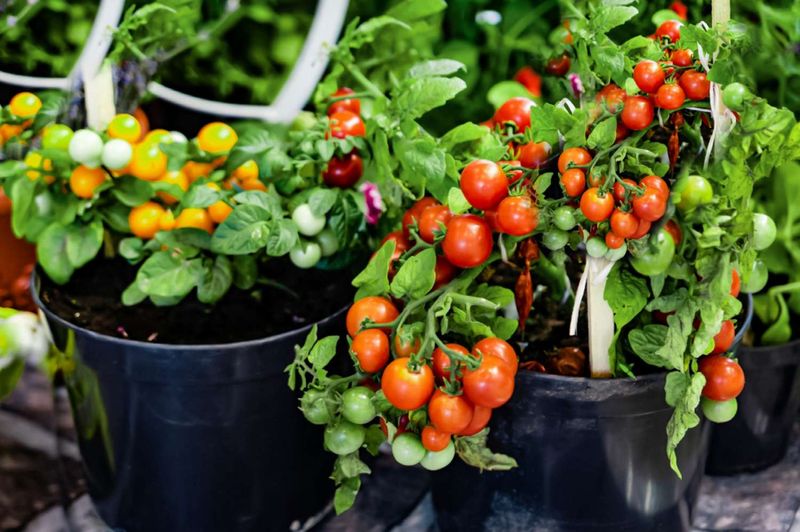
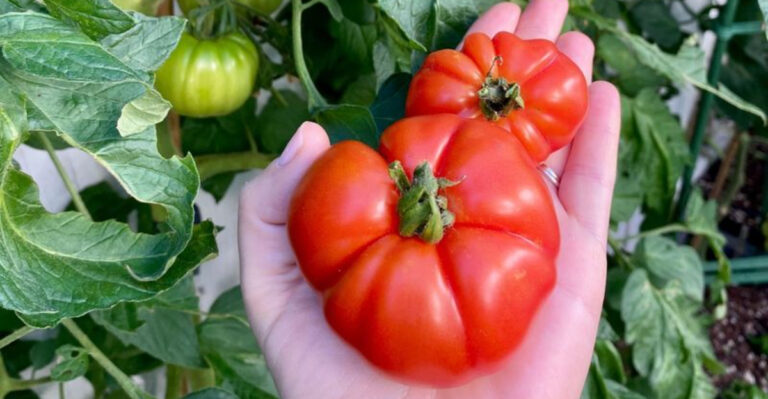
Few things beat the smell of a sun-warmed tomato fresh off the vine, and Michigan gardeners have every reason to grow plenty of them.
Tomatoes (Solanum lycopersicum) are warm-season champions that absolutely need stable temperatures before going in the ground.
Nighttime temps should stay consistently above 50°F before transplanting, which typically happens around mid to late May across much of Michigan.
Start your tomato seedlings indoors about six to eight weeks before your local last frost date.
Southern Michigan gardeners can often get transplants in the ground around May 10, while those in central and northern parts of the state should wait closer to May 15 to 25.
Rushing the process when soil is still cold can stress the roots and slow early growth significantly.
Tomatoes thrive in full sun with at least six to eight hours of direct light per day. Choose a spot with well-draining, fertile soil and mix in compost before planting for the best results.
Staking or caging your plants early helps support strong upward growth as the season builds.
Michigan summers are warm enough to ripen most varieties, from classic Beefsteaks to sweet cherry types, giving you plenty of delicious options to enjoy from July straight through September.
2. Peppers
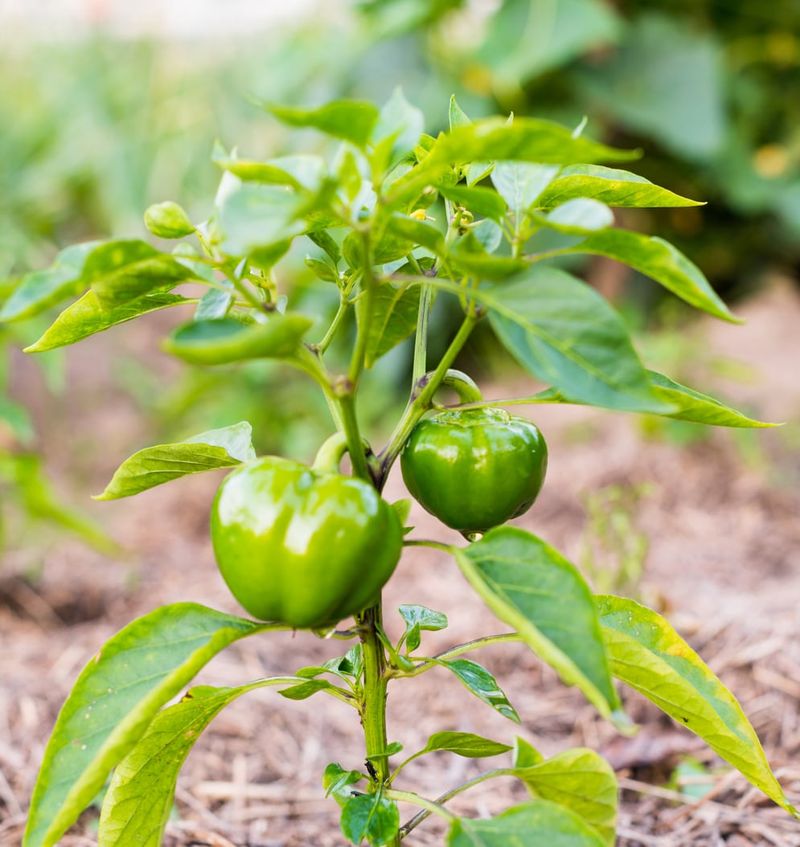
Peppers are picky about temperature, and they are not shy about showing it. Both sweet and hot varieties of Capsicum annuum will sit and sulk in cold soil rather than grow, making proper timing in Michigan absolutely essential.
Soil temperatures need to reach at least 65°F before pepper roots can really take hold and begin pushing out healthy new growth.
In southern Michigan, that warm soil window often arrives around May 10 to 15. Central and northern Michigan gardeners should hold off until late May to be safe.
Starting peppers indoors eight to ten weeks before your last frost date gives you strong, well-developed transplants that are ready to hit the ground running once conditions are right.
Peppers love heat and full sun, so pick the warmest, sunniest corner of your Michigan garden for them.
Rich, well-drained soil with added compost gives them the nutrients they need to produce heavily all season.
Consistent watering matters a lot too, since uneven moisture can cause issues like blossom drop or misshapen fruit.
Sweet bell peppers, banana peppers, and hot jalapeños all perform beautifully in Michigan summers when planted at the right time.
With a little patience during spring, you will be rewarded with a colorful and flavorful pepper harvest that lasts well into fall.
3. Cucumbers
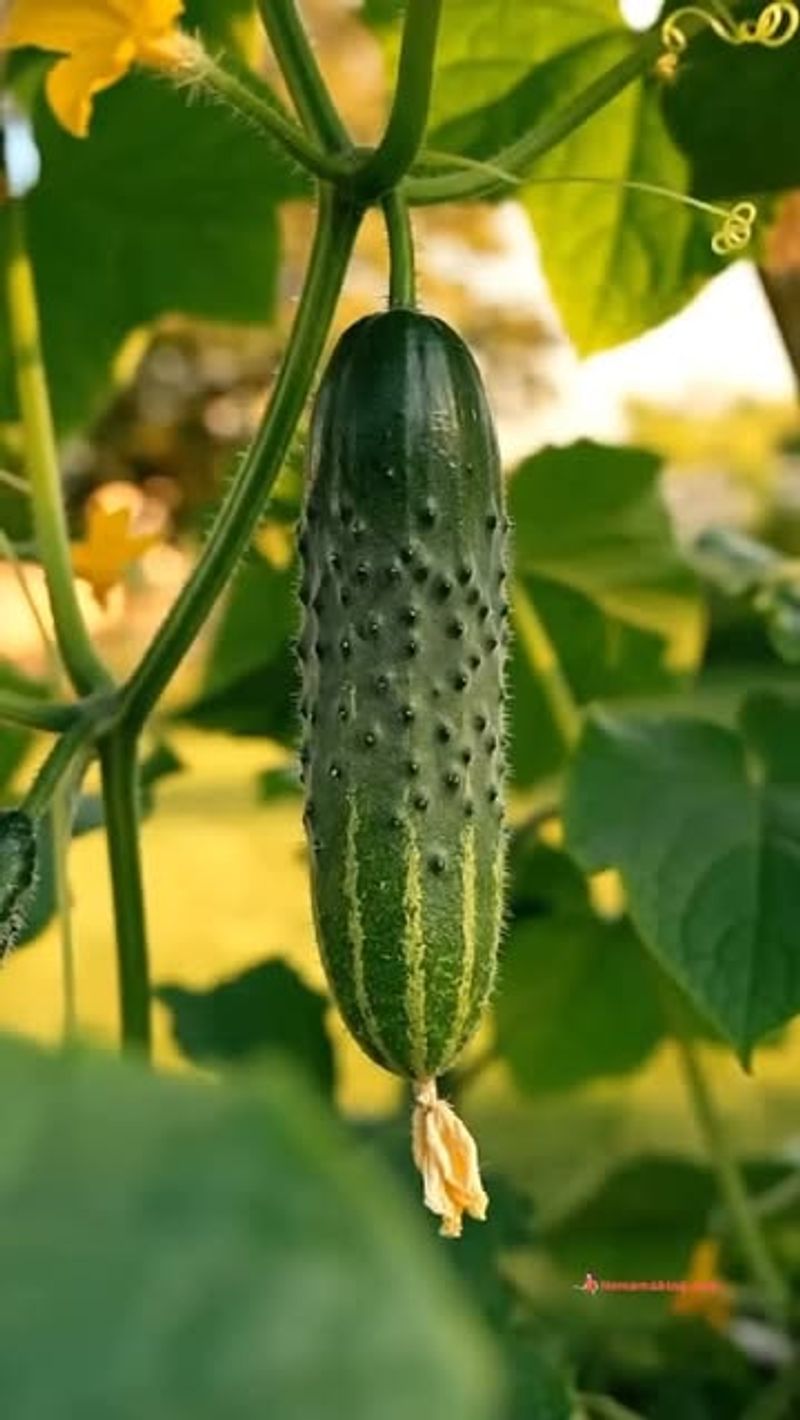
Cucumbers are fast-growing, thirsty, and absolutely love heat, which makes timing their planting in Michigan one of the most important decisions of the season.
Cucumis sativus seeds or transplants go into the ground only after all frost danger has passed and the soil has warmed to at least 60°F.
Cold soil will slow germination dramatically and leave seeds vulnerable to rotting before they even sprout.
Most Michigan gardeners can safely plant cucumbers between mid and late May, depending on their location in the state.
You can either direct-sow seeds into warm garden beds or start transplants indoors two to three weeks before your planting date.
Direct seeding actually works very well for cucumbers since they grow quickly and do not always love having their roots disturbed during transplanting.
Give cucumbers full sun and plenty of space to spread, or train them up a trellis to save room and improve air circulation around the leaves.
Michigan summers provide the warm, sunny days cucumbers need to produce their best fruit. Water consistently at the base of the plant to keep the soil evenly moist without wetting the foliage.
Expect to start picking cucumbers roughly 50 to 70 days after planting, which puts Michigan harvests right in the heart of summer. Fresh cucumbers straight from a Michigan garden are crisp, cool, and incredibly satisfying.
4. Zucchini
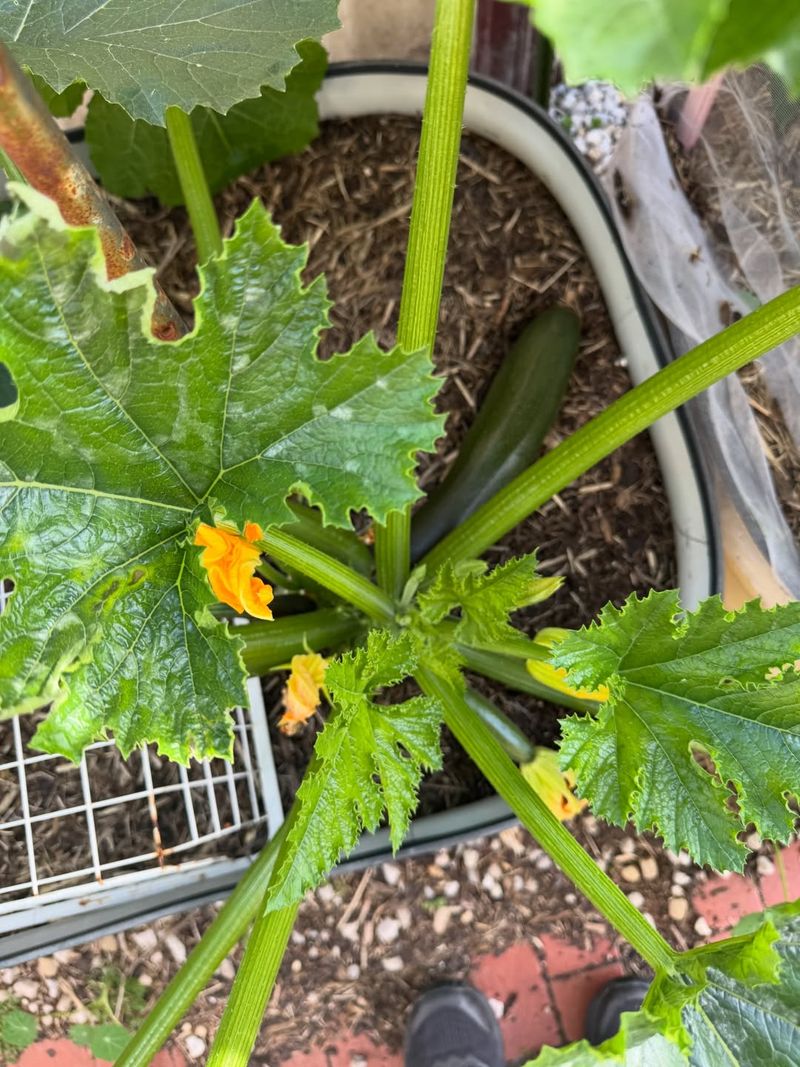
Zucchini has a reputation for being one of the most productive vegetables in any garden, and Michigan’s warm summers are perfectly suited for it.
Cucurbita pepo grows quickly once temperatures climb, often producing its first harvestable fruits just 45 to 55 days after planting.
The key is waiting until after the last frost, when soil temps are reliably warm and nighttime cold is no longer a threat.
Plant zucchini seeds or transplants in Michigan between mid and late May for the best results.
Direct seeding into warm, fertile soil is the most common approach, and it works wonderfully.
Zucchini plants are vigorous growers, so give each one plenty of room, at least two to three feet apart, to spread their large leaves and develop properly without crowding neighboring plants.
Full sun is non-negotiable for zucchini. Choose a spot in your Michigan garden that gets at least eight hours of sunlight each day and amend the soil generously with compost before planting.
Regular watering at the base of the plant keeps the roots happy without encouraging mildew on the leaves.
Once zucchini gets going in a Michigan summer, you may find yourself harvesting every other day to keep up with production.
Pick fruits when they are six to eight inches long for the best flavor and texture, and share the extras with neighbors who will absolutely appreciate them.
5. Pumpkins
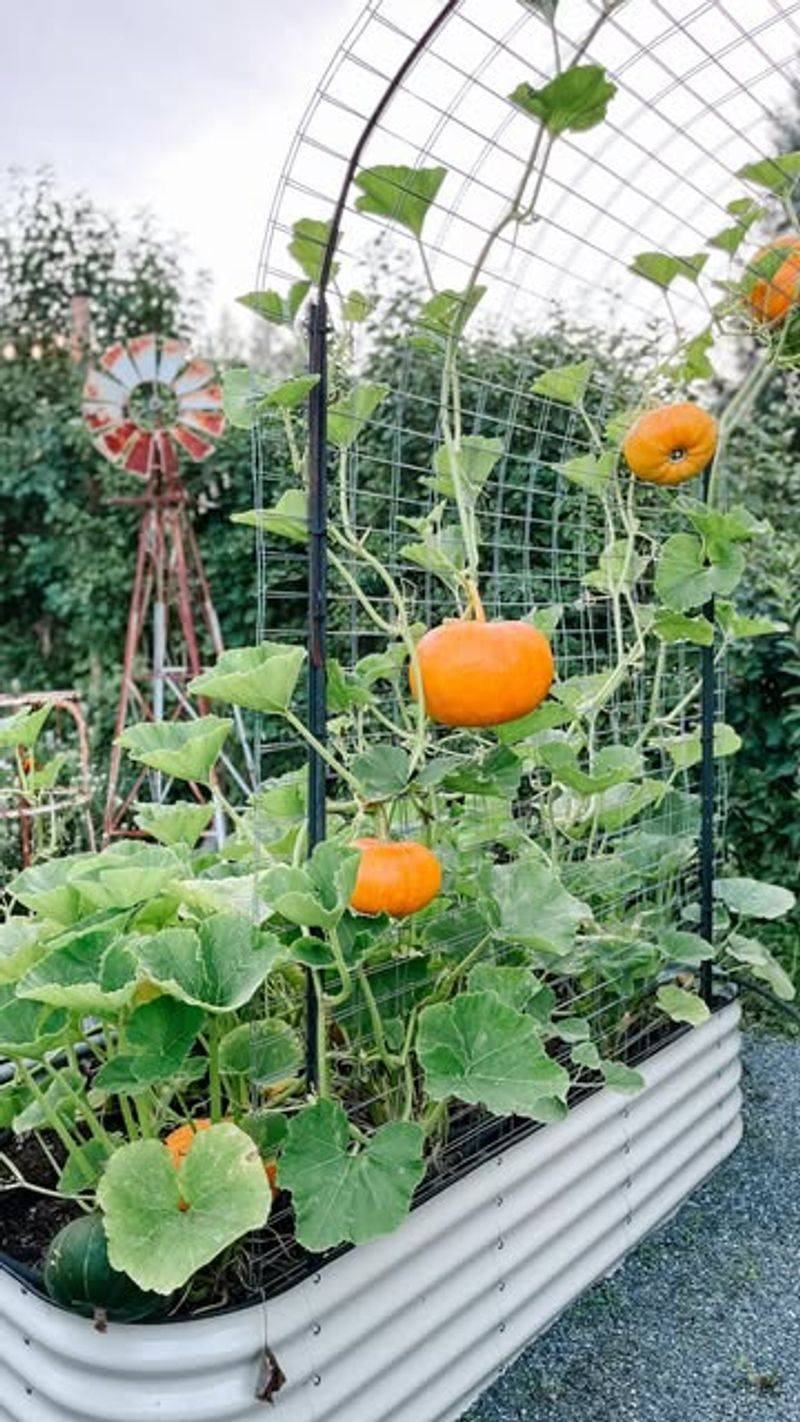
Pumpkins take patience, but there is something deeply satisfying about watching those big orange fruits develop right in your own Michigan backyard.
Cucurbita pepo needs warm soil, long sunny days, and a growing season that stretches from late spring all the way into early fall.
That is why planting after Michigan’s last frost, typically in late May, is so critical for pumpkin success.
Most pumpkin varieties need between 75 and 100 days to reach full maturity, which means a late May planting in Michigan lines up perfectly for a September or October harvest.
Direct seed pumpkins into warm garden beds or start transplants indoors two to three weeks before your target planting date.
Pumpkin vines spread widely, sometimes stretching eight to ten feet or more, so plan for plenty of space in your Michigan garden layout.
Rich, well-draining soil with good organic matter gives pumpkins the fuel they need to produce large, healthy fruit.
Full sun is a must, so choose a spot that stays bright throughout the day. Consistent watering, especially during fruit development, keeps the plants healthy and productive.
Michigan’s warm July and August temperatures are ideal for pumpkin growth, and the slight cooling of September helps the skin harden and the color deepen beautifully.
Growing your own pumpkins in Michigan is one of the most rewarding fall gardening experiences you can have.
6. Green Beans
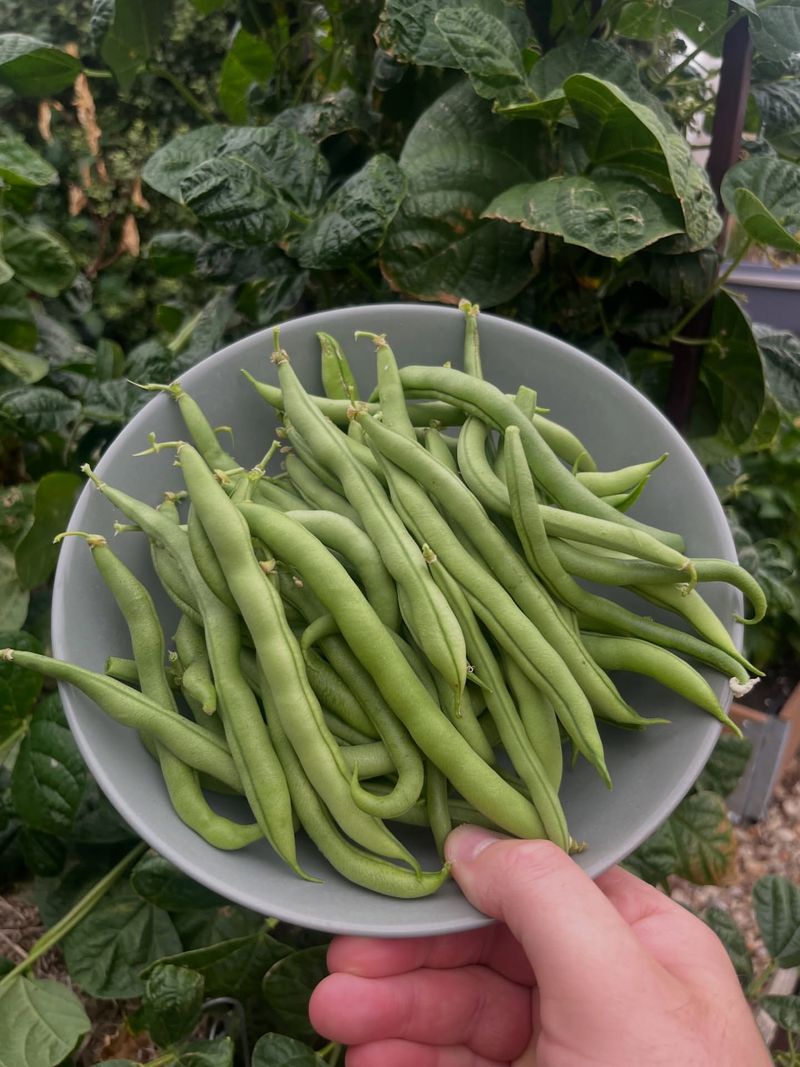
Green beans are one of those garden staples that just never go out of style, and Michigan’s warm summers make them a reliable and easy crop to grow.
Phaseolus vulgaris seeds germinate poorly in cold or wet soil, which is exactly why planting after the last frost matters so much here.
Cold soil can cause seeds to rot before they even get a chance to sprout, wasting both time and effort. In most parts of Michigan, mid to late May is the sweet spot for getting green beans in the ground.
Southern Michigan gardeners can often start as early as May 10, while those in central and northern areas should aim for May 15 to 25.
Soil should feel warm to the touch and temperatures should be holding steady before you direct-sow your bean seeds about one inch deep into the garden bed.
Green beans love full sun and well-drained soil with decent organic matter mixed in.
Bush varieties work great for smaller Michigan gardens since they stay compact and do not need staking, while pole beans climb trellises and produce heavily over a longer season. Water evenly and avoid overhead watering to keep the foliage dry and healthy.
Expect your first harvest roughly 50 to 60 days after planting, right in the middle of Michigan summer. Fresh-picked green beans are tender, flavorful, and one of the true joys of a home garden.
7. Sweet Corn
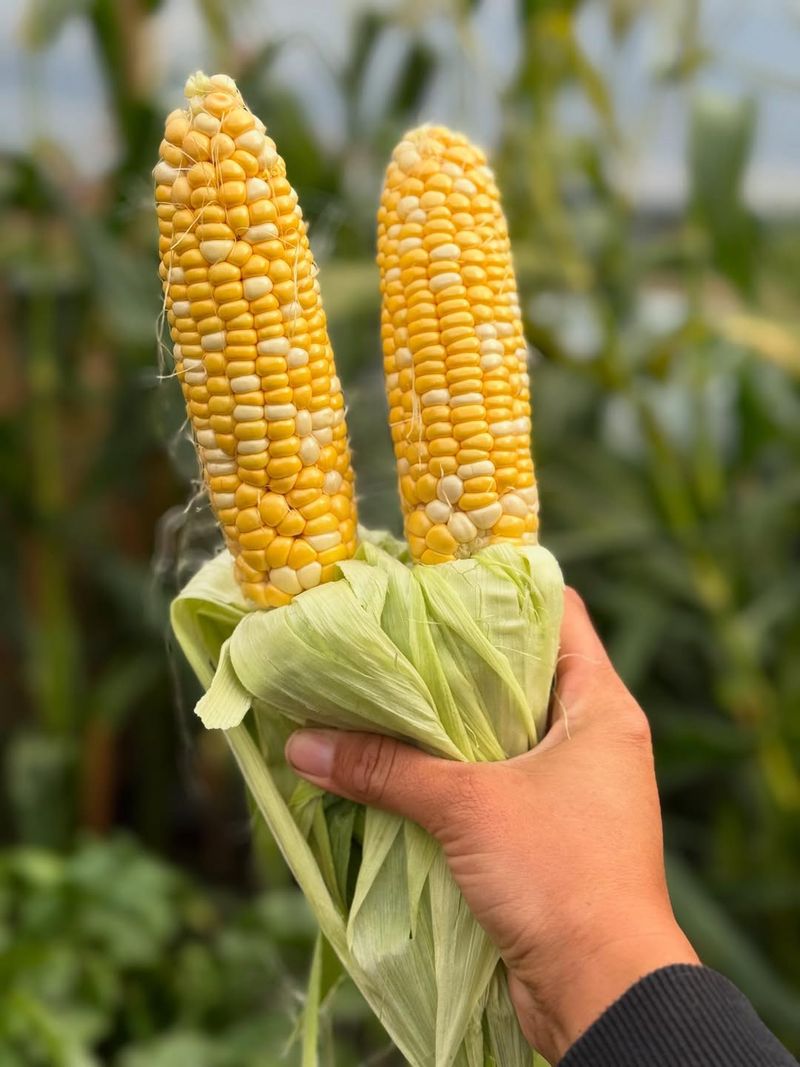
There is nothing quite like biting into a fresh ear of sweet corn that came straight out of your own Michigan garden.
Zea mays is a warm-season crop that needs both warm air and warm soil to germinate and grow well.
Planting into cold spring soil leads to slow, uneven germination and weak seedlings that struggle to catch up later in the season.
Most Michigan gardeners target a sweet corn planting date between mid and late May, once soil temperatures have climbed to at least 60°F.
Southern Michigan often hits that mark around May 10 to 15, while central and northern parts of the state may need to wait until closer to May 20 or 25.
Corn is wind-pollinated, so plant it in blocks of at least four rows rather than single long rows to ensure good pollination and fully filled ears. Sweet corn grows best in full sun with deep, rich, well-draining soil.
Feeding the plants with a nitrogen-rich fertilizer mid-season helps support the tall, leafy growth that corn is known for.
Michigan summers provide the warm days and humid nights that sweet corn absolutely thrives in. Most varieties mature in 65 to 85 days, putting your Michigan harvest right in late July or August.
Picking ears at peak ripeness, when the silks have turned brown and the kernels are plump and milky, gives you the sweetest, most flavorful corn imaginable.
8. Eggplant
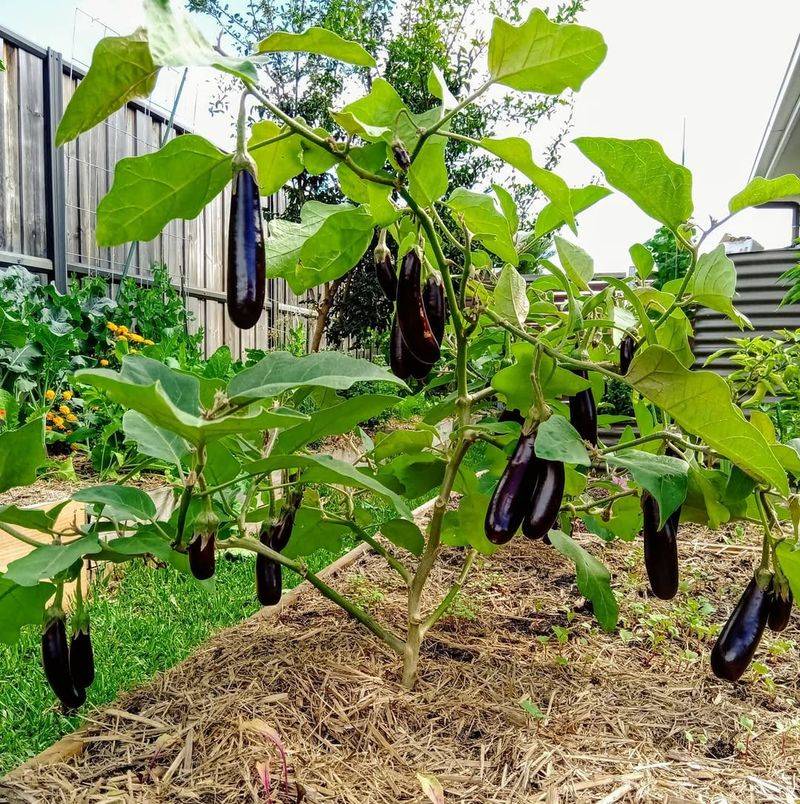
Eggplant might just be the most heat-hungry vegetable in the entire Michigan garden.
Solanum melongena thrives when daytime temperatures stay warm and consistent, and it absolutely refuses to perform well when nights stay cold or soil temperatures linger below 60°F.
Planting eggplant too early in Michigan is one of the most common mistakes gardeners make, and the results are always disappointing.
Start eggplant seedlings indoors eight to ten weeks before your local last frost date in Michigan.
Transplant them outdoors only after the weather has fully settled into warm, stable conditions, typically from late May onward depending on your region of the state.
Eggplants are slower to mature than tomatoes or peppers, so giving them a strong indoor head start is really important for a productive Michigan harvest.
Choose the sunniest, most sheltered spot in your Michigan garden for eggplants, since they love radiated heat from walls or fences.
Well-drained, fertile soil with plenty of compost gives them the foundation they need to produce their glossy, beautiful fruits.
Water consistently and mulch around the base of each plant to retain soil warmth and moisture throughout the season.
Michigan summers are warm enough for most eggplant varieties to thrive, with harvests typically arriving 70 to 85 days after transplanting.
Slice them fresh, grill them, or bake them into your favorite dishes for a truly satisfying homegrown reward.
9. Basil
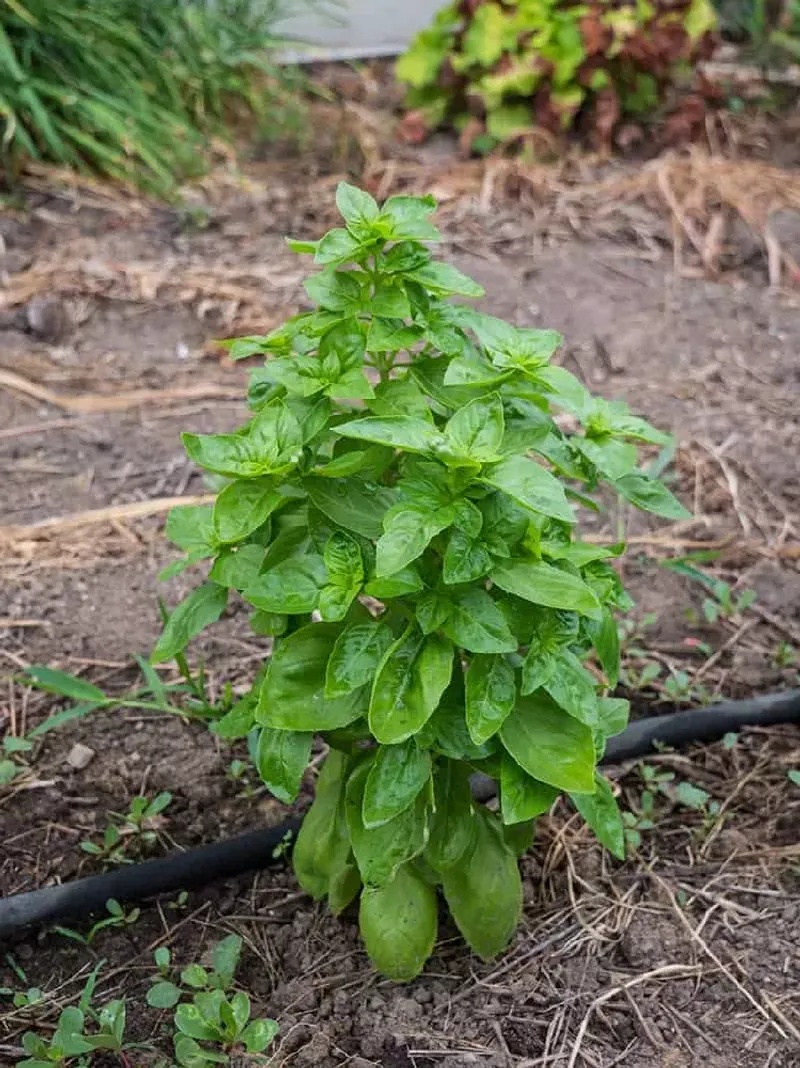
Basil is one of those herbs that seems simple to grow until you plant it too early and watch it turn yellow and limp overnight.
Ocimum basilicum is extremely sensitive to cold, and even a light frost will damage or completely wipe out young plants.
In Michigan, that means keeping basil indoors or in a greenhouse until the weather is truly and consistently warm, usually late May at the earliest.
Southern Michigan gardeners can often move basil outside around May 15 to 20, while those in central and northern parts of the state should wait until late May or even early June to be safe.
Basil prefers soil temperatures above 60°F and nighttime air temperatures that stay comfortably above 50°F.
Rushing the outdoor transition even by a week or two in Michigan can set plants back significantly and slow early growth.
Plant basil in a sunny spot with at least six hours of direct sunlight each day and well-drained, moderately fertile soil.
Water regularly but avoid waterlogging the roots, since basil does not like sitting in soggy soil.
Pinching off flower buds as they appear keeps the plant focused on producing flavorful leaves rather than going to seed.
Michigan summers are ideal for basil once it gets established, and a healthy plant will keep giving you fragrant, flavorful leaves from June all the way through early fall.
Pair it with your homegrown Michigan tomatoes for a garden-fresh combination that is hard to beat.