What Michigan Gardeners Should Start Indoors In March In Zones 5 And 6
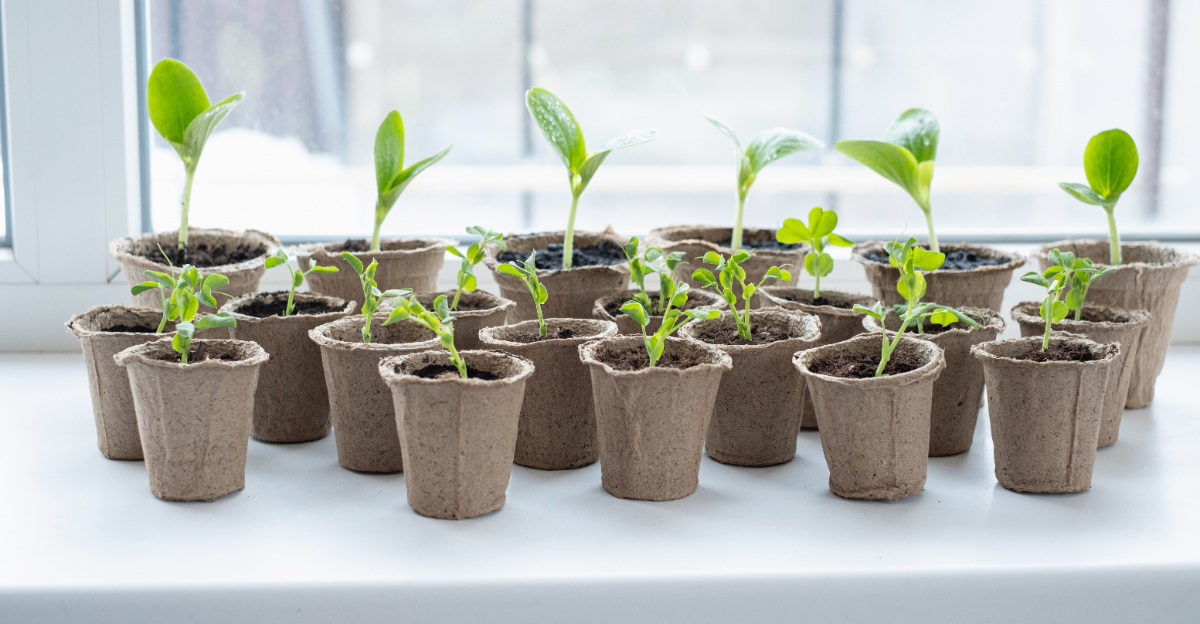
Outside, Michigan may still be wrapped in cold air and lingering snow, yet indoors the growing season is already beginning to stir. For gardeners in Zones 5 and 6, March offers a valuable window to get ahead before spring fully arrives.
Starting seeds indoors now allows young plants to develop strong roots and sturdy stems long before they face outdoor conditions.
That early momentum often leads to earlier harvests, fuller flower beds, and a noticeably more productive garden once summer settles in.
Michigan’s shorter growing season makes smart timing especially important, and indoor seed starting provides a practical advantage. With the right setup, even a simple grow light system can create ideal conditions for healthy seedlings to flourish.
Choosing which varieties to start this month sets the tone for the entire season. If you want a stronger, more rewarding garden this year, these seeds deserve a place under your lights in March.
1. Tomatoes
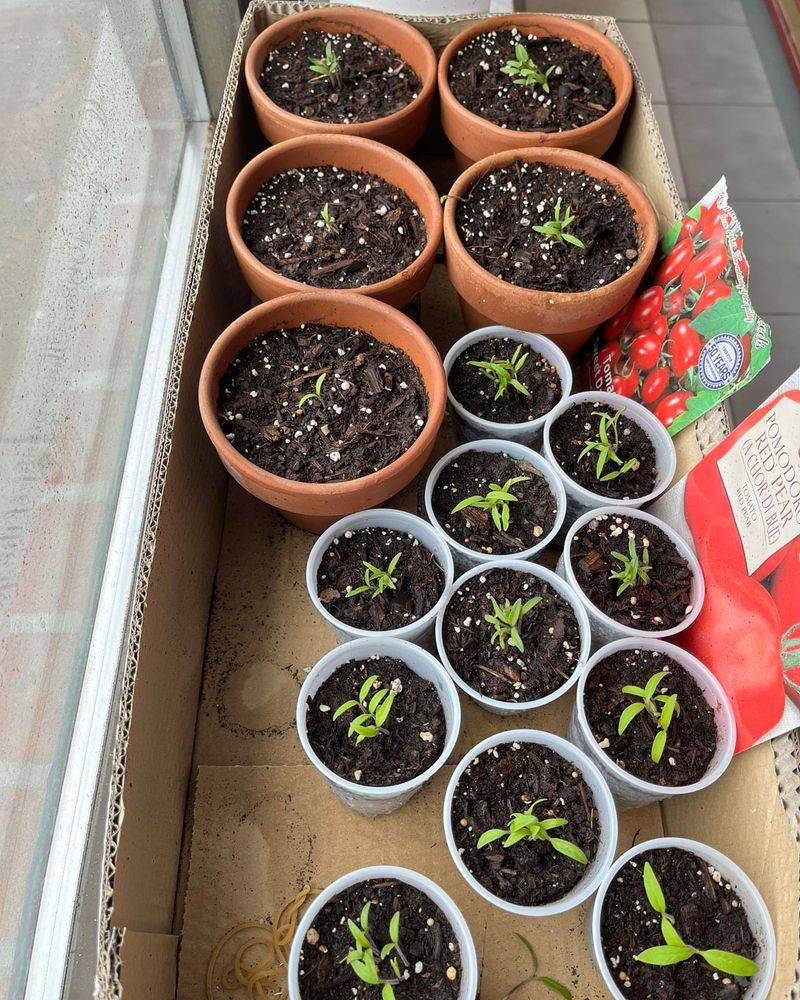
Few things in a Michigan garden feel as rewarding as pulling a ripe, homegrown tomato straight off the vine in July. That moment starts right now, in March, when you sow those tiny seeds indoors.
Tomatoes need 6 to 8 weeks of indoor growing time before they are ready to head outside, which puts your transplant date right around mid to late May in Zones 5 and 6.
Starting too late means your plants go into the ground small and underdeveloped, which pushes your harvest back by weeks.
Starting in March gives each seedling time to build a strong root system and develop several sets of true leaves before facing outdoor conditions.
Use a seed-starting mix, not regular potting soil, and keep your soil temperature between 70 and 80 degrees Fahrenheit for the best germination results.
Tomatoes absolutely love warmth, so a heat mat under your seed trays makes a noticeable difference in how quickly they sprout. Once your seedlings emerge, move them under grow lights and keep those lights just a few inches above the tops of the plants.
Harden them off gradually before transplanting by setting them outside for short periods during the last two weeks of May. Consistent watering and good light from the very start sets these plants up for a seriously productive summer season.
2. Peppers (Sweet And Hot)
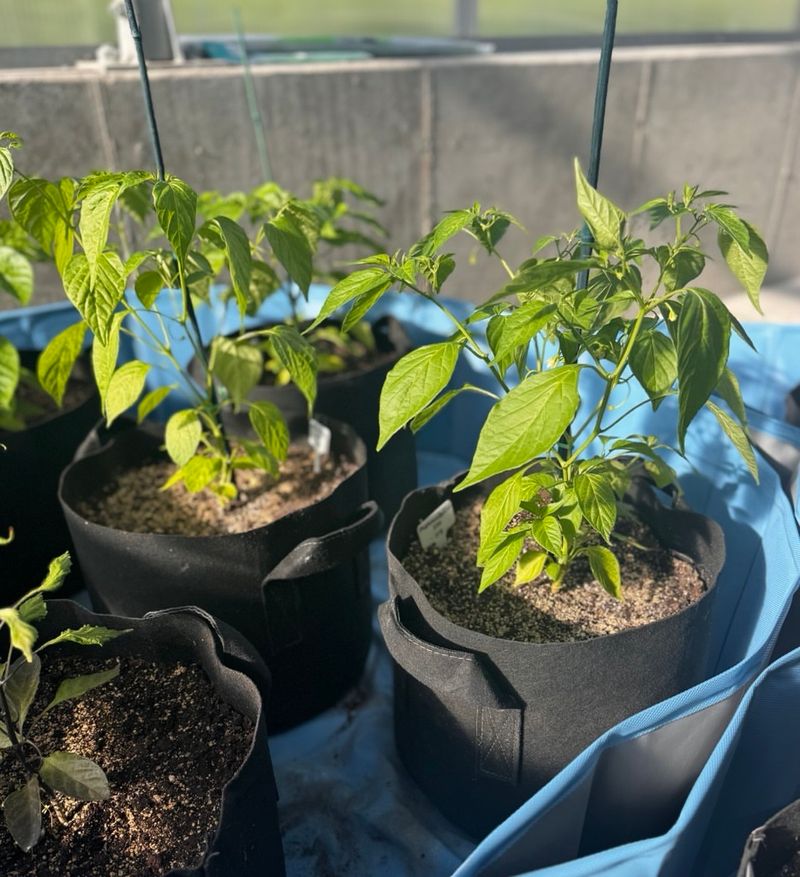
Peppers are notoriously slow starters, and that is exactly why March is the perfect month to get them going.
Whether you are growing sweet bell peppers or fiery hot varieties, they all need 8 to 10 weeks of indoor time before they are sturdy enough to handle Michigan’s outdoor conditions.
Sow them in early March and they will be ready for a late May transplant right on schedule. Germination can take anywhere from 10 to 21 days, so patience is absolutely key with peppers. Soil temperature is critical here.
Keep it between 80 and 85 degrees Fahrenheit using a heat mat, because cool soil dramatically slows down or even prevents sprouting.
Once the seedlings emerge, drop the temperature slightly and make sure they get 14 to 16 hours of light each day under a good grow light setup.
Peppers are heavy feeders once they get going, so start a light fertilizing routine about three weeks after germination using a balanced liquid fertilizer.
One fun fact worth knowing: hot pepper varieties tend to germinate even more slowly than sweet ones, so do not get discouraged if your habaneros take a full three weeks to show up.
Give them consistent warmth, strong light, and a little extra time, and they will reward you with an incredible harvest that stretches from summer all the way into early fall.
3. Eggplant
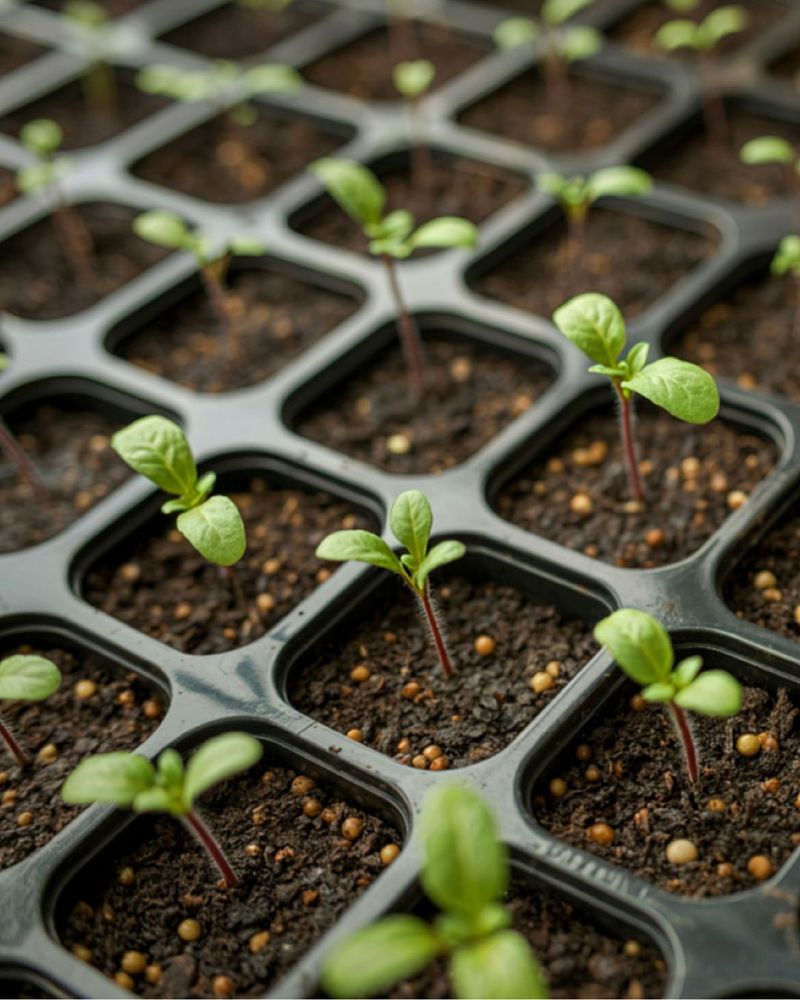
Eggplant is one of those vegetables that Michigan gardeners sometimes overlook, but once you grow it yourself, there is no going back.
It has the same indoor timing needs as peppers, requiring 8 to 10 weeks before transplanting, which makes March the ideal starting point for Zones 5 and 6. Getting it in the ground at the right time makes all the difference in how well it produces.
Eggplant is genuinely heat-loving and will not perform well if transplanted into cold or barely warmed soil. Waiting until late May or even early June, when soil temperatures consistently reach 60 degrees or above, gives your plants the warm welcome they need.
Starting indoors in March means your seedlings will be well-developed and ready to hit the ground running as soon as conditions are right outside.
For germination, keep your seed-starting mix warm, ideally between 75 and 85 degrees Fahrenheit, using a heat mat beneath your trays. Eggplant seeds can take up to two weeks to sprout, so do not rush the process.
After germination, give seedlings plenty of bright light to prevent them from becoming tall and leggy. A fun detail many gardeners do not realize is that eggplant is actually a member of the nightshade family, making it a close cousin to both tomatoes and peppers.
Treat it with similar care and it will absolutely thrive in your Michigan garden all summer long.
4. Broccoli
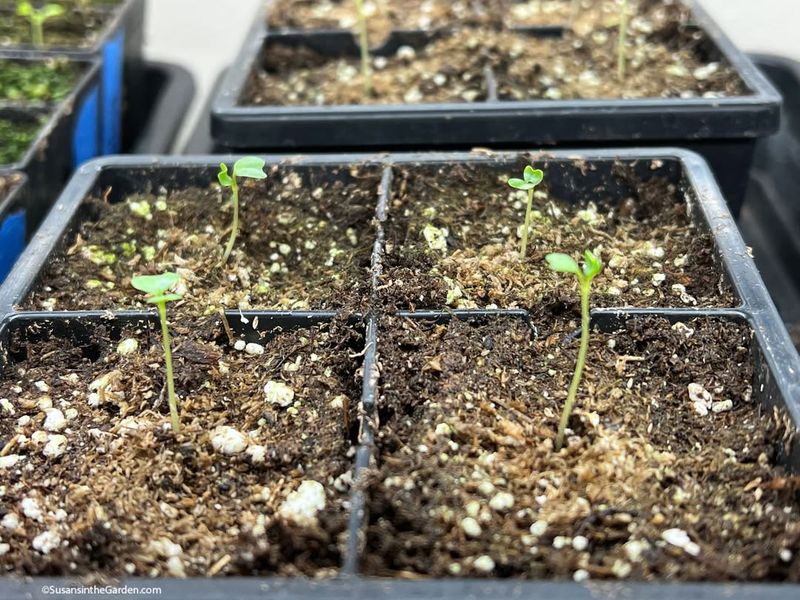
Broccoli is a cool-season champion, and Michigan’s spring weather is honestly perfect for it. Starting seeds indoors in March gives you a 6 to 8 week head start, putting your transplants right on track for a late April or early May outdoor move.
That timing works beautifully in Zones 5 and 6, where soil temperatures begin to cooperate just as your seedlings are reaching their stride.
One of the great things about broccoli is that it actually prefers cooler growing conditions, which means it can handle Michigan’s unpredictable spring temperatures better than most vegetables. Once transplanted, it will keep growing steadily even if a late cool snap rolls through.
Starting it indoors rather than direct sowing gives you a significant advantage because you control the environment during those critical early weeks of growth.
Broccoli seeds germinate quickly, often within 5 to 10 days at temperatures between 65 and 75 degrees Fahrenheit. You do not need a heat mat for broccoli the way you do for peppers or tomatoes, though gentle bottom warmth does not hurt.
Keep seedlings in a bright spot or under grow lights to prevent stretching. Harden them off carefully before transplanting by gradually introducing them to outdoor air over about a week.
Broccoli is a high-nutrition powerhouse in the kitchen, and growing your own means you get to harvest it at peak freshness, which is a completely different experience from anything store-bought.
5. Cabbage
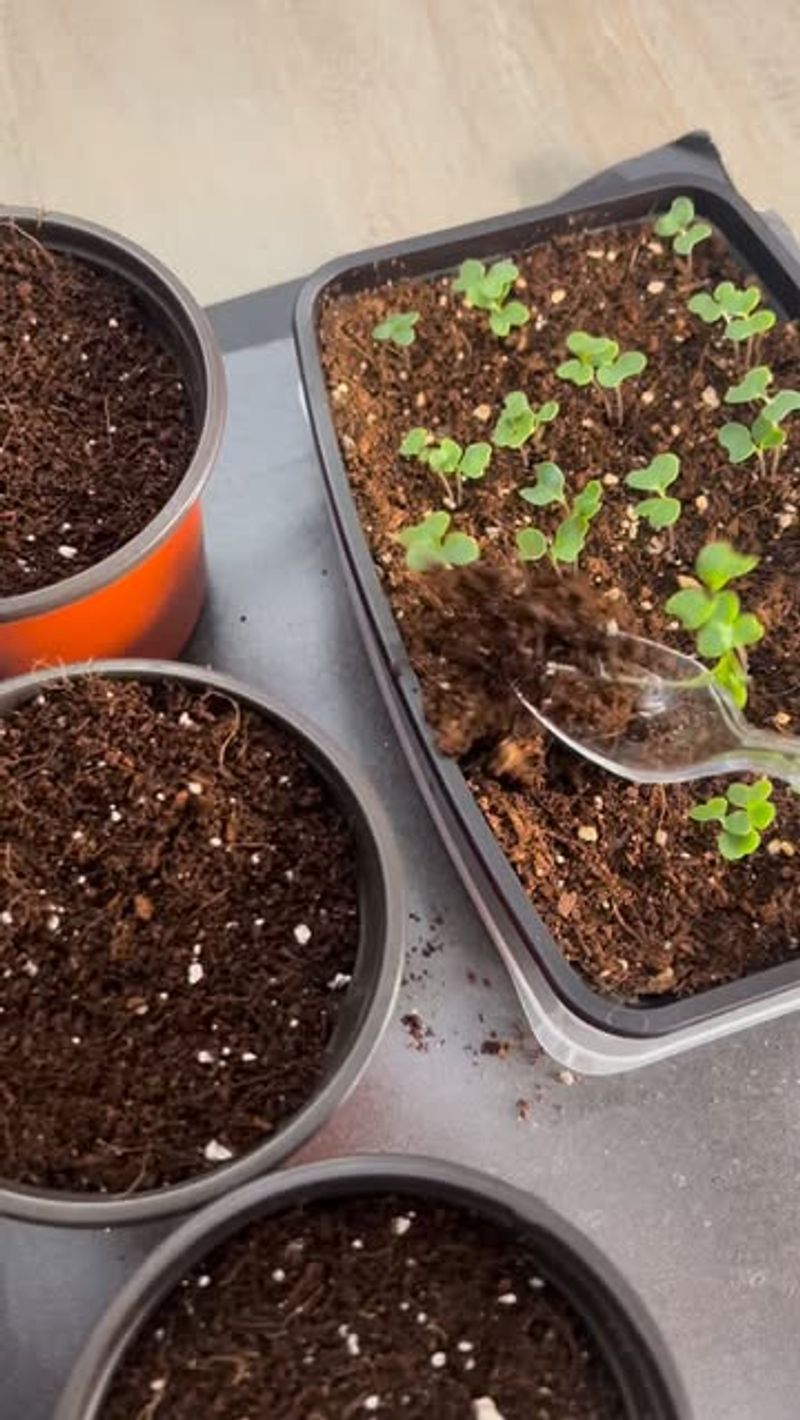
Cabbage has been a garden staple for centuries, and for very good reason. It is tough, productive, and absolutely packed with nutrition.
In Michigan Zones 5 and 6, starting cabbage seeds indoors in March sets you up for a strong early May transplant, giving the plants plenty of cool spring weather to bulk up before summer heat arrives. Cabbage genuinely thrives in those cool conditions.
Although cabbage can tolerate cold better than most vegetables, giving it an indoor head start still makes a meaningful difference.
Seedlings that go into the ground with a well-developed root system and several true leaves establish faster and grow more vigorously than seeds direct-sown in cold spring soil. That indoor advantage translates directly into larger, denser heads come harvest time.
Cabbage seeds germinate reliably at soil temperatures between 65 and 75 degrees Fahrenheit, usually within 7 to 10 days. Use a well-draining seed-starting mix and water consistently to keep moisture even without waterlogging the roots.
Once seedlings develop their first true leaves, thin them to one per cell to give each plant enough room to grow strong. Cabbage is a heavy feeder, so a light dose of balanced fertilizer every two weeks after the seedling stage keeps growth moving in the right direction.
Did you know that cabbage has been cultivated for more than 4,000 years? It is one of the oldest vegetables in human history, and it still earns its place in every productive Michigan garden.
6. Cauliflower
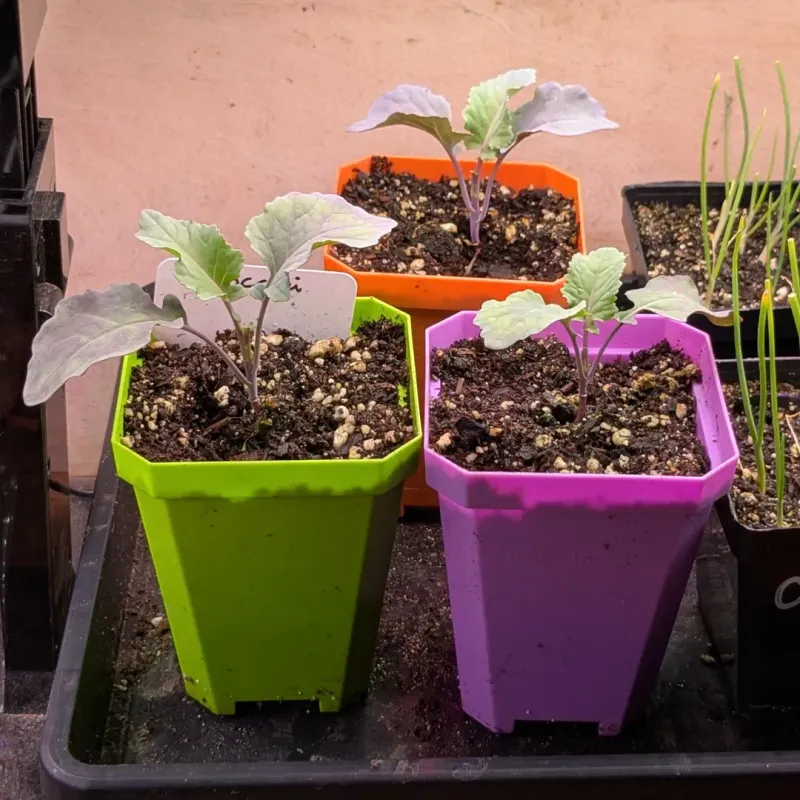
Cauliflower has a bit of a reputation for being finicky, but the secret to success with it in Michigan is all about timing. Starting seeds indoors in March gives you the 6 to 8 weeks of controlled growth that cauliflower needs before heading outside in late April or early May.
Skipping the indoor start and direct sowing in spring rarely works well in Zones 5 and 6 because the growing window is just too short.
Temperature consistency matters enormously with cauliflower. It is more sensitive to temperature swings than broccoli or cabbage, and sudden heat spikes can cause it to bolt or form loose, poorly developed heads.
Growing it indoors through March gives you full control over its environment during those vulnerable early weeks, which sets the stage for a much more successful outdoor performance.
Germination is typically fast, happening within 5 to 8 days at temperatures between 65 and 75 degrees Fahrenheit. Keep your seedlings in a cool, bright location after sprouting to build compact, sturdy growth rather than tall and stretched stems.
Harden cauliflower off slowly before transplanting, as it benefits from a gradual transition to outdoor conditions more than almost any other brassica. Water consistently and avoid letting seedlings dry out completely between waterings.
White cauliflower is the classic choice, but colorful varieties like purple, orange, and green are just as easy to grow and make a genuinely stunning addition to any Michigan garden bed.
7. Brussels Sprouts
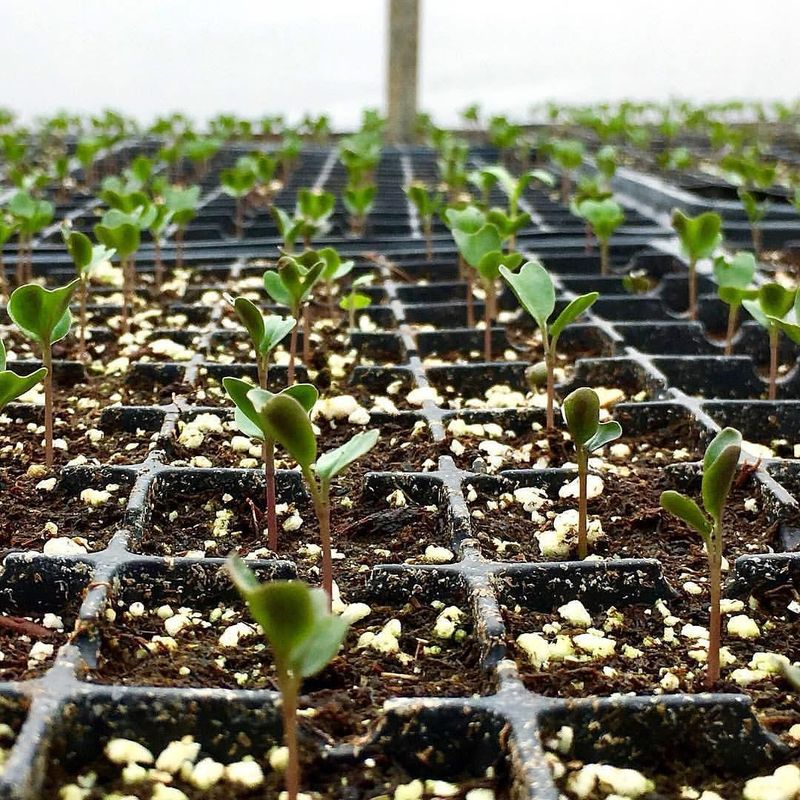
Brussels sprouts are the long-game vegetable of the Michigan garden. They take their time, needing a full growing season to develop those tight, flavorful little sprouts along the stalk.
Starting them indoors in March is not just helpful, it is genuinely necessary in Zones 5 and 6 if you want to reach maturity before the first fall frost arrives in October or November.
Most Brussels sprout varieties need 80 to 100 days from transplant to harvest. When you factor in the 6 to 8 weeks of indoor growing time, a March start puts your transplants in the ground in early May, giving you exactly the full season you need.
Rushing the indoor start or skipping it entirely almost always results in underdeveloped sprouts that never quite get the chance to size up properly.
Germination happens quickly with Brussels sprouts, usually within 5 to 10 days at temperatures between 65 and 75 degrees Fahrenheit. Keep seedlings in a bright, slightly cool spot to encourage strong, stocky growth.
Avoid overwatering, as brassica seedlings are prone to damping off if kept too wet. Once transplanted outdoors, Brussels sprouts actually taste better after a light frost, which concentrates the natural sugars in the sprouts and softens their flavor beautifully.
Growing them in Michigan means you get that frost-kissed sweetness built right into your harvest season, which is something gardeners in warmer climates simply never get to experience.
8. Onions (From Seed)
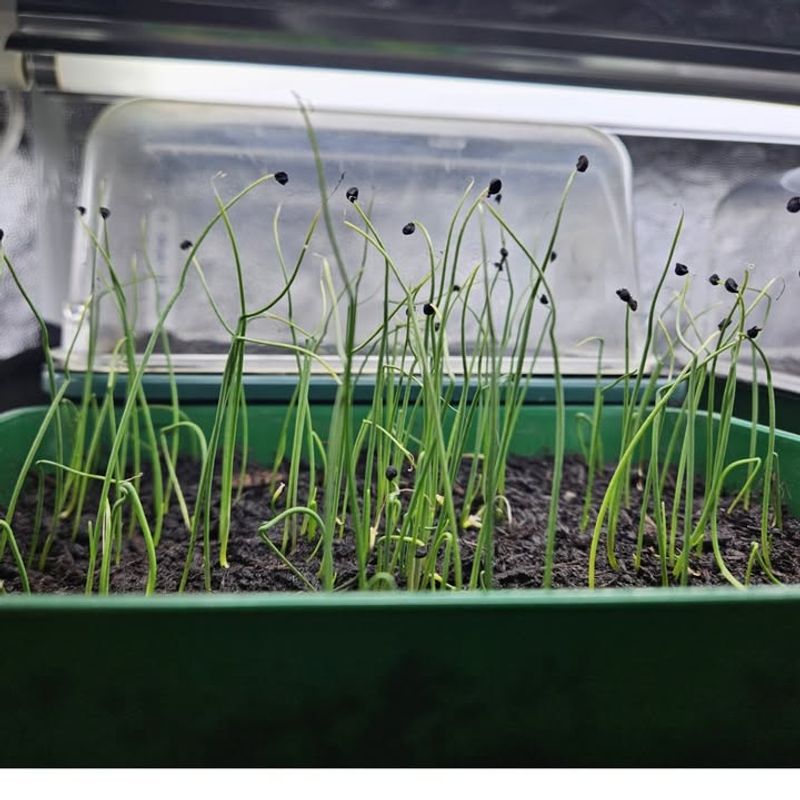
Growing onions from seed is one of the most rewarding and budget-friendly things a Michigan gardener can do. A single seed packet gives you far more plants than a bag of sets ever could, and you get access to a much wider range of varieties.
The catch is that onions are slow growers, needing 10 to 12 weeks of indoor time before transplanting, which makes March the earliest and most important starting window for Zones 5 and 6.
Onion seedlings look like thin blades of grass when they first emerge, and that delicate appearance can fool you into thinking they are fragile. They are actually quite resilient once established.
Germination takes about 7 to 14 days at soil temperatures between 65 and 75 degrees Fahrenheit. After sprouting, keep them under grow lights for 14 to 16 hours a day and snip the tops back to about 3 inches tall if they start flopping over, which encourages stronger, upright growth.
One detail many first-time onion growers overlook is day-length sensitivity. Michigan gardeners in Zones 5 and 6 should choose long-day onion varieties, since those are the types that bulb up properly in northern latitudes where summer days stretch long.
Short-day varieties will not form good bulbs this far north. Starting in March gives your onions the full indoor growth period they need, so by the time you transplant in mid to late May, they are ready to hit the soil with confidence and bulk up through the summer.
9. Lettuce (For Early Transplant)
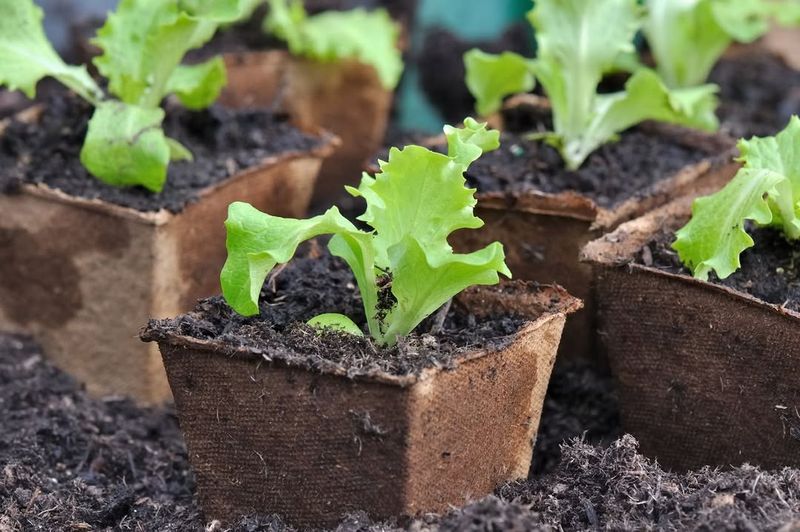
Lettuce is the sprinter of the spring garden, fast to germinate, quick to grow, and absolutely ready to eat before most other vegetables have even found their footing.
Starting it indoors in March for a 4 to 6 week head start means you can have transplants ready to move outside in mid to late April, taking full advantage of Michigan’s cool spring temperatures before summer heat rolls in.
Unlike tomatoes or peppers, lettuce actually prefers cooler conditions, which makes it one of the easiest crops to transition from indoors to outdoors in spring. A light frost will not harm established lettuce transplants, giving you real flexibility with your outdoor planting date.
That cold tolerance is a genuine gift for Michigan gardeners who know how unpredictable April weather can be in Zones 5 and 6.
Lettuce seeds germinate best at soil temperatures between 60 and 70 degrees Fahrenheit and usually sprout within 3 to 7 days. No heat mat needed here.
In fact, too much heat can actually inhibit germination in lettuce, so a cool room works perfectly fine. Sow seeds shallowly, just barely covering them with soil, since they need a little light to germinate well.
Starting lettuce indoors also gives you the chance to grow specialty varieties that grocery stores never carry, like speckled romaines, butter heads, or frilly oakleaf types that look as beautiful in a salad bowl as they do growing in the garden.
10. Celery
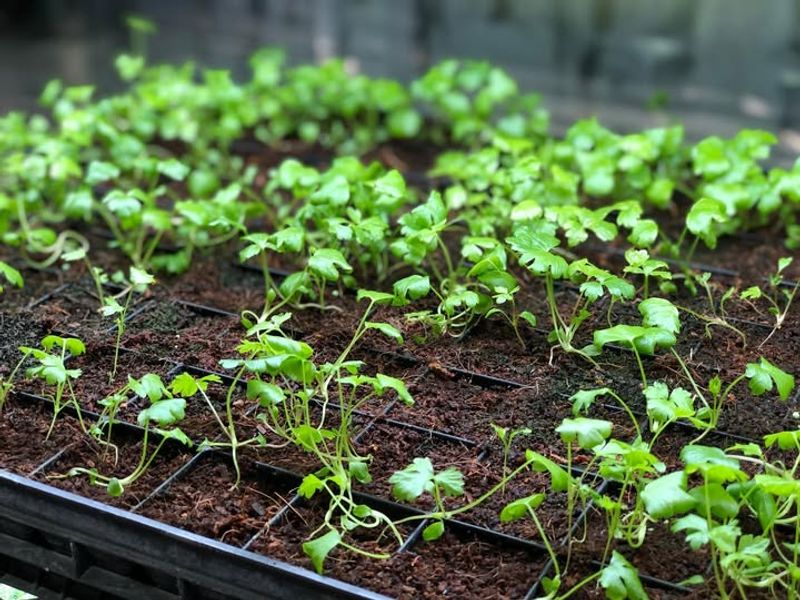
Celery is arguably the most patient crop on this entire list, and starting it in March is not optional if you want a real harvest in Michigan.
It needs a full 10 to 12 weeks of indoor growing time before it is ready to transplant, making it one of the earliest seeds you should sow each year. Skip the March start and you will be scrambling to catch up for the rest of the season.
Germination is notoriously slow and sometimes inconsistent with celery. Seeds can take 14 to 21 days to sprout, and they need light to germinate, so do not bury them.
Simply press the tiny seeds onto the surface of moist seed-starting mix and keep the tray covered with a humidity dome to maintain consistent moisture. Soil temperature between 70 and 75 degrees Fahrenheit gives you the best results, so a gentle heat mat helps here.
Once your celery seedlings emerge, they will grow slowly and steadily under bright lights. Thin to one plant per cell once they reach about an inch tall.
Celery is a heavy drinker and needs consistently moist soil throughout its entire life, both indoors and out. It also benefits from regular feeding with a nitrogen-rich fertilizer starting about a month after germination.
Transplanting in mid to late May, once the risk of hard frost has passed, gives your celery the full warm season it needs to develop crisp, flavorful stalks that are genuinely worth every bit of the wait.