What Michigan Homeowners Should Know About Pruning Shears And Hand Pruners
Michigan yards demand smart cuts, not guesswork.
Trees, shrubs, and roses respond fast to the tool in hand.
Two favorites often cause confusion: trim shears and hand pruners, names tossed around like twins, yet not truly alike.
Pick the wrong one and branches suffer, cuts heal slow, and effort doubles.
Pick the right one and work feels smooth, clean, and controlled.
In a state with short summers and long winters, every cut counts.
Cold damage, storm breakage, and rapid spring growth leave little room for error.
Homeowners who understand the difference gain speed and confidence.
Arms tire less, plants bounce back faster, and results look polished.
This knowledge saves time, money, and frustration across the season.
From backyard lilacs to young maples, proper tools protect plant health and personal energy.
Michigan gardens reward care backed by clarity, with strong growth, tidy shapes, and landscapes that hold up.
1. Blade Types Make A Significant Difference In Performance
Most gardeners don’t realize that pruning tools come with two distinct blade designs, each suited for different tasks.
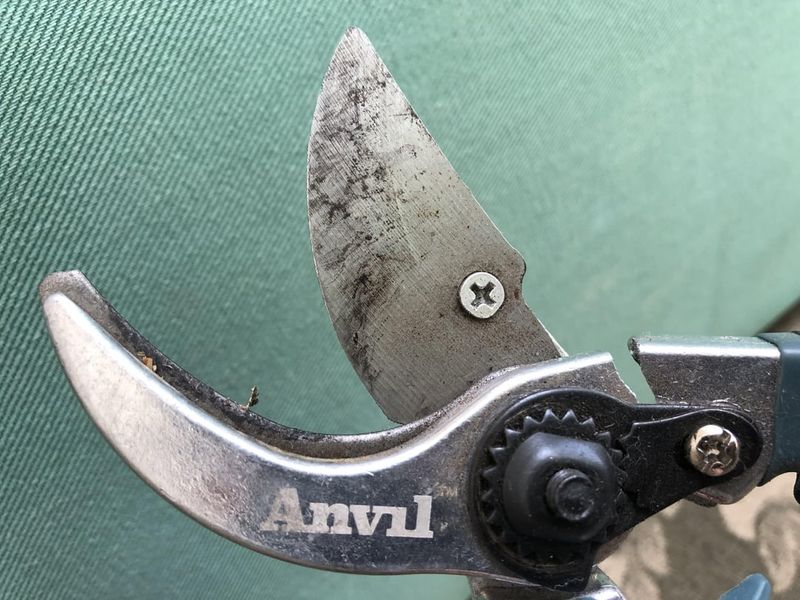
Bypass pruners work like scissors, with two sharp blades sliding past each other to create clean cuts on live, green branches.
Anvil pruners feature one sharp blade that presses down onto a flat surface, making them better for cutting through dried or woody stems.
Michigan homeowners dealing with fruit trees and flowering shrubs typically benefit more from bypass models because they cause less damage to living tissue.
The clean cuts from bypass blades heal faster, reducing the risk of disease entering your plants during our humid summer months.
Anvil pruners excel when you’re clearing out old growth or trimming back perennials in fall preparation.
Choosing the wrong blade type can crush stems instead of cutting them cleanly, which invites pests and infections.
Before purchasing pruners in Michigan, consider what you’ll be cutting most often in your landscape.
Many experienced gardeners keep both types on hand to handle different pruning situations throughout the growing season.
Understanding this fundamental difference helps you work more efficiently and keeps your plants healthier year-round.
2. Seasonal Timing Affects Your Pruning Success Rate
Timing your pruning projects correctly can mean the difference between a thriving plant and one that struggles to recover.
Spring-flowering shrubs like lilacs and forsythia should be trimmed immediately after they bloom, not before, or you’ll cut off next year’s flower buds.
Summer-blooming plants benefit from late winter or early spring pruning while they’re still dormant.
Michigan’s unpredictable weather patterns make it tempting to prune whenever you have time, but patience pays off.
Late fall pruning can stimulate new growth that won’t have time to harden off before winter freezes arrive.
Fruit trees generally prefer pruning during late winter when they’re dormant but before buds start swelling.
Evergreens can be shaped in early summer after their new growth hardens but before extreme heat sets in.
Using quality hand pruners at the right time reduces stress on plants and helps them bounce back quickly.
Michigan gardeners should avoid heavy pruning during extreme heat or drought conditions when plants are already stressed.
Keep a simple calendar noting when each type of plant in your yard should be trimmed for best results.
3. Regular Cleaning Prevents Disease Spread Between Plants
Your pruning tools can accidentally spread diseases from one plant to another if you’re not careful about sanitation.
Bacteria, fungi, and viruses can survive on blade surfaces and transfer to healthy plants during your next cut.
Simple cleaning between cuts takes only seconds but protects your entire landscape investment.
A solution of one part bleach to nine parts water effectively sanitizes blades when wiped on with a cloth.
Rubbing alcohol also works well and dries faster than bleach solutions, making it convenient for quick cleanings.
Michigan homeowners should especially focus on sanitation when pruning fruit trees that are susceptible to fire blight.
This destructive bacterial disease spreads easily through contaminated pruning equipment and devastates apple and pear trees.
Always clean your hand pruners after working on any plant showing signs of disease or insect infestation.
Even when plants appear healthy, wiping blades between different species provides extra protection.
Keeping a small spray bottle of disinfectant in your garden caddy makes this important habit much easier to maintain throughout the season.
4. Proper Cutting Angles Promote Faster Healing And Growth
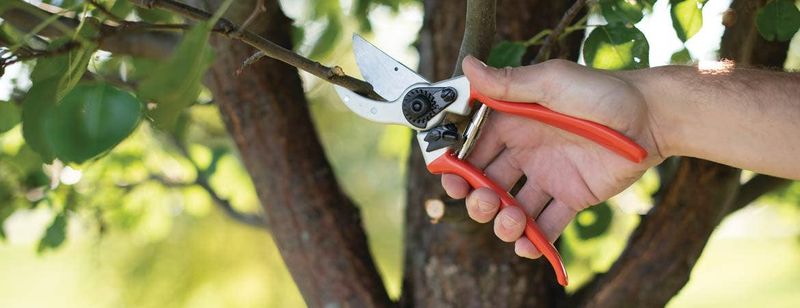
Where and how you position your pruning shears determines how well the plant recovers from each cut.
Cuts should be made at a slight angle, roughly 45 degrees, sloping away from the bud you want to encourage.
This angled approach allows water to run off instead of pooling on the cut surface where rot could develop.
Position your cut about a quarter inch above an outward-facing bud to direct new growth away from the plant’s center.
Michigan’s spring rains can quickly saturate flat cuts, creating perfect conditions for fungal infections.
Avoid cutting too close to the bud, which can damage it, or too far away, which leaves a stub that might become diseased.
When removing entire branches, cut just outside the branch collar where the branch joins the trunk or larger limb.
This collar contains special cells that help the wound close over naturally without leaving an entry point for pests.
Never leave ragged edges or torn bark, which indicate dull blades or improper technique.
Taking time to make thoughtful, well-placed cuts with sharp hand pruners results in healthier, more attractive plants that recover quickly.
5. Handle Comfort And Grip Design Reduce Hand Fatigue
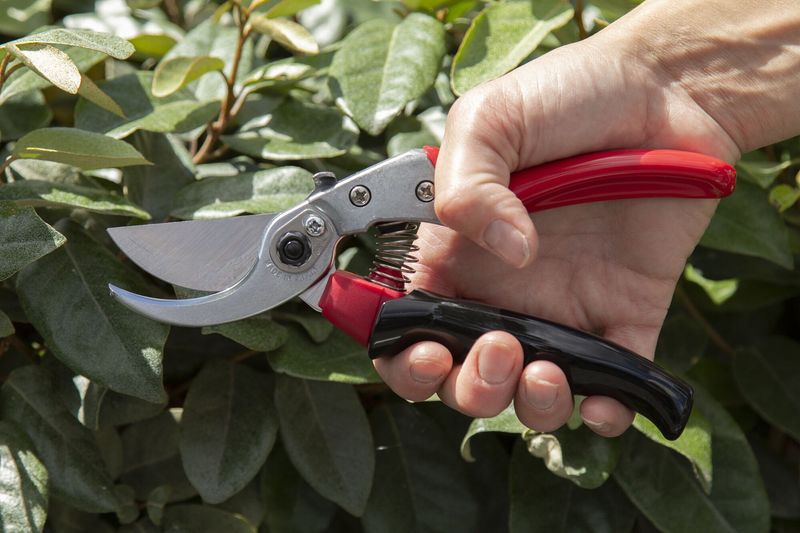
Extended pruning sessions can leave your hands aching if you’re using tools with poor ergonomic design.
Handle shape, grip material, and cushioning all impact how comfortable pruners feel during use.
Michigan homeowners with larger properties or extensive landscaping should prioritize comfort features when selecting tools.
Rubber or foam-cushioned handles absorb shock and reduce pressure points that develop during repetitive cutting motions.
Some models feature rotating handles that move with your hand’s natural motion, significantly decreasing strain.
Consider the size of your hands when testing pruners, as handles that are too large or small force awkward grips.
Ratcheting mechanisms built into some hand pruners allow you to cut through thicker branches in stages, requiring less hand strength.
This feature proves especially valuable for gardeners with arthritis or reduced grip strength who still want to maintain their yards independently.
Test how the safety lock engages and releases, since fumbling with difficult mechanisms adds unnecessary frustration.
Spending a bit more on well-designed pruners pays off in comfort and allows you to work longer without discomfort or strain.
6. Sharpening Frequency Impacts Cut Quality And Plant Health
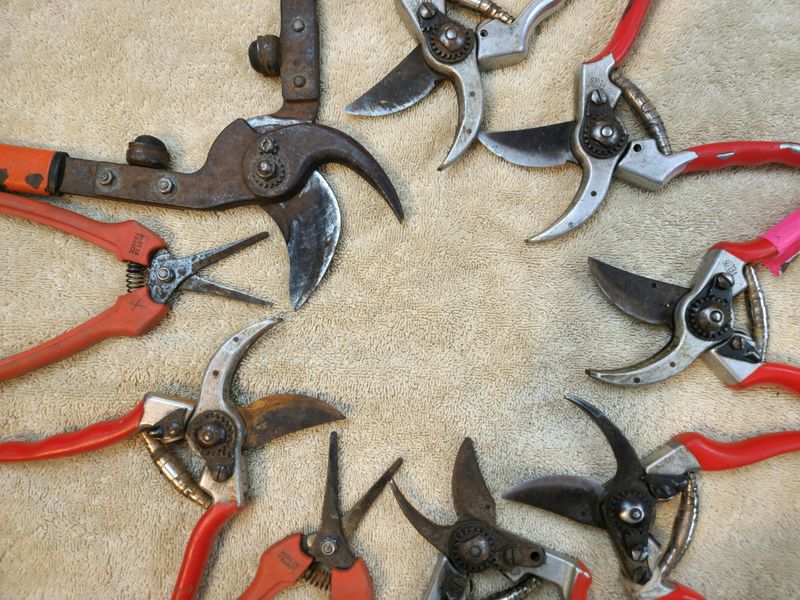
Dull blades crush and tear plant tissue instead of making clean cuts, creating wounds that struggle to heal properly.
Sharp pruning shears slice through branches effortlessly, leaving smooth edges that seal quickly against infection.
Most Michigan gardeners should plan to sharpen their hand pruners at least twice per season, depending on usage.
Signs that your blades need attention include crushed stems, difficulty cutting through branches you normally handle easily, or ragged cut edges.
Simple sharpening stones or files designed for pruners make this maintenance task quick and straightforward.
Hold the tool steady and draw the sharpener along the beveled edge at the same angle as the original factory grind.
Only sharpen the beveled side of the blade, never the flat back, to maintain the proper cutting geometry.
After sharpening, wipe blades with an oily cloth to prevent rust during storage, especially important in Michigan’s humid climate.
Professional sharpening services are available if you’re uncomfortable doing it yourself or if blades are severely damaged.
Keeping blades sharp protects your plants from unnecessary stress and makes every pruning job faster and more enjoyable.
7. Size Limitations Determine Which Tool Matches Your Task
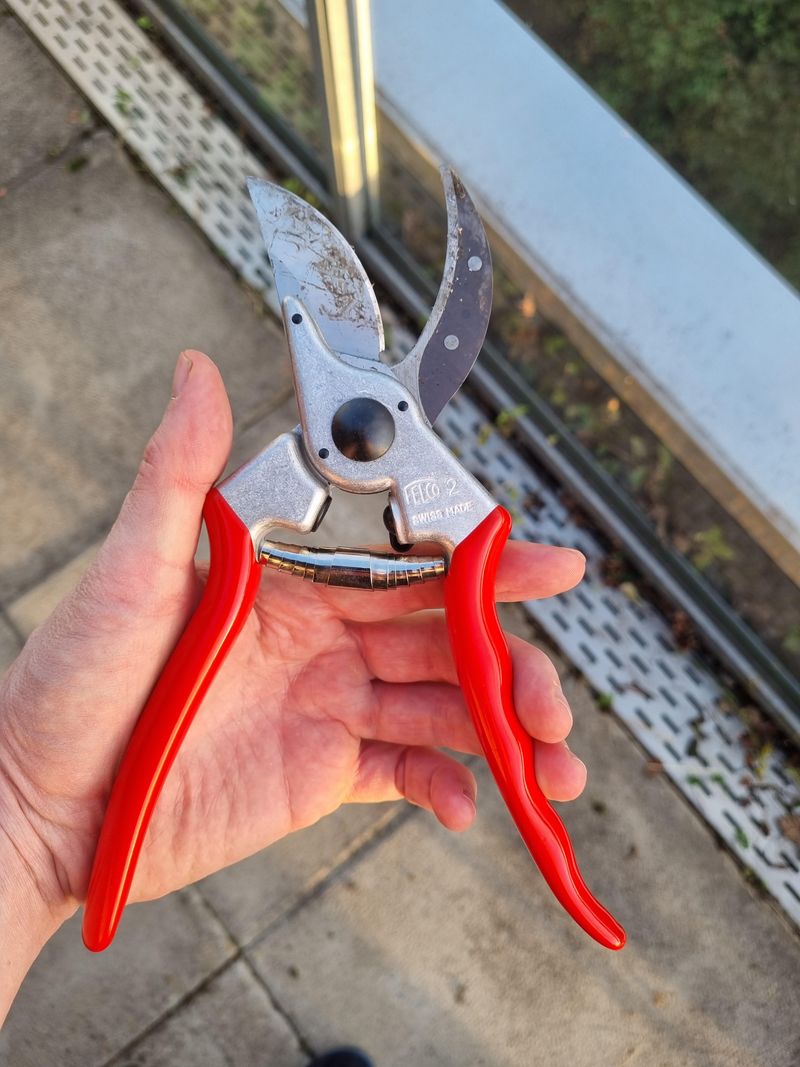
Hand pruners excel at certain jobs but struggle or fail completely when pushed beyond their designed capacity.
Standard bypass pruners typically handle branches up to three-quarters of an inch in diameter comfortably.
Forcing them to cut larger branches damages the tool, creates poor cuts, and can even cause hand injuries.
Michigan landscapes often include mature trees and established shrubs that require more substantial cutting power.
Loppers with long handles provide the leverage needed for branches between three-quarters of an inch and two inches thick.
Anything larger than two inches generally calls for a pruning saw to ensure clean, safe cuts.
Using the right-sized tool for each job produces better results and extends the life of your equipment.
Many homeowners find that owning multiple cutting tools covers all their yard maintenance needs efficiently.
Before starting any pruning project, walk through and identify branch sizes to select appropriate tools.
Attempting to save time by using only hand pruners for everything actually slows you down and risks damaging both plants and tools unnecessarily.
8. Storage Methods Extend Tool Lifespan And Performance
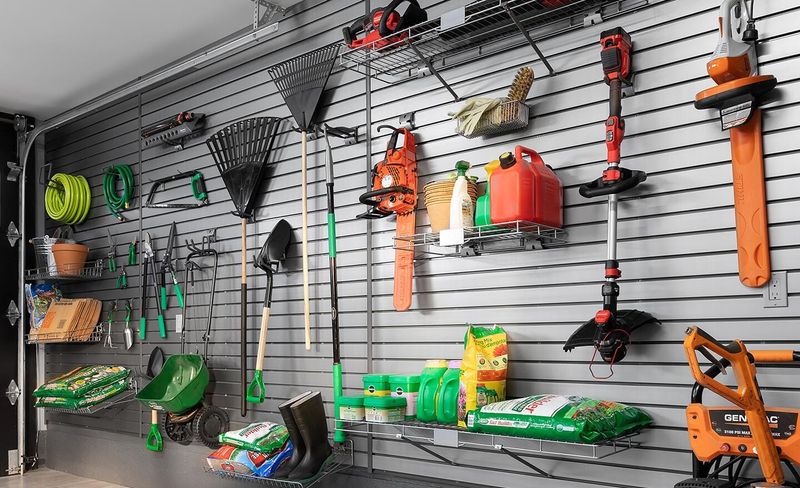
How you store pruning tools between uses dramatically affects how long they last and how well they perform.
Leaving hand pruners outside or in damp locations invites rust, which pits blades and ruins cutting edges.
Michigan’s winter moisture and summer humidity create challenging conditions for metal garden tools.
Clean and dry pruners thoroughly before putting them away, even if you’ll use them again in a few days.
Apply a light coat of machine oil or tool protectant to metal parts to create a moisture barrier.
Store tools in a dry location like a garage, shed, or basement rather than leaving them in outdoor storage boxes.
Hanging pruners on pegboards or hooks keeps them organized and prevents damage from being tossed in drawers with other equipment.
Engage the safety lock before storage to protect the blades and prevent accidental injuries when reaching for tools.
Check stored pruners periodically during winter months for any signs of rust or deterioration.
Proper storage habits mean your quality pruning shears will serve you reliably for many seasons of Michigan gardening ahead.