What Michigan Law Really Says About Leaves Falling From A Neighbor’s Maple Tree
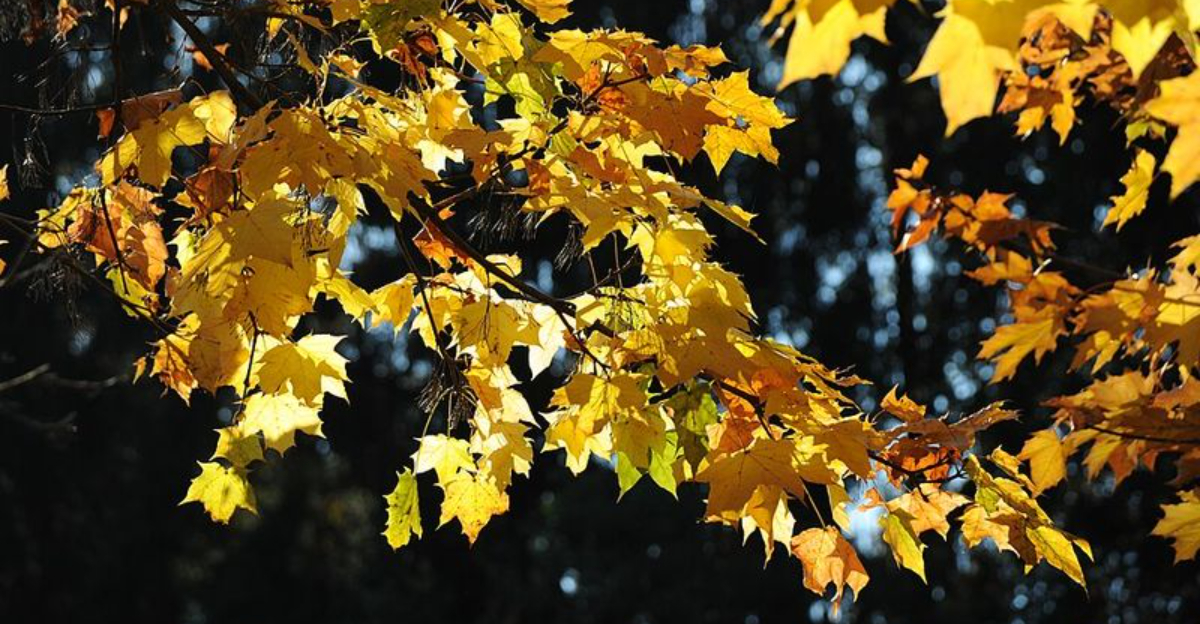
Autumn arrives in Michigan, and suddenly your yard transforms into a colorful carpet of leaves that seem to multiply every single morning.
Your neighbor’s towering maple tree stands proudly on their property line, dropping thousands of leaves directly onto your freshly mowed lawn each day.
Frustration builds as you spend hours raking leaves that technically aren’t even from your own trees, making you wonder about your legal rights here.
Michigan property laws address this exact scenario, though many homeowners remain completely unaware of what the state actually says about falling natural debris.
Understanding these regulations helps you know your rights, responsibilities, and the best ways to handle disputes with neighbors before tensions escalate into something worse.
Legal clarity prevents unnecessary conflicts and helps Michigan residents maintain peaceful relationships while keeping their properties clean, tidy, and well maintained throughout the season.
Let’s explore what Michigan law really says about those pesky maple leaves falling from your neighbor’s tree onto your property each and every fall.
The Natural Conditions Rule In Michigan
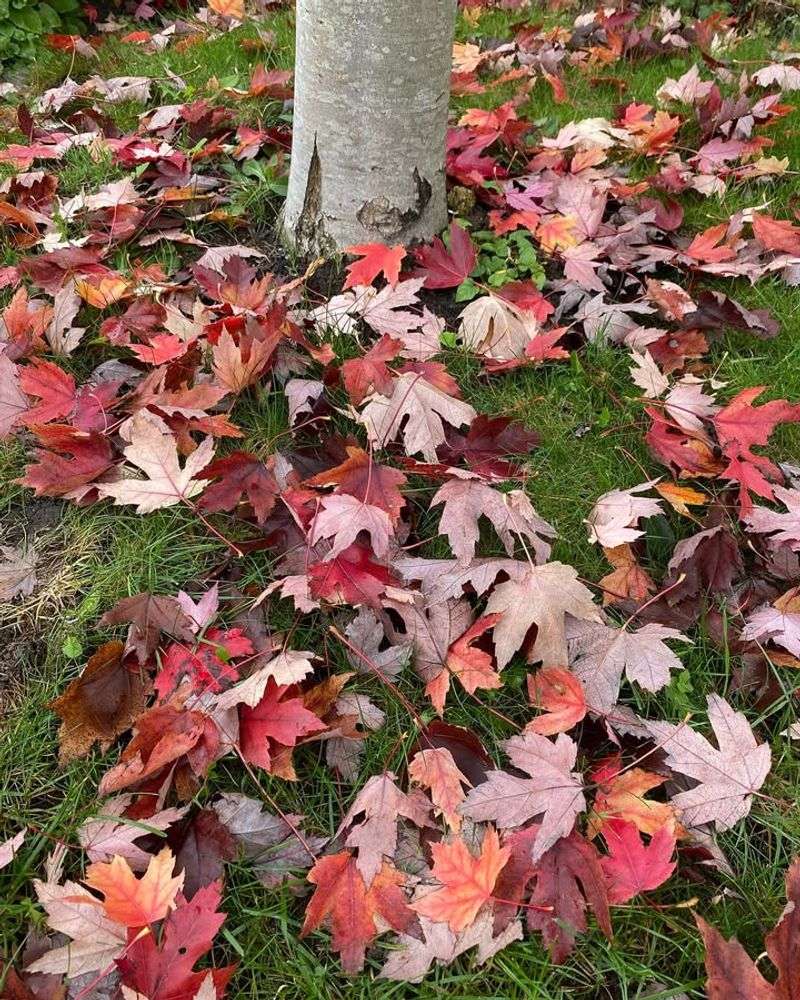
Michigan follows something called the natural conditions rule when dealing with leaves, branches, and other debris that fall from trees onto neighboring properties naturally.
This legal principle means that homeowners generally cannot be held liable for natural occurrences like leaves falling from trees that grow on their land.
Courts in Michigan have consistently ruled that trees dropping leaves represent a normal, unavoidable process that property owners are not legally required to prevent or control.
Michigan’s natural conditions rule exists to prevent courts from becoming referees of ordinary aspects of nature.
Trees grow, leaves fall, and wind carries debris across property lines regardless of ownership boundaries.
Holding property owners responsible for these natural processes would create endless disputes and unrealistic expectations between neighbors.
This rule applies statewide in urban, suburban, and rural areas alike.
Whether a maple tree stands in a dense neighborhood or on a wooded rural lot, Michigan law treats falling leaves as a natural occurrence rather than a legal violation.
Courts distinguish these situations from cases involving negligence, damage, or man-made hazards, focusing instead on whether a property owner created or ignored an unreasonable risk.
Understanding this foundational principle helps homeowners set realistic expectations about what they can and cannot legally demand from neighbors regarding trees and seasonal leaf fall.
Your Responsibility To Clean Your Own Property
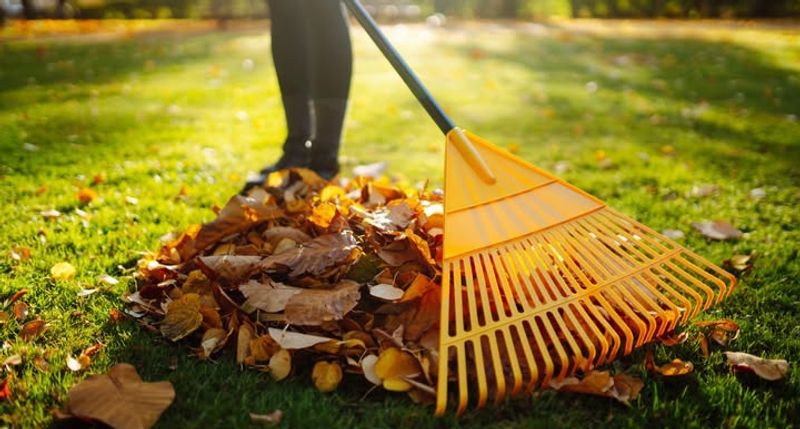
Local ordinances can sometimes affect how leaf accumulation is handled even when state law assigns responsibility to the property owner.
Some Michigan municipalities enforce seasonal property maintenance standards that require yards to remain reasonably clear of excessive debris.
These rules are typically enforced through warnings or civil fines rather than lawsuits between neighbors.
In certain communities, repeated complaints about neglected properties may trigger inspections by code enforcement officers.
Municipal rules do not usually require a neighbor to remove leaves from another person’s yard.
However, they may require timely cleanup if leaf buildup creates drainage issues, sidewalk obstructions, or public safety concerns.
Many Michigan cities also operate scheduled leaf pickup programs during the fall months.
These services are designed to help residents manage heavy leaf volume without relying on neighbor cooperation.
Failure to follow local collection guidelines can sometimes result in fines or delayed pickup.
Because ordinances vary widely, homeowners should review their city or township codes directly.
Local rules can add practical responsibilities even when state law limits legal liability between neighbors.
When Tree Damage Creates Legal Liability
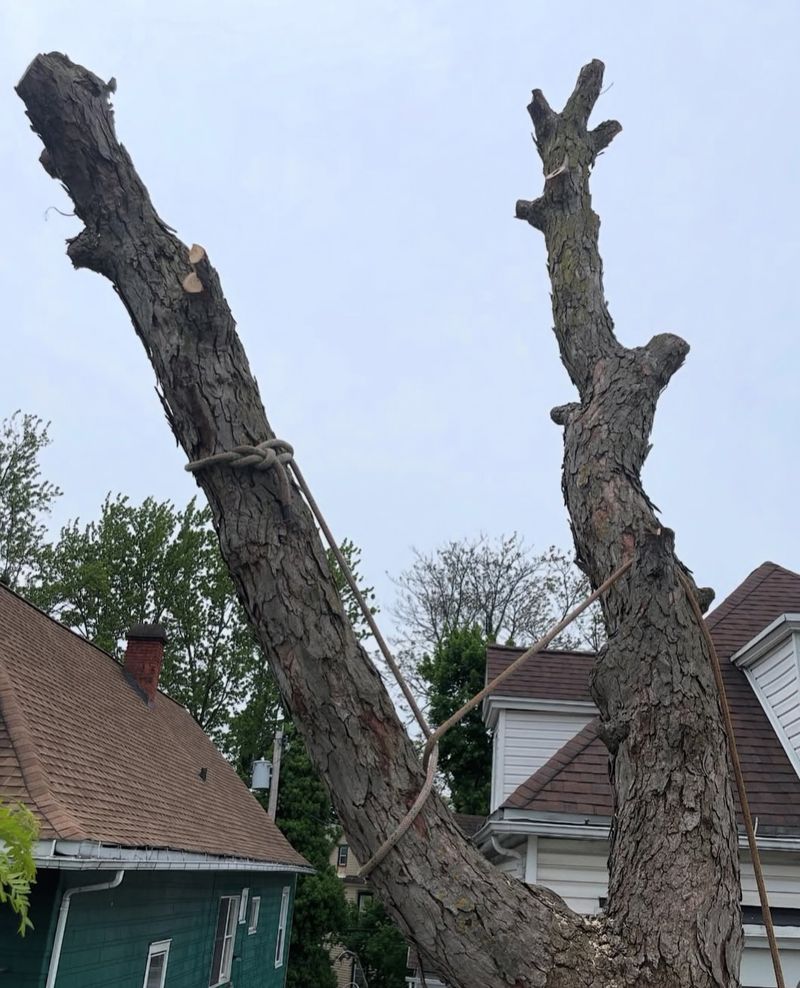
While falling leaves don’t create liability, Michigan law does recognize situations where a neighbor’s tree causes actual damage to your property or poses risks.
Branches that fall and crush your fence, crack your driveway, or damage your roof represent scenarios where legal responsibility might shift to the tree owner.
Michigan property law distinguishes between natural leaf fall and negligent tree maintenance that results in foreseeable harm to adjacent properties or structures nearby.
If your neighbor’s maple tree has obviously rotting limbs hanging precariously over your garage, you may have grounds to request they address that hazard.
Documentation becomes crucial in these situations—photographs, written notices, and evidence of prior warnings help establish that your neighbor knew about the dangerous condition.
Michigan courts examine whether the tree owner acted reasonably in maintaining their trees and whether they ignored clear warning signs of potential damage or danger.
Leaves alone won’t meet this threshold, but actual structural damage or imminent threats from unhealthy trees might give you legitimate legal options to explore further.
Trimming Branches That Cross Property Lines
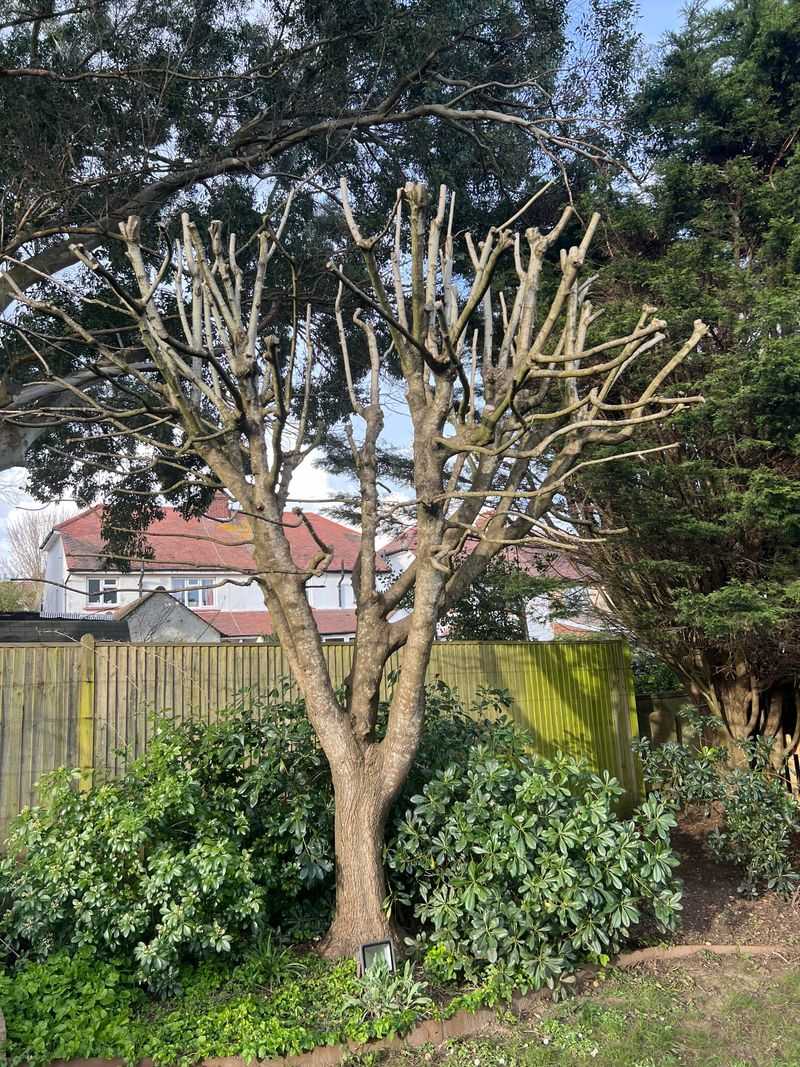
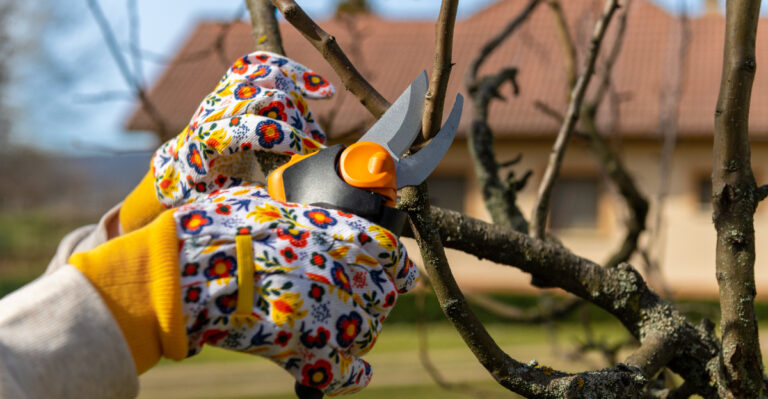
Michigan law grants property owners the right to trim branches from a neighbor’s tree that extend over the boundary line onto their own property.
This self-help remedy allows you to take action without needing permission, though you must exercise this right carefully and within specific legal boundaries always.
You can only trim branches up to the property line—crossing onto your neighbor’s property to cut their tree remains illegal trespassing under Michigan law.
Any trimming you do must not harm the overall health of the tree or effectively destroy it, as that could create liability for you instead.
Hiring a professional arborist often makes sense to ensure you’re trimming properly and not causing damage that could result in legal claims against you later.
Michigan courts expect property owners to act reasonably when exercising this right, avoiding excessive cutting that goes beyond what’s necessary for your property enjoyment.
Remember that trimming overhanging branches might reduce future leaf fall onto your property, offering a practical solution that stays within your legal rights completely.
Local Ordinances And Tree Regulations
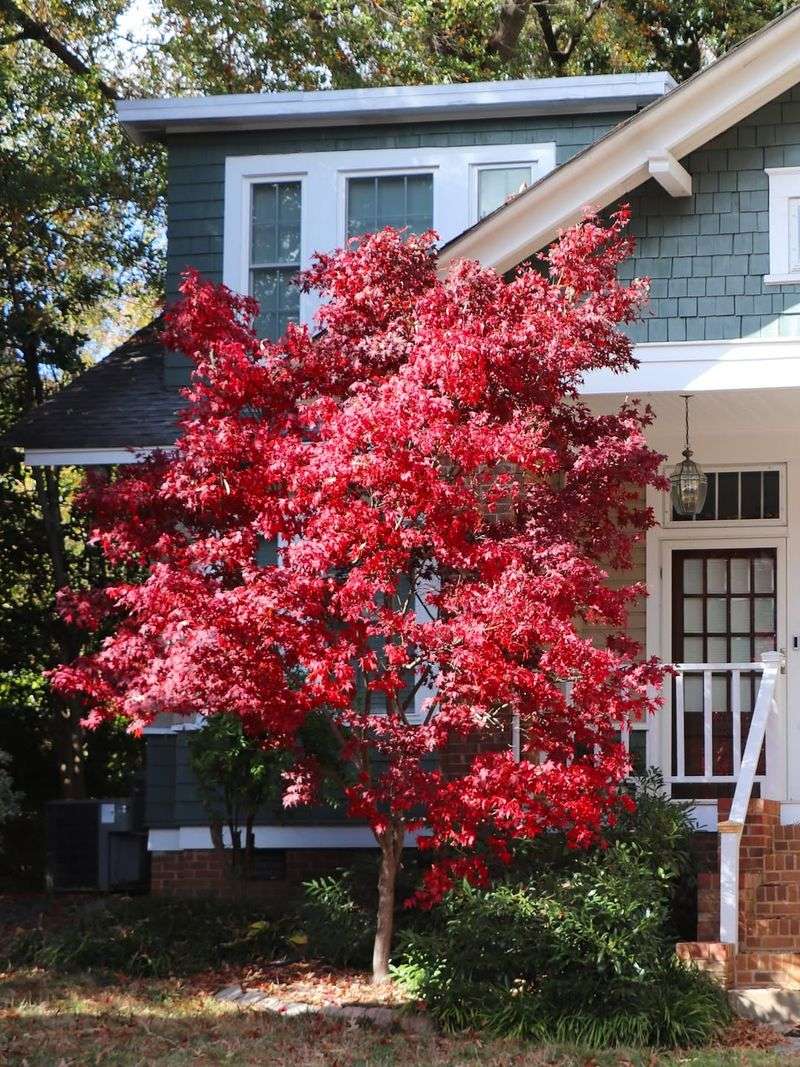
Beyond state law, many Michigan cities, townships, and counties have enacted local ordinances that address tree maintenance, leaf removal, and property upkeep standards specifically.
Some municipalities require property owners to keep their yards reasonably clear of leaves and debris, though these rules typically apply to your own property.
Certain Michigan communities have adopted nuisance ordinances that could potentially apply if a neighbor’s lack of tree maintenance creates extreme conditions affecting surrounding properties.
For example, if accumulated leaves from a neighbor’s tree block storm drains or create fire hazards, local codes might provide remedies state law doesn’t.
Checking with your city or township clerk about local tree and property maintenance ordinances can reveal additional options beyond what Michigan state law provides.
Some areas offer mediation services or neighborhood dispute resolution programs that help neighbors work through disagreements about trees, leaves, and property maintenance issues peacefully.
Local regulations vary significantly across Michigan, so what applies in Ann Arbor might differ completely from rules in Grand Rapids or smaller rural townships.
Neighborly Solutions And Communication Strategies
Legal rights aside, the most effective approach to handling leaf problems often involves simply talking with your neighbor before considering any legal action.
Many disputes about falling leaves resolve through friendly conversation where neighbors reach practical agreements that work better than anything courts could order anyway.
A calm discussion early in the season can prevent frustration from building as leaves accumulate week after week.
Your neighbor might not realize how much their maple tree affects your property or might be willing to help occasionally if approached respectfully.
Suggesting shared solutions—like splitting the cost of a leaf removal service or taking turns raking—can transform a frustrating situation into collaborative problem-solving.
Clear communication also reduces misunderstandings about legal responsibilities and personal expectations.
Michigan residents generally value good neighbor relationships, and most people respond positively when approached with courtesy rather than accusations or immediate legal threats unnecessarily.
Consider offering to help trim branches together or discussing whether the tree needs professional evaluation for health issues that might benefit both properties.
Building goodwill now might pay dividends later when you need your neighbor’s cooperation on other issues, making communication a smarter long-term strategy overall.
When Legal Action Might Be Appropriate

Legal clarity prevents unnecessary conflicts and helps Michigan residents maintain peaceful relationships while keeping their properties clean, tidy, and well maintained throughout the season.
Most Michigan leaf disputes never reach court because inconvenience alone rarely justifies legal intervention under state property law.
Courts generally expect homeowners to tolerate minor seasonal annoyances such as falling leaves as part of normal property ownership.
This expectation exists because nature-driven issues affect nearly every residential property in Michigan at some point during the year.
Understanding the limits of the law helps prevent unnecessary frustration and unrealistic assumptions about what neighbors are legally required to do.
Proactive maintenance, including regular raking and gutter cleaning, often resolves leaf issues faster than formal complaints ever could.
Open communication between neighbors frequently leads to cooperative solutions that legal action would not achieve.
Michigan law favors practical, reasonable behavior over punishment when no actual property damage has occurred.
Homeowners who understand these principles are better equipped to protect their property without escalating conflicts.
Balancing legal knowledge with patience and neighborly cooperation often leads to the most effective and least stressful outcomes.
By approaching leaf-related issues with clarity and realistic expectations, Michigan residents can maintain their property responsibly while preserving long-term neighborhood relationships.