What Michigan Zone 5 And 6 Gardeners Should Be Doing In March
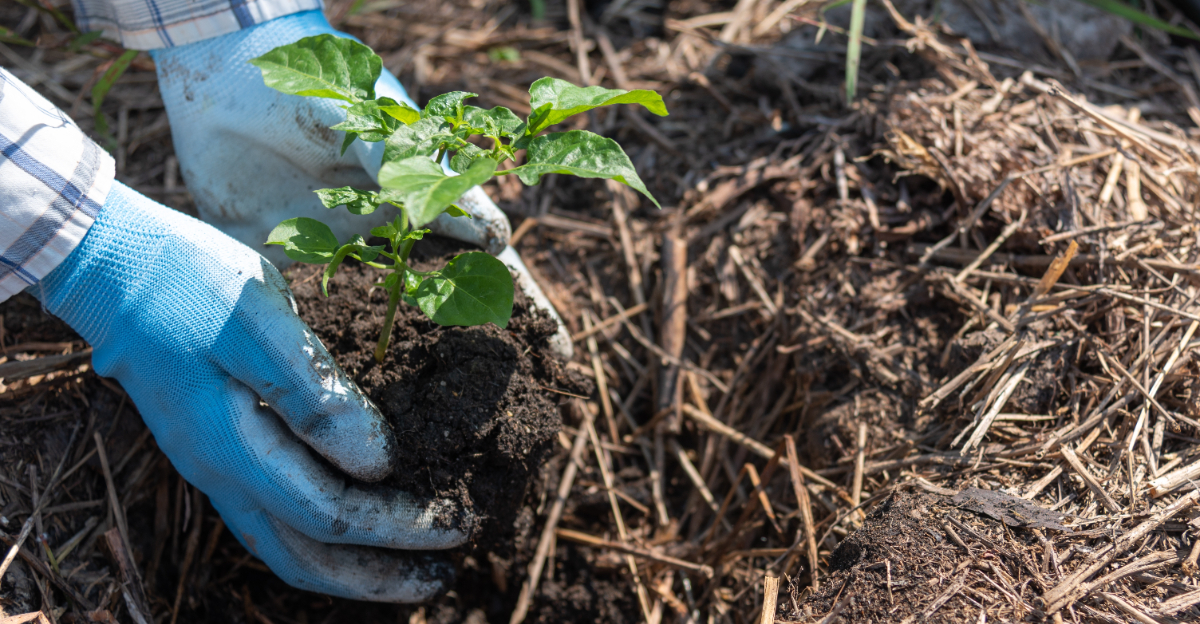
March in Michigan can still feel cold, but the garden season is already beginning. Beneath the surface, soil is slowly warming and plants are preparing for a new cycle of growth.
For gardeners in Zones 5 and 6, this month offers a valuable window to start getting ahead before the busy spring rush arrives.
Across both the Upper and Lower Peninsulas, experienced gardeners use March to lay the groundwork for a productive season.
Starting seeds indoors, checking garden beds, and planning early plantings can make a big difference once temperatures begin to rise.
These early steps help plants establish faster and give gardeners a head start when spring fully arrives.
If you want stronger plants and bigger harvests later in the year, March is the moment to begin. A little effort now can lead to a far more productive Michigan garden.
1. Start Cool-Season Seeds Indoors
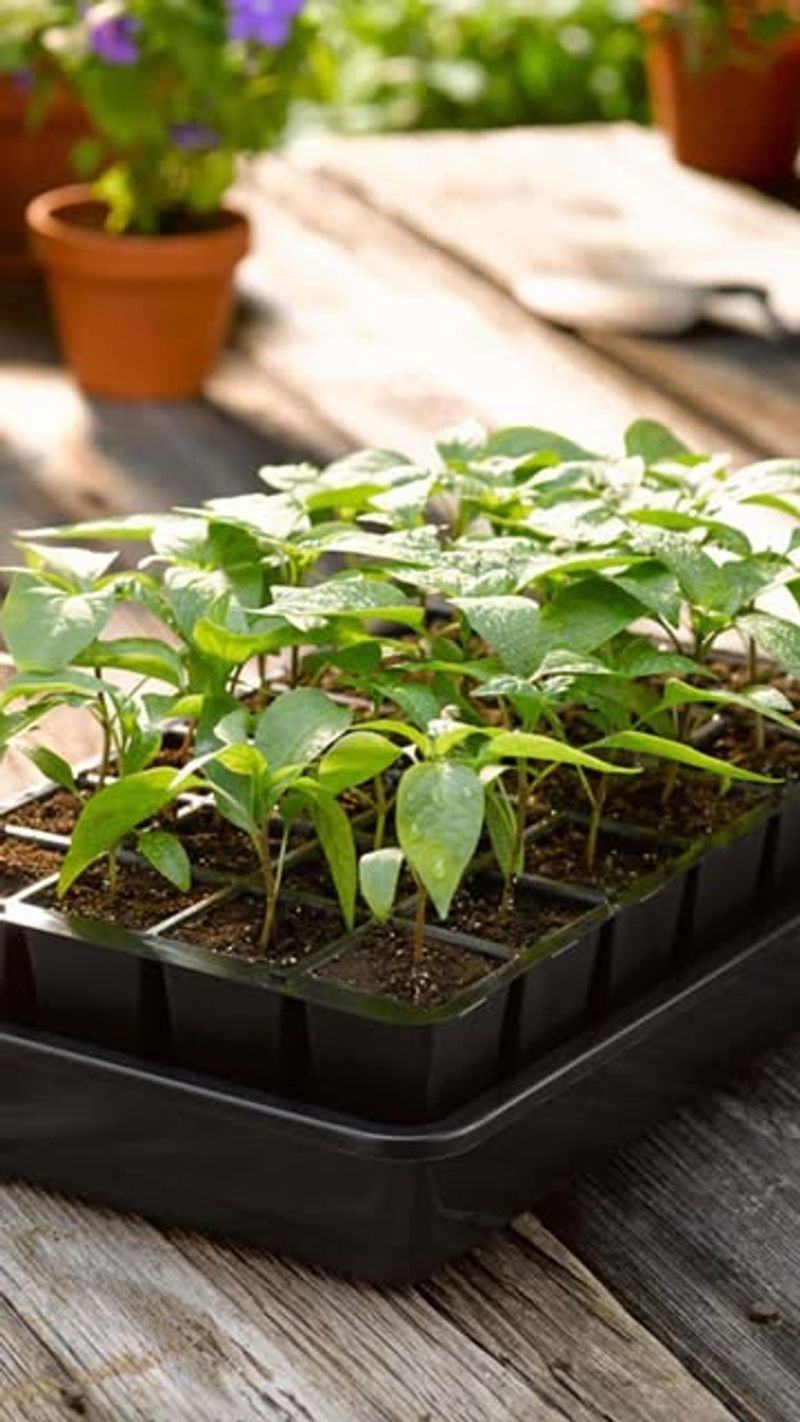
Imagine pulling fresh heads of broccoli from your Michigan garden in late spring, all because you took action in early March.
Gardeners in Zones 5 and 6 can start seeds for broccoli, cabbage, cauliflower, kale, and lettuce indoors right now, giving those plants a serious head start before the last frost arrives.
Most cool-season crops need about six to eight weeks of indoor growing time before they are ready to go outside.
Grab some quality seed-starting mix, fill your trays, and place them under grow lights or a very bright south-facing window where they will get plenty of brightness.
Keep the soil consistently moist but never soggy, and aim for indoor temperatures around 65 to 70 degrees Fahrenheit for the best germination rates.
A heat mat under your trays can speed things up nicely during those still-cold Michigan mornings.
Thin your seedlings once they sprout their second set of leaves so each plant has enough room to grow strong. Label everything clearly so you do not mix up your varieties later.
By the time April rolls around and Michigan soil starts warming up, your transplants will be sturdy, healthy, and ready to hit the ground running for a spectacular early season harvest.
2. Prepare Garden Beds
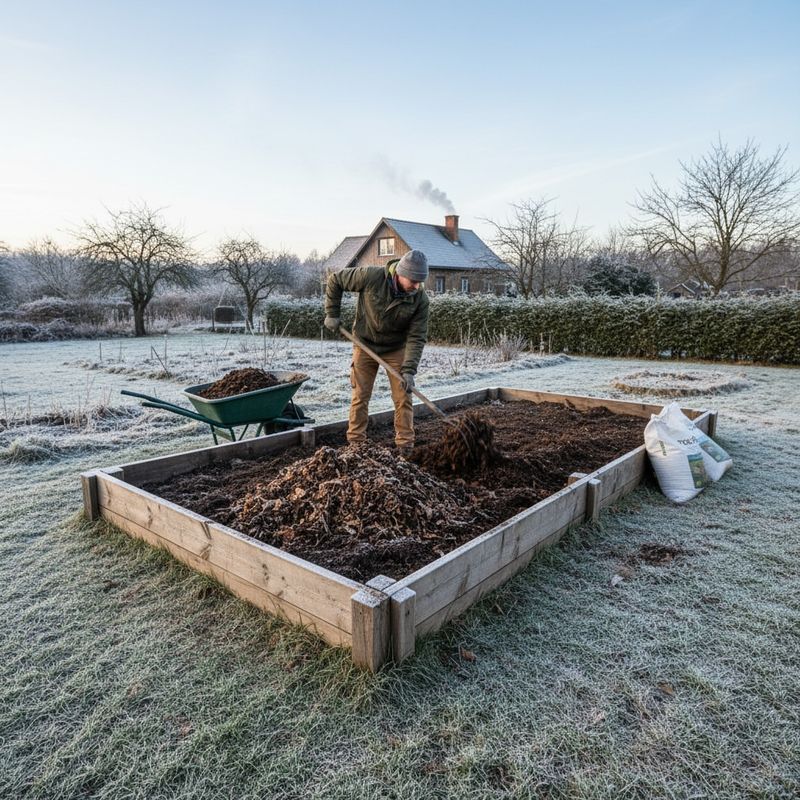
Getting your garden beds ready before planting time is one of the smartest moves you can make in March.
Michigan winters leave behind a lot of mess, including old plant stems, fallen leaves, and weeds that snuck in during autumn.
Clearing all of that out now means you are not rushing to do it in April when planting season is in full swing.
Once you have cleared the debris, take a close look at your soil. If it feels compacted or looks pale and lifeless, it is a great sign that it needs some love.
Work in a generous layer of compost, about two to three inches, and mix it into the top few inches of soil.
Compost adds nutrients, improves drainage, and brings beneficial microbes back to life in your Zone 5 and 6 Michigan garden. Raised beds tend to thaw faster than in-ground plots, so start there if you have them.
Avoid walking on wet soil because it compacts easily and can damage the structure you worked hard to build. If the ground still feels frozen or overly wet, wait a few more days before digging in.
A little patience now protects your soil health and sets the stage for an incredibly productive growing season ahead.
3. Plant Bare-Root Fruit Trees And Roses
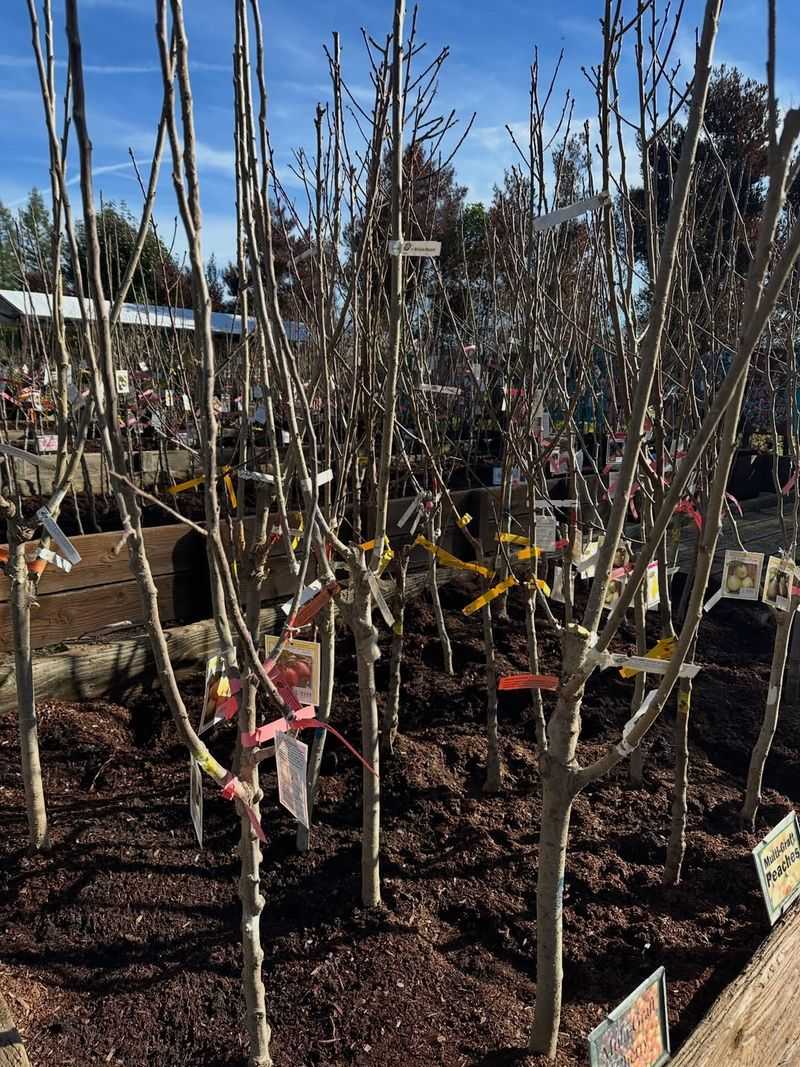
Bare-root planting season is one of the best-kept secrets in Michigan gardening, and March is exactly the right time to take advantage of it.
Apple trees, pear trees, and roses sold as bare-root plants are dormant, meaning they have no leaves and their roots are exposed.
That dormancy is actually a huge benefit because the plant puts all its early energy into root development rather than supporting leaves and flowers.
Zone 5 and 6 gardeners should plant bare-root trees and roses as soon as the ground is workable and no longer frozen solid.
Dig a wide, shallow hole, spread the roots out naturally, and set the plant at the right depth so the graft union sits just above the soil line.
Backfill with your native soil mixed with a little compost, and water thoroughly to settle everything in place.
One common mistake is letting bare-root plants dry out before planting. If you cannot plant right away, keep the roots moist by wrapping them in damp burlap or soaking them in water for a few hours before you get started.
Michigan has a wonderful climate for apples and roses, and giving them a March head start means you will enjoy stronger, more established plants by the time summer heat arrives.
4. Sow Peas Outdoors
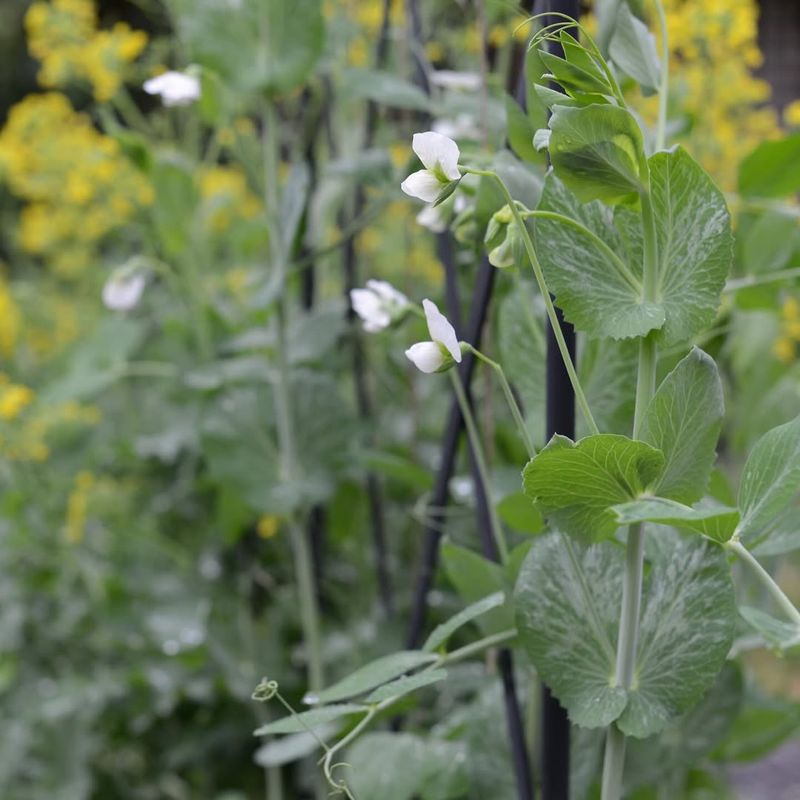
Peas are tough little plants that practically beg to be planted early, and Michigan Zone 5 and 6 gardeners can sow them directly outdoors in March without much worry.
Sugar snap peas, snow peas, and shelling peas all handle cold soil temperatures surprisingly well, germinating in soil as cool as 40 degrees Fahrenheit.
The earlier you get them in the ground, the more time they have to mature before summer heat slows them down.
Choose a spot in your garden that gets at least six hours of sunlight and has decent drainage.
Sow seeds about one inch deep and two inches apart in rows, then cover them lightly and water them in.
You do not need to wait for perfect weather because a light frost will not bother pea seeds once they are nestled in the soil.
One fun fact that many Michigan gardeners discover quickly is that peas actually prefer cool weather for growing and producing pods.
Once temperatures consistently climb above 80 degrees Fahrenheit, production slows significantly.
So planting in March gives you the longest possible cool-season window to enjoy a full, generous harvest.
Keep the soil moist and watch for those first bright green shoots to appear within one to two weeks, signaling that spring has truly arrived in your garden.
5. Start Onion Sets And Garlic
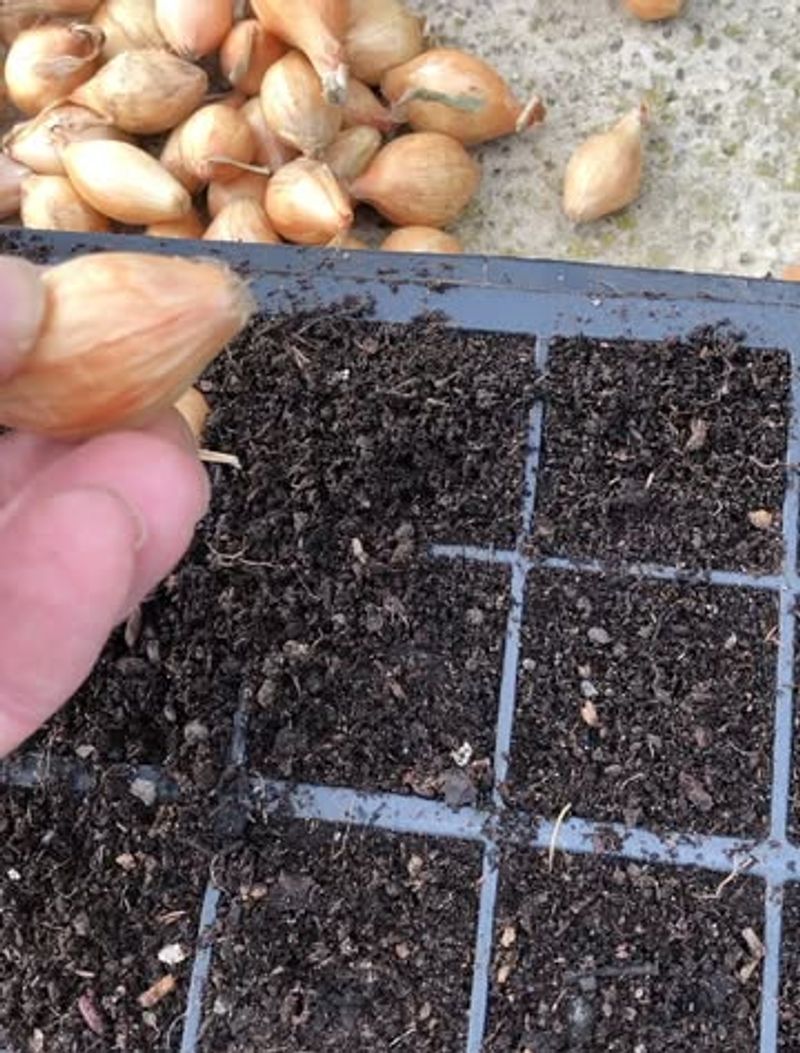
Few things are as satisfying as pulling a big, beautiful onion or a head of garlic out of your own Michigan garden, and the secret to that success starts in March.
Onion sets, which are small dormant bulbs, can go into the ground as soon as the soil is workable and temperatures are consistently above freezing during the day.
Garlic is usually planted in fall in Michigan for the best bulb development, but cloves planted in early spring can still produce smaller bulbs or green garlic.
Plant onion sets about one inch deep and four inches apart in rows, with the pointed end facing up.
For garlic, break the bulb into individual cloves and plant each one about two inches deep and six inches apart.
Both crops love well-drained, fertile soil, so adding compost to your planting area before you start is always a smart move in Zone 5 and 6 gardens.
Keep the area weeded as your onions and garlic grow because they do not compete well with weeds, especially when they are young and small. Water regularly during dry spells but avoid overwatering since soggy soil can cause bulbs to rot.
By summer, you will be harvesting flavorful onions and garlic that taste nothing like anything you can find at a grocery store, making all that early March effort completely worth it.
6. Divide And Transplant Perennials
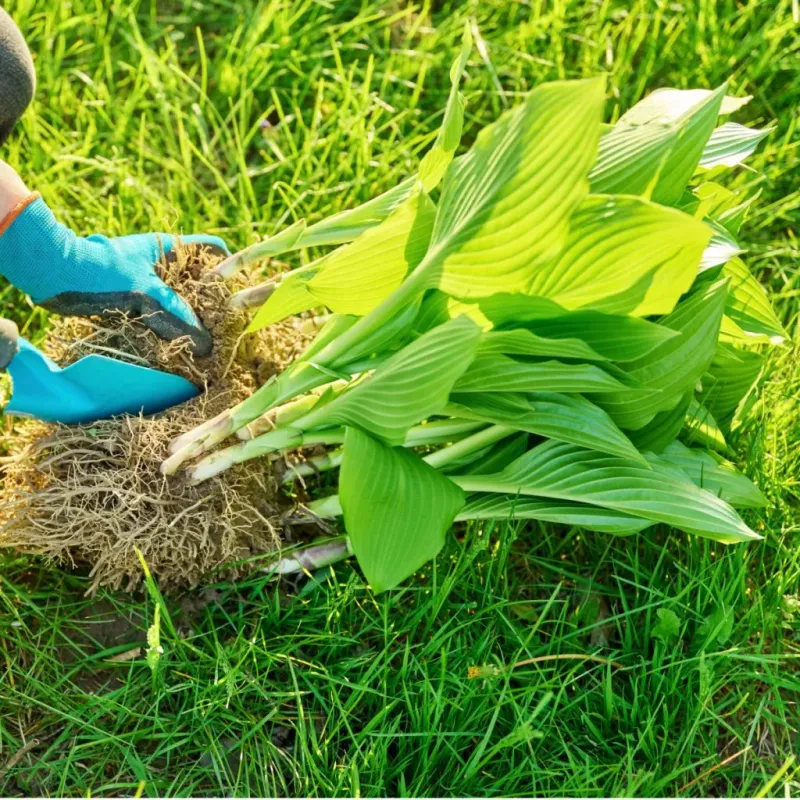
Early spring, once the soil is workable, is a great time for dividing perennials in Michigan because the plants are still mostly dormant and have not yet pushed up much new growth.
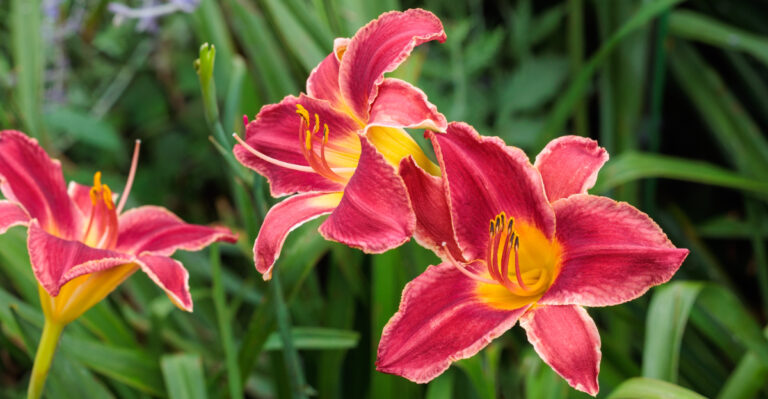
Daylilies, hostas, black-eyed Susans, and ornamental grasses all benefit from being divided every three to four years.
Splitting them up refreshes their vigor, keeps clumps from getting overcrowded, and gives you free plants to fill other spots in your garden or share with neighbors.
Start by pushing a garden fork into the soil around the edge of the clump, loosening it gently before lifting the whole mass out.
Use the fork or a sharp spade to separate the clump into sections, making sure each division has both healthy roots and at least a few growing points.
Replant the divisions at the same depth they were originally growing, water them in well, and add a light layer of mulch to protect them from any remaining cold nights.
Transplanting in early spring before the heat of summer gives perennials the best chance to settle in and establish new roots without stress.
Michigan Zone 5 and 6 gardeners who tackle this task now will notice noticeably stronger, fuller plants by midsummer.
It is one of those satisfying garden jobs that feels almost like getting something for nothing, turning one tired clump into several thriving, beautiful plants with just an hour of effort.
7. Install Supports For Early Crops
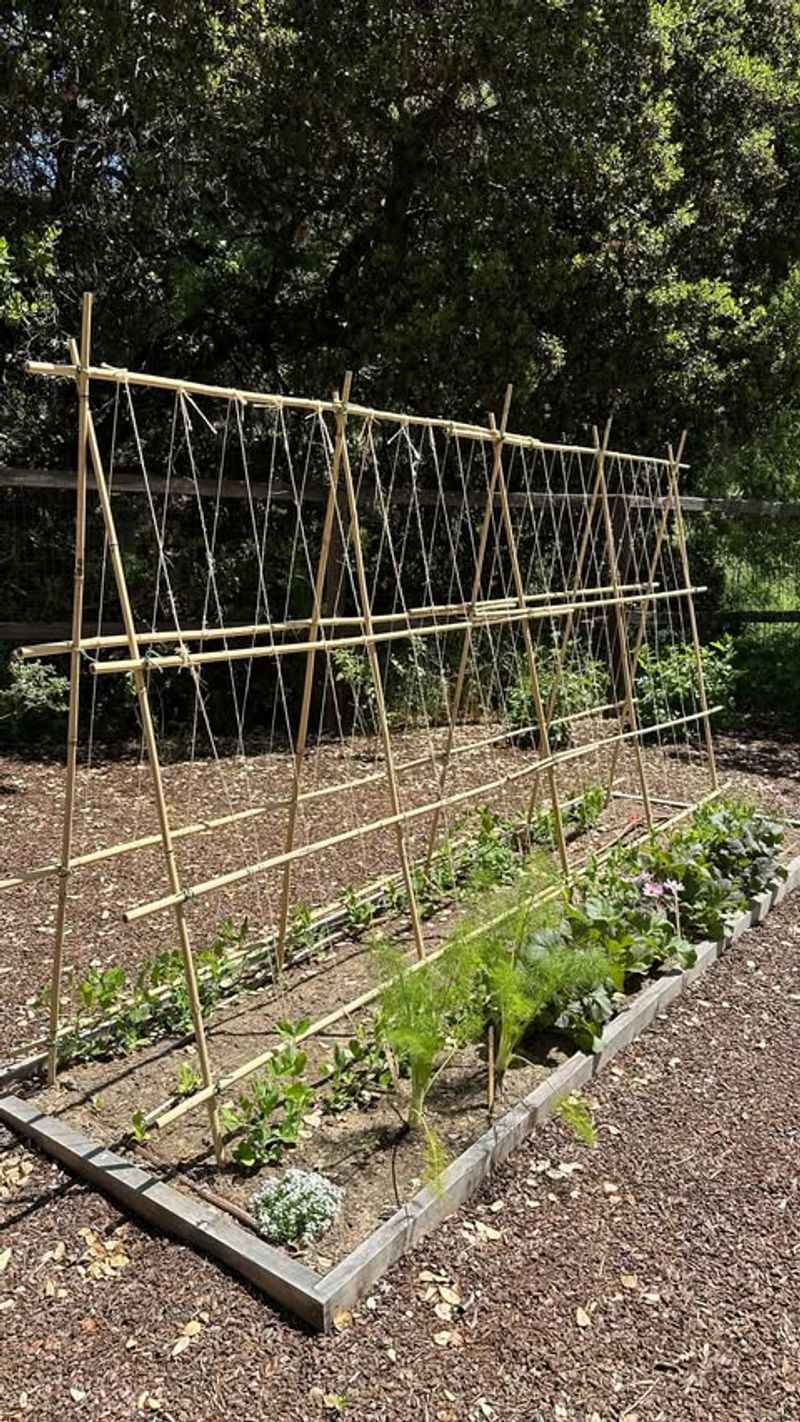
Michigan gardeners can sow peas as soon as the soil is workable, often in late March or early April.
Setting up your plant supports in March sounds like a small task, but it makes a surprisingly big difference once the growing season kicks into gear.
Trellises for peas, stakes for early tomatoes, and cages for climbing vegetables are all much easier to install when beds are still mostly empty.
Waiting until plants are already growing means you risk damaging roots and stems while trying to push stakes into crowded soil.
For peas, a simple trellis made from wooden posts and garden netting works perfectly and costs very little to set up.
Pea plants naturally grab onto anything they can find with their little tendrils, so even a few twigs pushed into the soil will help them climb.
For crops like spinach, which does not need a tall structure, low wire hoops do double duty by supporting the plants and holding row covers in place during late cold snaps.
Michigan Zone 5 and 6 gardeners who plan ahead with their supports also find that the garden looks more organized and is easier to manage all season long.
When everything has a place to grow and climb, air circulation improves, which reduces the chance of fungal issues on leaves and stems.
Spending thirty minutes in March setting up your support system is one of those low-effort, high-reward garden habits that experienced growers swear by every single year.
8. Test And Amend Soil
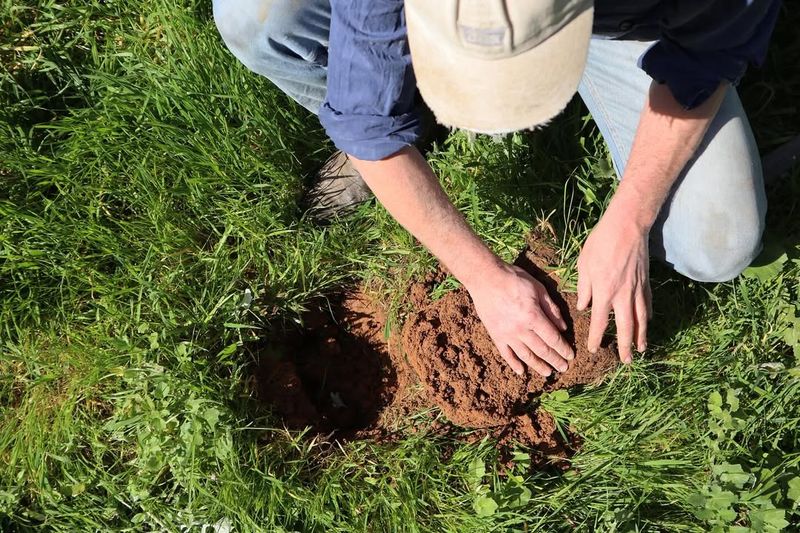
Healthy soil is the foundation of every great Michigan garden, and March is the perfect time to find out exactly what your soil needs before planting begins.
A basic soil test measures your soil’s pH level and checks for key nutrient levels like nitrogen, phosphorus, and potassium.
Michigan State University Extension offers affordable soil testing services that give you detailed results along with specific recommendations for your Zone 5 or 6 garden.
Most vegetables prefer a soil pH between 6.0 and 7.0, which is slightly acidic to neutral. If your test shows that your soil is too acidic, adding garden lime will raise the pH over time. If it is too alkaline, incorporating sulfur or peat moss can bring it back into the ideal range.
These adjustments take a few weeks to fully work into the soil, which is exactly why testing in March makes so much sense before spring planting gets underway.
Beyond pH, pay attention to nutrient levels. Low phosphorus can slow root development, while low nitrogen leads to pale, weak plants.
Compost is a great all-around amendment that improves both nutrients and soil structure at the same time.
Once your soil test results are in hand and your amendments are mixed in, you will feel genuinely confident heading into planting season knowing your Michigan garden beds are fully prepared and ready to grow.
9. Plan Succession Plantings
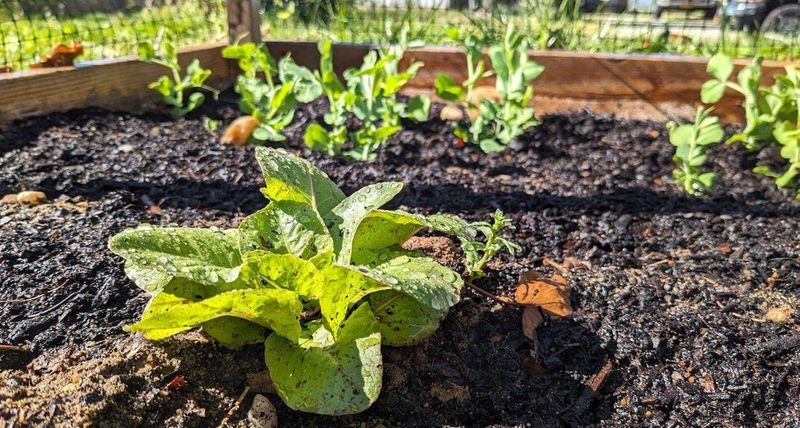
Succession planting is the strategy that separates a good Michigan garden from a great one, and March is exactly the right time to map it all out on paper.
The basic idea is simple: instead of planting all your lettuce or radishes at once and ending up with more than you can eat in a week, you stagger your plantings every two to three weeks.
That way, fresh crops keep coming in steadily all season long rather than all at once. Cool-season crops like lettuce, spinach, arugula, and radishes are perfect candidates for succession planting in Zone 5 and 6 gardens.
Start your first round indoors or sow directly outdoors in late March, then follow up with another sowing two to three weeks later.
By the time your first planting is finishing up, the second one will be hitting its peak and ready to harvest.
Grab a simple calendar or notebook and sketch out your planting schedule now while you have time to think it through carefully.
Write down what you want to grow, when each sowing should go in, and approximately when each batch will be ready to harvest.
Michigan gardeners who plan their succession schedule in March find that they waste far less produce, enjoy fresher food more consistently, and feel much more in control of their garden from the very first warm day of spring all the way through early summer.