What Nesting Birds In Pennsylvania Actually Need In Your Yard (Beyond Feeders)
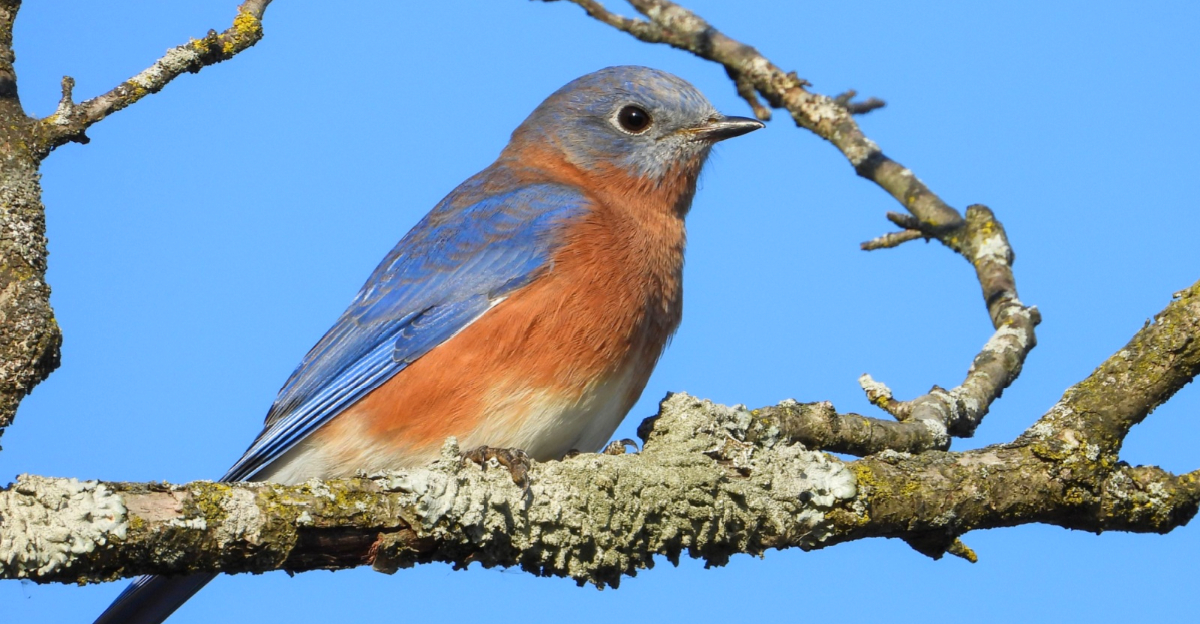
It’s easy to think a backyard feeder checks the box for helping birds, but nesting season in Pennsylvania tells a different story. As spring settles in, birds shift their focus from seeds to finding safe places to raise their young.
A feeder may bring them in, but it does not provide what they need most during this time.
Across Pennsylvania, nesting birds rely on dense cover, steady access to insects, clean water, and quiet spaces where they can build and protect a nest.
Taking a closer look at what your yard offers beyond the feeder can make a meaningful difference for local bird populations.
1. Native Trees And Shrubs Provide Safe Nesting Sites
Walk through almost any Pennsylvania neighborhood in April or May, and you will notice how quickly birds begin scouting tree branches, shrub interiors, and dense hedgerows for potential nest locations.
Native trees and shrubs are far more than pretty landscaping features.
They offer the structural complexity that birds need to anchor nests securely, hide eggs from predators, and shelter chicks from wind and rain.
Plants like serviceberry, native viburnums, and flowering dogwood provide dense branching patterns that support cup-shaped nests built by robins, song sparrows, and wood thrushes.
Oaks are especially valuable because a single mature oak can support hundreds of caterpillar species, giving nesting birds a reliable food source right next to the nest site.
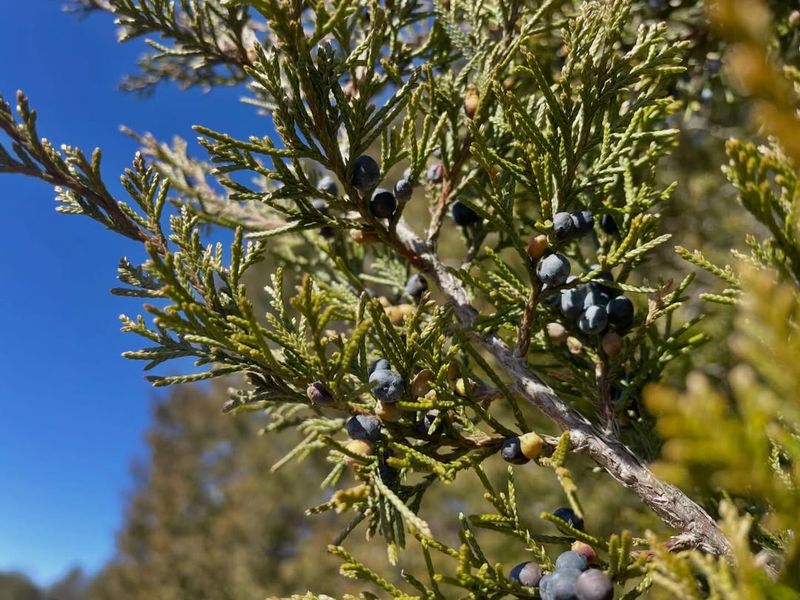
Eastern red cedar and native hollies offer thick evergreen cover that birds use from early spring through late summer.
Shrubs planted in clusters rather than single specimens give birds more options for concealment. A yard with varied native plantings at different heights gives multiple species a reason to stay and nest rather than just pass through.
Choosing regionally appropriate native plants from Pennsylvania nurseries helps ensure the trees and shrubs you plant are well adapted to local soils and rainfall patterns.
Even a modest backyard can support two or three native shrub groupings that make a real difference for nesting songbirds throughout the breeding season.
2. Natural Nesting Materials Help Birds Build Secure Nests
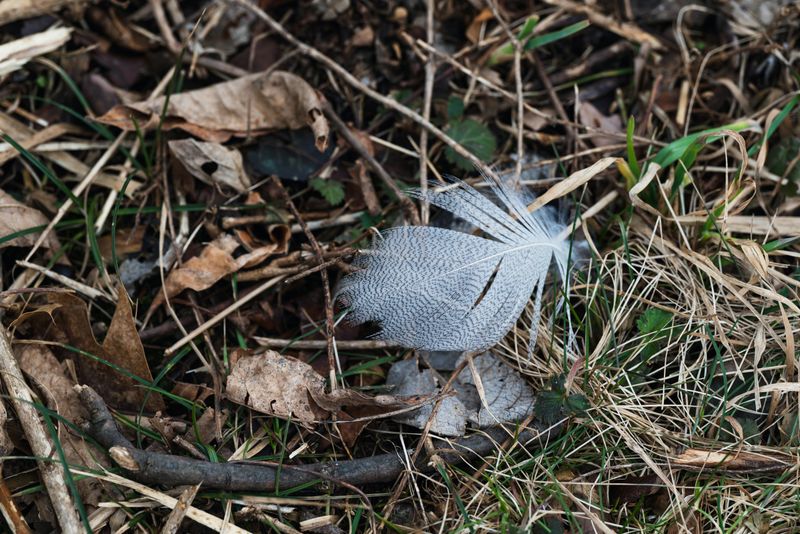
Somewhere between gathering the first twig and weaving the final grass blade, a bird constructs one of nature’s most impressive small structures.
Nest building requires an enormous amount of material, and birds in Pennsylvania spend a surprising portion of their early breeding season just collecting what they need.
When those materials are easy to find nearby, birds spend less energy and face less risk from predators during the gathering process.
Leaving small piles of dried leaves, short lengths of dry grass, plant stems, and thin twigs in a low-traffic corner of your yard gives birds a convenient supply station. Muddy patches near a water source help robins and barn swallows bind their nests together.
Natural plant fibers from dried goldenrod stems and milkweed fluff are used by several species to line the interior of nests, making them softer and better insulated for eggs and chicks.
One thing to skip is placing out dryer lint or synthetic fibers, since these materials can hold moisture and may cause problems for developing chicks. Stick with what grows naturally in a Pennsylvania yard.
Leaving ornamental grasses standing through early spring rather than cutting them back immediately gives birds access to dried blades at exactly the time they need them most.
Small adjustments like these can meaningfully support nesting activity without requiring much effort from the homeowner.
3. Clean Water Sources Support Drinking And Bathing Needs
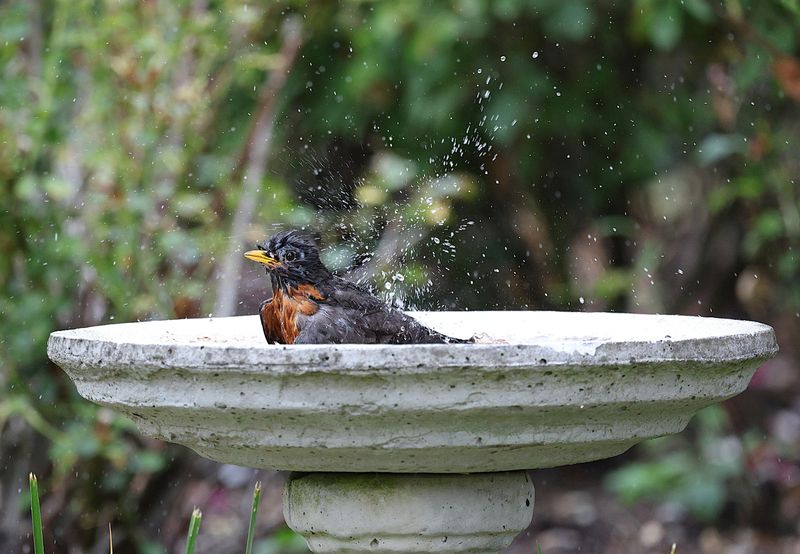
On a warm May morning in Pennsylvania, a robin dunking itself in a shallow birdbath is not just a charming sight. That bird is managing something genuinely important for its survival and the survival of its nest.
Clean water for drinking and bathing helps birds maintain feather condition, regulate body temperature, and stay healthy enough to successfully raise a brood.
Birdbaths work best when the water is no deeper than two inches at the center, with a gradual slope from the edges inward. Rough surfaces give birds better footing, especially smaller species that can slip on smooth ceramic.
Placing a birdbath in a shaded spot helps slow algae growth and keeps water cooler during Pennsylvania’s humid summer months. Adding a small dripper or wiggler creates gentle movement that birds find attractive from a distance.
Cleaning the birdbath every few days with a stiff brush and rinsing it thoroughly removes algae and debris before they become a health concern.
Ground-level water features like shallow dishes or small recirculating fountains attract species that rarely visit elevated baths, including thrushes and warblers passing through Pennsylvania during migration and nesting season.
Placing any water source at least ten feet from dense shrubs gives birds a clear view of their surroundings while bathing, which helps them feel secure enough to return regularly throughout the season.
4. Insects Provide Essential Food For Growing Chicks
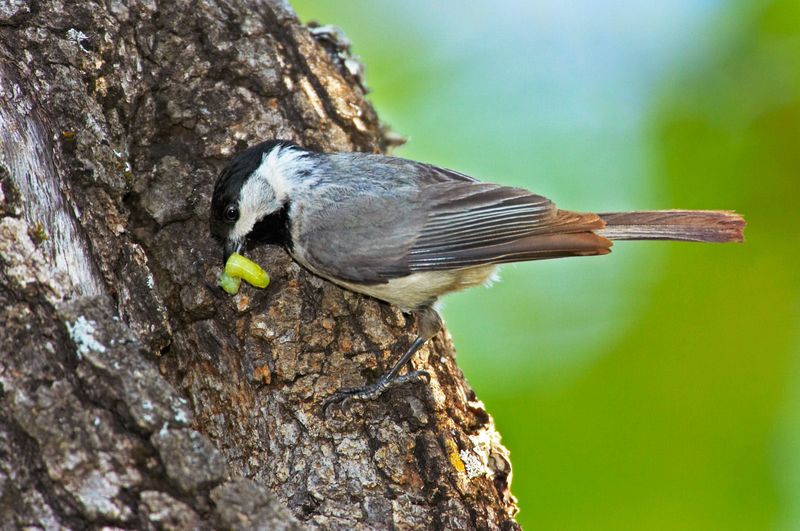
Even the most dedicated seed feeder cannot replace what insects offer to a nest full of hungry chicks. Protein is the foundation of early bird development, and insects deliver it in a form that parent birds can carry efficiently and chicks can digest quickly.
Research on songbird nesting consistently shows that caterpillars make up a huge portion of what parent birds bring back to the nest during the first two weeks of a chick’s life.
A Pennsylvania yard planted with native oaks, cherries, and willows tends to host far more caterpillar species than a yard dominated by non-native ornamentals.
Native plants evolved alongside local insects, which means they support the larval stages of moths and butterflies that birds depend on during nesting season.
Leaving leaf litter under trees and shrubs creates habitat for ground beetles, spiders, and other invertebrates that foraging birds like towhees and thrushes actively seek out.
Reducing or eliminating pesticide use is one of the most direct ways to protect insect populations in your yard. Even products labeled as low-impact can significantly reduce the invertebrate diversity that nesting birds rely on.
A yard that hums with insect life during June and July in Pennsylvania is a yard where nesting birds have a real shot at raising healthy young.
Supporting insects is, in many ways, the most important thing a Pennsylvania homeowner can do for nesting bird success.
5. Dense Shelter Protects Birds From Weather And Predators
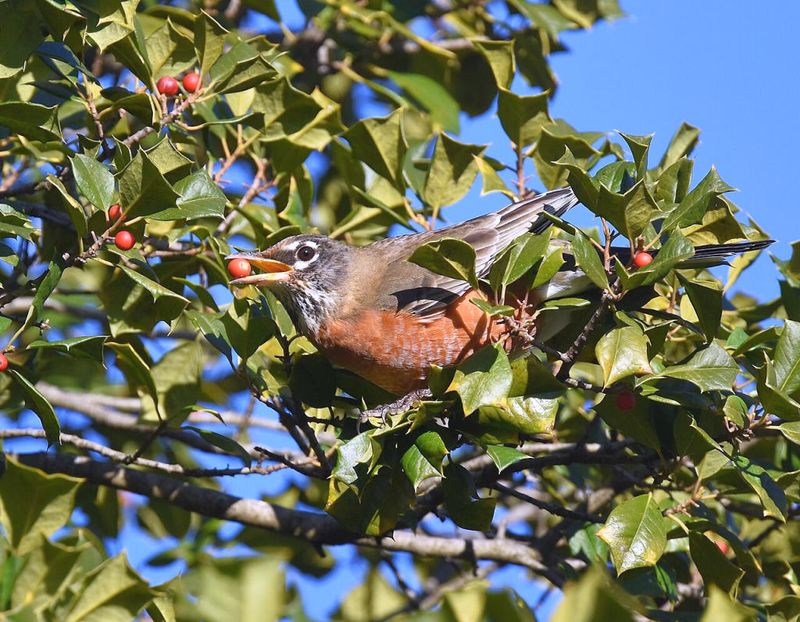
Spring weather in Pennsylvania can shift from warm and sunny to cold and stormy within a matter of hours, and nesting birds feel every one of those changes.
Dense shrubs and layered plantings give birds a place to retreat quickly when a storm rolls through or a hawk begins circling overhead.
Cover is not a luxury feature in a bird-friendly yard. It is a core safety requirement.
Evergreen shrubs like native hollies and eastern red cedar remain thick and sheltering year-round, making them especially valuable during early spring when deciduous plants have not yet leafed out.
Thorny shrubs such as native roses and hawthorns provide an extra layer of protection because most predators hesitate to push through sharp branches.
Dense interior branching gives small birds like wrens, catbirds, and yellowthroats a place to nest where larger animals have a hard time reaching.
Brush piles are another underrated shelter option. A loosely stacked pile of branches, logs, and woody debris in a back corner of your Pennsylvania yard can provide cover for ground-nesting and low-nesting species while also creating foraging habitat for insects.
Placement matters too. Shelter plantings positioned near open feeding or bathing areas give birds a quick escape route when they feel threatened.
Thinking about your yard from a bird’s-eye view helps you identify gaps in cover that might make nesting birds feel exposed and less likely to stay.
6. Quiet Spaces Give Birds A Better Chance To Nest Successfully
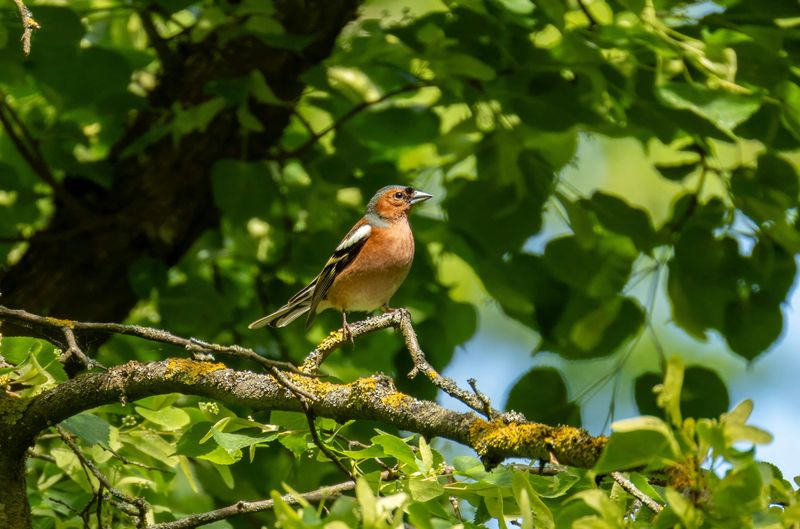
Most backyard birders focus heavily on what they add to their yard, but what they subtract can matter just as much during nesting season.
Noise, foot traffic, and frequent disturbances near active nests can cause parent birds to abandon eggs or reduce how often they return to feed chicks.
Pennsylvania birds that choose suburban yards for nesting are already making a compromise, and reducing disruption in key areas gives them a better chance of succeeding.
Designating one section of your yard as a low-activity zone during April through July makes a noticeable difference.
This might mean mowing less frequently near a hedgerow, keeping pets away from dense shrub areas, or simply choosing not to prune during the peak of nesting season.
Many nest failures in backyard settings happen because well-meaning homeowners disturb a nest unknowingly while doing routine yard maintenance.
Cats are one of the most significant threats to ground-nesting and low-nesting birds in Pennsylvania neighborhoods.
Keeping cats indoors during nesting season, or limiting their outdoor access to open lawn areas away from dense plantings, reduces predation pressure considerably.
Dogs exploring shrub borders can also flush nesting birds repeatedly, which stresses parent birds and leaves eggs and chicks exposed.
Creating a yard that feels genuinely safe and undisturbed in certain zones is one of the most practical and impactful things a Pennsylvania homeowner can offer to breeding birds each spring.
7. Layered Planting Creates A More Complete Backyard Habitat
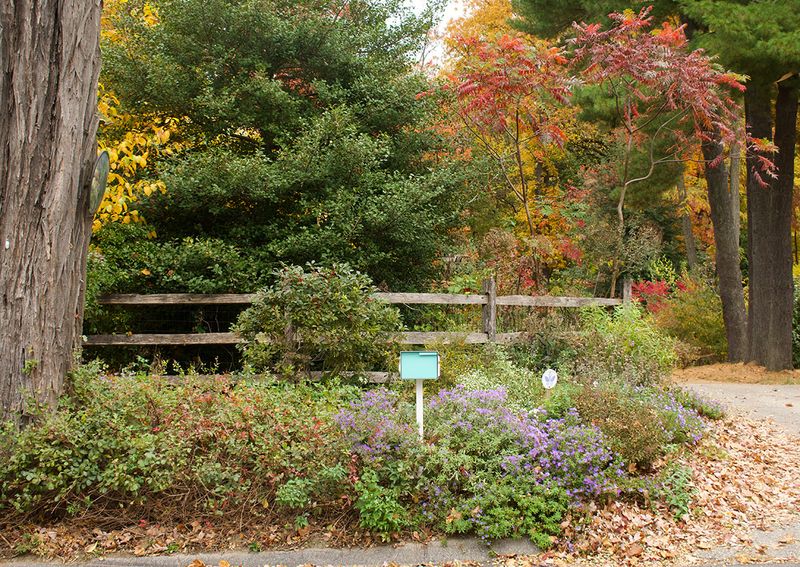
Picture a Pennsylvania woodland edge in early June. At ground level, ferns and wildflowers spread across the forest floor.
A few feet up, native shrubs fill the mid-story with leaves and berries. Above them, mature trees spread their canopy wide.
That layered structure is not accidental. It reflects how different species occupy different vertical zones, and replicating even a simplified version of it in your yard can support a surprisingly wide range of nesting birds.
Ground-level plantings like native sedges, wild ginger, and creeping phlox give low-nesting species such as ovenbirds and towhees the structure they need.
Mid-story shrubs in the three-to-eight-foot range attract catbirds, brown thrashers, and yellow warblers that prefer to nest in dense, medium-height vegetation.
Taller native trees provide canopy nesters like Baltimore orioles and scarlet tanagers with the elevated sites they seek.
Connecting these layers with transitional plantings creates movement corridors that birds use to travel through your yard with cover overhead and on the sides.
A yard that offers only one layer, such as a flat lawn with a few trees at the edges, has far less nesting value than one with multiple overlapping layers of native vegetation.
Even a modest Pennsylvania lot can support two or three distinct planting layers if designed thoughtfully, and each layer added increases the number of bird species likely to nest or raise young nearby.
8. Reducing Chemicals Helps Create A Safer Environment For Birds
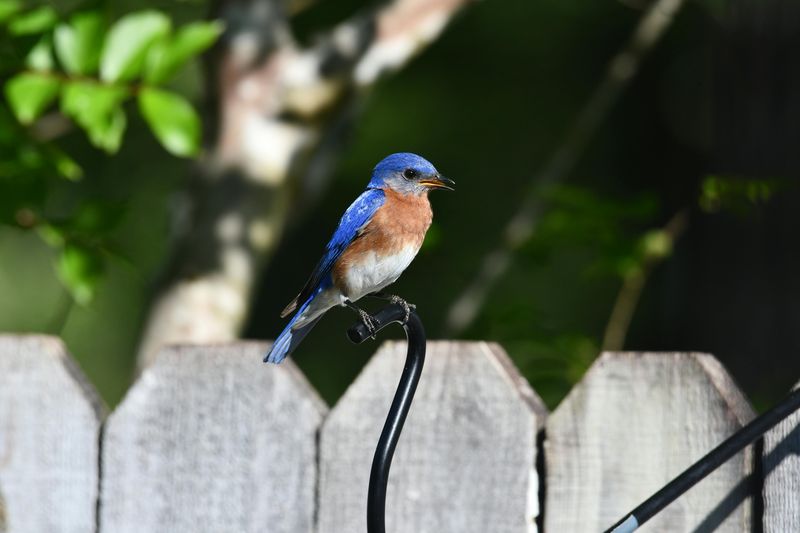
A yard that looks immaculate from a curb appeal standpoint may be surprisingly hostile to nesting birds if it has been treated heavily with pesticides and herbicides.
Many common lawn and garden chemicals linger in soil, water, and plant tissues long after application, and their effects on bird health and insect populations can extend well into nesting season.
Pennsylvania homeowners who want to genuinely support breeding birds often find that reducing chemical inputs is one of the highest-impact changes they can make.
Herbicides that target broadleaf plants often eliminate native wildflowers and low-growing vegetation that birds use for both cover and foraging.
Insecticides applied to lawns and ornamental plants reduce the caterpillar and beetle populations that parent birds need to feed their chicks.
Even systemic pesticides used on flowering plants can affect insects that visit those blooms, creating a ripple effect through the food web that nesting birds depend on.
Switching to organic mulch, tolerating some level of plant damage from insects, and addressing pest problems with targeted and minimal interventions helps maintain the ecological balance that supports bird life.
Accepting a slightly less manicured yard during spring and summer is a reasonable trade-off when the result is a thriving, insect-rich environment where nesting birds can find food, raise young, and contribute to Pennsylvania’s broader bird population.
Small chemical reductions across many yards add up to meaningful habitat improvement at a neighborhood scale.