What Nevada HOAs Are Allowed To Restrict In Residential Gardens
Residential gardens in Nevada often feel personal, but HOA rules can quietly shape what is actually allowed once planting begins.
What looks like a simple choice about plants, layouts, or features can turn into a compliance issue faster than many homeowners expect.
Nevada HOAs are permitted to regulate certain aspects of garden design to maintain uniform appearance, safety, and shared standards within a community.
Restrictions often focus on visibility from the street, permanent structures, and changes that alter drainage or common areas.
Many gardeners are surprised to learn that even plant height, spacing, or ground cover choices can fall under HOA oversight.
Water use is another frequent point of control, especially in a state where conservation plays a major role in community rules.
Confusion usually starts when assumptions replace written guidelines, leading to frustration after changes are already made.
Knowing what HOAs can restrict helps Nevada homeowners plan gardens that feel creative and compliant at the same time.
1. Plant Types That May Be Limited In Certain Communities
Many homeowners dream of filling their yards with exotic plants and colorful flowers, but HOAs in Nevada often have specific rules about what you can grow. Some associations create lists of approved plants to ensure everything looks cohesive throughout the neighborhood.
Your HOA might prohibit certain species because they grow too tall, spread aggressively, or require excessive water in our desert climate.
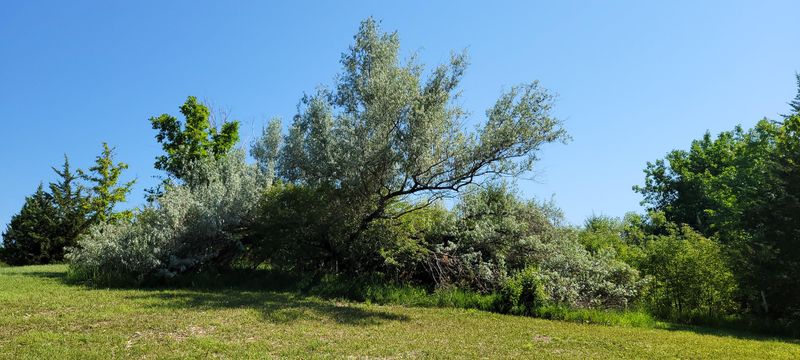
Communities across Nevada frequently ban invasive plants that could damage nearby properties or natural ecosystems. Russian olive trees and tamarisk are common examples of prohibited species because they consume too much water and crowd out native vegetation.
Your association might also restrict plants with thorns or sharp leaves near sidewalks and common areas for safety reasons.
Desert-friendly landscaping has become increasingly popular, but even native plants might face limitations in your community. Some HOAs worry that certain cacti or succulents look too informal for their aesthetic standards.
Others embrace xeriscaping and actually encourage drought-resistant plants to reduce water consumption across the neighborhood.
Fruit trees often fall into a gray area within HOA regulations throughout Nevada. While some associations welcome them, others worry about falling fruit attracting pests or creating maintenance issues.
Your governing documents might specify where fruit trees can be planted or limit their number per property.
Vegetable gardens represent another area where restrictions commonly appear in Nevada HOA rules. Many associations allow them only in backyards where they remain hidden from street view.
Some communities have embraced the farm-to-table movement and created designated garden plots for residents to share.
Bamboo frequently appears on prohibited plant lists because of its aggressive spreading habits.
2. Lawn Size And Turf Alternatives That Face Restrictions
Traditional grass lawns have long been a symbol of suburban living, but Nevada HOAs are rethinking their approach to turf. Water conservation has become a critical issue throughout the state, prompting many associations to limit lawn sizes or encourage alternatives.
Your community might specify maximum square footage for grass areas or require drought-tolerant ground covers instead.
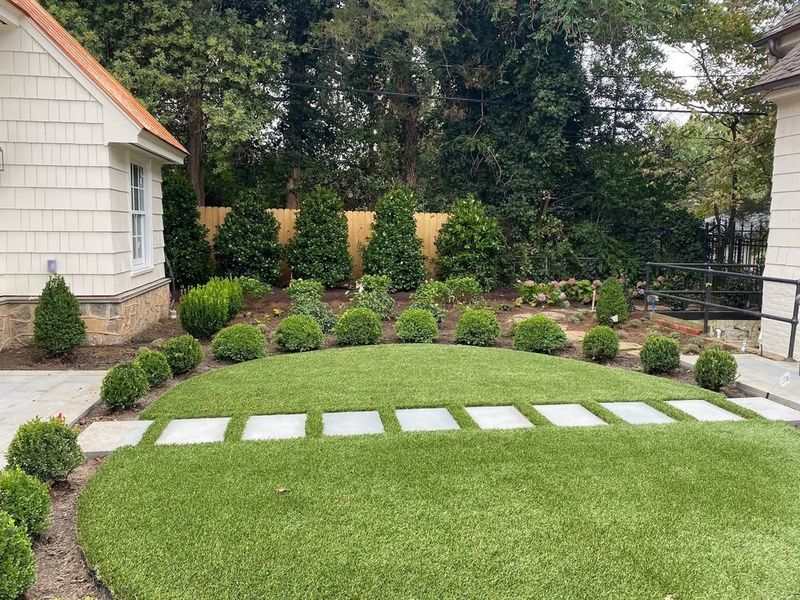
Artificial turf has gained popularity as a water-saving option, yet some Nevada HOAs restrict or ban it entirely. Associations worry about quality differences between products, with cheap versions looking obviously fake and degrading quickly.
Your HOA might require approval of specific artificial turf brands that meet appearance standards before installation.
Rock landscaping serves as a common lawn alternative in desert communities, but even this choice faces regulations. Some associations mandate certain rock sizes, colors, or arrangements to maintain visual consistency.
Your HOA might prohibit white rocks because they reflect too much heat or disallow river rocks for looking too casual.
Clover lawns and other low-water grass alternatives appeal to environmentally conscious homeowners throughout Nevada. However, your HOA might resist these options if they look different from traditional turf.
Some associations are updating their rules to embrace these sustainable choices, while others cling to conventional grass standards.
Front yard lawn requirements often differ from backyard rules in Nevada communities. Many HOAs mandate some grass in front yards to maintain curb appeal while allowing more flexibility in backyards.
Your association might specify minimum lawn percentages for areas visible from the street.
Xeriscaping has become a buzzword in Nevada landscaping, but not all HOAs embrace it fully.
3. Tree Placement And Height Rules Homeowners Should Know
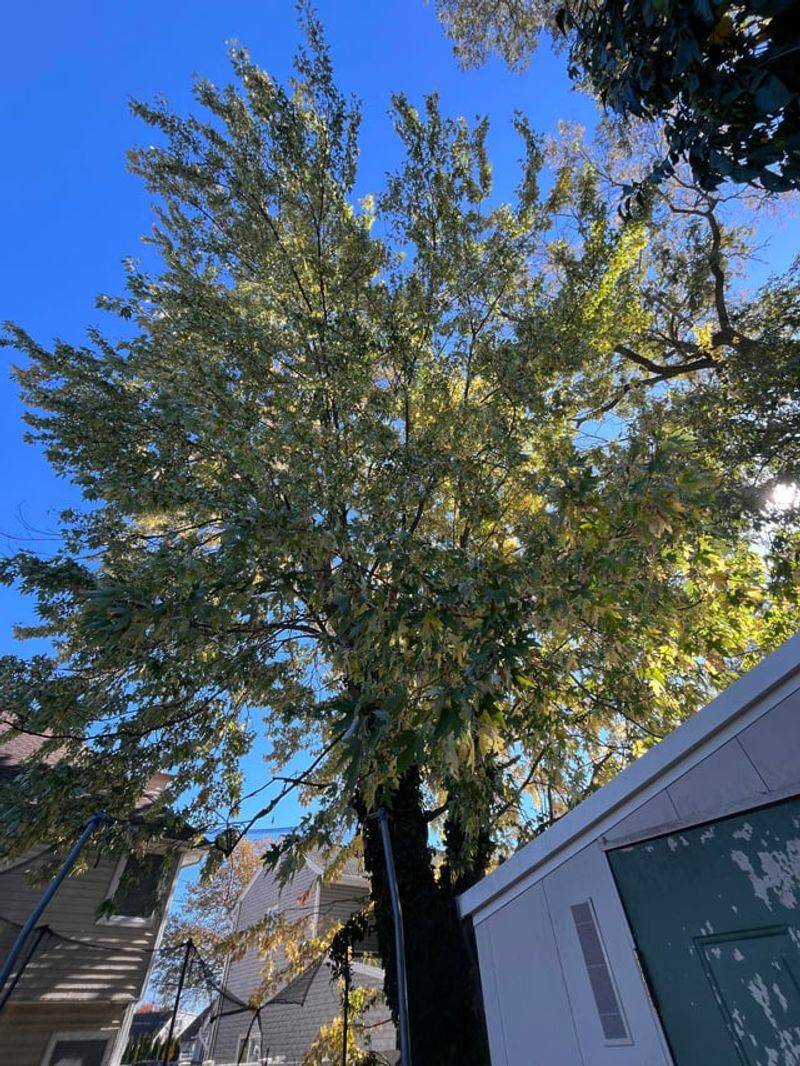
Trees add beauty, shade, and value to properties, but Nevada HOAs carefully regulate where and how tall they can grow. Placement rules exist to protect underground utilities, prevent sidewalk damage, and maintain sight lines for traffic safety.
Your association probably requires specific distances between trees and property lines, buildings, or utility easements.
Mature tree height becomes a concern when branches interfere with power lines or block neighbors’ views. Some Nevada communities have maximum height restrictions for trees, especially in areas with mountain or valley vistas.
Your HOA might require regular trimming to keep trees within approved height limits.
Fast-growing species like cottonwoods and poplars often appear on restricted lists because they quickly exceed height limits. These trees also have aggressive root systems that can damage foundations, sidewalks, and underground pipes.
Nevada HOAs prefer slower-growing trees that remain manageable and cause fewer infrastructure problems.
Front yard tree placement typically faces stricter rules than backyard locations throughout Nevada communities. Your HOA might limit the number of front yard trees or specify approved species that complement the neighborhood aesthetic.
Some associations require symmetrical tree placement to create uniform street views.
Shade trees near property lines can create disputes when branches overhang into neighboring yards. Your Nevada HOA likely has rules about maintaining trees so they don’t encroach on adjacent properties.
Regular pruning becomes your responsibility to prevent conflicts with neighbors and association violations.
Palm trees carry special significance in many Nevada HOAs because they create a resort-like atmosphere.
4. Garden Structures That Often Need Prior Approval
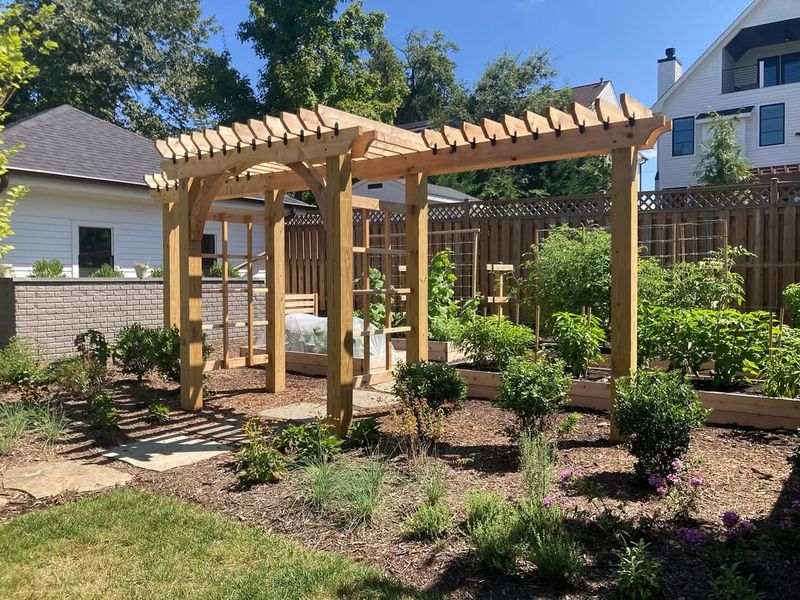
Adding structures to your garden seems like a simple way to enhance your outdoor space, but Nevada HOAs typically require approval for anything beyond basic landscaping. Arbors, pergolas, and gazebos all fall under architectural review because they significantly change your property’s appearance.
Your association wants to ensure these additions match neighborhood standards and don’t violate setback requirements.
Raised garden beds have become trendy for growing vegetables and flowers, yet they might need HOA approval in your Nevada community. Associations consider them structures rather than simple landscaping, especially when built from wood, concrete blocks, or metal.
Your HOA might restrict their size, height, materials, or placement on your property.
Trellises and plant supports seem innocent enough, but larger versions might trigger architectural review requirements. Your Nevada association probably distinguishes between small tomato cages and substantial structures designed for climbing roses or grape vines.
Permanent installations typically need approval, while temporary seasonal supports might not.
Storage sheds for garden tools and equipment face strict regulations in most Nevada HOAs. Associations control their size, appearance, color, and location to prevent eyesores that decrease property values.
Your community might require sheds to match your home’s exterior or be completely hidden from street view and neighboring properties.
Greenhouses appeal to serious gardeners but often face significant HOA restrictions throughout Nevada. Some associations ban them entirely, while others allow small versions in backyards only.
Your HOA might worry about greenhouses looking too commercial or agricultural for a residential neighborhood.
Water features like fountains and ponds add tranquility to gardens but need approval in Nevada communities.
5. Irrigation Systems And Water Use Limitations
Water conservation ranks as a top priority throughout Nevada, and HOAs actively regulate how residents irrigate their gardens. Associations balance individual property maintenance needs with community-wide water conservation goals.
Your HOA might mandate specific irrigation technologies or restrict watering schedules to reduce overall consumption.
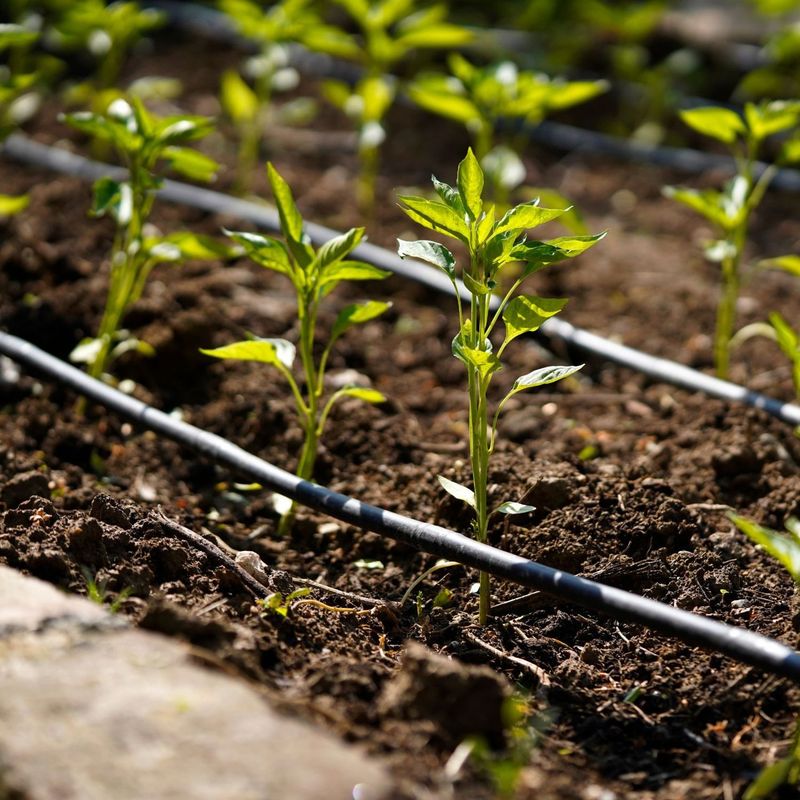
Drip irrigation systems receive encouragement from many Nevada HOAs because they deliver water efficiently to plant roots. These systems waste less water through evaporation and runoff compared to traditional sprinklers.
Your association might offer incentives for installing drip systems or even require them for certain landscaping types.
Automatic sprinkler systems face regulation regarding their installation, maintenance, and operation schedules. Nevada HOAs often require properly functioning systems without broken heads that waste water on sidewalks and streets.
Your community might mandate specific watering days and times to avoid peak heat hours when evaporation rates are highest.
Hand watering with hoses seems simple but might face restrictions in your Nevada neighborhood. Some associations limit hose watering to specific times or require shut-off nozzles to prevent waste.
Your HOA might encourage hand watering for spot treatments while discouraging it as a primary irrigation method for large areas.
Smart irrigation controllers that adjust watering based on weather conditions are gaining popularity in Nevada communities.
6. Front Yard Design Standards That Must Be Followed
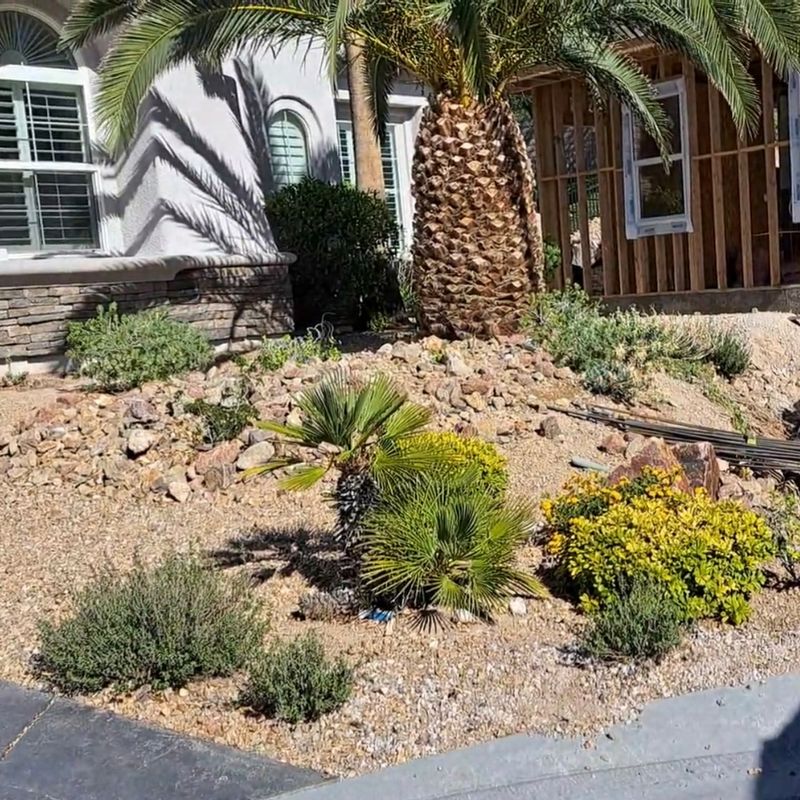
Curb appeal drives most front yard regulations in Nevada HOA communities. Associations believe consistent, attractive front yards protect property values for everyone in the neighborhood.
Your HOA probably has detailed guidelines covering everything from plant selections to hardscape materials for areas visible from the street.
Symmetry and balance often appear as requirements in front yard design standards throughout Nevada. Your association might prefer matching plantings on either side of walkways or entryways.
These formal design principles create the orderly appearance many HOAs desire, even though they limit creative expression.
Lawn-to-hardscape ratios frequently appear in Nevada HOA rules to prevent yards dominated by rocks, concrete, or pavers. Associations want some softness and greenery in front yards rather than stark, barren landscapes.
Your community might specify minimum percentages for living plants versus non-living materials.
Color schemes for front yard elements might face restrictions in your Nevada neighborhood. Some HOAs limit paint colors for decorative pots, house trim, and fencing to maintain visual harmony.
Your association might provide approved color palettes that complement the overall community aesthetic.
Edging and borders between different landscape elements often require specific materials or styles. Nevada HOAs might mandate professional-looking metal or concrete edging rather than plastic or wood.
Clean, defined borders between grass, rocks, and planting beds create the polished appearance associations prefer.
7. Decorative Elements That Can Trigger Compliance Issues

Personalizing your garden with decorative touches seems harmless, but Nevada HOAs carefully monitor what residents display in their yards. Associations distinguish between tasteful accents and cluttered collections that detract from neighborhood appearance.
Your HOA probably has rules about the number, size, and type of decorations allowed in visible areas.
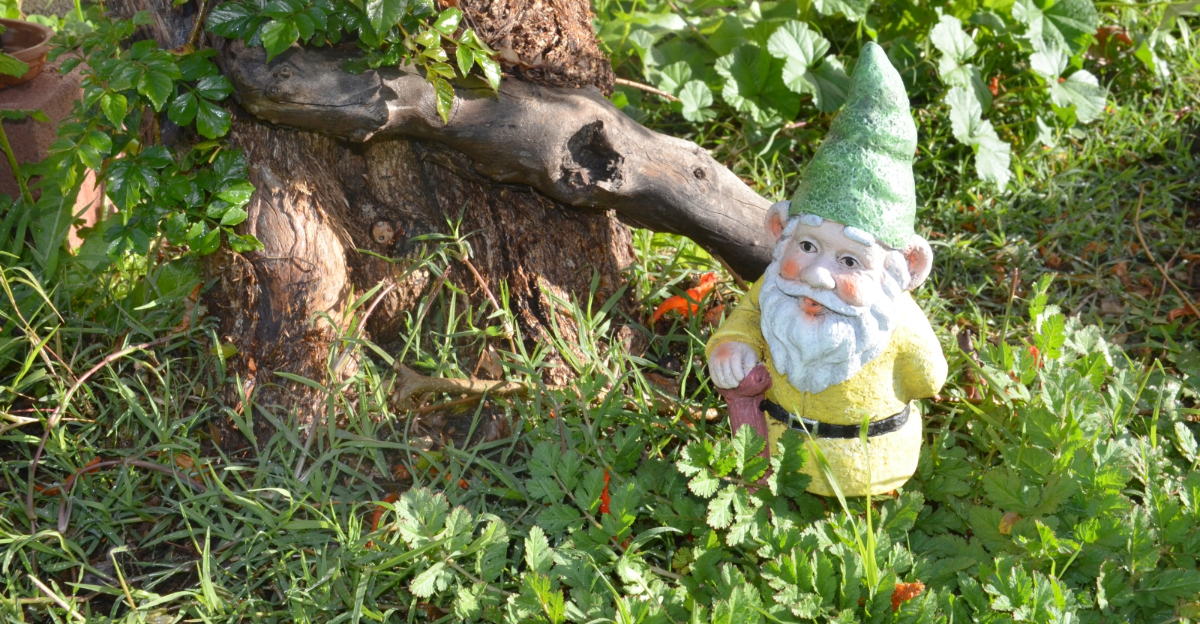
Garden gnomes, statues, and figurines frequently cause conflicts between homeowners and Nevada associations. What you consider whimsical charm might violate your community’s aesthetic standards.
Your HOA might limit these items to backyards or restrict their size and quantity in front yard gardens.
Wind chimes and outdoor bells add pleasant sounds to gardens but can annoy neighbors when noise becomes excessive. Nevada HOAs sometimes restrict or ban these items based on noise complaints.
Your association might allow quiet chimes while prohibiting larger bells that carry sound throughout the neighborhood.
Birdbaths, feeders, and wildlife attractants face mixed reception in Nevada communities. Some associations embrace them for adding life and movement to gardens, while others worry about mess and pest attraction.
Your HOA might regulate their placement, size, or number to balance wildlife enjoyment with cleanliness concerns.
Decorative rocks, boulders, and stone arrangements need consideration in Nevada HOA regulations. Large specimen rocks can enhance desert landscaping, but your association might require approval for substantial installations.
Painted rocks or unusual arrangements might violate appearance standards even when natural rocks are encouraged.
8. Maintenance Rules That Affect Garden Appearance
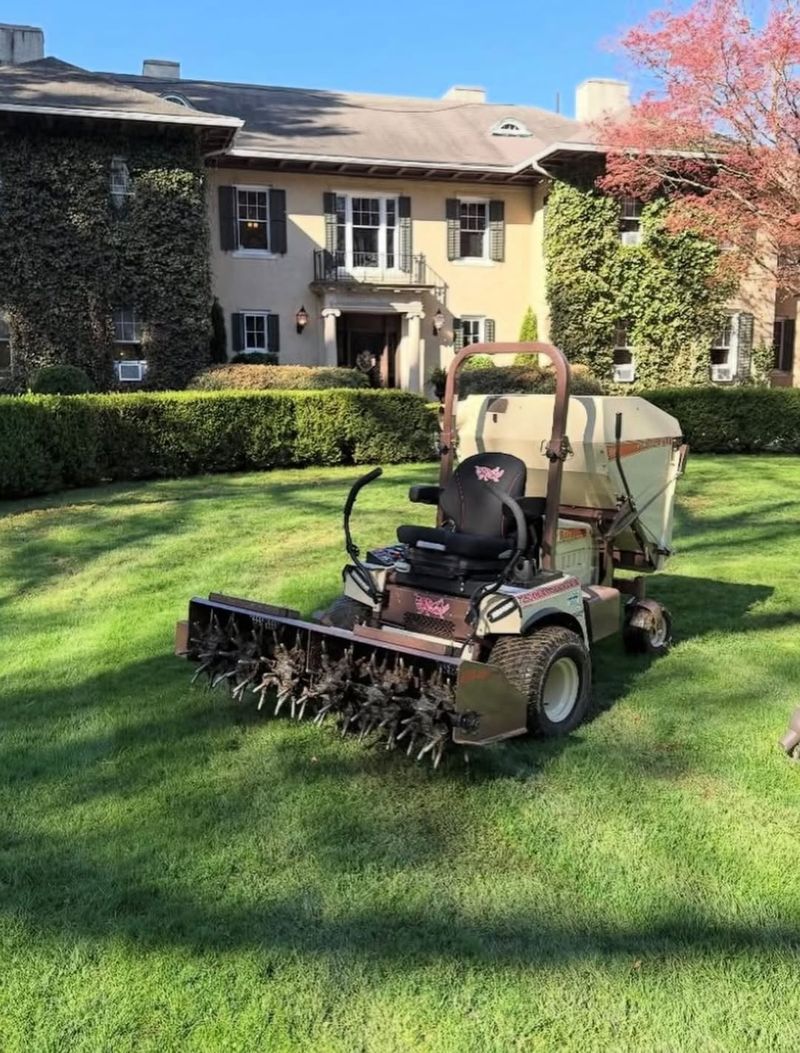
Keeping your garden well-maintained isn’t just good practice—it’s typically required by Nevada HOA regulations. Associations set minimum maintenance standards to prevent neglected properties from dragging down neighborhood values.
Your HOA probably has specific rules about lawn mowing frequency, weed control, and overall tidiness.
Weeds growing in gardens, lawns, or hardscape areas often trigger compliance violations in Nevada communities. Your association expects regular weed removal to maintain neat appearances throughout the neighborhood.
Some HOAs specify weed height limits or require removal within certain timeframes after notice.
Dead or dying plants must be removed promptly according to most Nevada HOA rules. Brown, withered vegetation creates an unkempt appearance that associations actively discourage.
Your community might require replacement plantings to maintain the intended landscape design rather than leaving empty spaces.
Lawn mowing schedules and grass height limits appear in many Nevada HOA regulations. Your association might require weekly mowing during growing seasons to prevent overgrown, messy lawns.
Maximum grass heights typically range from three to six inches, depending on your community’s standards.
Trimming and pruning requirements keep shrubs, hedges, and trees looking neat in Nevada neighborhoods.
9. Changes That Require Written Approval Before Planting
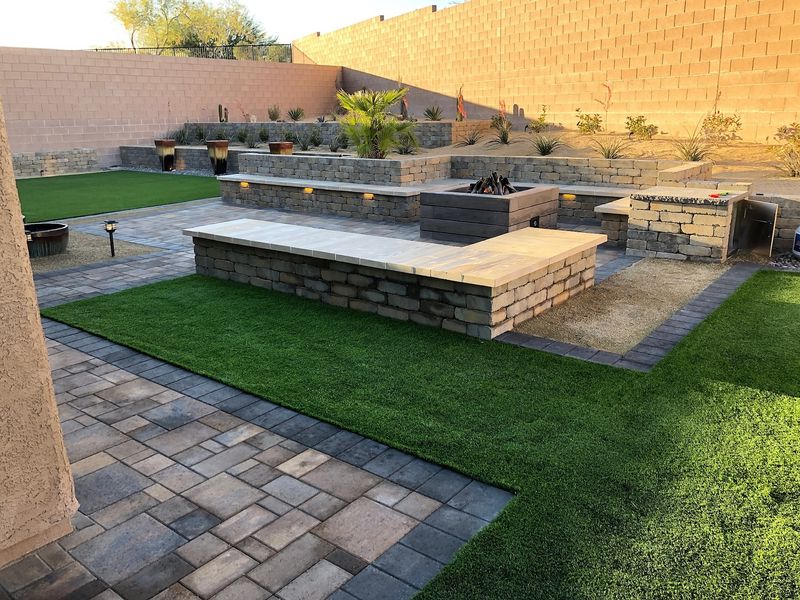
Understanding your Nevada HOA’s approval process saves time, money, and frustration when planning garden changes. Most associations require written requests for significant modifications to your landscape.
Your community probably has specific forms, submission procedures, and review timelines that must be followed before starting any major project.
Complete landscape redesigns always need HOA approval throughout Nevada communities. Removing existing plants and installing entirely new designs significantly changes your property’s appearance.
Your association wants to review plans ensuring they meet community standards before you invest time and money in the project.
Hardscape additions like patios, walkways, and retaining walls require architectural review in Nevada HOAs. These permanent structures affect drainage, property lines, and overall aesthetics.
Your submission should include detailed plans showing materials, dimensions, and placement for proper evaluation.
Color changes to existing elements might need approval even when the structures themselves are already approved. Repainting fences, sheds, or decorative elements in different colors can significantly impact appearance.
Nevada HOAs typically require color samples and descriptions before you make visible changes.