What New York Christmas Cactus Needs In March To Wake Up And Bloom Better Next Season
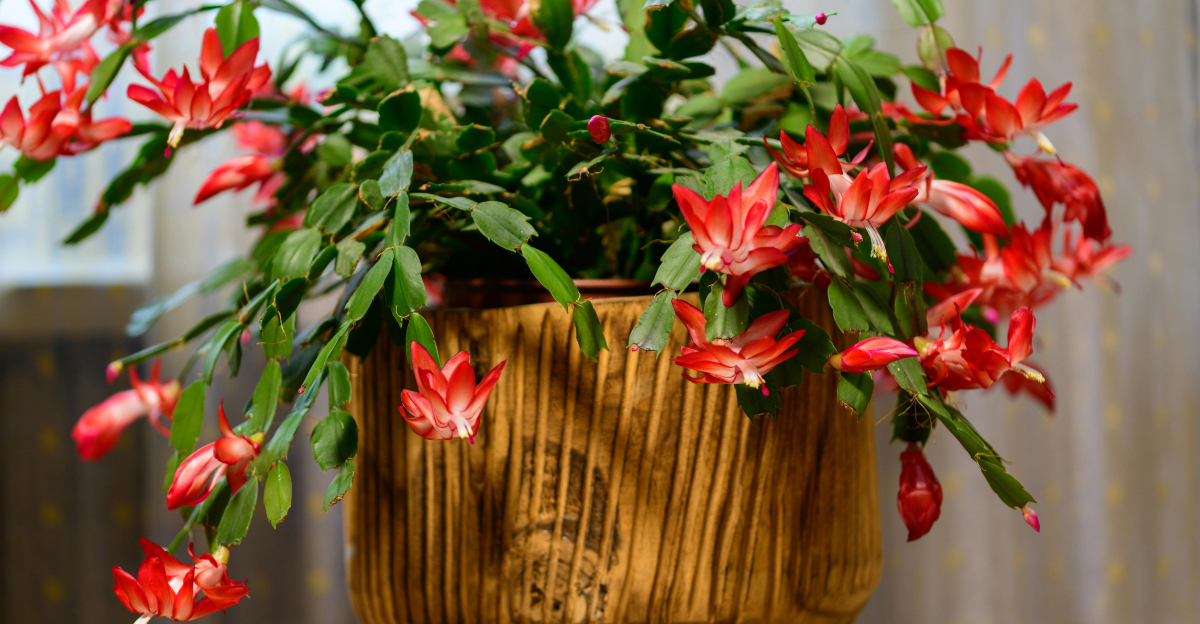
March wakes it up. For a Christmas cactus, this is the shift that matters.
After months of winter rest, longer days and a little more light signal that it is time to start growing again.
In New York, where indoor plants spend winter battling dry air, short days, and chilly windowsills, that transition can be a delicate one.
Get the timing right now, and you set your plant up for stronger growth, healthier segments, and a far better bloom cycle later in the year. Ignore this moment, and it may stay sluggish long after spring arrives.
The good news is that it does not take much. A few smart adjustments in March can help your Christmas cactus wake up properly and build the energy it needs for a much fuller flower show next season.
1. The Right Watering Routine
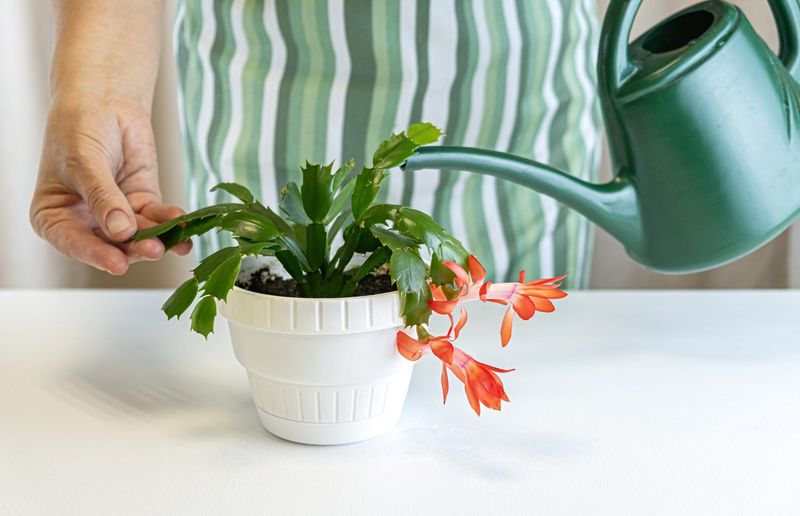
Your Christmas cactus is thirsty again, but not in the way you might think. After a dry winter rest, March is the month to gradually reintroduce regular watering so the plant can wake up without being shocked.
The key word here is gradual, not sudden flooding.
Start by watering lightly every week or so, then slowly increase frequency as new growth appears. Always check the soil first by sticking your finger about an inch deep.
If it still feels damp, wait a couple more days before adding more water.
One of the most common mistakes people make is overwatering right out of the gate in spring. Too much water too soon can cause root rot, which weakens the plant before it even has a chance to grow.
Using a pot with drainage holes makes a huge difference here.
Room-temperature water works best since cold tap water can stress the roots. In New York apartments where heating systems run constantly through late winter, the soil can dry out faster than expected.
Checking moisture levels regularly during March keeps your plant happy and ready to push out fresh, healthy stems for the season ahead.
2. Fresh Soil And Repotting
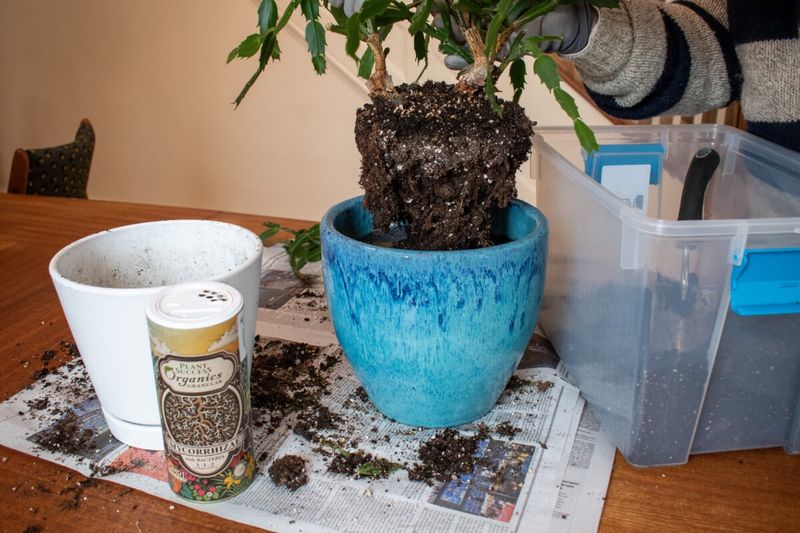
Fresh soil can completely transform how your Christmas cactus grows this season. If your plant has been sitting in the same pot for two or more years, March is the ideal time to give it a new home with fresh, nutrient-rich mix.
Old soil gets compacted and loses its ability to drain properly.
Christmas cacti love a light, well-draining mix. A blend of regular potting soil with added perlite or coarse sand works really well.
You want water to move through quickly without leaving roots sitting in soggy conditions for too long.
When repotting, choose a new pot that is only one size larger than the current one. Going too big too fast can actually slow down blooming because the plant puts energy into filling the pot with roots instead of producing flowers.
A snug fit encourages blooming.
Gently loosen the old root ball before placing the plant in its new container, and water lightly after repotting to help the roots settle in.
In New York, where indoor air tends to be dry from heating systems, fresh soil holds just enough moisture to keep new roots growing strong through the rest of the month.
3. Balanced Fertilizer Boost
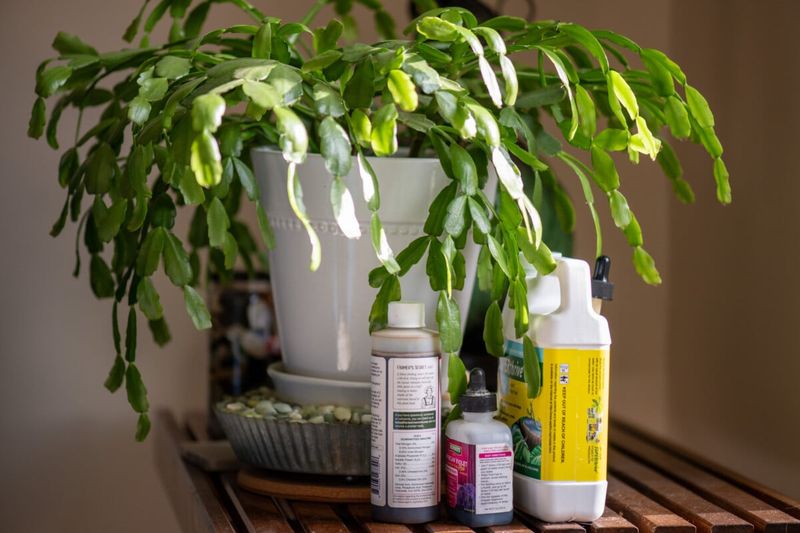
Spring feeding is one of the best gifts you can give your Christmas cactus in March. After months of winter rest with little to no nutrients, the plant is ready to soak up a good balanced fertilizer and use it to fuel new growth.
Skipping this step often leads to weak, pale stems later in the season.
A balanced liquid fertilizer with equal parts nitrogen, phosphorus, and potassium works great. Look for something labeled 10-10-10 or 20-20-20 on the package.
Dilute it to half strength before applying to avoid overwhelming the roots with too much at once.
Feed your plant every two weeks through spring and into early summer. Once late summer rolls around, switch to a fertilizer that is higher in phosphorus to help encourage bud development for next winter.
Timing the feeding schedule correctly makes a noticeable difference in bloom quality.
Avoid fertilizing a completely dry plant since this can burn the roots. Always water lightly before applying liquid fertilizer.
New York apartment growers often overlook feeding because the plants look fine, but a well-fed Christmas cactus is far more likely to put on an impressive bloom display when the holiday season finally arrives again.
4. More Natural Light Exposure

Light is like fuel for your Christmas cactus in spring, and March is the month to start giving it more. After a winter of shorter days and weaker sunlight, the plant is ready to soak up longer, brighter light to power new stem growth.
Moving it closer to a window right now can make a real difference.
An east or west-facing window is ideal because it provides bright but indirect light without the harsh intensity of direct afternoon sun. Direct midday sun can actually bleach the stems and cause them to look washed out and unhealthy.
Bright but filtered light is always the sweet spot.
In New York, buildings and neighboring structures can block a lot of natural light, especially in lower-floor apartments. If your windows do not get much sun, a grow light set to run for about 12 to 14 hours a day works as a solid substitute.
Modern LED grow lights are affordable and energy-efficient.
Rotate the pot a quarter turn every week or two so all sides of the plant receive even light exposure. Uneven light causes lopsided growth that looks awkward and can affect how well the plant blooms.
A little extra attention to light placement in March sets up strong, even growth for the entire season.
5. Humidity That Mimics Its Roots
Christmas cacti originally come from the tropical rainforests of Brazil, where humidity levels are naturally high. That backstory matters a lot when you are growing one in a dry New York apartment where winter heating systems strip moisture right out of the air.
Low humidity is one of the sneaky reasons these plants struggle to bloom well.
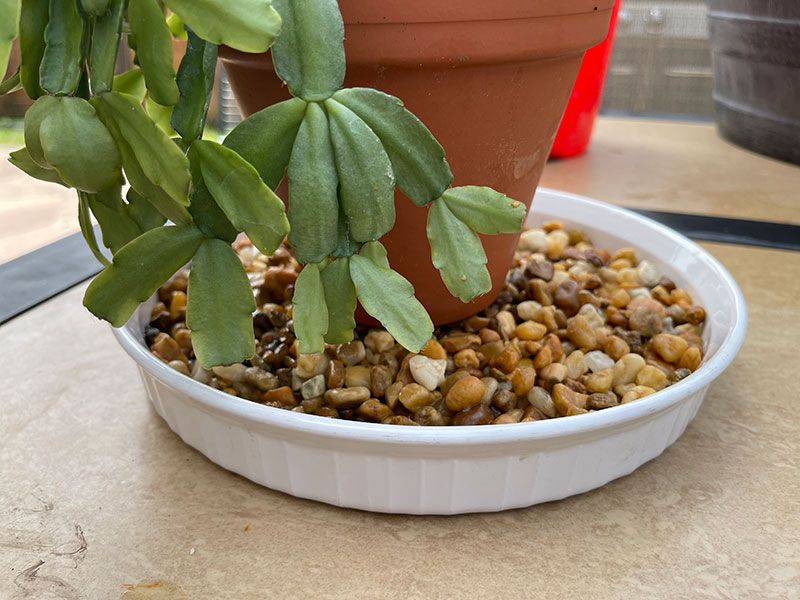
One of the easiest ways to boost humidity around your plant is to set the pot on a shallow tray filled with pebbles and water. As the water evaporates, it creates a small pocket of moisture right around the plant.
Just make sure the bottom of the pot sits above the waterline so roots do not stay wet.
Misting the stems lightly every few days also helps, especially during dry spells in March when the heat is still running indoors. A small humidifier placed nearby works even better if you have one available.
Plants grouped together also naturally raise the humidity around them.
Keeping humidity levels somewhere between 50 and 60 percent is the goal. When the air around your Christmas cactus feels comfortable and slightly moist, the plant responds with plumper, greener stems and stronger bud development when the time comes later in the year.
6. Ideal Temperature Range
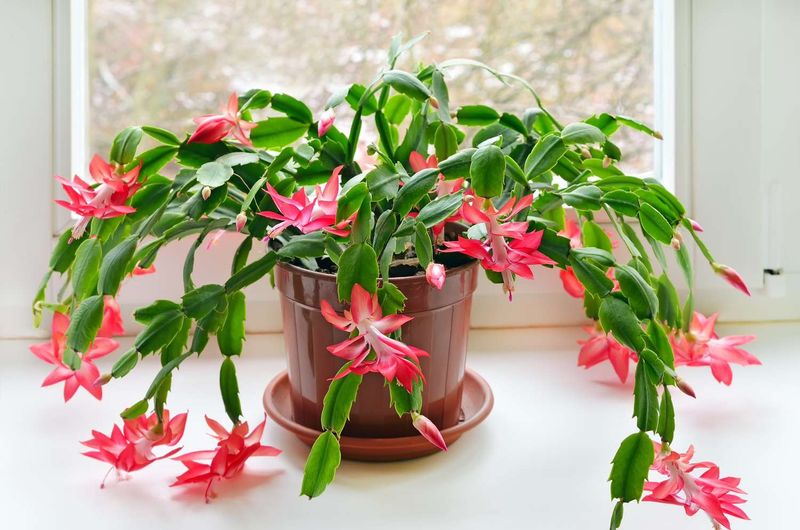
Temperature plays a bigger role in Christmas cactus health than most people realize. March in New York brings unpredictable swings between cold nights and warmer days, and your plant notices every single shift.
Keeping it in a stable, warm spot indoors helps it transition smoothly from winter rest to active spring growth.
The sweet spot for a Christmas cactus during its growing season is between 65 and 80 degrees Fahrenheit. Temperatures below 50 degrees can slow growth significantly and stress the plant.
Drafts from windows, air conditioners, or heating vents create sudden temperature drops that the plant finds very uncomfortable.
Keep your Christmas cactus away from exterior doors and drafty windowsills in March, especially during cold snaps that still pop up across New York this time of year. Even a brief chill from an open window can set the plant back and delay new growth for several weeks.
Consistent warmth encourages the root system to become more active, which supports stronger stem and leaf growth above the soil.
Once the plant is actively growing in stable temperatures, it builds up the energy reserves it will need to produce a full, vibrant round of blooms when the holiday season rolls back around.
7. Pruning For Fuller Growth
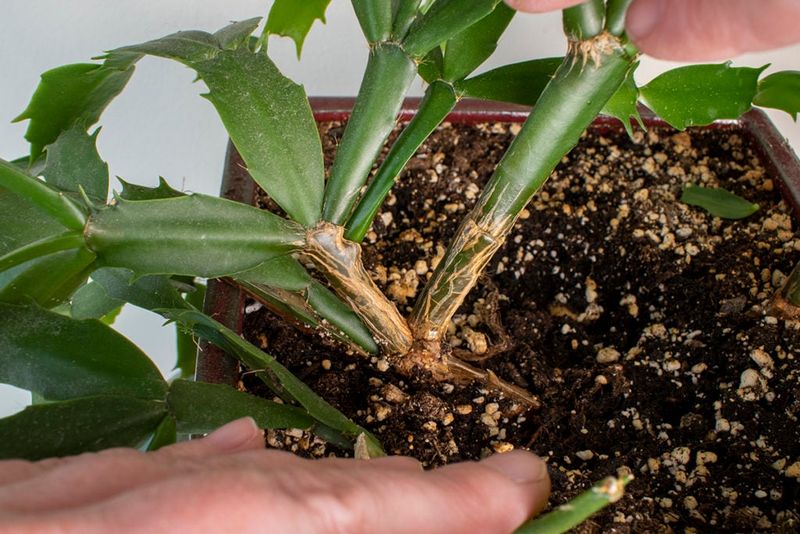
Pruning might sound intimidating, but with a Christmas cactus it is actually one of the easiest and most rewarding things you can do in March. Pinching back a few stem segments right now encourages the plant to branch out and grow fuller instead of long and leggy.
Fuller plants produce far more blooms at the end of the year.
All you need to do is twist or pinch off one to three segments from the tip of each stem. No scissors required since the segments snap apart naturally at their joints.
You can even root those removed segments in moist soil to grow brand-new plants for free.
Focus on stems that look stretched out, pale, or uneven. Removing those tips sends a signal to the plant to push out new growth from lower down on the stem, which creates a much more compact and attractive shape overall.
The result is a bushier, healthier plant by summer.
March is the best month for this task because the plant is just waking up and about to enter its most active growing phase. Any cuts made now heal quickly and lead to vigorous new growth.
New York plant lovers who prune their Christmas cacti in early spring almost always notice a bigger, bolder bloom display the following holiday season.
8. Pest Check And Clean Leaves
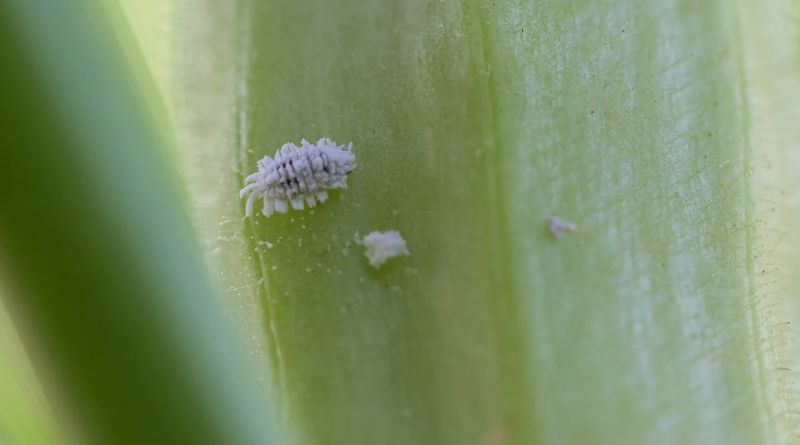
March is the perfect time to play detective with your Christmas cactus.
Pests like mealybugs, spider mites, and fungus gnats tend to show up when plants are stressed from winter, and catching them early makes a huge difference in how well the plant recovers and grows through spring.
A quick weekly inspection takes less than five minutes.
Look closely at the joints between stem segments and on the undersides of leaves where pests love to hide. White cottony patches usually mean mealybugs.
Tiny webs signal spider mites. If you spot anything suspicious, wipe the affected areas with a cotton swab dipped in rubbing alcohol to remove the pests on contact.
Cleaning the stems with a damp cloth also removes dust buildup that blocks light absorption and clogs the tiny pores the plant uses to breathe. A clean plant simply functions better and looks much more vibrant.
This step is easy to skip but makes a noticeable impact on overall plant health.
For fungus gnats, which often come from overwatered soil, letting the top inch of soil dry out between waterings usually solves the problem without needing any chemicals.
Keeping your Christmas cactus clean and pest-free in March means it can put all its energy into growing strong stems and storing up the resources it needs to bloom beautifully next season.