What North Carolina Azaleas Need Right After Spring Blooming Ends
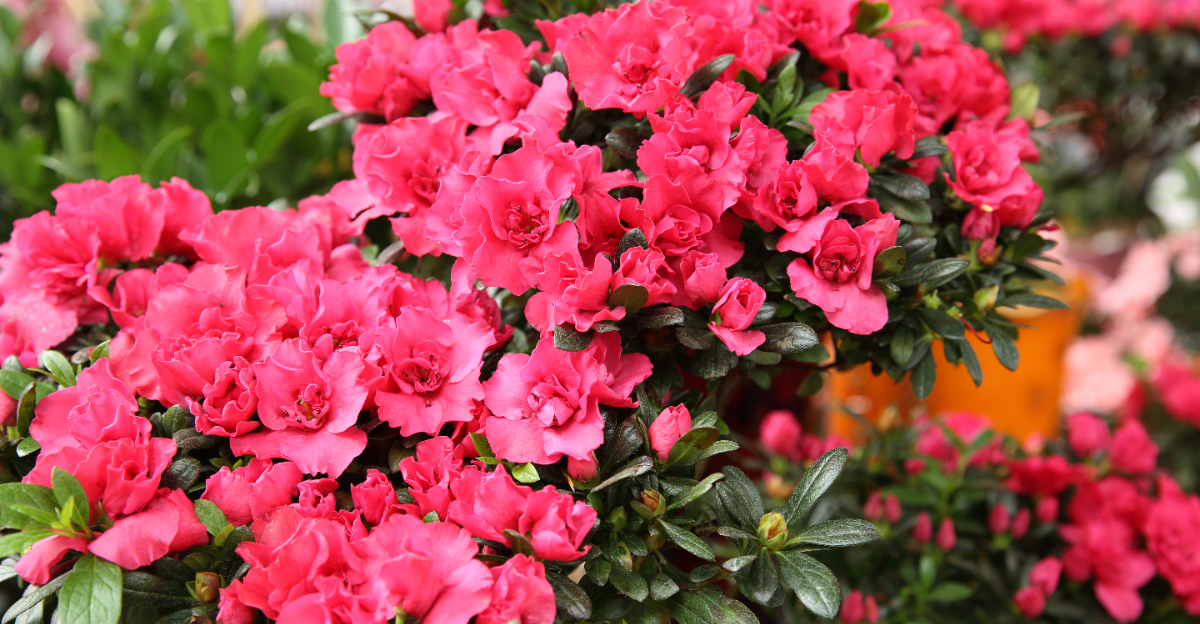
Azaleas are one of the highlights of spring in North Carolina, putting on a bright and colorful display that is hard to miss. Once those blooms begin to fade, though, many gardeners are unsure what to do next.
It may seem like the plant’s main job is finished for the season, but this is actually a very important time for its future growth. What you do right after flowering can shape how your azaleas perform next year.
This is when the plant starts preparing for new buds, even if you cannot see them yet. Simple steps taken now can lead to fuller blooms and healthier growth down the line.
In North Carolina’s climate, timing matters more than many people realize. Once you understand what your azaleas need after blooming ends, you can help them stay strong and ready for another beautiful display next spring.
1. Prune Immediately After Bloom
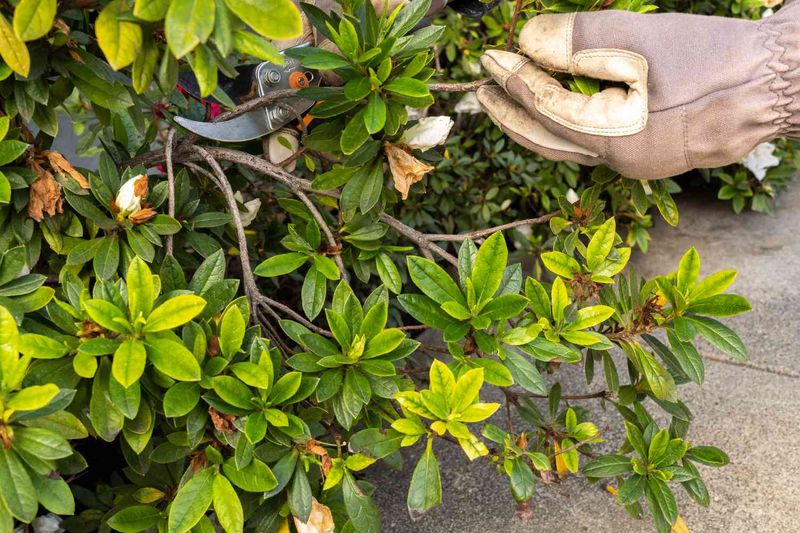
Timing is everything when it comes to azalea pruning, and missing that window can cost you an entire season of blooms.
Azaleas like Rhododendron canescens and Rhododendron viscosum begin setting next year’s flower buds very shortly after their spring flowers fade.
In North Carolina, this process kicks off fast because warm Piedmont and Coastal Plain temperatures push new growth quickly after late April or May.
Grab your hand pruners right after the last flowers drop and start shaping the plant before bud development begins.
Focus on removing spent flower clusters and any crossing or overly long branches that throw off the shrub’s natural form.
You do not need to cut back hard unless the plant has gotten seriously out of shape over several years.
Light, thoughtful trimming keeps the plant tidy without removing the new shoots that will carry next season’s buds.
Many North Carolina gardeners are surprised to learn that even a two-week delay in pruning can reduce the following spring’s bloom. The good news is that azaleas bounce back beautifully when pruned at the right moment.
Work your way around the shrub evenly, step back often to check your progress, and always use clean, sharp tools to avoid tearing the stems.
2. Remove Spent Flowers With Care
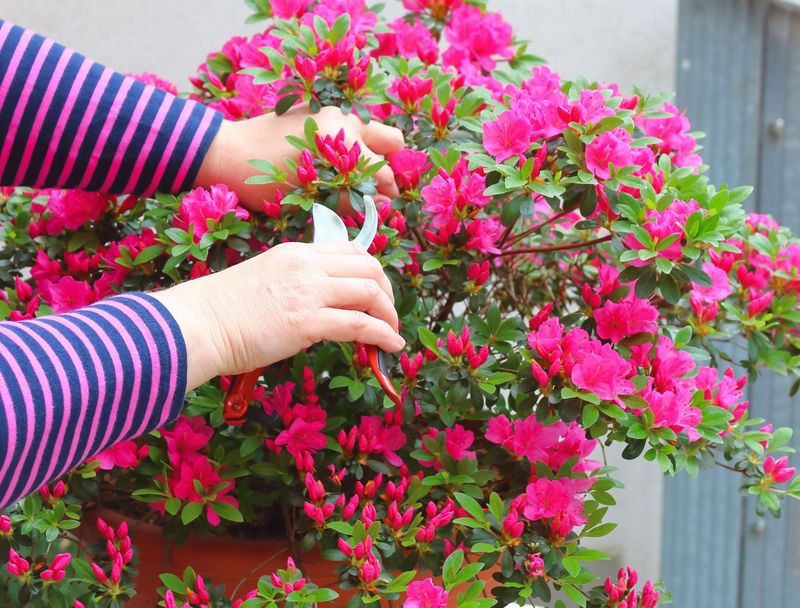
Faded azalea blooms might look harmless hanging on the branch, but they are quietly pulling energy away from new growth.
Deadheading, which simply means removing those spent flowers by hand, redirects the plant’s resources toward producing healthy shoots and setting up strong buds for next spring.
It is one of the easiest post-bloom tasks you can do, and it makes a noticeable difference. The trick is to be gentle and precise. Pinch off only the old flower head itself, not the tiny developing leaf buds sitting just below it.
Those small green buds are the beginning of your plant’s new growth, and accidentally removing them sets the shrub back significantly.
In North Carolina’s humid late-spring conditions, new growth emerges fast after blooming, so the window to deadhead cleanly is short but very rewarding.
Spending even fifteen minutes going over a medium-sized azalea shrub can remove dozens of spent blooms that would otherwise slow the plant down.
Work through the plant methodically, section by section, and you will start to see fresh green growth pushing through almost immediately.
North Carolina gardeners who make deadheading a regular post-bloom habit consistently report fuller, more vibrant plants the following spring. It is a small effort that pays back in a big, colorful way every single year.
3. Apply Pine Bark Mulch To Protect Roots

Azalea roots are surprisingly shallow, spreading out just a few inches below the soil surface rather than digging deep like other shrubs.
That means they are extremely vulnerable to heat, drought, and soil temperature swings, all of which ramp up fast in North Carolina once spring gives way to early summer. A good layer of mulch is one of the best defenses you can give them.
Pine bark mulch is a top choice for North Carolina azaleas because it breaks down slowly, adds a touch of acidity to the soil as it decomposes, and blends naturally into the landscape.
Spread a two to three inch layer around the base of each plant, but keep it pulled back a few inches from the main trunk to avoid trapping moisture against the bark.
In the Piedmont region especially, where clay soils crack and dry on the surface during summer heat, mulch acts like a protective blanket for those shallow roots.
Refreshing your mulch layer right after bloom is a smart move because it sets your plants up for the hottest months ahead.
The mulch slows moisture evaporation, keeps soil temperatures more stable, and even suppresses weeds that compete for nutrients.
Many experienced North Carolina gardeners treat mulching as a non-negotiable step in their post-bloom routine, and their plants show it every single spring.
4. Water Deeply During The Early Summer Transition
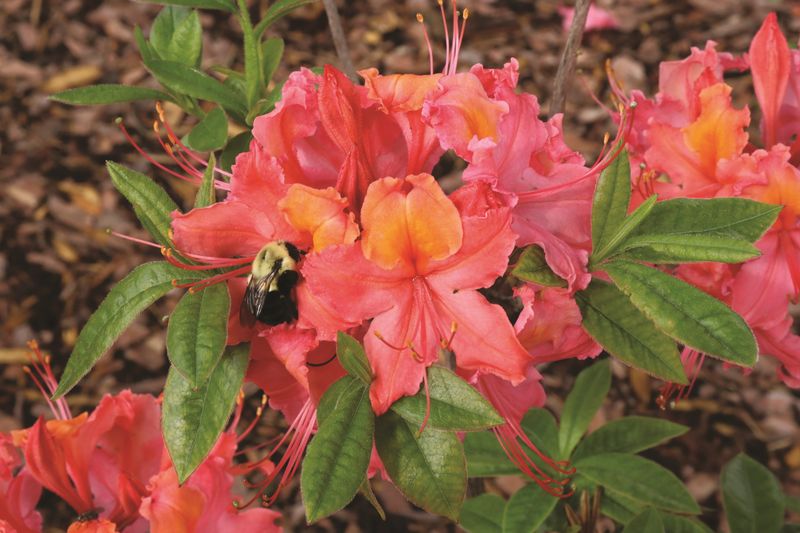
Right after azaleas finish blooming, they shift into one of their most active growth phases of the entire year.
New shoots push out, roots expand, and the plant quietly begins the long process of building next spring’s flower buds.
All of that activity requires consistent moisture, and this is exactly when North Carolina’s rainfall starts becoming unpredictable.
Watering deeply once or twice a week is far more effective than giving plants a light sprinkle every day.
Deep watering encourages roots to reach further into the soil, building a stronger, more drought-resistant root system over time.
Light, frequent watering keeps moisture near the surface and actually makes roots lazier and more vulnerable to summer heat.
In the Piedmont, where late spring and early summer can flip between heavy rain and dry stretches, deep watering fills in the gaps and keeps growth steady.
Aim to water at the base of the plant rather than overhead, since wet foliage in warm, humid North Carolina conditions can invite fungal issues. Early morning watering is ideal because it gives leaves and soil surface time to dry before evening.
Checking soil moisture a few inches down before you water helps avoid overwatering, which can be just as harmful as drought.
Consistent, thoughtful watering after bloom gives azaleas the strong start they need for a full and healthy growing season ahead.
5. Feed Lightly With An Acid-Loving Fertilizer
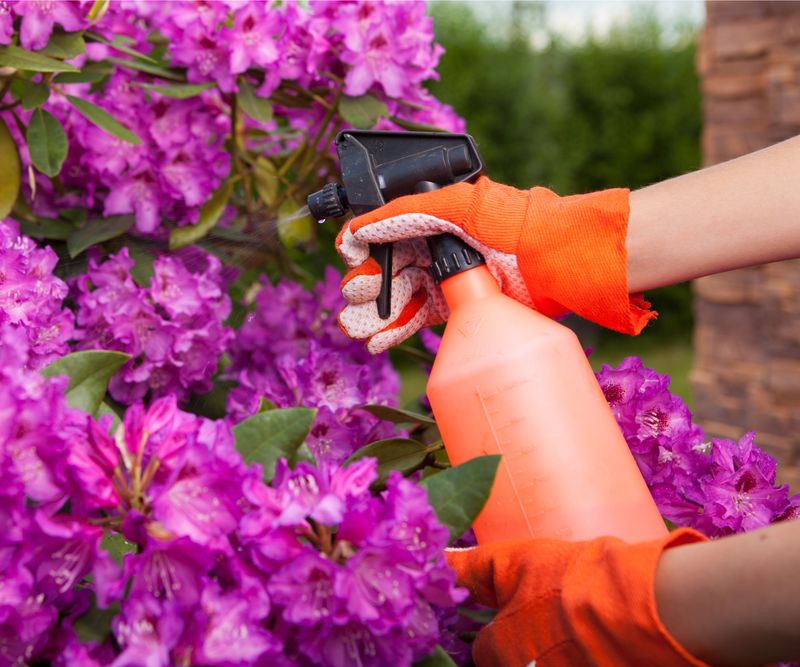
Azaleas are not heavy feeders, and throwing too much fertilizer at them after bloom can actually cause more harm than good.
What they appreciate is a light, well-timed application of a fertilizer formulated specifically for acid-loving plants.
Products labeled for azaleas, camellias, or rhododendrons work well because they match the low pH that these plants naturally prefer.
Apply fertilizer shortly after blooming ends, while the plant is actively pushing out new growth and can actually use those nutrients.
Waiting too long into the summer is a mistake many North Carolina gardeners make, because fertilizing in mid to late summer stimulates soft new growth that may not harden off before cooler weather arrives.
Slow-release granular formulas are especially convenient because one application feeds the plant gradually over several weeks without the risk of overloading the roots.
North Carolina soils, particularly in disturbed suburban landscapes, can be low in organic matter even when the pH is naturally acidic.
A light fertilizer application after bloom helps bridge that nutritional gap and supports the steady shoot growth that builds a healthy plant structure.
Always follow the package directions and resist the urge to apply more than recommended.
Well-fed azaleas reward you with stronger stems, richer foliage color, and a noticeably more impressive bloom display when spring rolls around again across North Carolina.
6. Improve Soil Drainage If Needed
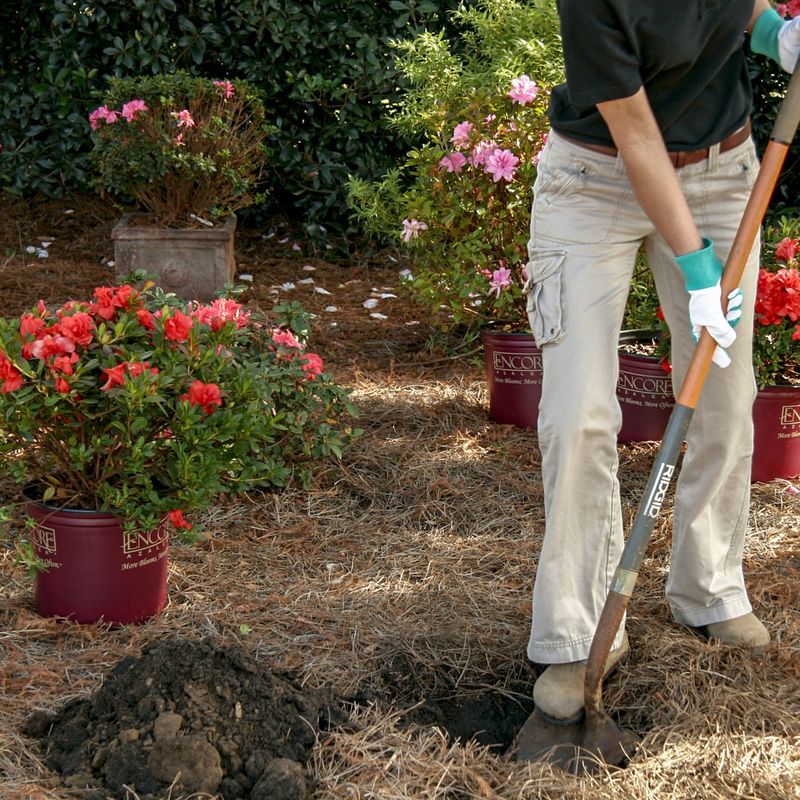
Heavy clay soil is one of the most common challenges azalea growers face across North Carolina, especially in the Piedmont where red clay sits close to the surface.
Clay holds onto water far longer than azalea roots can handle, and prolonged wetness around the root zone weakens plants over time.
The period right after bloom is actually a great opportunity to address drainage issues before summer rains arrive.
Top-dressing around your azaleas with composted pine bark or leaf mold is one of the gentlest and most effective ways to improve surface soil structure without disturbing the shallow roots.
Spread a thin layer over the root zone and let it work its way into the soil naturally over time.
Avoid digging deeply around established azaleas because their roots sit very close to the surface and are easily damaged by even light cultivation. Improving soil structure benefits azaleas in two important ways at once.
It helps excess water drain away more quickly during heavy North Carolina spring and summer rains, and it also improves the soil’s ability to hold just enough moisture during dry stretches.
Over a few seasons of consistent top-dressing, you will notice the soil around your plants becoming looser, darker, and far more hospitable to healthy root growth.
Small improvements made right after bloom add up to noticeably stronger plants by the following spring.
7. Watch For Lace Bugs And Act Early
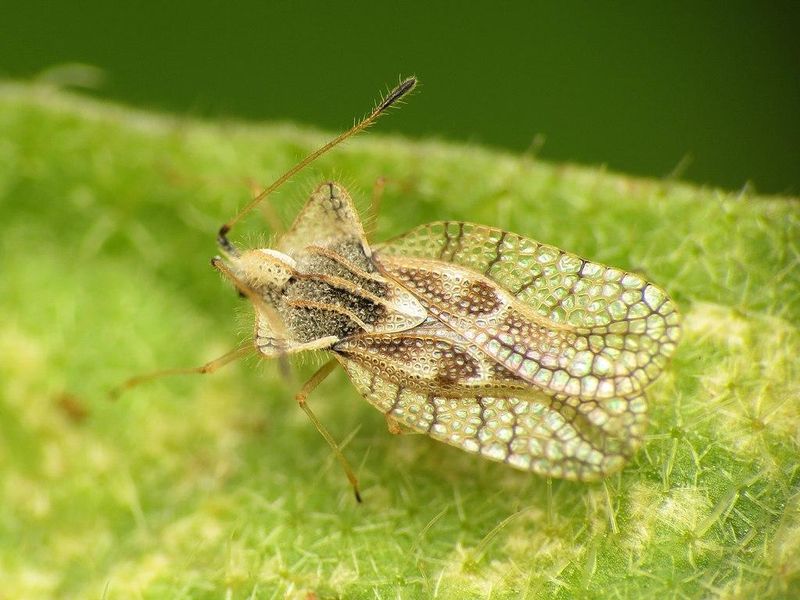
Azalea lace bugs are tiny, but the damage they cause is anything but small. These insects spend their time feeding on the undersides of leaves, draining the plant of sap and leaving behind a telltale stippled, silvery discoloration on the upper leaf surface.
In North Carolina, lace bug populations explode quickly once temperatures warm after spring bloom, making early detection the most important weapon you have.
Make a habit of flipping over a few leaves every week or so and checking the undersides for the bugs themselves or their dark, sticky waste deposits.
Catching an infestation early, before it spreads across the entire plant, makes treatment much simpler and far more effective.
Azaleas growing in full sun locations across North Carolina are especially prone to lace bug problems because the insects prefer warm, exposed conditions over shaded spots.
Horticultural oil or insecticidal soap sprayed directly onto the undersides of affected leaves is the go-to treatment for most home gardeners.
Both options are effective and relatively gentle compared to stronger chemical treatments. Repeat applications may be needed every seven to ten days until the population is under control.
Moving heavily affected plants to a shadier spot, if possible, can also reduce future pressure from these pests.
Healthy, well-watered azaleas tend to recover from lace bug damage more readily than stressed plants, so keeping up with your other post-bloom care steps matters here too.
8. Provide Afternoon Shade In Hotter Spots

Azaleas are woodland plants at heart, and they have never been fans of blazing afternoon sun. Morning light suits them perfectly, giving them the energy they need for growth while sparing them from the intense heat that builds up later in the day.
In North Carolina, especially across the Coastal Plain and southern Piedmont, summer temperatures climb fast after spring, and full-sun exposure can stress azaleas enough to reduce next year’s bud formation.
If you have azaleas growing in exposed spots that get direct afternoon sun, now is a good time to think about adding some relief.
Nearby trees or tall shrubs that cast afternoon shade can make a dramatic difference in how well your azaleas handle summer heat.
Even partial shade during the hottest hours of the day helps the plant conserve moisture and maintain steady, healthy growth without going into stress mode.
For newly planted azaleas or those in particularly sunny North Carolina locations, a shade cloth temporarily set up during the hottest weeks can provide real protection while surrounding plants grow in and offer more permanent coverage.
Azaleas that receive the right balance of morning sun and afternoon shade consistently produce more flower buds, hold their foliage color better through summer, and enter fall in stronger overall condition.
A little shade planning after bloom makes a visible difference when those first spring flowers open again across North Carolina next year.