What North Carolina Butterfly Gardens Need In April To Attract More Species

Have you noticed a sudden flash of color in your backyard lately? As April temperatures climb across North Carolina, butterflies finally emerge from their winter hideouts to seek out fresh spring growth.
From the Blue Ridge Mountains to the coastal plain, our state becomes a busy highway for these delicate travelers. You don’t need a massive estate to help them on their journey.
A few thoughtful additions this month can transform an ordinary yard into a vital sanctuary.
By providing the right mix of food and shelter, you can attract a stunning variety of species to your garden.
1. Early Spring Nectar Brings In More Butterflies
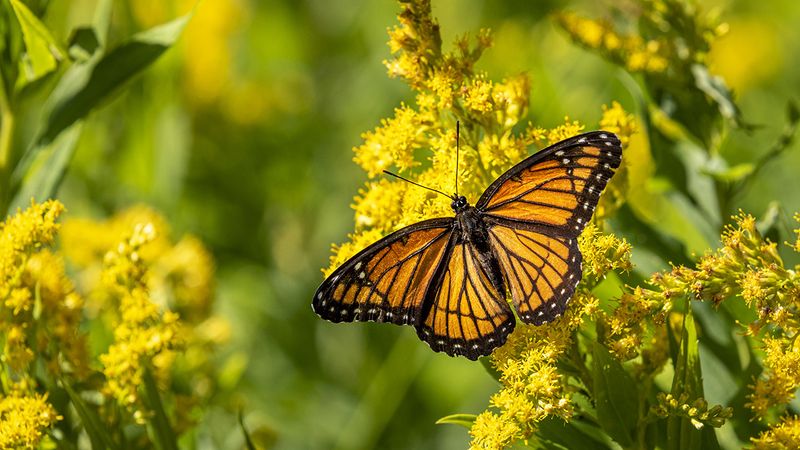
By mid-April across North Carolina, the first wave of butterflies is already on the move, and what they find in your garden can decide whether they linger or keep flying.
Nectar is the fuel adult butterflies run on, and without early bloomers, even a well-designed garden can feel empty during the first weeks of spring.
Planting early-season nectar sources makes a real difference.
Native options like wild blue phlox, golden alexanders, and columbine tend to bloom right when spring butterflies, including Eastern tiger swallowtails and cabbage whites, are starting to appear.
These plants do not require a lot of fuss and tend to settle in well across many parts of the state.
Spacing out a mix of early, mid, and late bloomers means butterflies have reasons to visit from April all the way through fall. A garden that offers nectar in waves keeps species coming back rather than passing through.
Staggered blooms also support other pollinators, which makes the whole space feel more active and alive throughout the warmer months.
2. Host Plants Help More Butterflies Stay
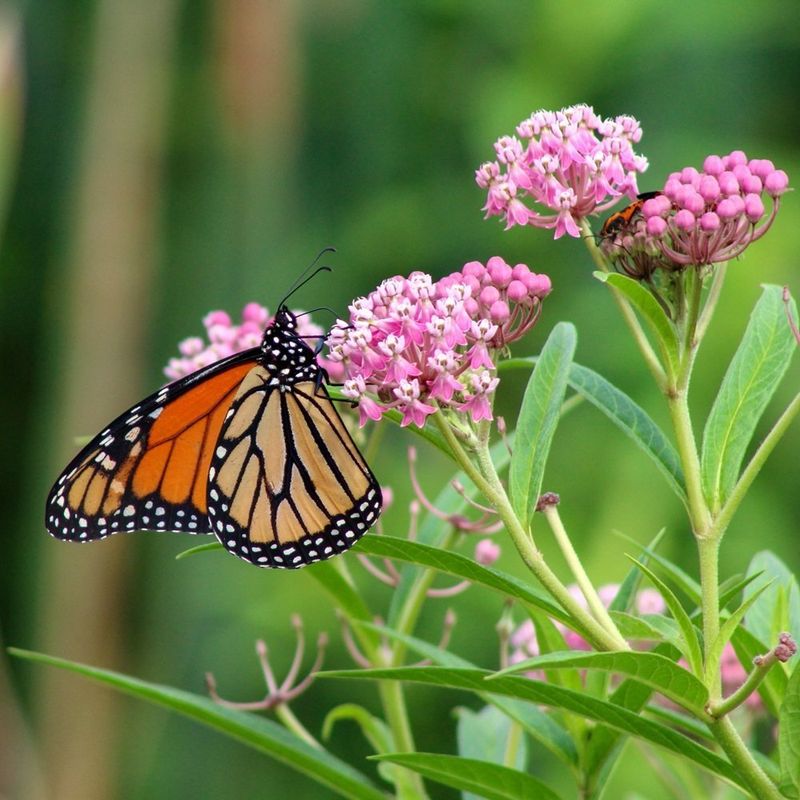
Nectar brings butterflies in, but host plants are what convince them to stay. A butterfly that finds a reliable place to lay eggs is far more likely to spend time in your garden than one that only passes through for a quick meal.
April is a great month to get host plants established before egg-laying season picks up.
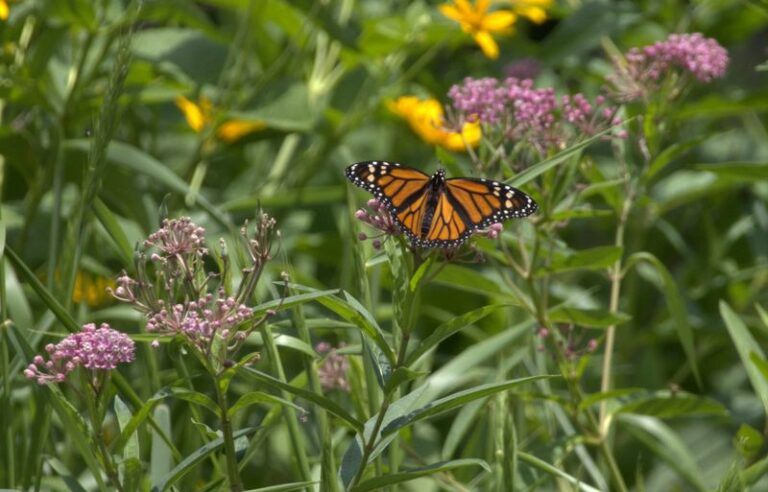
Milkweed is the most well-known host plant because monarch caterpillars depend on it entirely.
In North Carolina, native milkweed species like butterflyweed are a reliable choice since they follow natural seasonal patterns, supporting monarch behavior more consistently than non-native varieties that stay active through winter.
Spicebush supports spicebush swallowtails, pawpaw supports zebra swallowtails, and golden alexanders attract black swallowtails.
Matching host plants to the butterfly species you want to attract is one of the most effective strategies a gardener can use.
Each species has specific plants its caterpillars can eat, so broadening the variety of host plants broadens the variety of species you might see.
Even a small selection of three or four host plants can make a meaningful difference in how many butterflies choose your garden as a place to raise their young.
3. Sunshine Makes The Garden More Inviting
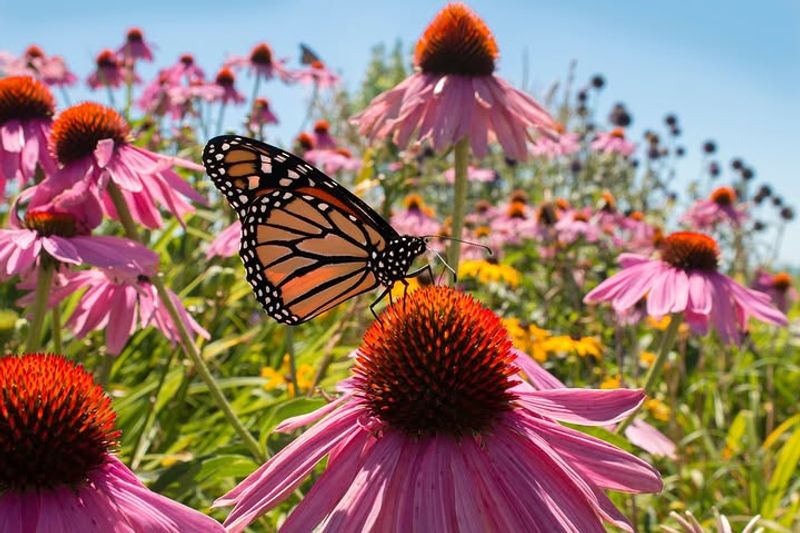
Butterflies are cold-blooded, which means they rely on outside heat sources to warm up enough to fly and feed.
Your North Carolina Garden Changes Every Week. Your Plan Should Too.
Gardening in North Carolina changes quickly throughout the season. Every Friday you’ll receive a simple weekly plan showing exactly what to plant, prune, fertilize, harvest, and protect so you never miss the right timing.
On cool April mornings across North Carolina, a garden with plenty of direct sunlight can attract butterflies much earlier in the day than a shaded one.
Sun exposure is one of those factors that often gets overlooked but makes a noticeable impact.
Most butterfly-friendly plants also prefer full sun, so designing a garden around a sunny spot tends to work out well on both counts. Aim for areas that receive at least six hours of direct sunlight daily.
South-facing garden beds and open spaces away from dense tree canopy are usually the most productive spots for butterfly activity in April.
Sunlight also warms the soil, which encourages plant growth and speeds up bloom times.
In the cooler parts of North Carolina, like the western mountains, where April temperatures can still swing quite a bit, a sun-drenched garden spot can extend the hours butterflies are comfortable being active.
Placing nectar plants in these sunny areas means butterflies spend more time foraging and are more likely to encounter host plants nearby, which increases the chance they will settle in for longer.
4. Puddling Spots Give Butterflies What They Need
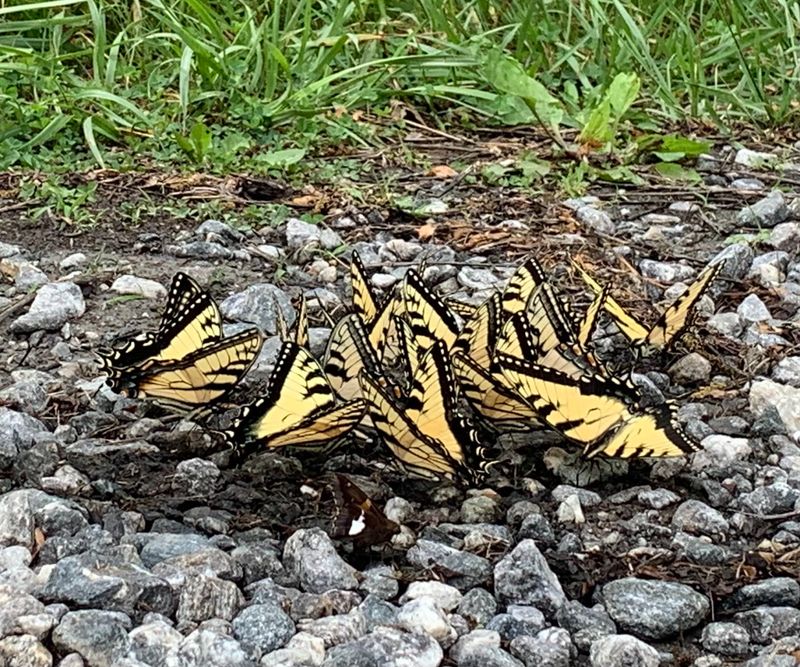
Most people know butterflies feed on nectar, but fewer realize they also seek out moisture from the ground.
Puddling is the behavior where butterflies gather at damp soil, mud, or shallow water to drink and absorb minerals like sodium and amino acids that nectar alone does not provide.
Male butterflies puddle most often, using those nutrients to support reproduction.
Creating a puddling spot is surprisingly easy. A shallow dish, a patch of bare moist soil, or a low container filled with sand and a little water works well.
Placing it in a sunny area of the garden near nectar plants means butterflies can move between feeding and puddling without traveling far. Adding a pinch of wood ash or a small amount of composted material to the soil can make the spot even more attractive.
In April, when North Carolina gardens are waking up and butterfly activity is increasing, having a puddling station ready gives visiting species one more reason to linger.
On warm spring afternoons, it is not unusual to see several butterflies gathered at a single damp spot.
Eastern tiger swallowtails are especially known for this behavior and are one of the most common large butterflies in North Carolina during spring.
5. Warm Rocks Create Good Resting Places

Flat rocks placed in sunny areas of the garden serve a purpose that goes beyond decoration. Butterflies use warm surfaces to thermoregulate, spreading their wings to absorb heat and raise their body temperature so they can stay active.
On April mornings in North Carolina, when air temperatures are still on the cool side, a sun-warmed rock can be exactly what a butterfly needs to get moving.
Dark-colored stones absorb heat more efficiently than light ones, making them especially useful for early morning basking.
Arranging a few flat rocks near nectar plants or along the edge of a garden bed creates natural resting stations that blend into the landscape without looking out of place.
Granite, slate, and fieldstone all work well and are easy to find at garden centers or landscape supply stores across the state.
Painted ladies, fritillaries, and swallowtails are among the species most commonly seen basking on rocks in spring gardens.
Providing these resting spots does not require much effort or expense, but the payoff in butterfly activity can be quite noticeable.
A garden that offers both food and comfortable resting places is far more likely to attract a broader range of species than one that only focuses on plants.
6. Shelter Helps Butterflies Feel Protected
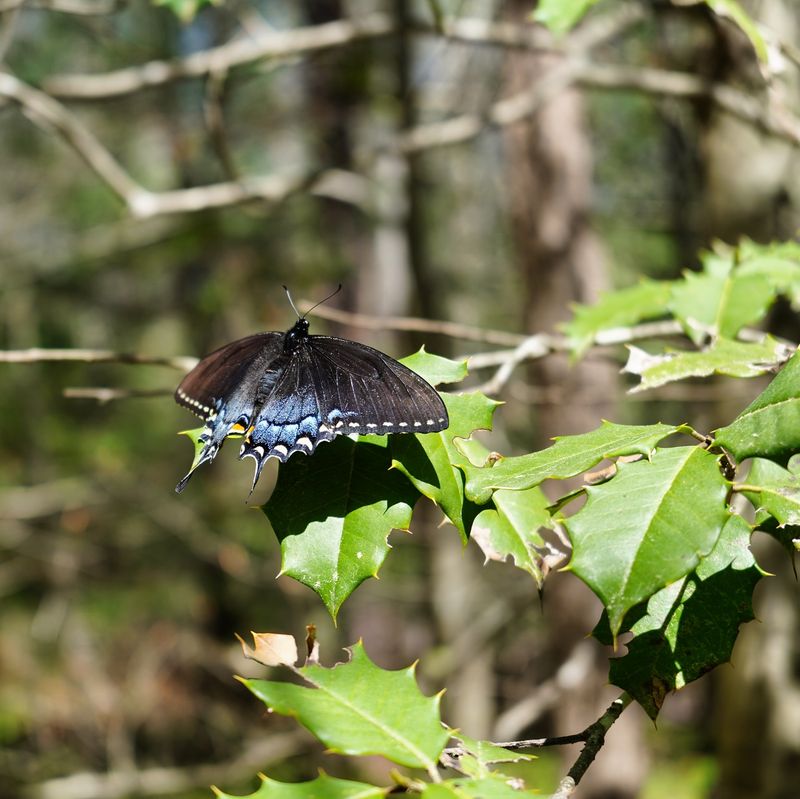
Wind is one of the less obvious challenges butterflies face in April, especially in parts of North Carolina where spring weather can shift quickly. Strong breezes make it harder for butterflies to fly, feed, and find mates.
A garden that includes natural windbreaks gives butterflies a place to wait out gusty conditions and stay close to food sources.
Native shrubs work well as shelter because many of them also double as host plants or nectar sources. Spicebush is a standout option since it provides cover and serves as a host plant for spicebush swallowtails.
Beautyberry, native viburnums, and buttonbush are other shrubs that offer shelter while supporting wildlife more broadly.
Planting them along the north or west side of a garden bed can reduce wind exposure across the whole space.
Shelter does not have to mean a formal hedge or structured planting. Even a loose grouping of shrubs or tall native grasses along the garden edge can create a calmer microclimate that butterflies seem to prefer.
In the western mountains and foothills of North Carolina, where spring winds can be more persistent, adding shelter elements early in the season can make a garden significantly more welcoming to butterflies throughout April and beyond.
7. Plant Groups Make Flowers Easier To Find
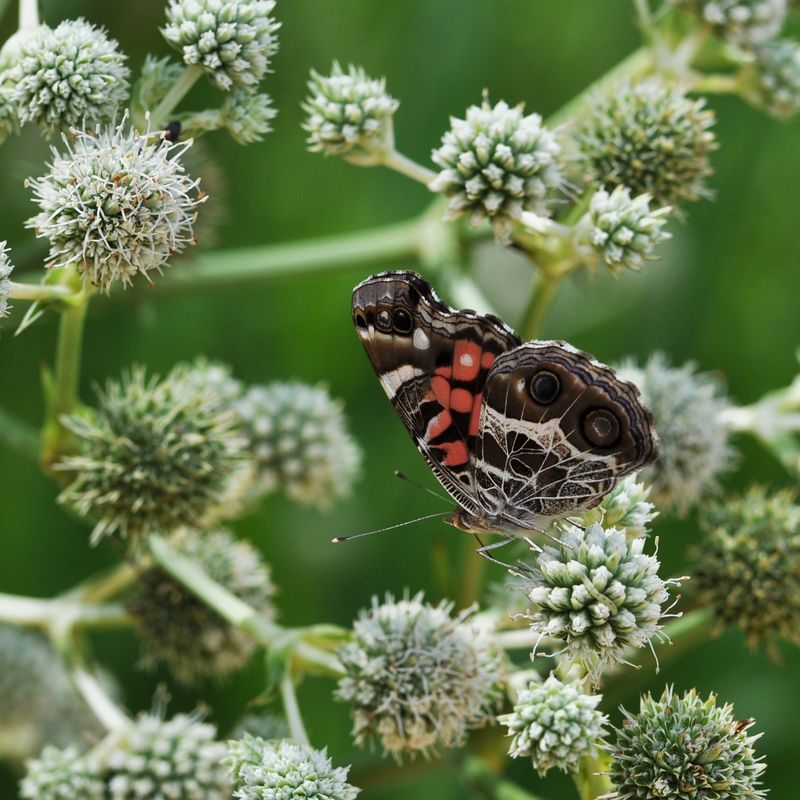
Scattered single plants are easy to overlook, but a bold cluster of the same flower is hard for a butterfly to miss.
Grouping plants together in masses rather than spacing them individually across the garden makes nectar sources more visible from a distance and more rewarding once a butterfly arrives.
Research into pollinator behavior supports this approach, and it holds up well in real garden settings across North Carolina.
A cluster of five to seven plants of the same species creates a stronger visual signal and a more efficient feeding stop. Butterflies can move from flower to flower within the group without having to use much energy, which makes the visit more worthwhile.
Groups of native phlox, golden alexanders, or butterfly weed tend to draw steady butterfly traffic during April when blooms are fresh and plentiful.
For gardeners working with limited space, grouping plants also makes the garden look more intentional and put-together.
A few well-placed clusters can have more impact than a larger number of isolated plants spread across a wide area.
Mixing two or three species in a single grouping, as long as their bloom times overlap, can extend the value of each planting area and keep butterflies returning to the same spot over several weeks.
8. A Less Tidy Corner Gives Butterflies More Space
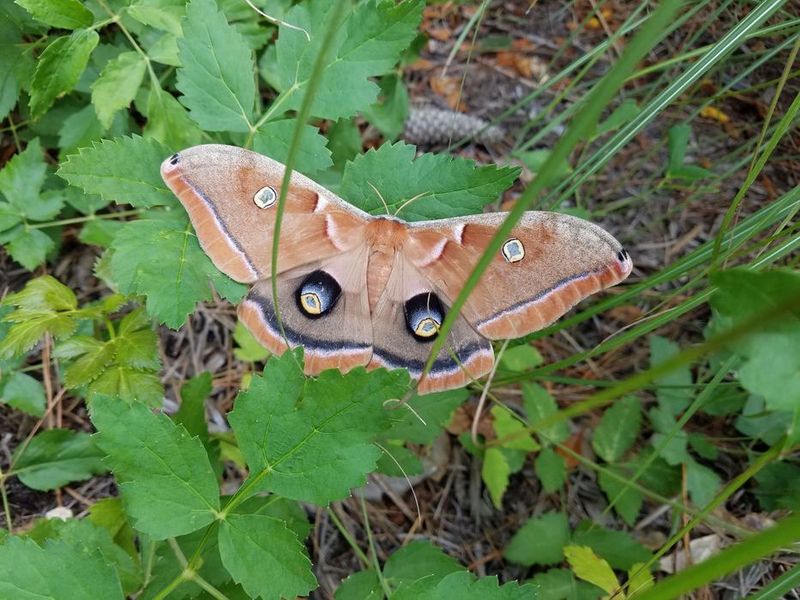
Spring cleanup can feel satisfying, but clearing every corner of the garden in April can remove habitat that butterflies and their caterpillars depend on.
Some butterfly species spend the winter tucked into leaf piles, under bark, or nestled in hollow plant stems.
Leaving a small, less-manicured area of the garden undisturbed gives those individuals a chance to emerge on their own schedule.
A wild corner does not need to be large or messy-looking to be useful.
A section of the garden left with some leaf litter, a few dried plant stalks, and a patch of native groundcover can provide shelter for emerging butterflies and egg-laying spots for early spring species.
Eastern commas, question marks, and mourning cloaks are among the North Carolina butterflies that overwinter as adults and benefit from this kind of undisturbed habitat.
Letting go of the idea that every inch of the garden needs to be neat and tidy is one of the more freeing shifts a butterfly gardener can make. Nature rarely works in straight lines or perfectly cleared beds.
Embracing a little controlled wildness, especially in one designated corner, can quietly become one of the most productive parts of the whole garden in terms of butterfly activity each spring.
9. Native Grasses Support More Life In The Garden
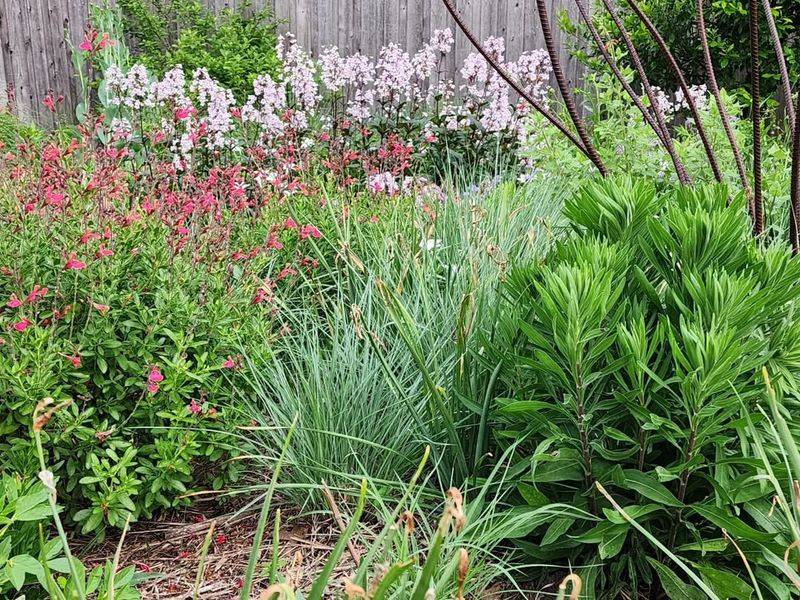
Native grasses tend to get overlooked in butterfly garden planning, but they play a quiet and important role in supporting a wider range of species.
Many skipper butterflies, which are often mistaken for small moths, rely on native grasses as host plants for their caterpillars.
Without grasses in the garden, this whole group of butterflies may never show up at all.
Little bluestem, river oats, and Virginia wild rye are all native to North Carolina and work well in garden settings. They provide structure, texture, and movement, and they tend to hold up through wind and rain better than many flowering plants.
As bunch grasses, they also create small pockets of sheltered space at ground level that caterpillars and other small insects can use.
Adding even a few clumps of native grass alongside flowering plants can noticeably increase the variety of butterfly species visiting the garden.
Skippers are often the most common butterflies in a well-planted space, and they can be quite beautiful up close with their golden or spotted wing patterns.
Grasses also pair well visually with wildflowers, giving the garden a natural, layered look that feels like a genuine piece of North Carolina landscape rather than a formal planting bed.
10. Fewer Sprays Make The Garden Safer
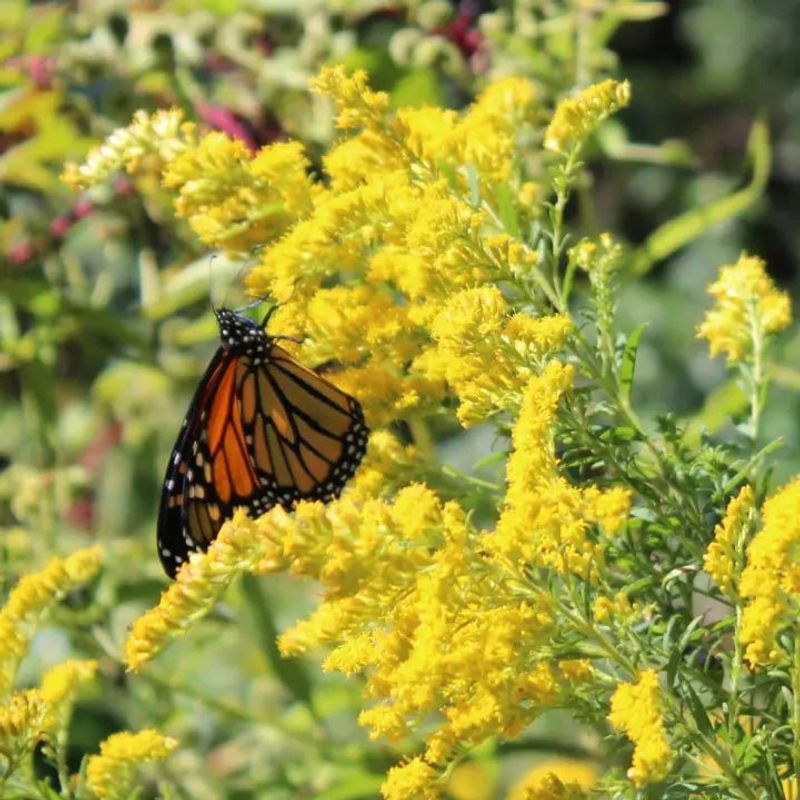
Even products labeled as safe for general garden use can harm butterflies and their caterpillars if applied during active feeding or egg-laying periods.
April is one of the most sensitive months in North Carolina because adult butterflies are beginning to lay eggs on host plants, and those eggs and tiny caterpillars are especially vulnerable to chemical exposure.
Reducing or eliminating sprays during this period can have a meaningful effect on how many butterflies successfully complete their life cycle in the garden.
Insecticides, including some organic options, do not always distinguish between pest insects and beneficial ones. Broad-spectrum sprays can reduce butterfly populations even when applied with good intentions.
Spot-treating specific pest problems by hand, using physical barriers, or simply tolerating minor plant damage tends to work better in a butterfly-focused garden than reaching for a spray bottle.
A garden that relies on natural balance tends to develop its own rhythm over time. Predators like spiders, birds, and parasitic wasps help manage pest populations without the need for chemical intervention.
Accepting that a few leaves will show some chewing damage is part of the deal when gardening for butterflies.
In North Carolina, where butterfly diversity can be genuinely impressive in spring, keeping the garden spray-free during April is one of the most impactful choices a gardener can make.