What North Carolina Coneflowers Need In Early Spring For Long-Lasting Blooms

Could the secret to a summer-long explosion of North Carolina coneflowers be hidden in the first few weeks of spring?
While these hardy perennials seem like the ultimate “set it and forget it” plant, a little early-season attention can transform a few quick blooms into a non-stop parade of color.
Whether you’re gardening in the slow-to-wake Blue Ridge Mountains or the fast-moving coastal plain, your coneflowers are currently shaking off the winter chill.
By focusing on essentials like cleanup, drainage, and rich compost now, you help them build the stamina needed for the Piedmont’s erratic spring swings.
Giving them this head start ensures strong stems and vibrant petals that last until autumn.
1. Cut Back Old Stems To Make Room For Fresh Growth

Those tall, straw-colored stems left standing since fall have done their job feeding birds through winter, but once you spot tiny green shoots pushing up from the base, it is time to clear the way.
Cutting old stems back to just a few inches above the soil helps new growth find sunlight quickly without fighting through a tangle of old material.
This step is especially satisfying because the results show up fast.
In North Carolina’s mountains, where spring arrives later, you may wait until late March or even early April before shoots appear. Piedmont and coastal gardeners often see growth popping up as early as late February.
Paying attention to what is actually happening in your garden beats following a fixed calendar date every time.
Use clean, sharp pruners to make neat cuts rather than yanking or tearing stems. Tearing can disturb the crown of the plant and slow recovery.
Snip each stem cleanly, collect the debris, and add it to your compost pile if the material shows no signs of disease. This simple task sets the whole season up for success and takes less than fifteen minutes for most garden beds.
2. Clear Away Winter Debris Around The Base
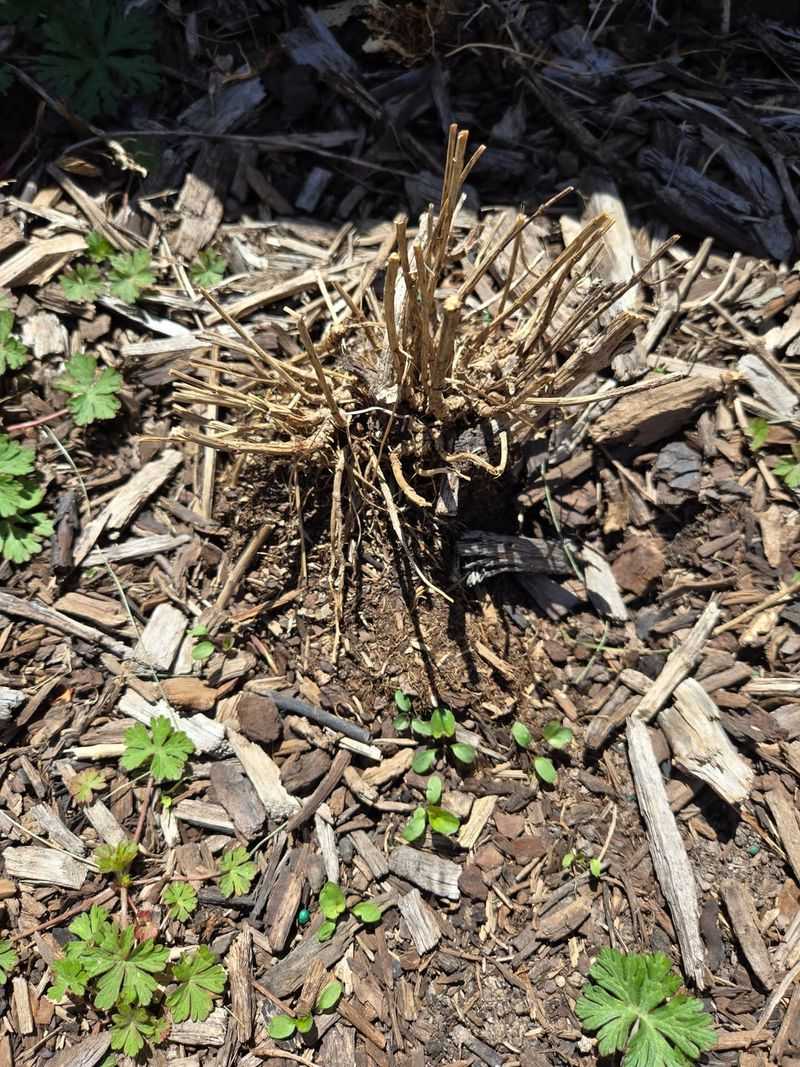
Soggy leaves and packed mulch sitting directly on top of coneflower crowns through winter can cause real problems once warmer temperatures arrive.
That layer of debris traps moisture against the plant’s base, which invites fungal issues and slows the emergence of new shoots.
A quick cleanup session in early spring pays off well into summer.
Rake or gently pull away old leaves, matted organic material, and any remaining winter mulch that sits right against the crown. You do not need to remove every last bit of mulch from the bed, just clear a few inches of breathing room around each plant’s base.
Fresh air reaching the crown helps prevent rot and encourages faster, healthier sprouting.
Coastal North Carolina gardeners sometimes deal with extra debris from winter storms, while mountain gardeners may uncover crowns that were buried under heavier mulch applied for frost protection.
Either way, the goal is the same: give each plant a clean, open space to push new growth upward without obstruction.
Clearing debris also gives you a chance to check each plant’s condition up close, so you can spot any issues before they have time to spread across the bed.
3. Check Soil Drainage Before Growth Speeds Up
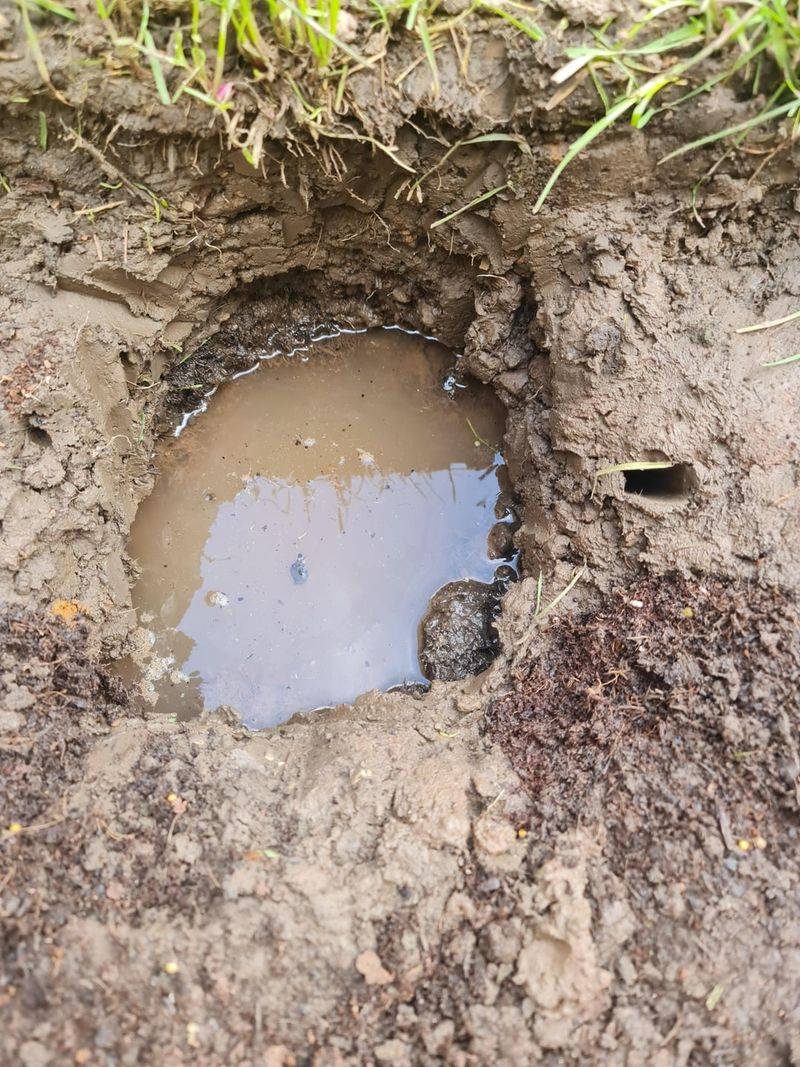
Coneflowers are famously tough, but one thing they genuinely dislike is sitting in waterlogged soil. Early spring, before the growing season picks up speed, is the perfect moment to check whether your garden bed drains well after heavy rain.
North Carolina gets a fair amount of spring rainfall, and poorly drained spots can stress roots before you even realize something is wrong.
A simple drainage test works well here. Dig a hole about twelve inches deep and fill it with water.
If the water drains away within an hour or two, your drainage is fine. If it is still sitting there several hours later, you may need to amend the soil or consider raised beds for your coneflowers.
Clay-heavy Piedmont soils are particularly prone to poor drainage, while sandy coastal soils often drain too quickly and may need organic matter to hold moisture better.
Mountain garden soils vary widely depending on slope and underlying rock.
Mixing compost into dense soil improves structure over time, but for severely compacted spots, raised planting beds offer a more reliable long-term fix.
Getting drainage right before plants hit their active growth phase protects your investment and sets up a season of strong, healthy blooming.
4. Add Compost For A Strong Start To The Season

Reaching for a bag of synthetic fertilizer might seem like the fastest way to boost your coneflowers in spring, but compost actually does more for these plants over the long run.
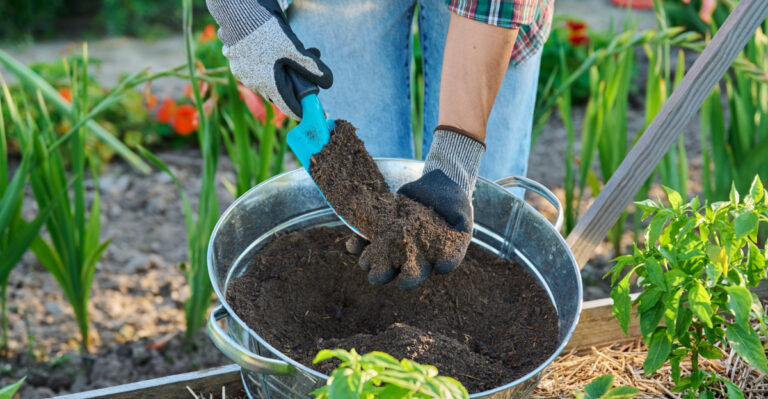
A two-inch layer of finished compost spread around the base of each plant feeds soil organisms, improves moisture retention, and slowly releases nutrients as the season progresses.
It is one of the most practical things you can do in early spring.
Coneflowers are native to North America and evolved in relatively lean, well-drained soils, so they do not need or want heavy feeding.
Compost strikes the right balance by enriching the soil without overloading it with nitrogen, which can push leafy growth at the expense of flowers.
The goal is more blooms, not taller leaves.
Work the compost gently into the top inch or two of soil around each plant, being careful not to bury the crown. Homemade compost, aged leaf mold, or bagged compost from a garden center all work well.
North Carolina gardeners who add compost each spring consistently report fuller, longer-blooming coneflower patches compared to those who skip the step.
It takes about twenty minutes per bed and makes a noticeable difference by midsummer.
5. Hold Back On Heavy Fertilizer In Early Spring

It is tempting to give hungry-looking plants a big boost of fertilizer as soon as spring arrives, but coneflowers actually perform better when you resist that urge.
Too much nitrogen early in the season pushes the plant to produce a lot of lush, dark green foliage, and that energy comes at the expense of flower production.
You end up with impressive leaves and disappointing blooms.
Coneflowers are naturally adapted to soils that are not particularly rich, which is part of what makes them so resilient in North Carolina’s varied landscapes.
A light application of a balanced, slow-release fertilizer is fine if your soil is genuinely poor, but most established coneflower beds benefit more from compost than from granular or liquid fertilizers.
Let the plant work with its environment rather than against it.
If you did add compost in early spring, that is likely all the nutrition your coneflowers need to get started.
New transplants may appreciate a diluted balanced fertilizer once during establishment, but mature clumps rarely need extra feeding.
Holding back on fertilizer also reduces the risk of attracting certain pest insects that are drawn to overly lush, nitrogen-rich foliage. Less really is more when it comes to feeding these tough, self-reliant perennials.
6. Give Coneflowers Plenty Of Sun From The Start
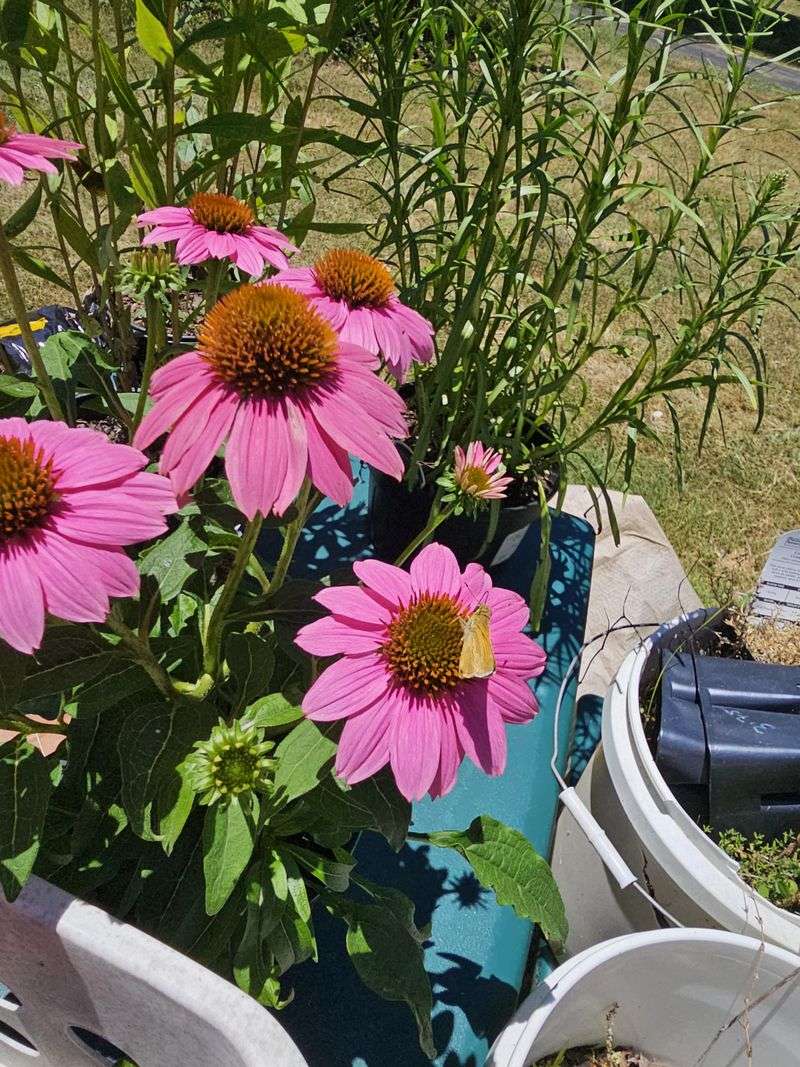
Coneflowers are sun-lovers through and through, and getting them positioned in a bright spot from the very beginning of the season makes a measurable difference in how well they bloom.
Plants that spend early spring in too much shade tend to stretch toward the light, producing weak stems that flop over by midsummer and significantly fewer flowers than their sun-grown counterparts.
Full sun means at least six hours of direct sunlight daily, and more is generally better for coneflowers.
In North Carolina, where summer heat can be intense, some afternoon shade in the hottest inland areas might help plants stay comfortable during peak summer, but early spring sun is always beneficial.
Coastal gardeners in particular have long, bright spring days that coneflowers take full advantage of.
If your coneflowers have been gradually shaded out by nearby shrubs or trees that have grown over the years, early spring is a good time to assess the situation before full leaf-out makes it harder to judge light levels.
Pruning overhanging branches or relocating plants to a sunnier bed can dramatically improve bloom performance.
Coneflowers that get generous sunlight from the moment they wake up in spring develop stronger root systems, sturdier stems, and a noticeably longer bloom season throughout summer and into fall.
7. Water Deeply If Spring Turns Dry

North Carolina springs can swing between soggy and surprisingly dry depending on the year, and coneflowers that are just waking up from dormancy are more vulnerable to moisture stress than fully established summer plants.
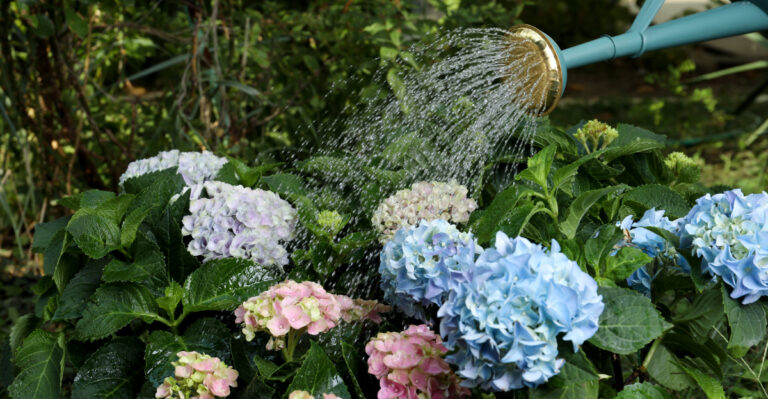
If several weeks pass without meaningful rainfall during early spring, a deep watering session can protect young shoots as they push upward and help roots expand before summer heat arrives.
Deep watering means applying enough water to soak down six to eight inches into the soil, encouraging roots to grow downward rather than staying shallow near the surface.
Shallow roots make plants more vulnerable during dry summer stretches, while deep-rooted coneflowers can tap into soil moisture that surface-level watering never reaches.
Water slowly at the base of the plant rather than overhead to keep foliage dry.
Mountain regions in North Carolina often receive adequate spring rainfall and may rarely need supplemental watering early in the season.
Piedmont and coastal gardens, especially those with sandier soils, can dry out faster between rain events.
A simple soil check works well: push a finger two inches into the soil near the plant. If it feels dry at that depth, it is a good time to water.
If it still feels moist, hold off and check again in a couple of days.
8. Watch For Crowded Clumps That Need Dividing

Coneflowers spread steadily over the years, and a clump that looked perfectly sized three seasons ago can become overcrowded without you noticing until bloom quality starts to drop.
Crowded plants compete for water, nutrients, and light, and the flowers tend to get smaller and less abundant as a result.
Early spring, just as new growth is emerging but before stems get tall, is the ideal window to divide clumps that have outgrown their space.
Look for clumps that are noticeably wider than they were last year, or patches where the center of the plant seems thin and weak while the outer edges are more vigorous. That hollow-center pattern is a classic sign that division is overdue.
Carefully lift the entire clump with a garden fork, then use a sharp spade or knife to separate it into sections, each with healthy roots and several visible shoots attached.
Replant divisions at the same depth they were growing before, water them in well, and keep the soil consistently moist for the first few weeks while they settle in.
Divisions can also be shared with neighbors or moved to fill gaps elsewhere in the garden.
North Carolina gardeners who divide coneflowers every three to four years consistently enjoy fuller, more productive plants with noticeably better bloom displays each summer.
9. Leave Space For Airflow And Healthier Plants
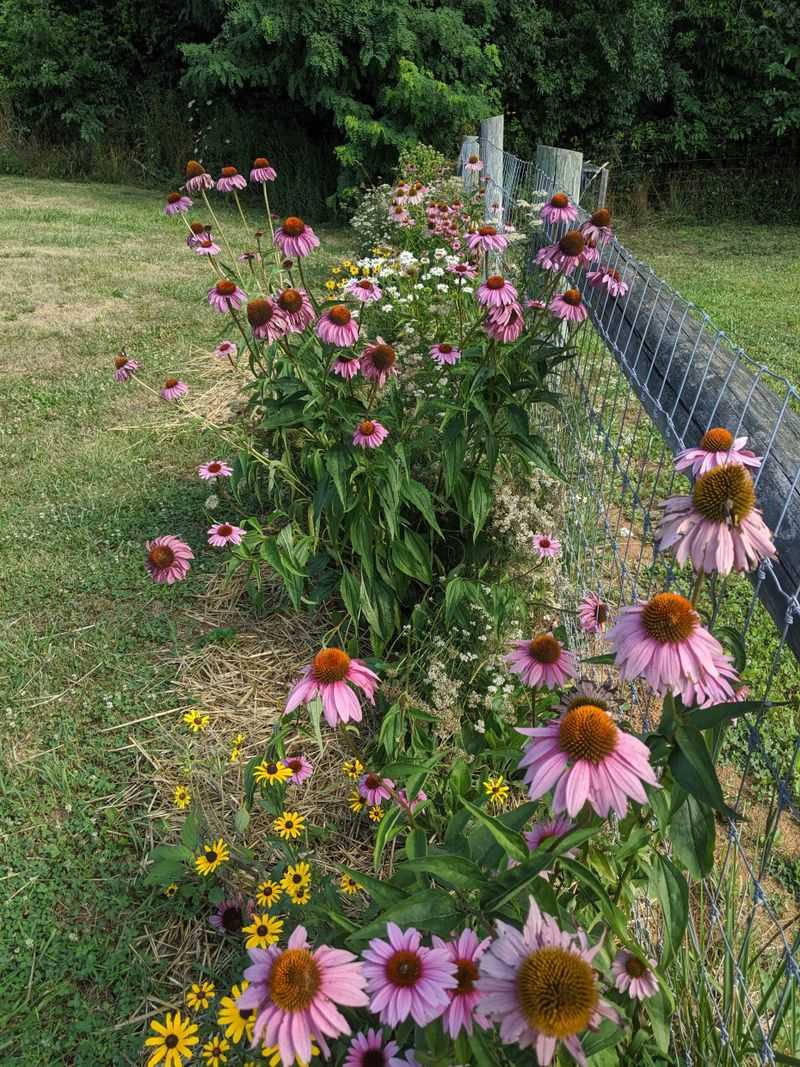
Planting coneflowers too close together might look lush at first, but tight spacing creates a humid microclimate between stems that encourages powdery mildew and other fungal problems, particularly in North Carolina’s warm, humid summers.
Early spring is the right time to evaluate spacing before plants fill out and make the problem harder to address without disturbing established roots.
Most coneflower varieties do best with about eighteen to twenty-four inches of space between plants. That gap allows air to circulate freely around stems and leaves, which helps foliage dry out faster after rain or morning dew.
Good airflow is one of the simplest and most effective ways to keep coneflowers healthy without reaching for any kind of spray or treatment.
If your existing bed is already too crowded, early spring division offers a practical solution. Lift and thin the planting, replanting divisions at proper spacing or moving extras to a new location.
Coastal North Carolina gardeners deal with higher humidity than mountain growers, making proper spacing even more important along the coast.
A little extra room between plants in spring translates directly into fewer disease problems, stronger stems, and a longer, more colorful bloom season that carries well into the cooler days of early fall.