What North Carolina Crepe Myrtles Need In Early Spring For Better Summer Blooms
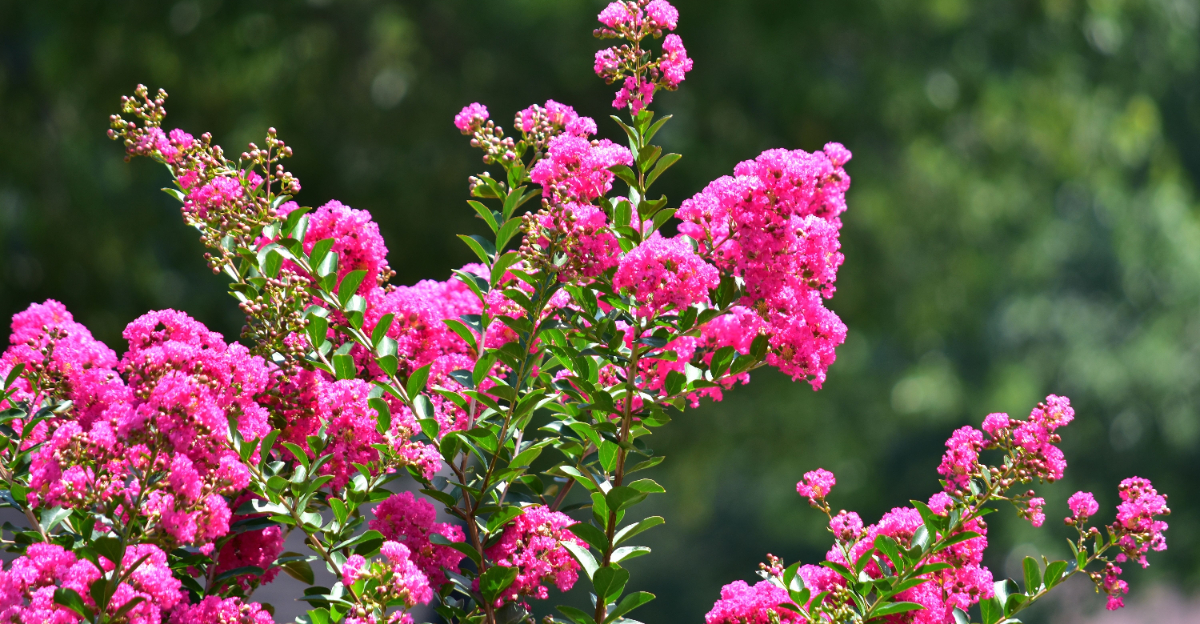
North Carolina landscapes would feel empty without the vibrant canopy of a blooming crepe myrtle. These trees are the undisputed crowns of Southern summers, turning local neighborhoods into a sea of pink, purple, and white.
However, many homeowners mistakenly believe these hardy plants are purely self-sufficient. The truth is that the legendary floral displays you see in the height of July are actually decided during the unpredictable weather of early spring.
This is the narrow window where a few intentional moves can transform a standard tree into a neighborhood showstopper. If you miss this timing, you risk thin growth and lackluster flowers that fade long before Labor Day.
Taking action now ensures your tree has the structural strength and nutrient levels required to explode with color once the heat settles in. It is time to stop guessing and start preparing your garden for the most impressive blooming season your yard has ever seen.
1. Prune In Early Spring For Stronger Growth
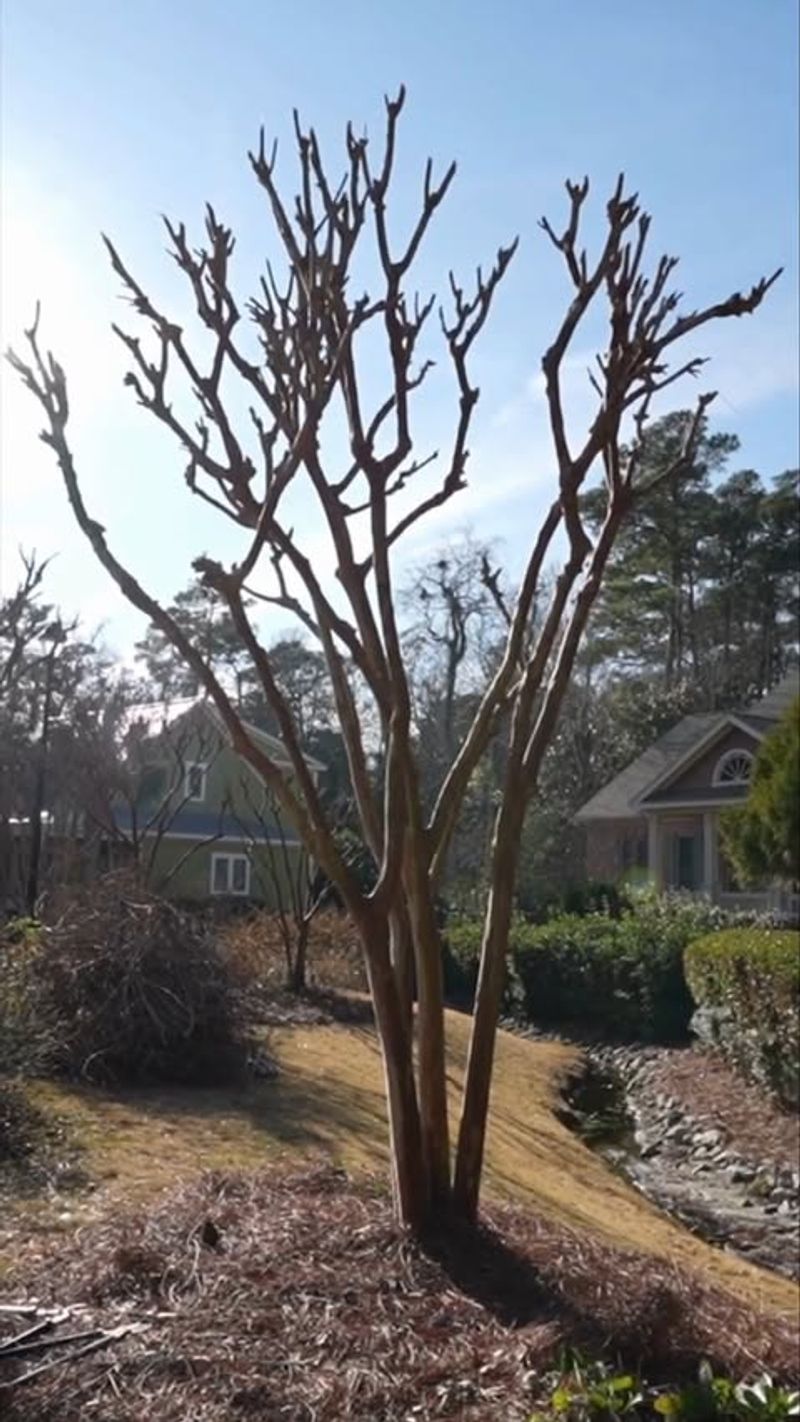
Smart pruning is one of the best gifts you can give your crepe myrtle before summer arrives.
When you trim your tree in early spring, right before new growth begins to push out, you are setting the stage for a much stronger and more productive growing season ahead.
North Carolina gardeners who prune at the right time almost always see more vigorous flowering by midsummer.
Focus on removing any branches that are crossing over each other, rubbing together, or growing in awkward directions. Clearing these out improves air circulation through the canopy and lets sunlight reach more of the tree.
Better airflow also helps reduce the risk of fungal issues that can creep in during North Carolina’s humid summer months.
Use sharp, clean pruning shears so you get smooth cuts that heal quickly. Ragged cuts invite pests and slow down recovery time significantly.
Always prune back to a healthy bud or branch junction rather than cutting randomly in the middle of a stem. Removing any thin, weak, or twiggy growth from the interior of the tree also helps redirect the plant’s energy toward producing thicker, stronger stems.
Those stronger stems are exactly what carry the biggest and most colorful flower clusters every summer. A well-pruned crepe myrtle in spring is a bloomin’ powerhouse come July.
2. Avoid Heavy Pruning At All Costs
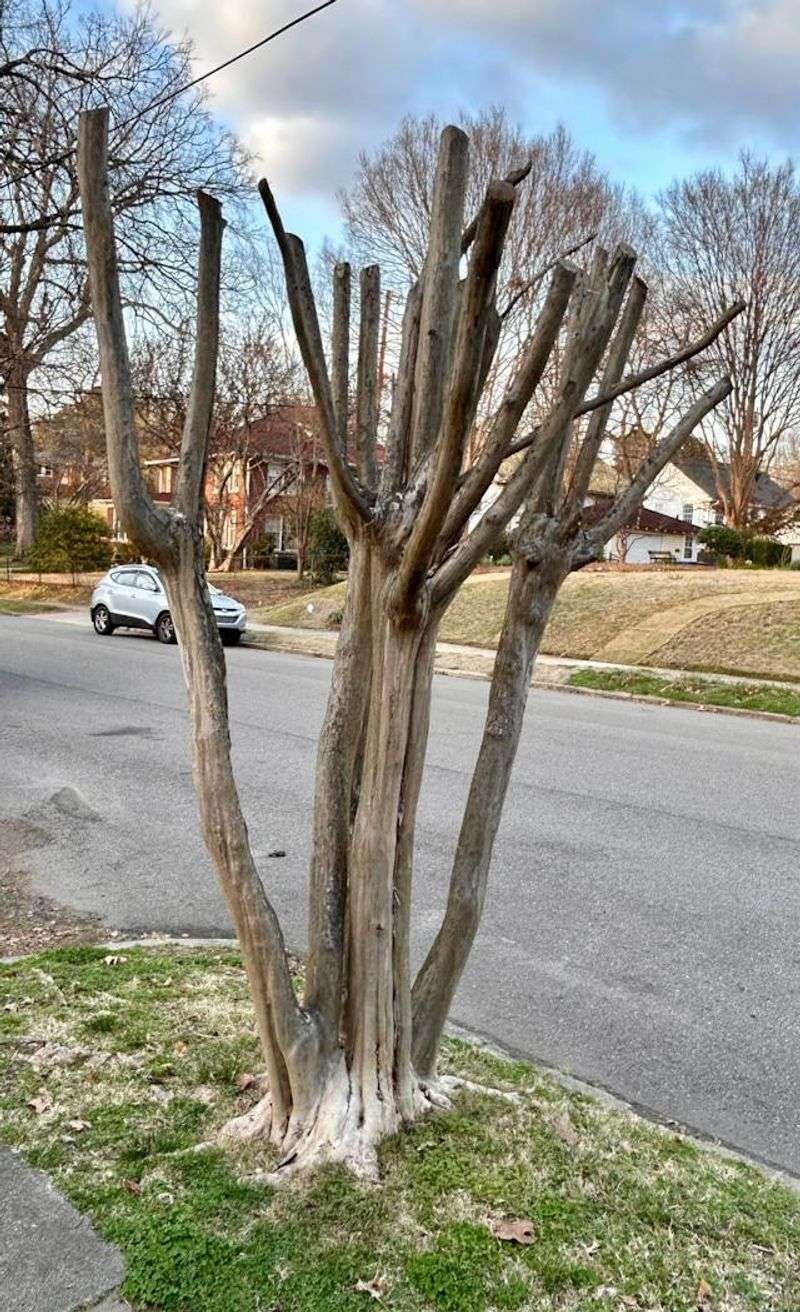
There is a gardening habit so common in the South that it even has its own nickname: crepe murder. Heavy topping of crepe myrtles, where the main branches are cut back to thick stubs, is unfortunately widespread across North Carolina neighborhoods.
While it might seem like a bold way to control size, it actually does serious harm to the tree’s natural structure and dramatically reduces its ability to produce flowers.
When you top a crepe myrtle aggressively, it responds by sending up a mass of weak, fast-growing shoots from the cut points. Those shoots are spindly, crowded, and structurally fragile.
They also divert a huge amount of energy away from flower production, which means fewer blooms and a less attractive tree overall. The knobby stubs left behind from repeated heavy cutting become permanent and unsightly over time.
Light shaping is really all your crepe myrtle needs each spring. Focus on removing any suckers growing from the base of the trunk, which compete for nutrients and energy.
Snip off seed pods left over from last season and tidy up the overall silhouette without going overboard. If your tree has outgrown its space, consider replacing it with a more compact variety suited to the area rather than hacking it back every year.
Choosing the right-sized variety from the start saves a lot of trouble later on.
3. Fertilize With The Right Products For Big Blooms
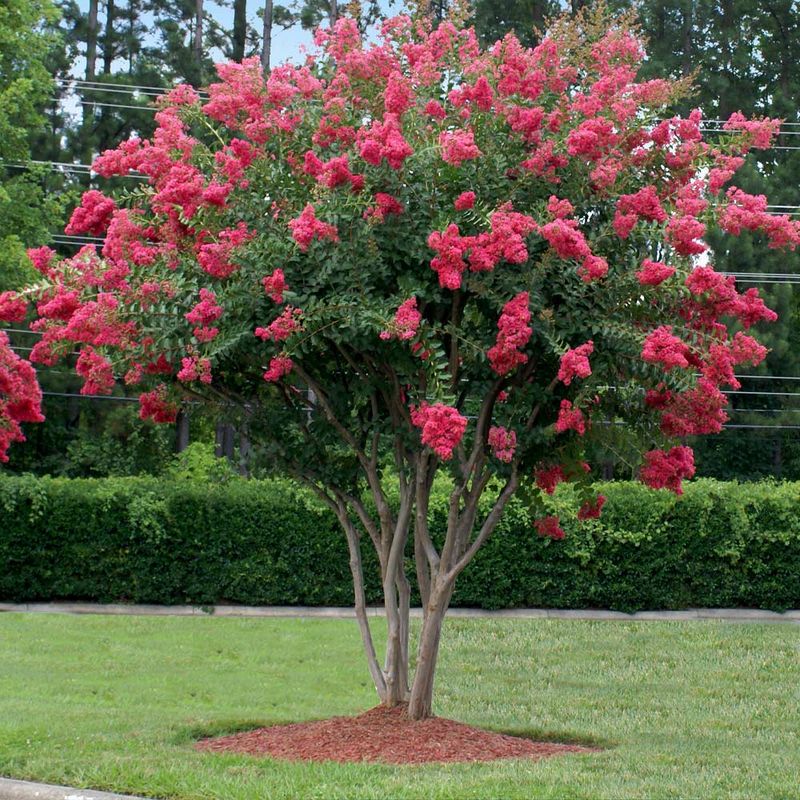
Feeding your crepe myrtle at the right time with the right fertilizer can seriously transform your summer bloom show.
Early spring, just as the soil begins to warm up and the tree shows its first hints of new growth, is the ideal window to apply a balanced slow-release fertilizer.
North Carolina gardeners who fertilize at this stage consistently report fuller, more vibrant flower clusters throughout the summer season.
One thing to watch closely is the nitrogen content in whatever fertilizer you choose. High-nitrogen fertilizers push a lot of leafy green growth, which sounds good but actually works against flower production.
You want a product with a balanced or slightly lower nitrogen ratio, something like an 8-8-8 or 10-10-10 formula, so the tree puts its energy into blooming rather than just growing taller and leafier.
Sprinkle the fertilizer evenly around the drip line of the tree, which is the outer edge of the canopy, and water it in well after applying. Avoid piling fertilizer directly against the trunk, as that can cause problems for the bark over time.
A second light feeding in early summer can extend your bloom season even further. Always follow the label directions on your chosen product, since over-fertilizing is just as problematic as under-fertilizing.
Crepe myrtles are not heavy feeders, so a little goes a long way toward producing spectacular summer color.
4. Mulch Around The Base To Protect Roots
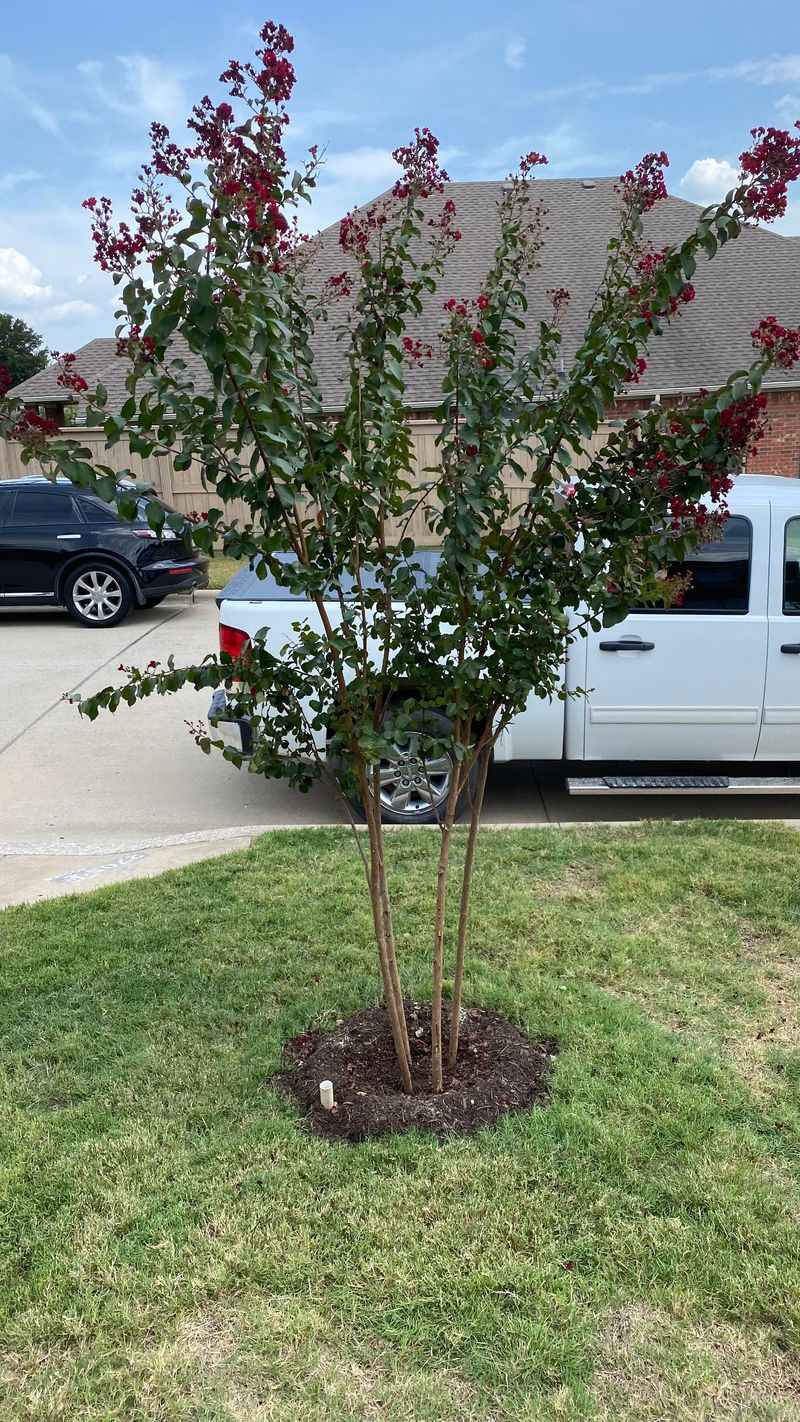
Mulching might not be the most exciting gardening task, but it is one of the most effective things you can do for your crepe myrtle each spring.
A fresh layer of mulch around the base of your tree does several important jobs all at once, making it well worth the effort before North Carolina’s warmer months kick in. Think of it as giving your tree a protective blanket right when it needs it most.
Apply about two to three inches of organic mulch, such as shredded hardwood, pine bark nuggets, or wood chips, in a wide ring around the base of the tree.
This layer helps the soil hold onto moisture during dry spells, which are common in North Carolina during late spring and early summer.
It also keeps the soil temperature more stable, which encourages healthy root activity and reduces stress on the plant during temperature swings.
Mulch also does a great job of suppressing weeds that would otherwise compete with your crepe myrtle for water and nutrients. As the organic material breaks down over time, it gently improves the soil structure and adds nutrients naturally.
One important rule to remember is to keep the mulch a few inches away from the actual trunk of the tree.
Piling it up against the bark traps moisture and can lead to rot or pest problems. A proper mulch ring makes a big difference in bloom quality by summer.
5. Water Consistently But Never Overdo It
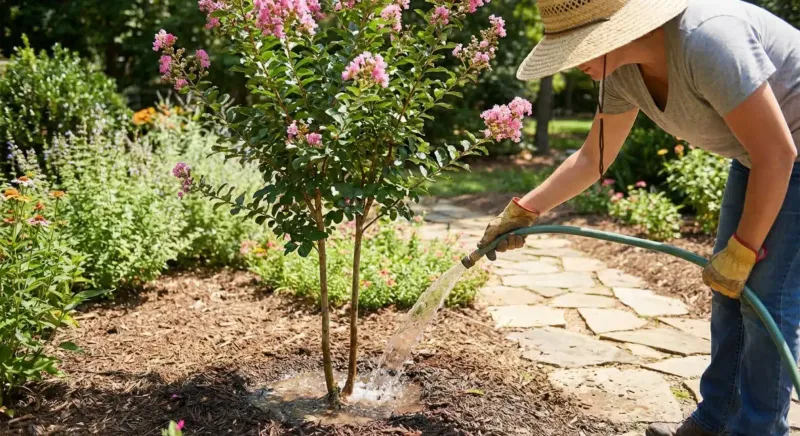
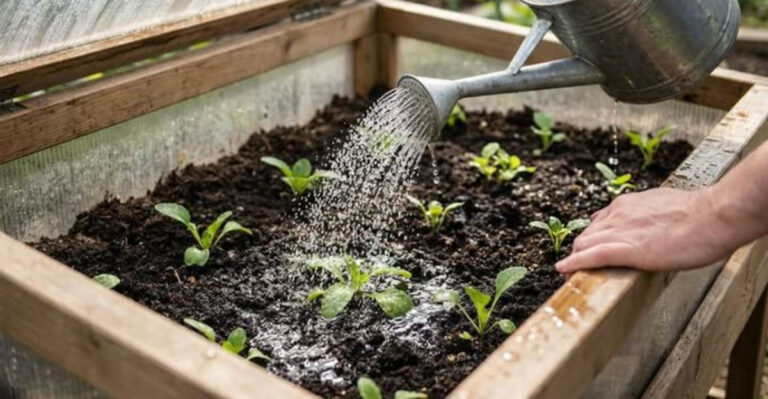
Crepe myrtles are known for being tough, but during early spring they are actively waking up and putting energy into new root and shoot growth. Consistent moisture during this period supports that process and sets the tree up for a strong blooming season.
North Carolina can experience some surprisingly dry stretches in March and April, so keeping an eye on soil moisture is genuinely important during those weeks.
Aim to give your crepe myrtle about one inch of water per week, either from rainfall or supplemental watering. The key is to water deeply rather than frequently and lightly.
A slow, deep watering session encourages the roots to grow downward into the soil, building a stronger and more drought-resilient root system over time.
Shallow, frequent watering tends to keep roots near the surface, which makes the tree more vulnerable during hot, dry summer conditions.
At the same time, crepe myrtles absolutely do not like sitting in waterlogged soil. Their roots need oxygen, and constantly wet conditions can lead to root rot, which seriously undermines the health of the tree.
Make sure water drains away from the root zone within a reasonable amount of time after watering.
If your soil stays soggy for hours after rain, that is a sign you may need to improve drainage before summer arrives. Healthy roots in spring mean a showstopping bloom display by July and August.
6. Check For Pests And Diseases Early On

Spring is pest season, and crepe myrtles in North Carolina are not immune to unwanted visitors.
Getting into the habit of inspecting your trees regularly in March and April gives you a real advantage, because catching problems early means they are far easier to manage before they spiral into something that impacts your summer blooms.
A quick weekly check takes only a few minutes and can save you a lot of frustration later. Aphids are one of the most common culprits, clustering on new tender growth and sucking out plant sap.
A heavy aphid infestation produces a sticky residue called honeydew, which then encourages a black sooty mold to develop on the leaves and bark.
Powdery mildew is another frequent issue in North Carolina, especially in areas with poor air circulation, and it shows up as a white, dusty coating on the leaves.
Crepe myrtle bark scale, a more recent pest problem in the Southeast, appears as white or gray crusty patches on the bark.
For aphids, a strong spray of water can knock them off, or you can apply insecticidal soap for more persistent infestations. Powdery mildew is best managed by improving airflow through pruning and choosing mildew-resistant varieties when replanting.
Bark scale may require a soil drench treatment with a systemic insecticide in more serious cases. Staying on top of pest monitoring in spring keeps your crepe myrtle healthy and ready to bloom beautifully all summer long.
7. Plant In A Spot With Plenty Of Full Sun

Sunshine is absolutely non-negotiable for crepe myrtles. These trees evolved to thrive in warm, sunny climates, and North Carolina’s long, hot summers are actually perfect for them when the growing conditions are right.
The single biggest factor that determines how well a crepe myrtle blooms is how much direct sunlight it receives each day. Shade is the number one bloom-blocker for this tree.
Your crepe myrtle needs a minimum of six hours of direct sunlight daily to produce strong, abundant flowers. Eight hours or more is even better.
Trees planted in partial shade will grow, but they tend to produce significantly fewer blooms, and the ones they do produce are often smaller and less vibrant.
If you notice your crepe myrtle has been underperforming, check how much shade it is getting from nearby structures or trees that may have grown larger over the years.
When choosing a planting spot in North Carolina, think about where the sun tracks across your yard from morning to late afternoon. South-facing and west-facing locations often get the longest sun exposure during the day.
Avoid planting too close to the north side of a building or under the canopy of large shade trees. Good sun exposure also helps keep the foliage dry faster after rain or morning dew, which reduces the chance of fungal issues.
Sun-loving crepe myrtles planted in the right spot reward you generously with color from early summer all the way through fall.
8. Deep Watering During Active Spring Growth
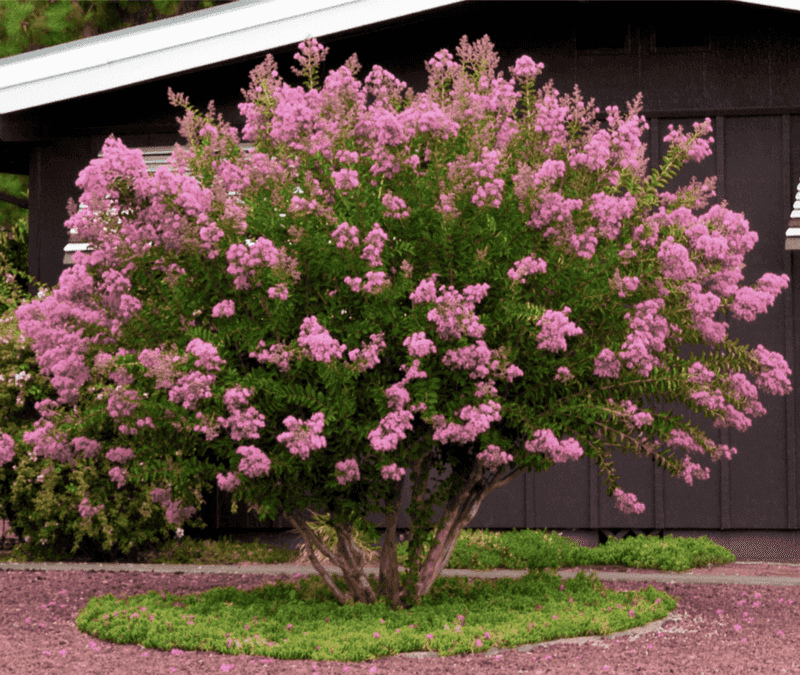
Once your crepe myrtle begins actively pushing out new leaves and shoots in spring, its water needs increase noticeably.
This is the period when the tree is working hard to build new tissue, expand its root system, and store energy for the flowering push that comes in summer.
Giving it reliable, deep moisture during this growth phase makes a measurable difference in how abundantly it blooms later in the season.
Deep watering means getting the water down to where the roots actually are, not just wetting the top inch or two of soil. A slow, steady soak at the base of the tree for an extended period works much better than a quick sprinkle.
Drip irrigation or a soaker hose set up around the drip line of the tree is an efficient way to deliver water where it counts. In North Carolina, spring rainfall can be unpredictable, so supplementing with hand watering during dry stretches is a smart habit to build.
Young or recently planted crepe myrtles need more frequent attention than established ones, since their root systems have not yet spread wide enough to access moisture from a larger area of soil. Check the soil about two inches below the surface before watering.
If it still feels moist, you can wait another day or two. Overwatering is a real risk, especially in heavier clay soils common in parts of North Carolina, so always let the soil guide your watering schedule rather than a fixed routine.
9. Check Root Health And Soil Drainage
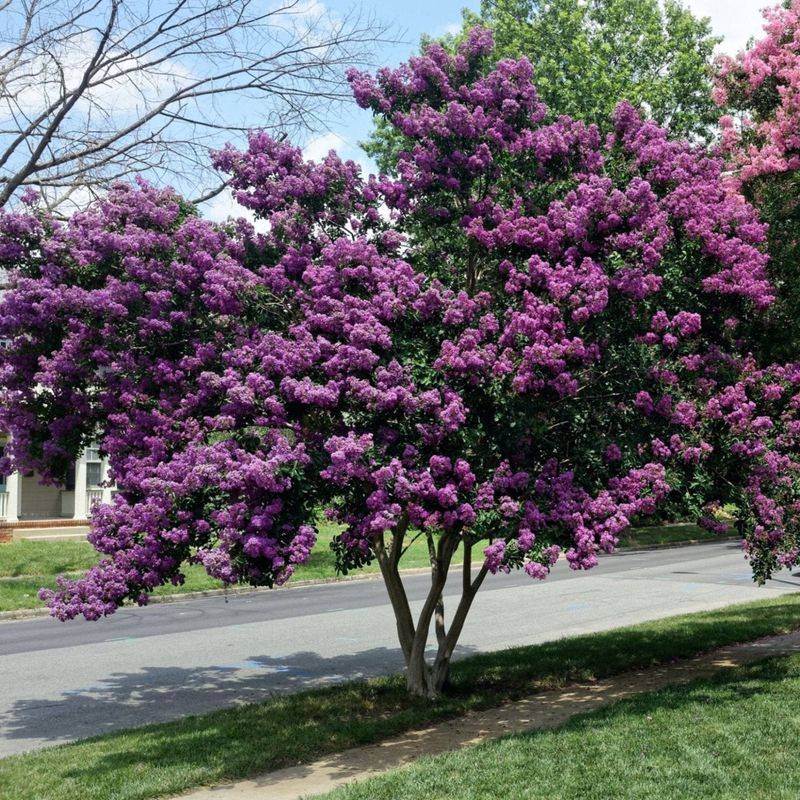
Healthy roots are the foundation of a stunning summer bloom display, and early spring is the perfect time to make sure your crepe myrtle’s root zone is in good shape.
Soil that has become compacted over winter can restrict root growth and prevent water from draining properly.
Taking a few minutes to assess the drainage situation around your tree before the growing season gets busy can prevent a lot of headaches down the road.
Dig a small test hole about six to eight inches deep near the drip line of your crepe myrtle and fill it with water. If the water drains away within thirty to sixty minutes, your drainage is healthy.
If it sits there for hours without moving, you likely have a compaction or clay soil issue that needs addressing. Poor drainage keeps roots sitting in waterlogged conditions, which weakens the tree and can lead to root rot over time.
To improve drainage in compacted or heavy clay soil, work some organic matter like aged compost or fine pine bark into the top layer of soil around the root zone.
Avoid deep digging near the trunk, since crepe myrtle roots spread out close to the surface and are easy to damage. Raised planting beds can also help in areas with persistently poor drainage.
North Carolina soils vary quite a bit from region to region, so knowing your specific soil type helps you make smarter decisions about amendments and watering habits throughout the growing season.
10. Train For Vertical Growth To Maximize Blooms
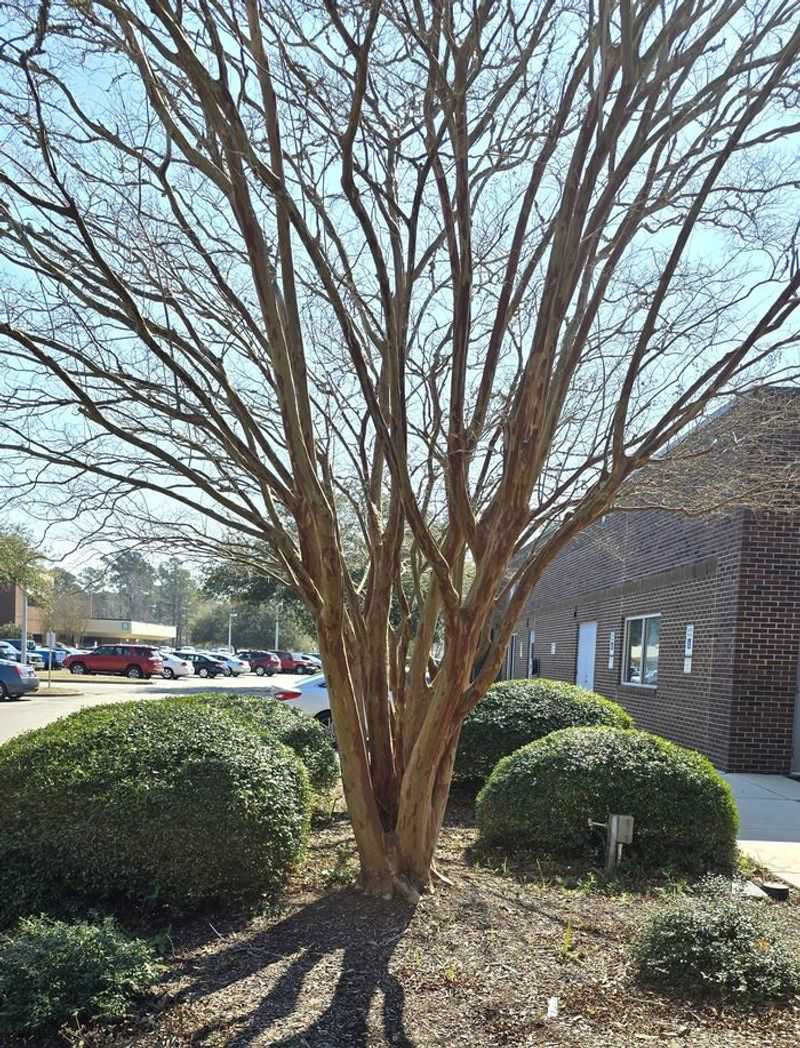
Crepe myrtles naturally want to grow upward, and working with that instinct rather than against it is one of the smartest moves a gardener can make.
Training your tree to develop a strong, upright form in its early years pays off with more impressive flowering on the upper stems where the blooms are most visible and impactful.
North Carolina gardeners who shape their trees with this goal in mind end up with specimens that look like they belong in a magazine.
Start by identifying three to five strong main trunks or leaders and removing any others that are crowding them or growing at awkward angles. Removing lower branches gradually over the first few years lifts the canopy and gives the tree a clean, elegant appearance.
Lower branches that grow horizontally or droop toward the ground tend to block sunlight from reaching the interior of the tree and can make the base look cluttered and overgrown.
Each spring, look for any new suckers or shoots emerging from the base or low on the trunk and remove them promptly.
These fast-growing sprouts compete with the main canopy for nutrients and water, and they disrupt the clean vertical structure you are working to establish.
A crepe myrtle with a strong, open, upward-reaching form catches more sunlight across its entire canopy, which translates directly into more flower buds and bigger bloom clusters.
The result by late summer is a tree that stands tall and puts on a genuinely spectacular show for the whole neighborhood to enjoy.