What North Carolina Daylilies Need In Early Spring For Strong Blooms
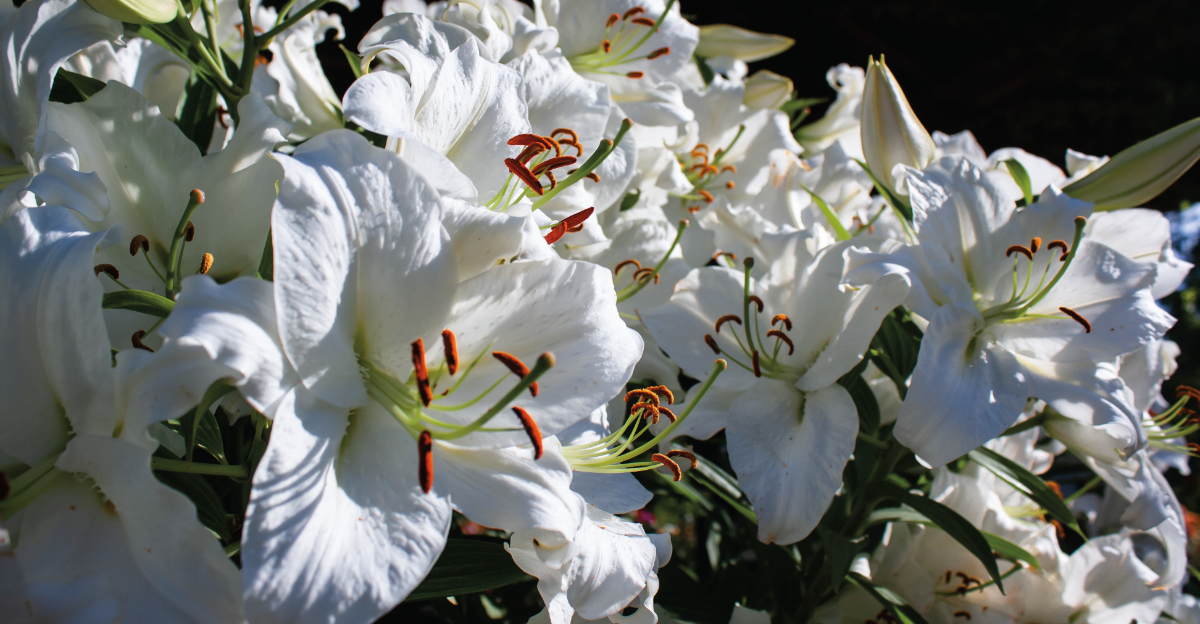
Early spring can set the tone for the entire daylily season in North Carolina. After winter, these plants are ready to wake up and grow, but strong blooms do not just happen on their own.
What you do now can affect how full, healthy, and colorful they look when flowering time arrives. Fresh growth starts showing, roots begin working harder, and the plant shifts into a stage that matters more than many gardeners realize.
A little attention at this point can go a long way. Cleaning up old leaves, checking soil, and giving plants the right support can help them build strength before buds ever appear.
Skip those steps, and daylilies may still grow, but they might not perform at their best. For North Carolina gardeners who want bigger bloom displays and healthier plants, early spring care can make all the difference.
1. Clean Up Old Foliage Early
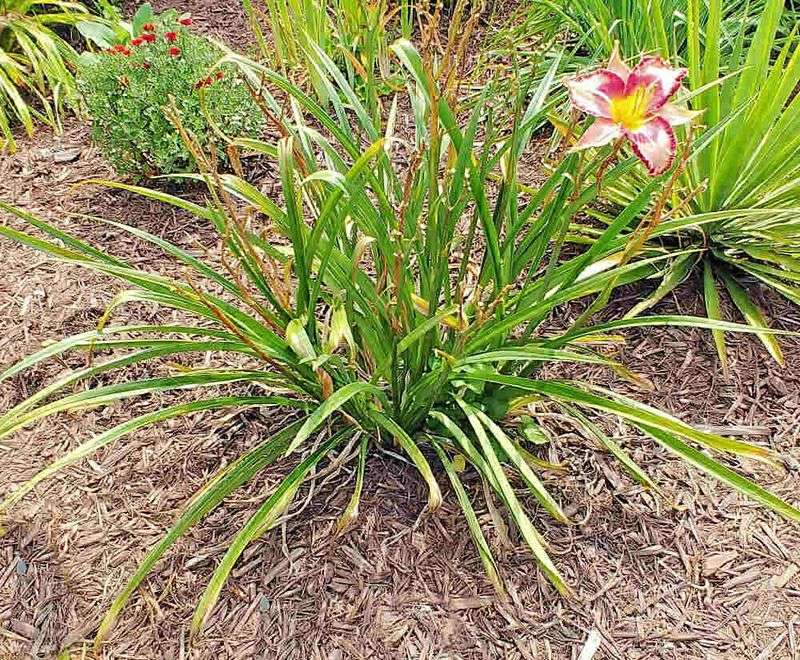
Every spring in North Carolina, one of the best things you can do for your daylilies is remove last year’s old, worn-out leaves. Winter leaves that cling to the base of the plant can trap moisture and block sunlight from reaching new growth.
Clearing them away early gives your plants a clean, fresh start before the season really kicks off.
Old foliage can also harbor fungal spores and small insects that would love nothing more than to bother your plants all season long. By pulling away that brown, matted material, you improve airflow around the crown and help reduce the chance of disease taking hold.
It takes just a few minutes per clump, and your plants will reward you for it.
New shoots push up from the soil surprisingly fast once temperatures begin to climb in early spring across North Carolina. If those tender green tips have to fight through layers of old leaves, they can bend, break, or grow unevenly.
A clean garden bed means stronger, straighter stems and far more blooms when summer arrives. Grab a pair of gloves, get out there on a mild morning, and give your daylilies the fresh start they deserve this season.
2. Divide Overcrowded Clumps If Needed
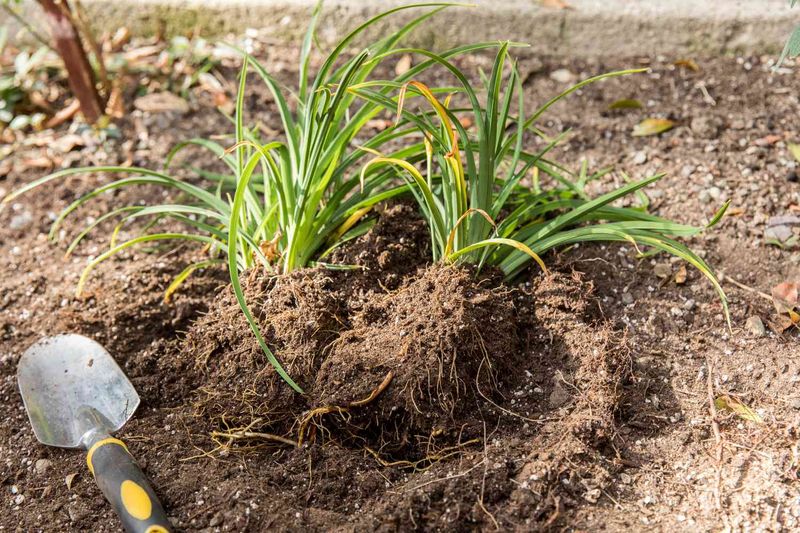
Over time, daylily clumps grow larger and larger until they start competing with themselves for nutrients, water, and space. When a clump gets too crowded, you will notice fewer flowers and smaller blooms compared to previous years.
Early spring in North Carolina is the perfect window to tackle this job before the heat of summer sets in.
Dividing daylilies is easier than most gardeners expect. Use a sharp spade or garden fork to lift the entire clump from the soil, then gently pull apart individual fans of roots by hand or cut them with a clean tool.
Each division should have a healthy set of roots attached and at least two or three leaves to fuel new growth.
Replant your divisions at the same depth they were growing before, spacing them about 18 to 24 inches apart to give each one room to expand. Water them in well after replanting, and they will settle in quickly.
Dividing every three to five years keeps your North Carolina daylily beds looking full, healthy, and incredibly floriferous. You can also share extra divisions with neighbors or friends who want to add color to their own gardens this season.
3. Apply A Light Balanced Fertilizer
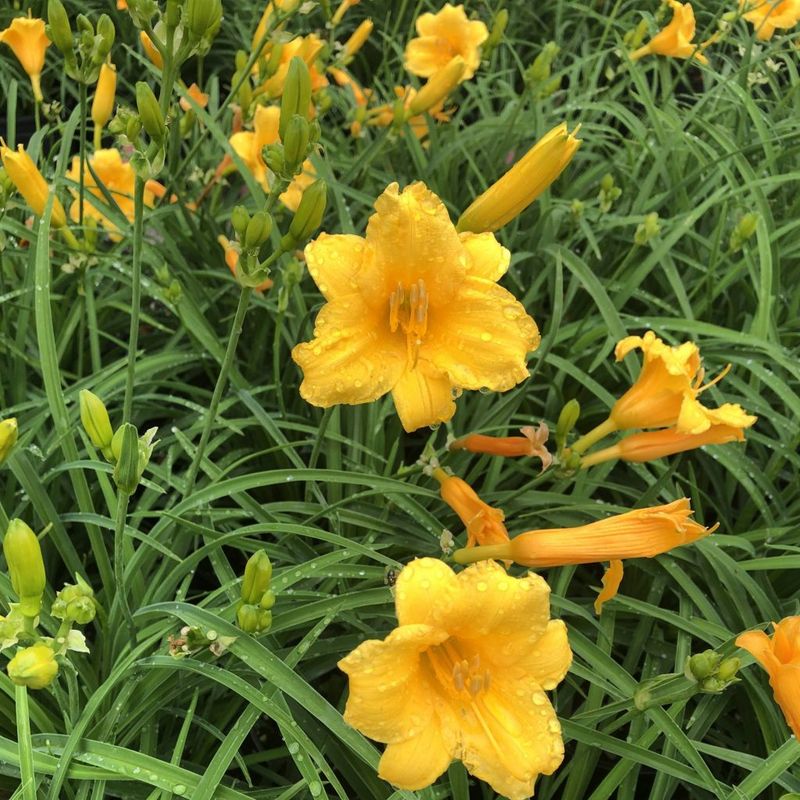
Fertilizing daylilies in early spring gives them the nutritional boost they need to build strong leaves and develop healthy flower buds. A balanced fertilizer, something like a 10-10-10 granular formula, works really well when applied just as new growth begins to emerge.
You do not need to use a heavy amount since daylilies are naturally tough plants that do not require a lot of extra feeding.
Scatter the fertilizer lightly around the base of each clump, keeping it a few inches away from the crown to avoid burning tender new shoots. Water the area thoroughly after applying so the nutrients move down into the root zone where they are actually needed.
A slow-release formula is a great option because it feeds your plants gradually over several weeks instead of all at once.
Overfertilizing is a common mistake that can actually work against you, producing lots of leafy green growth but fewer flowers. The goal in early spring is to support steady, balanced development so your North Carolina daylilies have everything they need heading into bloom season.
One light application in spring is usually plenty to get the job done right. Stick with that routine and your plants will produce beautiful, full blooms you will absolutely love.
4. Add Fresh Mulch Around Plants
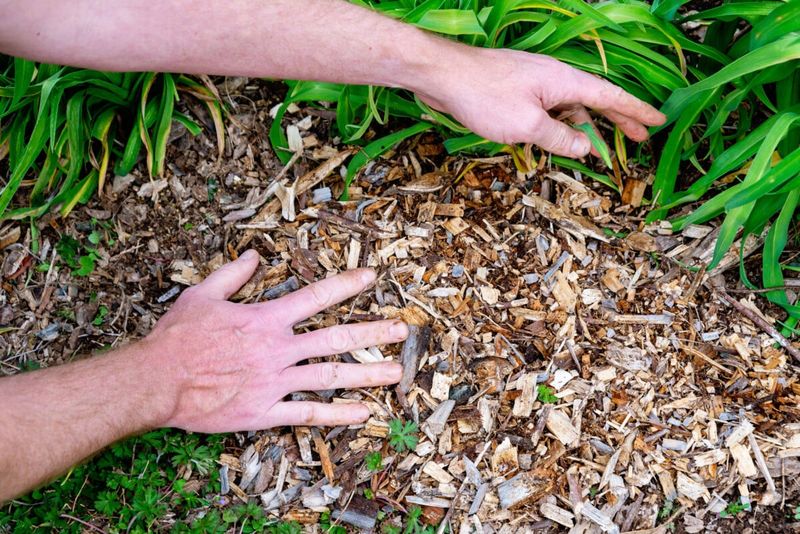
Mulch might seem like a small detail, but it makes a surprisingly big difference for daylilies growing in North Carolina.
A fresh 2 to 3 inch layer applied around the base of your plants in early spring helps the soil hold onto moisture during dry spells, which are common as the season heats up.
It also keeps soil temperatures more stable, which helps roots stay comfortable as weather patterns shift.
Pine bark mulch and shredded leaves are both excellent choices for North Carolina gardens because they break down gradually and add organic matter back into the soil over time.
Keep the mulch a couple of inches away from the crown of the plant so moisture does not build up directly against the base. That small gap helps prevent rot and keeps the plant growing strong all season.
Weeds are another challenge in any garden, and a good layer of mulch does a fantastic job of suppressing them naturally without any extra chemicals. Fewer weeds mean less competition for the water and nutrients your daylilies actually need.
Refreshing the mulch each spring is a quick and satisfying task that sets your entire garden up for success. Your North Carolina daylilies will absolutely thrive with this one simple step added to your routine.
5. Ensure Full Sun For Best Blooms
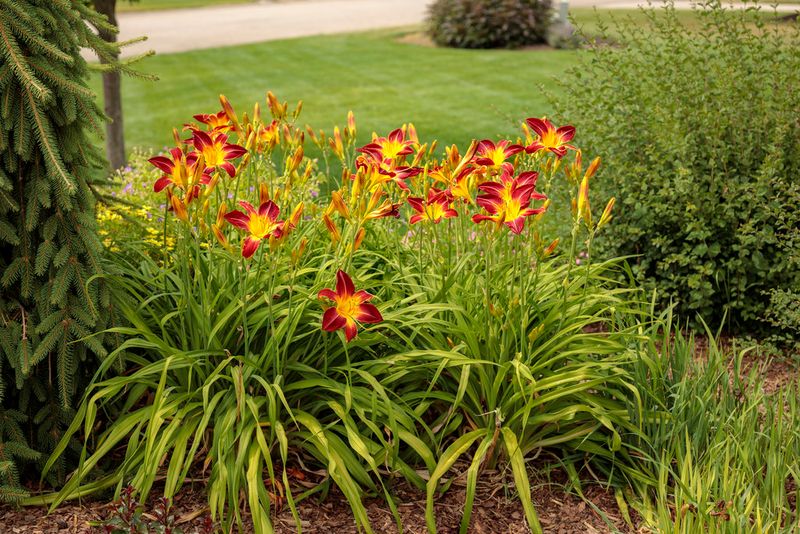
Sunlight is one of the single most important factors for getting big, beautiful blooms from your daylilies. These plants truly thrive when they receive at least six hours of direct sunlight every single day.
In North Carolina, most gardens get plenty of sun during the growing season, but it is worth checking your planting spots carefully before assuming everything is fine.
Trees and shrubs that were small a few years ago may now be casting more shade than you realize. Walk around your garden at different times of day to see exactly where the sun falls and for how long.
If a clump of daylilies has been producing fewer flowers lately, reduced sunlight could easily be the reason behind that change in performance.
Moving daylilies to a sunnier location is a straightforward fix if shade has become a problem in your garden. Early spring is a great time to relocate plants before they put too much energy into new growth.
Once settled into a spot with full sun exposure, daylilies in North Carolina respond quickly with stronger stems, more flower buds, and richer color. The difference between a shaded plant and a sun-drenched one is honestly remarkable once you see them side by side in full bloom.
6. Water During Dry Spring Periods
Spring in North Carolina can bring a mix of rainy weeks and surprisingly dry stretches, and daylilies need steady moisture during both. When new growth is actively pushing up from the soil, consistent watering supports strong root development and healthy foliage.
Without enough moisture during this critical period, plants may produce fewer flower stems and smaller blooms when summer arrives.
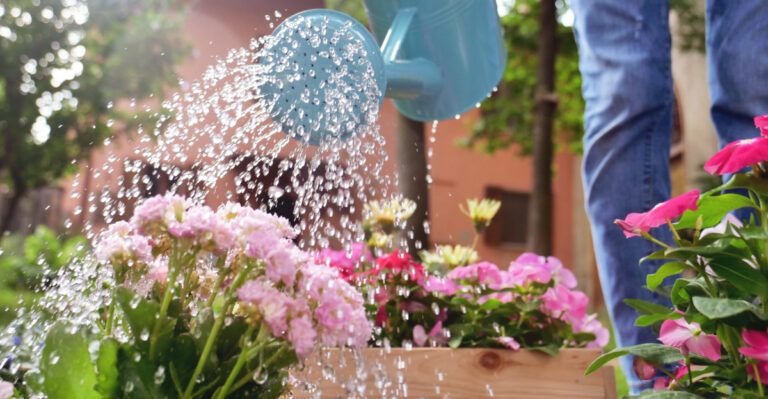
Aim for about one inch of water per week, either from rainfall or from your garden hose or irrigation system. Deep watering a couple of times per week is far more effective than light, frequent sprinkles because it encourages roots to grow deeper into the soil.
Deeper roots mean a more resilient plant that handles heat and brief dry spells much better later in the season.
While daylilies are known for being fairly drought-tolerant once fully established, young plants and freshly divided clumps need more attention during their first spring.
Watering in the morning is a smart habit because it gives the foliage time to dry before evening, reducing the chance of fungal issues.
Pay attention to rainfall totals in your part of North Carolina and supplement whenever nature falls short. Your daylilies will respond with noticeably stronger growth and a much more impressive bloom display come early summer.
7. Check Soil Drainage
Daylilies are tough plants, but one thing they truly cannot handle is sitting in waterlogged soil for extended periods. North Carolina has many areas with heavy clay soil that drains slowly, especially after winter rains have saturated the ground.
Checking drainage early in the season helps you catch and fix any problem spots before they stress your plants during the growing season.
A simple way to test drainage is to dig a small hole about 12 inches deep, fill it with water, and watch how quickly it drains away. If water is still sitting in the hole after an hour, drainage needs improvement in that spot.
Working in compost, aged bark, or other organic matter loosens clay soil and creates the kind of open, crumbly texture that daylily roots absolutely love.
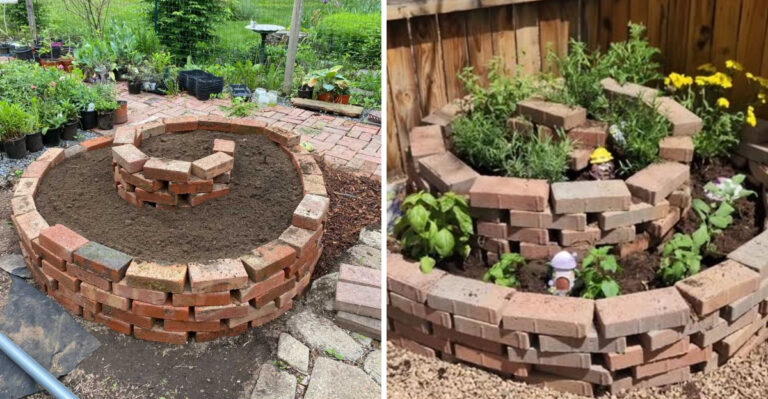
Raised beds are another great option for North Carolina gardeners dealing with persistent drainage issues in low-lying areas of the yard. Even a few inches of elevation can make a dramatic difference in how well plants perform throughout the season.
Good drainage supports healthy roots, which in turn supports strong stems and abundant flowers. Taking the time to address soil drainage issues in early spring is one of the most valuable investments you can make for a truly spectacular daylily display.
8. Watch For Early Pest Activity
Spring is an exciting time in the garden, but it is also when pests start waking up and looking for fresh, tender plants to feed on. Daylilies in North Carolina can attract aphids, thrips, and spider mites, especially as new leaves and flower buds begin to emerge.
Catching these small invaders early makes managing them much easier before populations have a chance to grow.
Make it a habit to walk through your garden a few times each week and take a close look at both the tops and undersides of leaves. Aphids tend to cluster on new growth and can be spotted fairly easily with the naked eye.
Thrips are smaller and harder to see, but they leave behind telltale silver streaking or distortion on leaves and flower buds as they feed.
A strong spray of water from the garden hose can knock aphids off plants quickly and effectively without any chemicals at all. For more stubborn infestations, insecticidal soap is a gentle and reliable option that works well without harming beneficial insects in your North Carolina garden.
Staying alert in early spring means your daylilies head into their peak bloom season with healthy, undamaged foliage and flower buds. A watchful eye now truly pays off in big, beautiful blooms all summer long.