What North Carolina Gardeners Must Finish Before The Last Frost
Winter is ending across North Carolina, and for gardeners, that means it is time to get moving. The last frost date is approaching, and taking care of the right tasks now can have a big impact on how your spring garden performs.
From the Coastal Plain to the Piedmont and up into the Mountains, a little preparation goes a long way. Early planning helps your garden get a head start, allowing you to plant, grow, and harvest before others are even thinking about seeds and soil.
By tackling key chores now, you can set the stage for stronger plants, bigger blooms, and a more productive yard throughout the season. Getting ahead of spring makes all the difference in North Carolina gardens.
1. Prepare Garden Beds
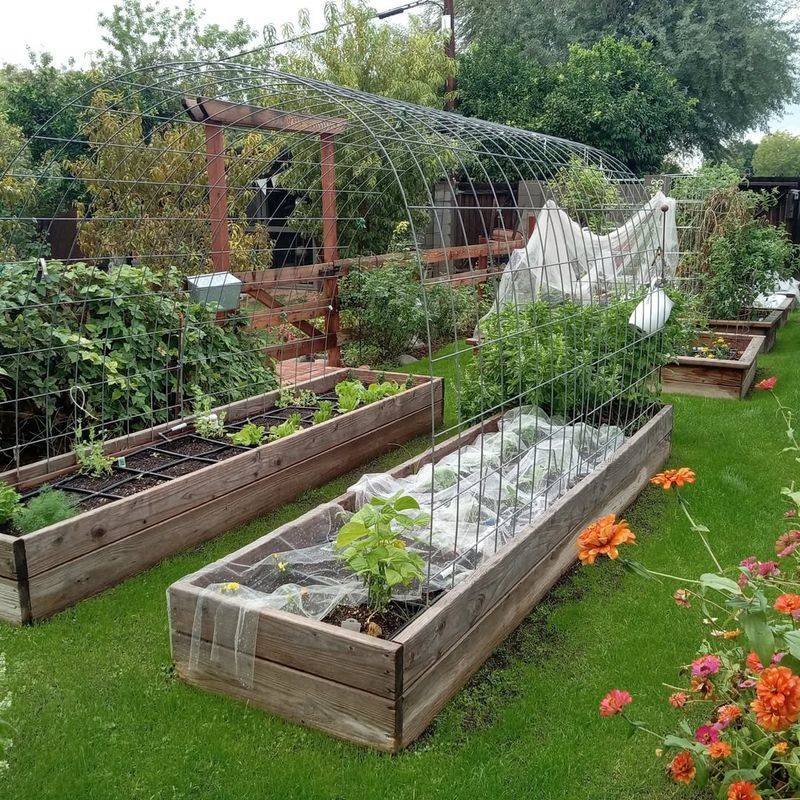
Rich, crumbly soil is every gardener’s best friend, and getting your beds ready before the last frost is one of the smartest moves you can make. Start by pulling out any leftover weeds, roots and all, so they do not sneak back up once warmer weather hits.
Clearing the bed completely gives your future plants a clean, competition-free start.
Next, work in a generous layer of compost, about two to three inches, and mix it deep into the soil. Compost adds nutrients, improves drainage, and helps sandy or clay-heavy soils found across much of North Carolina hold moisture better.
A soil that drains well but still holds enough moisture is exactly what vegetables and flowers need to thrive.
Loosening the soil with a garden fork or tiller is the final step that makes all the difference. Compacted ground makes it hard for roots to spread and water to soak in evenly.
Breaking up that hard layer now means your seedlings will push through with ease once they go in the ground. North Carolina gardeners who prep their beds before the frost hits usually enjoy earlier harvests and stronger plants.
Spending a weekend afternoon on this task is absolutely worth every bit of effort you put in.
2. Start Seeds Indoors
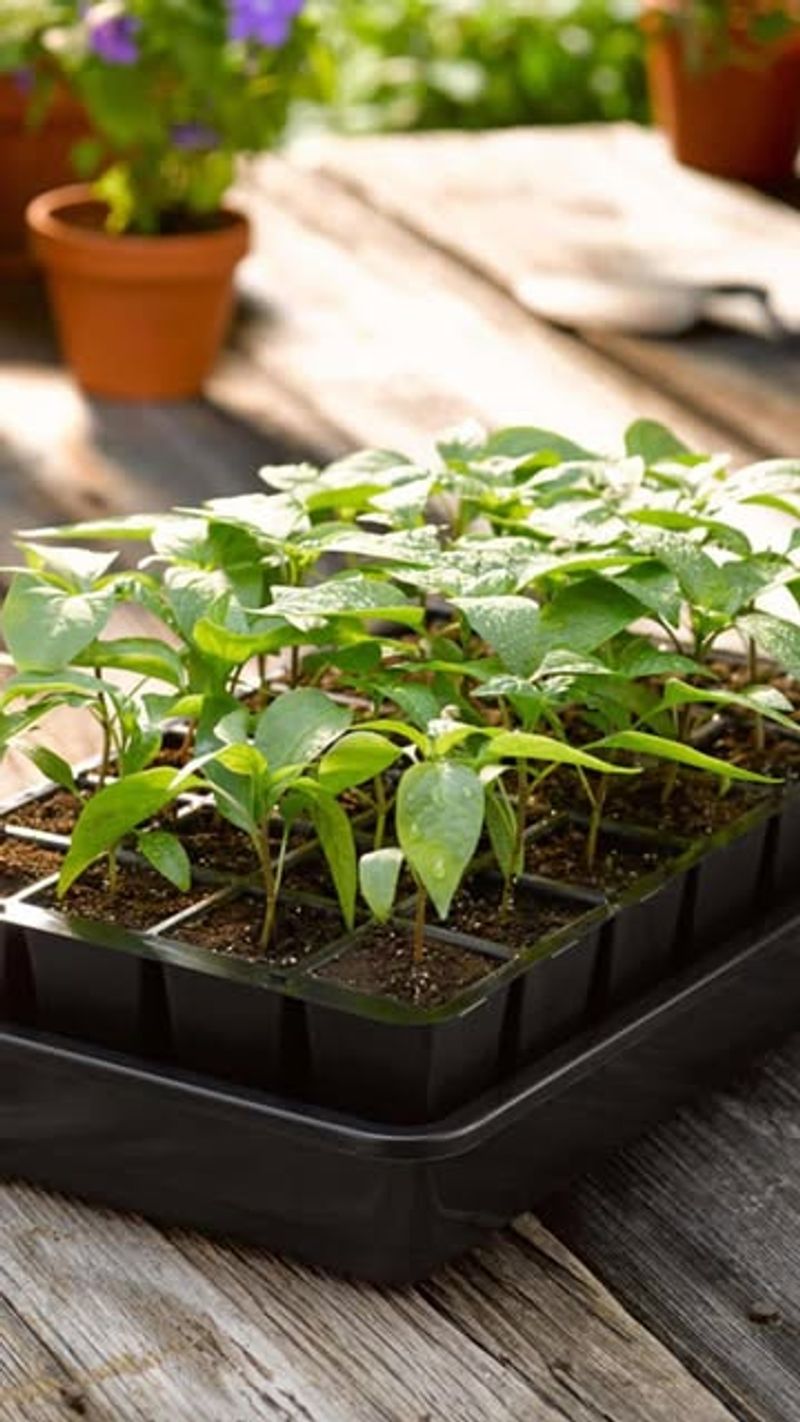
There is something exciting about seeing tiny green sprouts push up through the soil while frost still covers the ground outside. Starting seeds indoors gives warm-season crops like tomatoes, peppers, and eggplants the head start they need to produce a full harvest.
These plants need a long growing season, and waiting until after the last frost to start them from seed simply does not give them enough time.
Timing matters a lot depending on where you garden in North Carolina. If you are in the Coastal Plain, aim to start seeds indoors by early March.
Piedmont gardeners should target mid-March, while those in the cooler Mountain regions can plan for late March. Matching your timing to your region means seedlings will be the right size when it is safe to move them outside.
Use a quality seed-starting mix and provide plenty of light, whether from a sunny south-facing window or a grow light placed just a few inches above the trays.
Keep the soil consistently moist but never waterlogged, and maintain indoor temperatures around 65 to 75 degrees Fahrenheit for the best germination.
Labeling each tray clearly saves a lot of guessing later. Strong, healthy seedlings started indoors are the foundation of a productive North Carolina garden season.
3. Prune Dormant Shrubs
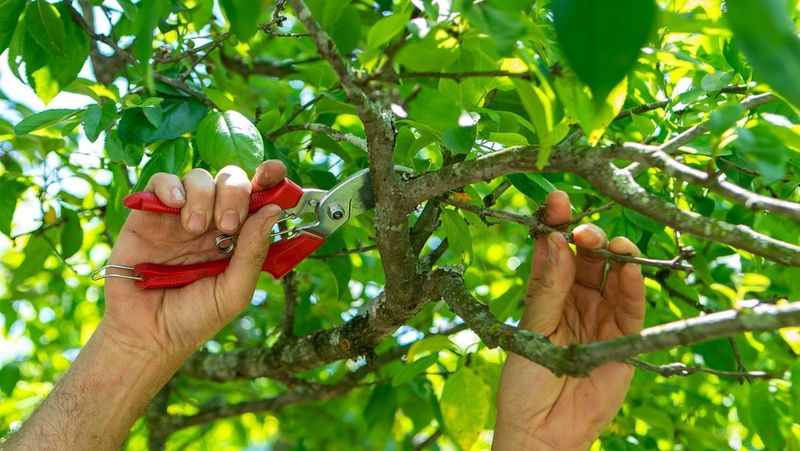
Catching shrubs while they are still dormant is one of the best-kept secrets in gardening. Before new growth begins pushing out in spring, grab your pruners and give your landscape shrubs a good, clean shaping.
Pruning at this stage causes far less stress to the plant and encourages stronger, more vibrant blooms once warmer weather arrives across North Carolina.
Crape myrtles are a staple across the state, and late winter pruning helps them develop a beautiful, open canopy for summer blooms.
Butterfly bush benefits from cutting back hard, often down to about 12 inches from the ground, which pushes out vigorous new growth loaded with flowers.
Knock Out roses respond well to removing older canes and shaping the plant to improve airflow and sunlight penetration throughout the shrub.
Always start by removing any branches that look damaged, crossing, or rubbing against each other. Clean cuts made at a slight angle just above an outward-facing bud promote healthy regrowth and a naturally attractive shape.
Sharp, clean tools make a real difference, so wipe your pruner blades with rubbing alcohol between plants to avoid spreading any lingering disease.
North Carolina gardeners who prune before the last frost are rewarded with fuller, more spectacular shrubs all season long. It is a small effort with a very big payoff.
4. Apply Pre-Emergent Weed Control
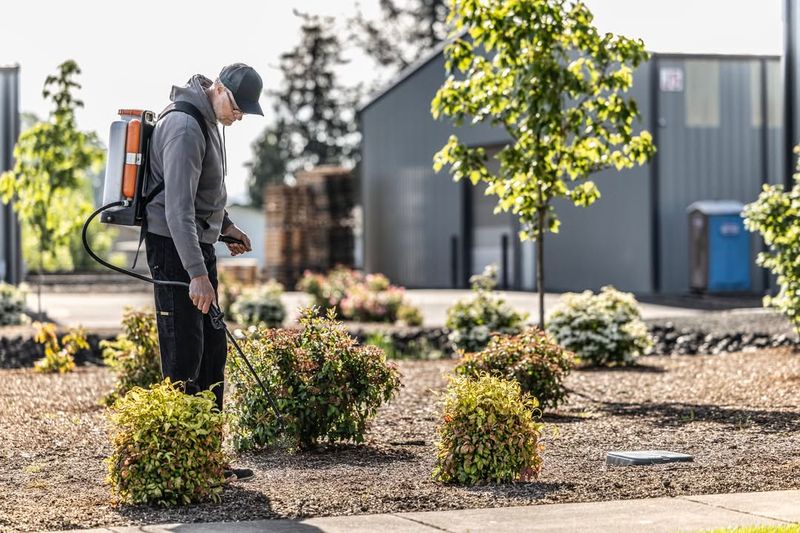
Crabgrass is sneaky. It waits underground through the cold months and then sprouts up the moment soil temperatures start climbing in spring.
Applying a pre-emergent herbicide before the last frost is the most effective way to stop those weeds before they ever get started. Once crabgrass germinates and takes hold, it is much harder to manage without disrupting your lawn or garden.
Pre-emergent products work by creating a chemical barrier in the top layer of soil that prevents weed seeds from sprouting. They do not affect established plants or grass, which makes them safe to use around lawns and garden borders.
For North Carolina lawns, timing the application when soil temperatures reach around 50 to 55 degrees Fahrenheit is the sweet spot for the best results.
A handy local tip is to watch for forsythia shrubs blooming in your area. That golden yellow flower show is a natural signal that soil temps are climbing into the right range for pre-emergent application.
Granular formulas are easy to spread evenly with a broadcast spreader, while liquid options work well for targeted areas. Always follow label directions carefully and water the product in lightly after applying.
North Carolina gardeners who get this step done before the last frost enjoy noticeably cleaner, weed-free lawns and beds all through spring and into summer.
5. Inspect And Repair Irrigation Systems
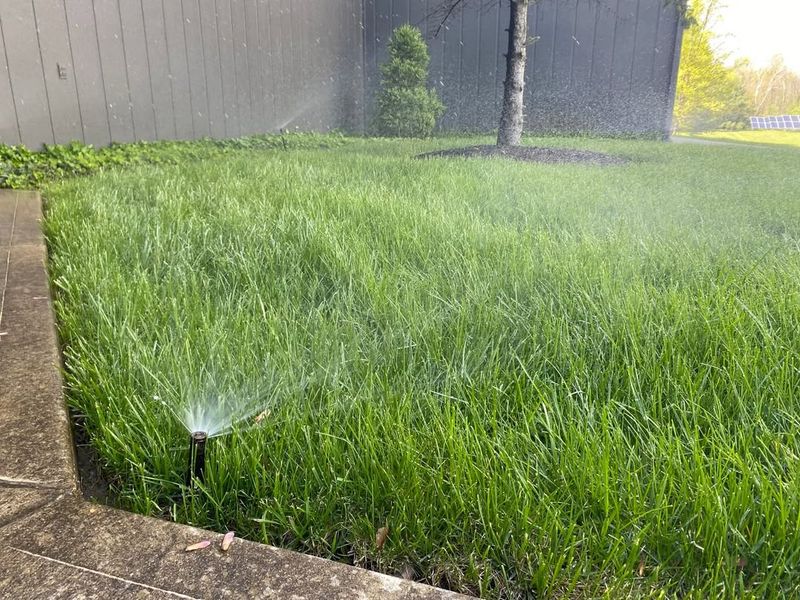
Nothing slows down a spring garden faster than discovering a broken sprinkler head or a cracked drip line right when your plants need water most.
Taking time before the last frost to inspect your entire irrigation system saves you from scrambling later when things get busy.
A quick walk-through of your setup now can catch small problems before they turn into big headaches.
Start by turning on each zone of your system and watching closely for uneven spray patterns, leaks, or clogged emitters. Drip lines are especially prone to small cracks or blockages from debris that builds up over winter.
Check all hose connections for tight seals and replace any worn washers or fittings that look questionable before spring planting kicks off in earnest across North Carolina.
While you are at it, adjust sprinkler heads so they cover your beds efficiently without wasting water on sidewalks or driveways.
Efficient watering not only conserves a valuable resource but also reduces the risk of fungal issues that thrive when plants stay wet for too long.
If you use a timer system, test the programming and replace the backup battery if needed.
North Carolina summers can be hot and dry, especially in the Piedmont and Coastal Plain regions, so having a reliable irrigation setup ready before the season begins is one of the most practical investments a gardener can make.
6. Clean Up Winter Debris
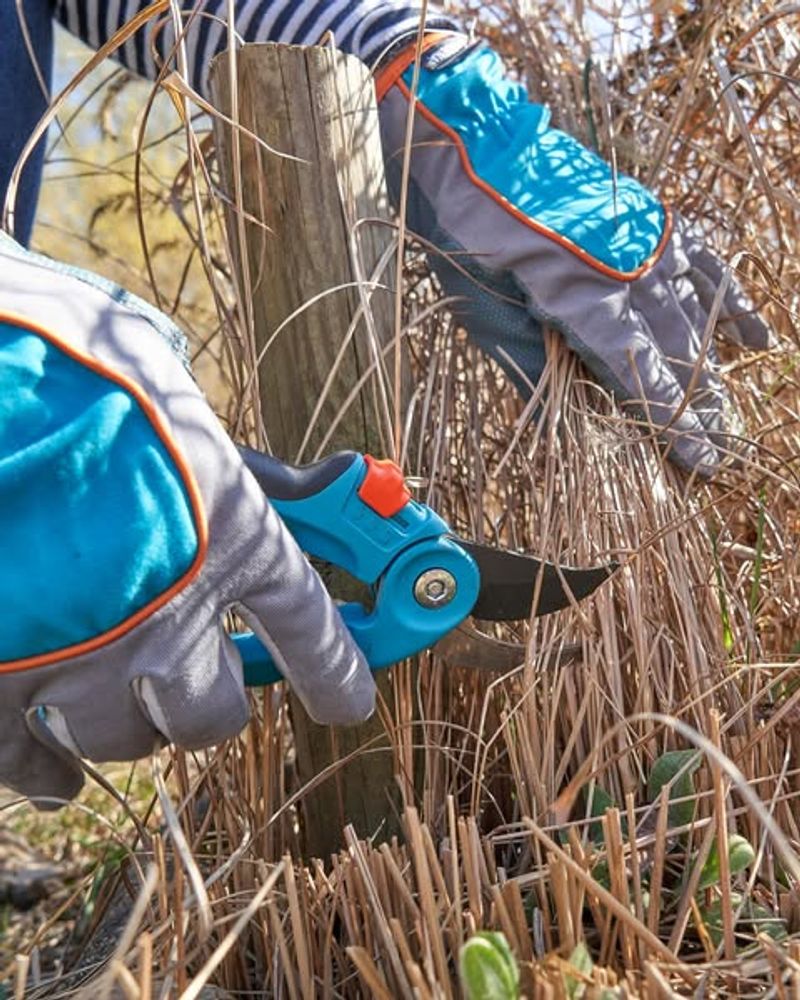
Old leaves, broken stems, and soggy plant material left sitting in garden beds over winter create the perfect hiding spot for fungal spores and overwintering insects.
Clearing all of that out before the last frost removes potential problems before they spread to healthy new growth.
A tidy garden bed is not just pretty to look at, it is genuinely healthier and more productive.
Work through each bed systematically, pulling out any plant material that did not survive the cold months. Rake up fallen leaves that have matted down and are blocking air and light from reaching the soil surface.
Piling debris into a compost bin is a smart move, but any material that looks diseased or insect-damaged should go straight into the trash rather than the compost pile.
Once the bed is cleared, give the soil surface a light loosening with a garden rake or hand cultivator. This breaks up any surface crusting and lets air and moisture move more freely through the top layer.
It also gives you a chance to spot any early weed seedlings that need pulling before they establish.
North Carolina gardeners working in both the Piedmont and the Coastal Plain often find this cleanup step reveals early bulbs and perennials already pushing up from the ground.
Seeing those first signs of life after a long winter is one of the most satisfying rewards of getting out in the garden early.
7. Fertilize Lawn And Garden Beds
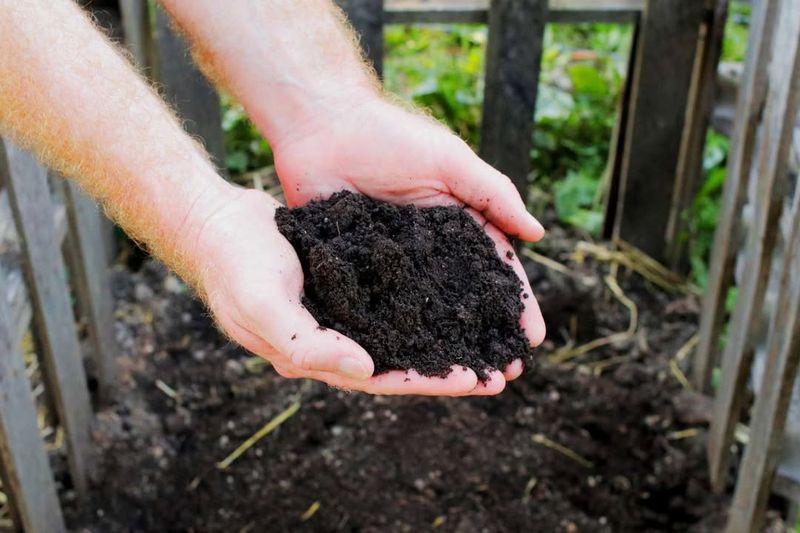
Plants heading into a new growing season are hungry, and giving them a well-timed dose of fertilizer before the last frost sets them up for a strong, vigorous start.
Lawns across North Carolina, especially those planted with warm-season grasses like Bermuda or Zoysia, respond beautifully to a light pre-season feeding that fuels early green-up.
Garden perennials also benefit from nutrients added to the soil just as they begin waking up from their winter rest.
A balanced granular fertilizer, something with roughly equal parts nitrogen, phosphorus, and potassium, is a reliable choice for most lawns and mixed garden beds.
Nitrogen drives leafy green growth, phosphorus supports root development, and potassium helps plants handle stress from temperature swings.
Applying fertilizer too early when the ground is still frozen will just wash away with rain, so wait until the soil is thawed and workable.
For garden beds, working a slow-release granular fertilizer lightly into the top few inches of soil gives plants a steady nutrient supply as they grow. Avoid over-fertilizing, which can push too much leafy growth at the expense of flowers and fruit.
A soil test from NC State Extension is a smart investment if you are unsure what your beds actually need.
North Carolina gardeners who fertilize at the right time enjoy fuller lawns and more productive garden beds from early spring all the way through the growing season.
8. Plan Planting Layout
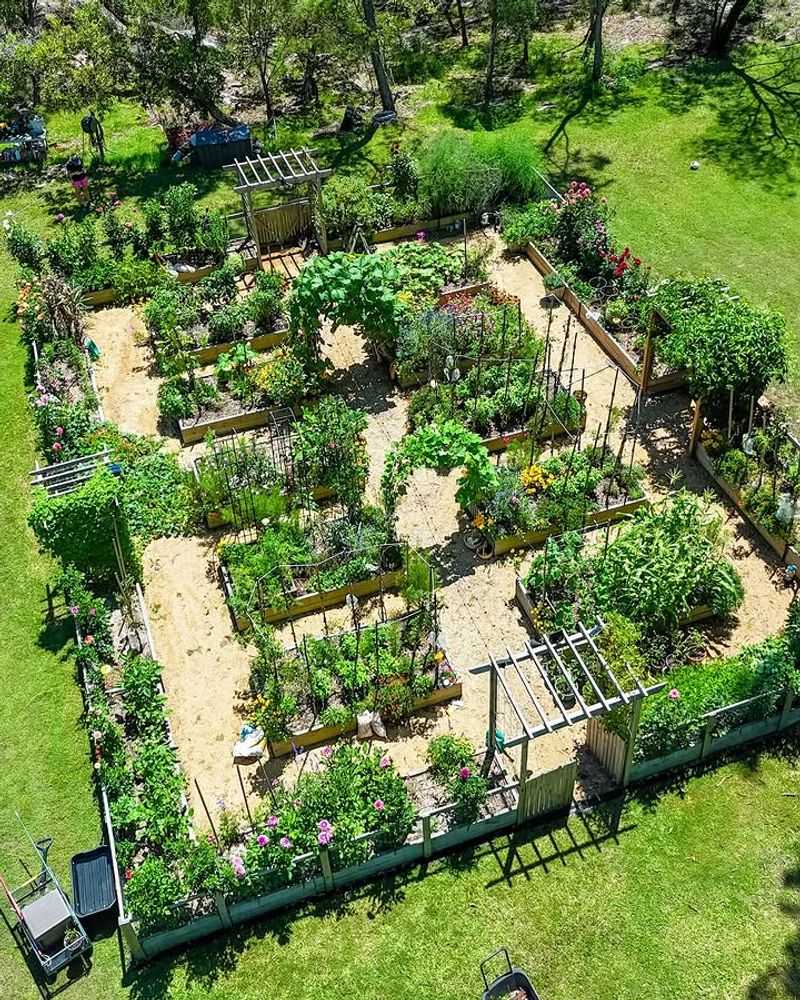
Grabbing a piece of paper and sketching out your garden before a single seed goes in the ground might sound simple, but it is one of the highest-impact things you can do before the last frost.
Knowing exactly where each crop will go saves time, reduces waste, and helps you make the most of every square foot of growing space.
Planning ahead also means you can order seeds and transplants early, before popular varieties sell out at local nurseries.
Think carefully about sunlight when laying out your garden. Most vegetables need at least six to eight hours of direct sun each day, so place taller crops like corn or pole beans on the north side of the bed where they will not shade shorter neighbors.
Grouping plants with similar water and soil needs together also makes maintenance much easier throughout the season.
Frost sensitivity is another key factor for North Carolina gardeners to consider during the planning stage. Crops like tomatoes, peppers, and squash cannot go outside until after the last frost date for your specific region.
Coastal Plain gardeners typically have an earlier planting window than those in the Piedmont or the Mountains, so factor your local frost date into every planting decision.
A well-thought-out layout keeps your garden organized, productive, and easy to manage from the first warm day of spring all the way through fall harvest.
9. Set Up Supports For Vining Plants
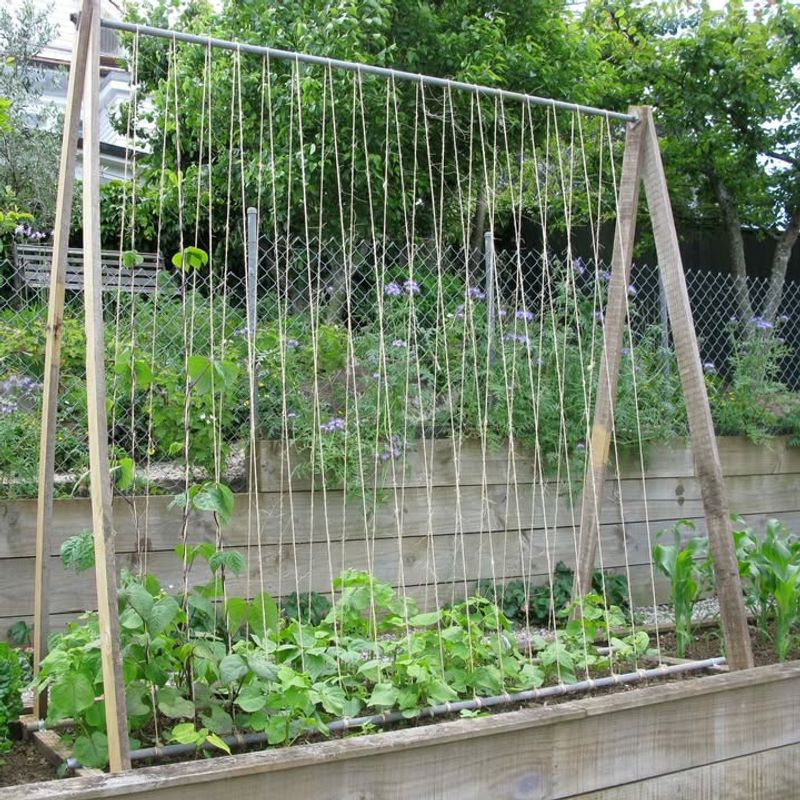
Ask any experienced North Carolina gardener and they will tell you the same thing: putting up plant supports after your tomatoes are already flopping over is a frustrating game of catch-up.
Installing trellises, cages, and stakes before the last frost, while the beds are still empty, is so much easier and more effective than wrestling supports around established plants.
Getting this done ahead of time means your garden is completely ready the moment planting day arrives.
Tomatoes are the most obvious candidates for caging or staking, but cucumbers, pole beans, and even some squash varieties climb beautifully when given a vertical structure to work with.
Vertical growing also improves air circulation around foliage, which helps reduce the humidity-loving fungal issues that are common during North Carolina’s warm, humid summers.
More airflow means healthier plants and a longer productive season.
Heavy-gauge wire cages hold up far better than the flimsy store-bought versions and are worth the investment for long-term use. Bamboo poles or wooden stakes work well for single-stem tomato training and are easy to pound into loose, freshly prepared soil.
If you plan to use a trellis for cucumbers or beans, anchor it securely so it can handle the weight of a full crop in midsummer wind. Setting up your supports now turns planting day into a smooth, enjoyable experience rather than a stressful scramble.
10. Check Soil Temperature And Moisture
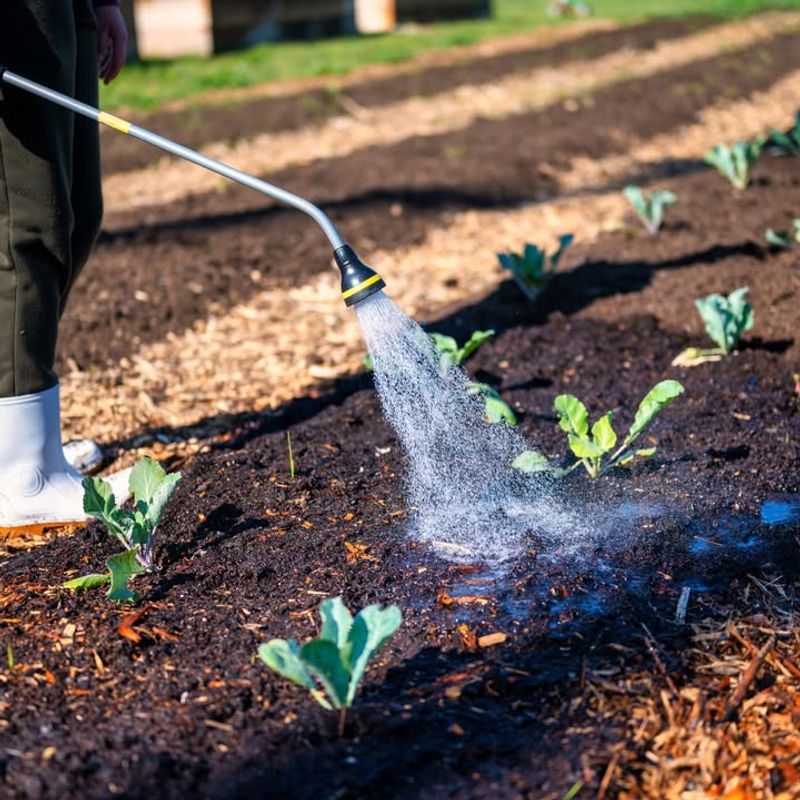
Soil temperature is one of the most overlooked factors in spring gardening, yet it has a direct impact on whether your seeds germinate and your transplants thrive. Even if the air feels warm and pleasant, cold soil can shock young roots and slow growth significantly.
Checking soil temperature with an inexpensive probe thermometer gives you real data instead of guesswork when deciding whether it is safe to plant.
Most warm-season vegetables like tomatoes and peppers prefer soil temperatures of at least 60 degrees Fahrenheit before going in the ground.
Cool-season crops such as lettuce, spinach, and broccoli can handle soil temps as low as 40 degrees, which means North Carolina Coastal Plain gardeners can often get these in the ground earlier than Piedmont or Mountain gardeners.
Knowing your region’s soil warm-up timeline is a genuine advantage when planning your planting schedule.
Moisture levels matter just as much as temperature. Squeeze a handful of soil firmly in your fist and then open your hand.
If it crumbles apart easily, moisture levels are about right for working the soil. If it stays in a sticky, wet clump, give it more time to dry out before digging or planting.
Working wet soil damages its structure and creates hard clumps that make root growth difficult. Taking five minutes to check both temperature and moisture before planting protects your investment and gives every seed and transplant the best possible start.