What North Carolina Gardeners Should Be Starting In Late Winter Before It Is Too Late
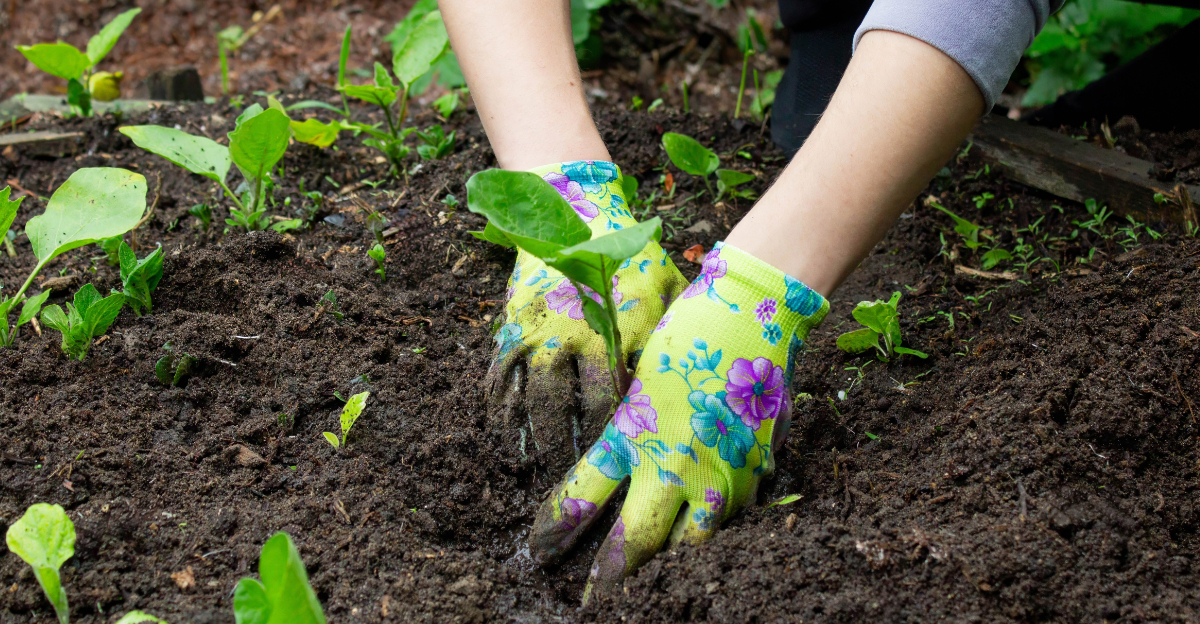
While winter may still linger outside, late season weeks offer North Carolina gardeners a powerful opportunity to get ahead.
Starting seeds indoors before the final frost can dramatically improve plant strength, giving seedlings time to develop sturdy roots and healthy growth before transplanting.
Across North Carolina, last frost dates typically fall between late March and mid April, though mountain regions may run slightly later and coastal areas slightly earlier.
Waiting too long to begin can shorten your growing window and limit harvest potential, especially for crops that need a longer season to mature fully.
By using trays, grow lights, or a bright windowsill, you can create ideal conditions that encourage steady early development. This simple step turns quiet winter days into productive preparation time.
With thoughtful timing and attention to regional frost patterns, North Carolina gardeners can move confidently into spring with strong, ready to plant seedlings and a much more rewarding season ahead.
1. Tomatoes Should Be Started Indoors In Late Winter
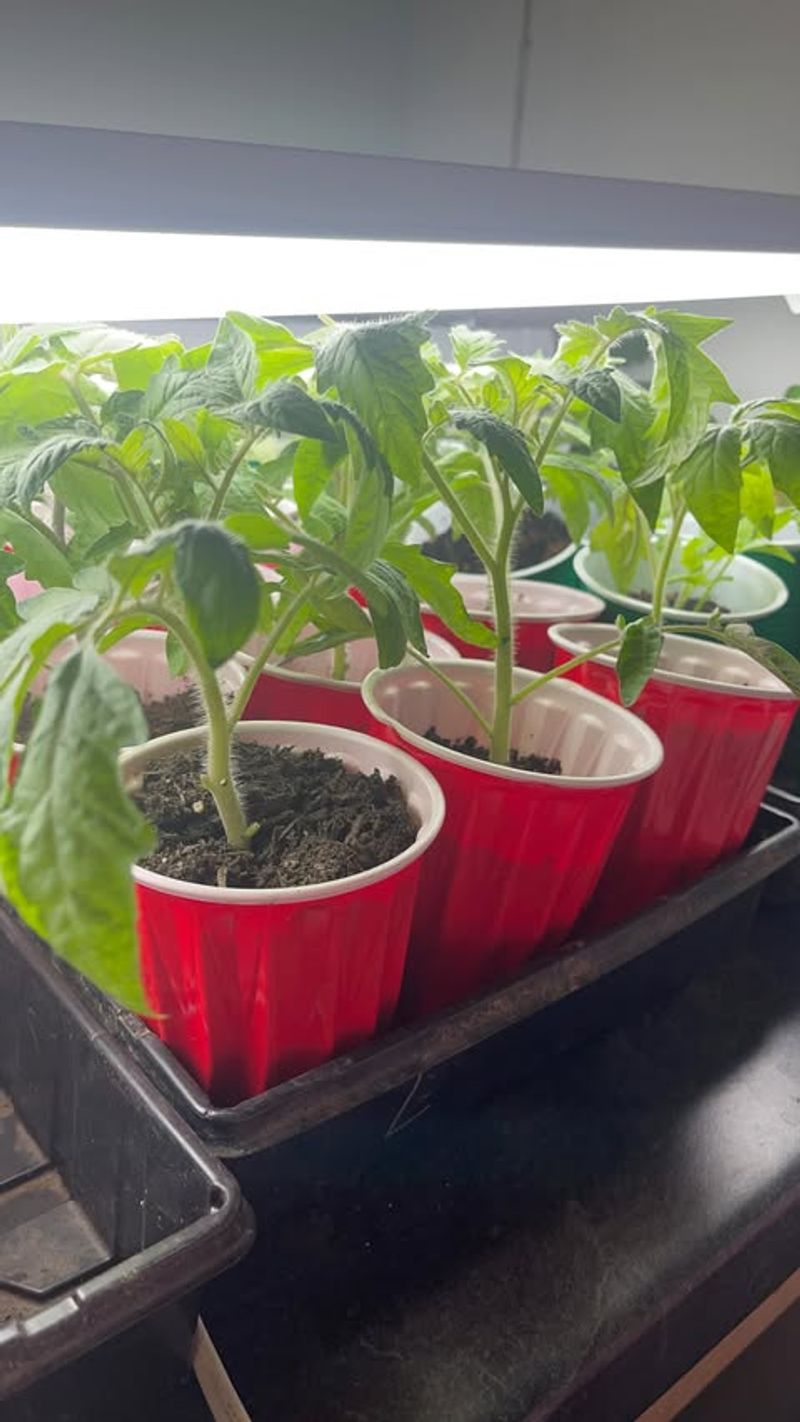
Few things feel more rewarding than pulling a sun-warmed tomato straight from your own garden. Tomatoes are one of the most popular crops in North Carolina, but they need a long growing season to reach their full potential.
Starting them indoors six to eight weeks before your last frost gives them the time they need to develop strong roots and sturdy stems before heading outside.
In most parts of North Carolina, that means starting seeds indoors sometime in late February or early March. Use a quality seed-starting mix, not regular potting soil, since it drains better and encourages healthy root growth.
Plant seeds about a quarter inch deep and keep the soil consistently warm, ideally between 70 and 80 degrees Fahrenheit, to encourage quick germination.
Once your seedlings sprout, move them under grow lights or place them in a very sunny south-facing window. Tomatoes need at least 14 to 16 hours of light each day to grow stocky and strong rather than tall and leggy.
Water consistently but avoid letting the roots sit in soggy soil. Harden off your transplants over one to two weeks before moving them to the garden, and you will be rewarded with a productive and flavorful summer harvest.
2. Peppers Need An Early Indoor Start For Strong Plants
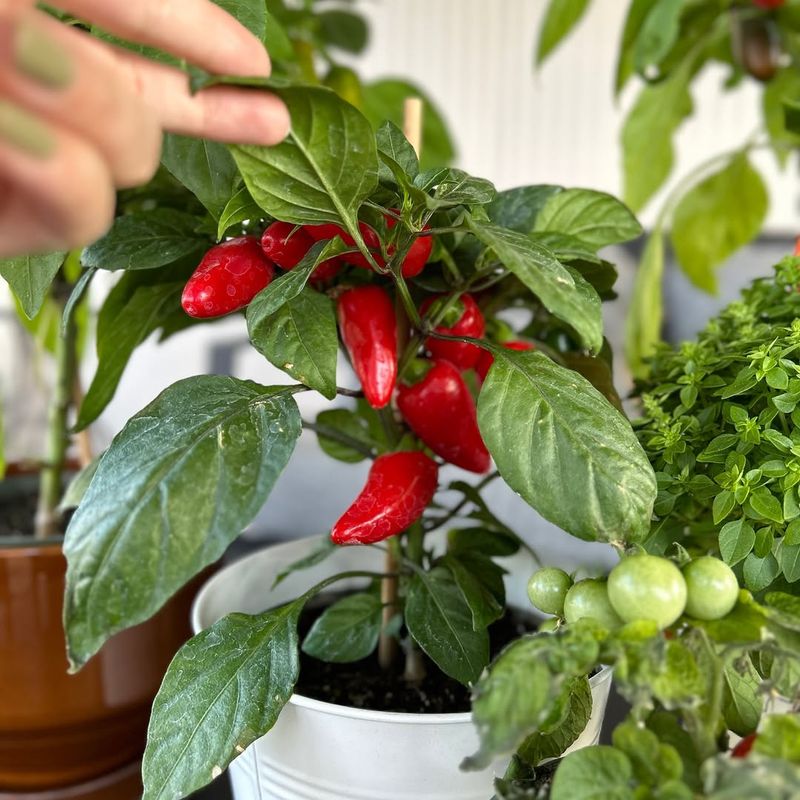
Peppers are one of those vegetables that reward patience more than almost anything else in the garden. They are notoriously slow to germinate and even slower to put on size, which is exactly why getting them started indoors in late winter is so important.
North Carolina gardeners who wait until spring to start peppers often find themselves scrambling to catch up all season long.
Start pepper seeds indoors eight to ten weeks before your expected last frost date. That means late January through mid-February is ideal for most of North Carolina.
Pepper seeds need warm soil temperatures between 80 and 85 degrees Fahrenheit to germinate reliably, so using a seedling heat mat can make a real difference in how quickly and evenly your seeds sprout.
Once germinated, peppers grow best with plenty of bright light and consistent warmth. Keep them under grow lights for 14 to 16 hours daily and maintain indoor temperatures above 65 degrees.
Avoid overwatering, since pepper roots are sensitive to waterlogged conditions. Feed seedlings with a diluted balanced fertilizer once they develop their first set of true leaves.
By the time your garden soil warms up in late spring, your pepper transplants will be robust, well-rooted, and ready to hit the ground running.
3. Eggplant Benefits From Early Indoor Germination
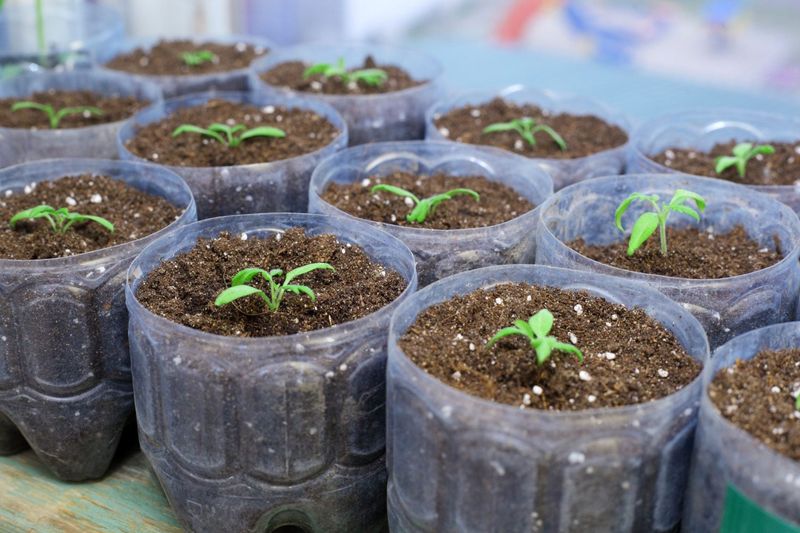
Eggplant has a reputation for being a bit fussy, and honestly, that reputation is earned. It craves warmth more than almost any other vegetable in the summer garden, and it simply will not perform well if you rush it into cool spring soil.
Starting eggplant indoors eight to ten weeks before your last frost is the best way to give it the long, warm season it needs to thrive in North Carolina.
Sow seeds in late January or early February for most of the state. Eggplant seeds germinate best when soil temperatures stay between 80 and 90 degrees Fahrenheit, so a heat mat is practically essential.
Without consistent bottom heat, germination can be slow and uneven, which frustrates even experienced gardeners.
After sprouting, keep eggplant seedlings somewhere warm and bright. They are sensitive to cold drafts, so avoid placing them near windows that let in chilly air.
Use grow lights to ensure they receive enough daily light, since weak light produces spindly plants that struggle after transplanting. When feeding your seedlings, stick to a balanced fertilizer at half strength until they are well established.
Eggplant transplants should be moved outdoors only after nighttime temperatures stay consistently above 55 degrees, which in most of North Carolina means waiting until mid to late May for best results.
4. Broccoli Should Be Started Early For Spring Harvest
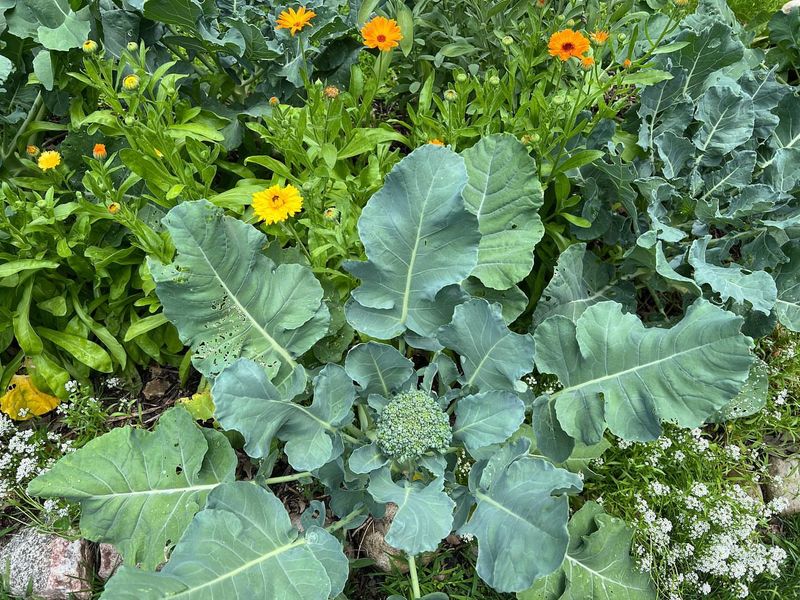
Broccoli is a cool-season superstar, and timing is everything when it comes to growing it successfully in North Carolina. It matures best when temperatures are between 45 and 75 degrees Fahrenheit, which means you want it in the ground while spring is still cool.
Starting seeds indoors four to six weeks before your transplant date gives you a big advantage over direct sowing outdoors.
For most of North Carolina, that means starting broccoli seeds indoors in late January through mid-February. The seeds germinate quickly compared to peppers or eggplant, usually sprouting within five to ten days at room temperature.
Use a shallow seed tray with good drainage and keep the soil evenly moist but never waterlogged during germination.
Once seedlings emerge, give them plenty of light to prevent stretching. Broccoli seedlings that do not get enough light become leggy and weak, which makes them harder to transplant successfully.
Thin seedlings to one per cell once they develop their first true leaves. Harden them off gradually over a week or two before transplanting into the garden in early March.
Broccoli can handle light frosts once established, so do not be afraid to plant it out early. Getting it into cool spring soil quickly is the key to producing tight, flavorful heads before summer heat sets in.
5. Cabbage Grows Best When Started Before Spring Warms
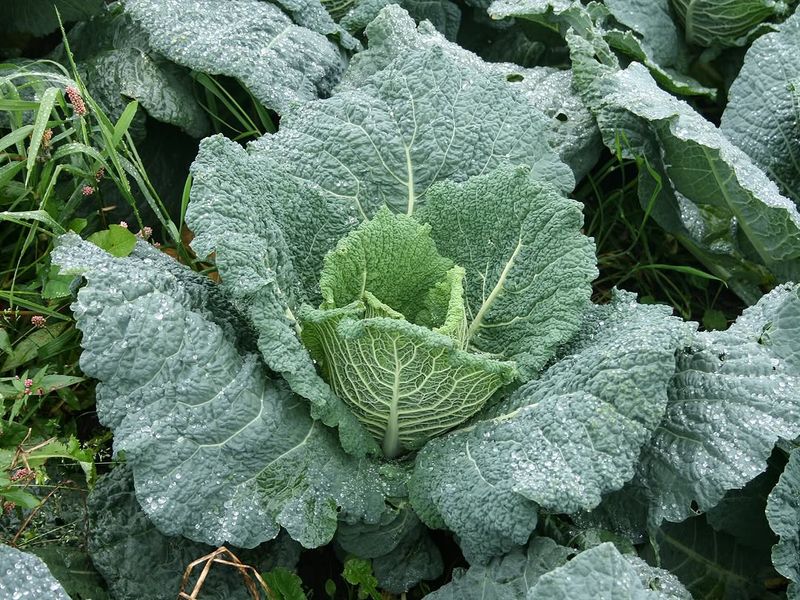
There is something deeply satisfying about a solid head of homegrown cabbage, and North Carolina gardeners have a real advantage when they start seeds early. Cabbage is a cool-season crop that performs at its best when it matures before summer heat arrives.
Starting seeds indoors four to six weeks before your planned transplant date puts you right on track for a strong spring harvest.
Aim to start cabbage seeds indoors in late January or early February. Seeds germinate well at room temperature, usually sprouting within a week.
Use individual cells or small pots rather than a flat tray, since cabbage develops a taproot fairly quickly and does not love being disturbed during transplanting.
Cabbage seedlings are tough and grow quickly once they get going. Keep them in a cool, bright spot, since they actually prefer temperatures between 60 and 70 degrees Fahrenheit for the best growth.
Avoid keeping them too warm indoors, as excessive heat can cause them to bolt prematurely once they hit the garden. Transplant your seedlings into the garden in early to mid-March, when the soil can be worked.
Cabbage tolerates frost well, making it an ideal early-season crop. Give plants consistent moisture and a nitrogen-rich fertilizer to encourage the leafy growth that eventually forms those satisfying, dense heads you are aiming for.
6. Cauliflower Needs A Head Start Before Warm Weather
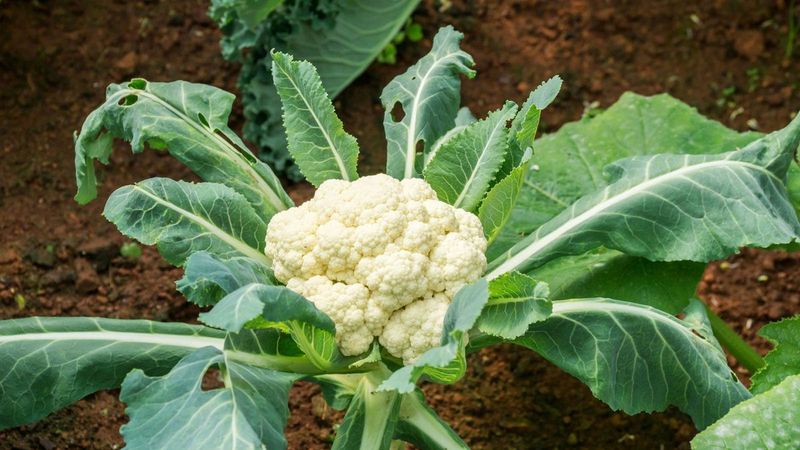
Cauliflower is one of the trickier vegetables to grow well, but starting it at the right time makes a huge difference. It is highly sensitive to temperature swings and needs to mature during consistently cool weather.
In North Carolina, that window can be surprisingly short, which is why starting cauliflower indoors in late winter is such a smart move for home gardeners.
Start seeds indoors four to six weeks before your planned outdoor transplant date. For most of North Carolina, that puts seed starting in late January or early February.
Cauliflower seeds germinate readily at room temperature, usually within five to seven days, and seedlings grow quickly under good light conditions.
One thing that sets cauliflower apart from broccoli is how sensitive it is to stress. Temperature fluctuations, inconsistent watering, or poor soil fertility can all cause the plant to produce small, loose, or discolored heads.
Keep seedlings in a stable environment with good light and even moisture. Harden them off carefully before transplanting, since abrupt changes in temperature can trigger premature bolting.
Transplant into the garden in early to mid-March and mulch around the base of each plant to help maintain consistent soil moisture and temperature.
As the heads begin to form, some varieties benefit from blanching, where you fold the outer leaves over the head to protect it from sunlight and keep it bright white.
7. Onions Should Be Started Early For Strong Bulb Development
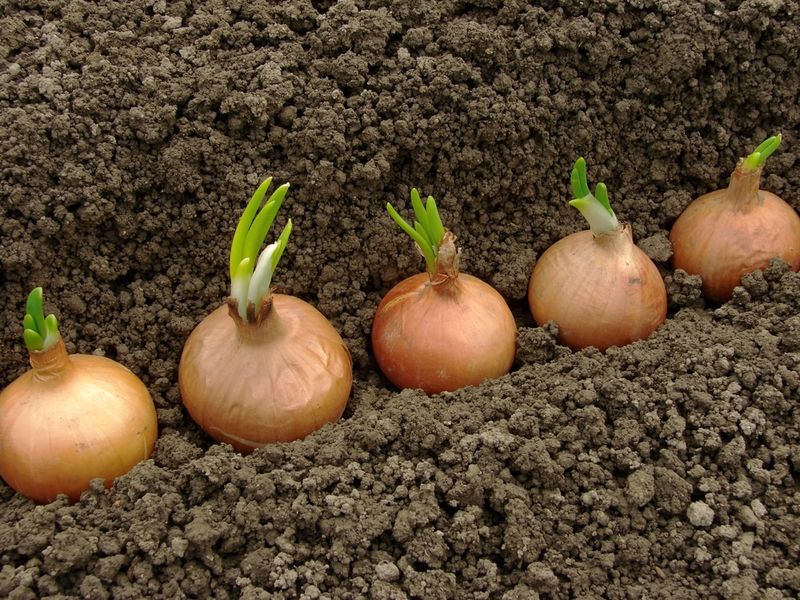
Onions are one of those crops where early action pays off in a big way come harvest time. Bulb size is directly related to how much leafy top growth the plant develops before the days get long enough to trigger bulbing.
Every week you give onion seedlings to grow indoors before transplanting is reflected in the size and quality of your final bulbs.
Start onion seeds indoors ten to twelve weeks before your planned transplant date, which means starting in late December or January for most of North Carolina. That might feel early, but onions are slow growers and need every bit of that time.
Sow seeds thickly in a tray and thin them to about half an inch apart once they sprout.
Onion seedlings look like thin grass blades at first, which can fool new gardeners into thinking something went wrong. Keep them trimmed to about three or four inches tall by snipping the tops with scissors, which encourages thicker, stronger growth.
They need bright light, at least 12 hours daily under grow lights, to stay stocky rather than floppy. Transplant your onion seedlings into the garden in early spring, as they handle light frost well.
Choose a day-length-appropriate variety for your region, since short-day onions perform best in the southern parts of North Carolina while intermediate varieties do well across the middle of the state.
8. Lettuce Can Be Started Early For Continuous Harvest
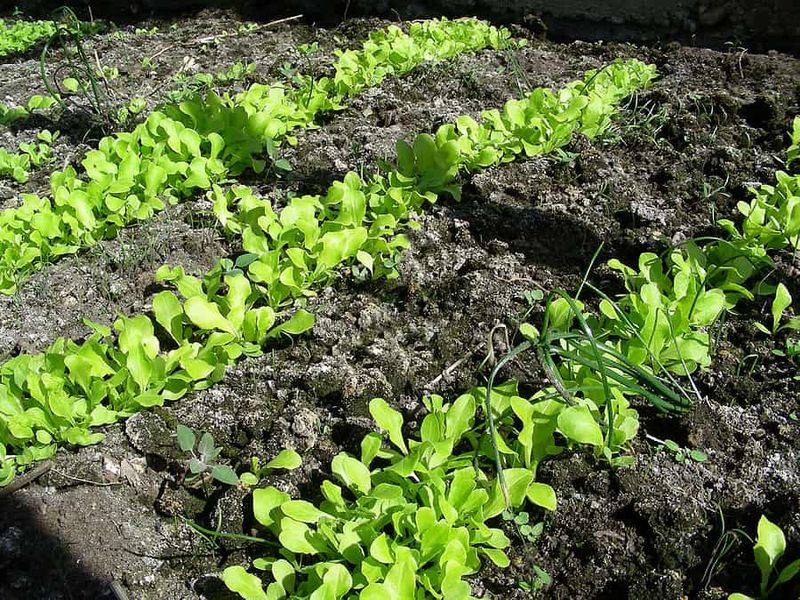
Lettuce is one of the most beginner-friendly crops you can grow, and starting it indoors in late winter gives you a head start on fresh salads well before your neighbors are even thinking about planting.
It germinates fast, grows quickly, and tolerates light frost beautifully, making it a natural fit for early-season North Carolina gardens.
Start lettuce seeds indoors four to six weeks before your planned transplant date. Since lettuce can go into the garden in early to mid-March in most parts of North Carolina, that means starting seeds in late January or early February.
Lettuce seeds are tiny, so sprinkle them lightly on the surface of moistened seed-starting mix and press them gently into the soil without covering them deeply, since they need a little light to germinate well.
One of the best strategies for lettuce is succession planting, which means starting a new small tray every two to three weeks. This keeps a steady stream of fresh transplants ready throughout spring and into early summer.
Lettuce prefers cool temperatures and will slow down or bolt once summer heat arrives, so enjoy it while the weather cooperates. Transplant seedlings into the garden after hardening off and space them six to eight inches apart.
Harvest outer leaves as needed rather than pulling the whole plant, and you will enjoy fresh greens for weeks longer than if you harvested all at once.
9. Kale Thrives When Started Before Spring Heat Arrives
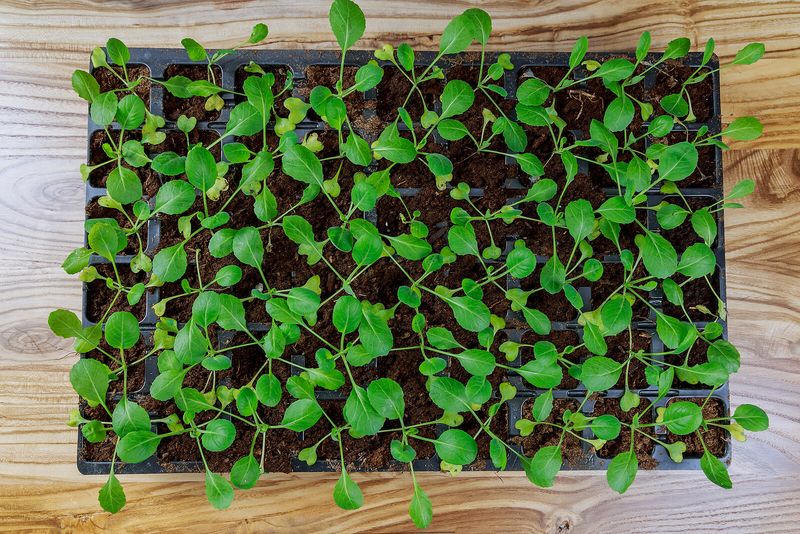
Kale has gone from a garnish on buffet tables to one of the most beloved vegetables in the home garden, and for good reason. It is packed with nutrition, incredibly cold-hardy, and actually tastes sweeter after a frost.
Starting kale indoors in late winter gives North Carolina gardeners a chance to enjoy tender young leaves well ahead of the spring rush at the farmers market.
Sow kale seeds indoors four to six weeks before your transplant date, aiming for late January through mid-February for most of the state. Kale germinates quickly and reliably at room temperature, often sprouting within five to seven days.
Use a well-draining seed-starting mix and keep the soil consistently moist but not soggy during germination.
Kale seedlings are vigorous and easy to manage. They grow well in cooler indoor temperatures and do not require as much heat as warm-season crops like peppers or eggplant.
Thin seedlings to one per cell once they develop their first true leaves, and keep them under bright light to prevent stretching. Transplant into the garden in early to mid-March, spacing plants 12 to 18 inches apart to allow room for full leaf development.
Kale grows well into summer in North Carolina, but its flavor and texture are at their absolute peak during the cool weeks of early spring, making that early indoor start well worth the effort.
10. Herbs Like Parsley Benefit From Early Indoor Start
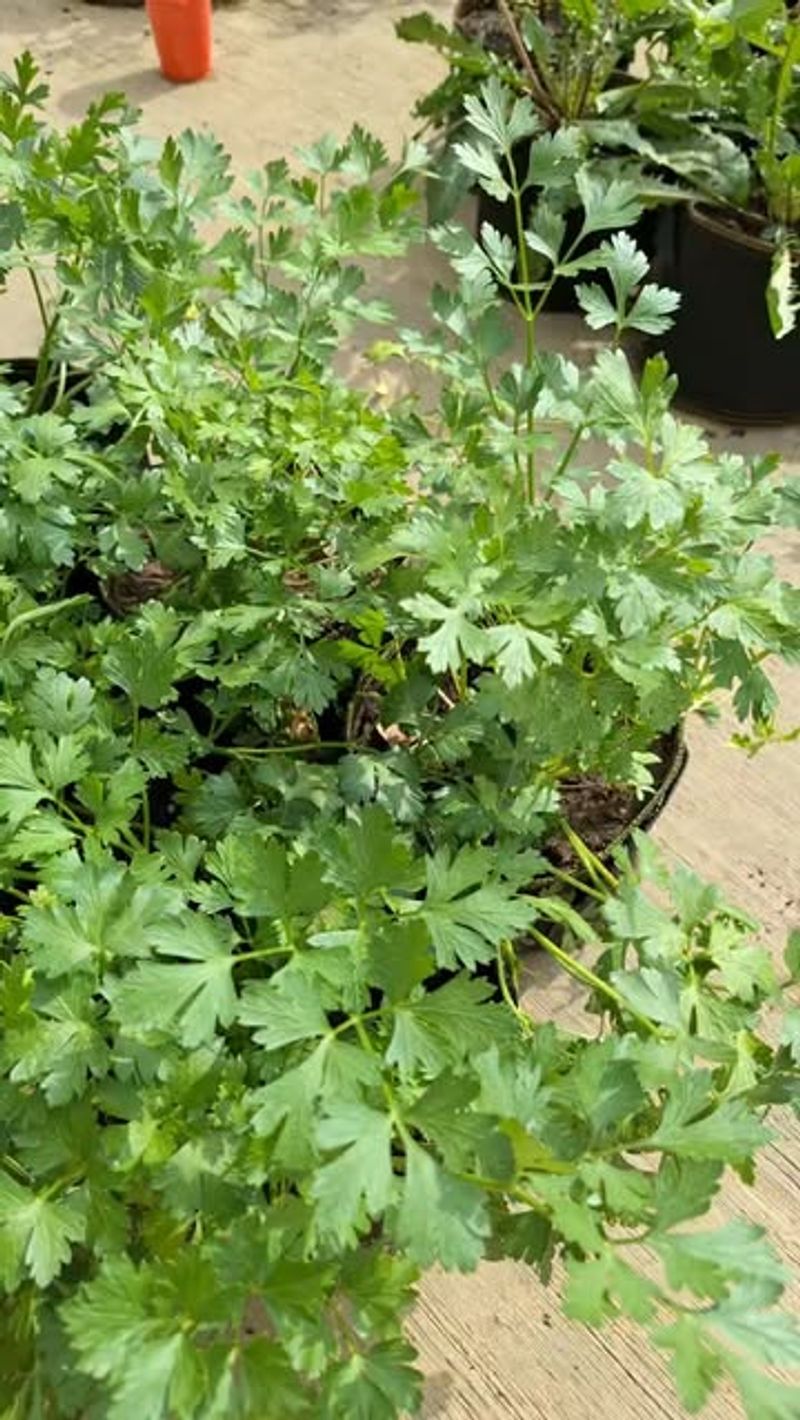
Parsley is one of those herbs that seems simple enough until you try growing it from seed for the first time.
It is notoriously slow to germinate, sometimes taking two to four weeks even under ideal conditions, which is why starting it indoors in late winter is a strategy every North Carolina gardener should embrace.
Getting ahead of parsley’s sluggish germination schedule puts you in a great position for a productive herb garden come spring.
Start parsley seeds indoors ten to twelve weeks before your last frost date. For most of North Carolina, that means starting seeds in late January or early February.
Soaking seeds in warm water for 24 hours before planting can help speed up germination by softening the seed coat. Sow seeds about a quarter inch deep in moist seed-starting mix and keep the tray in a warm spot around 70 degrees Fahrenheit.
Once parsley sprouts, thin seedlings to one per cell and move them to a bright location with at least six hours of light daily. Parsley grows steadily but does not demand as much attention as some other seedlings once it gets going.
Transplant hardened-off seedlings into the garden after your last frost, spacing them eight to ten inches apart.
Parsley is a biennial, meaning it grows foliage the first year and flowers the second, so starting fresh plants each late winter ensures you always have a healthy, productive patch ready to harvest.