What North Carolina Gardeners Should Know About Pruning Shears And Hand Pruners

In North Carolina gardens, a clean cut can mean the difference between a plant that thrives and one that struggles.
Pruning shears and hand pruners may look simple, yet these tools carry serious influence over plant health, shape, and long-term growth.
Use the wrong type, and stems crush, diseases spread, and frustration piles up fast.
Use the right one, and plants respond with strength and vigor.
From spring blooms to summer shrubs and fall cleanup, sharp tools keep gardeners ahead of the curve instead of playing catch-up.
Blade style, size, comfort, and purpose all matter more than most people expect.
Add North Carolina’s long growing season to the mix, and tool choice becomes even more important.
A solid pair of pruners feels like an extension of the hand, not a chore to grab and regret.
Blade Types Matter For Different Pruning Jobs
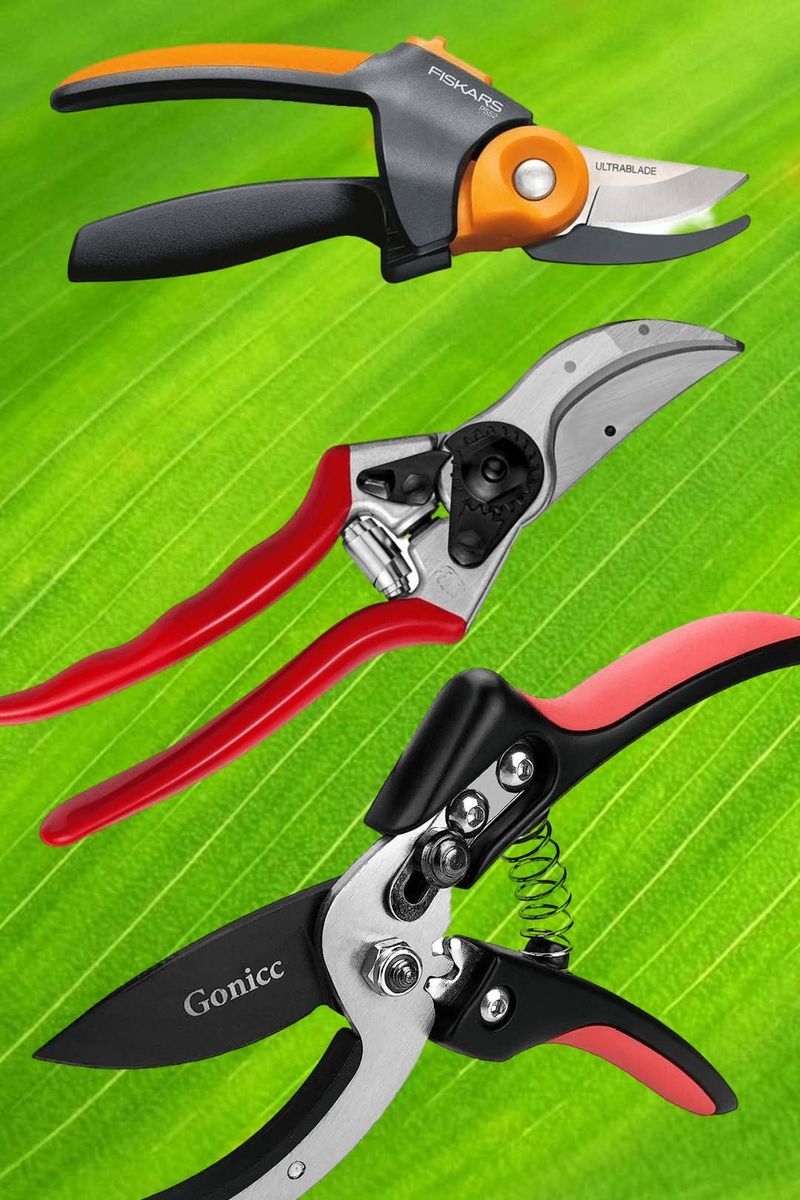
Bypass blades work like scissors, with two sharp edges sliding past each other to create clean cuts.
This design works best for live stems and green branches because it produces smooth, precise cuts that heal quickly.
Most professional gardeners prefer bypass pruners for roses, perennials, and young woody plants.
Anvil-style pruners feature one sharp blade that presses down onto a flat surface, much like a knife on a cutting board.
These pruners excel at cutting through tough, woody, or dried stems where a clean cut matters less.
The crushing action can damage living tissue, so save these for cleanup work rather than shaping healthy plants.
Ratchet pruners include a special mechanism that cuts in stages, requiring less hand strength with each squeeze.
Gardeners with arthritis or hand fatigue find these tools particularly helpful.
They work well for thicker branches up to three-quarters of an inch in diameter.
Choosing the right blade type depends on what you plan to trim most often in your garden.
Many North Carolina gardeners keep both bypass and anvil styles on hand for different tasks.
Match your tool to your job for the best results and healthiest plants.
Size And Cutting Capacity Determine Versatility
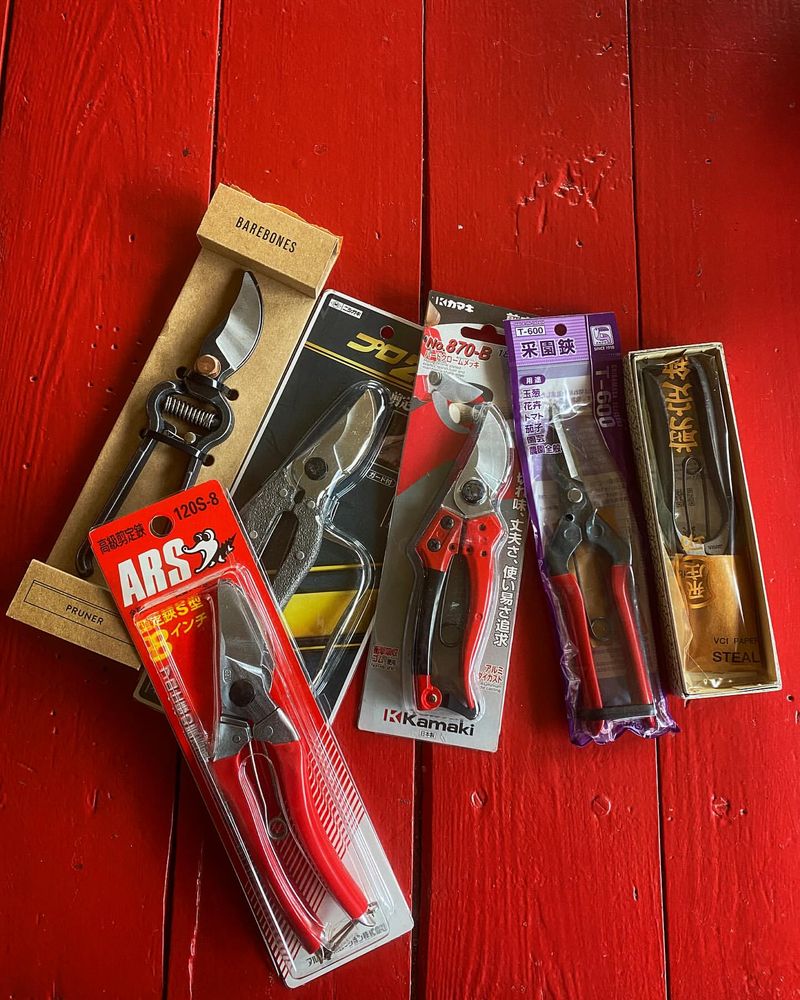
Hand pruners typically handle branches between one-quarter and three-quarters of an inch thick.
Trying to cut stems thicker than your pruner’s rated capacity can damage the blades, strain your hands, and create ragged cuts that harm plants.
Always check the manufacturer’s specifications before purchasing to ensure the tool matches your needs.
Compact pruners with shorter blades work wonderfully for detailed work on flowers, herbs, and small shrubs.
Their lighter weight reduces hand fatigue during extended pruning sessions.
Gardeners who focus on flower beds and container plants often prefer these smaller models for their precision and comfort.
Full-size pruners offer more leverage and cutting power for larger branches and woody shrubs.
The longer handles provide better grip and require less squeezing force.
These models suit gardeners who maintain fruit trees, mature roses, or established landscape shrubs that produce thicker growth.
North Carolina’s growing season encourages vigorous plant growth, so many gardeners need pruners that can handle various stem sizes.
Consider keeping multiple sizes in your tool collection for different garden areas.
Your wrists and hands will thank you when you use the right size tool for each specific cutting task.
Handle Comfort Affects Your Pruning Experience
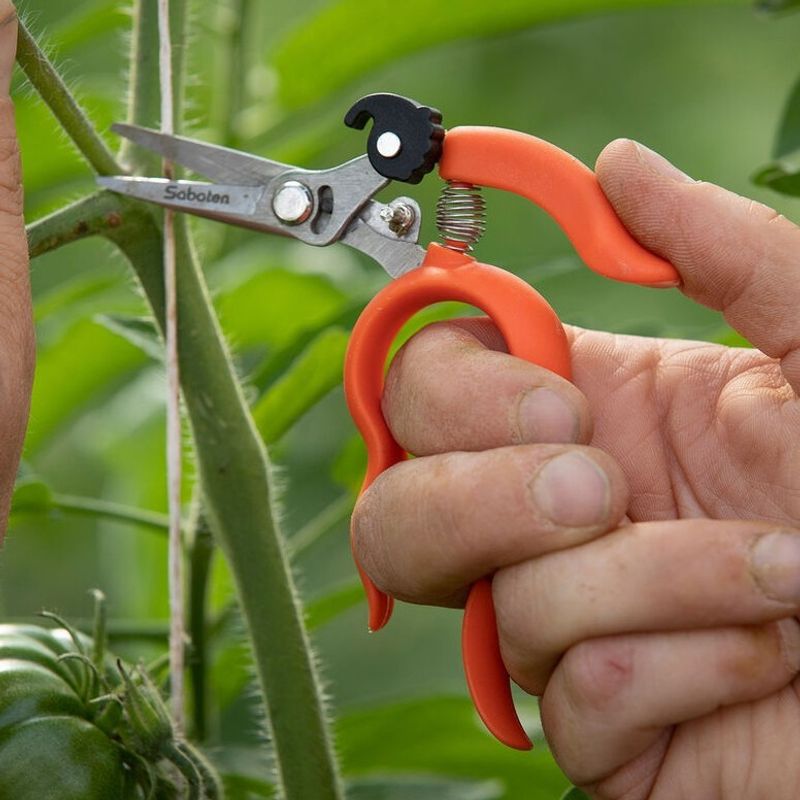
Cushioned grips make a huge difference during long pruning sessions, especially when working in humid North Carolina weather.
Foam or rubber padding prevents blisters and reduces the pressure points that cause hand soreness.
Look for handles with contoured shapes that naturally fit the curves of your palm and fingers.
Handle length influences leverage and comfort for gardeners of different hand sizes.
Longer handles provide more cutting power with less effort but may feel awkward for people with smaller hands.
Shorter handles offer better control and precision but require more grip strength for thicker branches.
Rotating handles feature a unique design that turns as you squeeze, reducing friction and hand strain.
This innovation particularly helps gardeners who spend hours pruning or those with joint problems.
Many users report significantly less fatigue when using rotating handle models compared to traditional fixed designs.
Test the feel of pruners before buying if possible, or read detailed reviews from other gardeners.
Your hands should close comfortably around the handles without stretching or straining.
Remember that you’ll use these tools repeatedly throughout the growing season, so comfort directly impacts how much you’ll enjoy your gardening time and how effectively you can work.
Material Quality Impacts Longevity And Performance
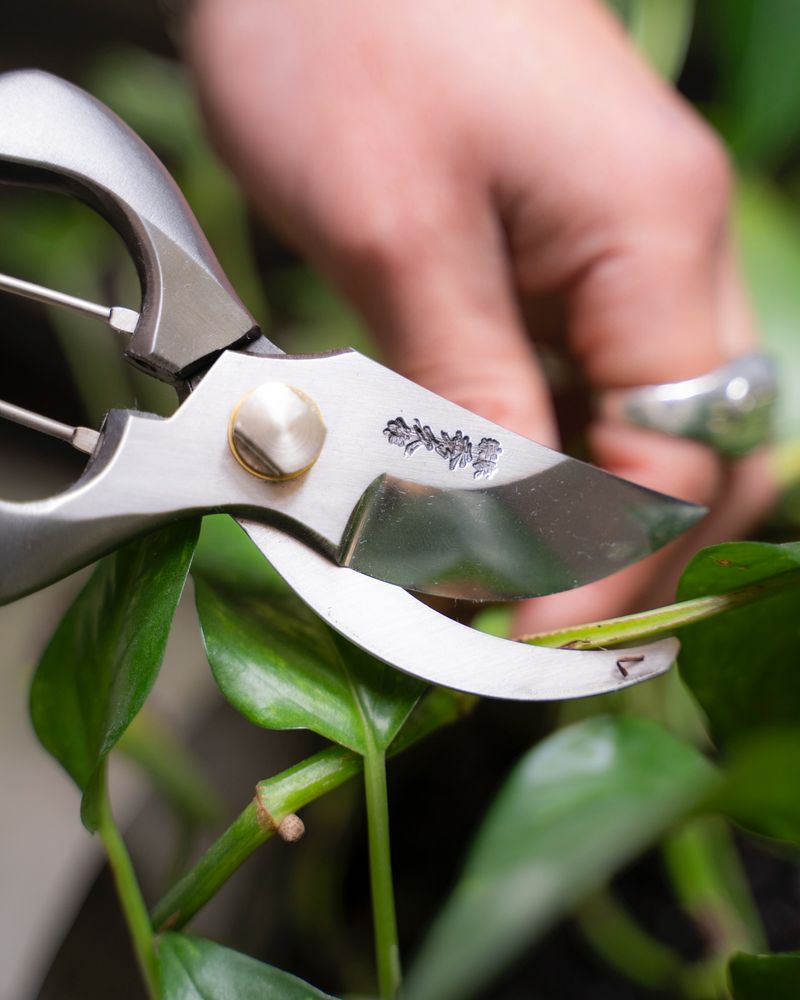
Stainless steel blades resist rust and corrosion much better than regular carbon steel, making them ideal for North Carolina’s humid climate.
These blades stay sharper longer and require less maintenance between uses.
Although stainless steel pruners typically cost more upfront, they often last for many years with proper care.
Carbon steel blades can be sharpened to an extremely fine edge, providing exceptionally clean cuts.
However, they require more diligent cleaning and oiling to prevent rust in our moisture-rich environment.
Professional gardeners sometimes prefer carbon steel for its superior cutting ability despite the extra maintenance requirements.
Titanium-coated blades combine the best features of both materials, offering rust resistance and edge retention.
The coating reduces friction, making cuts smoother and easier.
These premium options work wonderfully for serious gardeners who prune frequently and want tools that perform consistently season after season.
Handle materials range from basic plastic to reinforced fiberglass and aluminum alloys.
Stronger materials withstand drops, pressure, and weather exposure without cracking or bending.
Investing in quality construction means your pruners will remain reliable tools rather than becoming frustrating equipment that breaks when you need them most during peak gardening season.
Regular Cleaning Prevents Plant Disease Spread
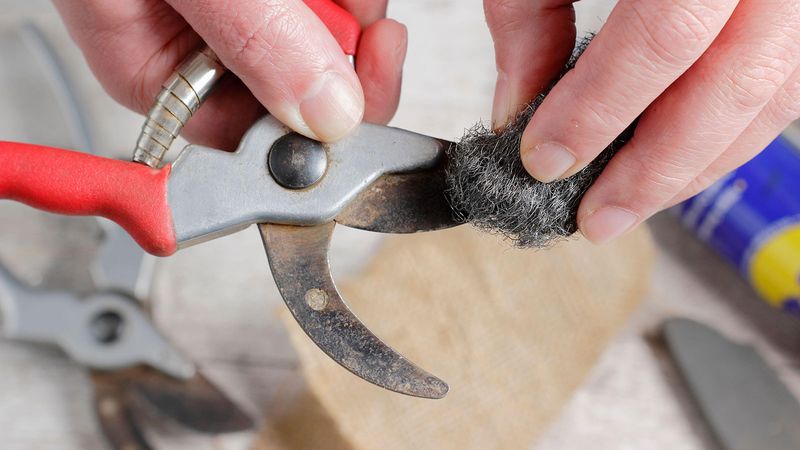
Bacteria, fungi, and viruses can travel from plant to plant on dirty pruner blades, spreading problems throughout your garden.
A quick wipe with rubbing alcohol or a bleach solution between plants takes just seconds but protects your entire landscape.
This simple habit becomes especially important when working with plants showing any signs of disease or pest damage.
Sap and plant residue build up on blades during use, creating sticky surfaces that attract dirt and make cutting harder.
Warm soapy water removes most residue easily after each pruning session.
For stubborn buildup, a small amount of mineral spirits or WD-40 dissolves sticky sap without harming the metal.
Moisture left on blades encourages rust formation, particularly on carbon steel tools.
Always dry your pruners thoroughly after cleaning, paying special attention to the pivot point and spring mechanism.
A soft cloth removes water droplets that might otherwise cause corrosion overnight.
North Carolina’s humid conditions accelerate rust and bacterial growth on garden tools.
Developing a consistent cleaning routine keeps your pruners working smoothly and your plants healthier.
Store clean, dry pruners in a protected location rather than leaving them outside where morning dew and rain can damage them between uses.
Proper Sharpening Techniques Extend Tool Life
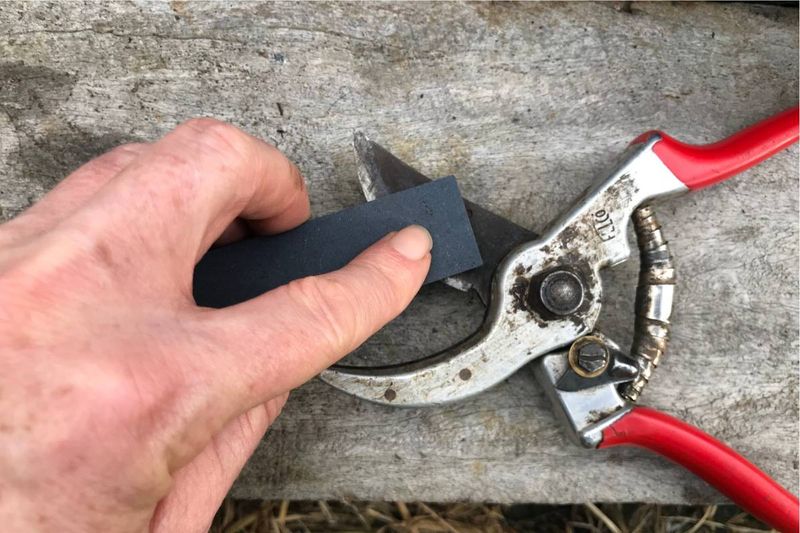
Sharp blades cut cleanly through stems without crushing or tearing plant tissue, promoting faster healing and healthier growth.
Dull pruners require more force, strain your hands, and damage plants by creating ragged wounds.
Most pruners need sharpening at least once per season, or more often if you prune frequently or work with tough, woody plants.
Diamond files work exceptionally well for sharpening pruner blades because they remove metal efficiently while maintaining the proper blade angle.
Always sharpen the beveled edge only, never the flat back side of bypass blades.
Use smooth, consistent strokes from the base toward the tip, following the original factory angle.
Sharpening stones offer another effective method, particularly for gardeners who enjoy traditional tool maintenance.
Wet the stone with water or honing oil before use to reduce friction.
Hold the blade at approximately a twenty-degree angle and draw it across the stone in one direction several times.
Professional sharpening services provide excellent results if you feel uncomfortable sharpening tools yourself.
Many garden centers and hardware stores offer this service for a reasonable fee.
However, learning basic sharpening skills saves money and ensures your pruners stay ready whenever you need them during North Carolina’s extended growing season.
Seasonal Timing Affects Pruning Success
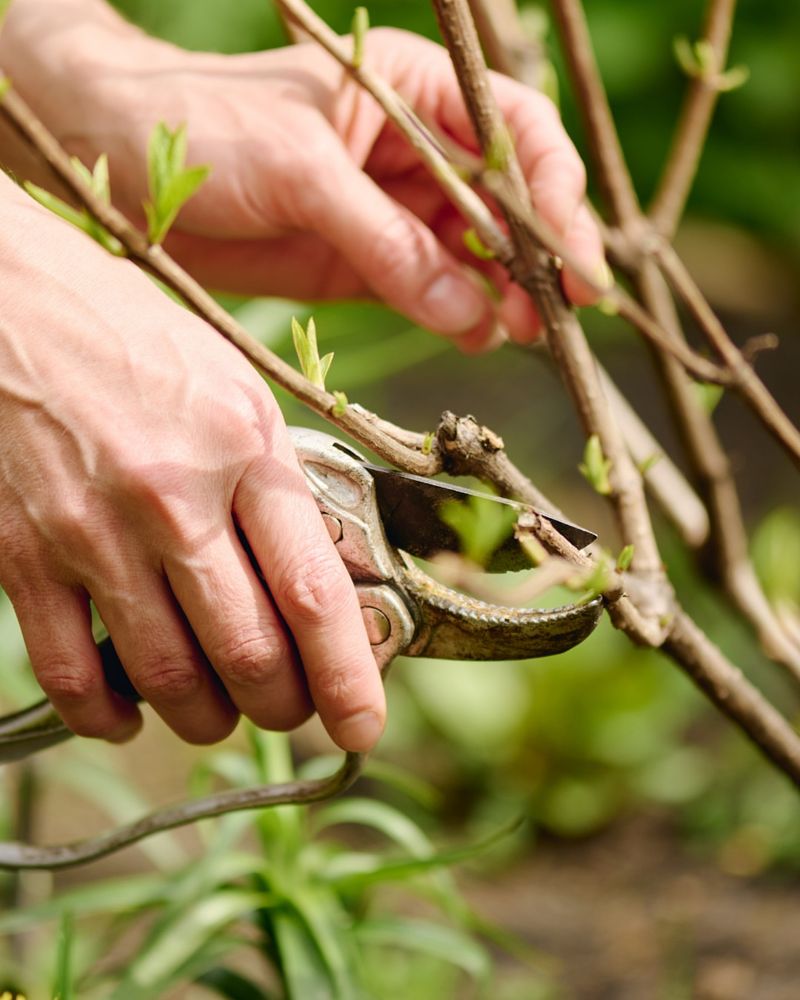
Spring-blooming shrubs like azaleas and forsythia should be pruned immediately after flowers fade, not before.
Cutting too early removes flower buds that formed the previous season.
Summer-blooming plants can be trimmed in late winter or early spring before new growth begins, encouraging fuller, more vigorous blooms.
Late winter remains the ideal time for major pruning of most trees and shrubs in North Carolina.
Plants enter dormancy during this period, making it easier to see their structure without leaves blocking your view.
Wounds heal quickly when growth resumes in spring, and insects or diseases are less likely to enter fresh cuts during cold weather.
Summer pruning controls size and removes damaged branches but should be done sparingly.
Heavy pruning during hot weather stresses plants already working hard to manage heat and humidity.
Light maintenance cuts work fine, but save major shaping for cooler months.
Fall pruning generally should be avoided because it stimulates new growth that won’t harden off before winter cold arrives.
Tender new shoots can suffer damage from unexpected freezes.
Wait until plants fully enter dormancy before making cuts, or postpone work until late winter when the worst cold has passed and spring approaches.
Safety Features Protect Hands And Tools
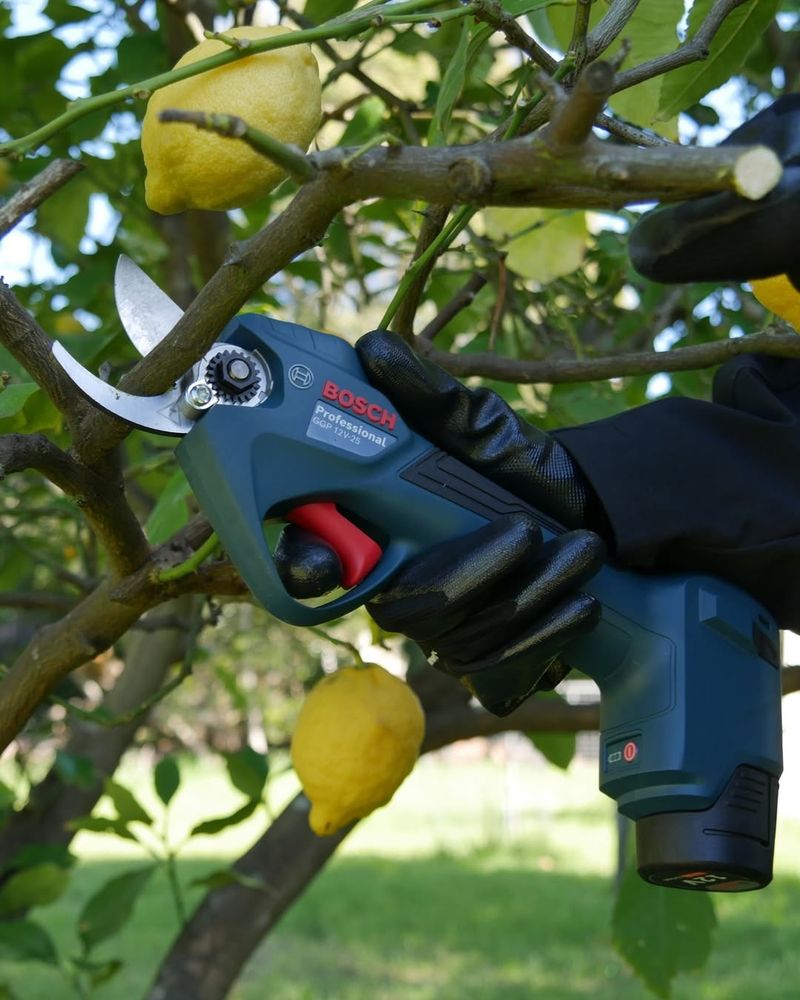
Locking mechanisms keep blades closed when pruners aren’t in use, preventing accidental cuts when you reach into your tool bag or pocket.
Most models include a simple catch or slide lock near the handles.
Always engage the safety lock before setting pruners down or moving to a different garden area.
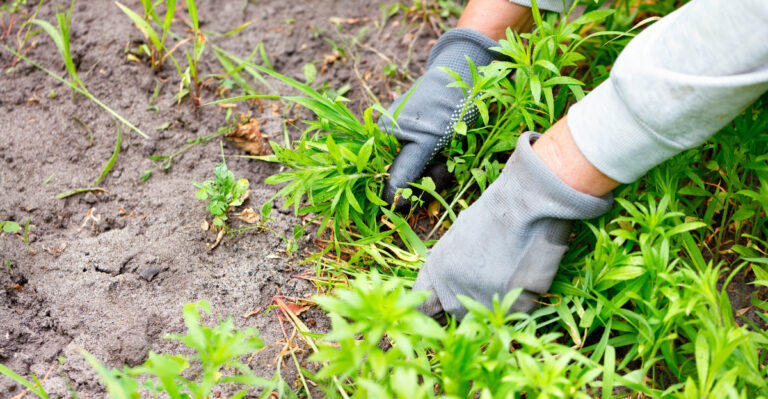
Protective gloves shield your hands from thorns, rough bark, and accidental blade contact.
Choose gloves that fit snugly without restricting finger movement or reducing your grip strength.
Leather or synthetic materials with reinforced palms provide the best protection while maintaining dexterity for detailed pruning work.
Wrist straps or lanyards prevent dropping expensive pruners while working on ladders or reaching into dense shrubs.
A simple cord attached to your belt or tool belt keeps pruners within reach without occupying your hands.
This small accessory proves particularly valuable when you need both hands free for other tasks.
Eye protection matters when pruning overhead branches or working with springy stems that might snap back.
Small twigs and debris can fly unexpectedly during cutting.
Safety glasses take seconds to put on but protect your vision from potentially serious injuries that could end your gardening season prematurely and require medical attention.