What North Carolina Gardenias Need In April For Fragrant Summer Blooms
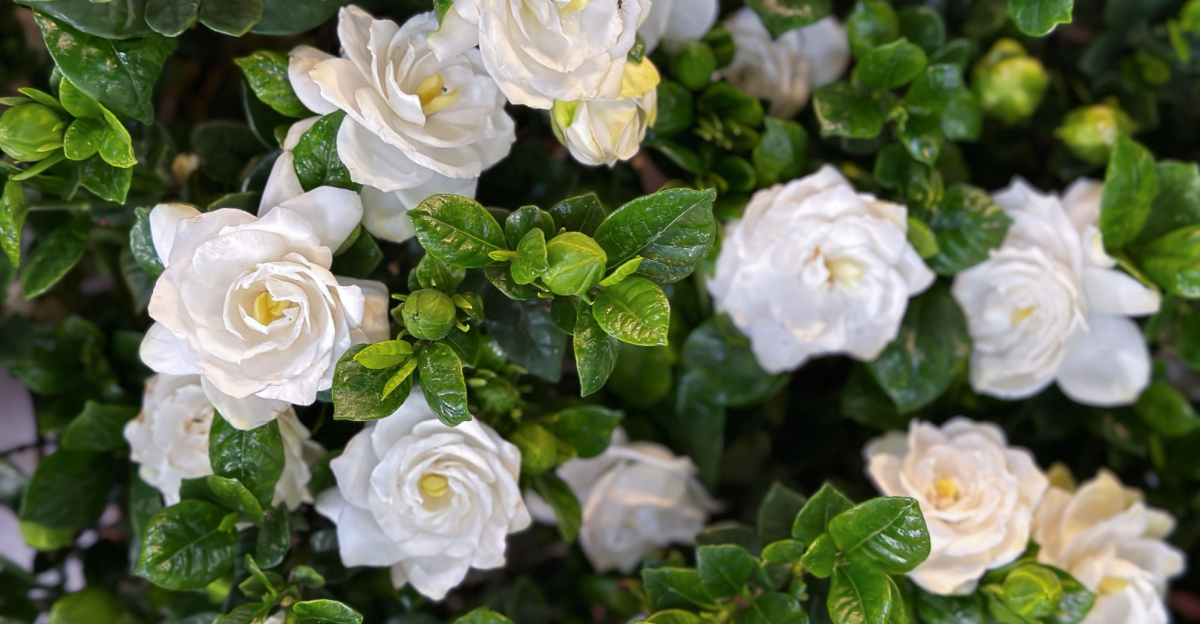
Few things feel more promising than seeing fresh green growth on a gardenia in April.
It is the moment North Carolina gardeners start thinking ahead to those creamy, fragrant blooms summer is known for.
This month matters because gardenias are actively putting on new growth, early bud development is beginning, and the weather can still shift in a hurry.
Cool nights, dry wind, and sudden warm stretches can all affect how well the plant moves into bloom season.
Whether you garden in the mountains, the Piedmont, or the coastal plain, the care you give your gardenias in April can make a real difference in how healthy, full, and flower-loaded they look once summer arrives.
1. Give Gardenias Bright Morning Light And Shelter From Harsh Afternoon Sun
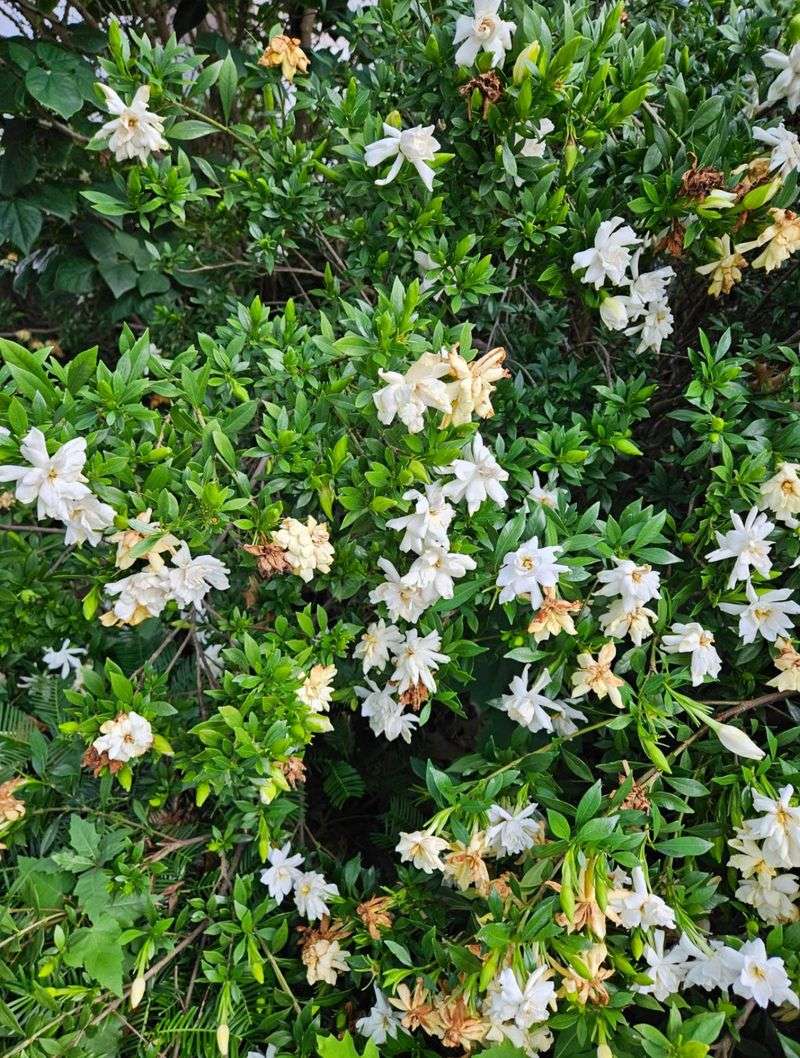
Gardenias are a little particular about sunshine, and getting the light balance right in April makes a real difference in how well they bloom come summer. Morning sun is exactly what these shrubs love.
It warms the leaves gently, helps dry off any overnight moisture, and gives the plant the energy it needs to push out healthy new growth and develop those precious flower buds forming beneath the surface.
Afternoon sun in North Carolina, especially as April progresses toward May, can get surprisingly intense.
That strong heat bearing down on gardenia leaves for hours can stress the plant, cause leaf scorch, and push the shrub into survival mode rather than bloom mode.
A spot that gets four to six hours of morning light followed by filtered shade or full shade in the afternoon is close to ideal.
In the Piedmont and coastal areas, south-facing or west-facing beds without any afternoon shade cover can be rough on gardenias by late spring.
Try planting near a fence, a larger shrub, or the east side of your home where natural shade kicks in during the hottest part of the day.
Mountain gardeners often have gentler afternoon light naturally, but wind exposure can be a separate concern.
Checking your garden’s light patterns in April, while the sun angle is still shifting, helps you decide if your gardenia needs to be relocated or shaded before summer heat arrives.
2. Check Soil Acidity Before New Growth Takes Off
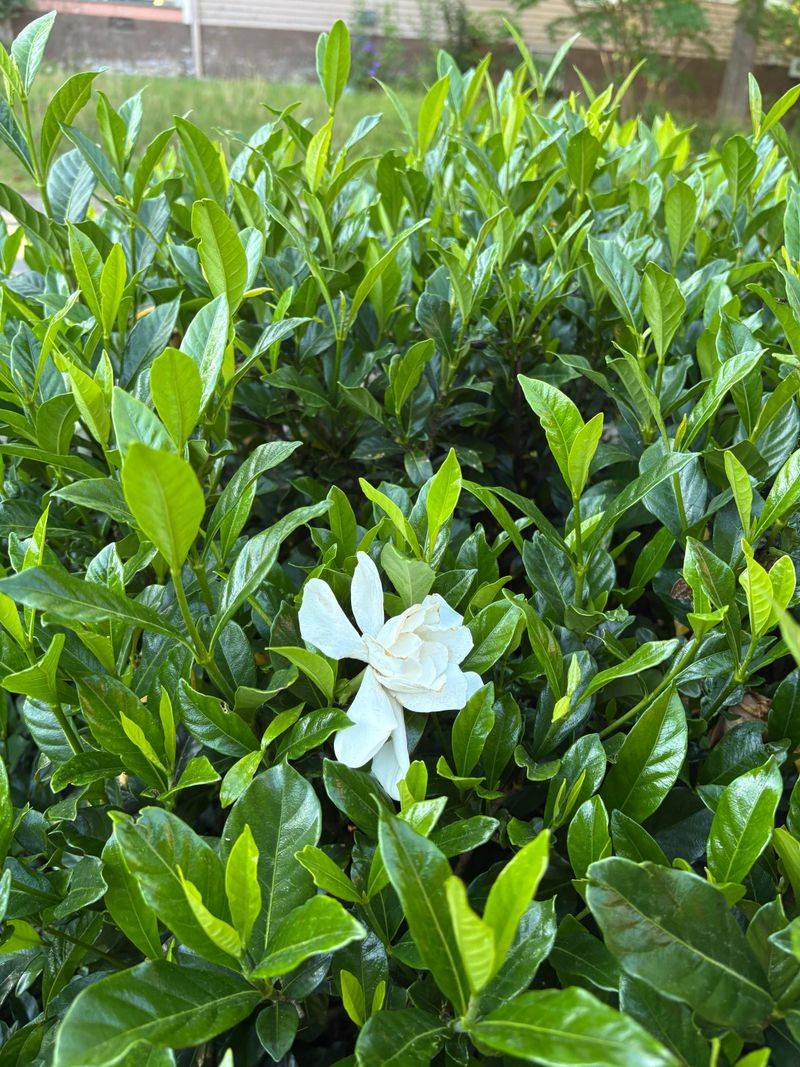
Soil pH is one of those behind-the-scenes factors that quietly controls how well your gardenia performs all season long. Gardenias are fussy about acidity and really do best when the soil pH sits somewhere between 5.0 and 6.5.
Outside that range, the plant struggles to pull nutrients out of the soil even when those nutrients are present, which leads to pale leaves, weak growth, and fewer blooms.
April is a smart time to test because the soil is warming up and your gardenia is about to start drawing on those nutrients in a big way.
Inexpensive soil test kits are available at most garden centers, and many North Carolina county cooperative extension offices offer low-cost testing that gives you detailed results.
If your pH is too high, working in elemental sulfur or an acidifying amendment like composted pine bark can help bring it down over the coming weeks.
North Carolina soils vary quite a bit by region. Clay-heavy Piedmont soils can drift toward neutral or slightly alkaline readings, especially near concrete foundations or driveways where lime leaches in.
Coastal plain soils tend to be sandier and more naturally acidic, while mountain soils often lean acidic already.
Knowing exactly where your soil stands gives you a clear picture before you start fertilizing or amending.
Correcting pH now means your gardenia can actually use the nutrition you provide, which pays off in fuller foliage and better flowering later.
3. Refresh Mulch To Keep Roots Cool And Moist
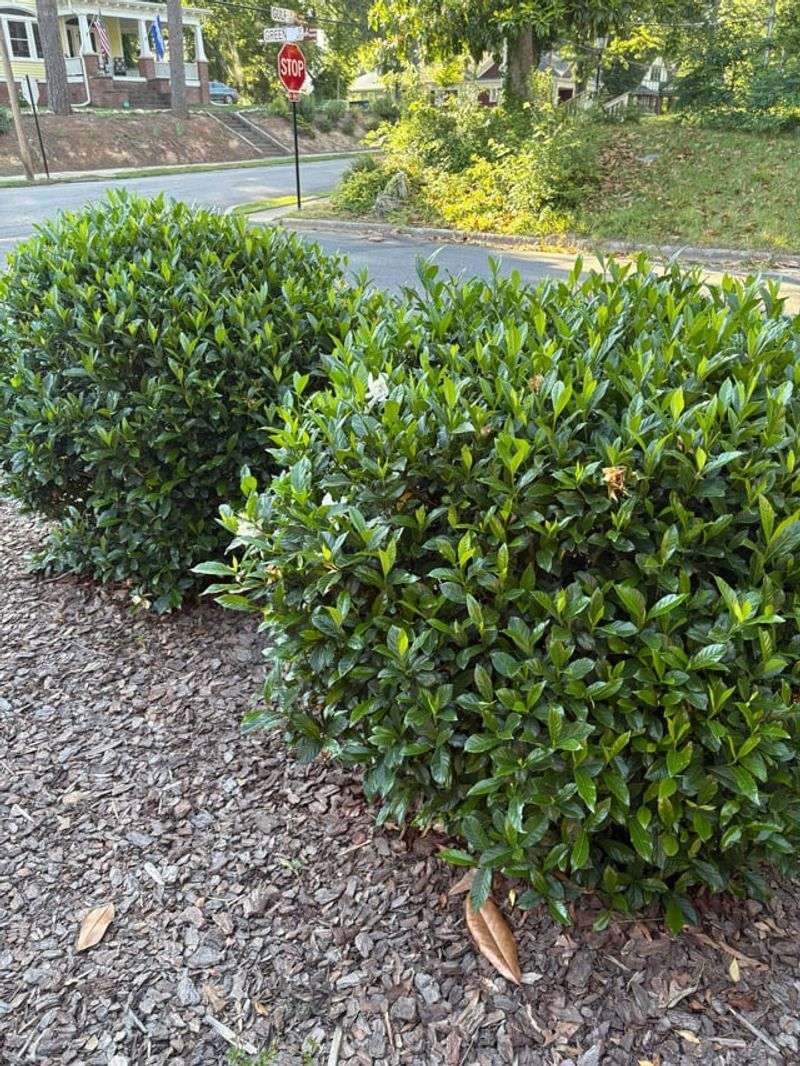
Mulch might not be the most glamorous part of spring gardening, but it does some seriously important work for gardenias.
By April, whatever mulch you laid down last year has likely broken down, thinned out, or shifted around.
Taking an hour to refresh that layer now can protect your gardenia’s shallow root system through the increasingly warm and sometimes dry weeks ahead.
A fresh two-to-three-inch layer of organic mulch, like pine straw, shredded pine bark, or wood chips, does several helpful things at once. It holds soil moisture so you are not constantly playing catch-up with watering.
It moderates soil temperature so roots stay comfortable even when afternoon air temps climb.
And as it slowly breaks down, it adds a touch of organic matter that nudges soil pH in a slightly more acidic direction, which gardenias genuinely appreciate.
One thing to keep in mind is to pull the mulch a few inches away from the main stem of the shrub. Piling it right against the base can trap moisture against the bark and invite fungal problems or pest activity.
A doughnut-shaped ring of mulch that covers the root zone but leaves the stem base clear is the right approach.
In North Carolina’s humid summers, that gap around the stem becomes even more important.
Getting this done in April, before the heat builds, gives the mulch time to settle in and start doing its job before your gardenia really needs it most.
4. Water Deeply And Keep Soil Evenly Moist Through Spring
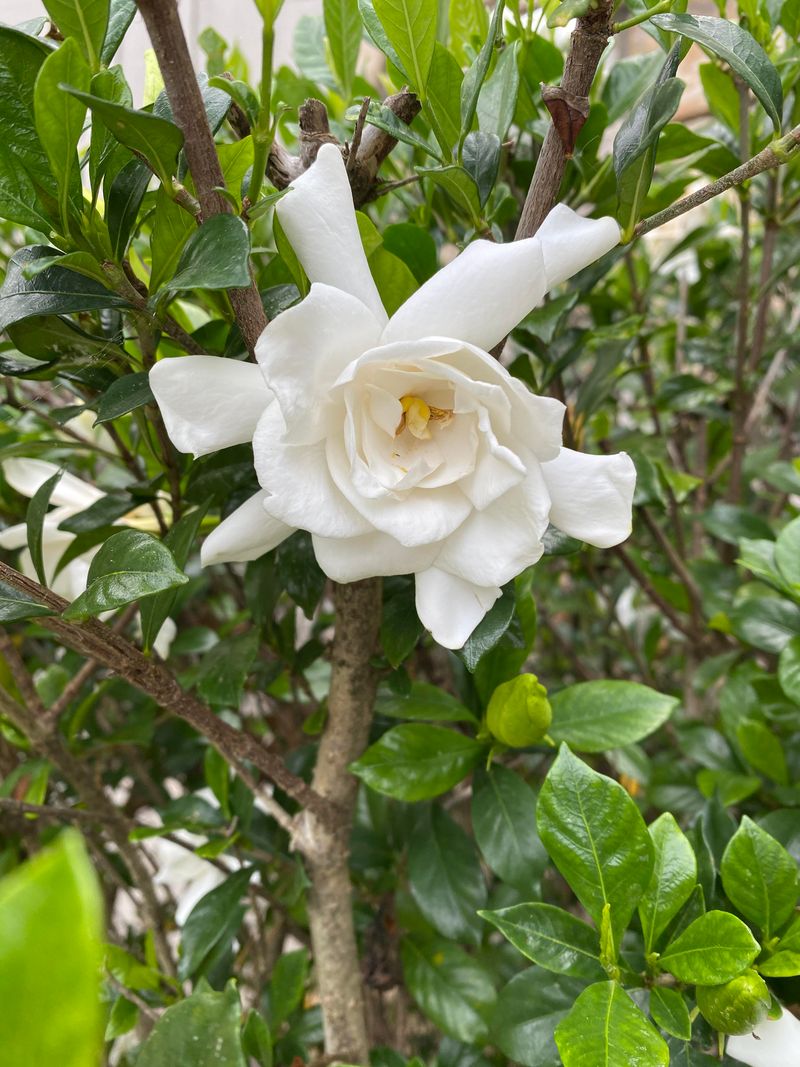
Spring in North Carolina can fool you into thinking your gardenias are getting enough water. Some weeks bring steady rain, and others turn surprisingly dry with gusty winds that pull moisture right out of the soil.
Gardenias forming flower buds in April are sensitive to moisture swings, and inconsistent watering is one of the more common reasons buds fail to develop properly or drop before they ever open.
Deep watering, where you soak the soil slowly so moisture reaches several inches down, is far more effective than light, frequent sprinkles.
Shallow watering trains roots to stay near the surface, which leaves them more vulnerable to heat and drought stress as summer approaches.
Watering deeply once or twice a week, depending on rainfall and soil type, encourages roots to grow downward and gives the plant a more stable foundation.
Sandy soils along the coastal plain drain quickly and may need watering more often than the clay-heavy soils common in the Piedmont, which hold moisture longer but can also become waterlogged if drainage is poor.
Stick your finger about two inches into the soil near your gardenia. If it feels dry at that depth, it is time to water. If it still feels moist, hold off another day.
Gardenias do not like sitting in soggy soil, so good drainage matters just as much as consistent moisture.
Getting into a steady spring watering rhythm now helps your shrub stay healthy and focused on bud development.
5. Feed Lightly With An Acid-Loving Shrub Fertilizer After Frost Risk Eases
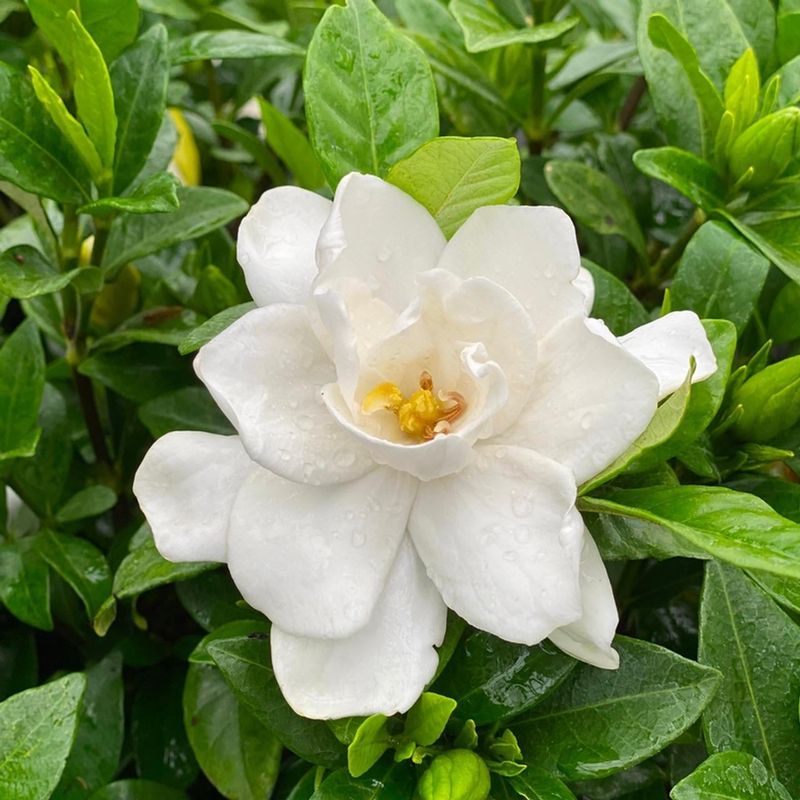
Feeding gardenias at the right moment in spring is one of those small decisions that can have a noticeable impact on bloom quality. April is generally the right window for North Carolina gardeners, but timing matters.
Applying fertilizer before the last frost risk has passed can push out tender new growth that a surprise cold night might damage.
Waiting until temperatures have settled and frost is unlikely in your area gives the plant a safer start.
An acid-forming fertilizer formulated for camellias, azaleas, and gardenias works well because it supports the low pH these plants prefer while delivering the nutrients they need for strong foliage and flower bud development.
Look for a product with a balanced ratio that includes nitrogen for leafy growth and micronutrients like iron and magnesium, both of which gardenias use heavily.
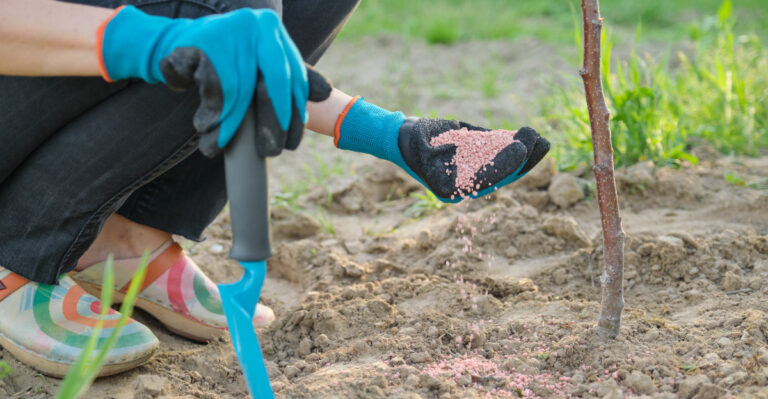
Apply according to package directions and avoid piling fertilizer directly against the stem.
Less is more when it comes to spring feeding. Over-fertilizing, especially with high-nitrogen products, pushes lots of leafy growth but can actually reduce flowering.
A light, even application spread across the root zone and watered in well is the right approach. Coastal North Carolina gardeners may be able to fertilize a bit earlier in April since frost risk eases sooner there.
Mountain and Piedmont gardeners should watch the forecast and hold off if cold nights are still expected.
One spring feeding done at the right time supports steady, healthy growth without overwhelming the plant.
6. Hold Off On Heavy Pruning Until After Flowering Ends
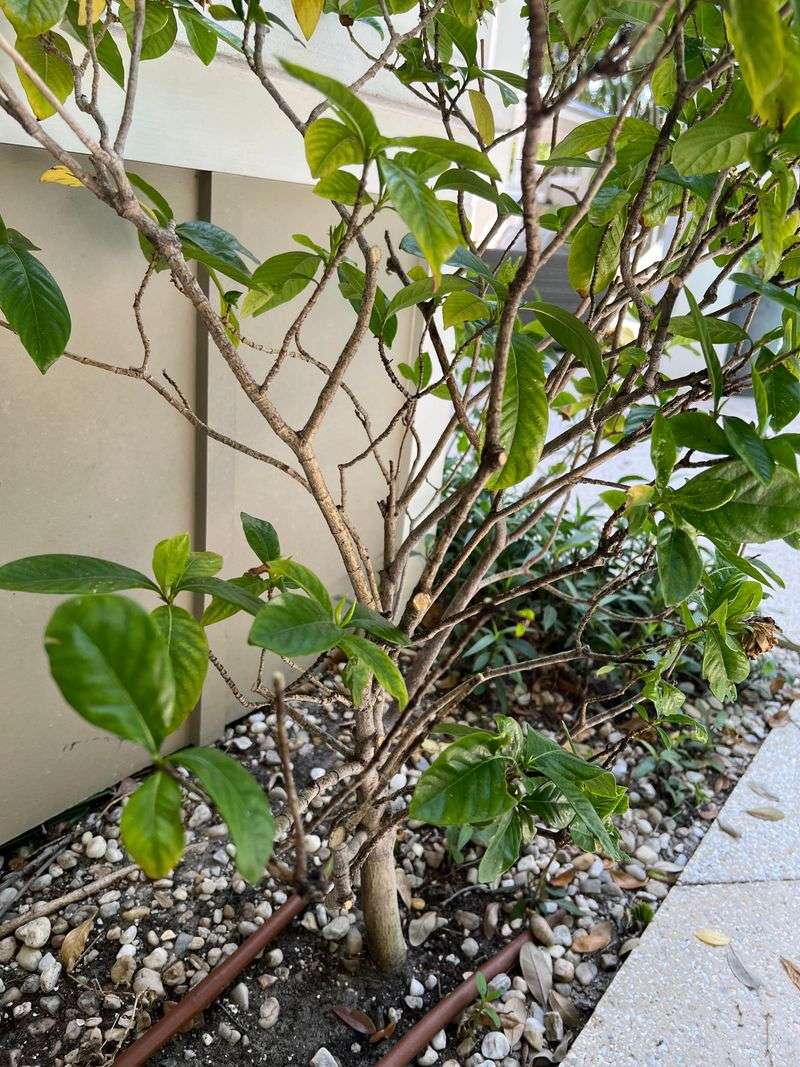
Few gardening mistakes feel as frustrating as pruning a gardenia in spring only to realize later that you cut off every bud that would have bloomed.
Gardenias set their flower buds on wood that grew the previous season, which means those buds are already quietly present on the branches when April arrives.
Any heavy cutting done now removes the very growth that was going to give you flowers this summer.
Light tidying is fine in April. Removing a clearly damaged branch, snipping off dried tips, or cleaning up winter-battered growth will not harm the plant.
The key is to avoid any shaping, size reduction, or structural pruning until after the shrub finishes blooming, which for most North Carolina gardenias falls sometime in June or July depending on the variety and location.
Pruning right after bloom is the ideal window.
The shrub has finished flowering, and it still has enough of the growing season left to push out new growth that will carry next year’s flower buds.
Waiting until late summer or fall shortens that recovery window significantly. If your gardenia is looking a little wild or overgrown heading into spring, resist the urge to shape it up now.
Mark a reminder for after bloom instead. The reward for that patience is a shrub covered in fragrant white flowers rather than a neatly trimmed plant with nothing to show for the season.
Timing your pruning correctly is one of the simplest ways to protect your summer bloom display.
7. Watch New Growth Closely For Yellow Leaves And Bud Problems
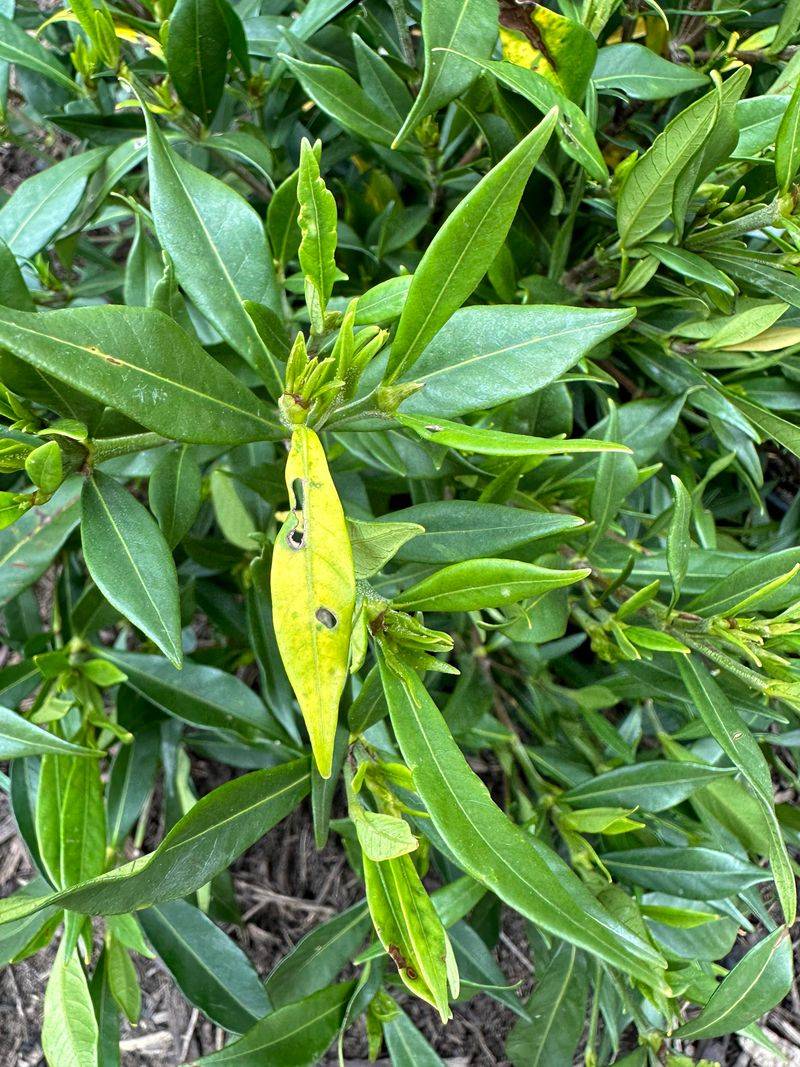
New growth on a gardenia in April should be a rich, glossy green. When leaves come in pale, yellowish, or show green veins against a lighter background, that is a signal worth paying attention to.
Interveinal chlorosis, where the leaf tissue between the veins turns yellow while the veins stay green, is a common sign of iron deficiency.
This often happens not because iron is absent from the soil but because the pH is too high for the plant to absorb it properly.
Checking your soil pH first, before reaching for an iron supplement, is a sensible step.
If the pH is within range and yellowing persists, a chelated iron product applied as a soil drench or foliar spray can help correct the deficiency relatively quickly.
Magnesium deficiency can also cause yellowing, particularly on older leaves, and a light application of Epsom salt dissolved in water is a common remedy gardeners use for this.
Bud problems are another thing to watch for in April. Small buds that form and then drop before opening are often tied to inconsistent moisture, low humidity, or temperature stress.
North Carolina’s spring weather can swing from warm and humid to cool and dry within the same week, which is hard on developing buds.
Keeping soil moisture steady, protecting the plant from drying winds, and avoiding fertilizer burn all support better bud retention.
Catching these issues early in spring gives you time to correct them before the plant is too far into its flowering cycle to recover.
8. Protect Flower Buds From Late Cold And Dry Spring Winds
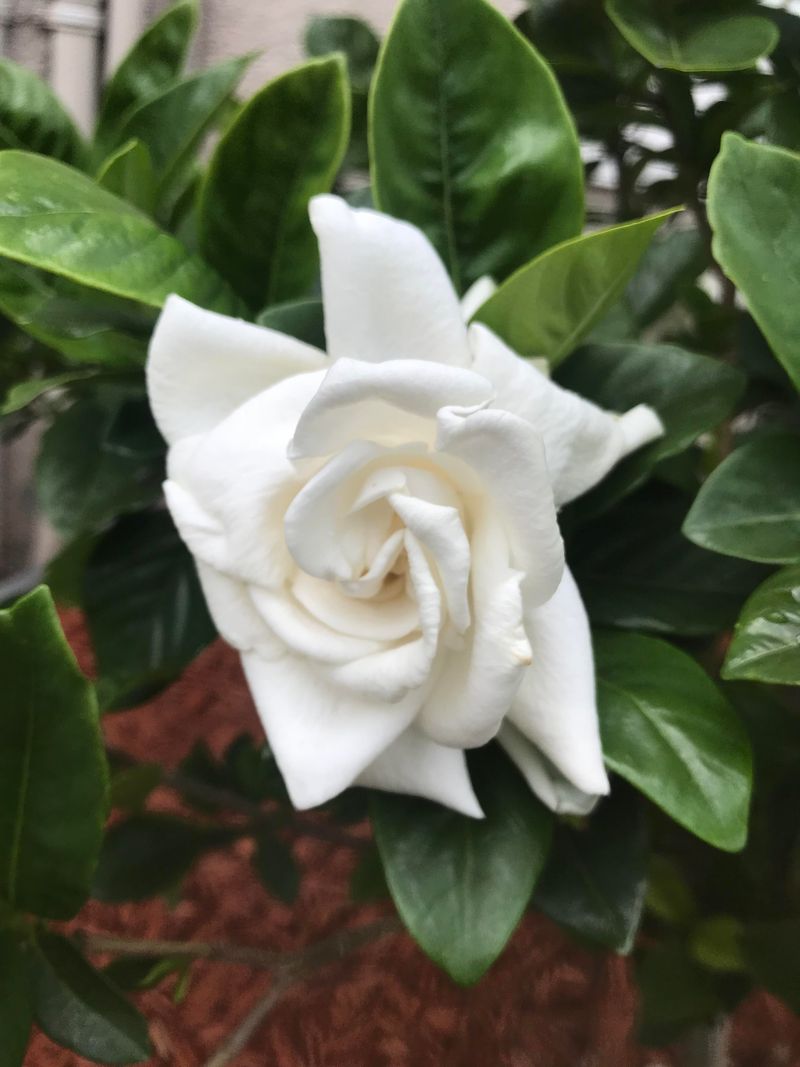
April in North Carolina has a reputation for being unpredictable, and gardenias with developing flower buds are more vulnerable to that unpredictability than you might expect.
A cold snap that drops temperatures into the low thirties overnight can stress tender buds enough to cause them to drop, even if the plant itself comes through without visible damage.
Coastal gardeners tend to have less worry here, but Piedmont and mountain gardeners know that a cold night can sneak in well into April.
Keeping a lightweight frost cloth or even a breathable fabric cover on hand is a practical move.
If a cold night is in the forecast and your gardenia is actively pushing buds, draping a cover over the shrub and removing it the next morning when temperatures rise is a simple way to provide a few degrees of protection.
Avoid using plastic sheeting, which can trap too much heat during the day and cause its own problems.
Dry, gusty spring winds are a separate but equally real threat. Wind pulls moisture out of leaves and developing buds faster than the plant can replace it, especially if the soil is not consistently moist.
Shrubs planted in exposed locations without windbreaks are the most vulnerable. A fence, hedge, or garden wall on the windward side can reduce that stress noticeably.
Combining good soil moisture with some wind shelter gives developing buds the stable environment they need to hold on and grow into the fragrant summer flowers you have been waiting for all year.