What North Carolina Gardenias Need In Spring Before Summer Heat Arrives
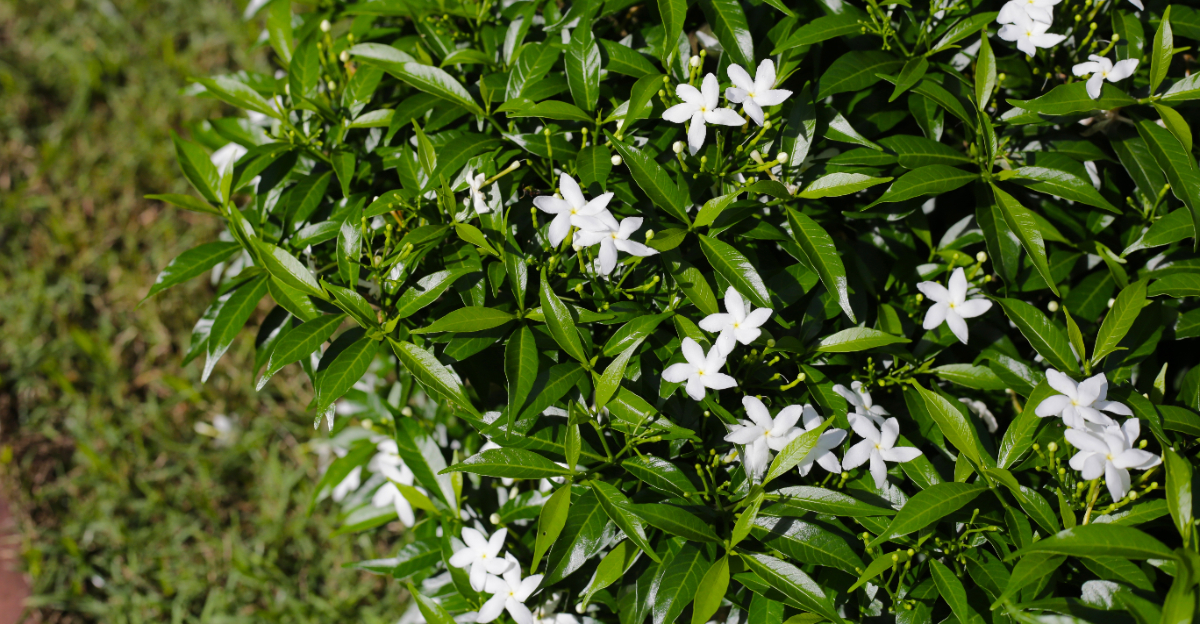
Gardenias are a favorite in North Carolina for their glossy leaves and fragrant blooms, but they need the right care in spring to truly shine. As temperatures begin to rise, this is the time when gardenias wake up and start preparing for their main growing season.
What you do now can shape how well they handle the intense heat and humidity that summer brings. These plants can be a bit picky, especially when it comes to soil, water, and light, so small adjustments in early spring can make a big difference.
From feeding to checking moisture levels, each step helps build stronger plants with more reliable blooms. If you want your gardenias to stay full, green, and covered in flowers, spring care is key.
A little attention now can set the stage for a healthier, more beautiful plant all season long.
1. Consistent Moisture Without Soggy Soil
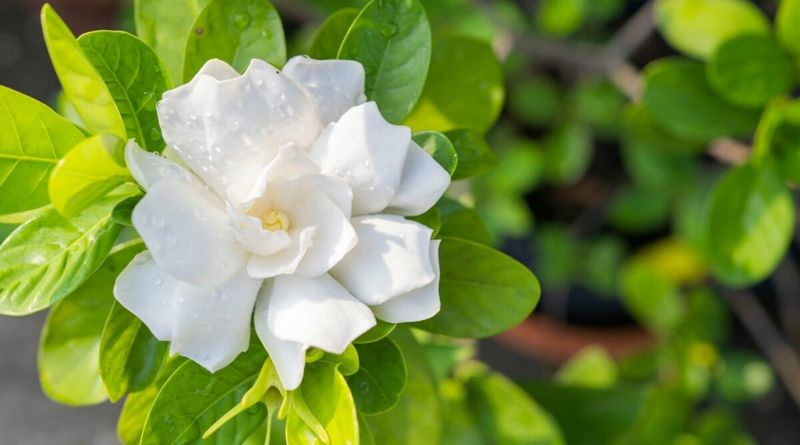
Water is everything to a gardenia in spring, but too much of it can cause just as many problems as too little. Gardenias in North Carolina need evenly moist soil throughout the spring growing season.
Uneven moisture is one of the most common reasons buds fall off before they even open, which is heartbreaking after waiting all winter for blooms.
Spring rainfall in North Carolina can be unpredictable. Some weeks bring heavy downpours, while others stay surprisingly dry.
Because of this, you cannot rely on rain alone to keep soil moisture consistent. Check the soil about an inch deep before watering, and water deeply when it feels dry rather than giving shallow, frequent drinks.
Drainage matters just as much as watering frequency. Gardenias absolutely cannot sit in waterlogged soil, especially in the Coastal Plain region of North Carolina where sandy soils drain quickly but clay pockets can trap water.
Make sure your planting area drains freely after heavy rain. Raised beds or slightly mounded planting spots can make a big difference.
Getting moisture right in spring protects your gardenia from bud drop, weak stems, and root problems before summer stress even begins.
2. Acidic Soil Is Essential For Healthy Blooms
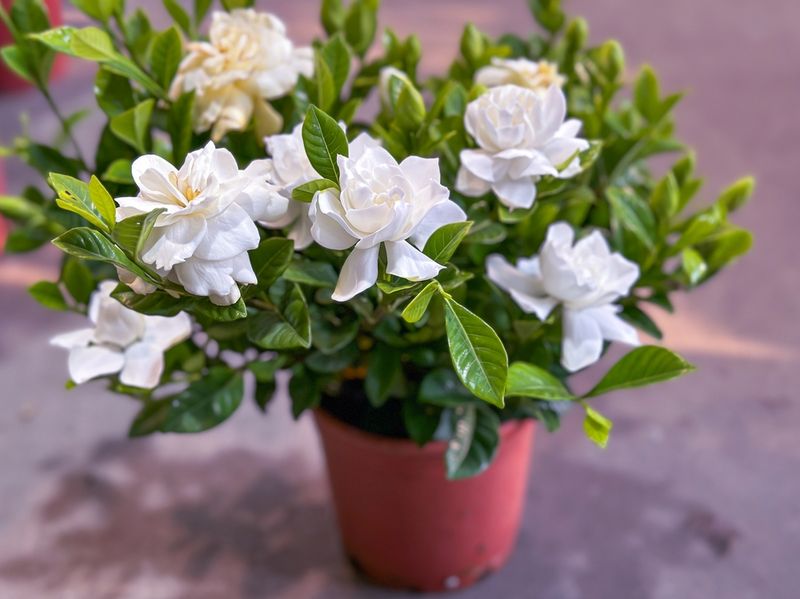
Gardenias are picky about one thing above almost everything else, and that thing is soil pH. These plants thrive in acidic soil with a pH between 5.0 and 6.0.
When the pH creeps higher, gardenias struggle to absorb iron and other nutrients, and the leaves start turning yellow even when the plant looks otherwise healthy.
The good news for North Carolina gardeners is that many soils across the state, especially in the Piedmont and Mountain regions, naturally lean acidic. However, you should never assume your soil is at the right level without testing it first.
Simple soil test kits are available at most garden centers, and the North Carolina Department of Agriculture even offers affordable testing services.
If your soil pH is too high, adding sulfur or an acidifying soil amendment can help bring it down gradually. Organic matter like pine bark compost also naturally lowers pH over time while improving soil texture.
Avoid using lime near gardenias because it raises pH quickly and can set your plants back significantly. Testing your soil every spring before applying any amendments keeps you in control of what your gardenia actually needs.
Healthy pH means healthy nutrient uptake, which means more buds, stronger growth, and better blooms heading into the hot Carolina summer.
3. Apply Mulch To Protect Shallow Roots
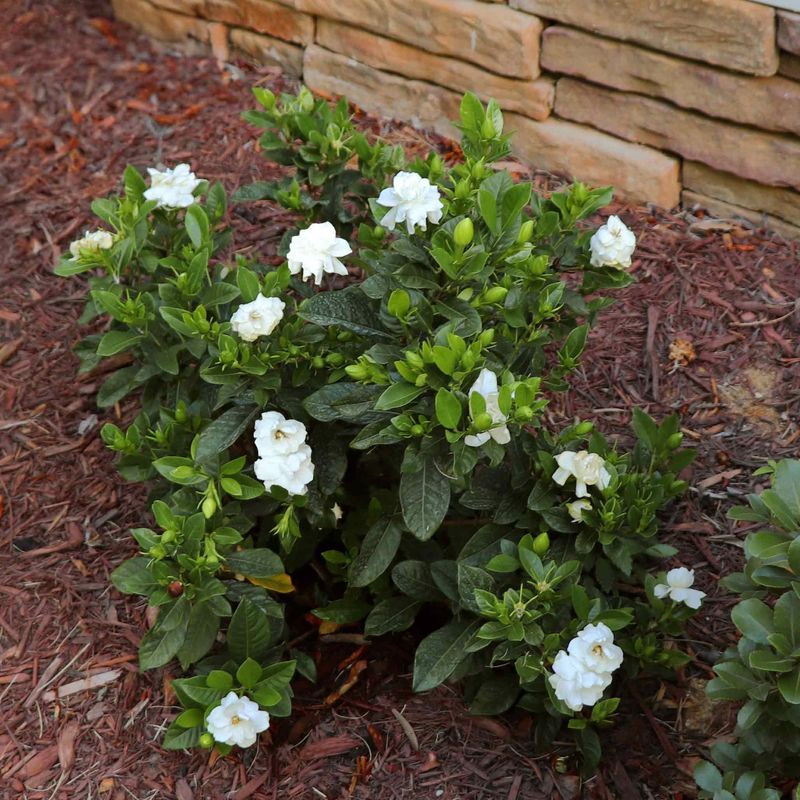
One of the best things you can do for a gardenia in spring costs very little and takes only minutes to apply. A fresh layer of pine straw or pine bark mulch, spread two to three inches deep around the base of the plant, does more for your gardenia than most people realize.
Gardenias have shallow root systems that sit close to the soil surface, making them vulnerable to temperature swings and moisture loss.
In North Carolina, spring temperatures can bounce between warm afternoons and surprisingly cool nights. Mulch acts like a blanket for the roots, keeping soil temperature more stable and protecting those tender feeder roots from stress.
It also slows down evaporation, which means you water less often and your gardenia stays more consistently hydrated between rains.
Pine straw is a particularly popular choice across North Carolina because it breaks down slowly, looks tidy in the landscape, and has a naturally acidic quality that benefits gardenias over time.
Keep mulch pulled back slightly from the main stem to avoid trapping moisture directly against the bark.
Refreshing your mulch layer each spring is a simple habit that pays off big. By the time summer heat arrives in North Carolina, your gardenia roots will be insulated, moist, and ready to support a full season of beautiful blooms.
4. Fertilize Lightly With Acid-Forming Fertilizer
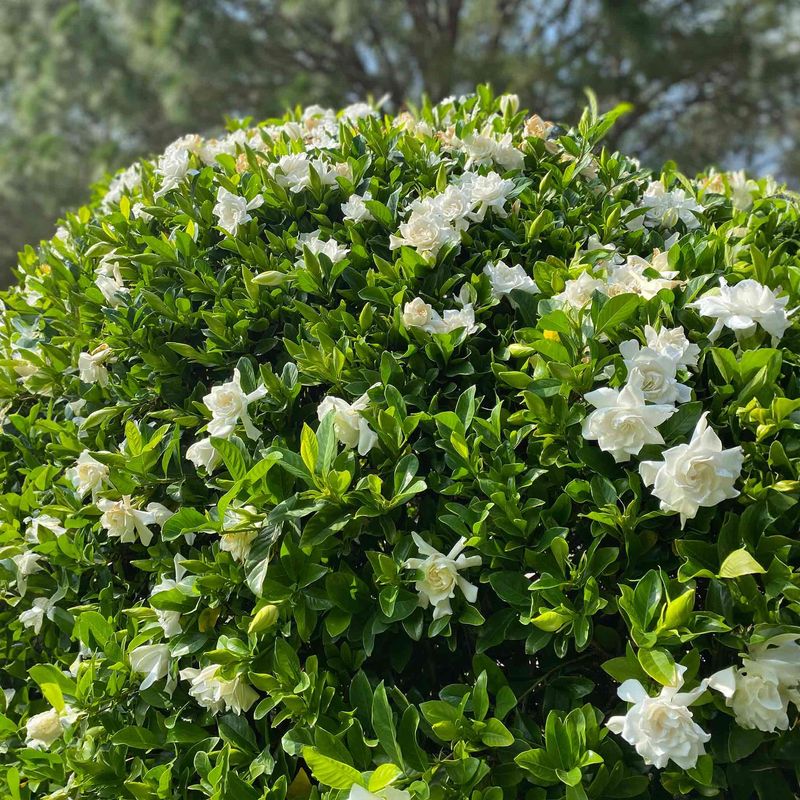
Spring is the right time to feed your gardenias, but the key word here is lightly. Gardenias are not heavy feeders, and throwing too much fertilizer at them in spring can actually cause more harm than good.
Over-fertilizing pushes excess leafy growth while reducing flower production, and it can stress plants when summer heat follows shortly after.
Choose a fertilizer specifically formulated for acid-loving plants, such as one labeled for azaleas, camellias, or rhododendrons. These products contain nutrients in forms that gardenias can absorb efficiently at lower soil pH levels.
Apply once in early spring, after the last frost has passed in your part of North Carolina, following the package directions carefully. Less is genuinely more with gardenias.
Avoid fertilizing too late in the season. Feeding gardenias in midsummer or fall encourages tender new growth that struggles in heat and humidity, which are both very real challenges across North Carolina from June onward.
Slow-release granular fertilizers are a smart choice because they feed gradually over several weeks without shocking the plant. Some gardeners in North Carolina also use a light application of cottonseed meal as a natural, acidifying fertilizer option.
Whatever product you choose, one carefully timed spring feeding gives your gardenia the nutritional boost it needs to set buds and bloom beautifully before the Carolina heat takes over.
5. Morning Sun And Afternoon Shade Make A Difference
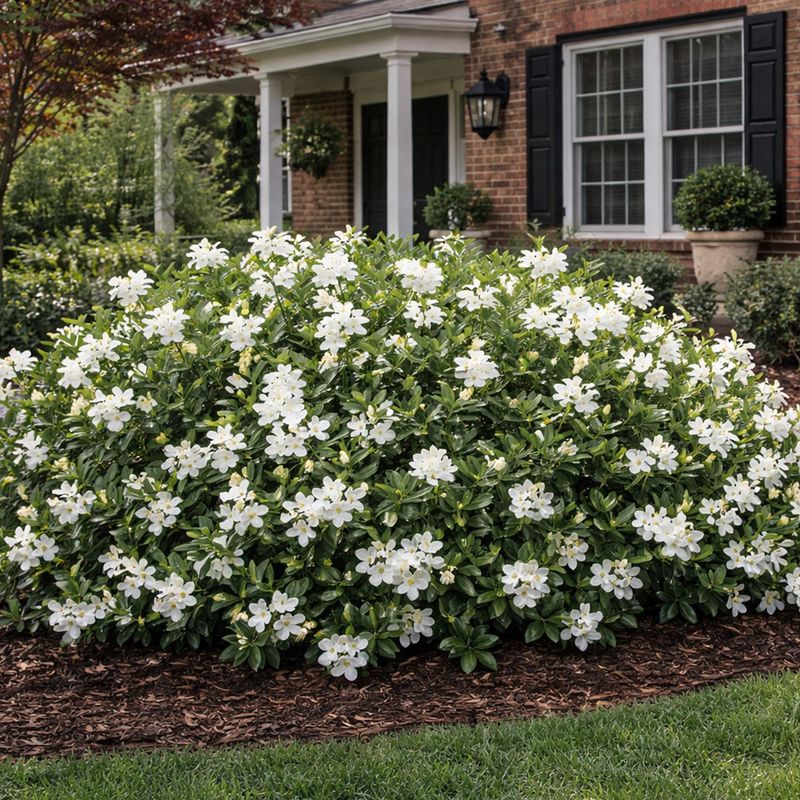
Sunlight placement is something many gardeners overlook when growing gardenias, but it matters enormously, especially in North Carolina where summer afternoons get intensely hot and humid.
Gardenias perform best when they receive bright, direct morning sun and protection from the harsh afternoon rays.
Morning light energizes the plant for photosynthesis and bud development without cooking the leaves.
When gardenias get blasted by afternoon sun in June and July, the results are not pretty. Leaves can scorch, buds may drop before opening, and the overall plant looks stressed and tired rather than lush and fragrant.
Positioning your gardenia on the east side of a structure, fence, or taller shrub gives it that ideal morning-sun, afternoon-shade balance that North Carolina gardeners swear by.
If you are planting a new gardenia this spring, take time to observe how sunlight moves across your yard before choosing a spot. Watch where the shadows fall in the afternoon and place your plant where it gets relief from direct sun after about 1 or 2 in the afternoon.
Gardenias already growing in full sun locations may benefit from a shade cloth during the hottest weeks if relocation is not possible.
Getting the light balance right before summer arrives in North Carolina is one of the simplest ways to protect your gardenia and keep it thriving all the way through bloom season.
6. Prune Only After Blooming, Not Before
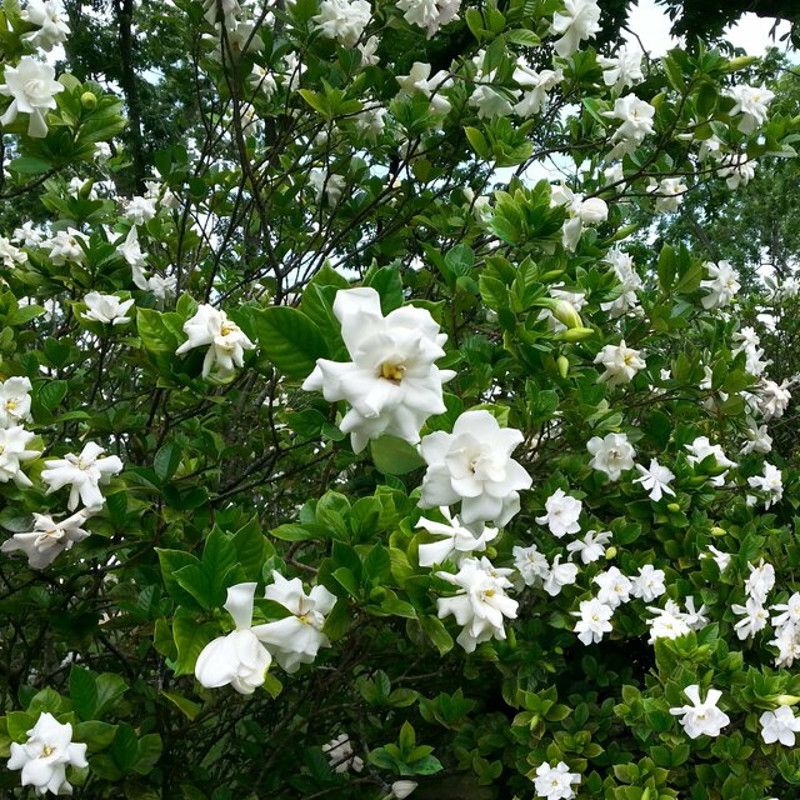
Timing your pruning correctly is one of the most important gardenia facts that surprises new gardeners every spring. Gardenias bloom on old wood, meaning the flower buds for this year were already formed on last year’s branches.
If you grab the pruning shears in early spring and start shaping the shrub, you are cutting off the very buds that would have become this season’s beautiful blooms.
Spring pruning is a common mistake across North Carolina, especially for gardeners who are eager to tidy up their landscape after winter. Resist the urge to cut back gardenias before they flower.
The only pruning that is acceptable in early spring is removing any branches that are clearly damaged, broken, or crossing awkwardly. Otherwise, put the pruners away and wait.
After your gardenia finishes blooming, usually in late spring or early summer depending on your location in North Carolina, that is the perfect window to prune.
Shaping the shrub right after flowering gives it the entire growing season to develop new wood, which will carry next year’s flower buds.
Light shaping is usually all that is needed. Gardenias do not require aggressive pruning to stay healthy and attractive.
A few careful cuts after bloom season keeps the plant tidy, encourages fresh growth, and sets up another spectacular floral display the following spring.
7. Improve Drainage If Your Soil Is Heavy Clay
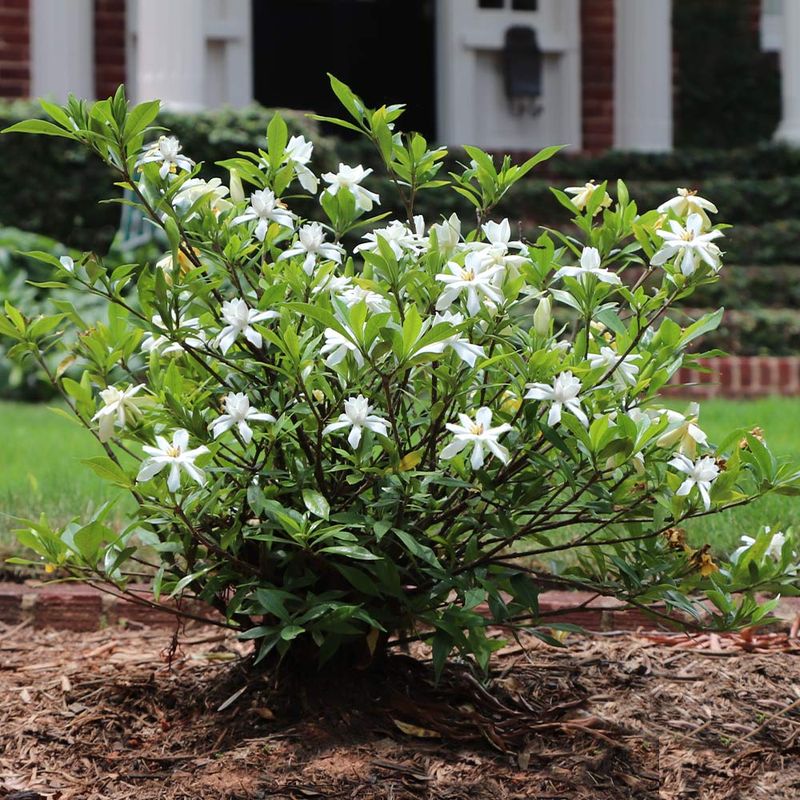
Clay soil is a real challenge for many North Carolina gardeners, particularly in the Piedmont region where red clay dominates the landscape.
Gardenias absolutely need well-draining soil to stay healthy because their roots cannot function properly when they sit in standing water.
Poor drainage leads to weak growth, yellowing leaves, and root problems that are difficult to reverse once they take hold.
Before summer arrives and brings its heavy afternoon thunderstorms, take a good look at how water moves through your gardenia bed. Dig a small hole about twelve inches deep, fill it with water, and watch how fast it drains.
If water is still sitting in the hole after an hour, your drainage needs improvement. Mixing compost, pine bark, or coarse sand into the top twelve inches of soil can significantly improve how water moves through heavy clay.
Another excellent option for North Carolina gardeners dealing with clay is to plant gardenias in slightly raised beds or mounded planting areas.
Raising the root zone just six to eight inches above the surrounding soil level dramatically improves drainage and reduces the risk of waterlogged roots during wet spring weather.
Container growing is also a practical choice if your yard has serious drainage challenges. Healthy drainage in spring means your gardenia enters the hot, rainy summer season with strong, well-oxygenated roots that can handle whatever North Carolina weather throws at them.
8. Monitor For Early Pest Activity In Spring
Pests rarely announce themselves with a warning, and gardenias are a favorite target for several common insects that become active as soon as North Carolina temperatures begin warming in spring.
Catching pest problems early makes all the difference between a minor inconvenience and a serious setback right before bloom season.
The most common culprits include aphids, whiteflies, and spider mites, all of which love to cluster on tender new growth.
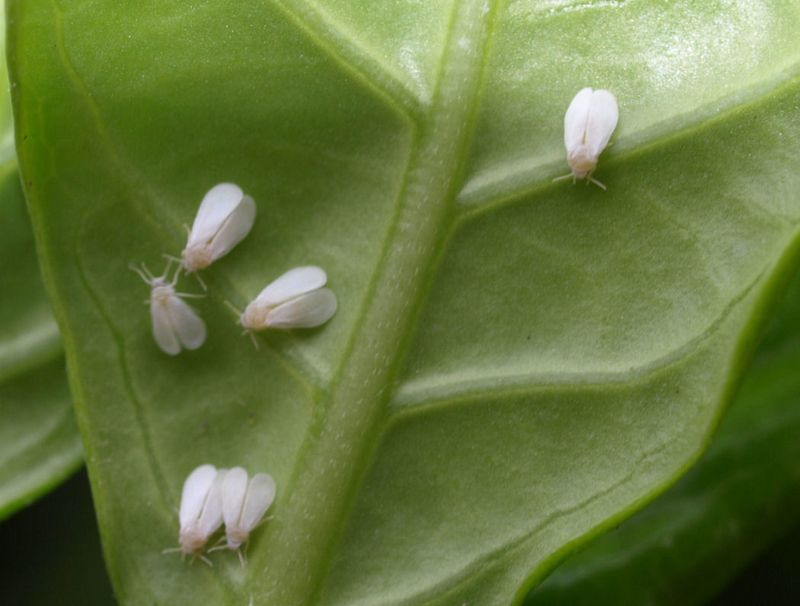
Aphids are tiny, soft-bodied insects that gather on young stems and leaf undersides, sucking sap and causing leaves to curl or turn yellow. Whiteflies are small, white-winged insects that flutter up in clouds when you disturb the plant.
Both insects reproduce rapidly in warm weather, and North Carolina springs warm up fast enough to turn a small infestation into a large one within just a couple of weeks.
Check your gardenias regularly throughout spring, flipping leaves over and looking closely at new growth where pests prefer to feed. A strong spray of water from the garden hose can knock aphids off plants effectively.
For more persistent infestations, insecticidal soap or horticultural oil are both safe, effective options that will not harm beneficial insects when used as directed.
Staying on top of pest monitoring in spring means your gardenias head into the summer season strong, healthy, and ready to produce the fragrant blooms that make North Carolina gardens so special.