What North Carolina Hydrangeas Need In March For Colorful Showy Blooms
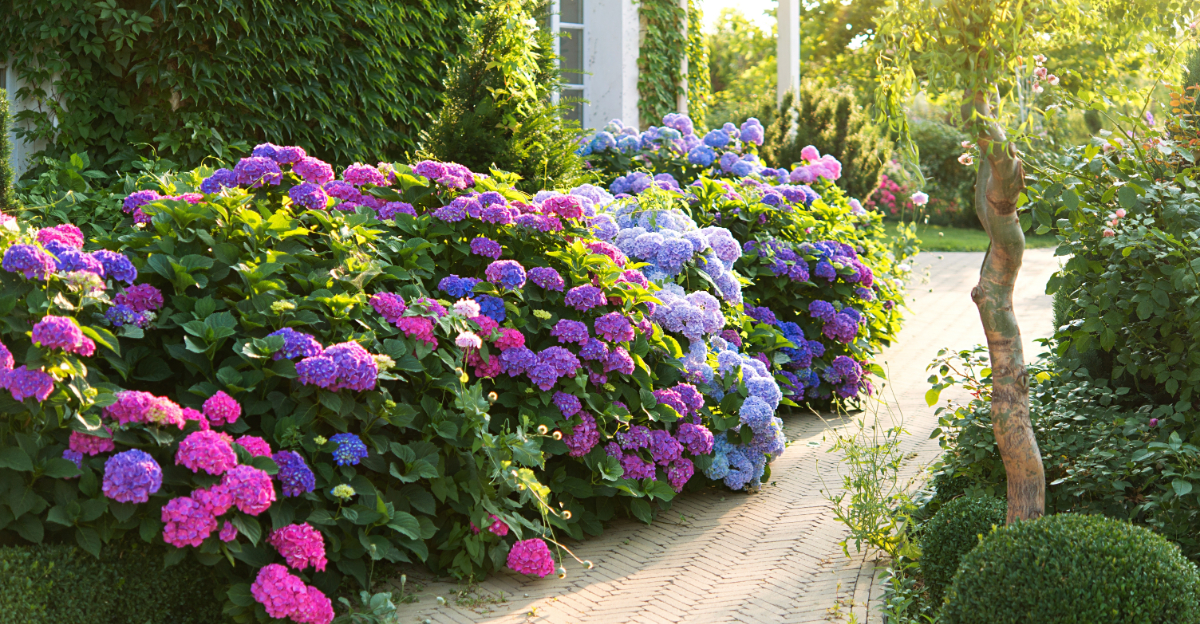
March mornings in North Carolina often mean a little chill in the air and the first hints of spring color starting to peek through your garden beds.
If you’ve been watching your hydrangeas slowly wake up, you’ve probably wondered what you should be doing to help them shine this year.
Hydrangeas have their own seasonal rhythm, and early spring care can make all the difference in bloom size and vibrancy.
From the right soil prep to gentle pruning and careful watering, a few small actions now can set your shrubs up for weeks of stunning flowers.
If you’re ready to see your hydrangeas deliver the show-stopping color they’re known for, it’s time to focus on what matters this month and set your garden up for success.
1. Prune Hydrangeas At The Right Time
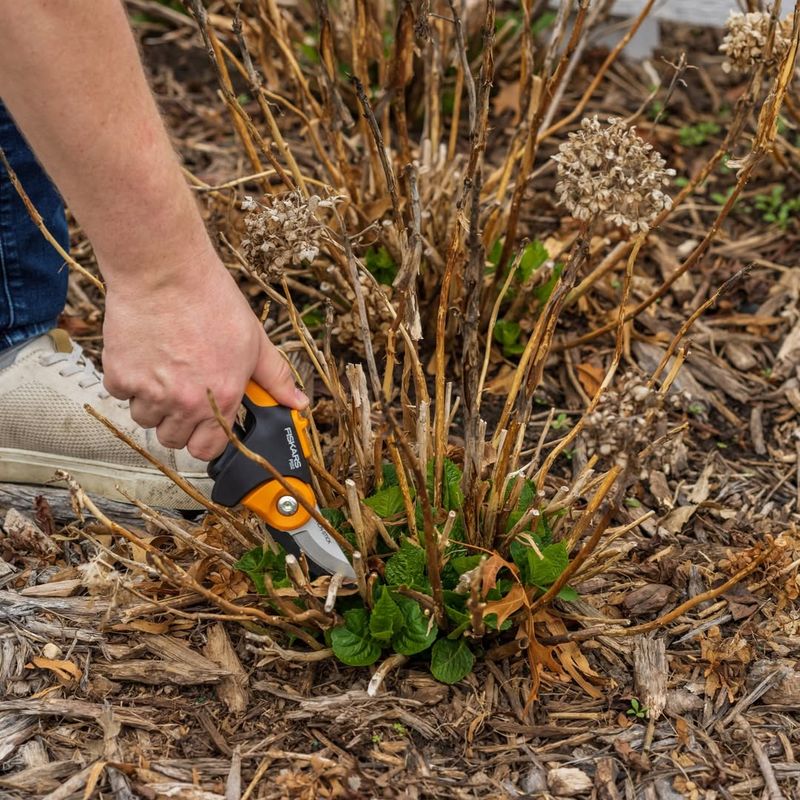
Not all hydrangeas are pruned the same way, and getting this wrong is one of the most common mistakes North Carolina gardeners make. Knowing your hydrangea variety before you pick up those pruning shears can save your entire bloom season.
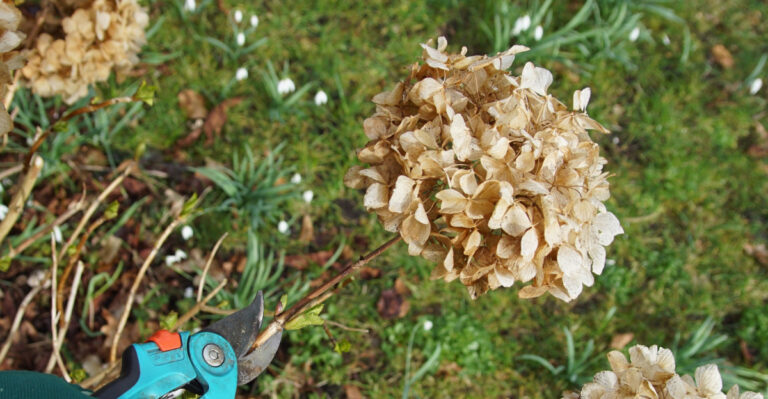
New wood bloomers, like Smooth Hydrangeas and Panicle Hydrangeas, grow their flowers on fresh stems produced each year. You can cut these back boldly, trimming them down to about 12 to 18 inches from the ground in early March.
This encourages strong new growth and sets the stage for bigger, showier flower clusters later in the season.
Old wood bloomers are a completely different story. Bigleaf and Oakleaf hydrangeas, which are very popular across North Carolina, carry their flower buds on last year’s stems.
If you cut those stems back hard, you are removing the very buds that would have become your gorgeous summer blooms. For these varieties, only remove wood that looks visibly damaged, dried out, or broken.
A simple scratch test can help you figure out which stems are still alive. Use your fingernail to lightly scratch the bark near the tip of a stem.
If you see green underneath, that stem is alive and should be left alone. Sharp, clean pruning tools also matter because ragged cuts invite disease and slow down healing on your plants.
2. Apply Fertilizer To Boost Blooms

Feeding your hydrangeas at the right time gives them the fuel they need to produce those big, head-turning blooms North Carolina gardeners love to show off. March is the sweet spot for applying fertilizer because your plants are just beginning to push out new growth and are ready to absorb nutrients.
A balanced, slow-release granular fertilizer works really well for most hydrangea varieties. Look for a product labeled with roughly equal numbers on the packaging, such as a 10-10-10 formula.
Slow-release options are especially helpful because they feed your plants steadily over several weeks instead of delivering one big rush of nutrients that can stress the roots.
Bigleaf hydrangeas, which are among the most beloved varieties grown across North Carolina, have a fun bonus feature. Their bloom color can actually shift based on soil chemistry.
If you want deep blue flowers, choose fertilizers for acid-loving plants. These can help lower soil pH, making aluminum more available and encouraging bluer blooms in Bigleaf hydrangeas.
Always follow the package directions carefully and avoid piling fertilizer directly against the plant stems. Spreading it evenly around the drip line, which is the outer edge of the plant canopy, helps the roots soak it up efficiently.
Water the area lightly after applying to help the nutrients start moving into the soil.
3. Mulch Around The Base For Health
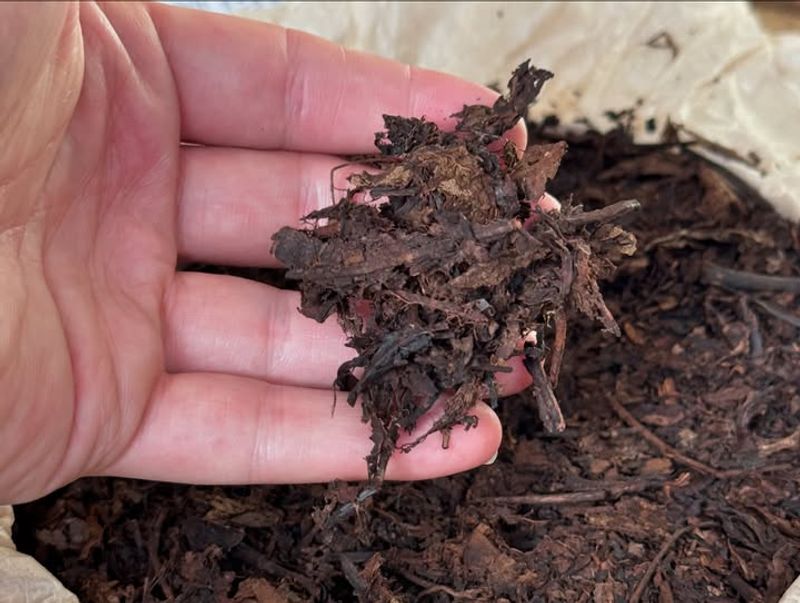
Spreading mulch around your hydrangeas in March is one of those simple tasks that pays off in a big way all season long. It takes maybe twenty minutes, but the benefits last for months, and your plants will absolutely thank you for it.
Aim to apply a layer of organic mulch that is about two to four inches deep around the base of each plant. Good choices include shredded bark, wood chips, or compost.
Spread it out to cover the root zone, but keep it a few inches away from the main stem to allow for good air circulation and prevent moisture from sitting against the base of the plant.
One of the biggest perks of mulching is moisture retention. North Carolina springs can be unpredictable, with stretches of dry weather followed by heavy rain.
A solid layer of mulch helps even out those swings by holding water in the soil during dry spells and slowing runoff during heavy downpours.
Mulch also acts as a natural weed barrier, which means less time pulling weeds and more time enjoying your garden. A good mulch layer insulates the soil and helps protect hydrangea roots from occasional late freezes that North Carolina gardeners might encounter.Refreshing your mulch each spring is a habit that really pays off in bloom quality and plant health.
4. Keep An Eye On Soil Moisture
Hydrangeas have a well-earned reputation for being thirsty plants, and their name actually hints at this. It comes from the Greek word for water.
Keeping a close eye on soil moisture in March sets a healthy rhythm for the entire growing season ahead in North Carolina.
Your hydrangeas generally need about one inch of water per week. In early March, cooler temperatures and natural rainfall often take care of most of that need, but it is still worth checking the soil regularly rather than just assuming things are fine.
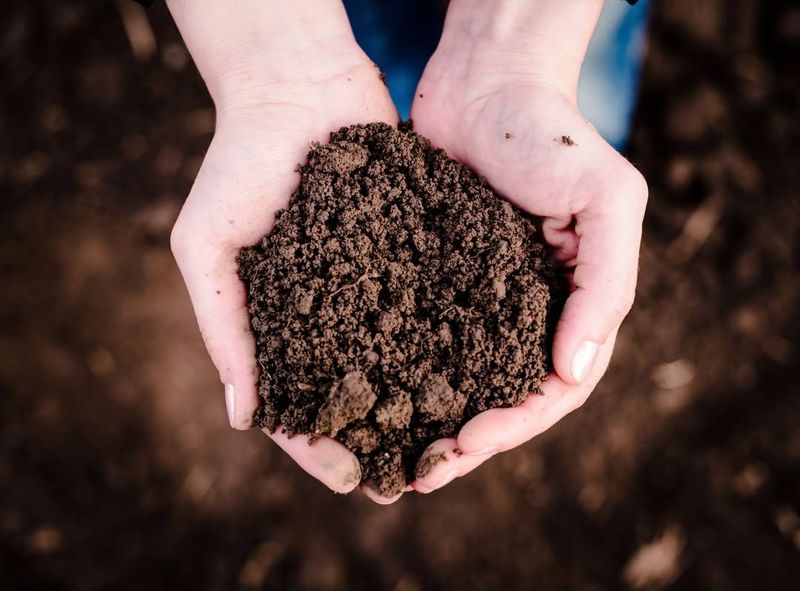
Stick your finger about two inches into the soil near the plant. If it feels dry at that depth, it is time to water.
A soil moisture meter is a handy and inexpensive tool that takes the guesswork out of watering. These simple devices give you a quick reading so you know exactly what your plants need.
Over-watering is just as harmful as under-watering because soggy roots can develop rot and other serious problems that limit bloom production.
When you do water, try to water deeply and at the base of the plant rather than from overhead. Wet foliage invites fungal diseases, which are already a concern in North Carolina’s humid climate.
Morning watering is best because any moisture on the leaves has time to dry out before evening. Consistent, thoughtful watering in March helps build strong roots that support spectacular blooms all summer.
5. Inspect Regularly For Pests And Diseases
Early spring is the perfect time to play detective in your garden. Before pests and diseases get a chance to settle in and cause real trouble, a careful inspection of your hydrangeas in March can stop problems before they start and protect your blooms all season long in North Carolina.
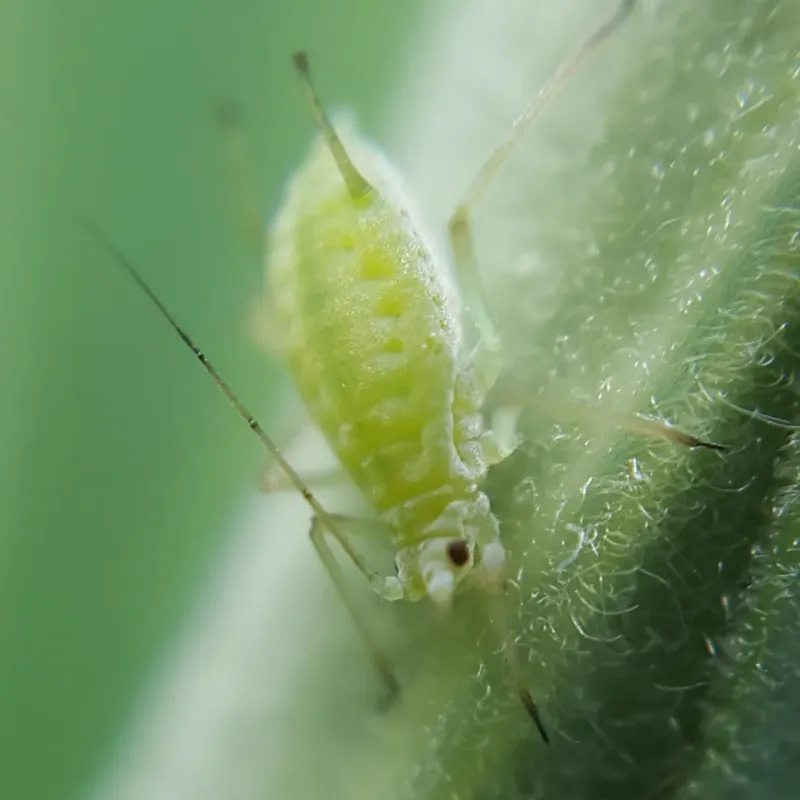
Aphids are among the first pests to show up in spring. These tiny, soft-bodied insects cluster on new growth and tender stems, sucking out plant juices and leaving behind a sticky residue.
A strong spray of water from your garden hose can knock them off, or you can use an insecticidal soap spray for more stubborn infestations. Spider mites are another early-season pest to watch for, especially during dry stretches.
Powdery mildew is probably the most common disease that troubles hydrangeas in North Carolina. It shows up as a white, powdery coating on the leaves and thrives when air circulation around the plant is poor.
Pruning your hydrangeas to open up the center of the plant helps air move through more freely, which makes conditions less friendly for this fungus.
Avoiding overhead watering is another smart move because wet leaves are an open invitation for fungal problems. Check both the tops and undersides of leaves during your inspection because many pests prefer to hide on the underside.
Catching issues early means smaller problems and healthier, more vibrant plants by bloom time.
6. Test And Improve Your Soil

Healthy soil is the secret weapon behind every stunning hydrangea display, and March is a great time to find out exactly what your soil is working with. A simple soil test can reveal information that completely changes how you approach caring for your North Carolina hydrangeas this year.
Soil tests measure nutrient levels and pH, which is the measure of how acidic or alkaline your soil is. Most hydrangeas prefer a slightly acidic to neutral range, roughly between 6.0 and 7.0 on the pH scale.
North Carolina’s Cooperative Extension Service offices offer affordable soil testing, and the results usually come with specific recommendations tailored to your local conditions.
Here is where things get really interesting for Bigleaf hydrangea fans. The soil pH directly affects bloom color in this variety.
Acidic soil with a pH below 6.0 tends to produce blue flowers, while more alkaline soil pushes blooms toward pink. You can actually shift the color of your flowers by adjusting the soil, which feels almost like magic.
To lower pH and encourage blue blooms, gardeners often add sulfur or aluminum sulfate to the soil. To raise pH for pinker blooms, ground limestone is a common choice.
Always amend based on actual test results rather than guessing, because adding too much of any amendment can create new problems. Healthy, well-balanced soil gives your hydrangeas the foundation they need to truly shine all season long.
7. Protect Hydrangeas From Late Frosts
March in North Carolina can feel like a bit of a weather rollercoaster. One week it is warm and sunny, and the next a cold snap rolls in that threatens everything your hydrangeas have been working toward.
Protecting your plants from late frosts is one of the most important steps you can take this month.
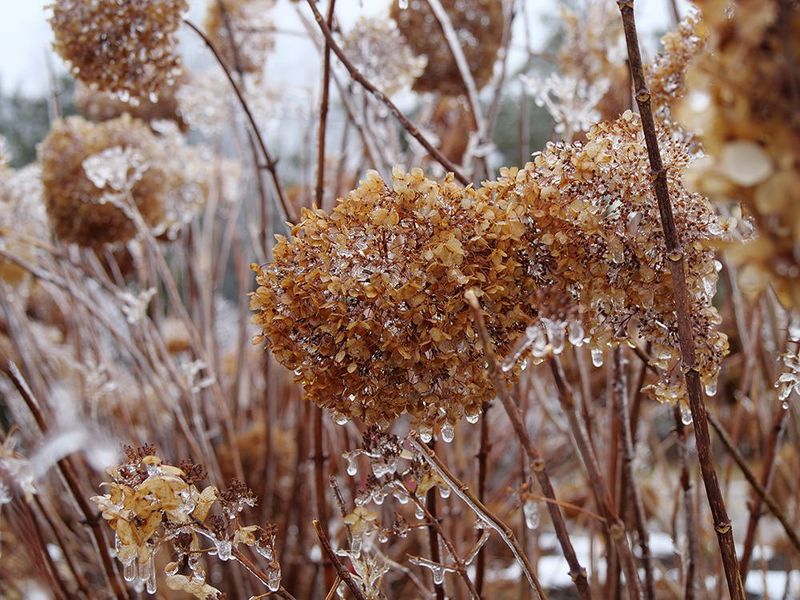
Once hydrangeas start pushing out new growth and tender buds in early spring, those young tissues are very vulnerable to freezing temperatures. A hard frost can damage new growth, and for old wood bloomers like Bigleaf hydrangeas, a late freeze may reduce the number of blooms for the season if the buds were already set on last year’s wood.
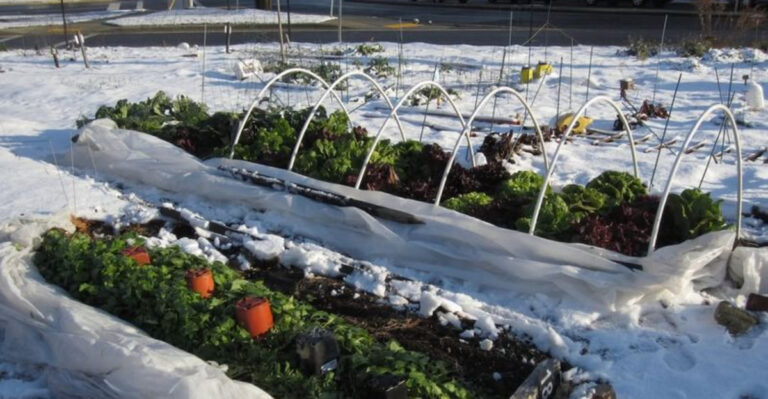
Keeping a close eye on the weather forecast throughout March is a smart habit for any North Carolina gardener. When temperatures are expected to drop close to freezing, cover your hydrangeas with frost cloth or burlap before sunset.
These lightweight covers trap warmth from the soil and shield the plant from the coldest air. Remove the covers during the day when temperatures rise back up so the plant can breathe and get sunlight.
Avoid using plastic sheeting directly on the plants because it does not breathe and can cause condensation issues. A layer of fresh mulch around the base also helps by keeping soil temperatures a bit more stable during those unpredictable March nights across North Carolina.