What North Carolina Law Says About Removing A Neighbor’s Vines Growing Over Your Fence
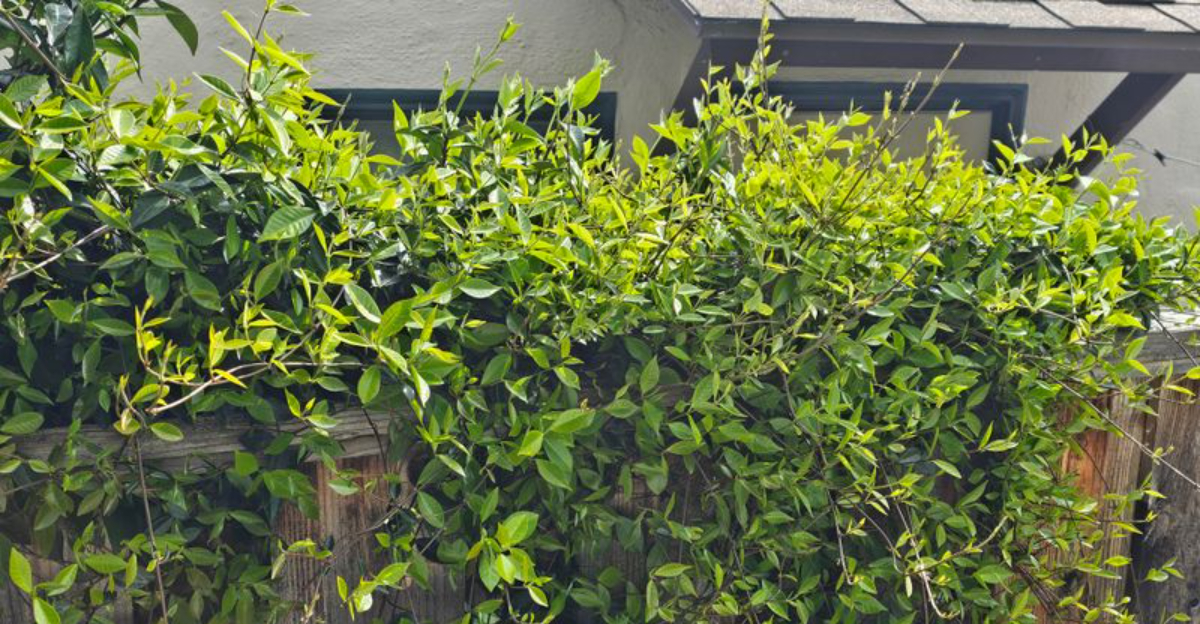
In North Carolina, the law lets you deal with a neighbor’s vines growing over your fence, but it also sets clear limits on how far you can go.
You can trim back the parts that cross into your yard, but cutting into the neighbor’s side or damaging the plant can get you into trouble.
Understanding the rules makes handling overgrown vines feel a lot less awkward and helps keep good relationships with the people next door.
1. You Have the Right to Trim Vines on Your Side of the Fence
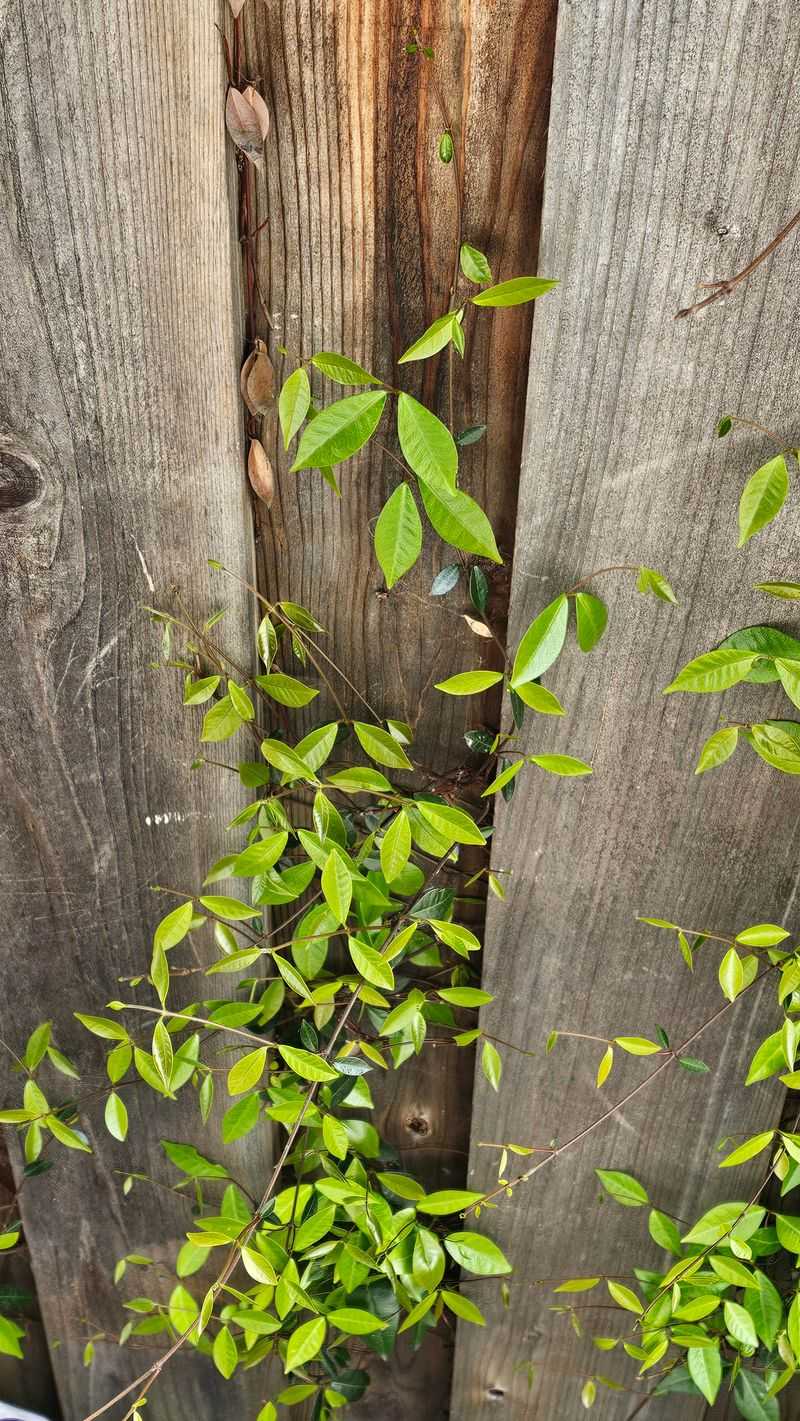
Property owners across North Carolina possess the legal authority to trim back any vegetation that crosses onto their side of a property boundary line.
This right extends to vines, branches, roots, and other plant materials that originate from a neighbor’s yard but grow into your own space.
Courts in the state recognize that landowners should not have to tolerate unwanted plants invading their property, even if those plants started elsewhere.
Your right to trim applies regardless of whether the vines are ornamental, invasive, or simply annoying to you as the affected property owner.
However, North Carolina law requires that you only cut what has crossed over onto your side of the fence or boundary marker.
You cannot legally reach over into your neighbor’s yard to cut vines at their source or trim anything on their side.
Doing so could expose you to liability for trespassing or property damage, which could lead to costly legal disputes between you and neighbors.
The law essentially draws a vertical plane along your property line, and you control everything on your side of that invisible wall.
Many homeowners find this rule straightforward and fair, as it respects both parties’ rights to manage their own land without overstepping legal boundaries.
Before you start cutting, it helps to confirm exactly where your property line runs to avoid accidentally trimming vegetation on your neighbor’s side.
2. Notification to Your Neighbor Is Not Legally Required
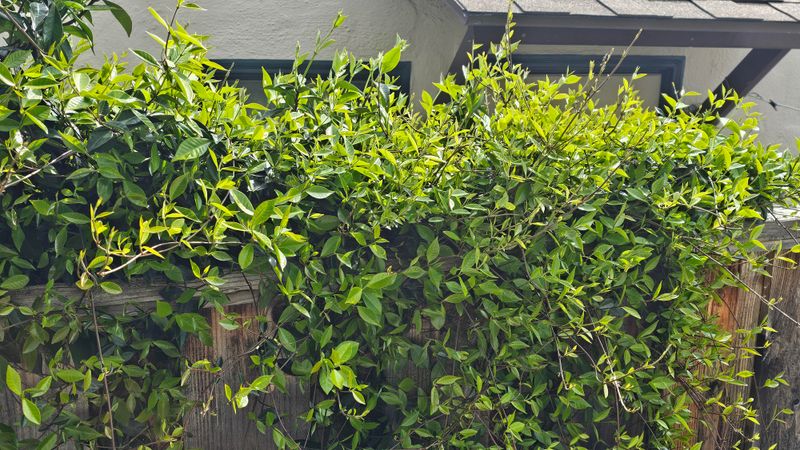
North Carolina statutes do not mandate that you notify your neighbor before trimming vines that have grown onto your side of the property line.
Legally speaking, you are free to take action without giving advance warning or seeking permission from the person whose plants are encroaching.
This might surprise some homeowners who assume neighborly etiquette requires a conversation before cutting anything, but the law prioritizes property rights over courtesy.
Still, many experts recommend having a friendly chat with your neighbor before you start trimming, even though it is not legally necessary.
A simple conversation can prevent misunderstandings and preserve good relationships, which can be valuable when you live next door to someone for years.
Your neighbor might not even realize their vines have crossed over, and they may offer to trim them themselves once informed.
In some cases, letting your neighbor handle the trimming can save you time and effort, and it shows respect for their property.
However, if your neighbor refuses to cooperate or becomes hostile, you still retain the legal right to trim the vines on your side.
North Carolina courts have consistently upheld this right, recognizing that property owners should not be held hostage by uncooperative neighbors when vegetation crosses boundaries.
Just remember that while you are not required to notify, doing so can sometimes make the entire process smoother and less contentious.
3. Damage to the Source Plant May Create Liability Issues
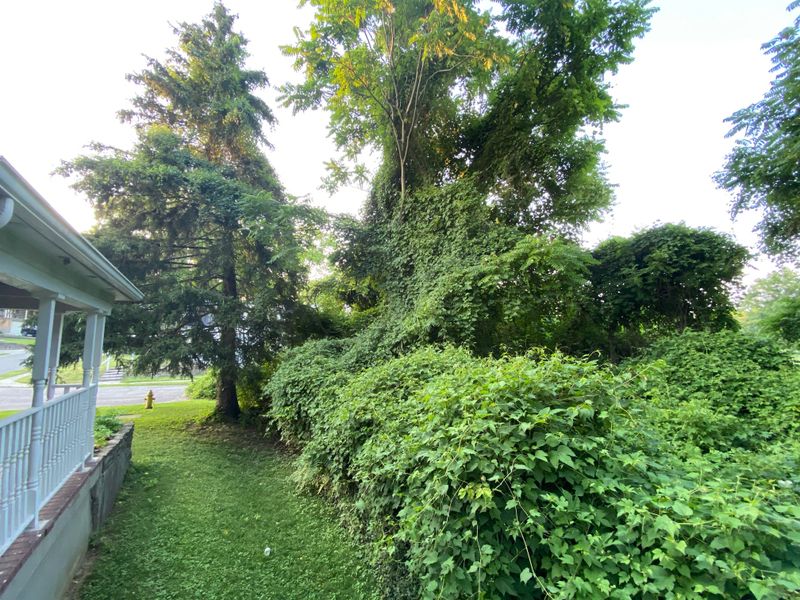
When you trim vines that have crossed onto your property, you must be careful not to cause harm to the main plant on your neighbor’s side.
North Carolina law allows you to remove vegetation on your side, but it does not give you the right to destroy or seriously damage your neighbor’s plants.
If your trimming causes the entire vine to wither or results in significant harm to the parent plant, you could face a lawsuit for property damage.
Courts in the state have found homeowners liable when their actions go beyond reasonable trimming and result in the destruction of valuable landscaping or trees.
For example, cutting too close to the root system or removing so much foliage that the plant cannot survive may exceed your legal rights.
It is wise to trim conservatively and avoid any actions that could be seen as deliberately harmful or excessive in scope.
If the vines belong to a rare or expensive ornamental plant, the financial stakes could be higher if you damage it beyond simple trimming.
Consulting with a professional landscaper or arborist can help you trim safely without risking harm to the source plant on your neighbor’s property.
North Carolina homeowners should document their trimming activities with photos to show they acted reasonably and only removed growth on their own side.
Taking these precautions can protect you from liability while still allowing you to reclaim your space from unwanted vegetation encroaching over your fence.
4. You Cannot Force Your Neighbor to Remove the Vines
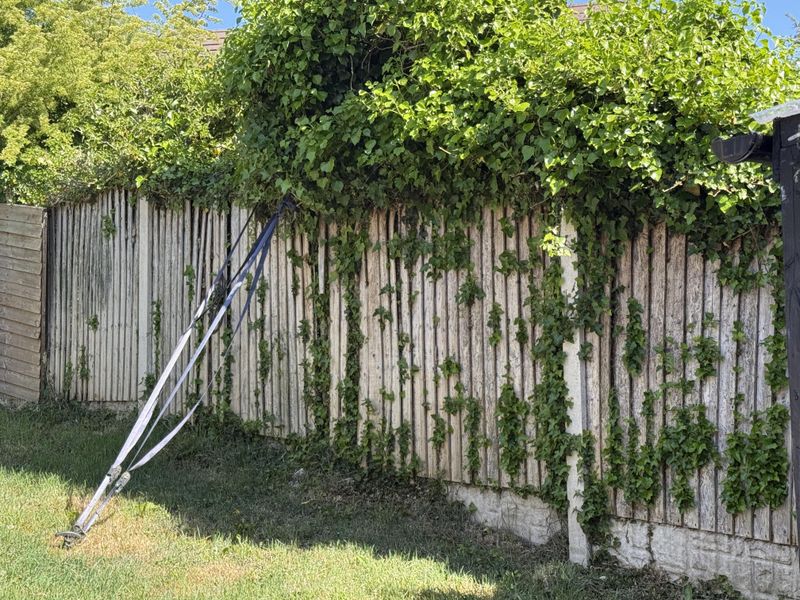
North Carolina law does not provide homeowners with a mechanism to compel their neighbors to remove vines or other plants from the neighbor’s own property.
Even if those vines are constantly growing over your fence and causing you ongoing frustration, you cannot legally force your neighbor to cut them.
Your remedy is limited to trimming what crosses onto your side, but you have no authority to demand action on your neighbor’s land.
This can feel unfair, especially if you are repeatedly trimming back the same vines every few weeks during the growing season in the state.
However, property rights work both ways, and just as you control your land, your neighbor has the right to maintain their yard as they see fit.
If the vines are part of an invasive species that threatens your property, you might explore local ordinances that require control of certain plants.
Some municipalities in North Carolina have regulations about noxious weeds or invasive species, and violations could be reported to local authorities for enforcement.
But absent such specific rules, you generally cannot use the legal system to make your neighbor remove plants that remain on their side.
Your best approach is often a polite conversation where you explain the problem and ask for their cooperation in managing the vines.
Many neighbors will be reasonable once they understand the issue, but if they refuse, your options remain limited to self-help trimming on your side.
5. Trespassing Onto Neighbor’s Property to Trim Is Illegal

Stepping onto your neighbor’s property without permission to trim vines at their source is considered trespassing under North Carolina law and can lead to legal trouble.
Even if you believe you are doing your neighbor a favor by cutting back the vines, entering their land without consent violates their property rights.
Trespassing can result in civil liability, and in some cases, criminal charges if the neighbor decides to press the matter with local authorities.
North Carolina courts take property rights seriously, and unauthorized entry is not excused simply because you were trying to manage vegetation that affects your property.
If you need to access your neighbor’s yard to trim vines, you must obtain explicit permission before crossing the property line at any time.
A verbal agreement can work, but it is smarter to get written consent to avoid disputes later about what was agreed upon between parties.
Some homeowners mistakenly believe that because the vines are causing them problems, they have a right to go onto the neighbor’s side to fix it.
This is not true, and acting on this assumption can expose you to lawsuits or strained relationships that last for years in your community.
If your neighbor refuses access, your only legal option is to trim what is on your side and leave the rest alone.
Respecting these boundaries keeps you on the right side of the law and helps maintain peace in your North Carolina neighborhood over the long term.
6. Local Ordinances May Impose Additional Rules on Vegetation
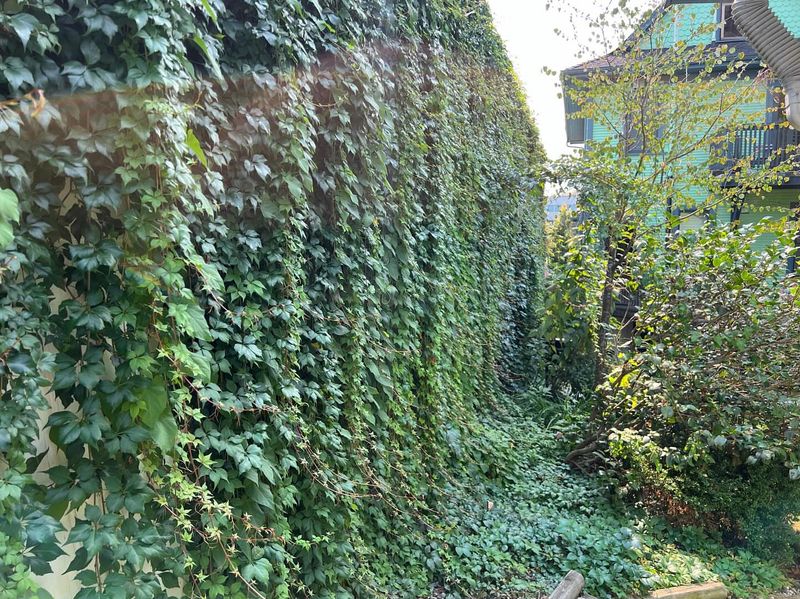
Beyond state law, many cities and counties in North Carolina have local ordinances that regulate how property owners must maintain vegetation on their land parcels.
These rules can include requirements to control invasive species, trim overgrown plants, or prevent vegetation from blocking sidewalks and rights of way consistently.
If your neighbor’s vines violate a local ordinance, you may be able to file a complaint with your municipal code enforcement office for investigation.
Code enforcement officers have the authority to inspect properties and issue citations or fines if they find violations of local vegetation maintenance standards.
This can be a useful tool when your neighbor refuses to manage vines that are not only encroaching on your property but also violating community rules.
However, not all areas have such ordinances, and the specific rules vary widely depending on where you live in the state of North Carolina.
You can research your local ordinances by visiting your city or county website or by contacting your local government offices for clarification and guidance.
Keep in mind that code enforcement processes can be slow, and it may take time before your neighbor is required to take action.
In the meantime, you still have the right to trim any vines that cross onto your side of the property line as needed.
Using local ordinances as a tool works best when combined with direct communication and a willingness to work toward a reasonable solution with neighbors.
7. Disputes Over Vine Removal Can Lead to Legal Action
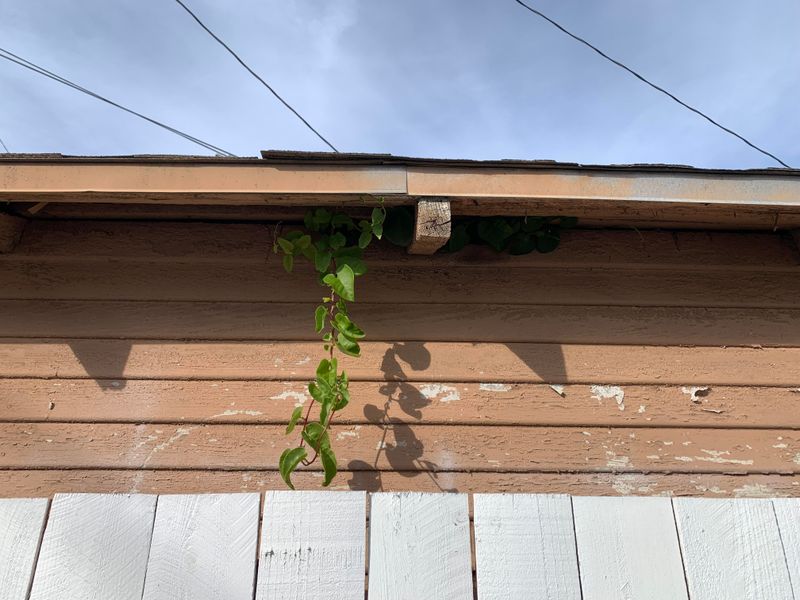
When conflicts over vine removal escalate, either party may choose to pursue legal action through North Carolina’s civil court system to resolve the matter.
Your neighbor might sue you if they believe you damaged their plants beyond what was legally permissible when you trimmed the encroaching vines.
Conversely, you could file a lawsuit if the vines have caused significant property damage and your neighbor refuses to address the problem at all.
Small claims court is often the venue for these disputes, especially when the monetary value of the damage is relatively low and manageable.
North Carolina small claims courts can handle cases up to a certain dollar amount, and the process is designed to be accessible without requiring an attorney.
However, if the dispute involves substantial property damage or complex legal issues, you may need to pursue the case in a higher civil court.
Litigation can be expensive, time-consuming, and emotionally draining, so it is generally considered a last resort after other efforts have failed in the state.
Before going to court, many homeowners try mediation or other alternative dispute resolution methods to reach a compromise without formal legal proceedings taking place.
Documenting everything, from photographs of the vines to records of conversations with your neighbor, can be crucial if the dispute ends up in court.
Understanding your rights and responsibilities under North Carolina law can help you avoid legal pitfalls and resolve vine disputes in a way that protects your interests.