What North Carolina Soil Needs In April Before Planting Season Begins
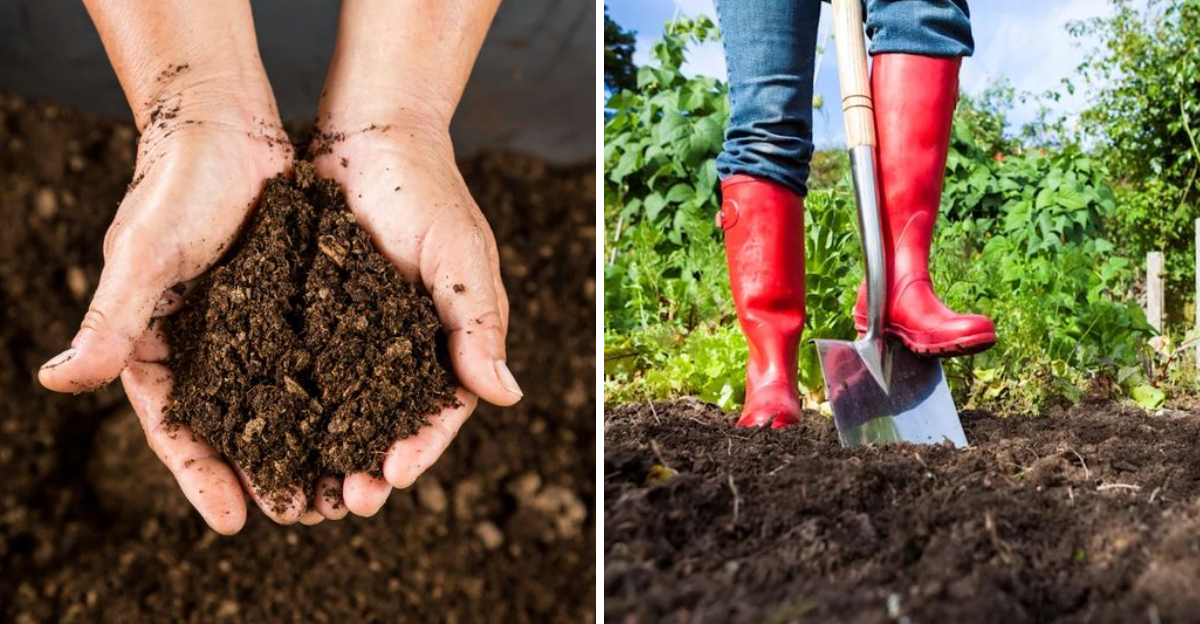
Before planting season really gets going, April is the perfect time to focus on what is happening below the surface. In North Carolina, soil can vary from sandy to heavy clay, and winter conditions often leave it compacted, low in nutrients, or slow to drain.
Even if your garden looks ready on top, the soil may still need a little attention before it can support strong growth. Taking a closer look now can make a big difference in how your plants perform later.
Simple steps like loosening the soil, adding organic matter, and checking moisture levels can help create the right conditions for roots to develop. This is also the time when soil begins to warm, making it easier to prepare without causing damage.
Across the state, gardeners who invest a little effort in April often see better results throughout the season. Once you understand what your soil needs, you can set the stage for a healthier and more productive garden.
1. Soil Testing Comes First
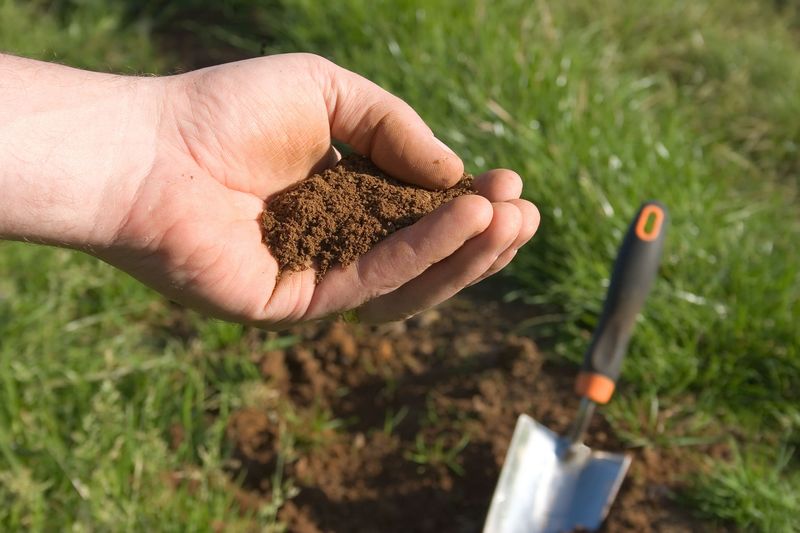
Before you add anything to your garden, a soil test tells you exactly what your soil is missing. The North Carolina Cooperative Extension offers affordable testing that gives you a clear picture of your soil’s pH and nutrient levels.
Without this step, you are basically guessing, and guessing costs time and money. North Carolina soils vary a lot from the mountains to the coast. Some are sandy and fast-draining, while others are thick with red clay that holds too much moisture.
A soil test takes the guesswork out and gives you a real plan to follow before you ever put a seed in the ground.
Most vegetable gardens in North Carolina do best with a pH between 6.0 and 6.8. If your pH is off, your plants cannot absorb nutrients properly, even if you add fertilizer. Testing first means every amendment you make actually works the way it should.
You can submit a soil sample through your local county extension office, and results usually come back within a week or two. April is the perfect time to do this because you still have enough time to apply corrections before warm-season planting begins.
Starting with a test is truly the smartest move any North Carolina gardener can make this spring.
2. Add Organic Matter To Improve Structure
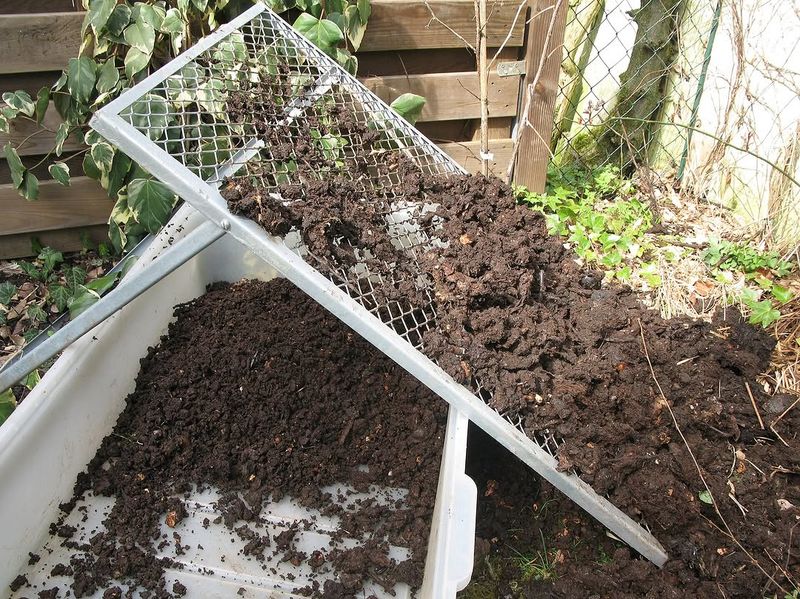
Few things transform a garden faster than a good layer of compost worked into the soil. Whether your yard sits in the Piedmont, the mountains, or the coastal plain, organic matter makes a dramatic difference in how your soil behaves.
It is one of those improvements that pays off all season long.
Clay-heavy soils, which are super common across central North Carolina, tend to compact easily and drain poorly. Compost loosens that dense structure and creates tiny air pockets that roots love to grow through.
Sandy soils in the eastern part of the state get the opposite benefit, holding onto water and nutrients much longer when organic matter is present.
Pine bark fines are another excellent option that works especially well in North Carolina gardens. They break down slowly, improve aeration, and are widely available at local garden centers throughout the region.
Mixing them into the top six to eight inches of soil before planting gives roots a much friendlier environment to explore.
Adding two to three inches of compost each spring and working it in consistently builds soil health over time. Gardens that receive regular organic matter year after year become noticeably easier to work and far more productive.
April is the right moment to make this happen, before roots start pushing deep and the heat of summer arrives.
3. Adjust Soil pH If Needed
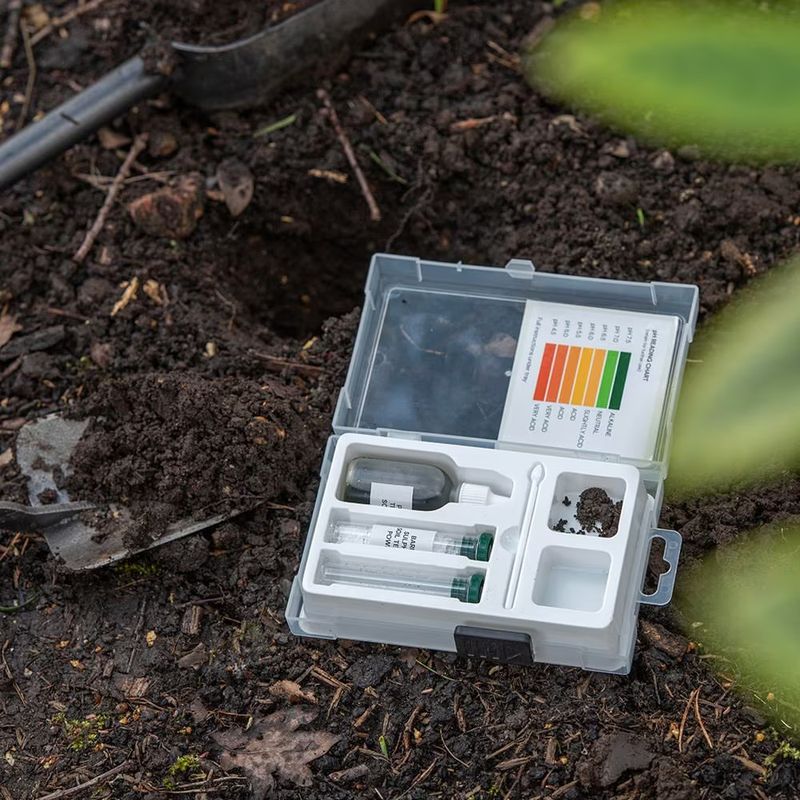
North Carolina soils have a reputation for being naturally acidic, and that reputation is well earned. Across much of the state, pH levels often fall between 5.0 and 6.0, which is too low for most vegetables and flowering plants to perform at their best.
Knowing your pH number before planting is genuinely powerful information.
When soil is too acidic, nutrients like phosphorus and calcium become harder for plant roots to absorb. You could add all the fertilizer in the world and still see struggling plants simply because the pH is blocking nutrient uptake.
Fixing the pH first makes every other amendment you apply far more effective. Agricultural lime is the most common solution for raising pH in North Carolina gardens. Dolomitic lime also adds magnesium, which is a nutrient many local soils lack.
Your soil test results will tell you exactly how much lime to apply, so you are not overdoing it or wasting product.
Lime takes time to work into the soil and change the pH, which is exactly why April applications make so much sense. Applying it now gives it several weeks to break down and integrate before warm-season crops go in.
If your soil test shows pH is already in a good range, you can skip this step entirely and focus your energy elsewhere in the garden.
4. Loosen Soil Without Over-Tilling
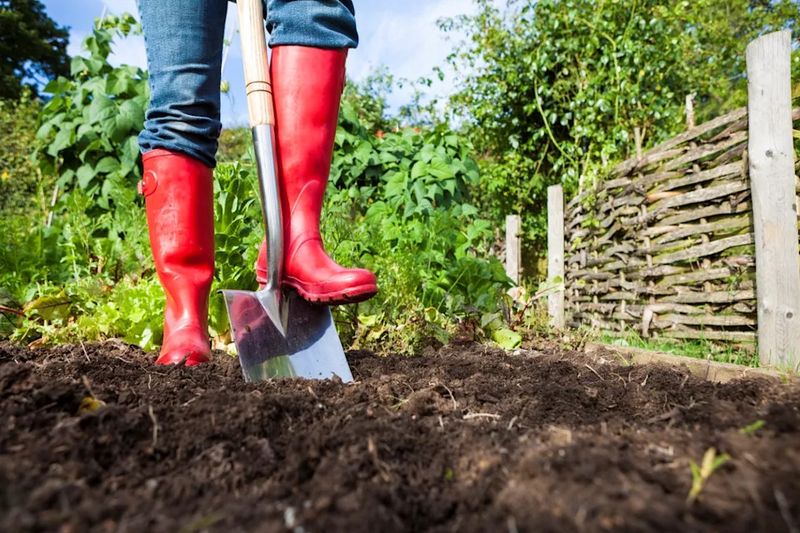
Roots need loose, airy soil to grow deep and strong, but tilling too aggressively can actually cause more harm than good. Over-tilling breaks apart the natural structure of the soil, destroying the tiny channels and networks that help water and air move through.
It feels productive in the moment but creates real problems later in the season.
In North Carolina, where spring rains can be heavy and frequent, over-tilled soil tends to crust over and compact quickly after a few good downpours. That compaction limits root growth and makes drainage worse, not better.
A light loosening with a fork or broadfork is usually all most garden beds actually need.
One important rule for April gardening in North Carolina is to only work your soil when it is at the right moisture level. Squeeze a handful of soil tightly in your fist, then open your hand.
If it crumbles apart easily, it is ready to work. If it holds together in a sticky clump, wait a day or two before touching it.
Working soil that is too wet, especially the clay-rich soils found in the Piedmont and Foothills regions, creates hard clods that are incredibly difficult to break apart later.
A patient approach in April saves you a lot of frustration through the rest of the growing season. Gentle and timely loosening is always the smarter strategy for a thriving garden.
5. Ensure Proper Drainage Before Planting
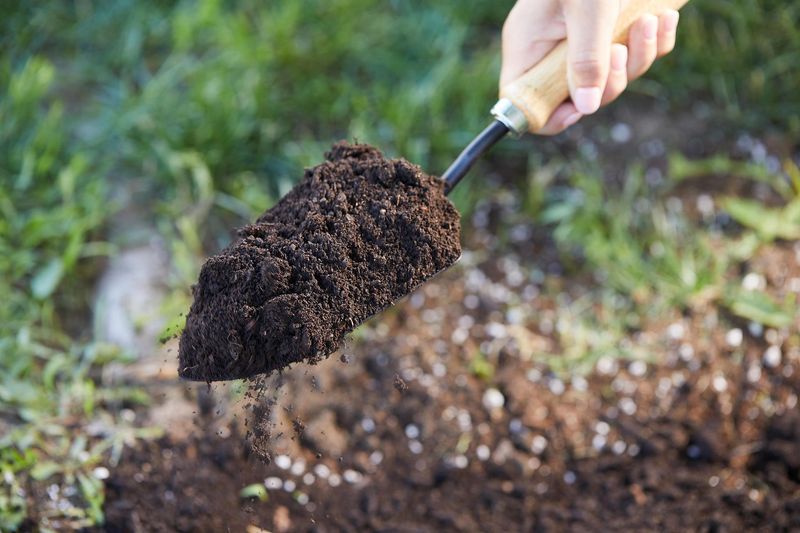
Standing water in a garden bed is one of the fastest ways to stress out young plants right from the start. Roots need oxygen as much as they need water, and waterlogged soil suffocates them by cutting off that air supply.
April in North Carolina brings plenty of rain, so getting drainage right before planting is absolutely worth your attention.
One simple test can reveal a lot about your garden’s drainage situation. Dig a hole about twelve inches deep and fill it with water.
If that water drains away within an hour, your drainage is good. If it sits there for several hours or longer, you have a drainage problem worth solving before anything goes in the ground.
Raised beds are one of the most popular solutions for North Carolina gardeners dealing with heavy clay or low-lying areas. Building beds just eight to twelve inches high gives roots a well-drained environment even when the surrounding yard stays soggy after rain.
Mixing compost and coarse sand into the native soil also improves drainage significantly over time.
Gardens in the eastern coastal plain of North Carolina often sit on naturally flat land where water moves slowly. In those areas, creating gentle slopes or adding organic matter each season helps move excess water away from plant roots.
Taking care of drainage in April means your plants start strong and stay strong all the way through summer.
6. Add Slow-Release Nutrients, Not Heavy Fertilizer
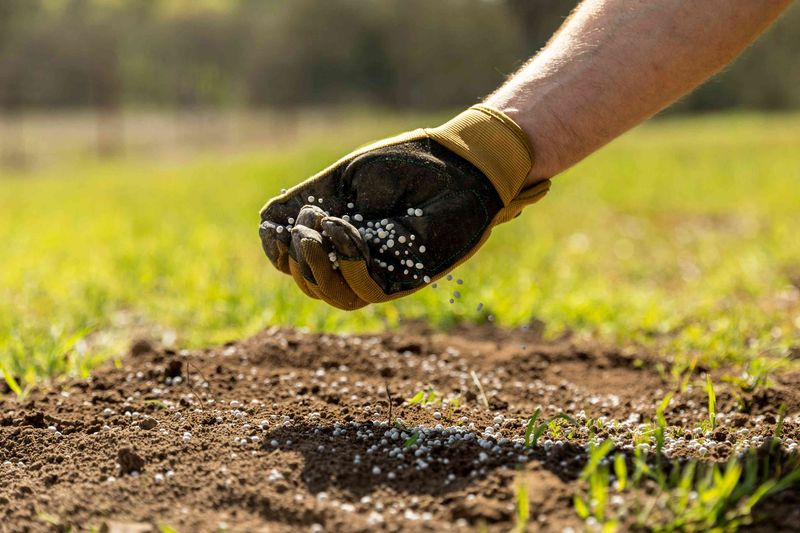
Pouring heavy fertilizer into garden soil right before planting might seem like a great head start, but it can actually backfire in a big way. Too much nitrogen in April pushes plants toward fast, leafy growth before their root systems are developed enough to support it.
In North Carolina’s warm, humid spring climate, that imbalance can weaken plants rather than strengthen them.
Slow-release fertilizers are a much smarter choice for April soil prep across the state. These products break down gradually over weeks and months, feeding plants steadily as they grow rather than flooding the soil with nutrients all at once.
Organic options like fish meal, bone meal, or composted manure work the same way and also improve soil biology.
Balanced fertilizers with equal or near-equal ratios of nitrogen, phosphorus, and potassium support well-rounded plant development. Phosphorus encourages strong root growth, which is exactly what young transplants need when they first go into the ground.
Potassium supports overall plant health and helps plants handle heat and drought stress as summer approaches.
Following your soil test recommendations keeps you from over-applying any single nutrient. Too much phosphorus, for example, can actually block the uptake of zinc and iron.
North Carolina gardeners who apply nutrients based on real data rather than guesswork tend to grow healthier, more productive gardens season after season. Less really is more when it comes to April fertilizing.
7. Mulch Planning Should Start Early
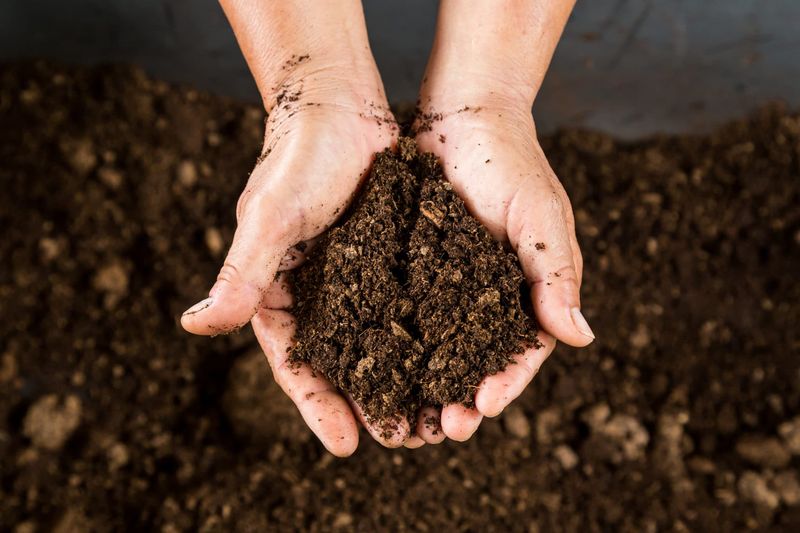
Most gardeners think about mulch after planting, but planning for it before you put anything in the ground is a genuinely smart move. Mulch does so many things at once, from keeping soil moist to blocking weeds to moderating soil temperature.
In North Carolina, where spring can shift from cool to warm almost overnight, early mulch planning sets your garden up for a much smoother season.
April temperatures across North Carolina can swing widely from week to week, especially in the Piedmont and mountain regions. A good layer of mulch acts like a blanket, keeping soil temperatures more stable and protecting young roots from sudden cold snaps.
That consistency helps transplants establish faster and with far less stress.
Straw, shredded leaves, and pine needles are all popular and effective mulch options for North Carolina gardens. Pine needles are especially easy to find locally and work beautifully around acid-loving plants like blueberries.
A two to three inch layer is all you need to get the full benefits without blocking water from reaching the soil below.
Weed pressure in North Carolina gardens picks up fast once temperatures rise in late April and May. Getting mulch down early means fewer weeds to pull later, which saves a surprising amount of time and energy through the busiest part of the growing season.
Thinking about mulch now is one of the most practical and rewarding things a gardener can do in April.
8. Avoid Working Soil When It Is Too Wet
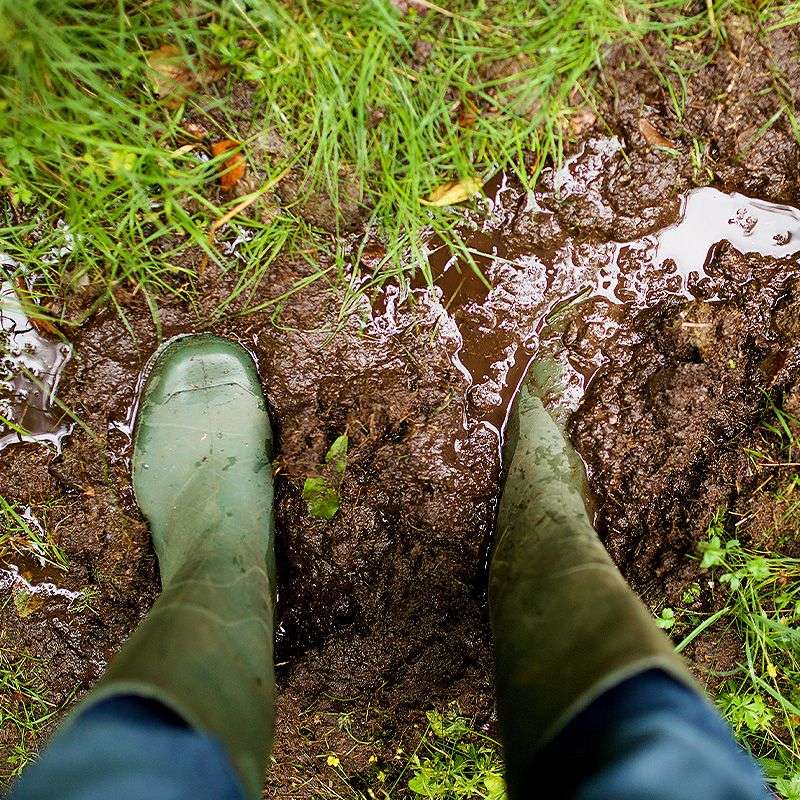
There is a temptation every spring to get into the garden the moment the weather turns nice, even when the soil is still soaking wet from recent rains.
In North Carolina, where April showers can come in waves, this is a mistake that many eager gardeners make year after year.
Working wet soil, especially the clay-rich types found throughout central and western parts of the state, creates compaction that can last the entire growing season.
When you dig, step on, or till wet clay soil, the particles smash together and form hard, dense clods that roots simply cannot push through. Even after those clods dry out, they often stay rock-hard and difficult to break apart without significant effort.
The damage done in one impatient afternoon can affect your garden’s performance for months.
A quick and reliable way to check soil readiness is the squeeze test. Grab a handful of soil from about three to four inches deep and squeeze it firmly.
Open your hand and give it a light tap. If it falls apart into loose pieces, it is ready. If it stays packed together or feels sticky, give it more time to dry out before you start working.
Patience in April truly pays off for North Carolina gardeners. Waiting just a day or two for soil to reach the right moisture level protects all the hard work you have put into building good soil structure.
Healthy, well-structured soil is the foundation of everything a great garden produces.