What Not To Do To Crape Myrtles In April In North Carolina

April can be a risky time for crape myrtles in North Carolina, especially when gardeners try to help too much. This is when fresh growth starts moving, and the wrong step can affect shape, health, and summer blooms before the season even gets going.
Many common mistakes happen now, from cutting too hard to feeding at the wrong time or piling mulch where it should not go. Because crape myrtles are tough, people often assume they can handle anything.
The truth is, bad spring care can lead to weak growth, delayed flowering, and trees that look awkward for months. What makes April tricky is that damage often starts with good intentions.
A quick cleanup or heavy pruning may seem harmless, but it can create problems that last all season. For North Carolina gardeners, knowing what not to do in April can be just as important as knowing the right care.
1. Stop The April Topping Before It Starts
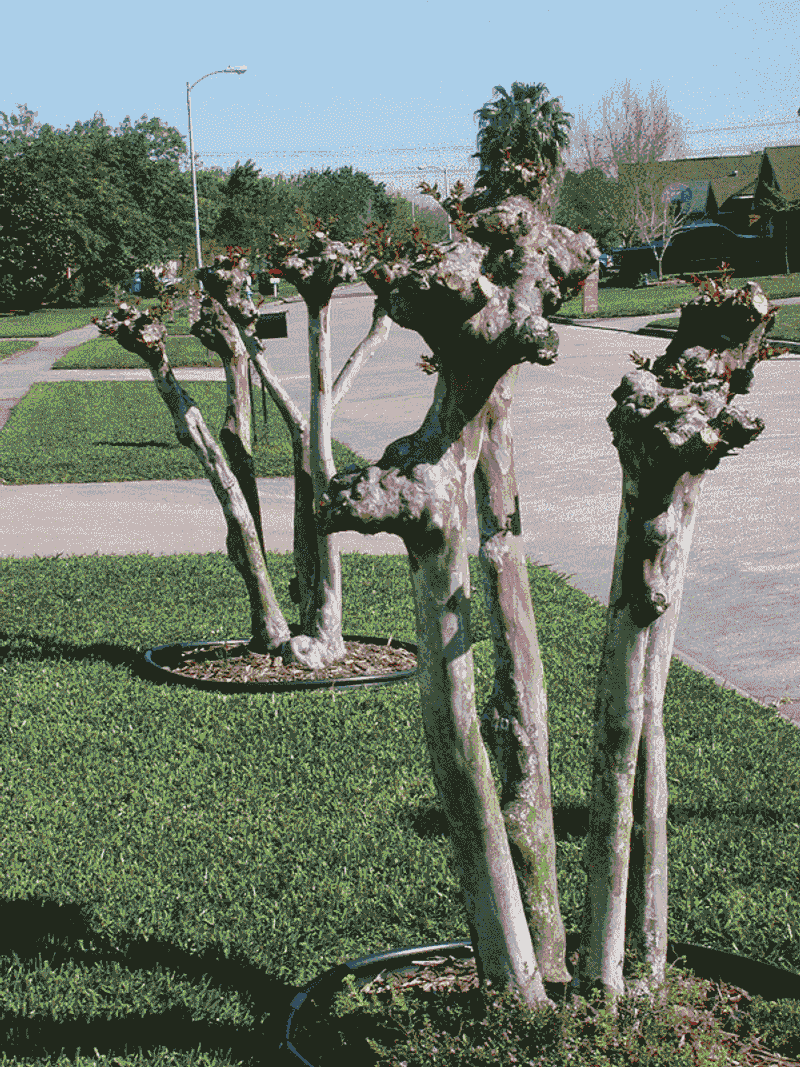
Few things make experienced North Carolina gardeners cringe more than seeing a crape myrtle with its top cut completely off every spring. This practice, often called “crape murder,” is one of the most widespread and damaging habits in Southern landscaping.
It might look tidy right after the cut, but the results are anything but.
When you top a crape myrtle in April, you remove the beautiful natural branch structure the tree spent years building. What grows back are weak, fast-shooting sprouts that cannot support the weight of heavy flower clusters.
Those thin new shoots flop over in summer rain and wind, making the whole tree look messy and unstable instead of graceful.
Crape myrtles do bloom on new wood each season, but that fact does not justify harsh topping. The tree already has strong, healthy buds pushing out in April across North Carolina.
Cutting them away wastes the energy the plant stored all winter long. Over the years, repeated topping creates bulky, ugly knobs at the cut points that never go away.
If light shaping is needed, stick to removing crossing branches, thin twiggy growth, and anything rubbing against other stems. Keep cuts small and clean.
The natural form of a crape myrtle is genuinely one of its best features, so protect it rather than cut it away each spring.
2. Do Not Wait Until April For Major Pruning
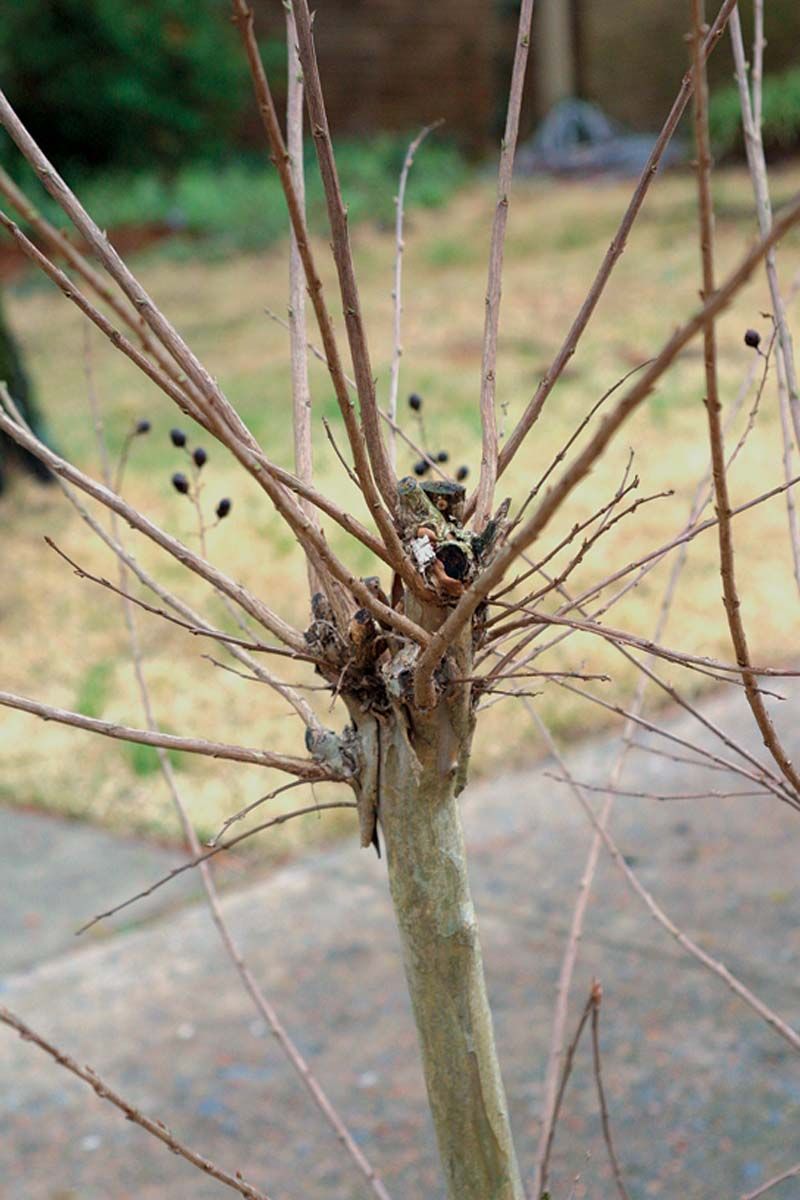
Timing really does matter when it comes to pruning crape myrtles, and April is a tricky month across North Carolina. By the time April rolls around, most crape myrtles in the Piedmont and Coastal Plain have already pushed out visible new growth.
That means the tree has already spent a good chunk of its stored energy getting those fresh shoots started.
Major structural pruning is best handled in late winter, somewhere around late January through February, before the buds break open. At that point, the branch structure is easy to see, and the tree has not yet committed its energy to new growth.
Cutting at that stage is much less disruptive and gives clean wounds plenty of time to begin closing before the growing season really picks up.
Waiting until April to do heavy pruning in North Carolina essentially means you are removing growth the tree already worked hard to produce. It is a bit like baking a cake and then throwing half of it away before anyone gets a slice.
The plant has to start over, which delays flowering and can weaken overall performance for the rest of summer.
Light touch-ups in April are fine, such as removing a sucker at the base or snipping off a dead twig. But save any major reshaping for the dormant season.
Your crape myrtles will reward that patience with stronger growth and more blooms come July and August.
3. Do Not Set Them Up For Failure In Shade

Sunlight is not optional for crape myrtles. It is absolutely essential, especially in North Carolina where these trees are expected to put on a full, vibrant show from midsummer right through early fall.
Planting one in a shaded spot might seem harmless at first, but the problems show up quickly and keep compounding over time.
When a crape myrtle does not get enough direct sun, flowering drops off significantly. You might get a handful of blooms instead of the full, dense flower clusters that make these trees so spectacular.
The foliage also tends to look a little pale and stretched, as the plant reaches toward whatever light it can find rather than growing in its natural full shape.
Shade also causes a separate problem in North Carolina’s warm, humid climate. Leaves that stay damp longer because sunlight is not drying them out quickly become more vulnerable to foliar issues like powdery mildew.
This fungal problem is already common in humid parts of the state, and shade makes it much worse by keeping moisture trapped around the foliage longer than it should be.
Crape myrtles want at least six hours of direct sun daily, and honestly, the more the better. Before you plant a new one this spring, stand in that spot at different times of day and watch how the light moves.
A full-sun location in the open landscape will give your crape myrtle everything it needs to thrive beautifully all season long in North Carolina.
4. Don’t Let April Rain Leave Roots Sitting Wet
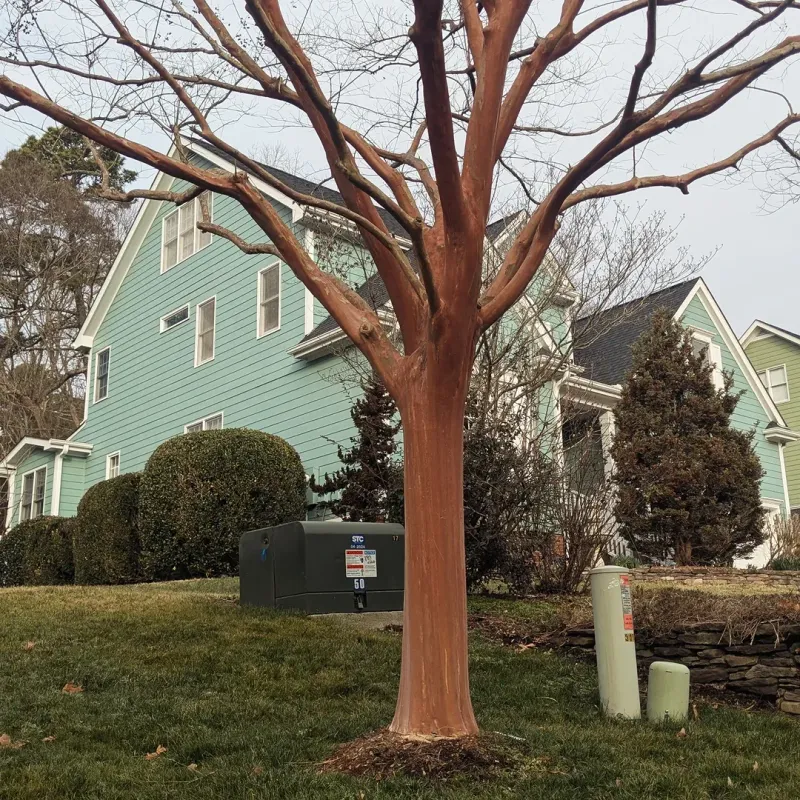
April in North Carolina can bring some seriously heavy rainfall, and while that might sound like a blessing for your garden, it can actually spell trouble for crape myrtles planted in the wrong spots.
These trees are quite adaptable, but one thing they genuinely cannot handle is sitting in waterlogged soil for extended periods.
North Carolina’s Piedmont region is especially well known for its dense clay soil, which drains slowly even under normal conditions. Add a few good spring storms and you can end up with root zones that stay soggy for days at a time.
Roots need oxygen just as much as they need water, and when soil stays saturated, those roots begin to struggle in ways that show up later as wilting, yellowing leaves, and stunted growth.
Low-lying areas of the yard, spots near downspouts, and places where runoff naturally collects are all risky locations for crape myrtles.
Even if the tree looks fine right after planting, repeated wet springs can gradually weaken the root system and make the tree more vulnerable to stress through the rest of the season.
Choosing a site with naturally good drainage makes a huge difference. Slightly raised beds, slopes, or areas with sandy or amended soil give crape myrtles the fast-draining conditions they love.
If your yard has drainage challenges, consider working compost into the planting area to loosen the soil structure before you put a new tree in the ground this spring.
5. Do Not Push Fast Spring Growth With Too Much Fertilizer
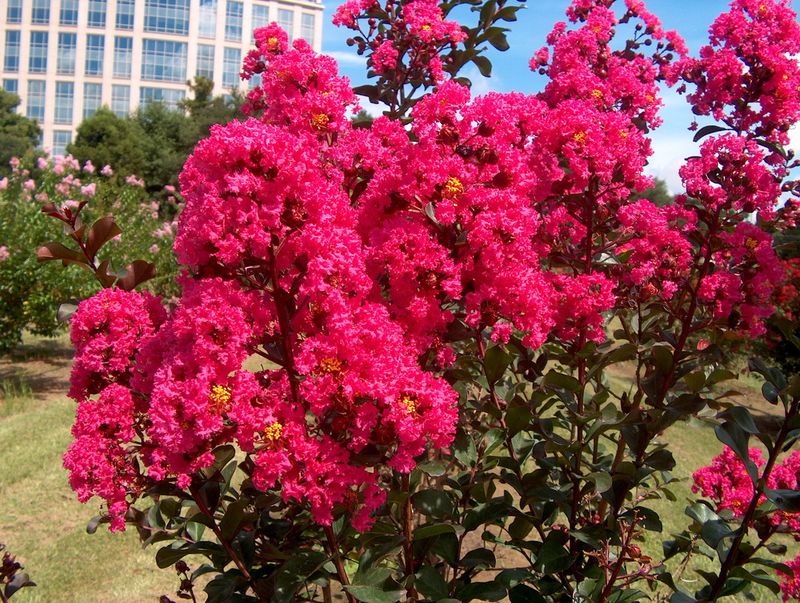
More fertilizer does not always mean more flowers, and crape myrtles are a perfect example of that. Gardeners across North Carolina sometimes reach for the bag of high-nitrogen fertilizer in spring, hoping to jumpstart their trees with a big boost of nutrition.
The results, though, often go in the opposite direction from what they were hoping for.
Nitrogen is the nutrient that drives leafy, green growth. When crape myrtles get too much of it, they put all their energy into producing lush foliage rather than the flower buds everyone is waiting for.
You end up with a very full, green tree that blooms sparsely or later than expected. The extra soft growth can also be more attractive to aphids, which are already a common nuisance on crape myrtles throughout the state.
Crape myrtles are actually not heavy feeders by nature. They perform beautifully in average soil conditions without a lot of extra help.
If you do want to fertilize, a light application of a balanced, slow-release fertilizer in early spring is plenty. Look for something with roughly equal amounts of nitrogen, phosphorus, and potassium rather than a product heavy on nitrogen.
Many experienced North Carolina gardeners skip fertilizing their established crape myrtles entirely and simply let the trees do what they naturally do best. In most landscape soils across the state, that approach works surprisingly well.
Healthy soil, good drainage, and full sun matter far more than regular fertilizer applications for getting the best bloom season possible.
6. Do Not Ignore Cold Risk In The Mountains And Upper Piedmont

North Carolina is a state of dramatically different climates, and what works perfectly for a crape myrtle in Wilmington can be a completely different story in Asheville or even in the upper Piedmont around Boone and surrounding areas.
April might feel like full-on spring in the eastern part of the state, but in the mountains, a late frost is still a very real possibility well into the month.
When crape myrtles push out tender new growth in early spring and then get hit by a late cold snap, that young growth takes a hit. The branch tips turn dark and mushy, and the plant has to recover and push out a fresh round of growth all over again.
One or two cold events might not seem like a big deal, but repeated exposure to late frosts season after season can gradually weaken the tree and delay its peak performance each summer.
Variety selection matters enormously in the cooler parts of North Carolina. Some crape myrtle varieties are significantly hardier than others, bred specifically to handle colder winters and unpredictable spring temperatures.
Varieties like Acoma, Hopi, and Catawba tend to perform better in cooler zones compared to some of the large-flowering tropical types that struggle above Zone 7.
If you garden in the Mountains or upper Piedmont, check your USDA hardiness zone before buying any new crape myrtle this spring.
Choosing a variety rated for your zone gives the tree a much better chance of thriving year after year without repeated cold setbacks slowing it down.
7. Do Not Crowd Crape Myrtles Where Airflow Stays Poor

Crape myrtles are social in the sense that they look stunning planted in groups, but there is a real difference between a well-spaced grouping and a cramped situation where airflow is basically nonexistent.
North Carolina’s warm, humid summers create the kind of conditions where poor air circulation can quietly cause real problems for these trees over time.
Powdery mildew is one of the most common complaints among crape myrtle growers across the state, and crowding is one of the main reasons it takes hold.
When trees are planted too close to walls, fences, or other shrubs, the foliage stays damp much longer after rain or morning dew.
That lingering moisture is exactly what powdery mildew and leaf spot fungi need to get started and spread.
Beyond fungal issues, crowded crape myrtles also compete with each other for light, water, and nutrients. The trees end up leaning outward to find sun, developing an uneven, lopsided shape instead of the beautiful upright or multi-trunk form they are known for.
The flowering also suffers when branches are constantly bumping into neighboring plants and structures.
Before planting a new crape myrtle this spring in North Carolina, research the mature size of the variety you choose. Give each tree enough room to reach its natural spread without touching anything around it.
Even six to ten feet of open space on all sides can make a significant difference in how healthy, vigorous, and floriferous your crape myrtle turns out to be each summer season.