What Ohio Gardeners Should Do When Early Hostas Get Nipped By Frost
Ohio springs can make hostas look like they are off to a beautiful start, right up until one cold night changes everything.
A mild stretch in March or early April brings up those tightly furled shoots, the leaves begin to open, and then a late frost rolls through and leaves the whole clump looking limp, dark, and badly damaged by morning.
It is a discouraging sight, but it usually is not the disaster it seems to be at first glance.
In many Ohio gardens, frost damages the tender new leaves while the crown and roots below the soil stay in good shape.
That means recovery is often possible, especially if gardeners respond with patience instead of panic.
Knowing what to do next can help hostas bounce back more smoothly and keep a rough spring setback from turning into a bigger problem than it needs to be.
1. Do Not Panic When Frost Damage Looks Worse Than It Is
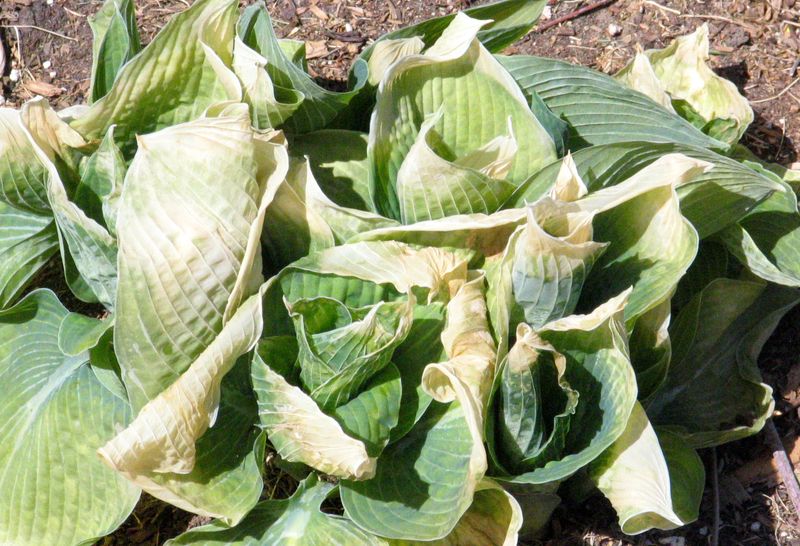
Walking out to the garden after a cold Ohio night and finding your hostas looking like wet paper towels is genuinely discouraging.
The leaves may appear translucent, slimy, or collapsed, and the color can shift quickly from green to brown or nearly black.
It looks like the plant has been completely wiped out, but that first impression is often misleading.
Hostas are tough, resilient perennials that store most of their energy in the crown and root system below the soil surface. A late frost that damages the emerging foliage does not automatically mean the whole plant is lost.
In many cases, the roots are sitting safely below the frost line, warm and protected by the soil around them.
Ohio gardeners tend to underestimate just how hardy hosta crowns actually are. The visible leaves above ground are the most vulnerable part of the plant, but they are also the most replaceable.
Hostas can push out entirely new sets of leaves after frost damage, especially if the crown remains healthy and intact.
Resist the urge to start pulling, cutting, or digging before you fully assess the situation. Give yourself a day or two to observe the plant and let the soil temperature stabilize.
A calm, clear-eyed look at what is actually damaged versus what is still healthy will guide every decision that follows and keep you from making things harder on the plant.
2. Wait A Few Days Before Cutting Anything Back
After a frost hits, the instinct to grab pruners and start cleaning up is completely understandable. The damage looks bad, and doing something feels better than standing there watching.
However, cutting back frost-damaged hosta leaves too quickly can make it harder to judge what the plant actually needs.
Extension guidance for frost-damaged perennials notes that the foliage may be damaged while the crown and roots remain unharmed, so a little patience gives you a clearer picture of what is truly affected.
One of the best reasons to wait is that spring weather in Ohio can swing quickly. What looks completely ruined the morning after a frost may turn out to be only partly damaged once temperatures rebound.
Some leaf tissue may still have enough green left to contribute a bit to the plant, and new shoots can begin to appear fairly soon once conditions improve.
A better rule than rushing in with pruners is to give the plant several days, or even about a week, before doing major cleanup. Check the forecast, watch for fresh growth, and then decide what really needs to go.
That slower approach usually leads to tidier, smarter cuts and less stress on the plant.
3. Remove Only The Most Damaged Hosta Leaves
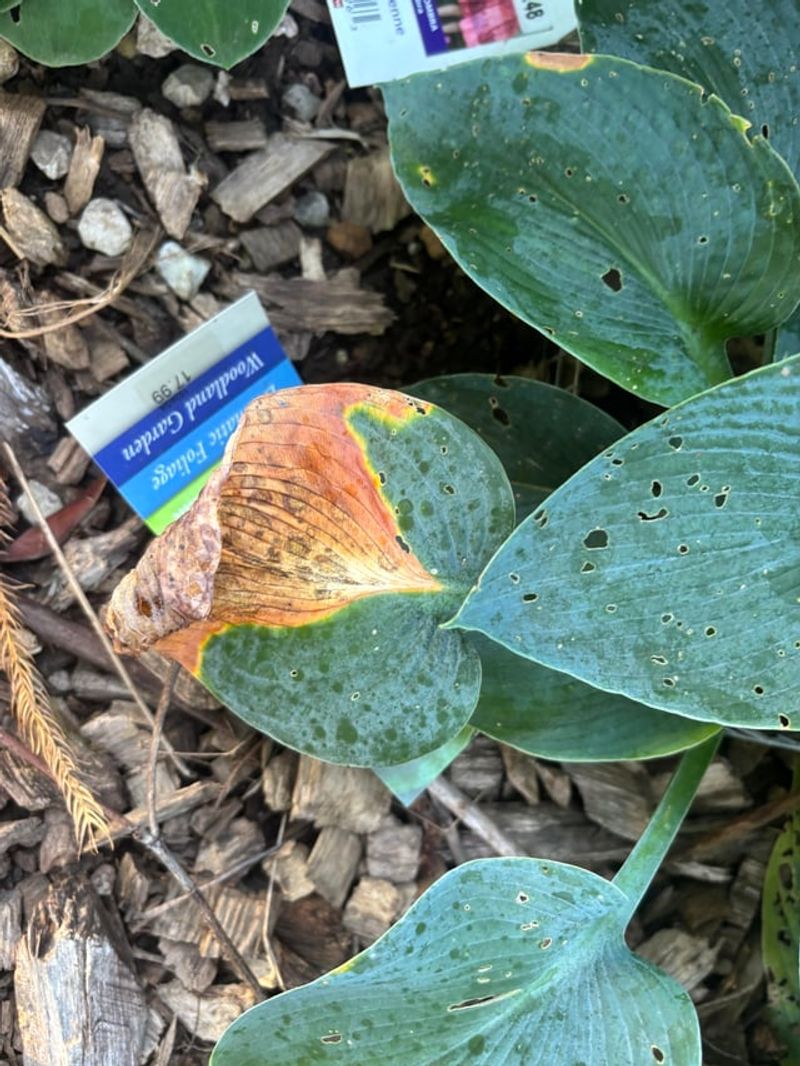
Once a few days have passed and the weather has steadied, you can start a careful, selective cleanup of the worst-looking foliage. The goal here is not to strip the plant bare but to remove only the leaves that are clearly beyond recovery.
Think of it as tidying up rather than a full renovation.
Frost-damaged hosta leaves that are mushy, fully browned, blackened, or badly collapsed are unlikely to look better later, so trimming those off can improve appearance and make the plant easier to assess.
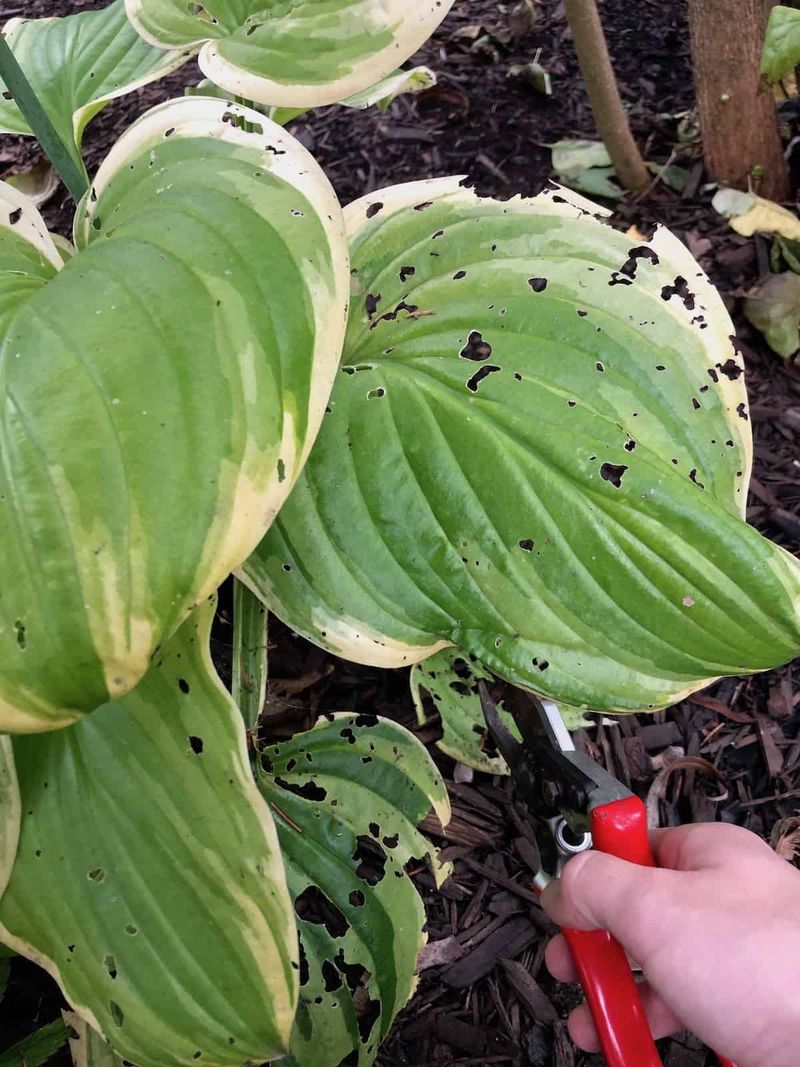
Use clean, sharp pruners or scissors and cut damaged leaves close to the base without digging into or disturbing the crown.
If a leaf is only partly damaged and still has healthy green tissue, leaving it in place a little longer can still benefit the plant.
Be patient and selective during this process. Hostas often recover with time, and heavy cleanup is usually less helpful than thoughtful cleanup.
A light hand gives the plant room to push new leaves while keeping the clump from looking ragged longer than it needs to.
4. Even Moisture Helps Hostas Recover More Smoothly
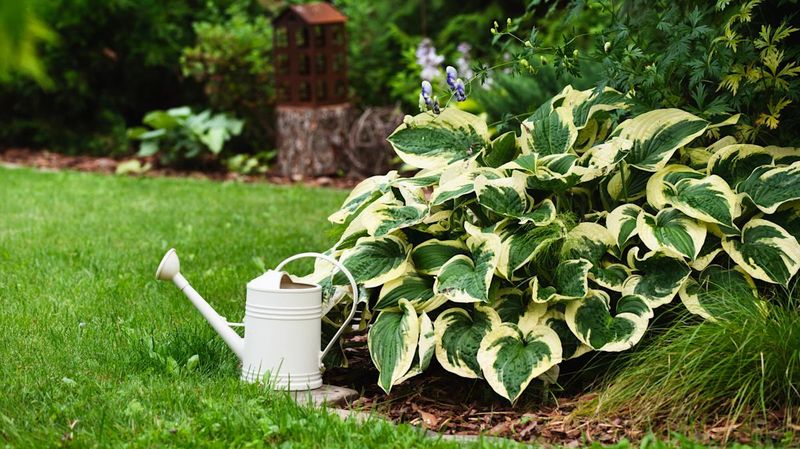
Soil moisture plays a quiet but meaningful role in how well hostas bounce back after a frost event. When the ground is consistently moist, the plant has an easier time moving water and nutrients up through its system to support new growth.
Dry soil adds another layer of stress on top of the frost damage the plant is already managing.
Moist soil also holds heat more effectively than dry soil, which can help protect the crown and shallow roots during temperature dips that sometimes follow the main frost event.
Ohio springs are unpredictable, and a cold night can follow a warm afternoon with very little warning.
Keeping the soil evenly moist around your hostas gives them a small but real advantage during that unstable stretch.
Watering deeply and consistently is more effective than light, frequent watering. A deep soak encourages roots to reach downward and helps the plant stay more stable overall.
Aim to water in the morning when possible, which gives the soil time to absorb moisture before any overnight temperature drop.
Avoid overwatering, especially in heavier clay soils that are common in parts of Ohio. Soggy soil can lead to crown rot, which is a more serious problem than frost-damaged leaves.
The goal is steady, even moisture rather than saturation. A layer of mulch around the base of the plant can help retain moisture between waterings while also moderating soil temperature during those unpredictable early spring weeks.
5. Extra Fertilizer Is Not The Right Fix After Frost
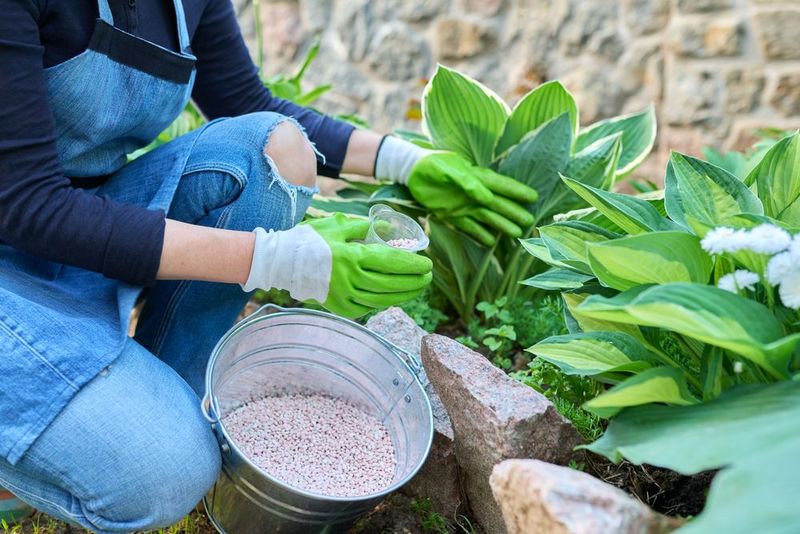
After watching a plant take a hit, the impulse to give it a boost with extra fertilizer is a natural one. It feels like a logical response, as if feeding the plant will speed up its recovery.
However, applying fertilizer right after a frost event can actually work against the hosta rather than helping it along.
Frost-stressed plants are not in a position to process and use a sudden surge of nutrients efficiently.
Pushing new, tender growth with fertilizer during a period when temperatures are still unpredictable means that fresh growth could emerge and then get caught by another cold night.
Ohio gardeners know how common it is for temperatures to dip again in late April or even into May, and soft new growth is the most vulnerable to that kind of damage.
Excess nitrogen in particular can push leafy growth quickly, but that growth tends to be thin and fragile.
A plant that is already recovering from frost stress does not need the added pressure of managing rapid, fertilizer-driven growth while it is still working to repair itself.
If you want to support recovery, focus on soil moisture and light mulching rather than fertilizer.
Once the plant has clearly pushed out healthy new growth and the risk of frost has passed for your part of Ohio, a light, balanced fertilizer application can be appropriate.
Timing matters a great deal, and waiting until the plant shows genuine signs of stable recovery is almost always the smarter call.
6. Cover New Growth If Another Cold Night Is Coming

Ohio spring forecasts have a way of keeping gardeners on their toes. Just when it seems like the cold is finished for the season, another round of below-freezing temperatures shows up in the forecast.
If your hostas have pushed out new growth after the first frost, protecting that fresh foliage before the next cold night is absolutely worth the effort.
Lightweight frost cloth or old bedsheets draped loosely over the plants can make a meaningful difference when temperatures are expected to drop near or below freezing.
The covering traps heat radiating from the soil and creates a slightly warmer microclimate around the plant without crushing or damaging the new growth underneath.
Even a few degrees of protection can be enough to prevent another round of frost burn.
Plastic sheeting is a less ideal choice because it does not breathe and can trap too much moisture, which creates other problems.
If plastic is the only option available, make sure it does not rest directly against the leaves and remove it as soon as temperatures rise the following morning to prevent overheating.
Cardboard boxes, inverted buckets, or even thick layers of newspaper can work in a pinch for smaller hosta clumps. The key is to get the covering in place before the temperature drops, ideally in the late afternoon.
Covering plants after the cold has already set in is far less effective than getting ahead of the forecast and acting while there is still warmth in the soil and air.
7. Most Frost Damage Is More Cosmetic Than Permanent
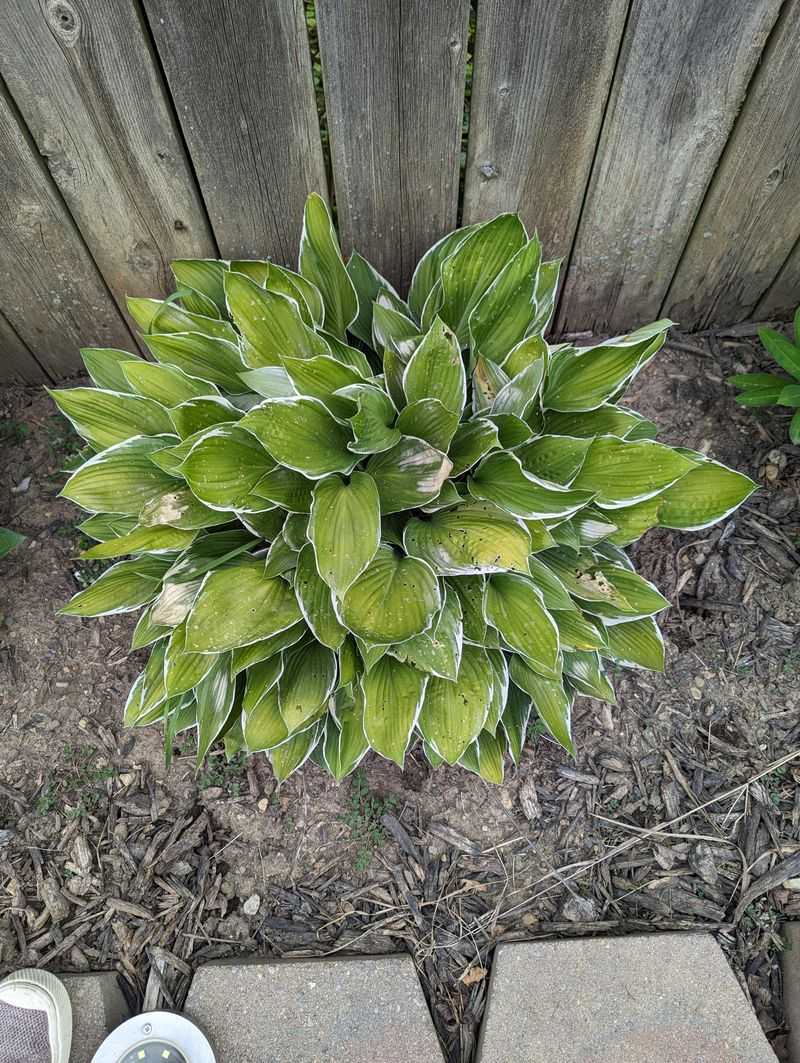
One of the most reassuring things to understand about frost damage on hostas is that it tends to be a surface-level problem more often than a deep, lasting one.
The leaves that turn brown, mushy, or translucent after a cold night are certainly not a pretty sight, but they rarely tell the full story of what is happening below the soil surface.
The crown of a hosta, which sits at or just below the soil line, is where the plant stores its energy and generates new growth. That crown is naturally more insulated and protected from cold air temperatures than the leaves above it.
A frost that damages foliage completely may leave the crown untouched and fully capable of pushing out a second flush of leaves as the season progresses.
Ohio gardeners who have grown hostas for several seasons often come to expect a certain amount of spring frost drama without too much worry. They have seen plants that looked completely ruined in April come back looking full and healthy by June.
That kind of experience builds a realistic perspective on how resilient these plants can be when conditions are otherwise right.
Checking the crown is the most useful thing you can do to assess true damage. Press gently at the base of the plant with your finger.
If the crown feels firm rather than soft or mushy, the plant is almost certainly going to recover. A firm crown is a strong signal that the plant is still alive, still functioning, and simply waiting for warmer conditions to get back to work.
8. Big Cleanup Jobs Can Wait Until The Plant Settles Down
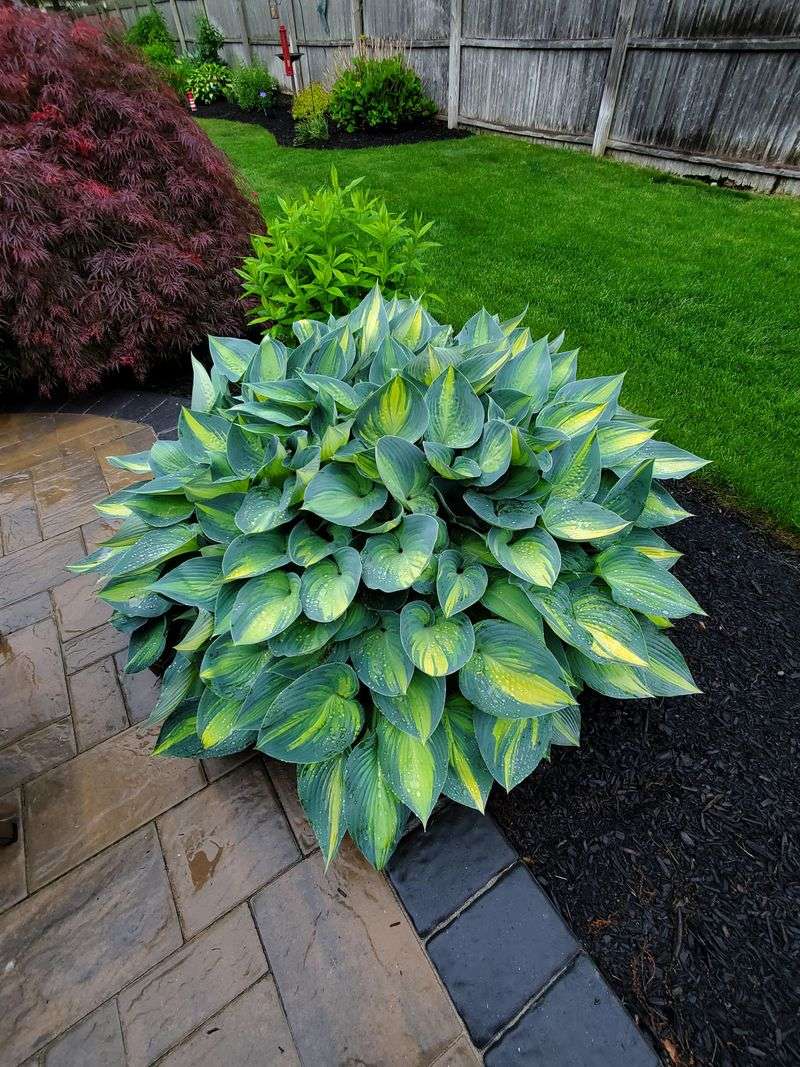
Spring in Ohio has a way of making gardeners feel behind schedule, and the urge to get the garden looking tidy as quickly as possible is completely understandable.
However, when hostas have been hit by frost, launching into a big cleanup project before the plant has stabilized is rarely the best approach.
Hostas that are recovering from frost stress benefit most from being left relatively undisturbed for a stretch of time.
Heavy digging, dividing, or aggressive leaf removal during the recovery period adds physical stress on top of cold stress, and that combination can slow the plant down more than the frost itself did.
Letting the plant settle into the warmer weather before doing any significant work around it gives it the best conditions for a smooth recovery.
A light surface cleanup, such as removing the most obviously damaged leaves and clearing away any debris from around the base, is reasonable and helpful.
Beyond that, holding off on larger tasks like dividing clumps or transplanting is generally the smarter move until the plant has clearly pushed out healthy new growth and seems to be growing steadily.
Patience is genuinely one of the most useful tools an Ohio gardener can bring to a frost recovery situation. The garden does not need to look perfect by the first warm weekend of April.
Giving hostas the time and space to recover on their own schedule, with minimal interference, tends to produce better results than rushing the process and discovering later that the plant needed more time than you allowed.