What Oregon Gardeners Should Be Pruning Right Now
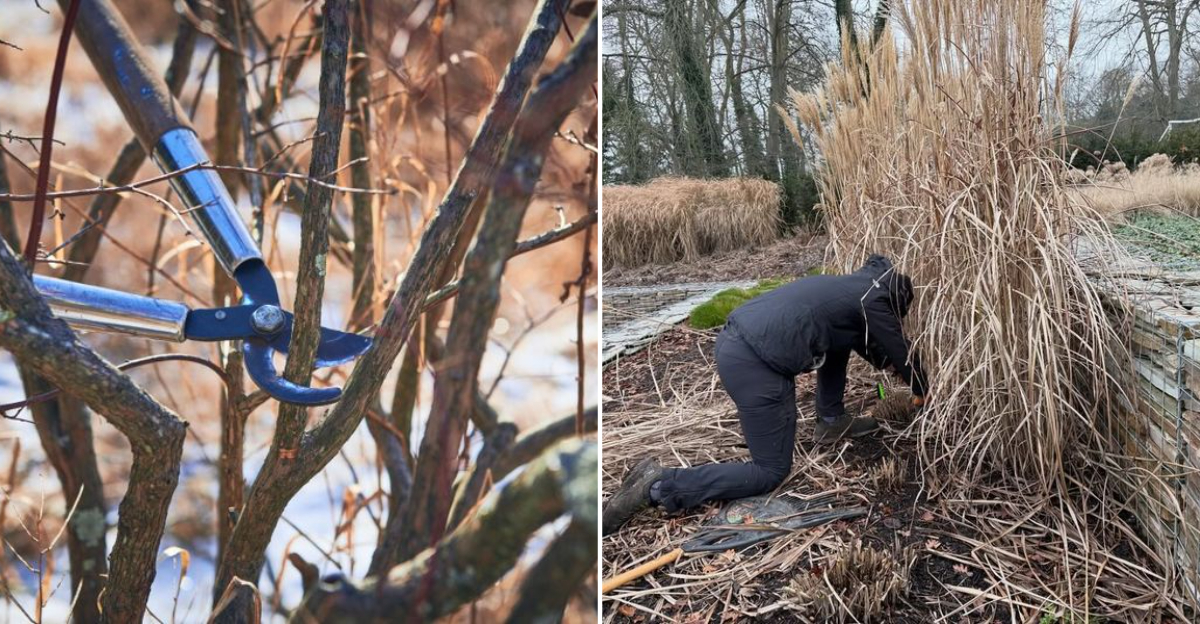
Late winter in Oregon is that quiet, in between moment when gardens are still sleepy but spring is just around the corner.
This is the perfect window to grab your pruners and set the stage for healthy growth, better shape, and stronger blooms in the months ahead.
Many trees and shrubs respond beautifully to a well timed trim while they are dormant, putting energy into fresh shoots as temperatures begin to rise.
Thoughtful pruning now can prevent overcrowding, improve air flow, and encourage more flowers and fruit later in the season.
It is also a great time to remove winter damage and tidy up plants that grew wild last year. A little work during this cool, misty stretch pays off in a big way once Oregon gardens burst back to life with color, fragrance, and lush new growth in early spring.
1. Roses (Rosa)
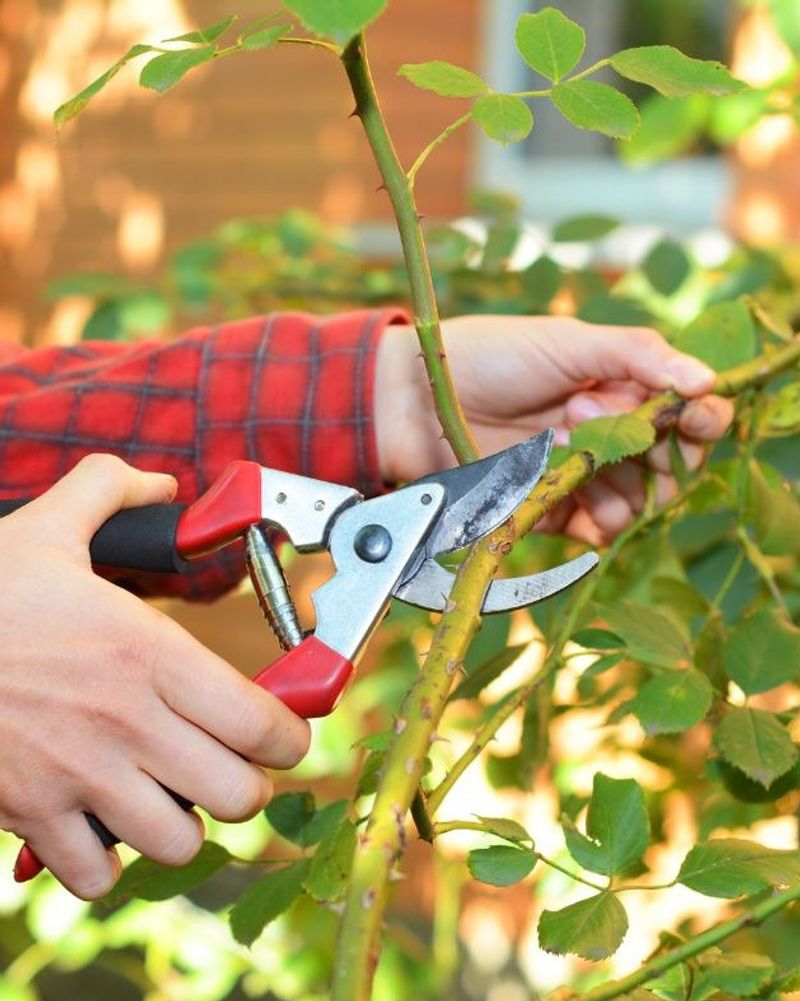
Few plants reward a good pruning quite like roses do. In Oregon, the best time to prune most roses is late February through mid-March, just as forsythia starts to bloom and the soil begins to warm up.
Waiting until you see those tiny red or green buds swelling on the canes is a reliable sign that the timing is right.
Start by removing any canes that look dark, shriveled, or damaged from winter. Cut back to healthy, white-centered wood at a 45-degree angle just above an outward-facing bud.
This encourages the plant to grow outward rather than inward, which improves airflow and reduces disease pressure.
For hybrid teas and grandifloras, cutting plants back by about one-third to one-half gives them a strong foundation for the season. Climbing roses are handled differently.
They bloom on old wood, so hold off on heavy pruning for those until after their first big flush of flowers. Oregon gardeners who prune roses at the right time are often rewarded with bigger blooms and stronger plants by June.
2. Hydrangeas (Especially Hydrangea Paniculata And Arborescens)
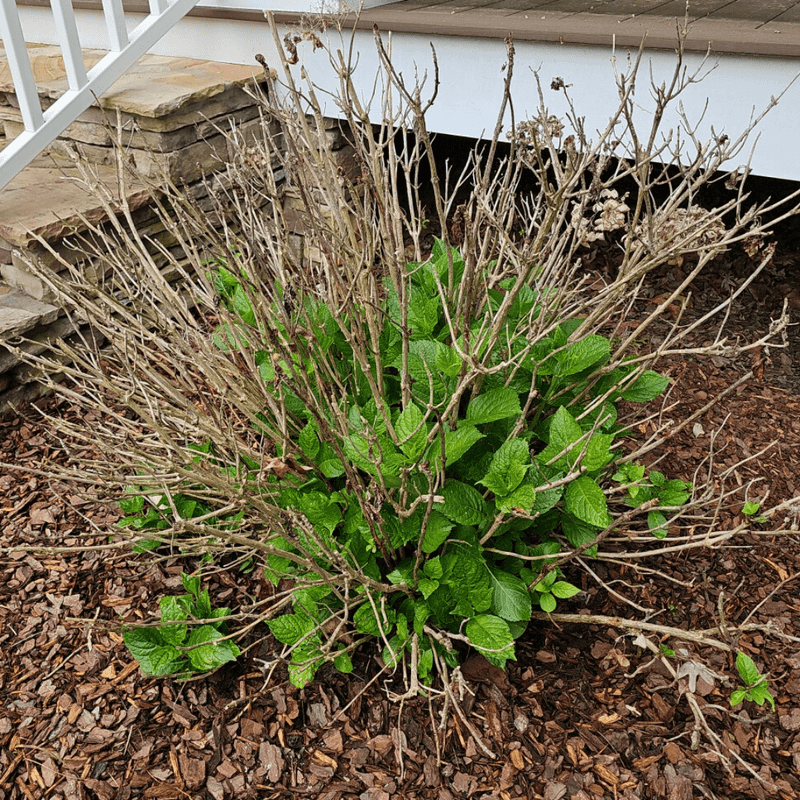
Not all hydrangeas are pruned the same way, and getting this wrong is one of the most common gardening mistakes in Oregon. The good news is that Hydrangea paniculata (like Limelight) and Hydrangea arborescens (like Annabelle) are the easiest to work with.
Both bloom on new wood, which means pruning them now will not cost you any flowers this summer.
For Hydrangea arborescens, cut stems back hard to about 12 inches from the ground. This keeps the plant from getting too tall and floppy under the weight of its big blooms.
Hydrangea paniculata can handle a similar approach, though you can leave a slightly taller framework if you want a larger shrub.
Avoid pruning bigleaf hydrangeas (Hydrangea macrophylla) right now if you want flowers this year. Those bloom on old wood and should only be lightly tidied up.
In Oregon’s mild, wet climate, late February through early March is the sweet spot for tackling paniculata and arborescens types before new growth pushes hard. Clean cuts with sharp tools make a real difference in how quickly the plants bounce back.
3. Fruit Trees (Apple, Pear, Plum)
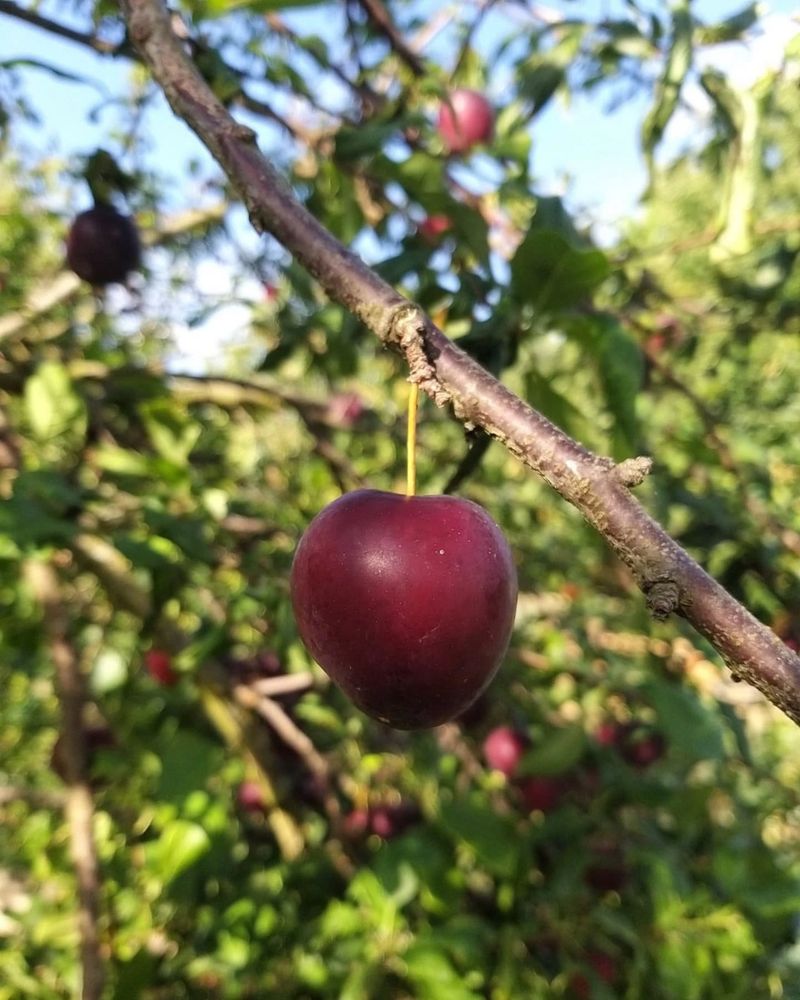
Oregon is one of the best places in the country to grow fruit trees, and late winter pruning is one of the secrets behind a great harvest.
Apples, pears, and plums should all be pruned while they are still fully dormant, ideally between January and early March before buds begin to swell.
The main goals are to open up the canopy, remove crossing branches, and cut out any wood that looks diseased or damaged. A well-shaped fruit tree lets sunlight reach all parts of the canopy, which leads to better fruit color and flavor.
Aim for a vase or open-center shape on plums, and a central leader or modified leader structure for apples and pears.
Always use clean, sharp tools and make smooth cuts just outside the branch collar. Avoid leaving stubs, which can invite problems.
In the Willamette Valley and other parts of western Oregon, fire blight is a real concern for pears and apples. Disinfecting your pruning tools between cuts helps keep it from spreading.
A little time spent pruning fruit trees now pays off big when harvest season rolls around in late summer and fall.
4. Blueberries (Vaccinium Corymbosum)
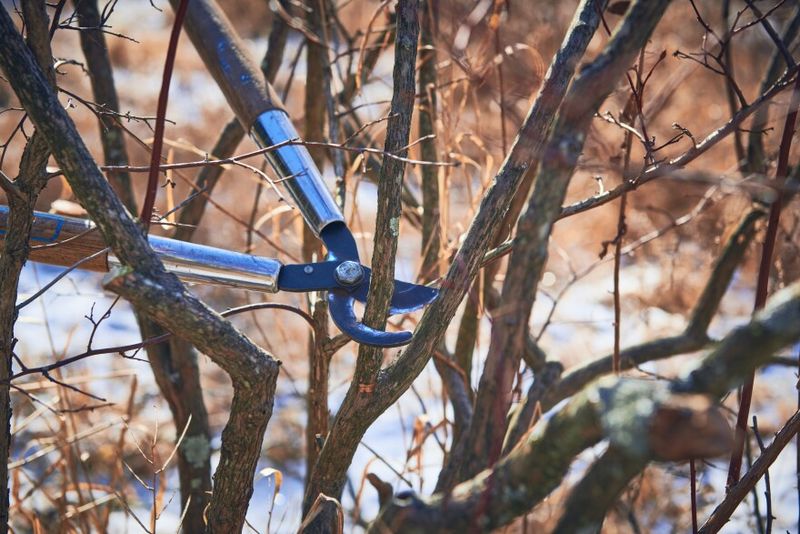
Oregon is blueberry country. The Willamette Valley alone produces millions of pounds of blueberries every year, and home gardeners across the state grow them with great success.
Pruning blueberries in late winter, around February or early March, is one of the best things you can do to keep plants productive for decades.
Blueberries produce the most fruit on two- to three-year-old wood. That means your job is to remove the oldest, thickest canes each year to make room for younger, more fruitful growth.
A good rule of thumb is to cut out any cane that is thicker than your thumb or more than six years old. Also remove twiggy, weak growth from the inside of the bush.
Try to leave about six to eight strong, healthy canes per plant. After pruning, the bush should look open and airy, not dense and crowded.
Blueberries also benefit from a light shaping to keep them at a manageable height for picking. Many Oregon gardeners find that skipping this step for even one or two years leads to a noticeable drop in berry production.
Staying consistent with annual pruning keeps the harvest coming year after year.
5. Grapevines (Vitis)
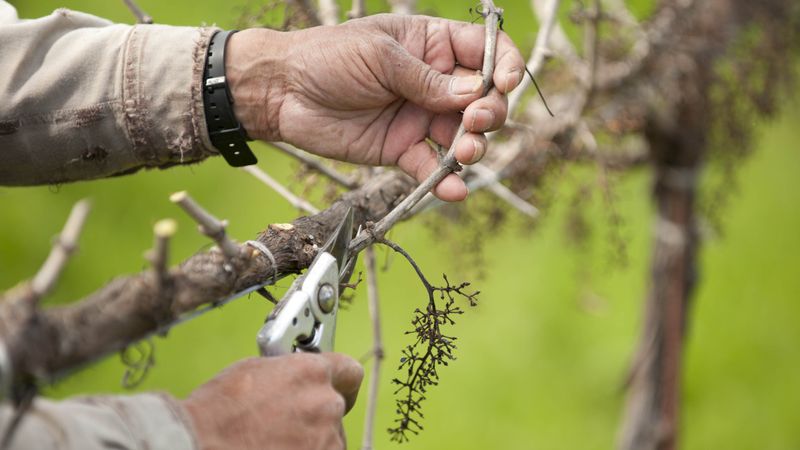
Grapevines are one of the most dramatic pruning jobs in the garden. Left unpruned for just one season, they can turn into a tangled mess of unproductive wood.
In Oregon, especially in wine-growing regions like the Willamette Valley and Rogue Valley, late winter pruning is essential for a good crop of grapes.
The ideal time to prune grapevines is late February through early March, while the vines are still dormant but just before bud swell. There are two main pruning systems: cane pruning and spur pruning.
Most home gardeners find spur pruning easier to manage. With this method, you select two to four spurs along each cordon arm and cut each one back to just two to three buds.
It might feel like you are cutting off too much, but grapes grow fast and fruit best on new growth from the current season. Remove all the old, tangled canes from last year and keep the main framework clean and organized.
Sharp bypass pruners and a small pruning saw are the tools you need. Oregon gardeners who prune their grapevines consistently tend to get better fruit quality and much easier harvests all season long.
6. Deciduous Shade Trees (Maple, Birch, Linden)
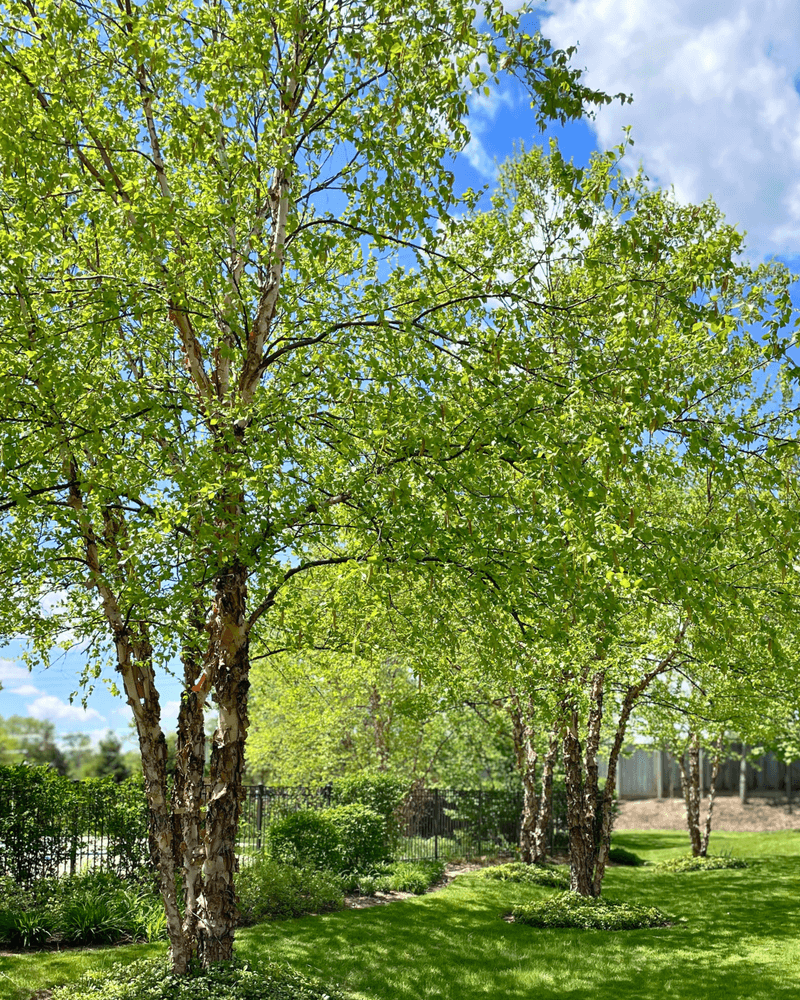
Big shade trees need attention too, and late winter is actually one of the best times to prune them. When leaves are off the branches, you can see the tree’s structure clearly.
That makes it much easier to spot crossing branches, weak crotches, and anything that might cause problems down the road.
For maples, birches, and lindens in Oregon, aim to prune in late January through February. One important tip for birches and maples: avoid pruning once sap starts flowing in spring.
Maples and birches are known for heavy sap flow when pruned too late, which is messy but not permanently harmful. Still, earlier is better for these species.
Focus on the three Ds when pruning shade trees: remove dead, damaged, and diseased branches first. Then look for any branches that cross and rub against each other.
Remove the weaker of the two. Always cut just outside the branch collar and avoid flush cuts.
For large limbs, use the three-cut method to prevent bark tearing. Oregon’s wet winters can make trees more prone to fungal issues, so clean pruning cuts that heal quickly are especially important in the Pacific Northwest climate.
7. Summer-Flowering Spirea (Spiraea Japonica)
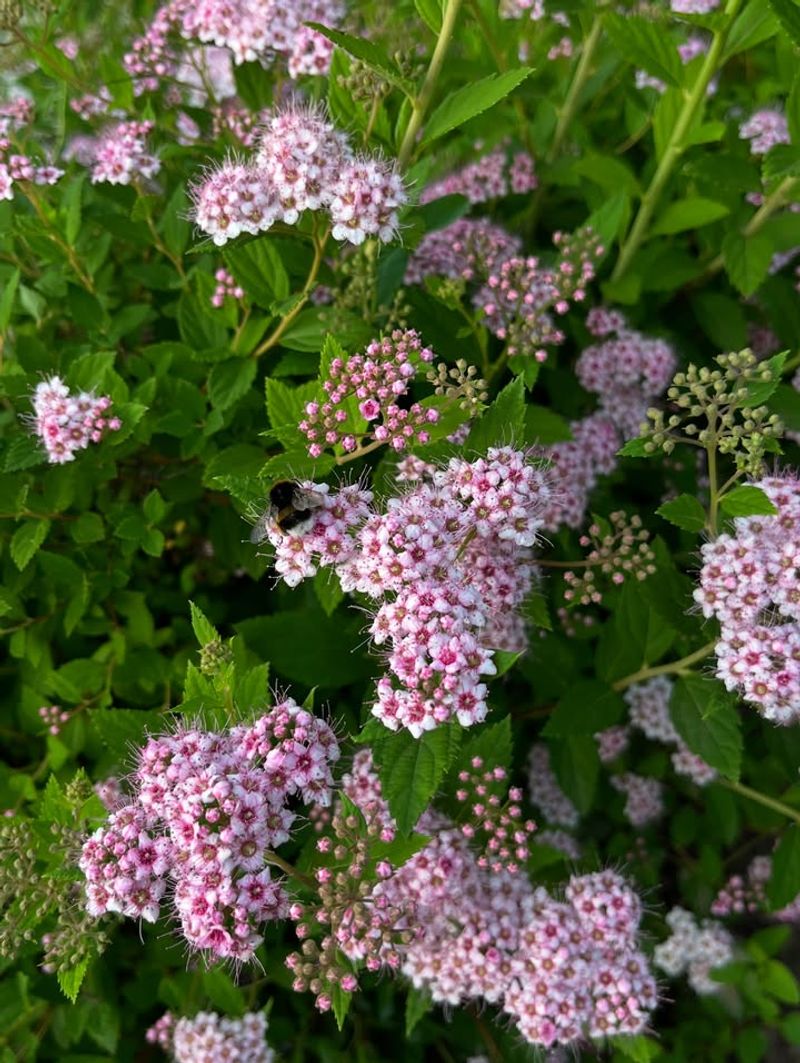
Spiraea japonica is a workhorse shrub that shows up in Oregon gardens everywhere. It is tough, adaptable, and produces beautiful pink or white flowers all summer long.
The catch is that it blooms on new growth, so pruning it hard in late winter is exactly what it needs to look its best.
Cut the whole plant back to about six to twelve inches from the ground in late February or early March. It sounds severe, but this shrub bounces back quickly and puts out lush new growth that is packed with flower buds.
If you skip this step for a few years, the plant gets woody and leggy, and flowering drops off noticeably.
After cutting it back, you can also divide overgrown clumps by digging and splitting the root mass. This is a great way to fill in other spots in the garden for free.
Spiraea japonica grows well across Oregon, from the coast to eastern Oregon’s drier climate, as long as it gets decent drainage. A handful of balanced fertilizer worked into the soil around the base after pruning gives it a boost heading into the growing season.
Expect fresh, colorful growth within just a few weeks.
8. Butterfly Bush (Buddleja Davidii)
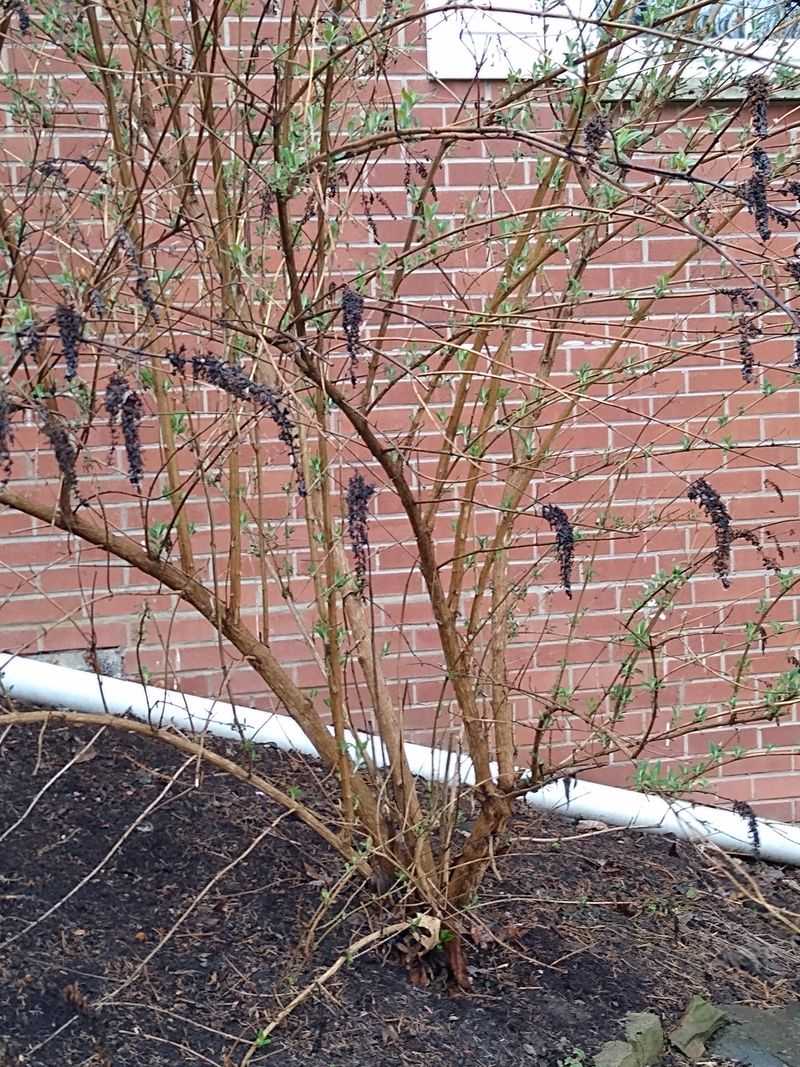
Butterfly bush has a bit of a complicated reputation in Oregon. It is technically listed as an invasive plant in many parts of the state, so if you grow one, make sure it is a sterile cultivar like Lo and Behold or Pugster series.
That said, if you already have one in your garden, pruning it correctly is important for both looks and responsible gardening.
Cut butterfly bush back hard in late February or early March. Reduce the whole plant to a low, woody framework about 12 to 18 inches tall.
It may look bare and sad for a few weeks, but new growth comes on fast once temperatures warm up. Butterfly bush blooms exclusively on new wood, so skipping this pruning step means fewer flowers and a much messier-looking plant.
After pruning, remove and bag all the old stems and flower heads to prevent any seed spread. This is especially important in Oregon, where the plant can spread into natural areas along rivers and roadsides.
Choosing a sterile variety and being diligent about cleanup makes it possible to enjoy this pollinator magnet responsibly. Hummingbirds and butterflies will still flock to it all summer long in your Oregon garden.
9. Ornamental Grasses (Cut Back Before New Growth)
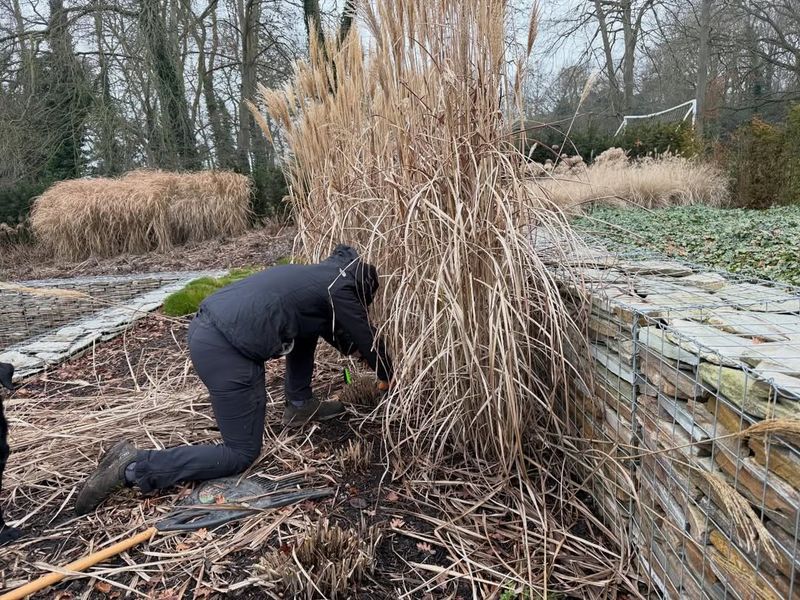
Ornamental grasses are some of the most low-maintenance plants you can grow in Oregon, but they do need one big annual haircut. Late February through early March is the perfect window to cut them back before new green shoots start pushing up from the base.
If you wait too long, you risk cutting off the fresh new growth along with the old.
For most medium to large ornamental grasses like miscanthus, pennisetum, and calamagrostis, cut the whole clump back to about four to six inches from the ground. Use a pair of hedge shears or even a reciprocating saw for large, dense clumps.
Tying the grass into a bundle before you cut makes cleanup much easier and keeps the mess contained.
Smaller, finer-textured grasses like blue fescue can be combed through with a gloved hand instead of cutting hard. This removes the dead material without stressing the plant.
Sedges, which are common in Oregon’s wetter gardens, are generally evergreen and should only be lightly tidied.
After cutting back your grasses, the garden will look sparse for a few weeks, but the fresh new growth that follows is bright, lush, and worth every bit of the effort you put in.
10. Lavender (Light Shaping Only)
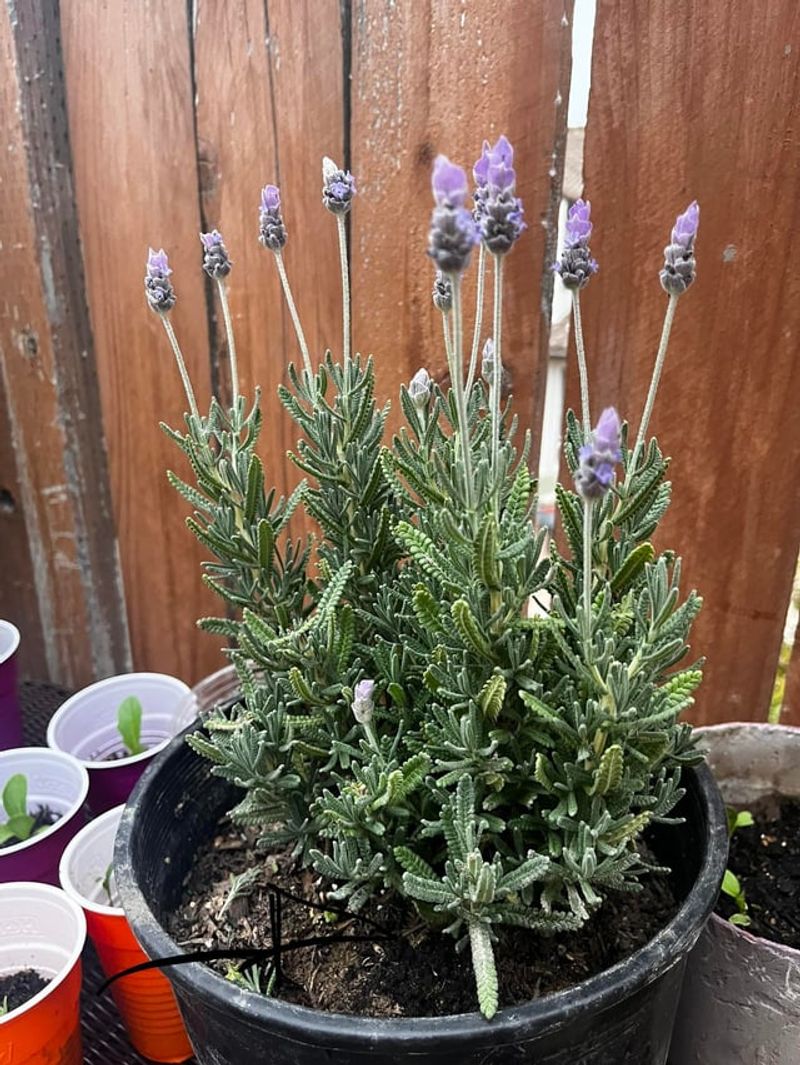
Lavender is one of those plants that looks like it can handle anything, but it actually has a weakness: hard pruning into old wood. Unlike roses or spirea, lavender does not reliably regrow from thick, woody stems.
That makes timing and technique especially important for Oregon gardeners who want their lavender to thrive for years.
Right now, in late February or early March, give lavender a light shaping to clean it up after winter. Use sharp shears to trim off about one-third of last year’s green growth.
Look for the lowest green leaves on each stem and make sure you are cutting above that point. Never cut back into the gray, leafless woody base of the plant.
In Oregon’s mild, wet winters, lavender can suffer from root rot and fungal issues if it sits in soggy soil. Good drainage is more important for lavender than almost any other factor.
If your plant looks patchy or has large sections of dead wood, it may be time to replace it rather than try to rescue it with heavy pruning. English lavender varieties like Hidcote and Munstead tend to handle Oregon’s climate better than Spanish types.
A light annual trim keeps them compact, tidy, and loaded with fragrant blooms come summer.