What Oregon Law Says About Clearing A Neighbor’s Vines Growing Over Your Fence
Oregon homeowners often face a surprisingly tricky question: what are you legally allowed to do when your neighbor’s vines start creeping over your fence?
While it might seem like a small backyard nuisance, overgrown vegetation can turn into a genuine property dispute if the boundaries — both legal and literal — aren’t clear.
The good news is that Oregon law offers guidance on where your rights begin, where your neighbor’s responsibilities end, and how to handle encroaching plants without escalating tensions.
But many homeowners are shocked to learn that trimming those vines isn’t always as simple as grabbing a pair of shears.
Trespassing laws, property-line rules, and liability concerns all play a role. In this article, we break down exactly what Oregon law says you can — and cannot — do, helping you protect your property while staying on solid legal ground and keeping neighborly relationships intact.
1. Property Lines Define Your Rights To Trim
Oregon law gives homeowners clear authority over what happens on their side of the property line.
When vines from your neighbor’s yard cross onto your property, you gain the legal right to trim them back.
This right exists regardless of whether your neighbor planted the vines intentionally or they grew wild.
Your property line acts as an invisible boundary that separates your rights from your neighbor’s rights.
Anything that crosses this line, including branches, roots, and vines, falls under your control once it enters your space.
You don’t need permission from your neighbor to cut back vegetation that has invaded your property.
However, you must be absolutely certain where your property line actually sits before taking action.
Mistakenly cutting plants on your neighbor’s side could lead to legal trouble and financial liability.
Consider hiring a professional surveyor if you have any doubts about the exact boundary location.
Keep records of your property boundaries and any maintenance you perform.
Photographs and dated documentation can protect you if disputes arise later.
Knowing your rights starts with knowing your property lines.
2. You Can Cut Vines At The Boundary Without Permission

Oregon follows the common law principle of self-help when it comes to encroaching vegetation.
This means you can take matters into your own hands without getting your neighbor’s approval first.
The law recognizes that homeowners should have control over their own property without unnecessary barriers.
When trimming vines at the boundary, you can cut them right at the property line.
You’re not required to leave any portion of the vine hanging over your fence or touching your property.
This applies to all types of climbing plants, whether they’re ornamental or wild species.
The key limitation is that you can only trim what’s on your side of the boundary.
You cannot go onto your neighbor’s property to cut the vines at their source.
You also cannot use herbicides or other chemicals that might drift onto your neighbor’s land and harm their plants.
This self-help right exists to prevent minor disputes from turning into costly legal battles.
Most property issues can be resolved with simple maintenance and clear communication.
Remember that exercising your rights responsibly helps maintain good neighborhood relationships.
3. Neighbors Cannot Sue For Proper Trimming
One of the biggest concerns homeowners have is whether their neighbor can take legal action against them for trimming.
Fortunately, Oregon law protects your right to maintain your property boundary.
As long as you only cut vegetation on your side of the line, your neighbor has no grounds for a lawsuit.
Courts have consistently upheld the principle that property owners can defend their boundaries from encroaching plants.
Your neighbor cannot claim damages for vines you properly trimmed on your own property.
This protection exists even if the vines were expensive ornamental plants or had sentimental value.
The protection only applies when you act reasonably and stay within your legal boundaries.
If you accidentally or intentionally damage plants on your neighbor’s side, you could face liability.
If you use excessive force or methods that cause damage beyond the immediate trimming area, problems might arise.
Document your trimming activities with photos showing the property line and the work you performed.
This evidence can prove valuable if your neighbor makes false claims about your actions.
Proper trimming is your right, and the law stands behind you when you exercise it correctly.
4. Responsibility For Vine Damage Lies With The Owner
When vines from your neighbor’s property cause damage to your fence, siding, or other structures, Oregon law may hold them responsible.
Property owners have a duty to prevent their vegetation from causing harm to neighboring properties.
This principle applies to both planted and naturally occurring plants on their land.
Proving liability requires showing that the vines actually caused measurable damage to your property.
Common examples include rotted wood, cracked siding, clogged gutters, or damaged roof shingles.
You’ll need evidence such as photographs, repair estimates, and possibly expert testimony about the cause of damage.
Your neighbor might be liable even if they didn’t know the vines were causing problems.
However, your case becomes stronger if you previously notified them about the encroaching vines and they failed to act.
Keep copies of any letters, emails, or text messages you send regarding the issue.
Small claims court offers an accessible option for seeking compensation for vine damage.
You can typically file claims up to ten thousand dollars without needing an attorney.
Gather all your documentation before filing to present the strongest possible case for your damages.
5. Communication Before Action Prevents Future Problems
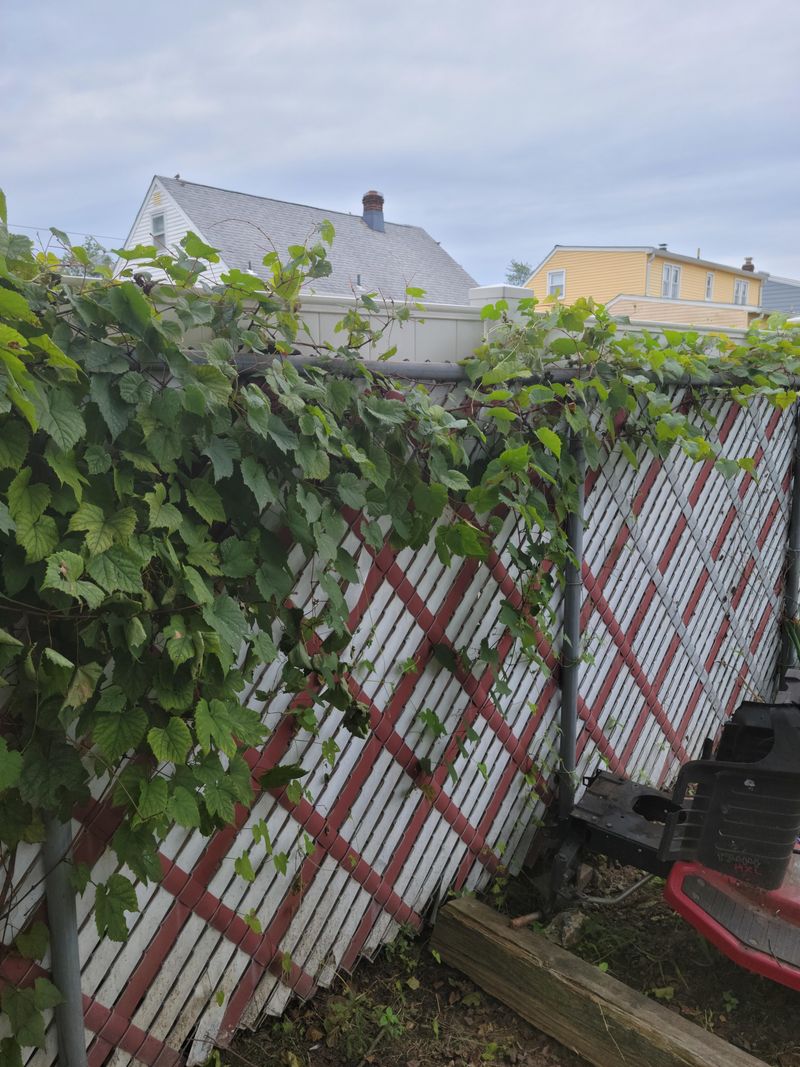
While Oregon law gives you the right to trim without permission, talking to your neighbor first often leads to better outcomes.
A friendly conversation can prevent misunderstandings and preserve your relationship with the people living next door.
Many neighbors are happy to address the problem themselves once they know it’s causing issues.
Approach the conversation with a positive attitude and assume your neighbor wants to be reasonable.
Explain the specific problems the vines are causing, such as damage to your fence or difficulty maintaining your yard.
Offer to work together on a solution that satisfies both parties.
Some neighbors might not realize their plants have grown over the boundary.
Others might appreciate the heads-up before you start cutting, even though you don’t legally need their permission.
This courtesy can make a significant difference in maintaining neighborhood harmony.
If your neighbor refuses to cooperate or becomes hostile, document the conversation.
Send a polite follow-up letter or email summarizing your discussion and your intention to trim the vines yourself.
This creates a paper trail that might prove useful if the situation escalates later into a legal dispute or insurance claim.
6. Herbicide Use Near Property Lines Requires Caution
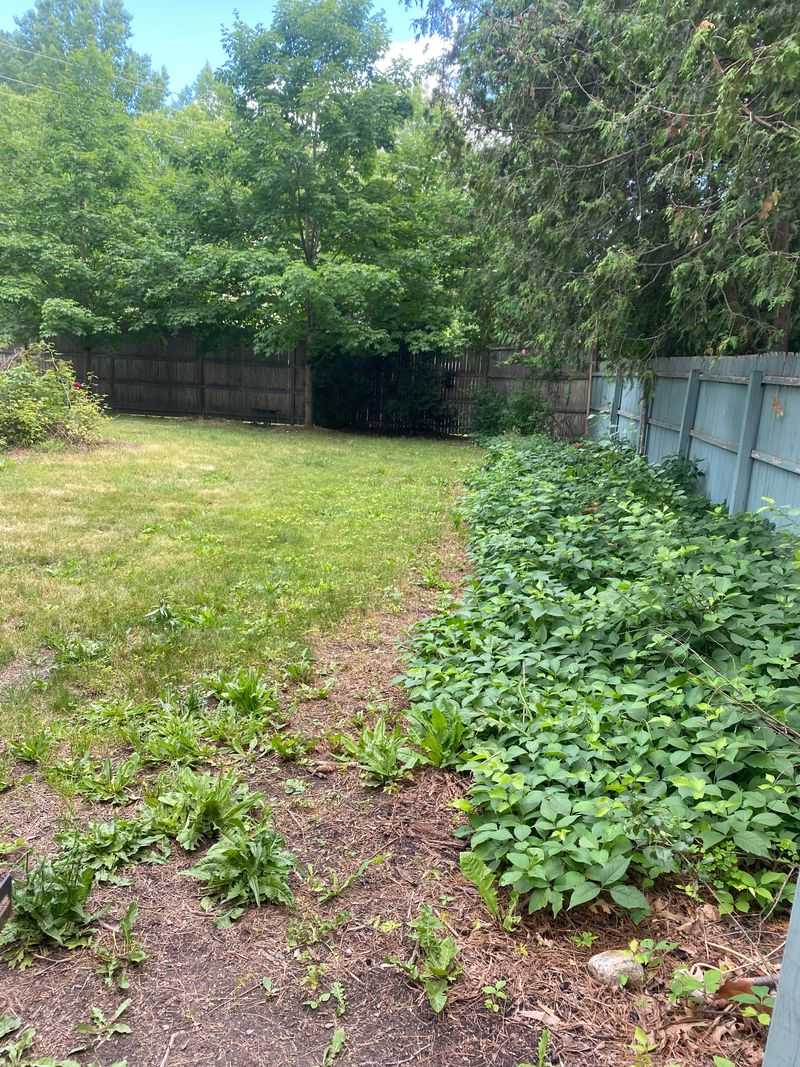
Using chemical treatments on vines growing over your fence presents legal risks that cutting doesn’t involve.
Oregon law prohibits actions that damage your neighbor’s property, and herbicides can easily drift or seep into their soil.
Even if you apply chemicals only to vines on your side, you could face liability if the plant source is harmed.
Many herbicides work by traveling through the plant’s system to attack the roots.
When you spray vines that originate on your neighbor’s property, the chemical will travel back and potentially harm or eliminate the entire plant.
This could constitute illegal damage to your neighbor’s property, opening you up to lawsuits and financial responsibility.
If you choose to use herbicides despite these risks, take extreme precautions to prevent any chemical from crossing the property line.
Apply treatments on calm days with no wind, use targeted application methods, and choose products that break down quickly.
Keep detailed records of what products you used and how you applied them.
The safer approach is to stick with mechanical removal methods like cutting or pulling.
These methods give you complete control and eliminate concerns about chemical trespass.
Your right to self-help is strongest when you use the least invasive methods available.
7. Boundary Disputes Require Professional Survey Work

Disagreements about where the property line actually sits can complicate vine removal significantly.
Your Oregon neighbor might insist the fence sits on their property, giving them authority over both sides.
Without clear evidence of the true boundary location, you risk legal problems if you proceed with trimming.
Licensed land surveyors can locate and mark your exact property boundaries using legal descriptions and historical records.
They’ll place stakes or markers showing precisely where your property ends and your neighbor’s begins.
This professional documentation carries legal weight that informal measurements cannot match.
The cost of a survey typically ranges from several hundred to a few thousand dollars depending on property complexity.
While this might seem expensive, it’s far less than the cost of defending a lawsuit or repairing mistaken damage.
Many title insurance policies cover survey costs when boundary disputes arise, so check your policy first.
Once you have a professional survey, share the results with your neighbor to resolve any confusion.
Most boundary disputes evaporate when both parties see objective evidence from a neutral expert.
If disagreements persist even after a survey, you’ll have the documentation needed to support your position in court or mediation proceedings.
8. Rental Properties Add Complexity To Vine Disputes
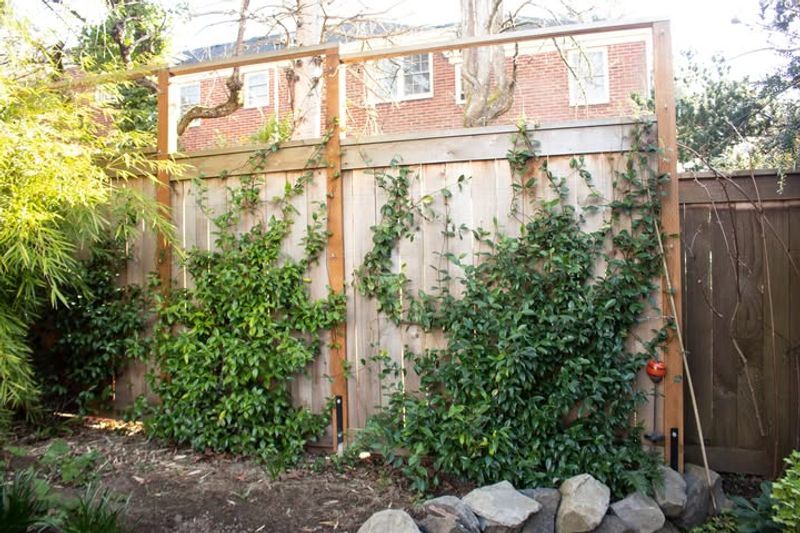
When either you or your Oregon neighbor rents rather than owns the property, vine disputes become more complicated.
Tenants generally have the right to maintain their rented property, but they may not have authority to make permanent changes.
Landlords ultimately bear responsibility for property maintenance and damage caused by vegetation.
If you’re a tenant dealing with vines from a neighboring property, notify your landlord in writing about the problem.
Your lease may require the landlord to handle boundary issues and protect the property from damage.
Documentation of the problem and your notification protects you from potential liability for any resulting damage.
When your neighbor is a tenant, you might need to contact their landlord to resolve persistent vine problems.
Tenants may lack the authority or motivation to address vegetation issues properly.
Landlords have a stronger interest in preventing property damage and legal liability.
Homeowner associations add another layer when they exist in your neighborhood.
Many HOAs have specific rules about landscaping, maintenance, and boundary disputes between members.
Check your CC&Rs and contact your HOA board before taking action that might violate community guidelines or architectural standards.
9. Disposal Of Cut Vines Remains Your Responsibility
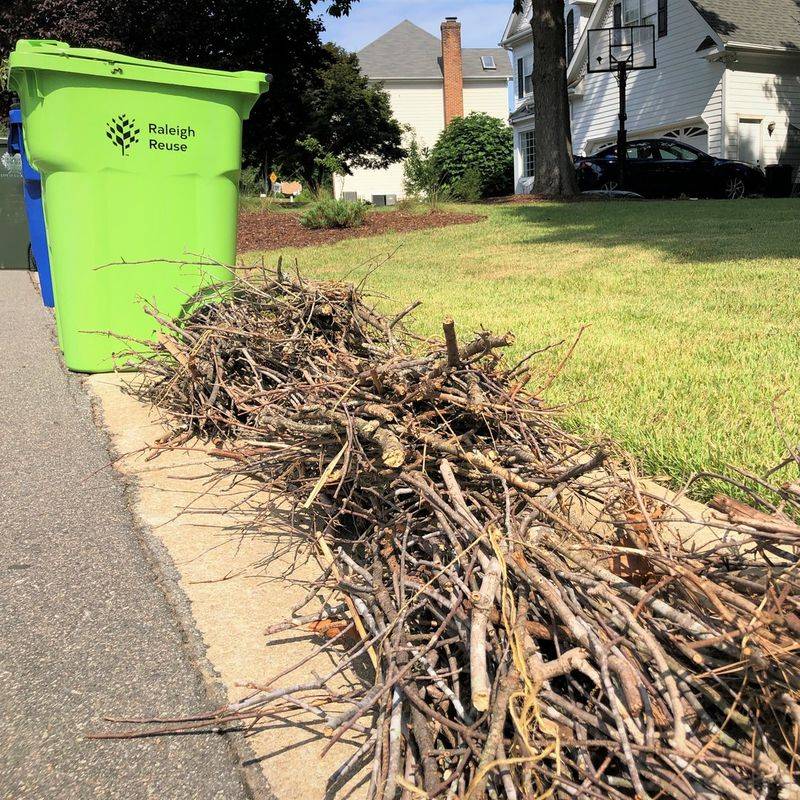
After you trim vines at the property line, Oregon law doesn’t require your neighbor to take the cuttings back.
The vegetation became your responsibility once it crossed onto your property.
You must dispose of the cut vines properly according to local waste management regulations.
Most Oregon communities offer yard waste collection services or designated drop-off locations for green waste.
Check with your local waste management provider about schedules and any restrictions on vine disposal.
Some areas prohibit disposing of certain invasive plant species in regular yard waste to prevent spreading.
You cannot simply throw the cut vines back over the fence onto your neighbor’s property.
This could constitute illegal dumping or trespassing, even though the vines originated there.
Such actions would likely damage your relationship with your neighbor and could result in complaints or legal action.
Consider composting the vines if they’re not from invasive or toxic species.
Many vines break down well in compost piles and can provide valuable organic matter for your garden.
Shredding or chopping the vines before composting speeds up decomposition and makes them easier to manage in your yard or compost bin.
10. Mediation Offers A Path When Conflicts Escalate
Sometimes vine disputes escalate beyond simple trimming into ongoing conflicts with neighbors.
Before rushing to court, consider mediation as a faster and less expensive way to resolve the issue.
Oregon courts often encourage or even require mediation before allowing property disputes to proceed to trial.
Community mediation services exist throughout Oregon to help neighbors work through disputes with the help of trained neutral facilitators.
These services typically cost much less than hiring attorneys and going to court.
Mediation allows both parties to express their concerns and work toward mutually acceptable solutions.
During mediation, you might reach agreements that go beyond what a court could order.
For example, you might agree on a schedule for vine maintenance, cost-sharing for fence repairs, or planting alternatives.
These creative solutions often address the underlying relationship issues better than legal judgments.
If mediation fails to resolve the dispute, you’ll still have the option to pursue legal action.
However, the mediation process often clarifies the issues and might even narrow what needs to be decided in court.
Many neighbor disputes that seem impossible to resolve initially find solutions through patient mediation and compromise from both sides.